Visa
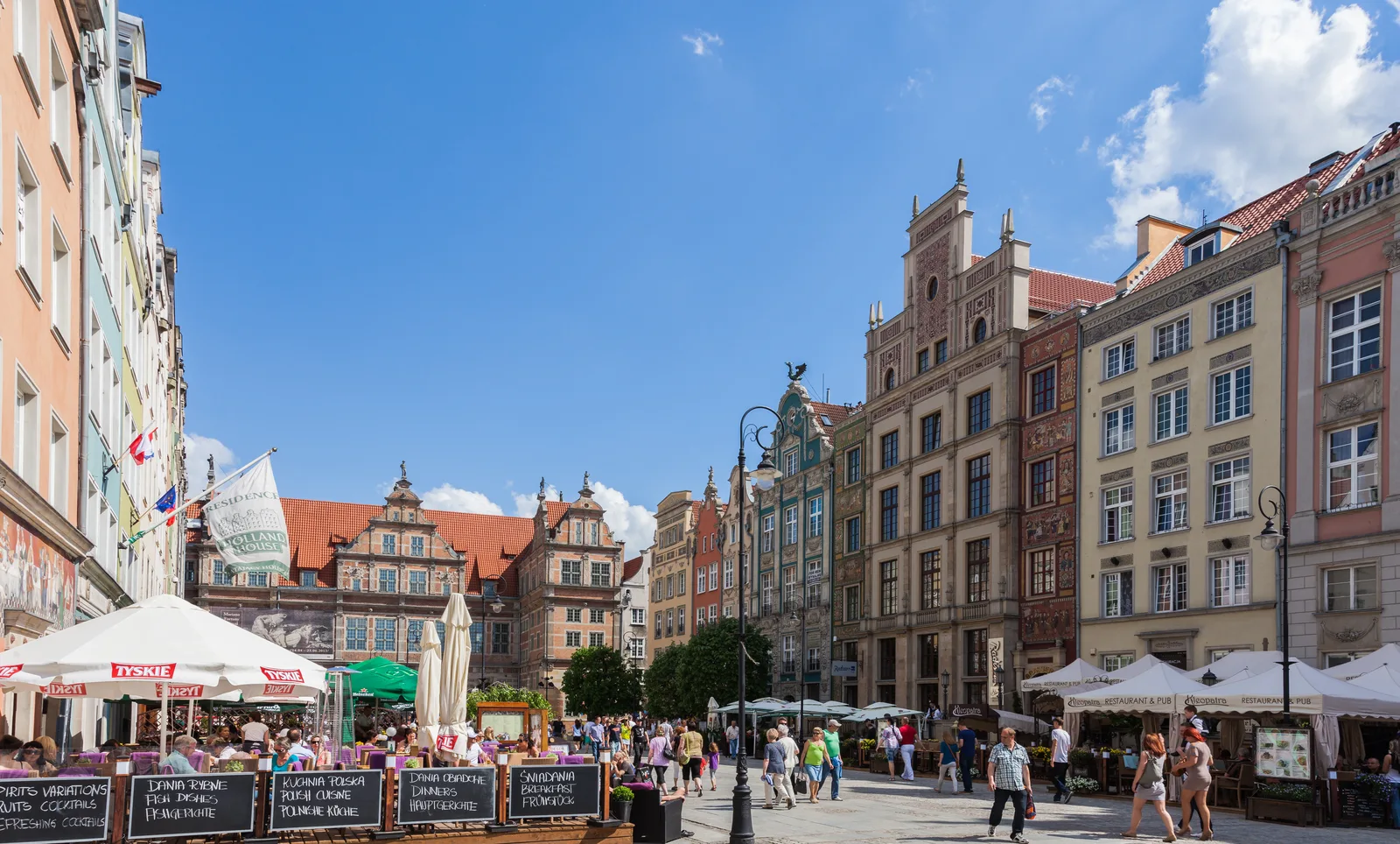
Gdańsk rewards a visit that reaches beyond the waterfront
Gdańsk brings together three different breaks: a historic Baltic port, a serious introduction to twentieth-century Europe and a base for the coast. Its most photographed streets sit beside the Motława, rather than directly on a bathing beach. That distinction matters when choosing accommodation: a waterfront room and a seaside room offer different holidays.
Give the city three full days if you want its streets, a major museum and some time outside the centre. A weekend can work beautifully with fewer commitments. Travellers considering a move should add ordinary weekdays, a trial commute and housing viewings; an attractive evening beside the river tells you little about the journey to an office across the urban area.
This guide uses official visitor, museum, transport and government information checked in October 2026. Prices are in Polish złoty, abbreviated PLN. Opening patterns and temporary closures can change, so use the linked operators when fixing your dates.
Read the city through trade, destruction and rebuilding
Gdańsk's trading past helps explain its architecture: gates, merchant houses and waterfront structures belonged to a city connected to Baltic commerce and the Hanseatic world. Its history also includes changing political boundaries and the interwar Free City of Danzig. The official city brochure provides a useful introduction to that complicated background.
Much of the historic centre was reconstructed after destruction in 1945. Appreciating the streets therefore means looking at both the older urban inheritance and the later decision to restore it. Avoid treating every colourful façade as an untouched survival. The rebuilding is part of the story, rather than an embarrassment to be edited out of a photograph.
Two later chapters deserve time indoors: the Second World War and the Solidarity movement associated with the shipyards. Together with the commercial waterfront, they make a fuller visit than a succession of picturesque streets alone.
Choose a district around the journeys you will make
Główne Miasto, or Main Town, is the obvious starting point for sightseeing. Długa and Długi Targ form its best-known walking spine. Accommodation listings often use “Old Town” broadly, so inspect the map pin rather than relying on that label to describe an exact neighbourhood.
For a first visit, compare Main Town addresses with properties around Gdańsk Główny station. The former puts evening walks close at hand; the latter deserves consideration when rail connections drive the itinerary. Check the actual walking route with luggage, including crossings, rather than measuring a straight line.
Wrzeszcz is worth assessing for a longer stay involving rail travel. Oliwa offers a different rhythm around its cathedral and park. Brzeźno and Jelitkowo belong on a beach-focused shortlist. These are choices between daily routines, not interchangeable names for the same central location. A cheap room can lose its advantage if you repeatedly pay to recover time spent crossing the city.
Walk the Main Town before buying more tickets
Begin with Długa and Długi Targ, then turn into smaller streets before following the Motława waterfront. The Main Town Hall stands at the meeting of Długa and Długi Targ; the tourism board's historic-sights overview helps identify the buildings around you. Mariacka adds another perspective on the architectural setting rather than requiring a separate excursion.
Leave enough flexibility to step into a museum or return after the busiest sightseeing period. A single unhurried circuit is more revealing than repeatedly crossing the centre to honour tightly spaced reservations. If you want photographs without losing your companions, agree on a meeting point before stopping in a narrow street.
People with limited mobility should ask venues about their precise accessible entrance and route. Historic surroundings can involve uneven surfaces and changes of level. A hotel's attractive exterior does not establish step-free access to the room, breakfast area or lift.
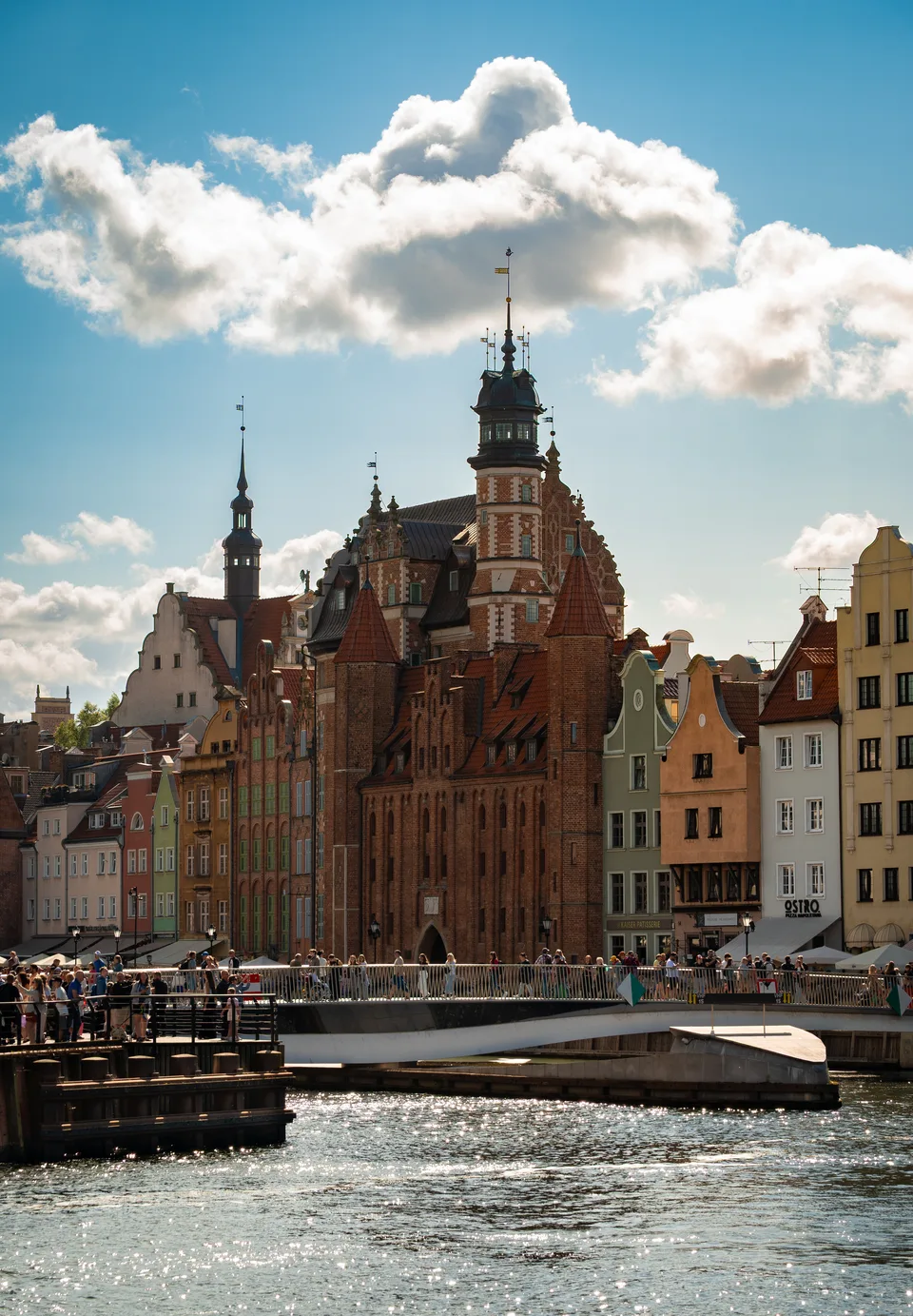
Understand the port through the Crane
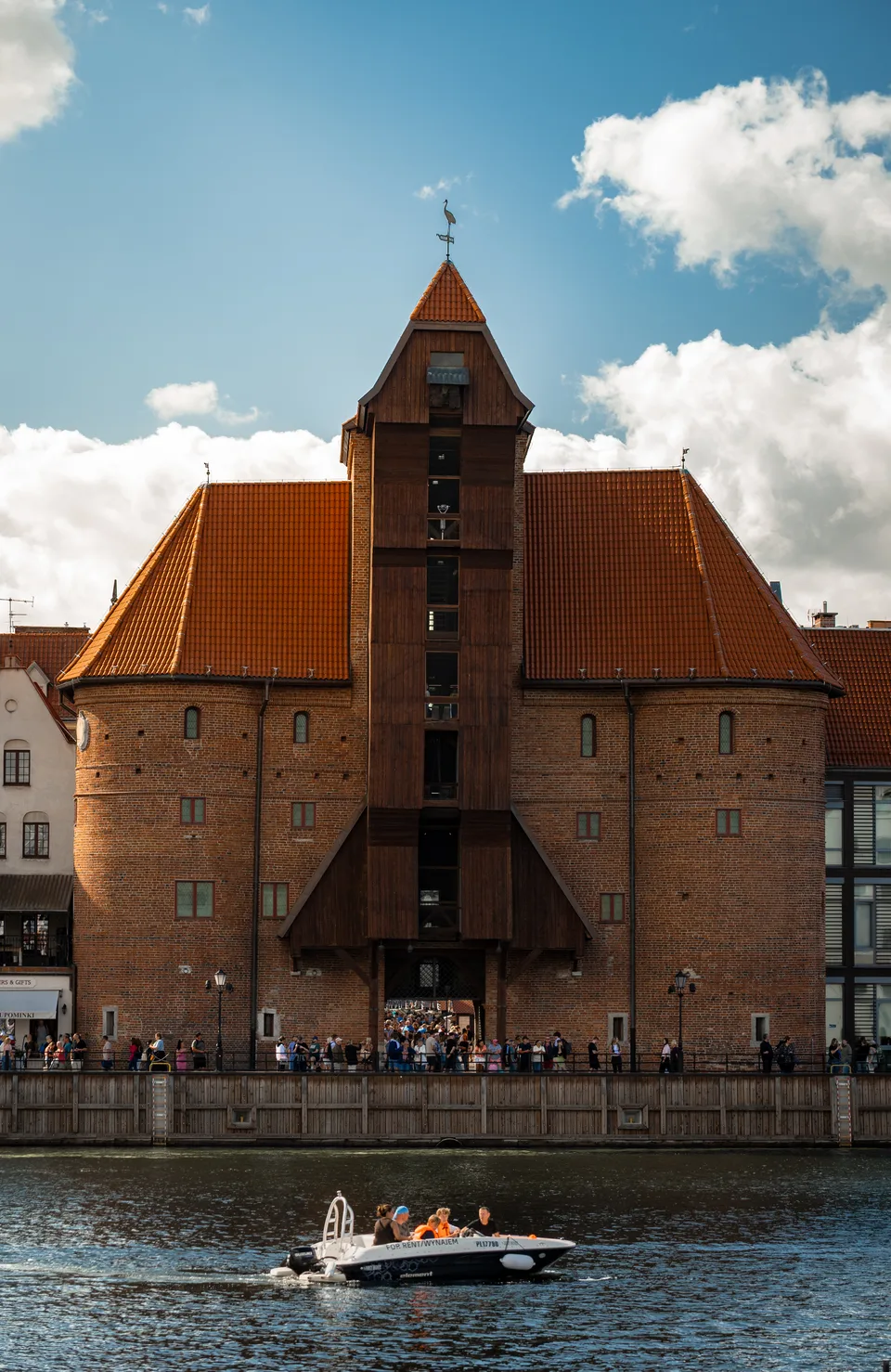
The Żuraw, or Crane, combines the roles of historic port machinery and city gate. The National Maritime Museum dates the structure to the fifteenth century; its exhibition uses the port's working life to explain trade and navigation. Looking at the exterior is worthwhile, but the interior gives the building a purpose beyond being a waterfront landmark.
The Crane's official admission page lists standard entry at PLN 23 and reduced entry at PLN 17, with free admission on Wednesdays. Last admission is an hour before closing. Check the actual day's hours before planning a late visit.
Read combination tickets carefully. A museum bundle does not necessarily include every activity in the complex. In particular, the museum's current opening notices identify closure of the Maritime Culture Centre's interactive hall from 2 September to 2 November 2026 for modernisation. That notice should not be mistaken for closure of the Crane or the entire museum organisation.
Give Solidarity its own space
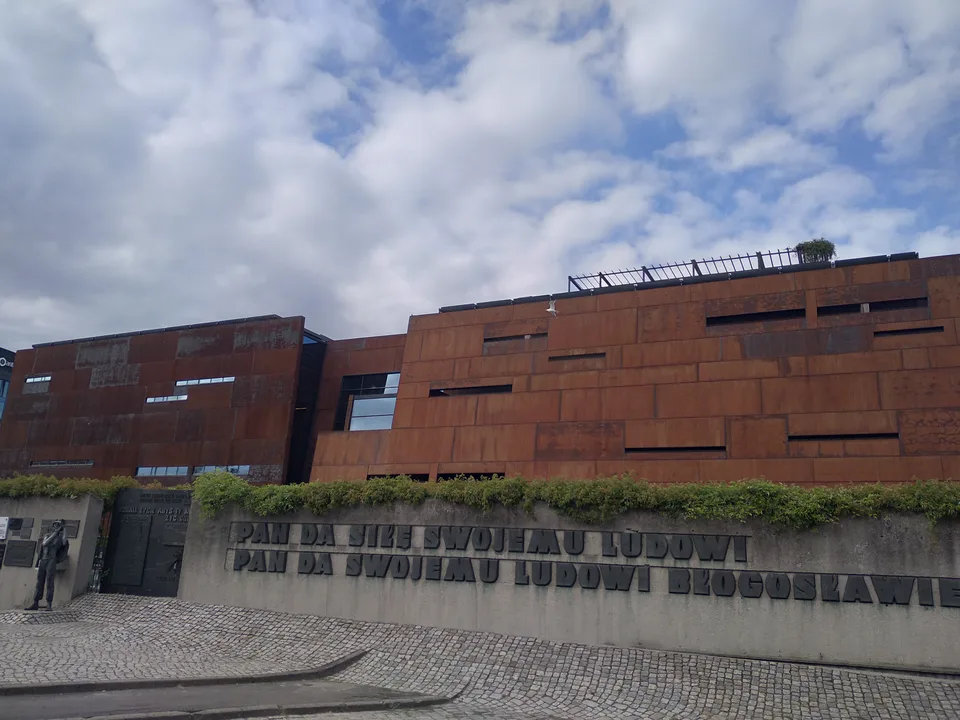
The European Solidarity Centre provides the setting for a closer look at Solidarity and the struggle around Poland's democratic transformation. Plan it as a substantial visit rather than a brief stop between meals. Its shipyard context is part of the reason to come here, not simply an alternative museum address.
The official ECS price list gives permanent-exhibition admission as PLN 40 standard or PLN 35 reduced, including an audioguide. The separate STOCZNIA exhibition has its own ticket; buying one should not be assumed to cover both.
The centre's opening information distinguishes free access to the building from paid exhibitions. In the October–April season, the exhibitions close on Tuesdays, although building access follows a different pattern. The rooftop is weather dependent. Check the exhibition timetable first, particularly if combining this visit with the war museum's free Tuesday. A free museum day elsewhere does not mean every major attraction opens that day.
Allow a proper session for the war museum
The Museum of the Second World War is a major commitment of attention. Give it a generous part of the day and leave space afterwards instead of immediately booking another demanding exhibition. Families should read the museum's visitor information before deciding how much material suits their children.
The museum's main-exhibition ticket information lists PLN 33 standard admission and PLN 23 reduced admission. An audioguide costs PLN 12 extra. These prices concern the exhibition: the cinema has a different tariff, which can appear in search results and cause confusion.
Tuesday admission is free from 10am to 4pm, but tickets must be collected at the counter. They cannot be reserved in advance, and the stated daily limit is 2,500. Arriving with a free-day plan therefore does not guarantee entry. For paid reservations, use the ticket seller linked by the museum itself and check the exhibition selected before paying.
Balance museums with Oliwa and the coast
Oliwa is a useful change of pace after the central waterfront. The official district introduction centres on its cathedral and park. Combine a walk with a visit rather than building the whole day around an assumed organ performance; performances and access need checking separately.
For the sea, the tourism board's beach information helps distinguish Brzeźno, Jelitkowo, Stogi and Sobieszewo. Choose one area and allow for getting there. Trying to collect several beaches in a single afternoon usually adds travelling without improving the experience.
A beach walk and a swimming day need different preparations. For swimming, follow current bathing notices, flags and lifeguard instructions; photographs of calm water establish nothing about today's conditions. Sobieszewo also suits travellers seeking a nature-focused outing, but protect time for the return journey. Do not assume a coastal address is a quick walk from Main Town.
Book the room as carefully as the neighbourhood
Hotels, apartments and hostels serve different kinds of stay. For a short visit with a late arrival, a staffed reception may matter more than extra floor space. For several weeks, compare cooking facilities, laundry, storage and a proper table rather than accepting “suitable for remote work” as evidence of a comfortable setup.
Ask about the exact sleeping arrangement, heating, lift and noise exposure. A photograph taken from a balcony can conceal the room's relationship to a busy pedestrian route or neighbouring premises. Check recent descriptions for your travel season and clarify any ambiguity directly before booking.
Compare the full payable amount, including cleaning, parking and cancellation terms. If accessibility is essential, request specific measurements or confirmation of the route instead of relying on a booking-platform badge. For prospective residents, flexible initial accommodation can provide time to inspect a longer lease without making a rushed decision on arrival.
Make the airport connection part of the booking
Gdańsk Lech Wałęsa Airport has a railway station directly in front of the terminal, linked by a covered footbridge. The airport's official train instructions state that journeys to Gdańsk Główny or Gdańsk Śródmieście require a change at Gdańsk Wrzeszcz. Treat that transfer as part of the journey when judging an arrival time.
Check the complete connection for your flight date, especially after a late landing. Include baggage collection, reaching the platform and getting from the final station to your accommodation. A short scheduled rail segment is not the same as the total airport-to-room journey.
Buy the appropriate rail ticket through the operator's authorised channels or station machines. The airport lists ticket machines, mobile applications and FALA options. If choosing a road transfer, establish the destination, quoted charging basis and luggage requirements before departure. Keep the property's full address available offline in case the arrival instructions depend on a mobile connection.
Keep city and railway tickets separate in your planning
The current ZTM Gdańsk single-ticket table lists PLN 4.80 for one journey, PLN 6 for a 75-minute ticket and PLN 22 for a 24-hour ticket at the standard rate. The table remains labelled as effective from April 2023; those are the fares displayed when checked for this guide, not an assumed inflation adjustment.
Choose the ticket for the journey you actually intend to make. Do not presume a city bus or tram ticket automatically covers airport trains or every journey across the Tricity area. Check operator, territory, duration and any specific integration conditions before boarding.
The SKM ticket instructions explain rail purchase and validity separately. Follow the activation or validation requirements for the particular ticket you buy. If using a mobile ticket, keep the phone charged and check whether the app needs internet access during inspection. A payment notification is not always the travel document an inspector needs to see.
Budget from a real sightseeing plan
Start with accommodation for your exact dates, then add transport, selected admissions, food and a contingency. The useful comparison is between complete days, rather than a claimed citywide “average daily cost” that hides room type and travel season. Decide which museums matter before buying a package.
The official Tourist Card platform offers different packages and the ability to add transport tickets. Check the selected package's attractions and transport territory; possession of a card alone should not be treated as an unlimited travel entitlement. Compare its price against admissions you will realistically use, including any free days already in the plan.
Keep currency comparisons in PLN until the final conversion. When an optional extra appears inexpensive, multiply it by the number of travellers and days. Hotel breakfasts, repeated taxis and unused attraction bundles can change the budget more than a small saving on a single museum ticket.
Eat and shop with a little curiosity
Allow meals to break up the sightseeing day rather than squeezing them between reservations. Polish dishes such as pierogi offer a starting point, while the city's maritime associations give another direction to explore. Compare menus and ask how fish is priced before ordering; a figure quoted by weight is different from a complete dish price.
The official Tastes of Gdańsk pages introduce participating restaurants and dishes. They are useful leads, but partnership listings are not independent reviews. Check the current menu, opening day and dietary suitability yourself. Vegetarian or allergy-sensitive diners should ask about ingredients rather than relying on a translated dish name.
For amber or another significant souvenir purchase, request a clear description of the material and a receipt. Compare pieces and sellers without letting a sales pitch become evidence of origin or value. For longer stays, identify ordinary grocery options near home: shopping that works on a sightseeing afternoon may be inconvenient after a working day.
Match the season to the kind of visit
A summer itinerary can give the coast a central role, while a cooler-season visit can lean more heavily on museums and cafés. Neither guarantees a particular day's weather. A Baltic-facing trip benefits from layers and a waterproof outer layer even when the forecast looks promising at the time of packing.
Spring and autumn suit a mixed itinerary if you can move the beach or park outing to the better-weather day. In winter, build outdoor walks around available daylight and keep an indoor alternative. Museum winter schedules can matter as much as temperature when choosing which weekday to arrive.
Use IMGW's official weather service for current forecasts and warnings. This guide deliberately avoids presenting a short forecast as a long-term climate average. Travellers assessing a move should experience ordinary weather in their likely commuting season, rather than judging the city solely from a summer holiday.
A realistic three-day first visit
Day one: walk Main Town, pause around Długi Targ and continue beside the Motława. Choose the Crane if maritime history interests you, then leave the evening free for a meal and another short walk. This is also a useful orientation day after travel.
Day two: make the Second World War Museum the main appointment. Keep the rest of the day light, with a flexible meal and time outdoors. If you prefer political and social history, substitute the European Solidarity Centre. Visiting both is possible with more time, but neither needs to become a rushed checklist item.
Day three: head to Oliwa or one coastal area, matching the choice to conditions. Alternatively, use this day for the second major museum and extend the trip for the sea. Reorder the sequence around Tuesday exhibition closures and free admission rules. Departure luggage and an airport transfer also deserve space; the final day is rarely as long as it looks on paper.
Test everyday life before committing to a move
For a longer stay, choose housing around the regular destination: workplace, university, school or family commitment. Trial the route at the time you will use it, including the walk to the stop and the final connection home. A central tourist apartment is not automatically the most practical base for that routine.
Request a written breakdown of rent, building charges, utilities, deposit and any agency fee. Ask which bills are advances and how final consumption is settled. Inspect heating, ventilation, windows, laundry arrangements and internet availability. Record the property's condition and meter readings at handover, and clarify who handles faults before transferring money.
Compare equivalent properties rather than relying on a single rental average. Furnished short stays and ordinary residential leases have different costs and commitments. Visit before paying where possible, establish that the person offering the property can let it, and have terms you do not understand translated. Temporary accommodation can be worth its cost if it prevents an unsuitable long lease. Ask how notice, deposit deductions and renewal work, especially when your employment or study dates could change during the tenancy.
Arrange services and registration deliberately
The city's newcomer information portal brings together municipal services, employment, education, transport and other resident topics. Use it to identify the right office before making an appointment. Families should check school arrangements and language support early, alongside the commute and childcare needs.
The municipal address-registration procedure concerns registering an address. That administrative step is distinct from obtaining immigration permission or permanent residence. Requirements depend on your circumstances and documents; ask which registration applies rather than interpreting the word “permanent” as an immigration entitlement.
For healthcare, establish your insurance position and practical access to a local provider. The city's healthcare guidance explains the role of insurance and the National Health Fund, NFZ. A private clinic subscription should be assessed for what it actually covers. Add pharmacy access, document storage, a usable phone connection and household payments to the arrival checklist so routine needs do not become emergencies.
Consider Sopot, Gdynia or a dedicated castle day
An extra day need not mean another central museum. Sopot offers a resort setting, with Bohaterów Monte Cassino Street leading towards its pier. The official Sopot attractions page is useful for choosing between the seafront, cultural venues and other stops. Check any seasonal admission arrangements before assuming the whole outing is free.
Use the Sopot city page and Gdynia city page to compare locations within the wider coastal area. They are location pages, not a promise that each already contains a completed guide. For someone considering a move, visiting another part of the urban area can also test whether a different base better matches work and household needs.
Malbork is a different proposition: plan a dedicated castle outing rather than adding it after a full day in Gdańsk. The castle museum's official ticket page distinguishes visiting routes and products. Check what the chosen route includes, its last entry and the return train before buying. A ticket described as access to the grounds should not be mistaken for the same experience as a historical interior tour.
For any excursion, set a practical return point before starting and carry the information needed to reach your accommodation independently. Travellers with an early flight the next morning may prefer another local afternoon to a longer journey. Keeping a spare day is particularly useful on a trip that includes both weather-dependent coast time and timed museum reservations.
Separate a holiday from work, study and permanent relocation
For relevant non-EU travellers, ordinary Schengen short stays generally fall within 90 days in any 180-day period across the area; whether a visa is required depends on nationality and circumstances. The Polish government's explanation of visa types distinguishes the C visa from a national D visa for stays exceeding 90 days. Use the competent Polish consulate for your own application, rather than assuming the linked Belgian mission handles every applicant.
A tourist visit does not itself authorise employment. The government's foreign-worker guidance requires the appropriate lawful residence basis and work permission or an applicable exemption. Study has its own admission and immigration requirements; permanent relocation is a separate assessment. Do not infer any of these rights from renting an apartment or visiting to explore options.
Use VisaWand's Poland guide and Poland destination page for broader planning, and its consultant directory if you need help assessing a particular route. The Polish city directory provides other locations to compare; a directory entry should not be read as a completed travel guide.
Official planning resources
Reviewed 17 October 2026. Use the official resources linked throughout this guide for admission, transport, housing and immigration decisions. Prices, services and rules can change; confirm the details relevant to your dates. Photography illustrates the locations and is not a live view.
View all official resources
- Official Gdańsk city brochure
- Visit Gdańsk historic sights
- National Maritime Museum Crane visits and tickets
- National Maritime Museum opening notices
- European Solidarity Centre ticket prices
- European Solidarity Centre opening hours
- Museum of the Second World War admission
- Visit Gdańsk Oliwa district
- Official Gdańsk beach information
- Gdańsk Airport rail connections
- ZTM Gdańsk single and day tickets
- SKM ticket purchase and validity
- Official Gdańsk Tourist Card
- Visit Gdańsk food information
- IMGW official weather and warnings
- Gdańsk municipal newcomer information
- Gdańsk address registration procedure
- Gdańsk municipal healthcare guidance
- Visit Sopot official attractions
- Malbork Castle official routes and tickets
- Polish government visa types
- Polish government foreign-worker requirements
Plan the next part of your journey
Explore the Poland guide, browse other cities or compare consultants for your travel and relocation questions.