Visa
A large city that needs a selective itinerary
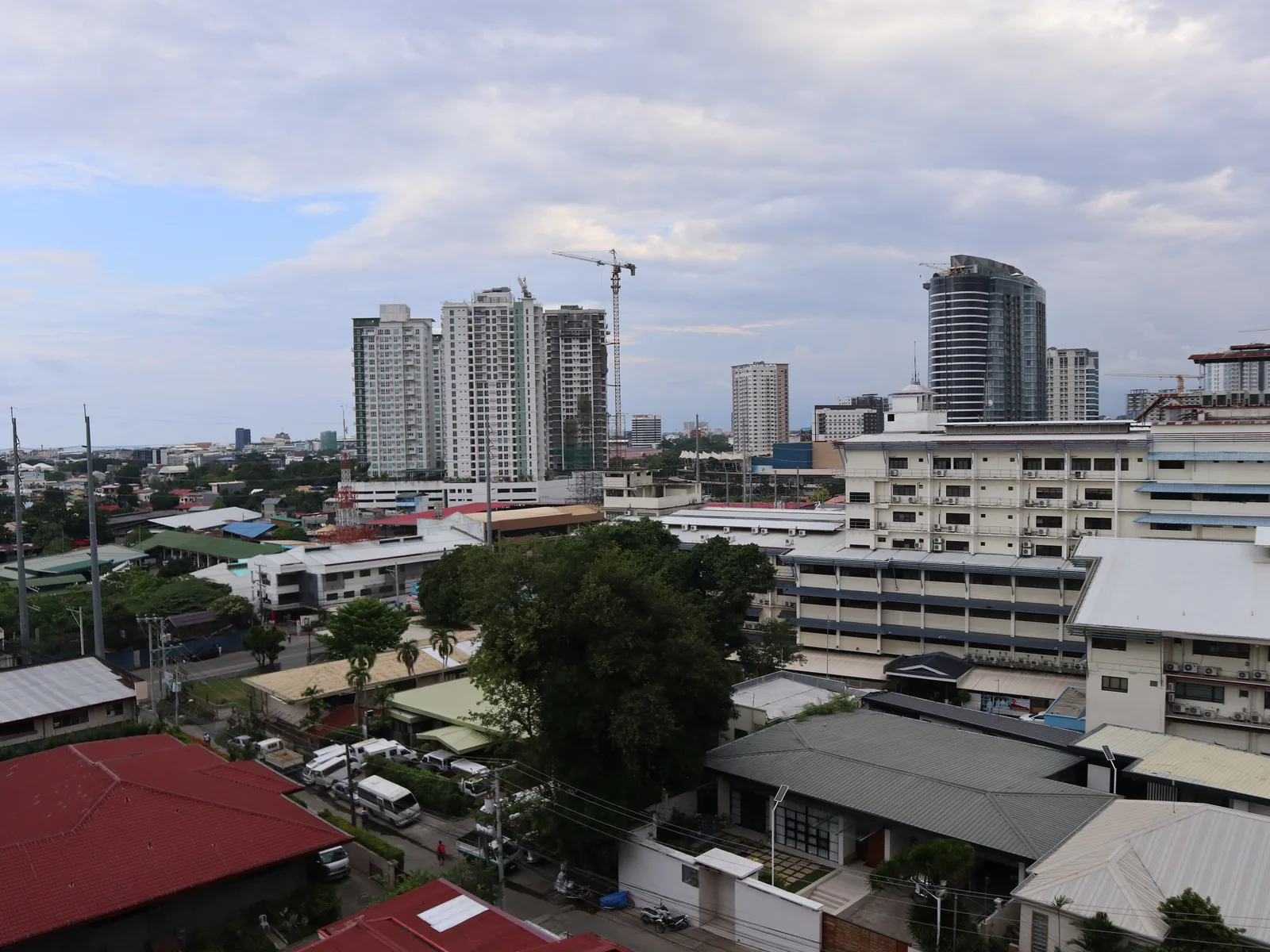
Davao combines a working urban centre with agricultural and upland districts that belong to the same city but offer very different experiences. A cathedral visit, an afternoon shopping trip and a conservation outing may all appear on a Davao itinerary; that does not make them neighbouring stops. The best starting decision is how much of your stay you want to spend travelling between them.
For a first visit, allow a central day and a separate day for one substantial outing. Add time if Samal is important, because the island is a different city and requires its own transport arrangements. People considering a move should give equal attention to ordinary journeys: the route to work, groceries, a clinic and home again. The official Davao tourism website is a useful directory for identifying places and contacts. VisaWand’s Philippines country guide supplies the national context. Together, they help distinguish a short visit from the larger decision of building a routine here.
Check regional advice before making commitments
At the October 2026 review of this guide, UK government travel advice for the Philippines advised against all but essential travel to the remainder of Mindanao outside its named island exceptions, as well as against all travel to western and central Mindanao and the Sulu archipelago. Davao City was not among the exceptions. This matters when deciding whether to travel and when arranging insurance; a city’s tourism promotion does not override your insurer’s conditions.
Read your own government’s current advice and identify the places and routes it covers. Someone visiting for work, family or study may have different reasons for travelling from a holidaymaker, but still needs to understand the implications. Ask the insurer about the actual itinerary rather than relying on an assumption about a city name. Advice can change, so repeat that check before departure and before adding an excursion. The information below supports practical planning; it should be used alongside current official guidance and local instructions.
Understand the districts before choosing where to stay
The city’s investment-promotion overview distinguishes urban amenities in Poblacion from agricultural areas and eco-tourism districts. That is an important reminder that the city boundary is much larger than the compact centre a visitor may first encounter. A property advertised as being in Davao can still be inconvenient for the particular appointments or activities that bring you here.
For a short urban stay, compare addresses around the central places you intend to visit. For business or medical travel, start with the exact building and entrance you must reach. A hotel closer to the airport may suit an early departure while adding journeys on other days. An upland resort offers a different experience and should be assessed as a destination rather than treated as interchangeable with a downtown room. Ask about the final approach, lift access and luggage handling when mobility matters. Do not decide from a district label alone: map the journeys, then compare the cost and effort of repeating them.
A central day: cathedral, streets and room to pause
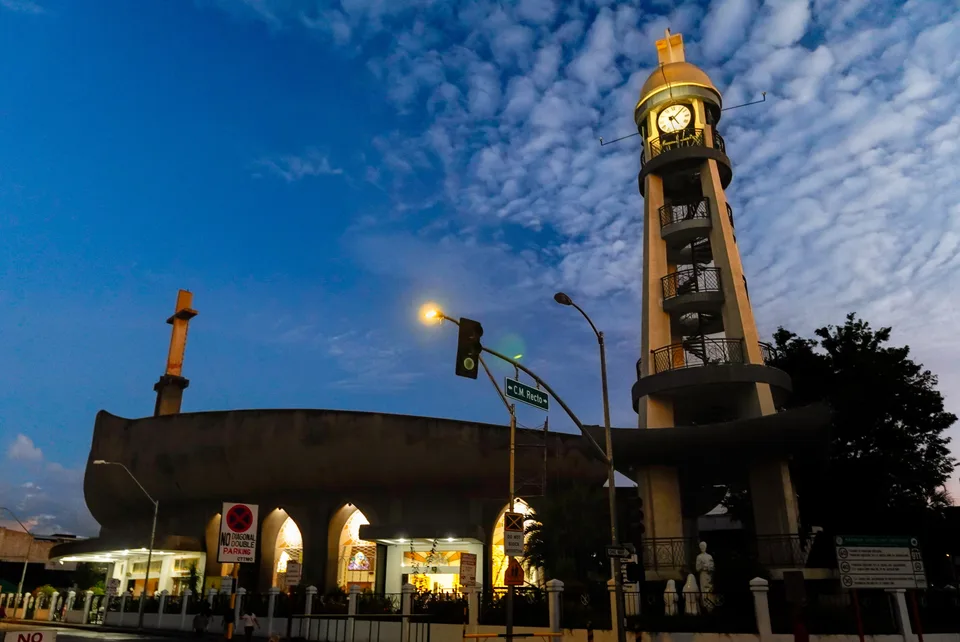
San Pedro Cathedral is a useful focus for a central visit. Its curved roof and bell tower make it visually distinctive, but it remains a place of worship. Follow instructions on dress, photography and access, and allow services to take priority over sightseeing. An exterior visit can be worthwhile without assuming that every interior space will be available on arrival.
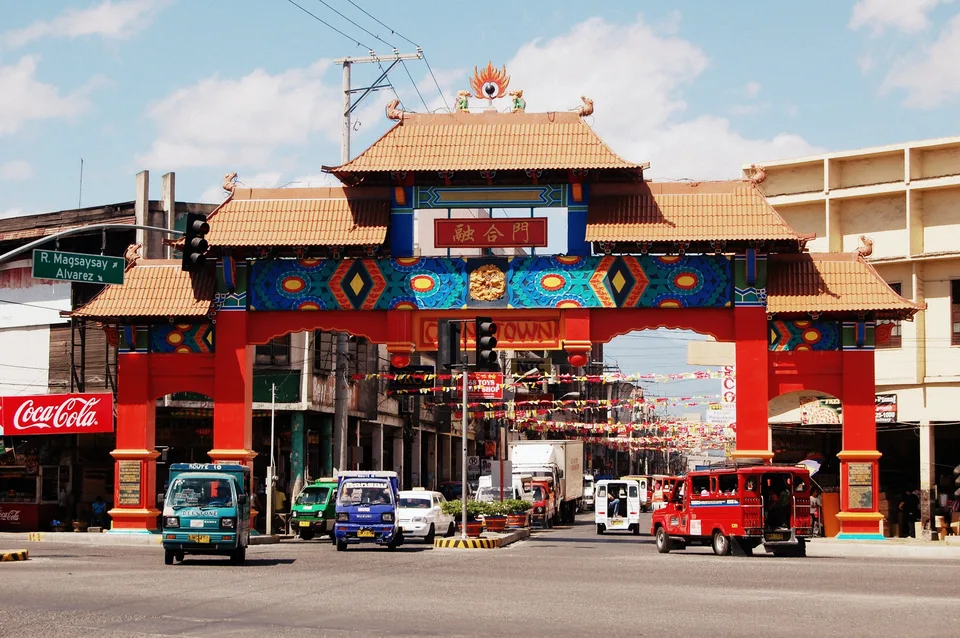
Build a manageable walk around the places that interest you rather than trying to cover the centre continuously in the heat. Leave time for a meal and an indoor break. Chinatown adds another aspect of the urban landscape, illustrated by its gateway and commercial streets. The archival photographs in this guide identify settings and dates; they do not establish present-day road conditions or business opening hours. Use current maps for the route between stops and ask locally when a crossing or approach is unclear. Visitors who need a gentler outing can choose a small cluster of places and use transport for the longer connection instead of treating walking distance as a test to complete.
History is worth a journey of its own
Davao’s cultural landscape deserves more attention than a succession of photograph stops. If Philippine–Japanese history interests you, the city tourism directory lists the IMIN Philippine–Japan Historical Museum in Durian Village, Calinan. That address matters: it is a separate journey from a central sightseeing walk. Contact the museum about current access, opening arrangements and any guided visit before organising transport around it.
Choose a museum because its subject interests you, then give it enough time. A short directory entry confirms a place and contact, not a detailed promise about exhibitions or services. If you want to combine a historical visit with another activity in the wider area, check both locations and opening arrangements independently. Avoid assuming that two attractions outside the centre are close to each other. The same principle applies to interpreting cultural displays: distinguish a curated presentation from the everyday life of the communities it describes. Ask respectful questions, read the available interpretation and resist reducing a complex regional history to a single colourful image.
Philippine Eagle Center: plan around the conservation visit
The Philippine Eagle Foundation’s current visitor page identifies the centre in Malagos, Baguio District, Davao City. Here, Baguio is the district within Davao, not the separate city in Luzon. Check the destination carefully when arranging a vehicle. The foundation’s conservation mission gives the outing its purpose; it is more useful to arrive with time to learn than to fit it between several distant stops.
The official “Into the Wild” tour listing describes a forty-five-minute experience with a price shown as “from ₱120”. That is a starting-price listing, not evidence of one universal admission charge for every visitor and date. Confirm the applicable rate, availability and what is included before committing to transport. Ask about walking surfaces, steps and any assistance required by your group. Do not expect every bird or activity to be available on demand. Keep wildlife photography quiet and follow staff instructions. The eagle photograph used here is an archival image taken in Davao in 2013, not a promise about the individual birds you will see.

Eden is a separate upland outing
Eden Nature Park and Resort’s own website places the resort in Barangay Eden, Toril. It describes gardens, cultural interpretation and leisure activities, with published resort hours of 9:00–17:00 daily. Its sales office has different hours and a different address; use the resort destination when arranging the visit.
Decide whether you want gardens and a slower outdoor day or particular activities. Request the current package details, including entry, meals, shuttle touring and any separately charged rides. Older prices on travel blogs are not a reliable quotation. The operator describes its guided shuttle tour as first come, first served, so leave flexibility rather than building an inflexible sequence around it. Ask about route access and the physical requirements of the activities you are considering. A resort’s general welcome does not establish that every path or ride suits every visitor. Arrange the return before setting out and keep an alternative for poor weather. Combining Eden with several other outlying attractions can leave surprisingly little time for the place itself.
Food and shopping: choose experiences, not a checklist
Eating and shopping can provide an enjoyable centre to a Davao stay without requiring a schedule of supposedly essential vendors. Use the city’s restaurant directory to identify options near your accommodation or planned route, then check the individual business. The directory is a planning resource, not a guarantee of current opening hours or a personal endorsement.
Decide what you want from each meal: a quick breakfast, a shared lunch or an evening that is the main event. Ask about portion size, ingredients and the final cost before ordering, especially where food is priced by weight. Make dietary needs explicit and do not assume that a short translation covers cooking stocks or garnishes. For shopping, compare the actual item and packaging rather than treating every local product as an automatic bargain. Food gifts need to suit the journey home and the import rules at your destination. Keep discretionary spending separate from essentials so that an unplanned purchase does not quietly consume the transport budget for the next day.
Airport arrival and getting around
Arrange the first journey using the exact accommodation address and a clear understanding of the fare basis. For a prebooked vehicle, establish the meeting point, waiting arrangements and what happens if the flight is delayed. For a taxi or app booking, check the vehicle and destination and retain the journey details. Do not accept an unexplained price simply because you are tired after arrival.
A city government article on airport taxi fare contracting documents why the fare basis deserves attention. It is enforcement context, not a current fixed-price tariff for your hotel. This guide does not quote an airport transfer price that could not be verified for the specific service. The official Davao Interim Bus Service portal is also worth distinguishing from announcements about the wider bus-modernisation project. A project announcement is not proof that a desired route is operating. Check the route and service relevant to your journey rather than assuming that every place is connected by a new bus network. Group nearby stops and keep longer trips separate, with enough margin for traffic and weather.
Local rules affect the shape of an evening
Davao’s June 2026 city notice on smoking and liquor restrictions states that smoking is prohibited in public places and public conveyances. It also describes restrictions on the sale and consumption of alcohol from 1 a.m. to 8 a.m. and a prohibition on drinking in public spaces. These are practical considerations for visitors, not details to discover after making late-night plans.
Follow current signs and staff instructions and check any additional rules at the property or venue. Do not reuse old pandemic-era notices as though they describe today’s arrangements. Plan the journey home before the evening begins, especially if you will be away from the immediate area of your accommodation. A longer meal can be enjoyable without requiring a late finish or another distant stop. If the purpose of your stay is work, study or medical treatment, choose room location and evening plans that support the next morning’s commitments. The same care that makes a holiday easier can make a longer stay more sustainable.
Weather: plan for rain in every season
PAGASA’s Davao City rainfall normals show rain across all twelve months. February and March are relatively less wet in the published figures, but they are not a promise of dry conditions. Do not apply a Manila-style calendar uncritically or describe Davao as immune to disruptive weather.
Choose dates around your priorities, then consult the current forecast and local warnings as departure approaches. Keep a conservation or upland visit movable when possible, and retain a shorter urban alternative. Protect documents and electronics and consider how you will return if a downpour makes the original walk uncomfortable. For a longer stay, inspect the route to a home as well as the property itself: an attractive room does not answer questions about drainage, access or disruption. Seasonal averages are useful for broad planning, while the actual conditions determine the day’s decisions. Allow an extra buffer before a flight rather than depending on every earlier connection working exactly as expected.
Accommodation and budgeting without false averages
Compare the complete price for the dates and number of people travelling. Check bed configuration, breakfast, cancellation terms and any additional charges. A room that appears cheaper may be less economical once daily journeys are included. For an upland resort or island stay, include transfers and meal arrangements in the comparison rather than looking only at the room rate.
Keep an attraction budget separate from transport. The eagle foundation’s published starting price is useful as an indication that a priced tour exists, but it cannot support a complete daily-cost estimate. Obtain a quotation for your group and intended visit, and do the same for any private vehicle. Add meals and discretionary shopping using actual choices rather than an invented standard allowance. Visitors exploring a possible move should distinguish holiday spending from a resident’s routine: temporary accommodation, house hunting and initial purchases can make the first month unlike the months that follow. A transparent list of costs is easier to adjust than a reassuring figure that hides what it excludes.
Before accepting a transport quotation, make the comparison like for like. Establish whether it is for one passenger or the whole vehicle, how long the driver waits, which stops are included and whether the return is covered. A low outward price can be misleading if you still need another vehicle home. For a family, confirm seats and luggage capacity rather than assuming a quoted vehicle suits the group.
Keep a modest reserve for changing the plan when weather, access or an appointment makes the original arrangement unsuitable. That reserve is particularly useful when one activity is a long way from the accommodation. Ask what can be refunded or moved before paying. The value of a quotation lies in knowing what it buys; a precise-looking number without those details offers little help in deciding between two different days out.
A realistic three-day plan
Use the first day for a small central circuit, with San Pedro Cathedral as one focus and enough time for streets, a meal and rest. Keep arrival day lighter if a flight or long journey has already taken much of your energy. This is a proposed pace, not a guarantee that every building will be open on a particular date.
Reserve the second day for the Philippine Eagle Center after confirming the tour and transport. Leave room for the return and avoid automatically attaching several other outlying visits. On the third day, choose Eden if you want an upland leisure outing, or a museum visit when its subject and opening arrangements fit. If Samal is a principal reason for travelling, give it a separate day or night and shorten the city programme accordingly. With only one full day, remain selective in the centre. With a longer stay, use a weekday to test ordinary journeys and services. A successful itinerary leaves time to experience places rather than merely recording that you reached them.
Moving here starts with the commute
For a possible home, identify the actual destinations you will repeat: employer, campus, hospital department, school, groceries and regular appointments. Test those journeys at the times you expect to travel. A broad district preference is only a starting point; the final approach and the route home can change how convenient an address feels.
Request a written breakdown of rent, deposit, maintenance, utility charging, internet and any departure costs. Ask what furniture and appliances are supplied, whether air conditioning works properly and who handles repairs. Record the condition of the property and clarify permitted occupants, pets and any restrictions before signing. For a condominium, investigate building management and lift arrangements as well as the unit. For a house, ask specifically about drainage and the access road. Avoid paying for a long commitment solely on the strength of photographs. Temporary accommodation can provide time to compare, but include that cost in the move budget. The right home is one that supports your routine at a cost you can explain.
Household services and practical support
The Davao City Water District’s service-connection information is a useful official starting point for water-service questions. Establish whether an existing connection serves the property, whose name is on the account and how bills are calculated. A landlord’s statement that utilities are available should be followed by questions about continuity, meters and responsibility for repairs or reconnection.
Check electricity and internet arrangements before moving in, including any installation lead time and building permission. Identify laundry, groceries and a suitable healthcare provider using the address you are considering. For treatment, confirm the department, appointment, payment and insurance arrangements directly; do not assume a hospital accepts every policy or offers the language support you need. Ask the employer or educational institution about support that is actually available to you. It is useful to complete a trial day of ordinary errands before choosing a neighbourhood. That can reveal whether a seemingly convenient home requires too many journeys, and whether your proposed budget includes the transport and household services on which daily life will depend.
Entry, employment and study are different decisions
Begin with the Philippine Bureau of Immigration’s official information and the Philippine diplomatic mission responsible for your circumstances. Temporary visitor arrangements, employment status and student permission are separate matters. Do not assume that a longer visitor stay authorises paid work or that admission to a course completes the immigration process. Permanent relocation requires its own assessment rather than a series of assumptions based on a holiday entry.
The official eTravel frequently asked questions explain the free arrival-registration system and its applicable traveller categories. Registration can be completed within seventy-two hours before the relevant arrival or departure, and the confirmation should be retained. Use the government portal; the declaration is not a visa, employment permission or a paid fast-track service. Requirements depend on nationality, purpose and status, so verify your own position before buying non-refundable arrangements. VisaWand’s Philippines destination page and consultant listings can support planning, while official authorities remain the source for legal requirements. Keep copies of the documents relevant to your trip accessible during travel.
Samal and other places to consider
Samal is a separate city in Davao del Norte, not a beach district within Davao City. Its local government’s tourism information and official attraction directory are better starting points for an island visit than assuming a Davao hotel can organise every detail automatically. Choose the specific resort or attraction first, then confirm the transfer, any entry arrangements and the return.
Do not make an island outing depend on an unverified last connection before a flight. Weather and the operator’s actual schedule matter more than a generic crossing estimate. Compare a day trip with an overnight stay according to what you want to do there, keeping the regional advice and insurance check in view. Use VisaWand’s Samal location page to orient the comparison, and the Philippines location directory for other destinations. These are location resources, not promises that every place already has a completed guide. Davao becomes easier to assess when the central city, upland visits and nearby islands each receive the time and practical planning they require.
Official planning resources
Reviewed 17 October 2026. Use the official resources linked throughout this guide for admission, transport, housing and immigration decisions. Prices, services and rules can change; confirm the details relevant to your dates. Photography illustrates the locations and is not a live view.
View all official resources
- Davao City Tourism Operations Office
- UK FCDO: Philippines travel advice
- Davao City Investment Promotion Center: discover Davao
- Davao tourism: IMIN Philippine–Japan Historical Museum
- Philippine Eagle Foundation: current centre visitor page
- Philippine Eagle Foundation: Into the Wild tour
- Eden Nature Park operator
- Davao tourism: food directory
- Davao city: action on taxi fare contracting
- Davao city interim bus tracker
- Davao city: current smoking and liquor restrictions
- PAGASA: climatological normals
- Davao City Water District: service connection
- Philippines Bureau of Immigration: FAQs
- Philippines eTravel: official frequently asked questions
- Samal city: tourism infrastructure partnership
- Samal city tourism: attractions
Plan the next part of your journey
Explore the Philippines guide, browse other cities or compare consultants for your travel and relocation questions.