Visa
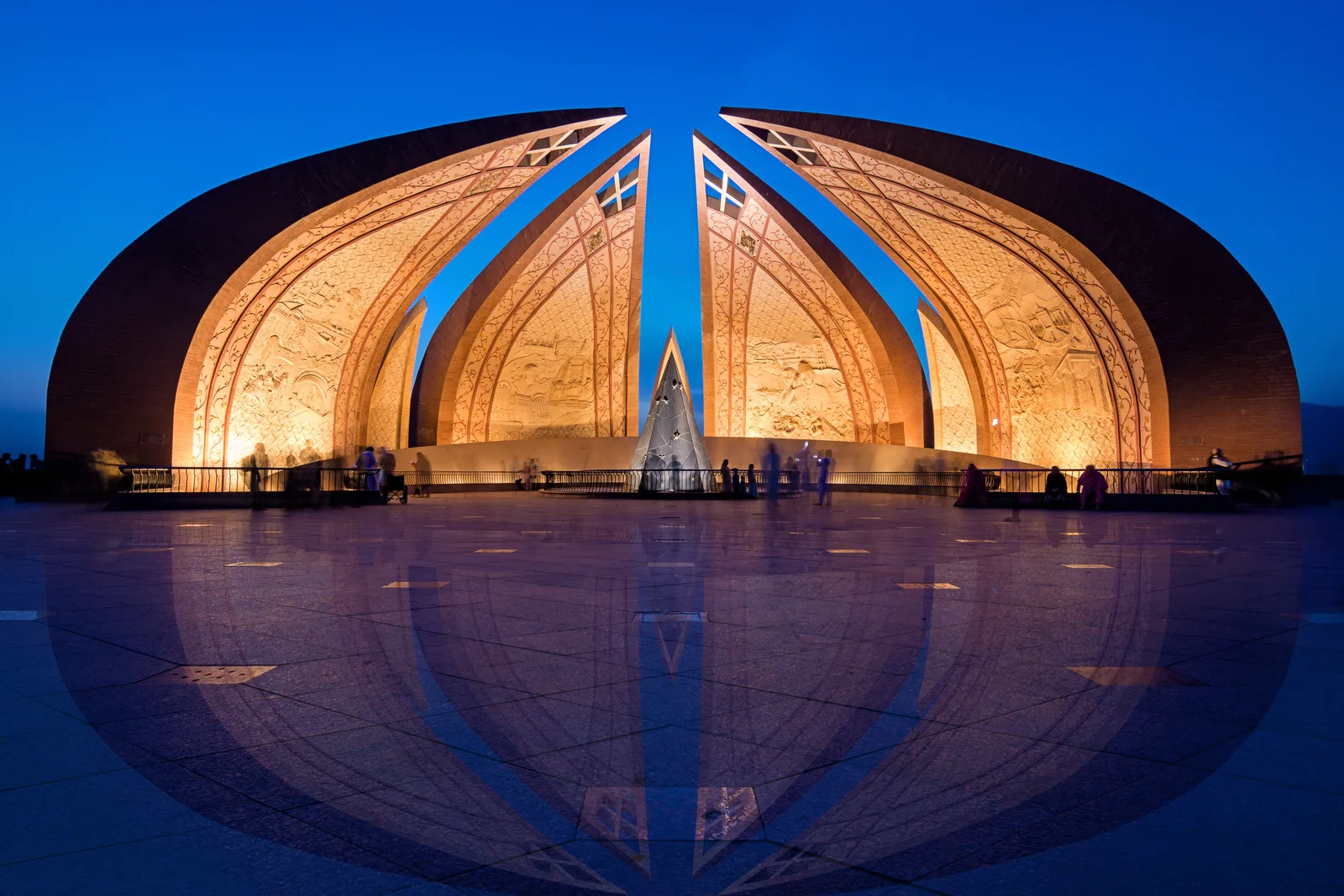
A capital best explored at its own pace
Islamabad’s appeal begins with space: the Margalla Hills behind the city, long avenues between its sectors, and cultural institutions that reward more attention than a hurried photograph. Come for Faisal Mosque, Pakistan’s national monument and the collections at Lok Virsa. Stay longer to explore how a purpose-built capital works, with neighbourhood markets, university campuses and green spaces woven into its daily routines.
It suits travellers who enjoy museums and architecture alongside time outdoors. It needs more planning than a compact historic centre: attractions are spread out, transport connections matter, and a tempting hill walk can depend on access restrictions and the weather. Three nights make a reasonable first visit; a fourth gives Taxila a day of its own. These are suggested allocations, rather than promises that every site will be accessible.
For wider planning, combine this guide with VisaWand’s Pakistan country guide and Pakistan destination directory. Islamabad can be a rewarding introduction to the country, but its particular layout and administrative role should not stand in for Pakistan as a whole.
Understand the capital and its neighbours
Islamabad is Pakistan’s capital, beside the Margalla Hills on the Potohar Plateau. Rawalpindi is a separate neighbouring city; Islamabad Capital Territory is also a wider administrative area than the central sector grid. An accommodation listing that uses “Islamabad” therefore needs an exact map pin before you assess its location.
The Capital Development Authority’s planning history traces the Federal Capital Commission to 1959 and approval of the Doxiadis Associates master plan to October 1960. Broadly ordered sectors remain the key to navigating the planned city. This modern framework sits within an older inhabited landscape: villages and historic religious sites give the surrounding area a chronology that reaches beyond the creation of the capital.
Read addresses carefully. A sector number, subsector and street can matter more than a property’s advertised distance from “city centre”. Save the full address offline and ask hosts to identify the nearest usable entrance. Large roads and boundary walls can make the pedestrian route longer than the straight line on a map suggests.
Choose an area around your daily journeys
Start by plotting your actual destinations: the mosque, museums, appointments or university. For a short leisure stay, compare central sector addresses around F-6 and F-7 with properties farther west or south. Treat these as search areas, then inspect the particular street, nearby food options and transfer arrangements. A central label does not establish quietness, pavement quality or room standards.
Saidpur offers a different outing at the foot of the hills. CDA identifies its galleries, handicraft shops and eateries; it is somewhere to explore and eat, rather than a substitute for seeing everyday Islamabad. Shakarparian groups major cultural stops, while Daman-e-Koh offers a viewpoint above the city. The CDA destination descriptions help locate these distinct experiences.
Check Rawalpindi’s destination page if family, work or onward travel takes you there. Staying on the correct side of a recurring journey may be more useful than paying for an Islamabad address and spending each day crossing between cities.
Give Faisal Mosque an unhurried visit
Faisal Mosque is an essential architectural stop and an active religious institution. The Dawah Academy’s mosque history credits Turkish architect Vedat Dalokay and records construction from 1976 to 1986, followed by inauguration in 1987. Its unusual form and expansive setting make it worth approaching slowly, with time to appreciate the relationship between the complex and the hills.
The Faisal Masjid Islamic Center describes daily worship, Friday prayers and educational activities. Visitor access must fit those functions. Ask staff which areas are open, follow instructions about footwear and photography, and avoid interrupting worshippers. Do not plan around an assumption that every interior is open throughout the day.
Wear clothing that covers shoulders and legs; women should bring a head covering for mosque visits. Carry a bag for small belongings and allow for security procedures. A short, respectful visit can be more satisfying than attempting to reach every corner of the complex. Reconfirm arrangements locally if a religious occasion or security measure affects access.
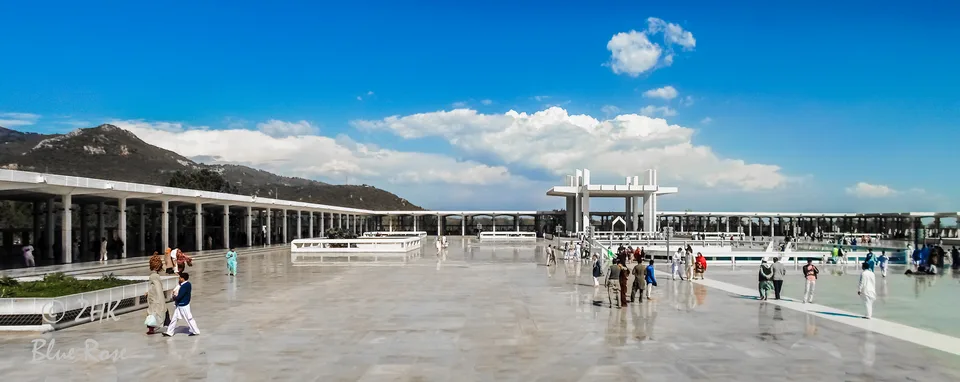
Put Lok Virsa near the top of your list
Lok Virsa’s Heritage Museum focuses on living traditions: crafts, dress, music and the ways communities represent themselves. It offers context for what you will encounter elsewhere in Pakistan, rather than simply a sequence of ancient objects. Give the displays proper time, especially if this is your first visit to the country.
The museum’s published admission page lists PKR 150 for local adults, PKR 80 for students and PKR 1,500 for foreigners, with children under seven admitted free. Its PKR 1,000 category specifically refers to ECO/SAARC delegates; do not assume that every passport holder from those countries qualifies. Confirm your category when buying tickets.
Opening information needs care. The detailed museum page says Monday is closed, while Lok Virsa’s main website describes the Heritage Museum as open all week, 10am–8pm. Because those official pages conflict, telephone 051-9249200 before committing to a Monday visit. Keep another activity available rather than designing a tight itinerary around an unresolved opening day.
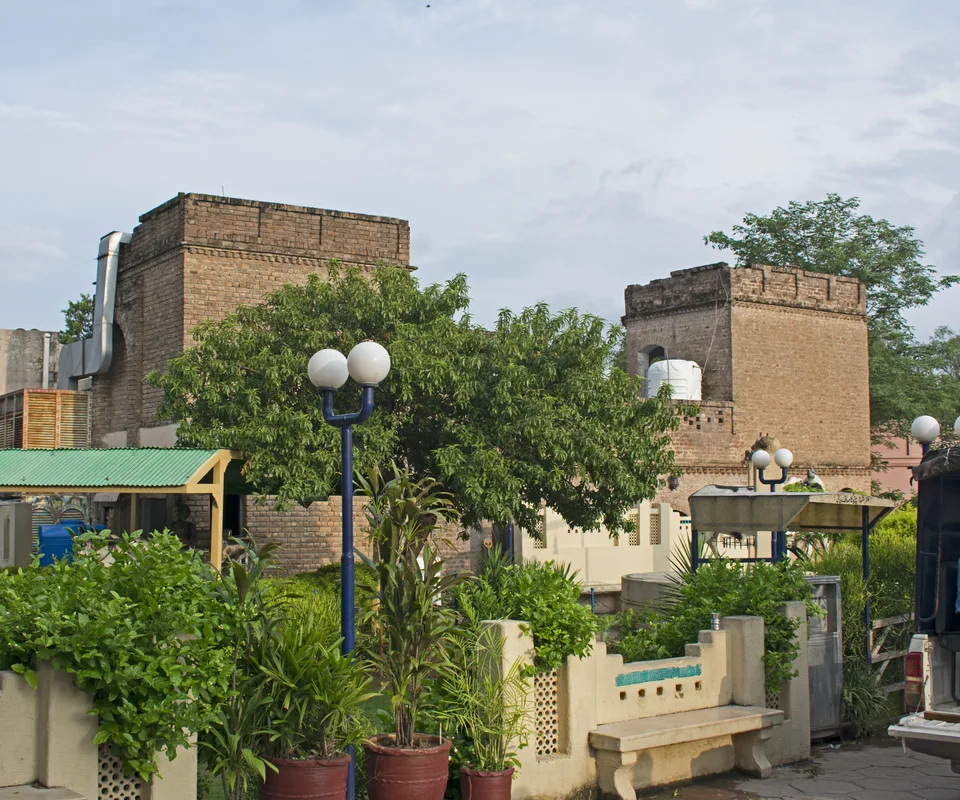
Separate the monument from its museum
The outdoor Pakistan Monument and the Pakistan Monument Museum are different parts of a Shakarparian visit. The monument provides the large architectural statement; the museum’s own introduction describes displays about the movement for Pakistan and the country’s history. Choose both if you want the symbolism and its historical explanation.
Lok Virsa publishes Tuesday–Sunday, 10am–8pm for the Monument Museum. Check current access before travelling, and ask separately about museum tickets and any outdoor-site charges. A reliable current combined admission price was not established during research, so this guide does not present one.
Group these stops with the Heritage Museum to reduce repeated journeys across town. Leave room for a break between collections. If you hope to photograph the monument late in the day, confirm closing and return-transport arrangements first; an attractive evening photograph is not proof that unrestricted evening entry is available now.
Enjoy the hills without assuming every trail is open
The Margallas are a major reason to include Islamabad in a trip, but a trail map and permission to use a trail are different things. Consult the Islamabad Wildlife Management Board’s trail information and ask about current opening, weather and any restrictions before heading uphill. Choose an outing that matches the least experienced person in your group.
The board also advertises guided visits associated with Trail 6’s Leopard Preserve Zone. Arrange access through the operator rather than interpreting that name as an invitation to enter independently. Wildlife sightings are never guaranteed, and animals should not be approached or fed.
Take drinking water, suitable footwear, sun protection and a charged telephone, with an offline route and a firm turnaround time. Avoid setting out late simply because the city looks close below. After rain, during severe heat or when visibility is poor, replace the hike with a museum visit or a shorter accessible outing whose conditions you can check.
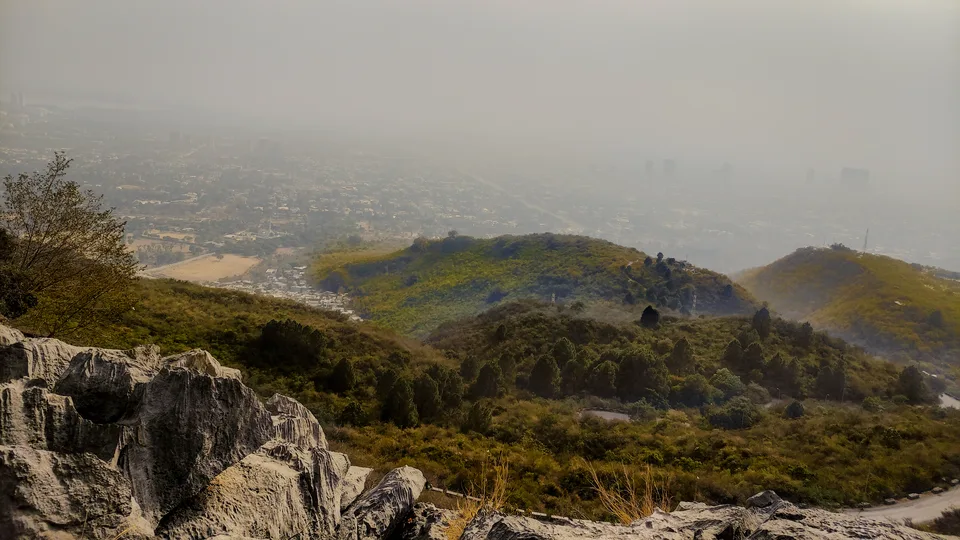
Pick accommodation for the trip you are taking
Hotels, guesthouses and furnished apartments serve different needs. A staffed hotel can make late arrivals, luggage storage and transfer coordination easier. An apartment may suit a longer family stay, provided you verify cooking facilities, cleaning, visitor rules and who responds when something stops working.
For an established full-service option, Islamabad Serena Hotel publishes its room facilities and dining choices. Compare the final quote for your dates with alternatives; a headline room price is not a complete trip budget. Confirm taxes, meals, airport transfers, extra beds and cancellation conditions in writing before paying.
For any guesthouse, ask about check-in identification and whether it can accommodate your nationality and party. Request recent room photographs where details are unclear. Light sleepers should ask about traffic, generators and nearby events. Families should establish bed arrangements and lift access explicitly, rather than relying on a room name such as “deluxe”.
Travellers with limited mobility should request measurements and photographs of the entrance, bathroom and route to breakfast. “Accessible” can describe very different arrangements. Establish whether a lift reaches the actual room floor and whether a vehicle can stop near the door. Apply the same questions to museum entrances before organising the day.
Arrive with the airport transfer settled
Use Islamabad International Airport as your arrival reference, not an old itinerary referring to the former passenger airport at Chaklala. The airport’s official access page places the current airport on Airport Avenue outside central Islamabad. Its location makes the final address and arrival time important when choosing a transfer.
The airport’s facilities directory lists Metro Radio Cab in the concourse hall with a 24-hour service. Confirm the fare, payment method, luggage capacity and exact destination before setting off. A hotel pickup is another option when quoted and confirmed directly. This guide does not give a fixed taxi price or a guaranteed journey time: neither was established from a current official tariff.
If considering public transport, obtain the current airport connection, interchange and last departure from the operator before travel. A city bus route near your hotel does not by itself establish an airport service. Keep a pickup contact and your accommodation address available offline, especially after a late flight.
Use buses where the route fits
The CDA transit route table is a better starting point than an old route list copied across travel websites. It includes FR-03A between PIMS and Saidpur Village, ST-01 between PIMS and Daman-e-Koh, and ST-02 via Shakarparian Park. At review, the published headways were 20 minutes for FR-03A and 60 minutes for the two sightseeing-related services.
Those figures describe the published service, not an arrival guarantee. Check stops, operating hours and the return journey before choosing a bus for a time-sensitive visit. The table does not establish a current fare; ask the operator rather than budgeting from an unverified number.
For several dispersed stops, compare the combined cost of separate rides with a driver’s written half-day quotation. Specify waiting time, parking and the return destination. Walk within an area where conditions suit you, but do not assume that moving between adjacent sectors will feel like crossing a compact pedestrian centre.
Eat well and shop with a specific purpose
Choose meals around the area you are already visiting instead of repeatedly crossing the city for restaurant names. Ask for a current menu, portion sizes and whether taxes or service charges are additional. Travellers with allergies should explain ingredients directly and check shared preparation; a dish name alone does not resolve the risk.
Serena’s published dining options include Pakistani food at Dawat and barbecue at Baradari. They provide identifiable hotel dining choices for visitors who value a staffed setting; compare menus and reservations rather than assuming they represent everyday local prices. For a less formal outing, explore Saidpur’s eating places while checking the current bill and opening arrangements yourself.
At Lok Virsa, look for craftwork with an explanation of material, maker and origin. Ask how fragile purchases will travel and whether export paperwork is needed for the particular item. Do not buy archaeological material because a seller describes it as a harmless souvenir. Keep receipts and leave luggage room for careful packing.
During Ramadan, ask your host how daytime dining will work and check opening hours individually. The public expectations around eating and drinking differ from an ordinary holiday routine. Plan meals considerately and avoid leaving an essential food stop until the last moment before an onward journey.
Build a budget from bookings you can verify
Use Pakistani rupees for day-to-day calculations and keep a separate allowance for charges quoted in another currency. The clearest attraction benchmark here is the Heritage Museum’s published ticket schedule. Two foreign adults would budget PKR 3,000 for that museum alone at the reviewed rate, before transport or other admissions.
Accommodation and movement will shape the rest of the total. Make a short worksheet for room costs, transfers, daily rides, meals, entry charges, telephone service and contingency. Obtain actual quotes for the dates and group size. There is no sound reason to turn an old restaurant bill or another visitor’s taxi fare into a universal daily budget.
Carry a useful amount of cash while avoiding a single large wallet. Confirm card acceptance before ordering or committing to a service, and ask your bank about overseas charges. For longer stays, include deposits, household equipment and recurring bills separately from the money needed for ordinary sightseeing.
Choose the season around your activities
The CDA’s overview of Islamabad describes hot summers, monsoon conditions and cool winters. Spring and autumn are sensible periods to investigate for a trip combining cultural visits with outdoor time, but those broad seasons do not guarantee clear views or comfortable walking weather on your dates.
Summer plans need shade, water and less strenuous midday activity. Rain can change a hill outing quickly; a museum day is a useful alternative. Winter visitors should ask about room heating and hot water, particularly in accommodation designed around summer cooling.
Check the Pakistan Meteorological Department’s current forecasts shortly before arrival and again before hiking. Forecasts and warnings are more useful for a specific outing than an annual climate average. Allow spare time if your Islamabad stay connects with mountain travel elsewhere: weather and road conditions beyond the capital may be quite different.
Pack for the activities you actually intend to do: a city museum day and a rocky hill trail place different demands on footwear. A light extra layer can be useful for changing conditions, while a waterproof bag protects documents and electronics when rain catches you between stops.
A realistic three-night first visit
On arrival day, settle in, confirm your next morning’s transport and have dinner near your accommodation. Avoid making a late landing the start of a demanding sightseeing circuit. A daylight arrival may leave time to explore the immediate market and establish where you will buy water or breakfast.
Use the first full day for Faisal Mosque and, if access and weather permit, a hill viewpoint or a suitable walk. Finish with Saidpur if it fits your route and energy. Reserve the second full day for Lok Virsa and Shakarparian, choosing museum time over an overloaded checklist. Move these days around the verified opening schedule.
With another full day, choose Taxila rather than trying to squeeze it between airport formalities and the capital’s main museums. On departure day, keep the transfer flexible enough for traffic and security checks. This is a suggested sequence; religious events, closures and personal mobility should determine the final version.
Test the address before making a longer move
For a prospective resident, a short reconnaissance stay should reproduce ordinary weekdays. Travel to the office or campus at the hours you would actually commute. Visit groceries, a pharmacy and any school you are considering. Check whether the appealing rental location still works when you need to make several routine journeys.
Inspect housing with a written checklist: water supply and storage, electricity backup, heating, cooling, hot water, internet installation, drainage, security and maintenance responsibility. Ask for recent utility bills and clarify which meters are shared. An attractive furnished room does not establish that the household systems meet your needs.
Before paying a deposit, verify the landlord’s authority, permitted use, inventory and repayment terms. The CDA regulates private schemes through ownership scrutiny, layout approvals and no-objection certificates; use the relevant official checks for the actual property. A marketing brochure or a familiar development name is not a substitute for legal verification.
Ask who will arrange internet and telephone registration, what documentation is required, and how long installation normally takes at that address. Test the connection during your visit if remote meetings are central to your work. Keep an alternative arrangement for the first few days rather than assuming immediate service.
Students and households need their own cost plan
University housing prices can help an eligible student, but they are not a citywide rental average. NUST’s published Islamabad campus charges list international non-medical accommodation from USD 66 monthly for triple occupancy with a shared bathroom to USD 121 for a single room with an attached bathroom. The listed mess charge is PKR 20,700 monthly, separate from accommodation and deposits.
Eligibility, room availability and the applicable intake category need confirmation with the university. A visitor cannot assume access to those beds, and a family should not build its budget around a single student’s hostel rate. Private accommodation requires its own quotations and commute assessment.
For healthcare, Pakistan Institute of Medical Sciences publishes hospital and emergency information. Identify a suitable provider before you need one, and verify insurance arrangements directly. The UK government’s Pakistan health guidance gives 1122 for an ambulance and advises checking cover for treatment and evacuation. Bring prescription documentation and confirm local medicine availability with a qualified provider.
Entry permission is separate from permission to live or work
Resolve immigration requirements for your passport and purpose before booking a non-refundable trip. The Pakistan Embassy in Tashkent’s visa guidance directs applicants to the online system and describes a Visa Prior to Arrival process involving a Visa Grant Notice. That wording does not mean every traveller can board without applying; eligibility and consular jurisdiction still matter.
For British citizen passport holders, the UK government’s entry guidance states that applications must be made in advance and describes passport validity requirements. Other nationalities should check their responsible Pakistani mission and the official application system. Follow your actual permission’s dates and conditions, including extension requirements.
Employment needs the appropriate route. The Board of Investment’s work-visa guidance sets out job-offer and employer-document requirements. For study, consult the NUST International Office’s visa and admissions information or your own institution; admission does not automatically secure visas or housing for dependants. Tourism, employment, study and permanent relocation are distinct matters. VisaWand’s Pakistan consultant listings can help you identify professional advice for a specific case.
Keep security and nearby alternatives in view
Read your government’s current advice before committing. The UK government’s Pakistan safety guidance describes terrorism risks, including attacks in Islamabad, and disruption from demonstrations that can close roads or interrupt connectivity. Avoid protests, follow local instructions and allow plans to change. Calm streets and a polished hotel do not establish that a journey is risk-free.
For an additional cultural day, UNESCO’s Taxila description explains the archaeological settlements and Buddhist sites of a separate World Heritage property in Punjab. Select a manageable group of sites, confirm opening arrangements and transport, and use VisaWand’s Taxila destination page for geographical context.
For a different urban stop, compare the Lahore destination page when planning your wider route. Choose extra destinations according to your interests and available travel days, rather than treating every place near a national itinerary as a quick excursion from Islamabad.
Official planning resources
Reviewed 24 October 2026. Use the official resources linked throughout this guide for admission, transport, housing and immigration decisions. Prices, services and rules can change; confirm the details relevant to your dates. Photography illustrates the locations and is not a live view.
View all official resources
- Capital Development Authority: Islamabad master plan and housing oversight
- CDA: Islamabad destinations and parks
- Dawah Academy: Faisal Mosque history
- Dawah Academy: Faisal Masjid Islamic Center
- Lok Virsa: Heritage Museum tickets and visiting information
- Lok Virsa: museum hours and cultural facilities
- Lok Virsa: Pakistan Monument Museum
- Islamabad Wildlife Management Board: Margalla trail maps
- Islamabad Wildlife Management Board: guided walks
- Islamabad Serena Hotel: rooms and dining
- Pakistan Airports Authority: Islamabad airport access
- Islamabad airport: terminal services and radio cab
- CDA: current Islamabad transit routes
- CDA: Islamabad geographical setting and climate
- Pakistan Meteorological Department: daily forecasts
- NUST: campus housing and dining charges
- Pakistan Institute of Medical Sciences: hospital practical information
- UK government: Pakistan health and emergency information
- Pakistan Embassy in Tashkent: online visa process
- UK government: Pakistan entry requirements
- Pakistan Board of Investment: work visa requirements
- NUST International Office: admission, visas and dependants
- UK government: Pakistan safety, disruption and local laws
- UNESCO: Taxila World Heritage property
Plan the next part of your journey
Explore the Pakistan guide, browse other cities or compare consultants for your travel and relocation questions.