Visa
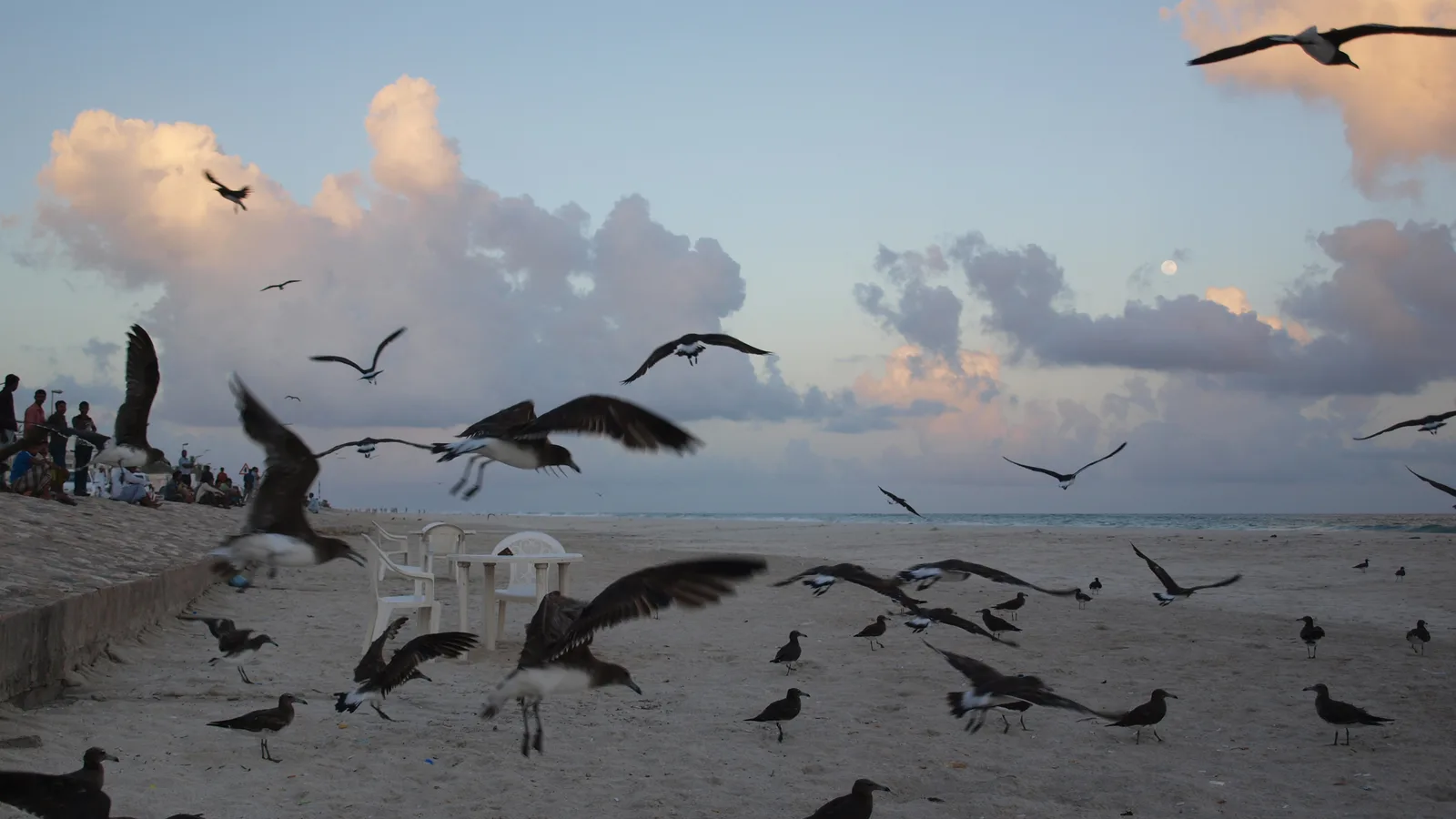
Decide which Salalah you want to experience
Salalah’s strongest attraction is the relationship between the coast and the mountains behind it. In Dhofar, southern Oman, a trip can combine maritime archaeology, frankincense history and a beachside stay with an entirely different landscape inland. During the khareef, mist and seasonal rain change the hills; a drier-season holiday asks for a different itinerary and different expectations.
Before making non-refundable bookings, read your government’s current travel advice. As reviewed on 17 October 2026, UK advice for Oman reports regional strikes and retaliatory attacks, including in Oman, and warns of further escalation. That does not establish an incident in Salalah itself. Check your airline’s arrangements and insurance conditions for the dates and routing you intend to use, rather than assuming that a published flight or hotel offer settles those questions.
Let frankincense explain the landscape
The Land of Frankincense World Heritage property gives Salalah’s surroundings a historical thread. Its four components connect the trees of Wadi Dawkah, the caravan oasis of Shisr/Wubar and the ports of Khor Rori and Al-Baleed. Together they explain the production and movement of a valuable resin across land and sea. The inscription dates from 2000; it does not designate the whole modern city as a World Heritage site.
That history is easier to appreciate when approached through places rather than a shopping slogan. Archaeological remains, a museum visit and a conversation about a product’s origin can each add something different. Do not expect to cover all four component sites as a casual city walk. The inland locations require their own transport and enough time to understand what you have come to see.
Choose between khareef and the drier season
The official Dhofar visitor overview places the khareef between June and September, when mist and light showers affect the plains and mountains. Choose this period for the seasonal landscape, while allowing for variable visibility and wet conditions. Photographs of a green valley are evidence of a particular season, not a promise for the week you book.
If your priority is time beside the sea, compare drier-season dates and ask the accommodation about conditions and available facilities. Do not assume a change of month makes every beach safe for swimming. A mixed-interest visit works best with an indoor or shorter outing available each day. For a possible move, investigate conditions outside your favourite holiday season as well; the experience of a short khareef break cannot represent the whole working year.
Select an area by the journeys you will make
Compare the city centre and Al Haffa for a stay involving shopping, errands and city outings. Al Baleed and Dahariz provide other coastal reference points when assessing accommodation. These names describe different places to investigate, not interchangeable promises of walkability. Check the exact entrance and the distances to meals, groceries and any attraction you expect to reach on foot.
For work or a longer stay, add Al Saada and other residential options to the shortlist, then test the commute to the actual workplace or campus. A resort advertised as Salalah may be well beyond the city routine you want. Conversely, a convenient apartment for everyday errands may not deliver a quiet beachfront holiday. Map your first three ordinary journeys before comparing prices; the transport cost and time belong in the accommodation decision.
Give Al-Baleed a proper visit
Al-Baleed is a useful place to begin exploring the area’s trading history. UNESCO describes a fortified port whose international connections are reflected in archaeological finds. Walk with the interpretation and the surviving structures in mind, rather than expecting a fully reconstructed historic town. Stay on permitted paths and respect any excavation or conservation restrictions.
The Ministry of Information’s park description identifies the Museum of the Land of Frankincense within the archaeological park, alongside visitor interpretation and walking facilities. Check current opening times and admission before departure, including whether your ticket covers both the museum and the park. Anyone needing a shorter route, seating or step-free access should ask specifically about the museum entrance and the outdoor surfaces. Allow enough time for both the setting and the interpretation.
Plan an eastern outing around Wadi Darbat
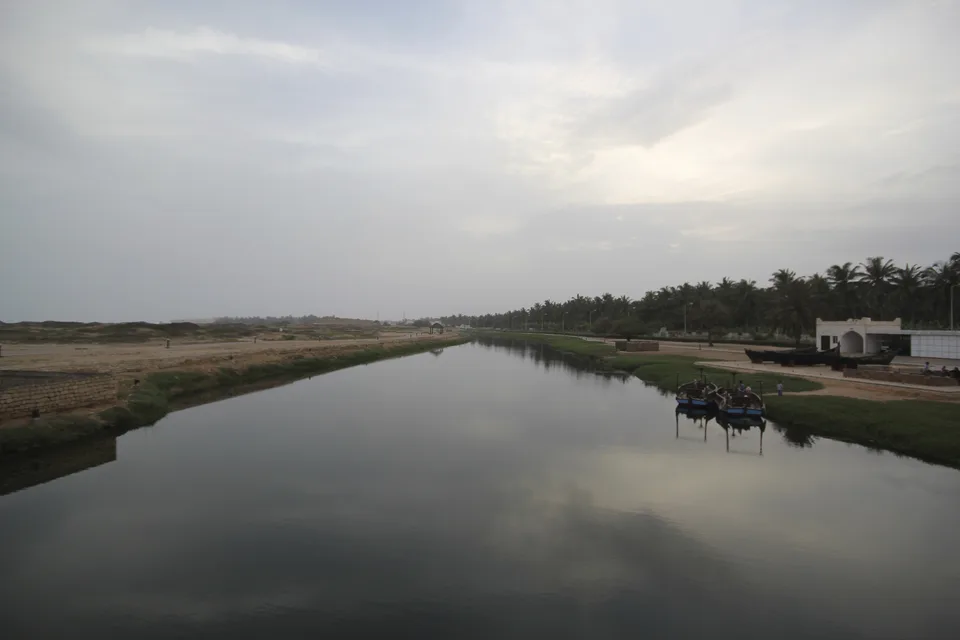
The tourism ministry’s Wadi Darbat page places the valley in the mountains beyond Taqah, overlooking the Khor Rori area. It describes small lakes replenished during the khareef, with some water potentially remaining afterwards. That distinction is useful: the valley’s appeal is broader than a single waterfall photograph, and water levels should never be treated as fixed.
Choose a manageable visit based on current access, weather and the abilities of the group. A picnic or short designated walk can be a complete outing. Confirm the return arrangement before leaving the vehicle, particularly if a driver is waiting. Keep children away from unprotected water and slippery edges. If seasonal activities are offered on arrival, establish their operating arrangements and safety provisions rather than assuming they are included in a park or tour payment.
Look west to Mughsail without chasing a spectacle
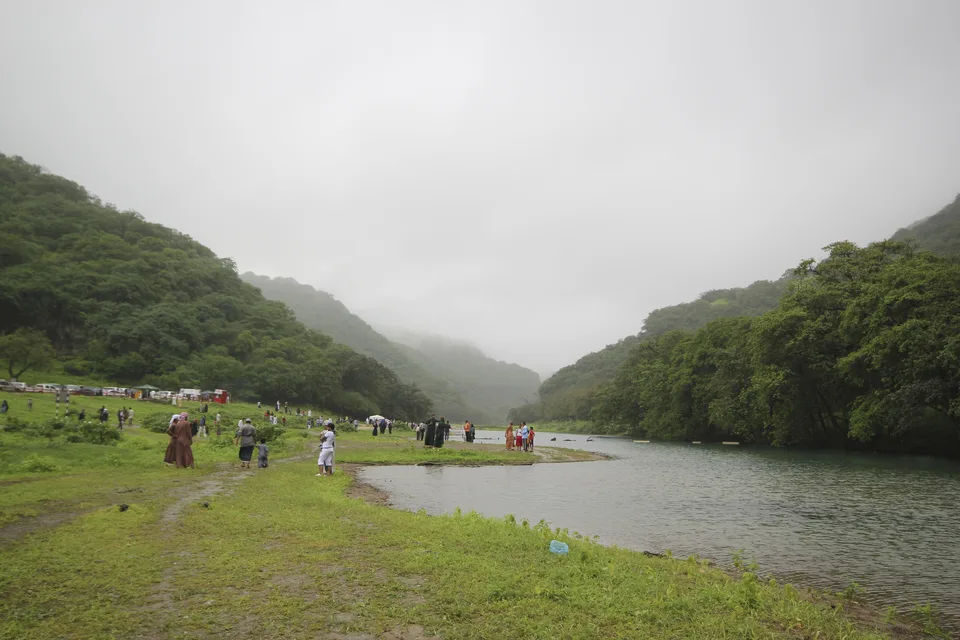
Al Mughsail Beach lies west of Salalah and is known for its coastal scenery and blowholes. Build the visit around a suitable viewing area and the landscape. The force and appearance of the water depend on conditions, so a dramatic photograph should not become a reason to approach an exposed edge or cross a barrier.
Keep this outing separate from a substantial eastern itinerary unless you have deliberately allowed the travel time. A driver’s list of possible stops is not proof that all of them fit comfortably into one day. Agree the route, duration and any optional detours before setting out. For visitors with limited mobility, request details of the distance from parking to the viewpoint and any steps; a roadside attraction can still involve difficult ground.
Enjoy the coast with the right expectations
The coast can provide space for a walk, a view and a quieter part of the day even when bathing is unsuitable. Oman’s Civil Defence khareef safety guidance warns about high waves and stronger currents, and advises against swimming at beaches during the season or in undesignated springs and pools. Follow current local instructions, barriers and flags rather than assessing safety from the shoreline’s appearance.
A hotel’s beach frontage does not guarantee safe sea access. If swimming matters to the holiday, ask about a supervised pool, its operating hours and any restrictions affecting children. Public dress and private resort arrangements also differ; the official travel advice on local laws explains expectations for public clothing and where swimwear is appropriate. Carry suitable footwear and choose a route back before daylight or energy runs short.
Shop thoughtfully around Al Haffa
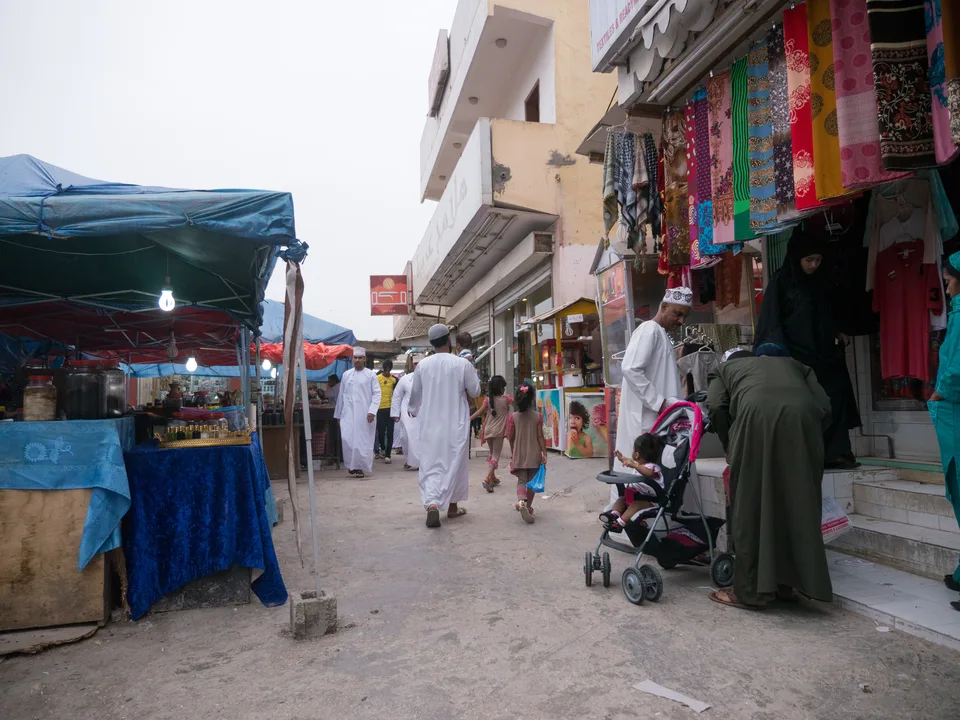
Al Haffa is associated with Salalah’s market shopping, including frankincense. Treat the souq as a place to compare products and speak with sellers, rather than a compulsory performance of bargaining. Ask about the origin, intended use and price of what interests you. An attractive resin, perfume or incense burner is not evidence of a particular grade or therapeutic benefit.
Confirm the current shopping location and hours with your accommodation, since stall arrangements and developments can change. Ask permission before close photographs of people. For anything you plan to carry home, check airline and destination customs rules, especially where liquids, plant materials or fragile items are involved. Keep an itemised receipt for a significant purchase and leave enough packing space. A dated market photograph illustrates the setting, not the businesses operating today.
Choose accommodation beyond the room photograph
A city hotel, an apartment arrangement and a coastal resort serve different trips. Compare breakfast, parking, kitchen facilities, laundry, late arrival and cancellation terms alongside the room rate. For families, clarify the actual beds, occupancy limits and supervision arrangements around water. For a short sightseeing stay, easy departures may matter more than facilities you will scarcely use.
As a specific resort reference, Al Baleed Resort Salalah by Anantara lists its location on Al Mansurah Street, Al Baleed, and describes a beachfront setting. Ask the property directly about the room category, access needs and facilities essential to your stay. A private hotel transfer and an airport taxi are different services with different prices. Request a complete quote before choosing either, rather than assuming a transfer is included because a hotel advertises one.
Use the airport’s destination-specific transfer information
The airport’s official transport page describes a taxi-management office outside arrivals where staff confirm the destination and fare and issue a journey slip. Its published one-way table lists OMR 7 for the city-centre group, including Al Haffa, Al Saada and Dahariz, and OMR 10 for a separate group of named hotels. Confirm the category for your exact address; there is no single fare covering every property described as Salalah.
The same page identifies car-rental counters and a designated Mwasalat bus pickup area. Before relying on a bus after landing, confirm the route, current timetable, payment and final departure with Mwasalat. A general frequency statement is not a guarantee for a delayed flight. For a prearranged pickup, agree the meeting point, luggage allowance, child-seat needs and what happens if arrival time changes.
Compare flying with the long intercity journey
Salalah should be planned as a separate part of an Oman itinerary, rather than a quick excursion from Muscat. Compare available flights with the time and comfort of the road journey, including the airport transfers at both ends. Read the baggage conditions when comparing airfares, and leave room for disruption before an international connection booked on a separate ticket.
Mwasalat publishes a Muscat–Salalah intercity service, but its website could not be reached during the final review. Obtain a confirmed current fare, timetable and boarding address directly before planning around it. Check luggage and arrival arrangements. A scheduled coach and an unplanned self-drive journey have different demands; neither should be squeezed between a full sightseeing day and an early flight. For a night arrival, confirm that the accommodation can receive you and that transport from the terminus is arranged. Keep essential medication and an extra layer in your hand luggage, with valuables separate from bags loaded beneath the coach. Ask about stops and seating before purchase if comfort or mobility requirements affect your choice.
Make local transport part of the daily plan
For each sightseeing day, decide whether a bus, individual taxi journeys, a hired car or a driver-led excursion actually connects the places you want. The existence of municipal buses does not establish service to every valley, viewpoint or resort. Confirm the last return before travelling outward, and keep enough money for an alternative if plans change.
For vehicle hire, read the licence, age, deposit, insurance, mileage and permitted-road conditions before paying. Ask whether the intended route is covered; a larger vehicle alone does not make an unfamiliar track suitable. In mist or heavy rain, reduce the itinerary rather than treating the booking as an obligation to continue. Download useful maps in advance and keep accommodation details accessible offline. Agree parking and pickup locations clearly when travelling with someone else driving.
Understand the food before ordering a feast
The official food and hospitality overview introduces qabooli, a rice dish with ingredients including meat, nuts and raisins; harees, combining meat and wheat; and shuwa, slow-roasted meat. Coffee and halwa also belong to Omani hospitality traditions. These provide useful menu starting points without implying that every restaurant prepares the same dishes every day.
Ask about portion size, availability and preparation time before ordering several substantial plates. For allergies or dietary restrictions, check broths, cooking fats, nuts and shared preparation as well as the named main ingredient. Seafood should be chosen from what the venue actually offers, rather than from a generic promise about coastal dining. Check the menu price and any additional charges before ordering. For a group meal, ask whether larger shared dishes need advance ordering and whether the kitchen can accommodate different dietary needs.
Budget by itinerary rather than a city average
Use Omani rials, abbreviated OMR, for comparisons. If two adults share one vehicle quoted at OMR 7, the split is OMR 3.50 each for that single transfer. This arithmetic does not include a return trip, accommodation, meals or sightseeing. A private excursion or resort meal can change the total much more than a small saving on another item.
Obtain a dated accommodation quote for your actual season and party size. Add transport for the planned outings, then meals, admission and a contingency. Check whether each price is per person, per room or per vehicle and whether taxes are included. For a longer stay, separate the deposit and setup purchases from recurring expenses. Compare homes using the same assumptions about cooling, internet and commuting rather than placing a base rent beside an inclusive hotel rate.
When comparing a resort package with a city hotel, cost the evenings as well as the excursions. Ask which meals, drinks and facilities the package includes, and whether a planned day away means paying for food twice. A less expensive room can become a poor choice if every dinner requires an additional taxi journey. For a driver-led day, obtain the waiting allowance, distance limits and overtime rate in writing. Clarify whether entrance tickets and the driver’s meals are included. These details make competing offers easier to compare.
Spend four days with a coherent route
On day one, settle into the accommodation, investigate a manageable section of the city or coast and confirm the next day’s arrangements. Keep the arrival day light if the journey was tiring. On day two, make Al-Baleed and the museum the principal visit, adding Al Haffa shopping or another suitable city stop when opening times and energy allow.
On day three, choose an eastern outing around Wadi Darbat, with Khor Rori as an additional historical interest if access and time permit. On day four, look west towards Mughsail or retain a quieter day near the accommodation. Change the order for weather and opening arrangements. During khareef, plan for the landscape rather than sea bathing; in drier conditions, retain the same respect for local water-safety instructions. This is a suggested pace, not a promise that every stop operates daily.
Keep desert travel and farther destinations separate
For an inland extension, the official Rub al Khali introduction recommends specialist operators familiar with the terrain. Treat a desert excursion as its own undertaking with clear transport, supplies and return arrangements. A city rental agreement, a mobile map and a photograph of dunes do not together establish a suitable independent route.
Taqah and Mirbat are other places to consider when comparing coastal interests and accommodation. Decide whether they are an outing or a different base; driving back and forth can consume time intended for the place itself. For a wider Oman trip, compare Muscat’s city page and allow for the substantial transfer between north and south. A long list of destinations adds little unless the time, transport and interests fit together.
Investigate housing through the full year
For a potential move, begin with temporary accommodation and inspect real homes before making a longer commitment. A furnished holiday apartment may have different pricing and availability from a residential lease. Ask explicitly whether the quoted rent applies throughout the agreement and whether seasonal use by someone else affects your occupancy.
Check cooling, ventilation, signs of damp, water pressure, storage and the condition of appliances. Ask for utility bills and clarify maintenance responsibilities, payment currency, notice periods and deposit refunds. The Dhofar lease-documentation service provides an official starting point for checking how the contract should be recorded. Establish who completes the process and pays relevant charges. Verify the landlord’s authority and record the inventory at handover; a tenancy agreement itself does not give a foreign resident immigration permission.
Test commuting, connectivity and household services
Before selecting a residential area, travel to the workplace or campus at normal working hours. Test the return and the practical walk between the stop or parking place and the entrance. If the job is linked to Raysut or another location outside your sightseeing base, assess that actual journey rather than a generic distance to central Salalah.
Omantel’s visitor information describes obtaining a tourist SIM through an outlet with a valid passport. Check package validity, device compatibility and the plan needed for a longer stay; an expired seasonal promotion is not a current price. At a shortlisted home, confirm fixed internet availability and test the connection where you would work. Locate groceries, a pharmacy and laundry arrangements. Families should ask schools directly about admission, teaching language, fees and transport before signing a lease.
Distinguish the two fourteen-day visitor arrangements
Start with the Foreign Ministry’s entry-visa guidance and the Royal Oman Police eVisa portal. The existing 14-day exemption covers specified nationality groups, with additional conditions for the second group. The published requirements include sufficient passport validity, a return ticket, confirmed accommodation, insurance and funds. Do not interpret the headline as visa-free entry for every passport.
Separately, an August 2026 announcement introduced a free 14-day tourist-visa category for nationalities and conditions determined by the competent authority. It allows replacement before expiry with another tourist category, subject to requirements and fees. That is different from the exemption’s published restriction on extension or conversion to residence. Establish which arrangement applies to you with ROP before relying on either; the new category is not a general permission to work or settle.
Approach work, study and residence on their own terms
Oman’s official work-visa service describes an employer-led process linked to the relevant Ministry of Labour authorisation. Confirm the role, employer responsibilities, documents and approval before treating a job offer as permission to start. A tourist booking, tenancy or visitor visa does not settle employment eligibility, and a change of tourist category does not replace the work route.
For study, use the Royal Oman Police study-visa guidance and the admitting institution’s international office. Ask about the academic place and immigration process separately. Foreign residents should also consult the official residence-card service for the documentation applicable to their circumstances. Long-term and permanent residence are distinct questions; neither is guaranteed by visiting repeatedly or renting a home. Use professional advice where necessary, while confirming requirements and decisions through the competent authorities.
Prepare the practical details before departure
Arrange medical cover appropriate to the activities you intend to undertake and establish how treatment would be paid for. The current health advice for Oman gives 9999 as the ambulance number. Check essential medication and import requirements in advance, and keep the necessary documentation accessible. Anyone with specific medical needs should identify suitable care before selecting a long-term base.
Use VisaWand’s Oman location directory to compare places, the Oman destination page for country-level planning and the consultant directory when professional support would help. Agree the service and fees directly. Finish the plan with a confirmed first-night address, an arrival transfer and an achievable first day. Salalah is most useful as a base when the season, location and journeys support what you actually want to do.
Official planning resources
Reviewed 17 October 2026. Use the official resources linked throughout this guide for admission, transport, housing and immigration decisions. Prices, services and rules can change; confirm the details relevant to your dates. Photography illustrates the locations and is not a live view.
View all official resources
- UK travel advice: warnings and insurance
- UNESCO: Land of Frankincense
- Experience Oman: Dhofar
- Oman Ministry of Information: Al Baleed Archaeological Park
- Experience Oman: Wadi Darbat
- Experience Oman: Al Mughsail Beach
- Oman Civil Defence: khareef safety
- UK travel advice: local laws and safety
- Al Baleed Resort Salalah by Anantara: location and transfers
- Salalah Airport: taxis, buses and car rental
- Experience Oman: food and hospitality
- Experience Oman: Rub al Khali
- Dhofar: document a lease contract
- Omantel: prepaid and visitor mobile plans
- Oman Foreign Ministry: entry visas
- Royal Oman Police official eVisa portal
- Oman Foreign Ministry: August2026 tourist visa category
- Gov.om: work visa
- Gov.om: Royal Oman Police student visa service
- Gov.om: residence cards
- UK travel advice: health
Plan the next part of your journey
Explore the Oman guide, browse other cities or compare consultants for your travel and relocation questions.