Visa
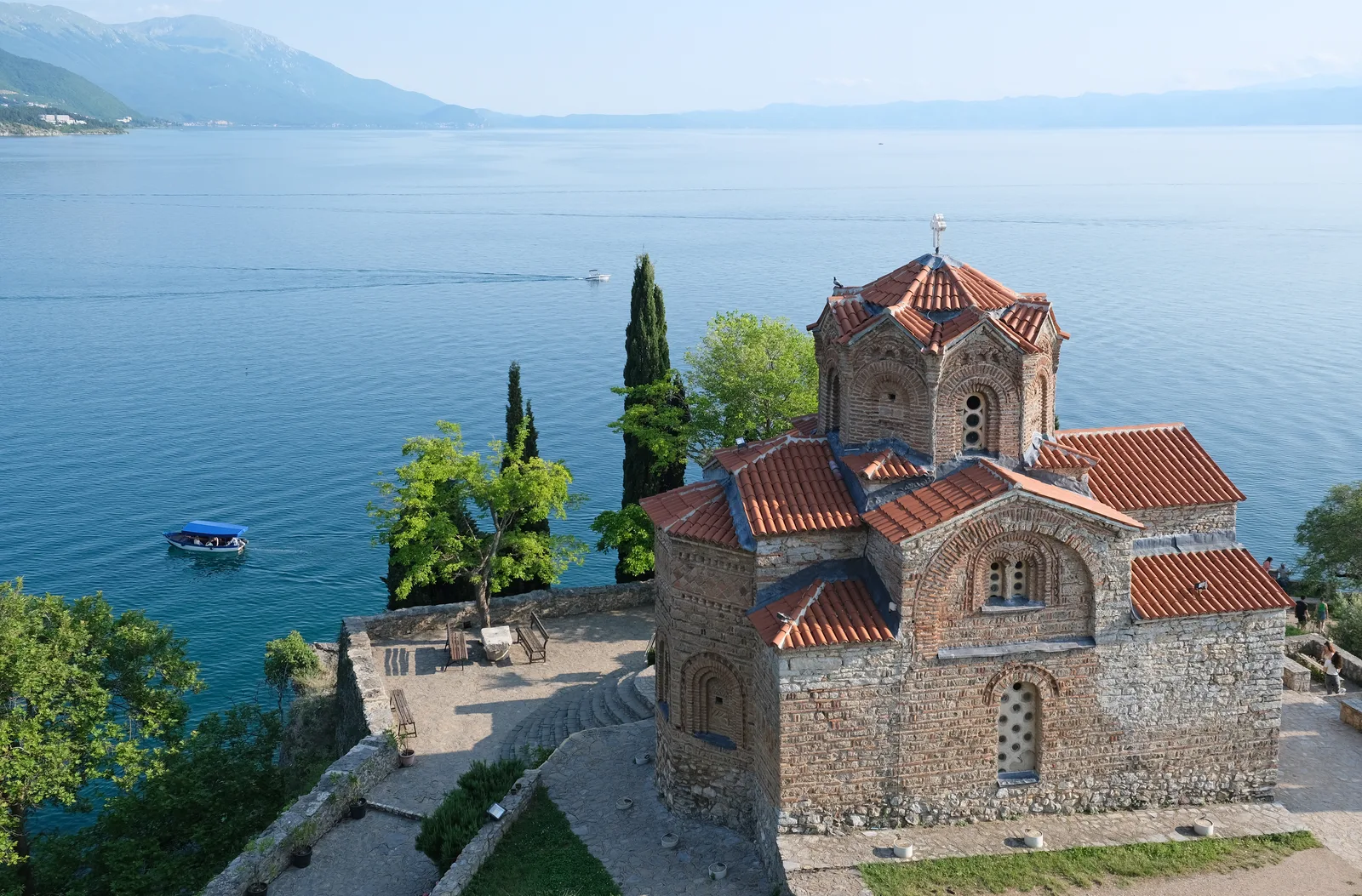
A lakeside city worth more than a quick circuit
Ohrid brings old houses, church towers and steep lanes down to a lake framed by mountains. Its appeal is partly visual: a tiled church roof against blue water, a boat below the shore, a fortress above the town. But the place becomes more interesting when you give its museums and religious buildings the same attention as its viewpoints.
Choose Ohrid for a stay that can combine cultural walking with time beside the water. It works differently from a large city break: distances between central sights can be short, yet gradients, steps and opening hours determine how much you comfortably fit into a day. A lakeside apartment and an old-town guesthouse also offer quite different daily routines.
Start with VisaWand’s North Macedonia country guide for the national picture. Then make three local decisions: whether you want to sleep within the old town, which excursion deserves a full day, and how you will reach your accommodation. Sorting those out makes room for the slower pleasures that bring people here.
Understand what the heritage designation protects
The UNESCO account of the Ohrid region covers a landscape with both natural and cultural importance. The North Macedonian part was recognised for nature in 1979 and culture in 1980; the property expanded into Albania in 2019. The designation concerns much more than a single church or the municipal centre.
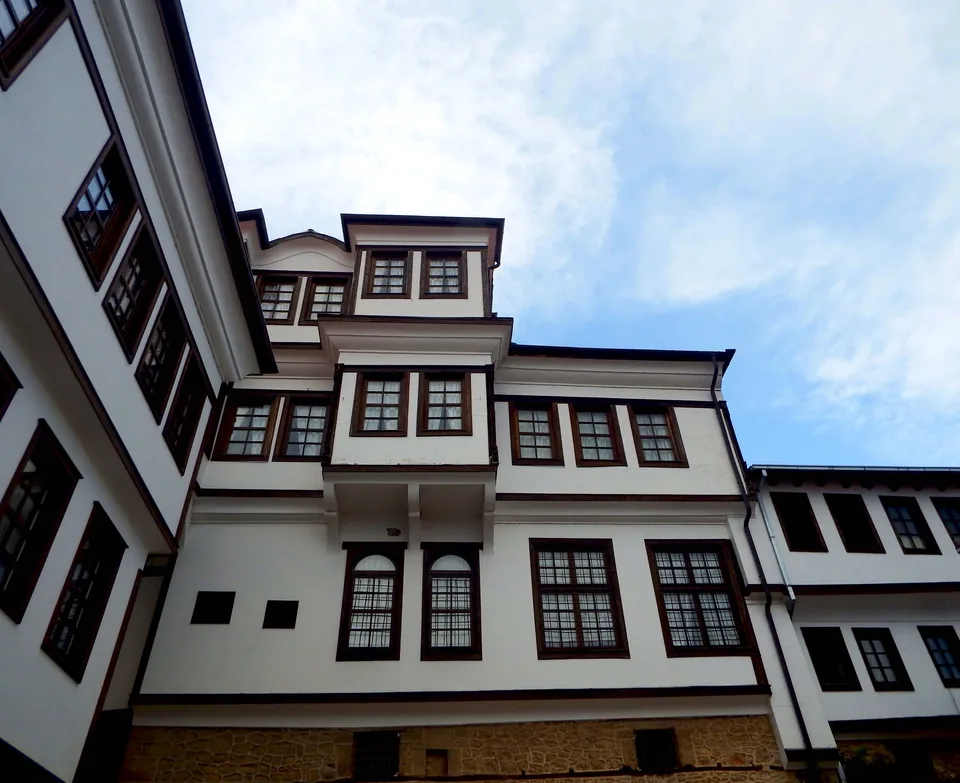
The old town includes a narrow network of streets, religious monuments and distinctive houses, with important surviving residential architecture from the eighteenth and nineteenth centuries. Look for the relationship between buildings and terrain as you walk. A balcony, overhanging upper floor or sudden opening towards the water can explain the town as effectively as another panoramic photograph.
The lake is also an ecosystem with species found nowhere else. UNESCO identifies pressures including development, waste and changing water quality. Visitors can respond practically: use established access points, take litter away and avoid treating a quiet shore as permission to drive, camp or land a boat wherever convenient. A heritage label does not make the landscape immune to everyday damage.
Choose between old-town atmosphere and easier access
An old-town address puts cultural sights close at hand and makes an early or late walk appealing. The trade-off is often the final approach: establish whether there are steps, whether a vehicle reaches the property and how you would carry luggage. For limited mobility, ask about the complete route from drop-off to bedroom and bathroom.
Accommodation near the central waterfront may simplify meals and gentler walking. Compare noise, room orientation and the actual access to the lake rather than assuming every property with a lake photograph is directly on the shore. A small difference in address can change both the view and the uphill journey home.
Farther south, places such as Lagadin and Peštani offer a different base for shoreline time. They should be evaluated as separate settlements, with their own evening and transport arrangements, rather than as walkable extensions of the old town. Plot accommodation, food shopping and the stop you intend to use before deciding which setting best matches your trip.
Walk towards Kaneo without rushing the churches
St John at Kaneo is the view many people recognise before arriving: the church stands above the lake, with its roof and stonework set against the water. Make time to look at the setting rather than treating it solely as a photograph to reproduce. Keep paths and entrances clear for others, including people visiting for religious reasons.
St Sophia and the church of the Holy Mother of God Perivleptos give the cultural walk more depth. Choose a manageable number of interiors and read about what you are seeing. If admission is available, confirm the individual charge and photography rules; an exterior visit does not establish that the interior is open at the same time.
Dress and behave respectfully where worship takes place. In hot weather, build in a seated break before continuing uphill. Visitors who find the route tiring should shorten it rather than assume that every waterfront section and connecting path offers the same easy access. Comfortable shoes matter more here than completing a circuit in a prescribed order.
Look inside the Robev house and Icon Gallery
The Robev family house helps turn Ohrid’s domestic architecture into something tangible. The institution describes the present house as a nineteenth-century rebuilding after a fire, with carved interiors and museum displays. It is a useful counterpoint to the churches: a place to consider family status, trade and the organisation of a substantial urban home.
The Icon Gallery occupies a former school building opposite the main entrance of the Perivleptos church complex. Give it focused time rather than adding it as a hurried stop between viewpoints. A smaller number of carefully observed works can be more rewarding than trying to absorb every label in one pass.
Their winter hours differ. The institution lists October–April opening from 09:00 to 15:30 at the Robev house and 09:00 to 14:00 at the Icon Gallery, with Monday closed at both. Recheck for your date. The Institute and Museum Ohrid website also lists administrative office hours; those should not be mistaken for a common timetable covering every attraction.
Climb to the fortress and Plaoshnik
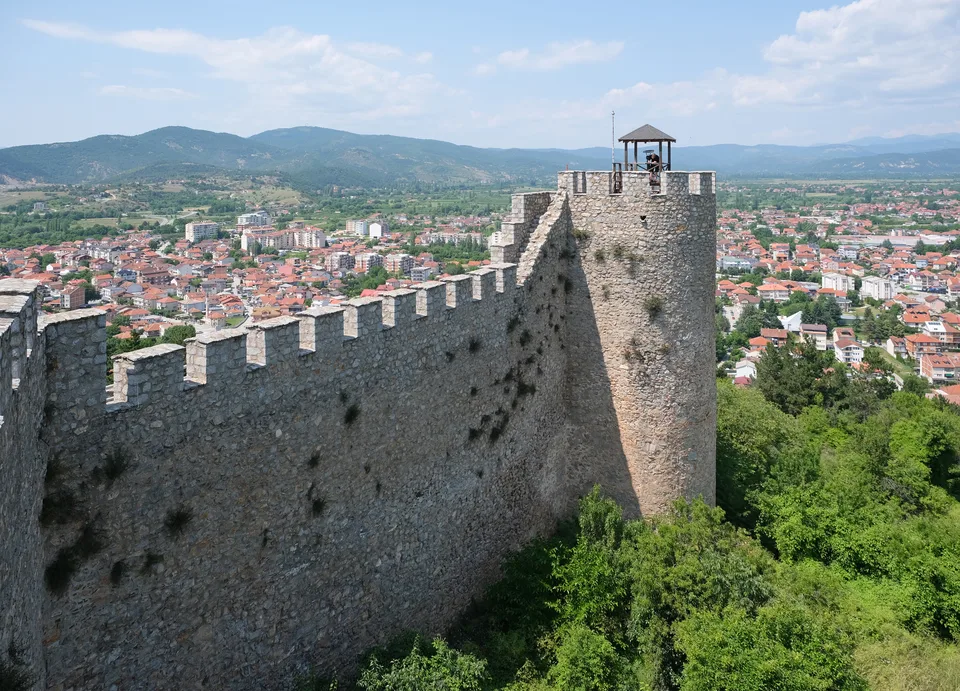
Samuel’s Fortress makes the town’s elevated position clear. The walls and towers belong to a history of destruction, rebuilding and later conservation; the institution records substantial research and restoration beginning in 2000. What you see should therefore be read as surviving and restored fabric, rather than an entirely untouched medieval structure.
Allow for the climb and examine the surfaces before committing to a wall walk. Access, barriers and weather matter more than the apparent simplicity of the route in a photograph. Check the current ticket and closing arrangements locally, and keep children close where levels change.
Nearby Plaoshnik is an archaeological complex with layers from different periods. Its restored church was consecrated in 2002, a useful fact when interpreting the building’s appearance. Do not assume every mosaic or excavated area is open for close inspection. Combining fortress and Plaoshnik in one outing makes geographical sense, but leave enough energy for the descent and another part of the day.
Give the Bay of Bones its own excursion
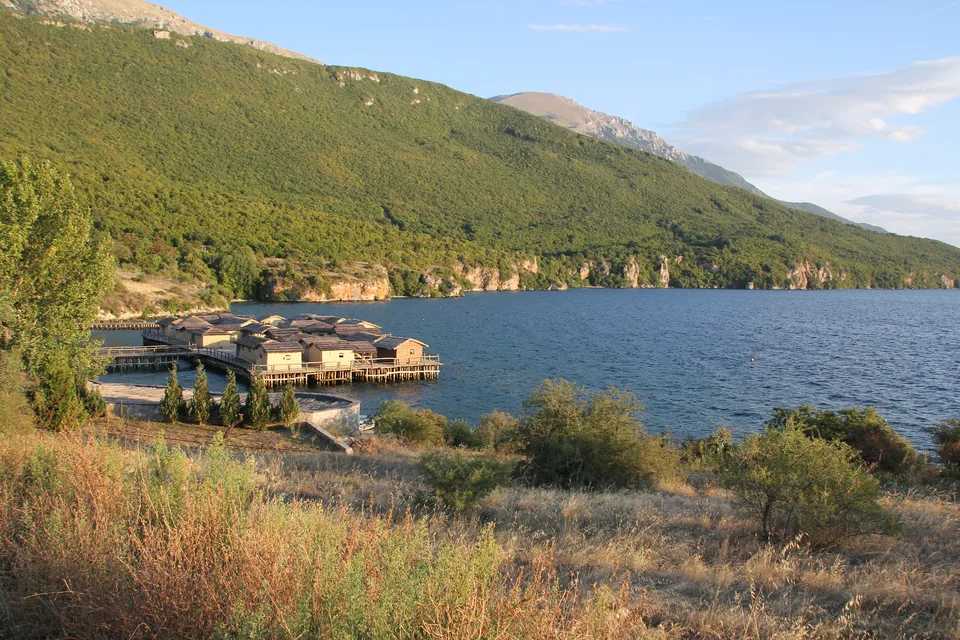
The Museum on Water at the Bay of Bones lies near Gradište and Peštani, outside central Ohrid. Its standing pile dwellings are reconstructions, created following underwater archaeological work, rather than prehistoric wooden houses that have remained intact above the water. Understanding that distinction makes the site more informative, not less worthwhile.
Plan time for the displays as well as the waterfront structures. Ask about accessibility if the approach or platform would be difficult for your party. A visitor ticket does not itself establish permission to swim, dive or explore underwater remains independently.
The institution publishes October–April opening from 09:00 to 15:30 and a Monday closure, with different summer hours. Confirm the current arrangements and your return transport before setting out. An excursion quotation should state whether entry and guiding are included, and how long you will have at the site. “Bay of Bones stop” alone says little about the quality of the visit.
Leave room for the wider lake
A day beyond the town can centre on shoreline settlements or the St Naum area to the south. Decide what you most want from it: a religious visit, a boat journey, time by the water or a longer landscape excursion. Trying to make all of those equally important can leave surprisingly little time outside the vehicle or boat.
For a boat trip, establish the route, landing points, vessel, departure and return arrangements. Ask what happens if conditions change, and whether the quoted price is per person or for the whole boat. Check assistance and lifejacket arrangements for your party before paying. Do not assume that a picturesque landing place is available to every operator.
If travelling by road, identify a sensible return connection before adding another stop. The lake extends across an international border, so a route into Albania requires separate entry and vehicle or rental checks. A view across the water is not evidence that every nearby destination can be reached as a simple local outing.
Treat Galicica as a mountain outing
Galičica National Park’s visitor information is the starting point for hiking and other mountain activities. The massif separates the Ohrid and Prespa lake areas, and a day on its trails needs a different plan from an old-town walk. Select a route suited to your party’s experience, equipment and available daylight.
Check current access notices directly with the park. Its dated July 2026 forest-access notice imposed restrictions for July and August because of fire danger, with a registration procedure. Those dates are past at this guide’s review; they demonstrate why a trail description cannot establish access for a future visit.
The park’s Stara Galičica–Magaro ticket page lists a daily visitor allowance of 300 denars per person at review. That is a specific product, not proof of every park charge, transport service or guided activity. Confirm the fee appropriate to your route, any registration requirement and the weather before departing. Keep a lower-level alternative available rather than feeling obliged to continue upwards.
Arrange the airport transfer before flying
Ohrid St Paul the Apostle Airport is the obvious local flight option when its schedule fits your trip. The airport operator’s passenger information states that there is no regular passenger shuttle; organised transfers are associated with arranged tours and seasonal charter flights. Independent travellers should therefore establish their own onward arrangement rather than expect a general bus waiting outside.
The operator provides airport taxi contact information. Request a current quote for your exact accommodation, number of passengers and luggage, and clarify waiting charges and payment. If your property is in the old town, ask where the vehicle can drop you and how the last part of the journey works.
The airport says it opens according to its flight timetable, so do not assume unrestricted overnight terminal access. Confirm check-in instructions with your airline. If using Skopje as an alternative arrival point, compare the whole onward journey and any necessary transfer rather than assuming the flight price represents the complete cost of reaching Ohrid.
Separate seasonal buses from a dependable daily routine
Walking is the natural choice for much of central sightseeing, with the important qualification that old-town routes rise and narrow. Use taxis or arranged transfers when they make a particular journey more manageable, agreeing the total and destination before departure. A car is most useful when your accommodation and intended stops have workable parking arrangements.
Visit Ohrid publishes a seasonal passenger-transport document covering routes towards places including Sveti Stefan, Lagadin and Gradište. The available document contains multiple packages and is not sufficient evidence that every listed departure operates together on your travel date. Confirm the current operator, stop and last return locally.
For an intercity journey, check the actual boarding location on the ticket rather than assume departure from the waterfront. Allow time to reach it with luggage. The same discipline matters for a longer stay: a service that works for an occasional summer beach excursion may not provide a reliable year-round commute or school journey.
Eat beyond the lakeside view
Ohrid’s visitor-organisation recipe collection offers useful dishes to recognise on a menu. Gjomleze is built from layers of a flour-and-water mixture, traditionally cooked under a heated lid. Makalo in the collection is a garlic-based accompaniment, while fish soup is another regional interest. These are starting points for asking questions, not a guarantee that every restaurant serves the same recipe.
When choosing fish, ask about the species, source and preparation rather than treating a menu’s reference to the lake as sufficient information. The ecosystem’s importance is a reason to be curious about sourcing. For a dish sold by weight, establish the calculation and included sides before ordering.
Explain dietary restrictions in terms of ingredients. A vegetable-looking dish can still contain dairy, while soup may use fish stock or flour. Compare menus before settling into a waterfront table, and keep simple breakfasts or picnic supplies as an option if you have a suitable kitchen. That leaves more flexibility for a meal you particularly want.
Shop carefully and budget in denars
North Macedonia’s currency is the denar, abbreviated MKD, as the municipal visitor currency information confirms. Keep local cash for smaller transactions and check card acceptance before ordering or buying. If a service is quoted in another currency, agree the currency actually charged and how any conversion is calculated.
Build the budget around accommodation, airport transfers, meals, individual attraction tickets and any excursions. The verified Magaro day-entry price is one specific example; there is no reliable basis here for presenting a universal taxi fare or average hotel bill. Dates, location and inclusions matter too much for a single undifferentiated figure.
For accommodation, obtain a complete quote including applicable taxes, cleaning, parking and deposit terms. For souvenirs, ask about the maker and materials. Check food gifts against the rules of your next destination. Keep receipts for substantial purchases and confirm how fragile items will travel.
Match the season to walking, water and performances
The UNEP-WCMC regional environmental datasheet describes continental conditions moderated by Mediterranean influences and the lakes. It is a historic environmental source, not a current forecast or a guarantee of swimming temperatures. Plan for a real change between a summer lake holiday and a winter cultural stay.
In warmer weather, put more demanding uphill walking earlier in the day and allow shaded breaks. Outside summer, check individual museum hours and the services offered at your accommodation. Rain, wind or a cold spell can change both a boat plan and a mountain outing, so leave an indoor alternative available.
The Ohrid Summer Festival’s own site shows how performances use places such as St Sophia, the Antique Theatre and Dolni Saraj. Check the programme for the edition matching your dates before building an evening around it. An old programme, a venue description or photographs from a previous summer do not establish a future performance, ticket price or start time.
Let three days follow the shape of the town
Spend the first day orientating yourself around the waterfront and lower old town. Choose the Robev house or another open interior, then walk towards Kaneo at a comfortable pace. If you have arrived late or carried luggage uphill, keep the evening simple and leave the higher sights for a rested morning.
Use day two for the fortress, Plaoshnik and the Icon Gallery, arranging the order around opening times and your energy. Pause for a proper meal instead of treating every interval as space for another monument. A performance can make an enjoyable evening if the actual programme fits your visit.
On day three, choose the Bay of Bones and a shoreline outing, or make a properly prepared national-park day. Neither needs to be compulsory. Travellers with only two nights should shorten the plan to protect arrival and departure. With more time, separate excursions and leave a morning for the lake without a demanding onward schedule.
Book accommodation that fits the whole stay
A hotel can offer reception, breakfast and help with arrival arrangements; an apartment may give more living space and the option to cook. Compare those practical benefits with the address, rather than choosing solely by a room photograph. Ask whether the advertised facilities operate throughout your dates, especially outside the main holiday period.
For a quiet room, establish its orientation and proximity to evening activity. For a view, ask which room category actually has it. For parking, determine whether a space is reserved, accessible to your vehicle and close enough for carrying luggage. Save arrival instructions offline if you will reach the property after normal reception hours.
Check cooling for warm weather and effective heating for a colder visit. A balcony is attractive but does not answer questions about ventilation, sound insulation or bathroom access. Written cancellation and deposit terms are particularly useful when a trip depends on a seasonal flight or a separately booked connection.
Test ordinary life before choosing a long lease
A holiday can show Ohrid at its most appealing without revealing the routine of living there. Before a move, spend time in the area during the season in which you expect to stay. Try food shopping, a pharmacy visit and your likely journey to work or school rather than judging the town entirely through its waterfront.
For housing, clarify whether a quoted lease covers the full period or whether the property returns to short holiday bookings during summer. Record rent, deposit, notice, inventory, utilities and repair responsibilities in writing. Verify the owner’s authority and seek independent local legal advice for an unfamiliar contract or purchase.
Inspect heating, damp, water arrangements, appliance condition and access in poor weather. Ask for recent bills and test internet service at the address. This guide has no verified representative rent series, so it does not invent an average. Compare actual offers with equivalent lease lengths, locations and included services to make a useful household budget.
Put essential services and registration in order
Before a longer stay, identify suitable routine medical care and ask how specialist referrals and prescriptions would work. The UK government’s healthcare guidance lists 194 for an ambulance and advises appropriate insurance. It also describes a reciprocal emergency-treatment arrangement for British nationals; that should not be generalised into free healthcare for every visitor or resident.
Families should contact prospective schools directly about admission, language and capacity before choosing housing around an assumed place. Check mobile and home-internet terms, installation and cancellation at the property. A service available somewhere in town is not proof of the speed or coverage at your address.
Accommodation registration needs separate attention. The UK government’s entry guidance describes police registration and notes that hotels register guests at check-in. Ask your host who handles the requirement, retain the evidence and confirm what applies if staying privately. Registering accommodation does not by itself extend immigration permission or authorise work.
Keep visiting and relocation permissions separate
Check entry conditions for your nationality and travel document before booking. The government investment agency’s visa procedure overview distinguishes nationality exemptions from conditional arrangements involving certain visas or residence documents. Do not assume that possession of any Schengen document gives the same stay allowance, or that rules for British passport holders apply to everyone.
Work, study and family residence need the appropriate purpose and permission. Invest North Macedonia’s permit information describes these as separate categories. Property ownership, a remote job or a long accommodation booking is not proof that an application has been approved. Permanent relocation also requires its own eligibility assessment; check current instructions with the responsible authorities before making commitments.
Compare alternatives through VisaWand’s Struga destination page, Skopje destination page and North Macedonia destination directory. For professional help, assess the North Macedonia consultant listings for relevant credentials and a clear written scope. Choose a base around daily needs as well as the view.
Official planning resources
Reviewed 24 October 2026. Use the official resources linked throughout this guide for admission, transport, housing and immigration decisions. Prices, services and rules can change; confirm the details relevant to your dates. Photography illustrates the locations and is not a live view.
View all official resources
- UNESCO World Heritage Centre: Natural and Cultural Heritage of the Ohrid region
- Institute and Museum Ohrid: Robev family house
- Institute and Museum Ohrid: Icon Gallery
- Institute and Museum Ohrid: visitor information
- Institute and Museum Ohrid: Samuel’s Fortress
- Institute and Museum Ohrid: Plaoshnik
- Institute and Museum Ohrid: Museum on Water
- Galicica National Park: visitor information
- Galicica National Park: dated forest-access notice
- Galicica National Park: Magaro day-entry ticket
- Ohrid Airport: information and passenger FAQ
- Ohrid Airport: taxi contacts
- Visit Ohrid: seasonal passenger-transport document
- Visit Ohrid: regional recipes
- Gazi Baba municipal visitor information: national currency
- UNEP-WCMC: Ohrid regional environmental datasheet
- Ohrid Summer Festival: programme and venues
- UK foreign travel advice: healthcare in North Macedonia
- UK foreign travel advice: North Macedonia entry and registration
- Invest North Macedonia: entry and visa procedure
- Invest North Macedonia: work and residence permits
Plan the next part of your journey
Explore the North Macedonia guide, browse other cities or compare consultants for your travel and relocation questions.