Visa
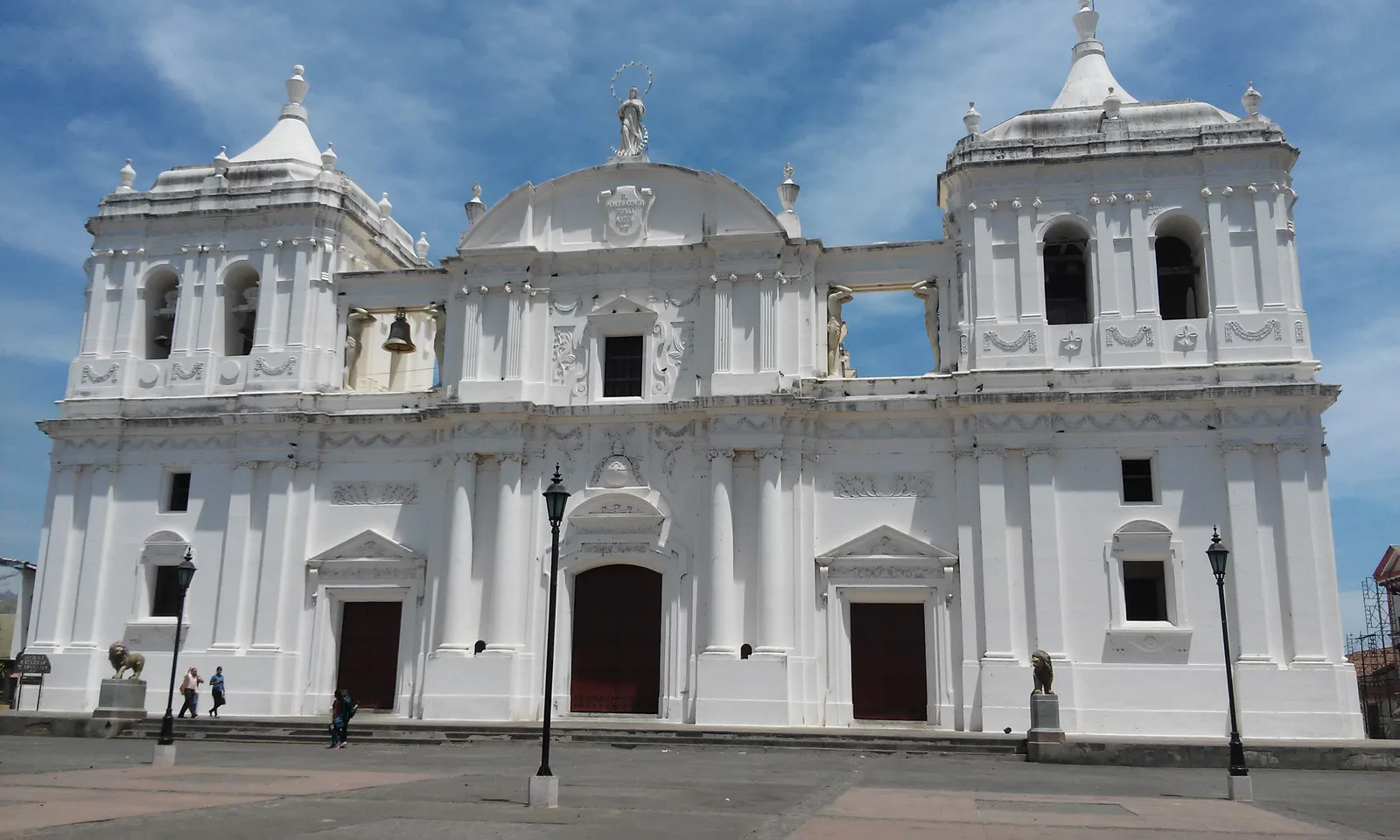
A university city between cathedral and volcanoes
León offers a concentrated introduction to Nicaragua’s architecture, literature and urban life. Its cathedral faces a working city centre, while museums, churches and everyday businesses give reasons to stay beyond a quick photograph. The surrounding region adds volcanic landscapes and Pacific beaches, but those are separate outings rather than attractions encountered on a central walking circuit.
This is León in western Nicaragua, not the cities of the same name in Spain or Mexico. The distinction matters when booking accommodation, researching transport and reading practical advice. It also matters within Nicaragua: the present city and the ruins of León Viejo occupy different places and require different visiting plans.
Use VisaWand’s Nicaragua country guide for national context and the Nicaragua destination directory to compare locations. This guide concentrates on choosing a suitable base, organising realistic days and understanding the practical difference between a visit and a move.
Read current travel advice before booking
The US State Department’s Nicaragua advisory, issued on 14 May 2026, rated the country Level 3, Reconsider Travel, at review. It identifies crime, health risks, wrongful detention and arbitrary enforcement of local laws. Those concerns affect the decision to travel; a tourism attraction’s popularity does not remove them.
The UK government’s safety guidance also warns about crime and restrictions on foreign participation in political activity. Read advice relevant to your nationality, insurance conditions and personal circumstances before committing money. People travelling for journalism, research, charity or religious work should establish the specific permissions appropriate to their purpose.
Plan to arrive in daylight where possible and use established providers for unfamiliar journeys. Keep sufficient flexibility to change arrangements when conditions or instructions change. The city’s cultural significance is a reason to understand it carefully, rather than a basis for assuming unrestricted access, uncomplicated entry or dependable consular intervention.
Keep the present city separate from León Viejo
UNESCO’s account of León Viejo places the original colonial settlement near Puerto Momotombo at the western end of Lake Managua. Founded in 1524, it suffered natural disasters before an earthquake in 1610 prompted relocation. Its archaeological remains represent the earlier settlement, not a neighbourhood within the modern city.
The ruins were inscribed on the World Heritage List in 2000. León Cathedral received its own inscription in 2011. These are two distinct properties with different locations, histories and access arrangements. An excursion to one does not automatically include the other, even if both are advertised under the name León.
If interested in archaeology, reserve a separate part of the itinerary for León Viejo and verify transport and visiting conditions. For a short stay centred on literature and architecture, remaining in the present city can be the more satisfying choice. Avoid turning an already full urban day into a rushed collection of distant sites.
Use the centre as a practical reference point
The area around the cathedral and central square provides an understandable starting point for a first visit. Choose a few destinations and establish the route between them before leaving accommodation. Walking distances on a map do not capture heat, uneven surfaces, traffic or the need to stop and rest.
The national tourism map’s León information identifies El Sagrario in the centre and Sutiaba to the west, alongside other established districts. Use those names to locate addresses, not as substitutes for assessing an individual street. A listing described as central may still require a vehicle for the particular journey you need.
For accommodation, compare access to the cathedral area with noise, room comfort and evening arrangements. For prospective residents, start with the workplace or campus instead. The best sightseeing address and the most practical home are not necessarily the same, especially when repeated journeys replace a visitor’s flexible timetable.
Visit the cathedral as a working religious building
UNESCO’s León Cathedral listing describes construction from 1747 into the early nineteenth century and a design associated with Guatemalan architect Diego José de Porres Esquivel. Its architecture combines late Baroque and Neoclassical influences. The broad proportions, light-filled interior and relationship with the square give it more interest than an exterior snapshot alone suggests.
Allow time to look inside when visiting arrangements permit, respecting worshippers and any restrictions. Dress appropriately for a religious setting, ask before photographing services and follow the staff’s directions. A public square outside and a working interior involve different expectations about behaviour and access.
Roof visits require their own confirmation. Check the entrance, ticket arrangements, permitted areas and conditions directly, rather than copying an old opening-hour table. Steps, sun exposure and surfaces may affect suitability. If height or mobility makes the roof uncomfortable, an unhurried visit at ground level remains a worthwhile architectural experience.
Look beyond a single monumental church
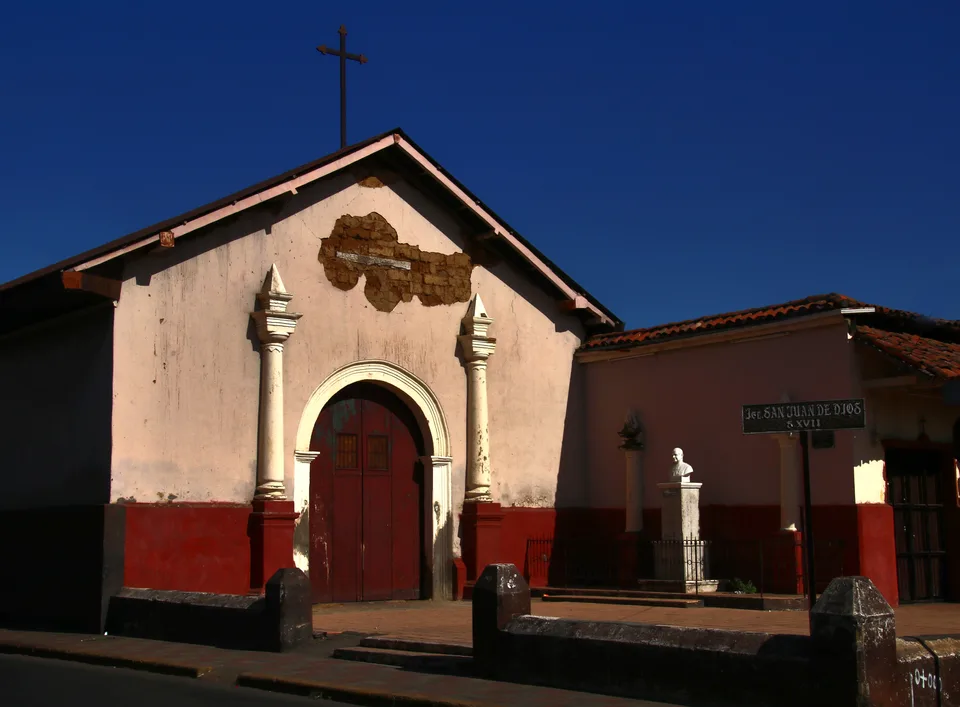
The cathedral can anchor a broader appreciation of León’s streets without making every stop another interior tour. Compare the scale of a smaller church, a shaded doorway or a courtyard with the main monument. A few carefully chosen buildings reveal more than an exhausting attempt to collect every church on a list.
Check whether a proposed interior is open for visitors and whether a service is taking place. Keep your route manageable in the heat and allow time to return to a comfortable indoor space. Travellers with accessibility needs should request specific information about entrances and toilets before relying on a general attraction description.
Older photographs help show the setting but cannot establish current access. Look at the street itself when planning a visit: road crossings, paving and the final approach matter. If hiring a guide, agree on duration, language and the particular interests you want covered before starting, including any admission charges that remain separate.
Read Rubén Darío through his childhood home
León’s literary associations are central to its character. UNAN-León’s account of the Rubén Darío museum identifies the house where the poet grew up. Manuscripts, books and biographical material give a different perspective from the monumental setting of the cathedral, encouraging time with the work as well as the public reputation.
Do not confuse this with the Casa Natal Rubén Darío in Ciudad Darío, in Matagalpa. That is the birthplace museum, elsewhere in Nicaragua. Searching the poet’s name alone can therefore produce the wrong address or opening arrangements for a León itinerary.
Before visiting, confirm the current programme and admission details with the institution. Decide whether you want a brief introduction or a more substantial literary stop, particularly if reading Spanish is difficult. A little preparation about Darío’s place in Spanish-language modernismo makes the objects and documents more meaningful without requiring specialist knowledge of poetry.
Explore art in restored houses
The Fundación Ortiz Gurdián’s León art centre occupies restored historic houses opposite the San Francisco church. Its published description spans Western art and Latin American modern and contemporary work. The setting also allows visitors to appreciate corridors, rooms and gardens as part of the experience.
The foundation operates in both León and Managua. Check that any directions, exhibition announcement or booking refers to the León centre. The official site contains some unfinished display information, so this guide does not present a placeholder exhibition title or an unverified price as a confirmed current offering.
Contact the centre for the visit date, admission conditions and available spaces. Allow more than a hurried interval between other bookings if art is a principal interest. A focused selection of rooms, followed by a break, can be more rewarding than moving quickly through a large collection without time to look.
Make room for local life without joining politics
A city with university, literary and religious traditions is experienced through ordinary activity as well as institutions. Leave some time for a café, a meal and observing the streets from an appropriate public setting. Avoid interpreting every mural, memorial or public gathering as an invitation to participate.
The distinction is especially important in Nicaragua. Government travel advice describes legal and personal risks associated with political activity by foreigners. Research the history through credible sources, respect restrictions and do not assume that an organised event is suitable for a visitor simply because it occurs near an attraction.
Photography also requires judgement. Ask before photographing individuals and respect instructions around sensitive sites. If travelling with professional equipment or for an assignment, verify entry and activity requirements in advance. Ordinary sightseeing plans should not depend on bringing equipment that customs authorities may restrict or confiscate.
Choose a room for heat, rest and location
Accommodation should be assessed through the room you will actually occupy. Check air conditioning or ventilation, bathroom arrangements, hot water, bedding and the position relative to streets or common areas. A historic courtyard property and a hostel dormitory can both work, but they serve different priorities and budgets.
For a short cultural stay, investigate established options near the central sights and compare the final route to dinner and return transport. A beach property advertised in the wider León region belongs in a separate calculation: sea air and a coastal setting come with journeys back into the city.
For longer stays, cooking and laundry may matter more than a decorative lobby. Confirm that facilities belong to the booked room category and ask for full cancellation and payment terms. Compare like-for-like dates and occupancy. This guide does not quote a nightly rate without a verified current offer for a clearly specified stay.
Arrive through Managua with a daylight plan
Managua’s Augusto C. Sandino International Airport is the principal international arrival point to investigate for León. Use the national airport operator’s information alongside the airline’s own schedule, checking the actual airport, flight date and onward arrangements. Some older online airline lists contain names or services that are no longer dependable planning evidence.
The airport operator’s transport directory identifies ground-service providers, but it does not establish a verified universal fare or transfer time to León. Request a current quotation for the specific destination, passenger count and luggage. Include flight monitoring, waiting arrangements and the action to take after a delay.
If the flight lands late, compare an overnight stay near the arrival point with an immediate road transfer. Current advice about night journeys should inform that choice. Avoid booking an inflexible attraction reservation immediately after the estimated arrival; immigration, baggage and traffic can consume the margin between separate services.
Treat local transport as part of the booking
For a central stay, some journeys may be practical on foot after assessing the route and conditions. For other movements, use an established provider and agree on the destination and charge before departure. Keep the accommodation’s address available offline and establish a return arrangement rather than relying on finding transport at an unfamiliar place.
Government advice raises concerns about public transport and unauthorised taxis. Apply the guidance relevant to your circumstances instead of assuming that the cheapest advertised journey is the right option. Check vehicle identification, passenger arrangements and whether the service is private or shared before getting in.
For excursions, ask exactly what the transport covers. A city collection point, hotel pick-up and a transfer from a coastal village are different services. A low headline activity price may exclude the vehicle, entrance fee or equipment. Compare the complete package and cancellation conditions so that the decision reflects the actual day.
Eat regional food with clear expectations
Nicaragua’s official tourism food overview introduces gallopinto, nacatamales and quesillos among the dishes worth understanding. Gallopinto combines rice and beans; quesillos pair cheese with a tortilla and accompaniments such as pickled onion and cream. These are starting points for exploring food, rather than a claim that every kitchen prepares them identically.
Ask about ingredients when dietary needs matter. Dairy, pork, fats and sauces can be relevant even where the main dish name seems straightforward. Compare the full meal price, drinks and any additional charges, and choose a place whose actual menu suits the group rather than treating a regional speciality as compulsory.
For shopping, combine interest in local goods with practical transport limits. Establish what can be packed safely for the next journey and check any customs restrictions before buying food or other regulated products. On a longer stay, identify grocery and household-supply options near the home you are considering, not just visitor-oriented shops.
Budget in córdobas and check complete prices
The Central Bank’s official 2026 exchange notice sets the rate at C$36.6243 to US$1 for that calendar year. This is an official reference, not a guarantee that every bank, card issuer or business applies an identical transaction rate. Confirm the currency and total before agreeing to a purchase.
The tourism authority’s entry information lists a US$10 tourist-card payment for relevant travellers. Entry and admission conditions depend on nationality and circumstances, so do not turn that figure into a complete immigration budget. Ask which charges apply to the actual route and keep the required payment method available.
Build the rest from current accommodation quotations, transport and selected activities. Reliable current admission prices for every León attraction were not established during review and are therefore omitted. Request them directly, including the visitor category and any separate roof, guide or equipment charge. Keep a contingency for changes rather than assuming all advertised prices include everything.
Choose a season and pace for outdoor days
The tourism authority’s general information describes a broadly drier season from November to April and a rainy season from May to October. INETER’s regional hazard information shows why those boundaries should remain approximate: rainfall patterns vary, and western Nicaragua also faces drought and flooding risks.
For a visitor, the practical response is to plan outdoor activity around current weather, not a promise attached to the month. Start with manageable distances, carry suitable sun protection and water, and leave room for rest. A city walk and an exposed volcanic climb create very different levels of heat and physical demand.
During wetter periods, ask operators about road conditions and cancellation decisions before paying for an excursion. Check the forecast near departure and follow local instructions. For a prospective move, inspect a property’s ventilation, drainage and water arrangements; a pleasant evening visit gives limited evidence about living there through seasonal extremes.
Approach Cerro Negro as an active volcano
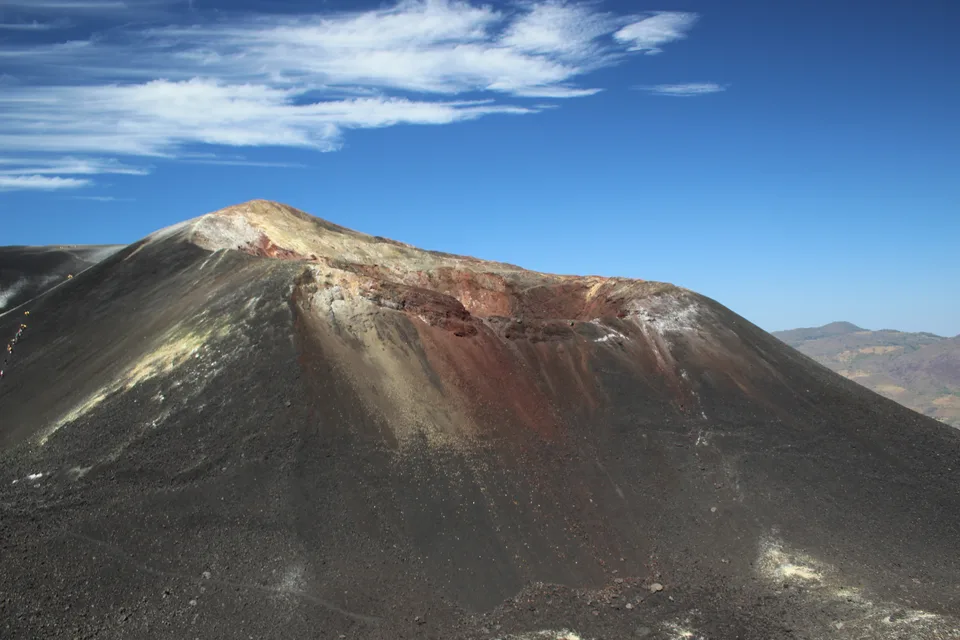
Cerro Negro’s official tourism information identifies it as an active volcano near León, associated with hiking and sandboarding. Its dark slopes and exposed landscape create a striking contrast with the city. The published altitude is 728 metres, but a modest elevation does not make the outing suitable for every traveller.
Use an experienced guide and check present access, volcanic information, weather and the operator’s plan. Ask about footwear, protective equipment, water, transport and what happens if someone decides against descending on a board. Treat an approximate ascent time as an estimate, not a promise about your own fitness or pace.
Check insurance for the proposed activity before booking. A general travel policy may handle an ordinary museum visit differently from volcano boarding. Historical photographs and an operator accepting reservations do not independently establish current safety. If the conditions or physical demands do not suit you, keep the day in the city or choose another appropriate outing.
Give the Pacific coast its own time
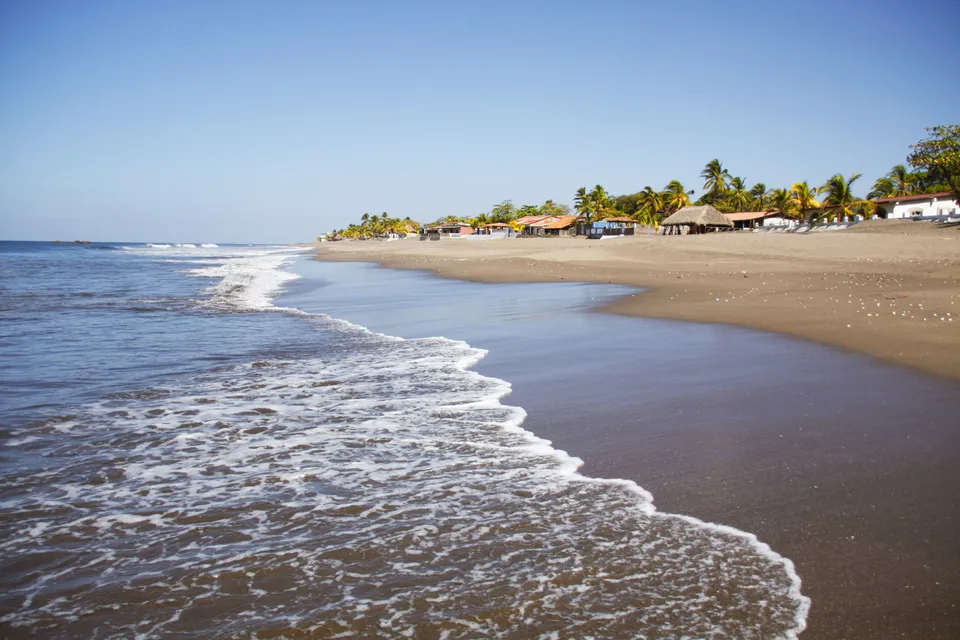
Las Peñitas offers a coastal alternative to the city, with accommodation, food and access towards the Juan Venado mangrove landscape. Nearby Poneloya is another established destination. They should be assessed as separate places to stay or visit, with transport arranged around the time you actually want to spend there.
Swimming requires particular care. Official descriptions and government advice identify strong waves and currents along this coast. Choose activities based on current conditions, supervision and experience; an inviting photograph or a broad description of a family beach does not establish that entering the water is safe that day.
For Juan Venado’s mangroves and beach environment, investigate a suitable boat outing with an established provider. Confirm safety equipment, duration, tide considerations and the return arrangement. Wildlife observation is an opportunity, not a guaranteed encounter. Keep a respectful distance and avoid activities that depend on touching, feeding or disturbing animals.
Allow three days without combining every excursion
Use the first day to settle in, visit the cathedral under its current arrangements and explore a manageable central route. Place an indoor break and an unhurried meal between visits. If arriving after a long journey, remove a stop rather than treating the first afternoon as an endurance test.
On the second day, choose the Rubén Darío museum and the art centre, confirming their opening arrangements in advance. Leave time to read and look. Travellers with a particularly strong interest in one collection can give it more of the day and keep the other as an optional visit.
For the third day, choose one principal outing: Cerro Negro, the coast or León Viejo. Transport, conditions and personal interests should decide which. With more time, add another excursion on another day. With only two days, concentrate on the city or remove a museum day; avoid compressing all three distant experiences into one schedule.
Assess a home through ordinary daily needs
Begin a move with temporary accommodation while investigating particular properties. Test the commute at the required hours, identify nearby supplies and establish how evening journeys will work. Ask an employer or institution for the exact location of regular attendance rather than choosing a home from the organisation’s name alone.
Inspect ventilation, locks, roof condition, drainage, bathroom facilities and the appliances included. Obtain written terms for rent, deposits, repairs, notice, utilities and shared spaces. This guide does not establish a verified market rent or a universal deposit limit for León; those should not be invented from a few accommodation advertisements.
For water, consult ENACAL’s service information and confirm the account arrangements applicable locally. For electricity, Disnorte-Dissur’s customer guidance explains the supply identification number used on bills. Establish who holds each account and how consumption is charged. A new physical connection and transferring responsibility for an existing rental supply are different procedures.
Separate a longer stay from permission to work
Use the Ministry of Interior’s official visa procedure and nationality information before travelling. Requirements change and a tourist-card payment does not replace a visa where one is necessary. Check passport validity, advance forms and any conditions attached to the actual entry endorsement; do not assume a regional border crossing restarts permitted time.
For relocation, seek confirmation from the immigration authority or the relevant Nicaraguan mission about residence, employment or study permission. The Spanish Embassy’s settling information explains the need to address residence and work status separately, though nationality-specific routes require current individual checking. A university offer or rented home does not itself confer immigration rights.
Confirm admissions, campus and required documents directly with UNAN-León or the actual study provider. Plan healthcare and insurance using current government health guidance, including evacuation arrangements where appropriate. VisaWand’s Nicaragua consultant listings can help locate professional support; verify credentials before relying on advice. Compare the Granada, Managua and Las Peñitas destination pages when considering a different base.
Official planning resources
Reviewed 26 October 2026. Use the official resources linked throughout this guide for admission, transport, housing and immigration decisions. Prices, services and rules can change; confirm the details relevant to your dates. Photography illustrates the locations and is not a live view.
View all official resources
- US Nicaragua travel advisory
- UK Nicaragua safety guidance
- UNESCO Ruins of Leon Viejo
- INTUR National Tourism Map Leon municipality
- UNESCO Leon Cathedral
- UNAN Leon Ruben Dario childhood home
- INTUR Ruben Dario birthplace
- Ortiz Gurdian Leon art centre
- EAAI national airport operator
- EAAI transport operators
- INTUR Nicaragua foods
- Central Bank official 2026 exchange rate
- INTUR nationality visa categories
- INTUR general information
- INETER climate and natural hazard maps
- INTUR Cerro Negro volcano
- INTUR Las Penitas Beach
- INTUR Poneloya Beach
- INTUR Juan Venado mangrove and beach information
- ENACAL new water service information
- Disnorte Dissur customer requirements
- Nicaragua Ministry of Interior visa procedure
- Spanish Embassy settling in Nicaragua
- UNAN Leon official university
- UK Nicaragua healthcare guidance
Plan the next part of your journey
Explore the Nicaragua guide, browse other cities or compare consultants for your travel and relocation questions.