Visa
Granada rewards time on foot and a few well-chosen excursions
Granada brings together a compact historic centre, the shores of Lake Cocibolca and a wooded volcanic landscape beyond the rooftops. You can spend a morning among churches and courtyards, then plan a separate outing on the lake or into the cloud forest of Mombacho. The appeal is that variety, rather than a long list of monuments to rush through before moving on.
The Nicaraguan tourism institute’s Granada overview places the cathedral and Parque Central at the heart of a visit. They make a useful starting point, but they are only one part of the city. Allow three full days for a first stay if you want both urban wandering and an excursion. Add time if you are considering living here: the questions then become less about a beautiful courtyard and more about heat, household services, transport and access to the things you need every week.
Understand the city beyond the colonial façades
Granada’s Spanish foundation dates to 1524, under Francisco Hernández de Córdoba. The official municipality profile also recognises the earlier Indigenous settlement of Xalteva. Keeping both histories in view makes the city more interesting than a simple description of colonial architecture. Its streets occupy a place with a history that predates the Spanish town.
The built landscape has also changed repeatedly. The tourism institute’s architectural account describes the destruction associated with William Walker’s forces in 1856 and the subsequent reconstruction of major buildings. The present cathedral took shape long after the city’s foundation. Think of Granada as a place that has been rebuilt and adapted, rather than an untouched sixteenth-century scene.
That perspective is useful when choosing a guided walk. Ask whether the route explains Indigenous history, the nineteenth-century conflicts and later reconstruction alongside architectural styles. A tour becomes more valuable when it helps you read what you are seeing, rather than supplying dates without context.
Use the centre, Xalteva and the lake as different areas
Start with Parque Central, also known as Parque Colón, and the cathedral. From this central reference point, build short walks with places to sit and eat along the way. You do not need to cover every street in one continuous circuit, especially during the warmer part of the day.
Calle La Calzada is an important visitor corridor. The official Granada destination profile identifies it as a focus for nightlife, while Calle Real and the Xalteva area offer another direction for exploring the city’s history. When choosing accommodation, ask which of these routes you will actually use and how the immediate street sounds after dinner.
Treat the lakefront as a separate destination on your map. A central address is not the same as a waterfront address, and a boat’s departure dock may be beyond the point where your walking route ends. Request the precise meeting location before agreeing to an excursion or arranging a taxi.
Pair church visits with the San Francisco collections
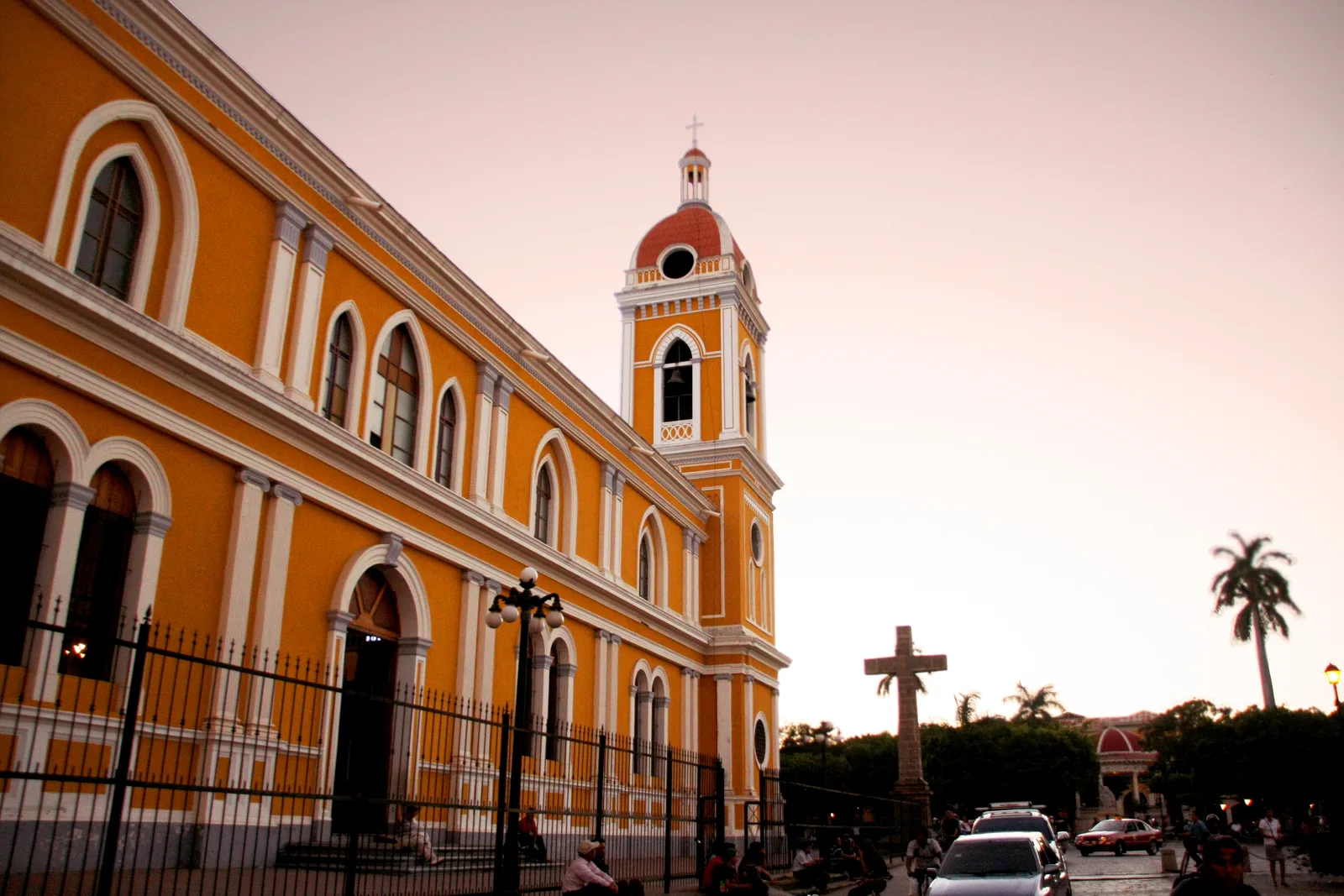
The cathedral’s yellow exterior gives Parque Central its most recognisable backdrop. Set aside time to look at the surrounding square as well as the church, and respect services when planning interior visits. La Merced offers another architectural stop; ask locally about current tower access, the stairs and any admission charge before building a sunset plan around it.
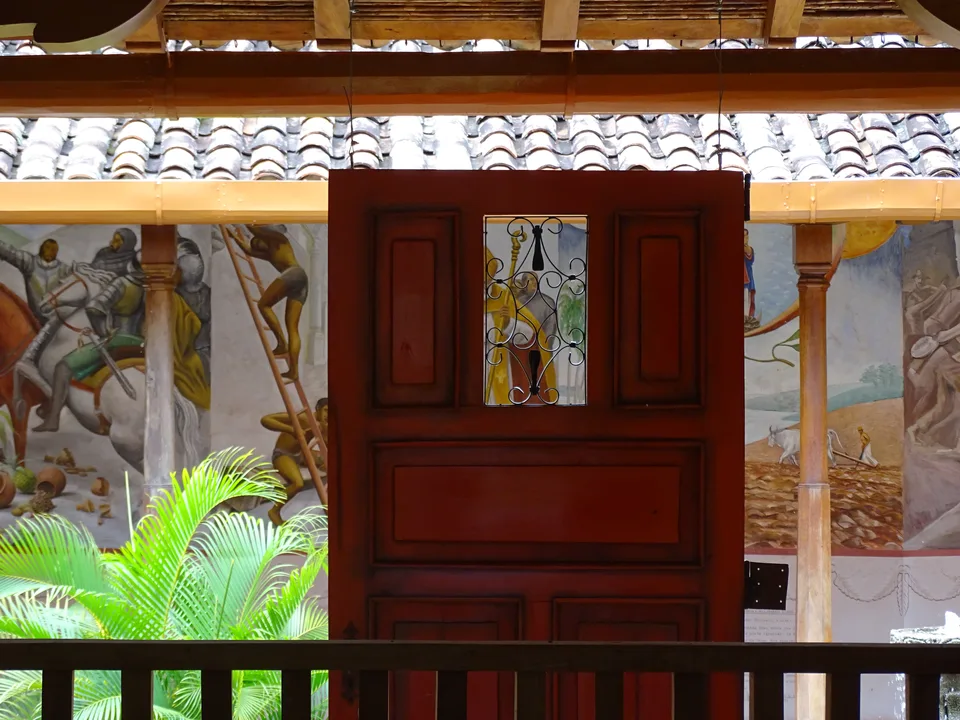
The Institute of Culture’s museum information identifies the Centro Cultural Museos Convento San Francisco as a substantial cultural visit in Granada. Its collections give you a way to connect pre-Hispanic material, religious art, painting and domestic traditions. This is a useful complement to looking at façades from the street, particularly if you want more historical substance from the visit.
Check the day’s access and exhibitions directly, and allow enough time to read the displays. The museum and neighbouring church are related parts of a historic complex, but do not assume that one ticket or one opening schedule automatically covers everything you hope to see.
Take the islets trip from the right departure point
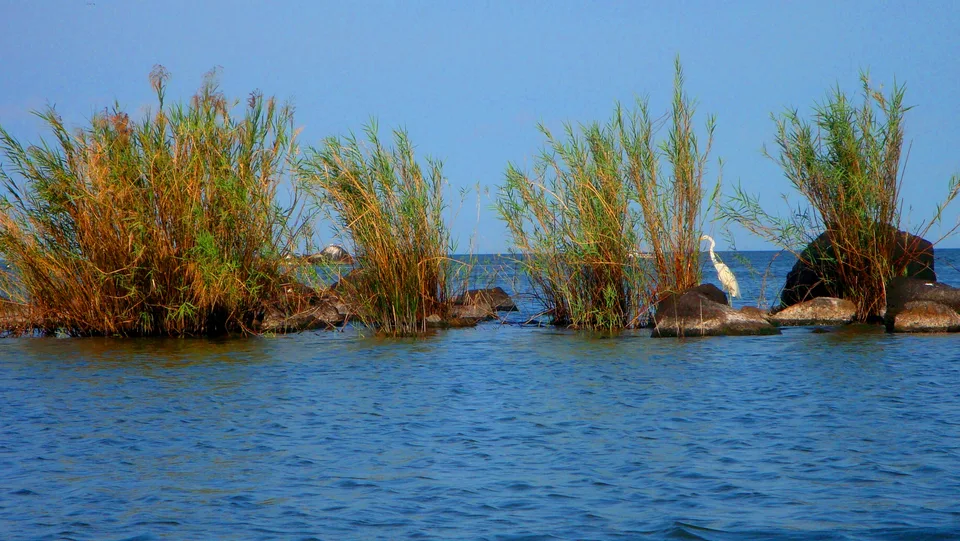
The Isletas de Granada visitor page describes a volcanic archipelago in Lake Cocibolca, with boat trips and kayaking among the available activities. Some islands are inhabited or privately used. A lake excursion is therefore also a journey through a lived landscape, rather than an invitation to land wherever an attractive terrace appears.
Agree the duration, departure dock, passenger numbers and included stops before paying. Ask whether the price covers the boat or each passenger, and whether lunch, transfers or a stop at a private business cost extra. Check that appropriately sized lifejackets are available for everyone in your party, including children.
A shorter boat trip may fit a family or a visitor who mainly wants to see the waterside landscape. Someone keen on paddling should discuss wind, route and support with the operator. Neither option needs to be sold as a wildlife guarantee. Leave time afterwards to return to town instead of putting a tight onward connection immediately after the excursion.
Plan Mombacho as a mountain visit
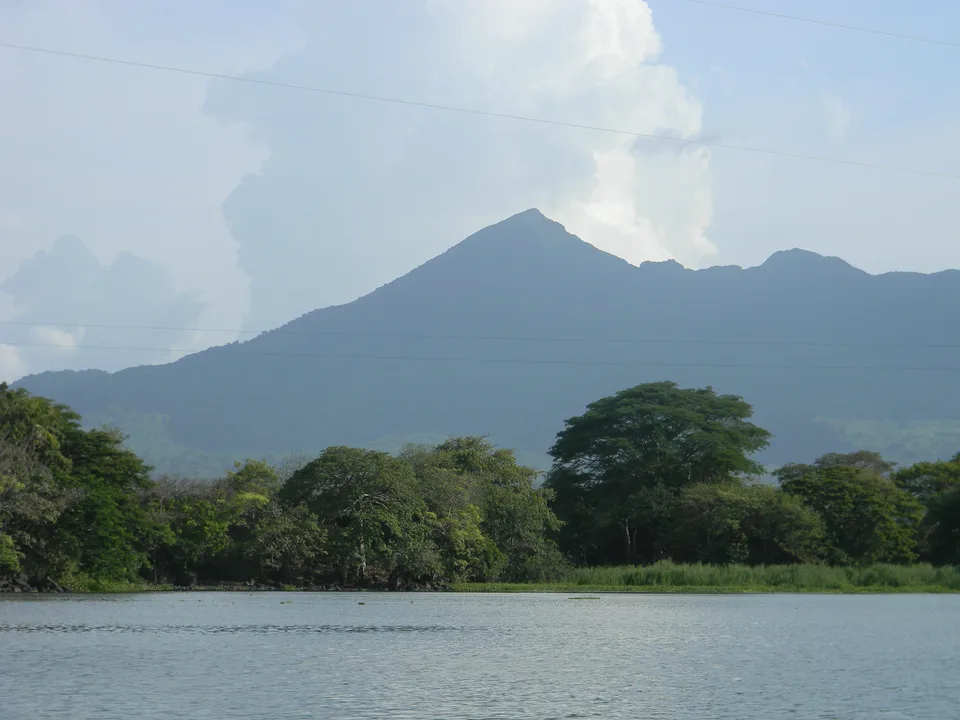
Mombacho changes the atmosphere of a Granada stay. Its cloud forest and trails offer a different experience from the city’s open streets. The official Mombacho access guidance distinguishes reaching the base from ascending the steep road: authorised four-wheel-drive transport is part of summit access, and an ordinary hire car should not be assumed suitable.
Establish which trail you are booking, its difficulty and whether a guide is included or required. The transfer to the upper area, walking time and return arrangements are separate elements of the day. A low advertised entrance figure is not useful until you know which of those elements it covers.
Carry footwear suitable for damp ground and a layer for cooler conditions. Viewpoints depend on cloud and visibility, so choose the outing for the forest as well as the panorama. If the main purpose is strenuous walking, explain your experience and expectations before booking. If it is a gentle nature visit, say so: different routes create very different days.
Separate an Apoyo lakeside day from the Catarina viewpoint
Laguna de Apoyo is another excursion beyond the city, in the volcanic landscape shared by the Granada and Masaya areas. Decide first whether you want time beside the water, a guided nature activity or an elevated view. Those plans can involve different entrances and transport arrangements.
The official Catarina profile highlights its mirador overlooking Apoyo and the wider landscape, alongside nurseries and crafts. A viewpoint visit does not place you at the lake’s edge. Ask your driver or operator to specify the actual destination instead of accepting a broad promise to visit Apoyo.
For a lakeside venue, establish admission or day-use conditions, toilets, shade, food and return transport. Ask about swimming conditions and available supervision rather than interpreting the word lagoon as a safety assessment. It is often more satisfying to spend an unhurried afternoon in one place than to combine a viewpoint, lake stop and another city in a tightly timed package.
Choose a room for heat, sleep and access
A central guesthouse or hotel can simplify a first stay: you can return between walks, meals and excursions without arranging transport each time. A courtyard, pool or shaded sitting area may be more useful than additional floor space if you expect to spend the warmest hours resting at the property.
Check the actual room rather than relying on photographs of shared areas. Ask about air conditioning or fans, windows, hot water, stairs and the room’s position relative to reception, the street and evening activity. Establish whether cooling is included in the rate or charged separately. For light sleepers, the distance from a busy street matters less than the sound reaching the room itself.
A property outside the centre may suit someone seeking more time on site, but compare the transport cost of ordinary meals and errands. Before booking, confirm late-arrival access and luggage arrangements, especially if you plan to spend the final day on an excursion before travelling onwards.
Arrive through Managua with the final transfer arranged
Managua’s Augusto C. Sandino airport is the principal international arrival point for a Granada visit. Use EAAI’s airport information for flight and terminal services, then organise the road journey to your accommodation separately. Do not confuse a transfer to central Managua with a transfer all the way to Granada.
For an arranged pickup, obtain the meeting point, driver contact and total price in writing. Specify passenger numbers, luggage and any child-seat requirement, and ask how delays affect the booking. The arrival time on a flight ticket is not the time you will be ready to leave the terminal after immigration and baggage collection.
If considering a rental, the airport operator lists car-rental services. Compare insurance, deposits and return arrangements as carefully as the base rate. A car may be useful for a wider road trip, but central sightseeing alone gives little reason to pay for a vehicle that spends much of the stay parked.
Make local transport choices around the journey
Walking works well as a way to explore the central sights in manageable stages. For the lake departure point, an outlying property or a journey with luggage, arrange a vehicle and agree the destination clearly. Save the accommodation’s map pin and written address so the driver can identify the actual entrance.
If using buses for onward travel, confirm the departure terminal, service type and last practical connection directly before travelling. Different routes need not leave from the same place. Allow for the journey between your room and the terminal, and keep the final transfer at the other end in the plan. Published third-party timetables are useful leads, but should not become guarantees.
The UK government’s transport and safety guidance recommends authorised taxis and avoiding night driving. Use a trusted dispatcher or your accommodation to arrange transport, check the vehicle and driver identification, and keep enough flexibility to change a plan that becomes impractical after a delay.
Eat Granada’s specialities and explore the market thoughtfully
Vigorón is a good starting point for understanding Granada’s food identity. The official local gastronomy page describes cooked yuca with chicharrón and a cabbage-based salad, traditionally served on a leaf. It also identifies the municipal market as a place to encounter dishes, drinks, breads and sweets beyond a single restaurant menu.
Use a market visit to see what is being prepared and ask about ingredients. Nacatamales, grilled dishes and local sweets offer different ways to build a meal. Vegetarian visitors and anyone with allergies should ask specifically about stocks, cooking fat and shared preparation, rather than inferring ingredients from the dish’s appearance.
Compare a straightforward meal with a sit-down dinner according to what you want that day. Check the currency, drinks, taxes and any service charge before ordering. There is no need to treat every meal as an excursion: a familiar place close to your room can be especially useful between a morning walk and an afternoon rest.
Leave room for crafts and the city’s living traditions
The area’s craft traditions include furniture work and embroidery, according to the official Granada profile. For a small purchase, ask where it was made and what materials it contains. For furniture or something fragile, the practical questions are packing, delivery, export requirements and the final cost at home, rather than the display price alone.
The official account of Granada’s religious traditions describes processions and celebrations that give the streets a different rhythm at particular times of year. Treat these as community and religious occasions. Ask about the current route and programme, allow space for participants and seek permission before making someone the subject of a close photograph.
A festival listing from an earlier year does not establish an upcoming event’s dates. Check the current programme before paying for a trip built around it, and leave flexibility for changes to traffic, access and the use of public spaces.
Build a realistic budget in córdobas and dollars
The Central Bank of Nicaragua’s official rate for 2026 is C$36.6243 per US dollar. That reference rate does not guarantee the rate offered by a particular business, cash machine or card provider. Label each quotation with its currency, and check the conversion before agreeing to a substantial payment.
For a short stay, separate the budget into accommodation, airport or onward transfers, meals, local journeys and the excursions you actually intend to take. Compare complete excursion prices, including transport and guiding, rather than isolated entrance charges. Retain a reserve for a changed transfer or an extra night.
For a trial relocation, add electricity, water, internet, laundry and household purchases. Ask whether monthly rent includes any of these and whether there are usage limits. A room that seems inexpensive can produce a different household total once cooling, regular transport and the things you need to work comfortably are included.
Match the season to your plans
Granada lies in Nicaragua’s Pacific region. Nicaragua’s national climate reporting describes a generally wetter period from May to October, with drier months around November to April. Seasonal averages cannot predict the weather for an individual visit.
Put outdoor walking earlier in the day when possible and keep a shaded break available. For lake trips and Mombacho, ask the operator how weather affects departures, trails and cancellation decisions. Cloud at altitude can change the mountain experience even when conditions in town seem straightforward.
If dates are flexible, compare room availability and cancellation conditions alongside the season. For a longer stay, inspect drainage, ventilation and how the property handles heavy rain. An attractive dry-season viewing cannot show you everything about a house’s behaviour during the wetter part of the year.
A three-day itinerary with a clear purpose each day
Use the first morning for Parque Central, the cathedral area and a gentle walk towards San Francisco. Give the museum time, stop for lunch and leave the warmer afternoon flexible. Later, explore a different central route or choose an early dinner without trying to visit every church interior.
On the second day, take a planned islets excursion. Return for a meal and a quieter afternoon, with time for the market or craft browsing if you feel like it. This keeps the boat trip as the main event rather than a rushed addition between two transfers.
Devote day three to Mombacho, or choose Apoyo and Catarina according to your interests and energy. Do not squeeze both mountain and lagoon into the day simply because they appear close on a regional map. If you have a fourth day, use it for the excursion you left out. Keep airport departure day simpler, with a transfer buffer and no essential attraction left until the last hour.
Test a neighbourhood before committing to housing
A possible move deserves a stay that includes ordinary weekdays. View housing in person and walk the route to food shops, laundry and any place you would need regularly. Visit at different times to assess noise and access. An appealing holiday evening gives only part of the information needed for a household decision.
Ask for a written agreement covering currency, deposit, notice, repairs, included furnishings and responsibility for bills. Record the property’s condition and check cooling, locks, water pressure and internet where you would actually use them. Establish what happens when equipment fails and who can authorise repairs.
If work or school requires travel outside Granada, test that journey at the relevant hour before taking a long lease. Keep temporary accommodation available while you resolve practical gaps. Purchasing a property or signing a lengthy agreement should follow a clear understanding of services and legal requirements, rather than being used to solve uncertainty about them.
Check utilities, schools and health care at the right level
ENACAL’s service guidance lists documentation for water applications, including ownership evidence or a lease with the owner’s authorisation. Disnorte-Dissur publishes account-change requirements for electricity. Ask each provider which documents apply to your situation and address. A landlord’s assurance that utilities are available does not establish whose account they use or whether outstanding charges remain.
Request recent bills and clarify shared meters, water storage and internet responsibility. Families should obtain school availability, fees, enrolment documents and transport details directly from shortlisted institutions before choosing housing around an assumed place.
The MINSA hospital directory identifies Hospital Departamental Amistad Japón Nicaragua in Granada. For ongoing treatment, confirm the particular service, medication supply, payment arrangements and referral pathway you need. A hospital listing establishes a facility’s presence, not a guarantee of every speciality or an entitlement to a particular form of coverage as a foreign resident.
Recheck entry requirements against your own passport
Use the official tourism entry-requirements page and the Nicaraguan consulate responsible for your passport. The page lists six-month passport validity, electronic immigration procedures and a US$10 tourist card for applicable visitors. A tourist-card payment is separate from eligibility for a visa or admission.
Nationality rules changed in 2026. For example, the Mexican Embassy’s notice states that Mexican nationals require a visa consultada from 16 February 2026. An older list offering visa-free entry may therefore be unsuitable for planning a new trip. Resolve approval requirements before paying for inflexible travel.
The UK’s entry guidance for British citizens describes a regional CA-4 stay whose clock does not restart simply by crossing a border. That is passport-specific guidance, not a universal entitlement. Check the period actually granted, any onward-ticket requirement and the procedure for extending your stay. Health documentation can also depend on the countries in your recent itinerary.
Treat work, study and permanent relocation separately
A visitor stay should not be treated as blanket permission to earn income, operate a business or settle permanently. The Spanish Embassy’s settling-in guidance distinguishes residence categories and, where applicable, permission to work. Ask Nicaragua’s migration authority or the responsible consulate which route fits your intended activity before moving belongings or accepting work.
The National Free Zones Commission’s DGME procedures illustrate how employment-based applications involve documents and employer responsibilities. Their specific context should not be converted into a universal checklist or fee quote. Students should likewise confirm both admission requirements and the immigration permission appropriate to their course; acceptance by an institution does not answer every status question.
Prepare to obtain properly authenticated personal documents where required, and check their acceptable age and translation requirements before ordering them. VisaWand’s Nicaragua destination page and consultant listings can help organise further enquiries, while the authorities remain responsible for decisions and current eligibility rules.
Compare Granada with the wider journey
Use Managua’s location page when planning the capital and airport connection, and Masaya’s location page for a different nearby urban stop. León’s location page offers another destination to investigate if architectural and cultural travel is the focus. These are separate places, with their own accommodation and transport decisions.
Before packing camera equipment, check current restrictions: the UK’s safety guidance records a prohibition on drone possession and use, and restrictions also apply to political participation by foreigners. Review your own government’s current travel advice alongside local rules. Use the Nicaragua location directory to build a route that fits the time you have, with Granada as a considered stay rather than a hurried photograph stop.
Official planning resources
Reviewed 17 October 2026. Use the official resources linked throughout this guide for admission, transport, housing and immigration decisions. Prices, services and rules can change; confirm the details relevant to your dates. Photography illustrates the locations and is not a live view.
View all official resources
- INTUR: Granada city
- INTUR: Granada municipality
- INTUR: Granada architecture
- INTUR: Granada department visitor information
- Nicaraguan Institute of Culture: museums
- INTUR: Islets of Granada
- INTUR: Mombacho access
- INTUR: Laguna de Apoyo
- INTUR: Catarina
- EAAI: Managua airport
- EAAI: airport car rental
- UK FCDO: safety and local restrictions
- INTUR: Granada food
- INTUR: Granada religious traditions
- Central Bank: 2026 official exchange rate
- Nicaragua national climate report to UNFCCC (2025)
- ENACAL: water-service applications
- Disnorte-Dissur: account changes
- MINSA: hospital directory
- INTUR: current entry requirements
- Mexican Embassy: February2026 Nicaragua visa change
- UK FCDO: entry for British citizens
- Spanish Embassy: settling in Nicaragua
- National Free Zones Commission: DGME procedures
Plan the next part of your journey
Explore the Nicaragua guide, browse other cities or compare consultants for your travel and relocation questions.