Visa
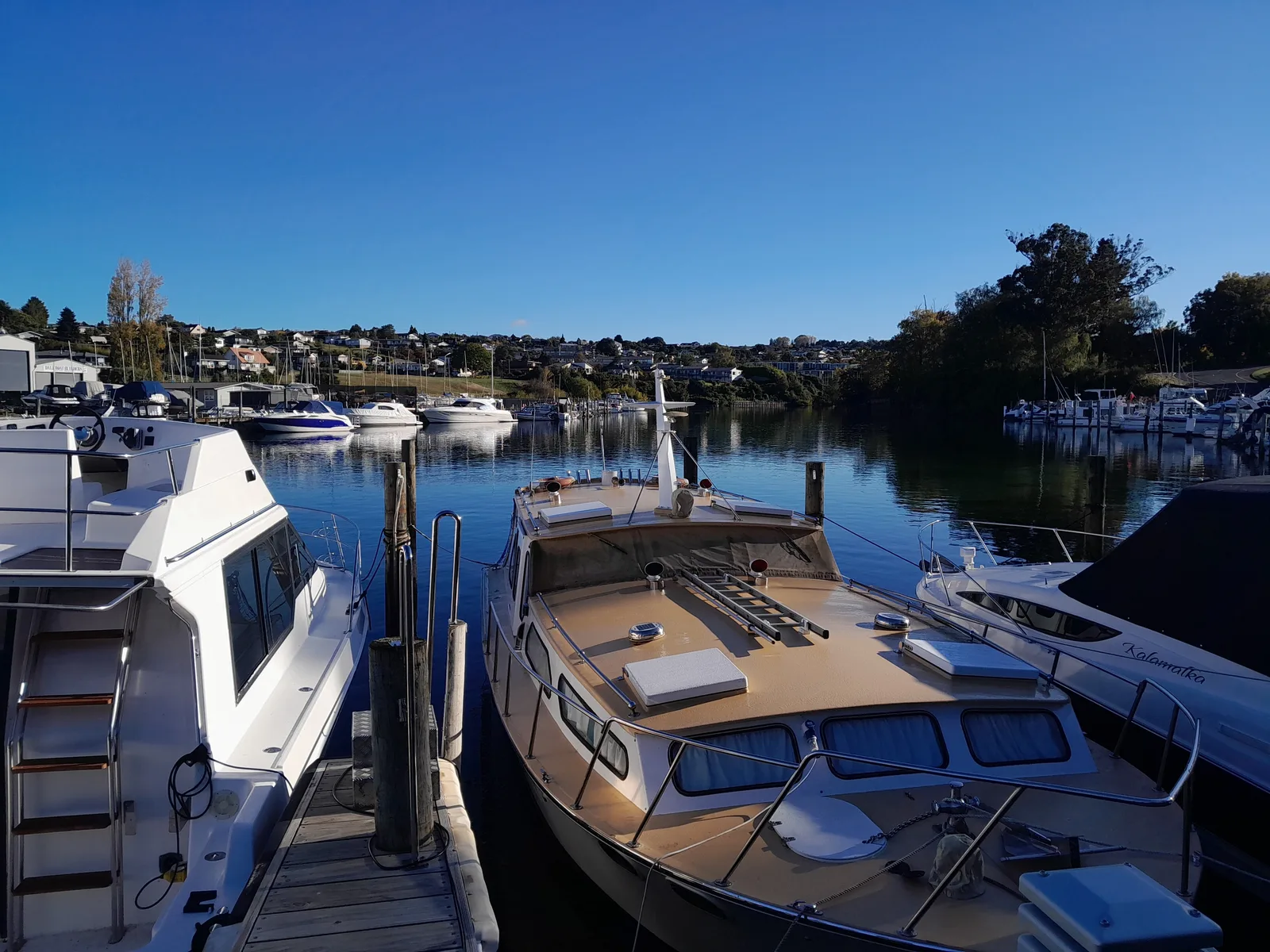
A lakeside town with a much larger backyard
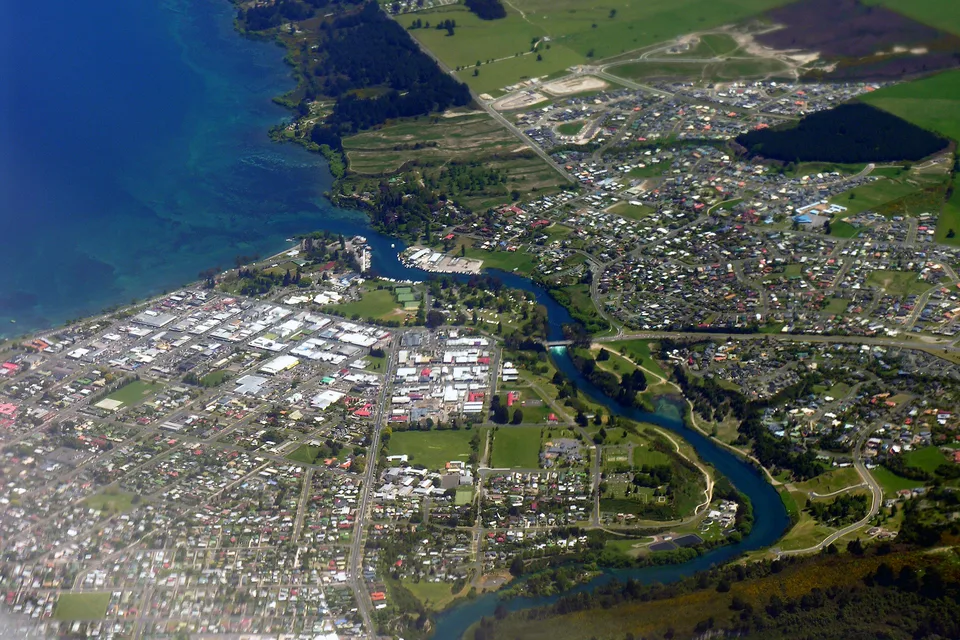
Taupō rewards a little geographical discipline. The town occupies the northeastern shore of Lake Taupō, beside the point where the Waikato River begins its journey north. Restaurants, shops and boat departures are close together here. The lake, its settlements and the mountains beyond belong to a much larger itinerary. A hotel described as being in the Taupō region might be nowhere near the town centre.
Come for a combination of lake time, volcanic landscapes and manageable days outdoors. A short visit can include Huka Falls, a geothermal walk and a boat trip without demanding alpine fitness. Moving here raises different questions: whether work is actually available, how a house performs in winter, and whether everyday journeys fit the bus timetable. Start with official Taupō town information and the New Zealand country guide when comparing the trip with your wider plans.
Understand the lake and its cultural setting
The water is the dominant feature, but the landscape is volcanic. GeoNet’s Taupō volcano overview explains the caldera beneath New Zealand’s largest lake. It also provides a route to current volcanic information; a peaceful waterfront is no reason to substitute a travel article for monitoring advice.
Taupō Moana is also a lived cultural landscape. Ngāti Tūwharetoa connections are central to understanding the lake and its surroundings. At Otumuheke, the council’s account of the restoration of this culturally important site describes a partnership involving Māori trusts, conservation authorities and local government. Read interpretation at places you visit, respect restrictions and avoid treating every warm stream or lakeside reserve as an unrestricted recreation area. The distinction matters more than collecting a list of scenic stops.
Choose an address before choosing a room
For a first visit without a car, prioritise the centre and the nearby lakefront. Walking to dinner and a boat departure can save more trouble than a distant room saves in nightly cost. Check the actual walking route with luggage, especially for late arrivals, rather than relying on the phrase “lake views”.
If travelling with someone who tires easily, ask whether the route back involves a climb and whether the entrance has steps. For a family, check sleeping arrangements rather than assuming a room described as accommodating four has separate beds. These details can decide whether an attractive listing works in practice.
Lakefront accommodation extends away from the central shops; residential addresses also spread inland and across the Waikato. Nukuhau and Taupō South appear on the local bus network, but a suburb name alone does not establish a convenient service. Map the nearest stop and the final return journey. For a quieter village stay, compare Kinloch and the other lakeside settlements. Treat those as separate bases with their own transport needs, rather than interchangeable neighbourhoods of the town centre.
Give the waterfront an unhurried first afternoon
The waterfront is a useful introduction because it reveals the scale of Lake Taupō without requiring an expensive activity. Start near the centre, follow the shore for as long as the weather and your energy suit, then turn back with time to find dinner. Leave space for simply sitting beside the water.
Wind can change the character of a lake day. A view from land does not establish safe conditions for a kayak or swim, and an apparently nearby bay can mean a substantial journey on the water. Ask an operator about conditions, wear the required equipment and choose a guided outing if your experience is limited. Families should agree on a manageable stretch of shore before setting off, especially when children are also expecting a boat trip later.
See Huka Falls from the proper viewpoints
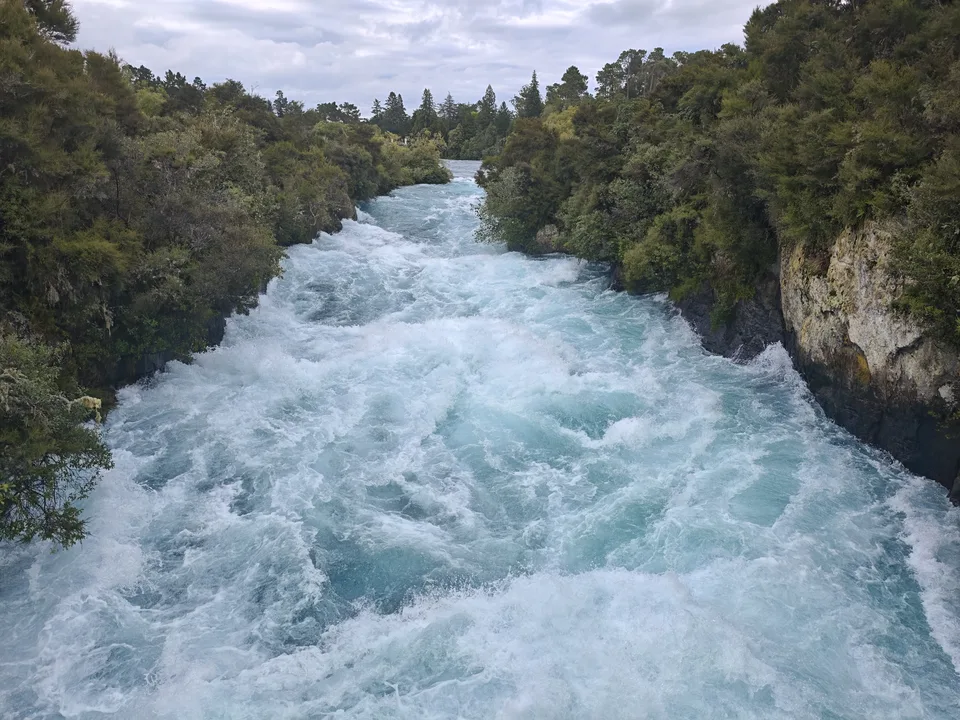
At Huka Falls, the Waikato is compressed into a narrow gorge before dropping over the falls. The force of the water is the attraction: this is a place for designated paths and viewpoints, rather than an improvised riverside swimming stop. Allow time to see the river from more than one authorised viewing position instead of taking one photograph and leaving.
Separate the straightforward viewing visit from paid activities. Jet boating and river cruises offer different experiences and require their own bookings and budgets; buying one is unnecessary simply to understand why the falls are remarkable. Before combining the falls with a longer walk, establish the route, your return transport and daylight available. A one-way walking time is not a complete plan, particularly if someone in the group becomes tired or the weather changes.
Read the steam at Craters of the Moon
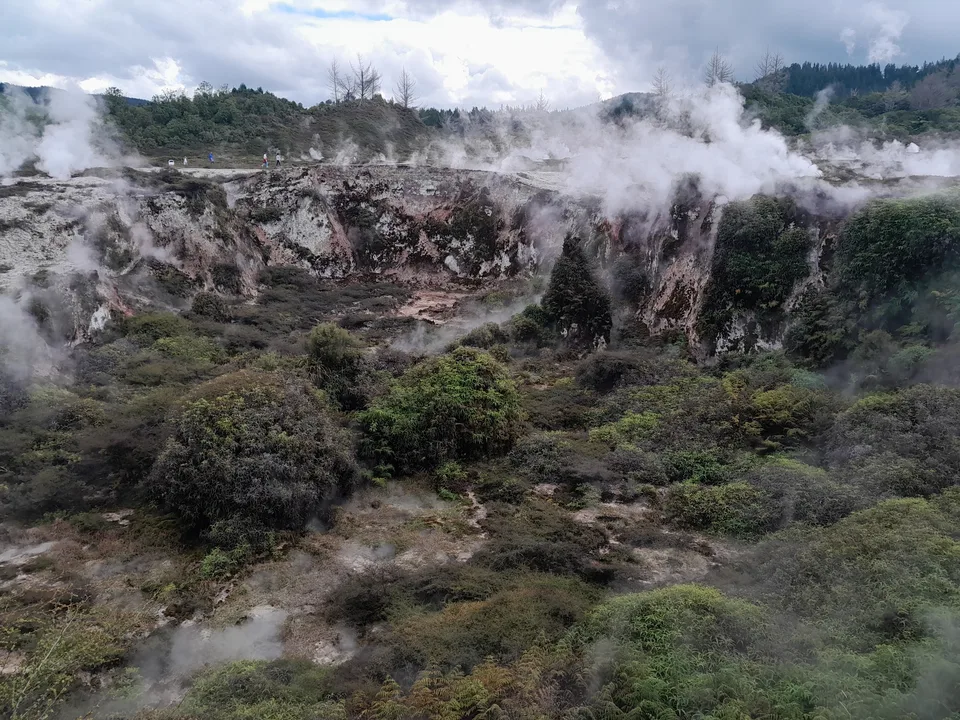
Craters of the Moon offers a closer look at geothermal ground through a managed walking circuit near Taupō. The operator describes a roughly 45-minute main walk. Steam, vents and the changing visibility give it a different atmosphere from the lakefront; do not expect every feature to perform identically in every season.
The adult online ticket was NZ$15.30 when checked on 21 October 2026. Opening hours were 9.30am–5pm, with last entry strictly at 4pm and closure on Christmas Day. Recheck before travelling. The main circuit and the steeper lookout have different accessibility demands: ask about gravel, gradients and assistance if using a wheelchair or pushchair. The operator reports no public bus service to the site, so arrange the outward and return journey together. Stay on the marked routes through geothermal terrain.
Visit Mine Bay as contemporary Māori art
The Ngātoroirangi Mine Bay Māori Rock Carvings are contemporary works completed in 1980 by Matahi Whakataka-Brightwell and fellow carvers. Their cultural meaning does not depend on pretending they are ancient. Seeing them from the water places the main figure and surrounding work in their cliffside setting.
Access is by water. Compare a cruise, sailing trip or guided kayak outing according to mobility, conditions and how actively you want to participate. As one concrete option, Chris Jolly Outdoors’ scenic cruise advertises a 90-minute trip from Berth 4 at Taupō Boat Harbour, with boarding 15 minutes before departure. It reports wheelchair access but no accessible toilet aboard; clarify your particular requirements before booking. Check cancellation terms and the selected departure rather than assuming every boat follows the same schedule or offers the same facilities.
Make fishing a planned activity
Trout fishing needs more preparation than buying a rod on arrival. The Department of Conservation’s Taupō fishing licences apply to the designated Taupō fishing district. A licence for another New Zealand freshwater fishing area does not automatically cover it. Choose the correct resident or non-resident product and check the water you intend to fish.
Use current rules rather than an old brochure. Changes for the season beginning July 2026 include altered catch rules, illustrating why limits and methods need checking before each trip. A guide or charter can help a newcomer understand suitable equipment and access, but confirm what the booking includes. Ask explicitly about licence arrangements, gear, weather cancellation and what happens to any catch. Do not assume the fare itself provides every permission you need.
Find a bed that suits the whole stay
Motels and apartments can make sense when you want breakfast in your own room, laundry or room for outdoor equipment. Ask what “kitchenette” actually contains, whether parking is included and whether the accommodation is suitable for wet clothing. A holiday home is worth comparing for a group, provided cleaning charges and transport do not erase the saving.
For a hotel with more facilities, Hilton Lake Taupo lists pools, tennis and dining at its Napier Road property, outside the central restaurant area. Its advertised amenities are useful comparison points, rather than evidence that it suits every visitor. Establish the exact room category, access requirements and cancellation policy. On a short stay, a central room with fewer facilities can be the better purchase if it leaves you free to walk out for meals and departures.
Arrive with the final connection settled
Taupō Airport’s transport information places the town centre about a ten-minute drive away. It lists taxis, prebooked transport and rental-car operators. Confirm a suitable vehicle for your flight and group size, particularly if carrying child seats, bulky bags or sports equipment. Do not assume a hotel transfer is included or a public bus meets your arrival.
For a journey starting elsewhere in New Zealand, compare the complete travel day: departure airport or coach stop, connection time, luggage conditions and the final journey to your accommodation. A cheap arrival late in the evening can require an additional taxi and limit food options. Driving gives flexibility for scattered attractions, but reserve time for collection, unfamiliar roads and stops. Avoid making a demanding outdoor excursion the fixed appointment immediately after a long travel day.
Use the current bus network carefully
The Taupō Connector, route 33, serves the centre and areas including Wharewaka, Taupō South and Nukuhau. It operates six days a week, with no Sunday or public-holiday service. Some trips and diversions have particular conditions, so consult the actual timetable for your date rather than planning from a route map alone.
Regional links changed on 28 September 2026. Check the current Connect2Taupō service changes before arranging travel to surrounding communities, especially where operating days are limited. The BUSIT fare page explains zone fares and Bee Card use. Tag on and off correctly and compare the relevant fare for your journey; a local fare cannot be applied indiscriminately to a longer regional trip. For an attraction beyond the network, price a return taxi or tour before deciding that a car-free itinerary is economical.
Eat well without turning every meal into an event
Central cafés, bakeries, takeaways and restaurants let you alternate a substantial evening meal with simpler lunches. Choose accommodation with useful cooking facilities if breakfast and packed lunches matter to your budget. Check opening times for the day you intend to eat, and book a particular restaurant directly when its availability would affect the evening.
There is one distinctive food detail: local trout is not an ordinary commercial restaurant purchase. The tourism board’s guide to eating trout in Taupō explains that trout cannot be bought or sold commercially in New Zealand. Some venues prepare a visitor’s own catch by prior arrangement. Discuss preparation, timing and charges before turning up with a fish. For shopping, separate everyday provisions from outdoor equipment and souvenirs; buying appropriate layers before a booked excursion is more useful than replacing unsuitable clothing afterwards.
Build a budget around your choices
Use New Zealand dollars when comparing costs. The verified NZ$15.30 online adult admission at Craters is one small component, not a realistic daily allowance. Add accommodation for your exact dates, meals, transport and whichever lake activities you actually want. A family’s boat fare and a solo traveller’s return taxi can change the calculation substantially.
Record refundable and non-refundable bookings separately. If a cruise moves to another day, you need to know whether the next accommodation booking or onward ticket can move too. Leave that flexibility where it offers real value rather than paying for it indiscriminately.
Avoid an itinerary that pays for several similar experiences simply because they appear together in an activity directory. One lake outing, one geothermal visit and time at the falls can produce a varied stay. Keep a separate allowance for weather changes and cancellation conditions. When comparing accommodation, total the room, parking, cleaning, breakfast and required transfers. A quoted saving per night is meaningful only after the costs of using that location are included.
Match the season to the activities
The official Taupō weather information describes distinct seasons, with summer from December to February and winter from June to August. Summer suits a lake-focused holiday, but popular dates deserve early accommodation checks. Cooler evenings still justify another layer. Autumn can work well for walking and a less hurried visit; spring calls for flexibility between clear spells and rain.
Winter changes the decision. Frost and cold mornings matter in town, while the mountains have a separate, harsher environment. A sunny waterfront forecast does not establish safe alpine conditions. Pack for the specific activity, keep a sheltered alternative available and check the relevant forecast on the day. Travellers considering relocation should also experience ordinary winter routines: heating a home and reaching work are more revealing than a pleasant afternoon beside the lake.
Treat Tongariro as a separate mountain day
The Tongariro Alpine Crossing is a substantial excursion from Taupō, not a casual extension of a town walk. DOC describes demanding terrain and winter conditions extending from May into late October. Appropriate experience, equipment and current mountain conditions determine whether it belongs in your trip; a guide is the sensible option for many winter visitors.
DOC’s booking is free and recommended for all walkers; it is needed when using a commercial shuttle or guide. Transport, guiding and equipment can still cost money. Follow current parking and shuttle instructions, and respect the restorative rāhui on affected off-track land. Leave this day movable until you have checked conditions. Travellers who do not want a long exposed walk can spend another day around the lake without missing the essential character of Taupō.
A realistic three-day visit
Day one: arrive, settle in and walk a manageable part of the central waterfront. Locate the boat harbour if you have an early departure next morning, buy anything needed for breakfast and keep dinner simple. This works even when travel consumes most of the day.
Day two: take a prebooked Mine Bay outing, then return to town for lunch and a relaxed afternoon. Make the boat the main commitment rather than fitting it between distant attractions. If conditions force a change, use the time for the centre and move the water activity to an available later slot.
Day three: combine Huka Falls and Craters of the Moon with transport arranged in advance. Allow time to walk properly at both and return without rushing a flight or onward connection. A Tongariro crossing needs an additional suitable day and preparation; it should not be squeezed into this schedule as an automatic extra.
For two nights, keep the lake outing or geothermal walk as your main choice and fit the falls around a sensible transfer. For four nights, add a slower day or a specifically planned regional excursion. With children, protect time for meals and breaks rather than measuring the holiday by the number of bookings completed. Keep departure details accessible offline so poor reception does not become a missed connection.
Test the practicalities of living here
Before choosing Taupō for a longer stay, establish the work or study arrangement that makes the move possible. A visitor’s attractive three-day schedule does not demonstrate year-round employment or a suitable course. Ask an employer about hours, actual work location and seasonal variation, and map the commute against the bus timetable.
Use a temporary base while inspecting housing if your circumstances permit. Visit prospective streets at the times you would leave for work and return home. Test the route to groceries, a pharmacy and other regular appointments. A lake-facing address may be appealing, but heating, sun exposure, storage and dependable internet can matter more every week. Compare Taupō with Rotorua’s destination page as well, keeping the requirements of your own job and household at the centre of the decision.
Inspect housing and understand the deposits
Use the Tenancy Services market-rent resource alongside current advertisements, comparing like-sized homes in the area you actually need. A holiday listing is not a reliable measure of a residential tenancy. Ask about contract length, furnishings, utility responsibility, parking and whether the arrangement has restrictions that conflict with your plans.
Under the general bond rules, landlords may charge up to four weeks’ rent as a general bond. A separate pet bond of up to two weeks’ rent can apply under the rules introduced in December 2025; exceptions and transitional arrangements matter. For qualifying residential rentals, review the healthy homes compliance requirements and the property’s statement. Inspect heating, ventilation, moisture and draughts rather than taking photographs as proof of condition. Retain the agreement, inspection record, payment receipts and bond documentation.
Set up services and plan for health needs
Before signing for a home, check internet availability at that exact address, mobile reception indoors and the practical cost of heating. Confirm how electricity accounts are opened and which household services the rent includes. Families should ask the relevant schools directly about enrolment requirements and available places before treating a nearby address as sufficient.
Bring a list of regular prescriptions, appointments and equipment needs when arranging a longer stay. Ask providers about registration, appointment availability and charges before relying on them. If you need specialist follow-up, establish where it will take place and include the travel in your household budget; a local emergency department does not answer those routine-care questions.
Taupō Hospital lists a 24-hour emergency department at 38 Kōtare Street, Hilltop. Call 111 for a life-threatening emergency; Healthline is 0800 611 116 when you are unsure about care. Establish your eligibility, insurance and routine medical arrangements separately. For geothermal bathing, follow HealthEd’s advice to keep your head above water and avoid jumping, diving or splashing water into your nose. Choose an authorised place and follow local notices; warm water alone does not establish a safe bathing site.
Keep tourism, remote work and relocation distinct
Entry requirements depend on your passport and circumstances. Check Immigration New Zealand’s Visitor Visa information and the official NZeTA application service before buying travel. Permission to visit is different from permission to take local employment. Check your granted conditions, permitted stay and onward-travel requirements individually.
New Zealand permits qualifying remote work for overseas employers or clients under visitor conditions, but this does not authorise ordinary work for a New Zealand employer or client, or establish residence. Tax questions also require separate consideration. For a local job, longer course or permanent move, use the official work visa options and study visa guidance appropriate to the purpose. VisaWand’s New Zealand consultant listings provide a place to compare professional assistance; confirm credentials, scope and fees before engaging someone.
Choose the next base deliberately
Kinloch suits a different kind of stay from the central waterfront, with village surroundings and access to cycling and golf. Southern lakeside settlements make more sense when your plans concentrate on that part of the lake. Consult the official visitor information before assuming a service or activity operates from every village.
Compare Tūrangi’s destination page for a southern base and Rotorua’s destination page for a different regional stop. These location pages help orientation; check each page for the content currently available. Use VisaWand’s New Zealand destination directory to place the options within a wider journey. The right Taupō stay leaves room for changing weather and ordinary lake time, with the transport and accommodation decisions settled well enough that you can enjoy both.
Official planning resources
Reviewed 21 October 2026. Use the official resources linked throughout this guide for admission, transport, housing and immigration decisions. Prices, services and rules can change; confirm the details relevant to your dates. Photography illustrates the locations and is not a live view.
View all official resources
- Love Taupō: Taupō town
- GeoNet: Taupō volcano
- Taupō District Council: Otumuheke restoration and cultural context
- Love Taupō: lakeside settlements
- Love Taupō: Lake Taupō
- Love Taupō: Huka Falls
- Craters of the Moon: visitor information
- Craters of the Moon: adult online ticket
- Love Taupō: Ngātoroirangi Mine Bay Māori Rock Carvings
- Chris Jolly Outdoors: Mine Bay scenic cruise
- DOC: Taupō fishing district licences
- DOC: fishing regulation changes from July 2026
- Hilton Lake Taupo: location, facilities and booking
- Taupō Airport: transport and parking
- BUSIT: route33 Taupō Connector
- BUSIT: Connect2Taupō changes from28September2026
- BUSIT: fares from28September2026
- Love Taupō: preparing your own trout catch
- Love Taupō: weather and seasons
- Department of Conservation: Tongariro Alpine Crossing
- Tenancy Services: market-rent resource
- Tenancy Services: general bonds
- Tenancy Services: pet bonds
- Tenancy Services: healthy homes compliance
- Health New Zealand: Taupō Hospital
- HealthEd: keeping your head above geothermal water
- Immigration New Zealand: Visitor Visa
- Immigration New Zealand: official NZeTA request
- Immigration New Zealand: remote work while visiting
- Immigration New Zealand: work visa options
- Immigration New Zealand: study visa options
Plan the next part of your journey
Explore the New Zealand guide, browse other cities or compare consultants for your travel and relocation questions.