Visa
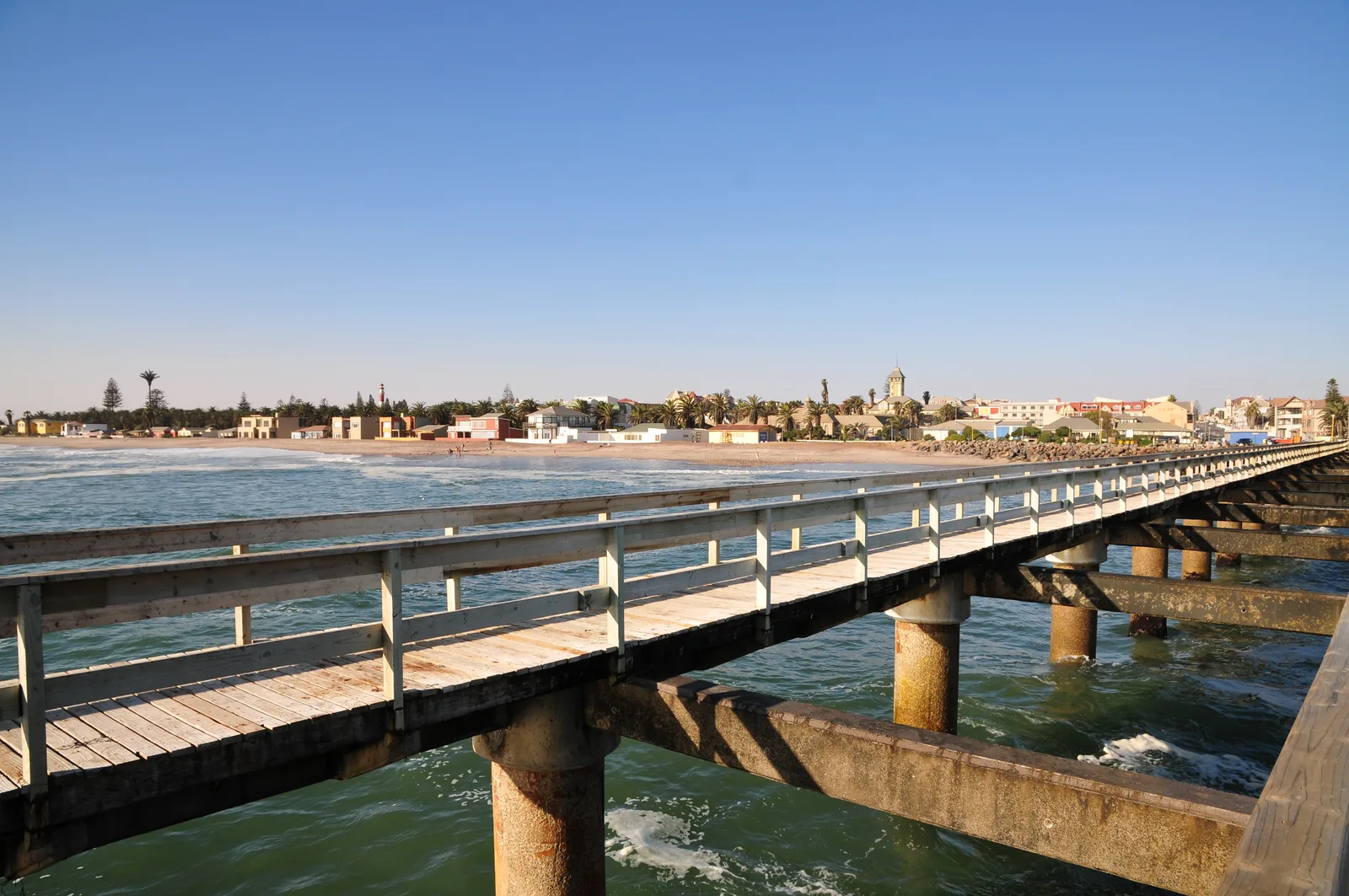
A coastal pause between desert journeys
Swakopmund rewards travellers who leave room between Namibia’s long drives. The Atlantic waterfront, compact centre and surrounding desert offer different kinds of days: a museum morning, an architectural walk, or an excursion that explains how life survives among dunes. This is a coastal town in Erongo, near the mouth of the Swakop River, rather than a substitute for Windhoek’s services or a tropical beach resort.
Its strongest appeal is the contrast. You can return from dry inland landscapes to fog, a cool breeze and a restaurant table beside the ocean. Allow at least two full days if you want both town and desert. Three gives you more flexibility when weather alters activities. Start with VisaWand’s Namibia country guide for the wider journey, then use the Namibia destination directory to compare places along your route. Accommodation and activities deserve separate budgets: an inexpensive room does not make a specialist excursion inexpensive.
Read the colonial streets with their history
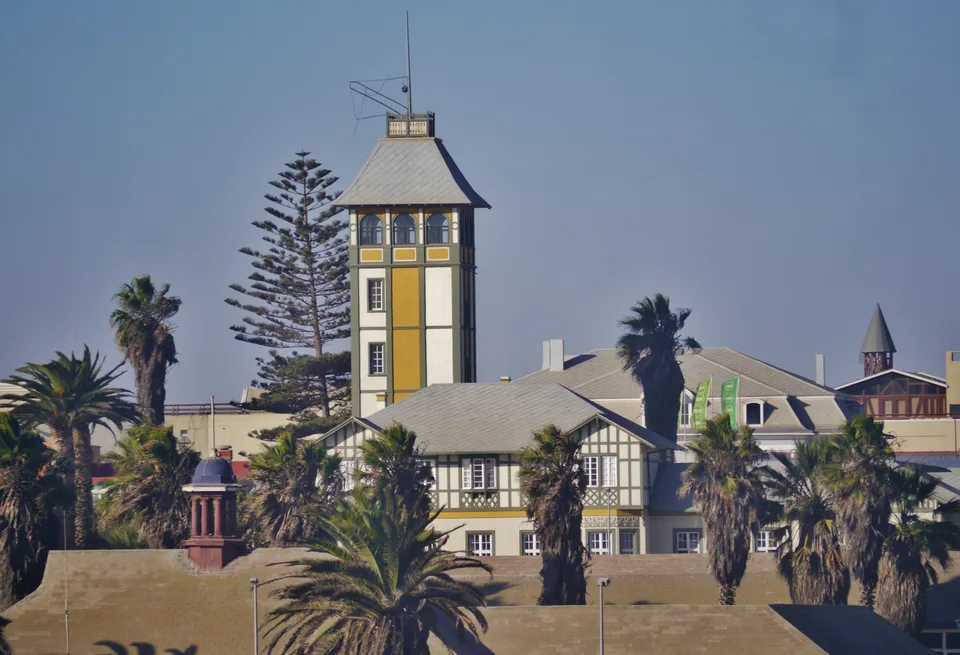
The town’s German colonial architecture is conspicuous, but attractive facades tell only part of its story. A municipal investment profile dates the colonial port’s establishment to 1892 and Woermann House’s completion to 1905. Looking at the tower and surrounding streets helps explain the settlement’s former role in maritime trade. An exterior view does not establish that a tower, courtyard or historic interior is currently open.
Swakopmund also contains the landscape of a colonial concentration camp and burial grounds associated with the genocide of the Ovaherero and Nama. Research by Forensic Architecture and its partners documents this history and the difficulties of protecting and interpreting its physical traces. Include that perspective alongside the buildings, rather than treating the town as a picturesque European transplant. Respect graves, avoid intrusive photography and seek informed interpretation where available. A memorial landscape is not a recreational attraction, and apparent open space does not imply public access.
Use the waterfront as your first orientation
Begin around the Mole and central seafront, then walk inland to understand the distance between your accommodation, restaurants and shops. The pier and ocean views make useful landmarks. Choose walks according to conditions on the day: wind, spray and wet surfaces can change the experience substantially. A beach address does not automatically mean comfortable swimming or sheltered outdoor dining.
The municipality’s tourism information provides an official starting point for local enquiries. Ask specifically about current access if a particular building, waterfront facility or public event is central to your plans. Photographs can show an attractive place while concealing repairs, a temporary closure or a difficult entrance.
For a short visit, the central area lets you combine several small experiences without driving between each one. For a longer stay, spend time beyond the visitor waterfront before choosing a neighbourhood. The part of town that works for a holiday may not suit a school run, workplace or weekly shopping routine.
Make the museum an early stop
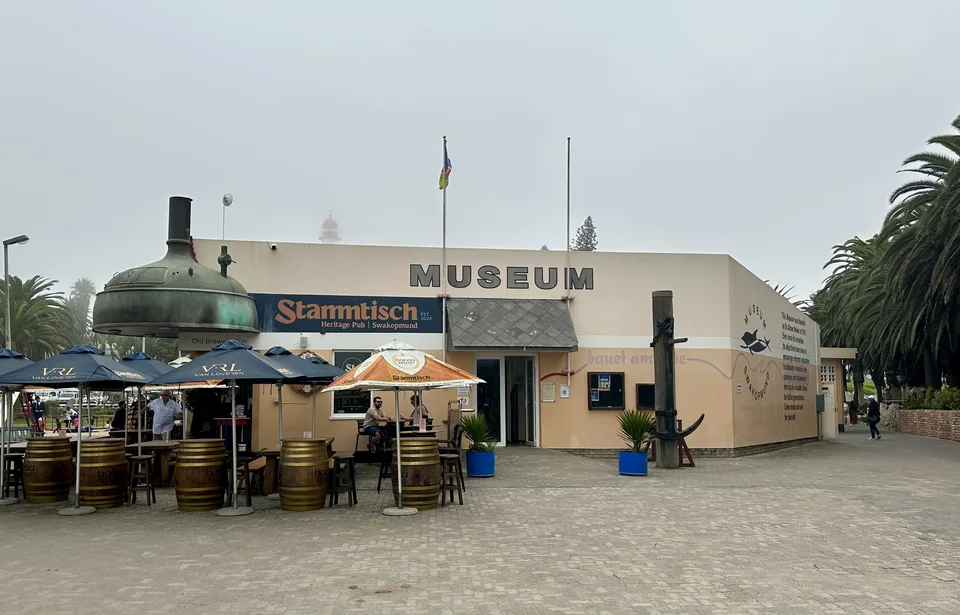
The Scientific Society’s Swakopmund Museum brings natural history, archaeology, transport and cultural collections together at the Mole. Founded in 1951 by dentist Alfons Weber, it provides useful context before excursions into the surrounding landscape. Its entrance faces the ocean, a helpful detail when approaching from town.
The operator currently publishes daily opening from 10am to 5pm, with admission of N$45 for adults, N$30 for students and N$15 for children. Guided visits require advance arrangement and cost extra. Check holiday arrangements and the current tariff before setting out, especially if a group needs interpretation.
Allow time to consider how objects and labels present the region’s communities and colonial past. A collection is a starting point for understanding, rather than a complete account of contemporary Namibia. Pair the visit with the wider historical research above. The museum also offers a practical indoor option when fog or wind makes a waterfront walk less appealing.
Choose your base by walking and driving needs
Central accommodation suits visitors who want to walk to dinner and explore on foot. A quieter coastal address can appeal for space and ocean views, but check the actual route to restaurants after dark. Inland or river-facing properties offer a different outlook; proximity on a booking map can conceal an inconvenient walk or a road crossing.
Compare guesthouses, hotels and self-catering apartments by the facilities you will use. Parking, heating, breakfast, laundry and a usable kitchen can matter more than a decorative balcony. Ask whether advertised Wi-Fi reaches the room and whether the entrance involves steps. Accessibility needs warrant photographs and measurements from the property, not assumptions based on a star rating.
Published examples help reveal the differences. Kali’s room-rate information describes its inclusions and seasonal bands; Desert Breeze’s booking information provides a separate property comparison. Read the applicable dates carefully. One guesthouse’s high season is not a universal tariff calendar, and a published rack rate is not a guaranteed quote for your dates.
Match your flight to the correct airport
Walvis Bay International Airport is an important coastal arrival option; check current services through Namibia Airports Company and the operating airline. Swakopmund also has a municipal airfield. These are separate facilities, so confirm the airport name and code before arranging a transfer or rental collection. A booking simply described as “the coast” leaves too much room for error.
FlyNamibia Safari’s own information is relevant to tourism flights involving Swakopmund. Routes and operating dates need checking for the intended journey; do not build an itinerary around an assumed daily service. Windhoek’s Hosea Kutako International Airport is another distinct arrival point, requiring onward travel to the coast.
Get a written transfer quote that names the airport, accommodation, flight number and luggage allowance. Ask how delayed arrivals are handled. Compare the full cost of a coastal flight with arriving inland and travelling overland, including the extra night or rental day that the second option might require.
Plan overland travel around confirmed departures
Road travel connects the coast with the interior, but distances and departure times deserve proper space in an itinerary. Welwitschia Shuttle’s published services include routes involving Swakopmund, Walvis Bay, Windhoek and Hosea Kutako airport. Its commuter service has weekday and public-holiday qualifications; a general description of regular service is not proof of a suitable Sunday departure.
Ask the operator for your exact date, meeting point, fare, baggage conditions and arrival arrangements. If a flight follows the road journey, leave a meaningful buffer rather than relying on the shortest theoretical connection. Shared transport may involve other stops.
A rental car gives flexibility for the wider Namibia trip, but check collection locations and one-way charges before comparing headline daily rates. Separate the town’s straightforward journeys from remote or sandy routes. A vehicle suitable for reaching a hotel is not automatically appropriate, insured or permitted for driving into dunes. Have the rental company explain exclusions in writing.
Decide whether you need a car locally
For a centrally based visitor, walking can cover the museum, waterfront and much of the historic centre. Beyond that compact area, arranged rides or your rental car may be more practical. Confirm the price and destination before a hired journey, and ask accommodation staff about a suitable pickup point after dinner.
Do not assume that a tour includes hotel collection. Operators may depart from another town, while an advertised activity duration excludes the journey there and back. That distinction matters particularly for Walvis Bay departures. Check parking arrangements if you drive yourself to meet a guide.
For relocation, test the actual commute at the time you would travel, including school and shopping stops. A coastal map can make distances look effortless while overlooking wind, luggage or an unsuitable walking route. Someone who works from home may still need reliable transport for healthcare and household errands. Build those needs into the housing comparison rather than treating transport as a later detail.
Let a desert outing explain the landscape
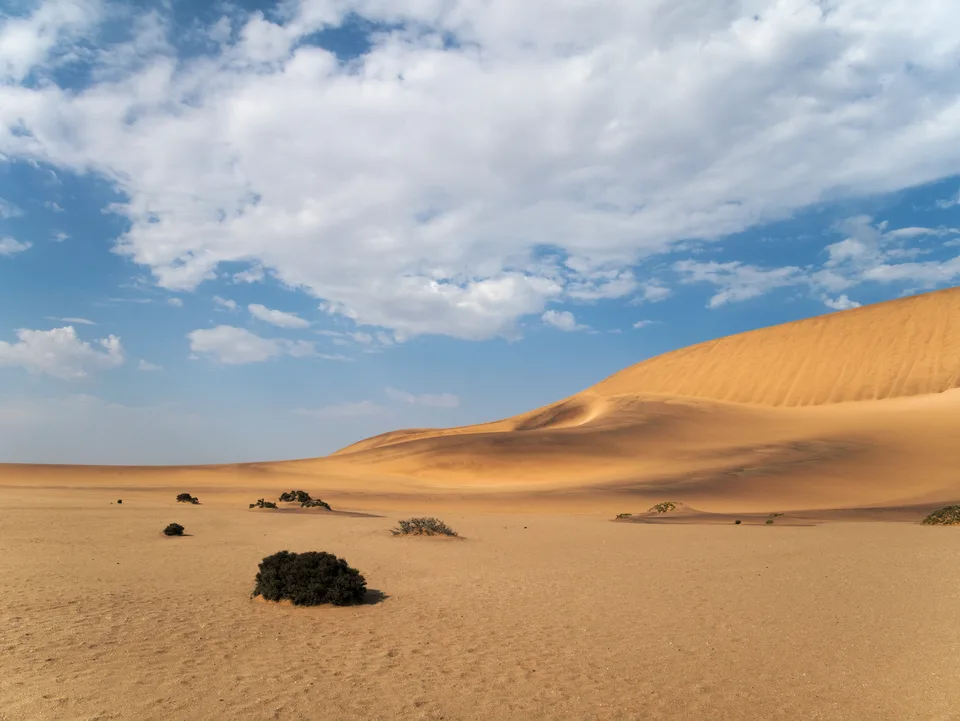
The dunes are more rewarding with an explanation of the small organisms and adaptations that are easy to miss from a vehicle. Living Desert Tours publishes a 2026 rate of N$1,000 per person aged 13 and above, and N$550 for children aged 12 and under. That is one operator’s product, not a general entrance fee for the desert.
Before reserving, establish the departure point, duration, transfers, physical demands and cancellation terms. Tell the operator about mobility limitations and young children. Wildlife sightings depend on conditions; no list of advertised species guarantees an encounter. Observe animals without requesting handling or disturbance for photographs.
Conservation rules matter outside the tour vehicle too. The environment ministry’s Dorob National Park information explains the protected coastal landscape. Ask the ministry or a responsible operator about the permits and routes applicable to your activity. Existing tracks are not universal permission to drive, and a seemingly empty patch of ground can support vulnerable habitat.
Give Sandwich Harbour its own travel allowance
Sandwich Harbour is an excursion south of Walvis Bay, not an attraction reached by a short stroll from central Swakopmund. Dunes meeting the ocean are the draw, but tides and weather determine access. Book for the landscape experience rather than a guaranteed drive along a particular beach.
Sandwich Harbour 4x4’s half-day excursion publishes a 2026 adult price of N$3,095, a four-hour duration and a Walvis Waterfront departure. Transfers are additional. Its page contains differing afternoon departure details; its booking terms also need reading alongside the product’s group-size information. Obtain written confirmation of the time, minimum group and complete price.
Keep the rest of that day light. Travel from Swakopmund, check-in and the return trip extend the commitment beyond four hours. Mention dietary needs and concerns about steep driving before paying. An altered route can be an appropriate response to sea conditions, rather than evidence that a guide has failed to deliver a safe outing.
Eat according to the occasion and the bill
Food can be a simple self-catering meal, a café stop or a substantial part of the holiday budget. Compare menus rather than assuming that every waterfront venue costs the same. Check whether breakfast is included at your accommodation before paying separately for a hotel buffet.
As one clear published example, Strand Hotel’s restaurant information lists a full breakfast buffet at N$495 per person, with lower-priced hot and continental options. Its Farmhouse Deli welcomes walk-in visitors as well as hotel guests. This is a particular hotel offering, not a town-wide estimate of breakfast costs; reconfirm the menu and price when booking.
For dietary restrictions, explain ingredients and cross-contact concerns directly. Seafood availability and restaurant menus can change. Ask about service charges before calculating the final bill. Self-catering travellers should check kitchen equipment, refrigeration and grocery access before arrival, particularly if they will be returning late from an outing. A kitchenette photograph does not tell you whether you can cook a full meal.
Build a budget around the expensive decisions
Price accommodation, transport and activities separately, then add meals and a contingency. The museum is a modest expense compared with a specialist four-wheel-drive excursion. This makes a daily “average budget” less useful than knowing which experiences you intend to buy. Two quiet town days and one major outing produce a very different total from three organised excursions.
Request quotes in Namibian dollars and check whether each figure is per person, per room or per vehicle. Clarify taxes, park permissions, collection and child pricing. Cancellation conditions deserve particular attention when a weather-dependent activity is the centrepiece of a short stay.
Ask about purchases’ makers, materials and origin, and check import restrictions. Natural objects in protected areas are not free souvenirs.
Pack for fog and a cool coast
The Namibia Tourism Board’s climate guidance explains the influence of the cold Benguela Current. Coastal fog and cool air can surprise travellers arriving from hotter inland places. Low rainfall does not make every morning sunny, and a beach holiday here requires different expectations from a warm-water resort.
Pack layers, a wind-resistant outer garment and comfortable closed shoes, alongside sun protection. Conditions can change between the waterfront and inland dunes. Check the forecast and your operator’s clothing advice shortly before an outing rather than relying solely on a monthly climate summary.
The best dates depend on the whole journey. Wildlife plans elsewhere, school holidays, accommodation availability and tolerance for coastal wind may matter more than a single temperature figure. Leave a flexible period for weather-sensitive activities if possible. Avoid transferring inland desert night temperatures directly to Swakopmund: the coast has its own conditions, and a broad Namibia climate description is not a precise town forecast.
A realistic three-day stay
Spend the first morning orienting yourself along the waterfront and visiting the museum. After lunch, walk the central streets and look at Woermannhaus from public areas. Leave time to read about the town’s colonial history instead of fitting another paid activity into every gap. Book dinner according to your appetite and budget.
Use day two for a guided desert experience, with the afternoon left for rest, shopping or a walk if conditions suit. Confirm collection the previous day. Travellers who prefer slower days can keep the afternoon free rather than adding another vehicle excursion.
Dedicate day three to Walvis Bay and a pre-booked Sandwich Harbour outing, including the transfer from Swakopmund. If tides or weather change the programme, use the flexibility already built in. With only two days, choose between desert ecology and the longer coastal excursion. Arriving late on the first evening and leaving early on the third morning gives you one full day, not three.
Moving: inspect housing beyond the holiday impression
A reconnaissance visit should include ordinary errands, not just seafront dining. Walk or drive between prospective housing, work, groceries and healthcare. Compare central convenience with quieter residential surroundings, and visit an area in different conditions before signing a lease. Holiday photographs reveal little about a building’s maintenance or everyday noise.
Ask the landlord to set out the deposit, lease term, notice period, repairs and responsibility for utility accounts. Inspect ventilation, signs of moisture, hot water and window seals. The cool coastal setting makes these practical questions worthwhile. Obtain an inventory and record the condition of furnished items before moving in.
Verify an agent’s authority and the property before transferring money. A furnished short stay can provide time to investigate a longer lease, but compare its total cost with a conventional rental. Avoid assuming that buying property creates immigration rights. Permission to live, work or study in Namibia is a separate decision from finding an attractive home.
Check household services and essential access
For water accounts and billing questions, the municipality’s revenue section is the relevant local contact. Erongo RED’s services information provides electricity-related customer contacts. Establish whose name each account uses, how charges are measured and whether a rental quote includes them. Ask how to report a fault and obtain the information before a problem occurs.
Test mobile reception and internet performance at the actual property. Remote workers should discuss availability, installation timing and backup arrangements with providers and landlords. An advertised Wi-Fi connection does not establish that it meets an employer’s requirements.
Families should contact schools directly about admission, curriculum and places before committing to a neighbourhood. Likewise, check that a medical provider can meet ongoing treatment needs and whether your insurer accepts it. Bring the records and prescriptions needed for continuity of care. The household decision is whether the location supports your particular routine, not whether it offers the amenities visible during a holiday.
Treat entry permission as a separate booking task
Check nationality-specific requirements through Namibia’s official immigration application portal before purchasing non-refundable travel. Visa eligibility, permitted activity and the authorised length of stay are separate questions. Keep copies of approvals and inspect the permission actually granted on arrival.
For British citizen passport holders, UK government entry guidance states that passports need six months’ validity from arrival and three blank pages. It describes the visa requirement introduced in April 2025 and a N$1,600 charge for travellers over 11, with reduced or waived charges for younger children. These nationality-specific details should not be applied automatically to every traveller.
Check additional documentation if travelling with children, and verify transit requirements for countries crossed en route. A tourism visa is not an employment permit or a promise of permanent residence. If a proposed stay includes work, volunteering or study, establish the correct category before arrival rather than relying on an intended later extension.
Separate work, study and permanent relocation
Use the immigration ministry’s permit information to identify the relevant process, evidence and decision-making authority. An admission offer, employment contract or property lease can support planning without replacing formal permission. Allow for application time and verify whether work can begin only after approval.
The Namibian embassy’s guidance for foreign nationals specifically identifies activities such as volunteering, auditing and training local staff as requiring appropriate work permission. Do not assume that being unpaid, staying briefly or entering visa-free makes the activity tourism. Remote employment also deserves a clear immigration and tax assessment for the circumstances involved.
Students should ask both the institution and immigration authorities which documents apply. Households pursuing a longer move need to check dependants’ status and the implications for schooling and work. VisaWand’s Namibia consultant listings can help locate professional assistance; assess qualifications and obtain written terms. A consultant cannot guarantee approval, and permanent residence should never be presented as an automatic progression from a holiday stay.
Keep coastal activities and road journeys sensible
Read the current government safety guidance alongside rental and activity conditions. For desert drives, understand the route, fuel needs, communications and insurance exclusions. Avoid treating a long gravel-road journey as an ordinary urban transfer. Weather and visibility can alter what is practical even when a road appears clear on a map.
Quad biking, dune activities and similar pursuits require explicit insurance checks. Ask about supervision, protective equipment and suitability before participating. A general travel policy may not cover every advertised activity. Around the ocean, follow local warnings and avoid assuming that attractive surf indicates safe bathing.
The Namibia health advice gives emergency and medical planning information; malaria advice depends on the wider itinerary, not just the coastal stay. For ongoing conditions, identify suitable care and emergency cover before travel. Keep documents and essential medication accessible during transfers.
Compare nearby places before extending your stay
Walvis Bay’s destination page is useful when comparing a base nearer its lagoon and coastal excursion departures. Staying there can reduce an early transfer; staying in Swakopmund may better suit a holiday built around the compact centre. The right choice depends on the actual activities booked, rather than assuming the two towns are interchangeable.
Henties Bay’s destination page provides another coastal location to investigate for a different pace. Check access, services and the onward route before adding a night. A place marked nearby still requires transport and accommodation decisions.
Windhoek’s destination page helps place the coast within a wider Namibia journey, especially for inland arrival arrangements and onward travel. These pages are location references; use the relevant operators and authorities for live schedules, permits and bookings.
Official planning resources
Reviewed 28 October 2026. Use the official resources linked throughout this guide for admission, transport, housing and immigration decisions. Prices, services and rules can change; confirm the details relevant to your dates. Photography illustrates the locations and is not a live view.
View all official resources
- Swakopmund Municipality: town profile and heritage
- Forensic Architecture and community partners: Swakopmund genocide investigation
- Swakopmund Municipality: tourism information
- Scientific Society Swakopmund: museum admission and hours
- Kali Guesthouse: 2026 room rates and inclusions
- Desert Breeze Lodge: dated rates and booking
- Namibia Airports Company: airport and flight information
- FlyNamibia Safari: coastal airfield and safari connections
- Welwitschia Shuttles: regional transfers and commuter services
- Living Desert Tours: 2026 guided desert activities
- Namibia environment ministry: Dorob National Park
- Sandwich Harbour 4x4: half-day excursion and 2026 rates
- Sandwich Harbour 4x4: booking conditions
- OL Leisure: Strand Hotel restaurants and published breakfast prices
- Namibia Tourism Board: coastal climate
- Swakopmund Municipality: service accounts and water enquiries
- Erongo RED: electricity customer services
- Namibia Home Affairs: official visa and permit e-services
- UK government: Namibia passport and visa requirements
- Namibia immigration department: visas, permits and official contacts
- Namibian embassy: visitor and work permissions
- UK government: road and adventure safety
- UK government: Namibia healthcare and emergency numbers
Plan the next part of your journey
Explore the Namibia guide, browse other cities or compare consultants for your travel and relocation questions.