Visa
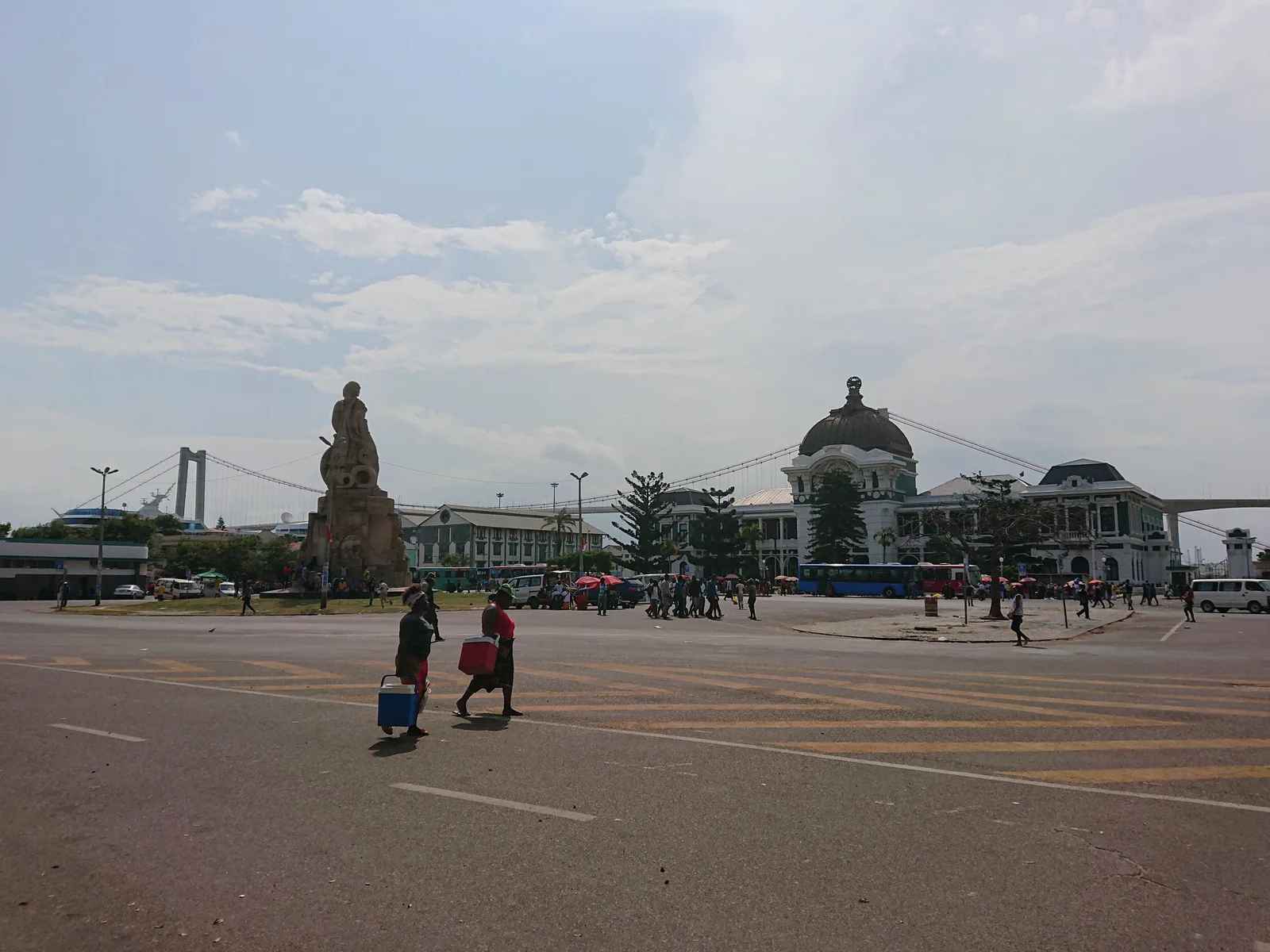
A bay-side capital worth giving time
Maputo offers a city break built around architecture, museums, food and the daily life of Mozambique’s capital. Its setting on a broad bay gives it a coastal outlook, but a visit here is different from booking a beach resort. Plan to explore the city itself, with a separate day or overnight trip if wildlife or a beach escape is central to your holiday.
Two full days make a useful introduction. Three allow a slower museum visit, a guided walk and time to investigate the waterfront without treating every afternoon as a transfer window. For a first visit, arrive with accommodation and your initial airport journey arranged. That gives you space to find your bearings before making decisions about longer excursions.
Maputo also warrants a reconnaissance visit before accepting a posting or signing a lease. Spend part of it doing ordinary things: checking the journey to work, looking at groceries and asking how a prospective building handles maintenance. A polished hotel can be enjoyable without telling you much about the household you would actually run.
Reading the city through its history
The name Lourenço Marques appears in older accounts of the city’s Portuguese colonial period. Contemporary Maputo is Mozambique’s national capital, and its monuments need to be read alongside the country’s independence in 1975. A guide who can explain occupation, resistance and subsequent change will add more than a sequence of architectural labels.
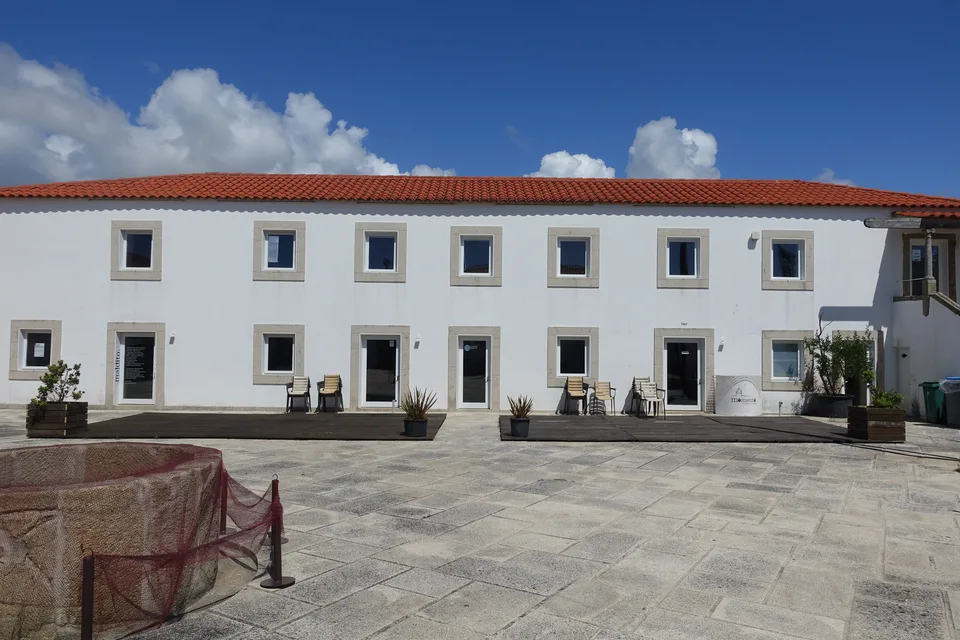
The university’s account of Maputo Fortress is especially useful for correcting an easy misconception. The structure visitors see incorporates a twentieth-century reconstruction of earlier fortifications, whose history reaches back to the late eighteenth century. Its survival does not mean every wall has remained unchanged since the first Portuguese presence. Universidade Eduardo Mondlane has been its custodian since independence.
Railway history supplies another perspective. CFM records the inauguration of the central station on 19 March 1910 and the opening of its museum on 11 June 2015. Treat the station as part of a working transport and port city, rather than attributing its design to a famous architect on the strength of an unverified story. These sites make a stronger introduction when their dates and purposes are kept distinct.
Neighbourhoods, gardens and the waterfront
Start with the relationship between the lower commercial centre, the civic landmarks around Praça da Independência and the avenues leading towards Polana. The national tourism board’s Maputo overview highlights Tunduru Gardens, the cathedral, municipal buildings, the central market and the station. They form a practical orientation circuit, with pauses rather than a continuous march through midday heat.
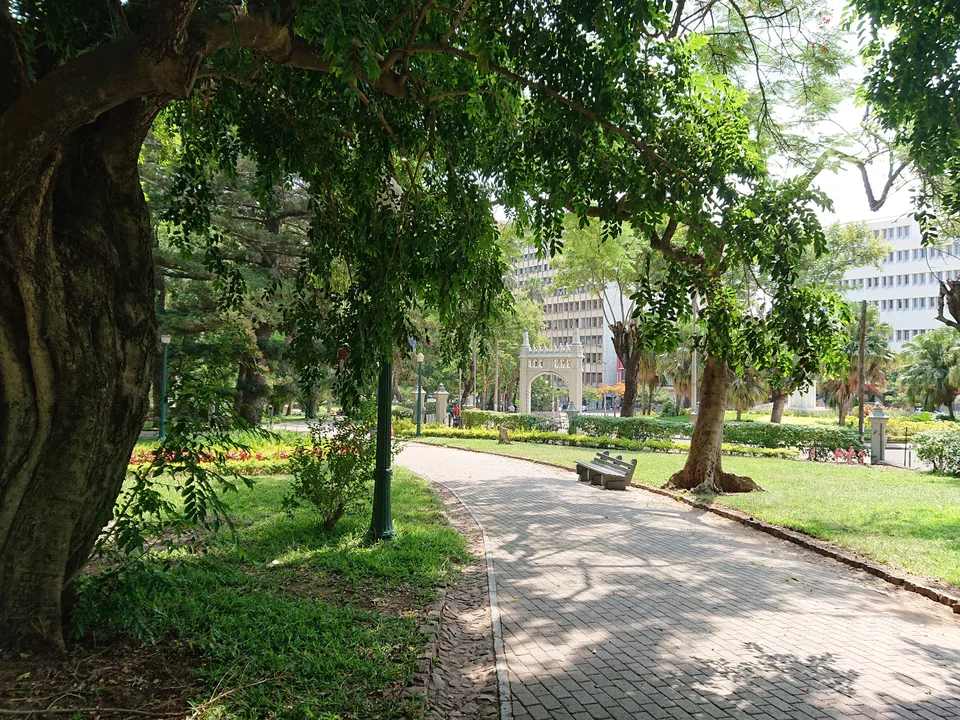
Tunduru’s shaded paths offer a different pace from the surrounding streets. Near the civic square, look at Casa de Ferro and the Samora Machel monument while checking what is actually accessible that day. Exterior interest should not be confused with a promise that every building has an open interior or regular visitor programme.
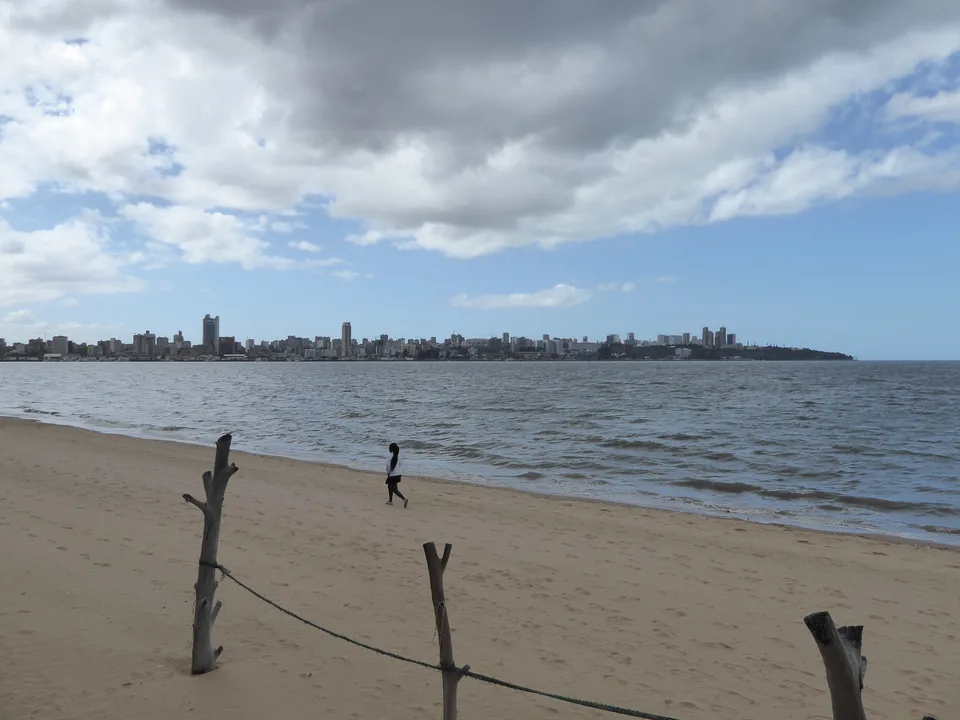
Polana and Sommerschield are useful names when comparing accommodation and housing addresses. The Marginal is another reference point for a waterfront stay. Plot each property against your intended destinations before choosing: an attractive view does not establish an easy walk to the historic centre. Matola belongs in the wider metropolitan picture but is a separate municipality, so an address there deserves its own commuting assessment.
Mafalala adds another important perspective. The Futuros Criativos profile of IVERCA describes a community walking-tour initiative that draws on the neighbourhood’s history, music, architecture and identity. Its cultural history connects literature, music, sport and the struggle for independence. Arrange a locally led visit and ask about the current museum programme, meeting point and duration rather than expecting an unscheduled performance or access to private homes.
Choosing accommodation for the trip you want
Compare three broad options: central accommodation for a sightseeing itinerary, a hotel around Polana for a different city base, or a waterfront property for time by the bay. Check the exact entrance and surrounding streets, not simply the neighbourhood name in a booking filter. For late arrivals, ask about reception staffing and how the driver will identify you.
Two established properties illustrate different settings. Polana Serena Hotel dates from 1922 and stands on Avenida Julius Nyerere. Southern Sun Maputo gives its location on Avenida da Marginal. These are identifiable examples to compare, rather than a claim that either is the right choice for every budget. Confirm access conditions before assuming a hotel pool, terrace or other guest facility is available to non-residents.
Request a total quote covering taxes, breakfast, cancellation, airport collection and any extra bed. For an apartment, establish who supplies drinking water, cleans the unit and responds to a broken air conditioner. If you are considering a longer stay, start with flexible accommodation while viewing homes. Paying a little more for flexibility can be preferable to committing to a property you have seen only in photographs.
Arriving by air or overland
The national airport operator lists Maputo’s airport under the code MPM. Check that code on your reservation and organise the onward journey to your actual hotel. Ask for the driver’s name, meeting point, contact number and total charge before departure. Flight arrival time is not the same as the time you will be outside with luggage.
Southern Sun describes its airport journey as taking about twenty minutes. Use that as the hotel’s estimate, with an allowance for traffic and formalities, rather than a promise for all Maputo addresses. On departure, obtain a fresh recommendation from the accommodation and airline; a short-looking road journey does not remove check-in or document-check requirements.
An overland arrival needs a separate plan for the border, vehicle documentation and daylight driving. Reconfirm the crossing’s operating arrangements before travel, and avoid scheduling a tightly timed onward activity immediately afterwards. If renting across a border, obtain the company’s written permission and insurance requirements. Compare the entire journey, including border uncertainty, with flying; the cheapest headline fare or rental rate may not produce the easiest arrival.
Local journeys and practical safety
The Metropolitan Transport Agency covers a wider urban area involving Maputo, Matola, Boane and Marracuene. Its planning remit should not be mistaken for a guarantee of a single integrated visitor ticket or a particular service frequency. For a short stay, arrange initial journeys through your accommodation and learn the route before relying on unfamiliar local connections.
Walking can work for selected daytime clusters, but check the streets and return arrangements individually. The UK government’s safety guidance records serious street crime in Maputo. Keep valuables discreet, arrange transport after dark and avoid demonstrations. It also says travellers must carry their original passport for checks; a photograph or copy is insufficient. Restrictions apply to photographing government, airport, military and police facilities, so do not assume every prominent building is an unrestricted subject.
For any hired journey, agree the destination, charge, payment method and whether waiting is included. A driver booked for one transfer is different from someone retained through several museum stops. Families should discuss suitable restraints ahead of time. If a journey feels uncertain, resolve it before setting out rather than discovering that the return leg was never included.
Museums and the stories they tell
The CFM railway museum publishes opening hours of 10am–5pm Tuesday to Friday and 10am–4pm on Saturdays, Sundays and public holidays, with Monday closure. Its listed adult admission is 50 meticais. Check concession eligibility directly. Allow time for the station setting and exhibits instead of squeezing the visit between two inflexible transfers.
At the Natural History Museum, use the museum’s own current visitor information because its hours differ from an older university listing. It publishes Tuesday–Thursday hours of 8.30am–3.30pm and Friday–Sunday hours of 10am–5pm. Individual visits are free on Wednesdays; groups remain subject to admission charges. Reconfirm holiday access and other ticket prices before travelling, especially with a school or organised group.
Maputo Fortress publishes daily hours of 9.30am–5pm, with guided visits arranged in advance. Its interpretation addresses Portuguese occupation and local resistance, while the site also hosts cultural activity. Ask about the current programme and admission rather than assuming an event or exhibition will coincide with your visit. Choose fewer museums if you want to read displays properly; three hurried entrances are rarely more informative than two considered visits.
Food, markets and shopping
The tourism board’s food guide describes matapa as cassava leaves cooked in a peanut-based sauce, often prepared with crab or prawns. Xima is a staple accompaniment made from maize or cassava flour. Coastal seafood supplies other possibilities, but the preparation matters more than a familiar dish name when discussing allergies or dietary requirements. Ask explicitly about peanuts, shellfish and shared cooking equipment.
Use a market visit to observe everyday trade as well as to shop. Before buying food, judge how it is stored and cooked; before photographing a person or stall, ask. Carry a manageable amount of spending money and decide how you will transport purchases back. A bulky souvenir can become awkward if it has to accompany you through several later stops.
For restaurant budgeting, read the current menu and check whether a quoted seafood price is per portion or by weight. Drinks, service charges and transport can change the final bill substantially. Households should make a trial grocery basket containing the products they actually use, including any specialist foods. Availability and cost of those items will tell you more than a generic claim that eating in Maputo is cheap.
For crafts and other purchases, ask what an object is made from and whether documentation is needed for export or import. Keep evidence of the transaction, particularly for an expensive item. A seller’s assurance is not a substitute for checking the rules that apply at your next destination. If shopping is a priority, give it a dedicated stop rather than rushing purchases while a driver waits.
Building a realistic budget
Mozambique’s currency is the metical, usually shown as MZN or MT. The central bank’s exchange-market information distinguishes different market rates; a published benchmark is not a promise of the amount your card provider or exchange counter will deliver. Compare the rate and commission together, and keep the receipt for significant exchanges.
Build a daily estimate from accommodation, food, local journeys and planned admissions, with a separate allowance for excursions. The railway museum’s published adult ticket is a small component; a vehicle and guide for a full day outside the city may be a much larger one. Obtain written quotes for the expensive elements before deciding that a low room rate makes the whole trip inexpensive.
Keep a contingency that remains accessible if a payment fails or a departure changes. Ask each accommodation or operator which cards it accepts and whether advance payment is required. Do not depend on a single card or carry the entire trip’s cash in one place. For relocation, prepare a separate setup budget for deposits, furnishings, service connections and temporary accommodation rather than multiplying a holiday day rate.
Seasons and choosing travel dates
The national tourism board’s climate guidance describes a wetter period broadly from October to April and a drier period around May to September. Those broad seasons are useful for choosing dates, but they are not a daily forecast for Maputo. The national meteorological institute’s Maputo observations provide a more immediate reference as departure approaches.
For a first visit centred on walking and outdoor excursions, the drier months are a practical starting point. Pack a layer for cooler evenings as well as sun protection. During wetter months, protect documents and electronics and allow flexibility in the outdoor programme. A museum day can be moved more easily than a prepaid excursion whose road conditions need checking.
Do not choose dates solely from a temperature chart. Confirm your accommodation, attraction opening days and excursion availability together. Anyone testing a possible move should also consider how the household would function in less comfortable weather. Ask about drainage, shade and indoor ventilation at a prospective home, rather than judging the property only during the most pleasant hour of the viewing.
A workable three-day itinerary
On day one, concentrate on orientation. Visit the civic area and Tunduru Gardens in daylight, then leave time for lunch and a slower look at the surrounding streets. Have the return journey agreed before extending the day. If your flight arrived late the previous night, reduce the programme rather than beginning with an ambitious early excursion.
If community history interests you more than another building visit, replace part of this circuit with a prearranged Mafalala tour. Ask the organiser how visitors should behave and where photographs are appropriate; the neighbourhood is a place where people live, not an outdoor stage.
On day two, pair the station and railway museum with the fortress, subject to their opening arrangements. Book a guide if historical interpretation is your priority. Leave a proper gap for lunch and transfers. If the day falls on a Monday, rearrange around confirmed openings rather than relying on a museum that publishes Monday closure.
Use day three for the Natural History Museum and time around your accommodation’s part of the city, or reserve the entire day for a properly organised park excursion. These are alternatives, not a requirement to do both. A family, a museum enthusiast and someone viewing homes will get different value from the same spare day. Keep one uncommitted block for a delayed arrival, an interesting conversation or an appointment that runs longer than expected.
Moving to Maputo and choosing a home
Begin with the workplace or campus and map possible homes against it. Compare Polana, Sommerschield and other addresses on the basis of the actual property and weekday journey. Test the trip at the time you would normally travel, including any school stop. A viewing conducted in light traffic cannot establish a reliable daily commute.
The Maputo property office and listings provide a starting point for finding homes, but asking rents are individual offers, not a citywide average. Request a complete lease explanation: currency, payment schedule, deposit, inventory, repairs and notice provisions. Clarify which services and building charges sit outside the rent. Inspect in person and confirm the agent’s authority before transferring a deposit.
Inside the home, test water pressure, cooking facilities, locks, cooling and mobile reception. Ask who maintains any water tank, pump or backup power system and who pays when equipment fails. EDM’s customer portal includes account-holder changes, new connections and tariff services. Establish the meter and account arrangements with the owner; do not assume that handing over keys automatically transfers responsibility for bills.
Household services, healthcare and study
For a household, the useful questions are specific. How is drinking water obtained? Who handles rubbish collection and building maintenance? Which internet service can be installed at this address, and what happens during an outage? Ask for recent bills and a demonstration of essential equipment. Written answers make comparisons between properties easier and reduce disputes about what was promised.
The UK government’s health guidance identifies malaria and other health risks in Mozambique and advises appropriate insurance and accessible treatment funds. Serious illness or injury may require medical evacuation. Obtain personalised pre-travel advice and identify suitable care near the intended home before moving. A holiday insurance policy should not be assumed to cover a long posting or ongoing treatment.
Students should discuss admission, the correct campus, accommodation and immigration support with their institution. Universidade Eduardo Mondlane’s student-visa information is a relevant starting resource, alongside current immigration requirements. Admission and permission to reside are separate matters to resolve. Families should similarly confirm school places, language of instruction and transport before signing a long lease; proximity to an advertised school does not establish that it can accept the child.
Entry permission and longer-term plans
Start with the official Mozambique eVisa and ETA portal, whose eligibility tables distinguish nationality, passport type, purpose and duration. The current system should be checked even if you previously travelled under older arrangements. It lists Pakistan, Bangladesh, Ethiopia, Nigeria, Nepal and Somalia among nationalities that cannot apply through the online platform and must approach an embassy. Do not pay an intermediary on an assumption of online eligibility.
For British citizens visiting for tourism or business for up to thirty days, current UK entry guidance says to obtain an ETA before travel, applying at least five working days ahead and paying online. It also specifies six months’ passport validity and two blank pages. Children’s documentation requires particular attention, including birth certificates and, where applicable, consent from an absent parent. These are nationality-specific guidance points, not a universal visa exemption.
Tourism, business visits, employment, study and residence are different purposes. Check the appropriate permissions before undertaking work or committing to relocation. SENAMI’s appointments and requirements portal provides access to immigration services, including residence documentation. A rental agreement, property purchase or admission offer should not be treated as automatic permission to work or remain indefinitely.
Print the approved permission and payment confirmation where required, and carry the accommodation and onward-travel evidence relevant to your application. Check health-entry rules for your full route, including transit countries. A document valid for one purpose or entry does not establish that a later journey is covered.
Beyond the city and deciding what fits
Maputo National Park’s access guidance describes the route via the Katembe bridge and makes a 4×4 compulsory on its sandy internal routes. It identifies Futi as the usual entrance and lists Gala as closed. Reconfirm access before departure and use an operator if you lack the vehicle or experience. Reaching an entrance on paved roads does not make the interior suitable for an ordinary rental car.
The published park tariff lists daily admission of 400 MZN for Mozambican nationals, 600 for SADC nationals and 900 for other international visitors. Vehicle charges are additional: a vehicle with one to six seats is listed at 600 MZN for Mozambican visitors and 900 for the other two categories. Ask how these apply to your party and which activities are extra before accepting a package quote.
For wider travel, check current regional warnings rather than extending assumptions about Maputo across Mozambique. VisaWand’s Mozambique location directory and passport-specific destination page help organise further research, while the Gaborone guide offers another southern African capital to compare. Use the consultant listings when professional immigration help is needed, with the adviser’s relevant qualifications and scope checked before engagement.
Official planning resources
Reviewed 17 October 2026. Use the official resources linked throughout this guide for admission, transport, housing and immigration decisions. Prices, services and rules can change; confirm the details relevant to your dates. Photography illustrates the locations and is not a live view.
View all official resources
- Universidade Eduardo Mondlane: Maputo Fortress
- Visit Mozambique: Maputo
- Futuros Criativos: IVERCA community tourism profile
- Polana Serena Hotel: accommodation and location
- Southern Sun Maputo: location and contact
- Aeroportos de Moçambique: airport network
- UK government: safety and local laws
- CFM: railway museum
- Natural History Museum: visitor information
- Visit Mozambique: Mozambican food
- Banco de Moçambique: exchange markets
- Visit Mozambique: seasons and climate
- INAM: Maputo weather observations
- Pam Golding Properties: Maputo office and listings
- Electricidade de Moçambique: customer portal
- UK government: healthcare and health risks
- Universidade Eduardo Mondlane: student visa information
- Mozambique immigration: official eVisa and ETA information
- UK government: Mozambique entry requirements
- SENAMI: immigration appointments and requirements
- Maputo National Park: access and gate information
- Maputo National Park: published tariffs
- UK government: regional travel warnings
Plan the next part of your journey
Explore the Mozambique guide, browse other cities or compare consultants for your travel and relocation questions.