Visa
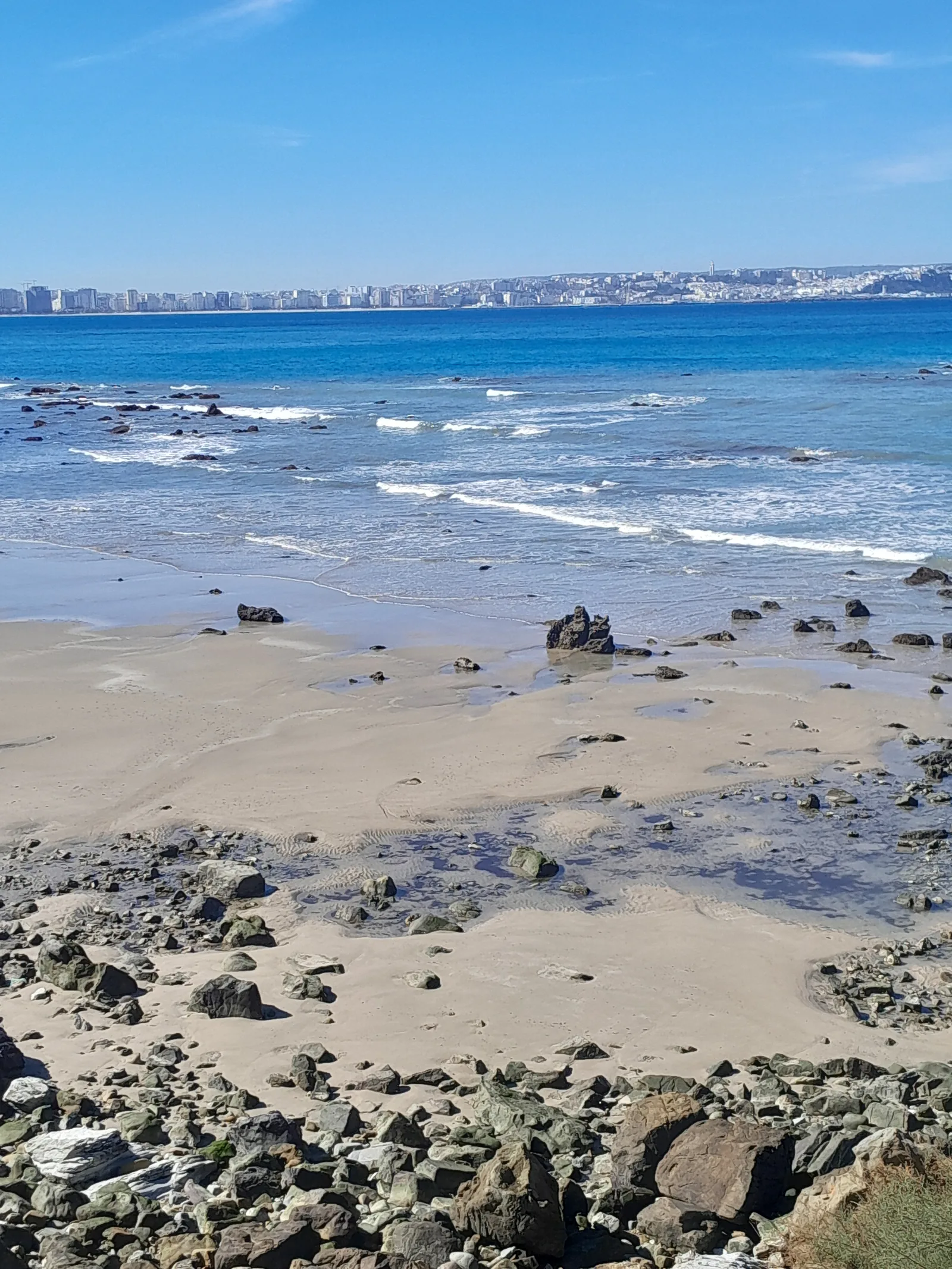
Choose Tangier for more than a crossing
Tangier rewards a stay that gives its museums and streets time alongside the waterfront. In northern Morocco, it brings a medina and kasbah into the same trip as a modern port city and onward rail connections. Visitors arriving from Spain can make the crossing the beginning of a Moroccan journey, but the ferry ticket alone does not establish how much sightseeing will fit into the arrival day.
Use the Moroccan National Tourist Office's Tangier introduction to identify your priorities, then choose a base around them. A room inside the old city, a waterfront hotel and somewhere convenient for the railway station solve different problems. For a first visit, make the actual accommodation entrance and the final part of the arrival journey clear before booking. A short distance on the map can still be an awkward route with luggage.
Read the port name before choosing a ferry
Tanger Ville and Tanger Med are different arrival choices. Do not shorten either to “Tangier port” when comparing a sailing or arranging collection. Confirm the full terminal name on the booking and tell the accommodation or driver that name. An attractive crossing time is only one part of the journey; border formalities and the transfer afterwards also affect when you reach your room.
For the Tarifa connection, consult the current operator rather than following an old FRS itinerary. Baleària's boarding guidance for the busy Marhaba period lists two hours' advance arrival for Tarifa and Tangier City and requires a confirmed ticket for access to the boarding area. Read the instructions supplied for your own sailing, particularly during busy periods. Keep passport and ticket details available without relying on mobile reception at the terminal.
If travelling with a vehicle, check the vehicle documents and booking category separately from passenger entry requirements. A day trip from Spain also involves the right to return to Spain. Establish both sides of the journey before paying, rather than assuming permission to enter one country covers the other. Leave a reasonable buffer before any non-refundable onward connection.
Make the American Legation a substantial visit
The American Legation Museum's visitor page currently lists admission at MAD20 for residents and MAD50 for non-residents. Published hours are 10:00–17:00 Monday to Friday and 10:00–15:00 on Saturday and Sunday. Check exceptions before setting out, and use the appropriate category when budgeting. Guided tours are arranged by contacting the museum; they should not be assumed to accompany an ordinary entry.
The institution's history account explains that the building was a gift from Morocco's sultan to the United States in 1821 and served as an American diplomatic mission for more than 140 years. Its present museum, research and cultural roles make it a useful place to consider Tangier's international connections through a particular building and collection.
Leave space to read and look rather than making this only a stop for a photograph. If somebody in the party needs step-free access or a shorter route, confirm the arrangements directly. Combine the visit with time in the surrounding old city, keeping the rest of the day flexible enough for lunch and a slower walk.
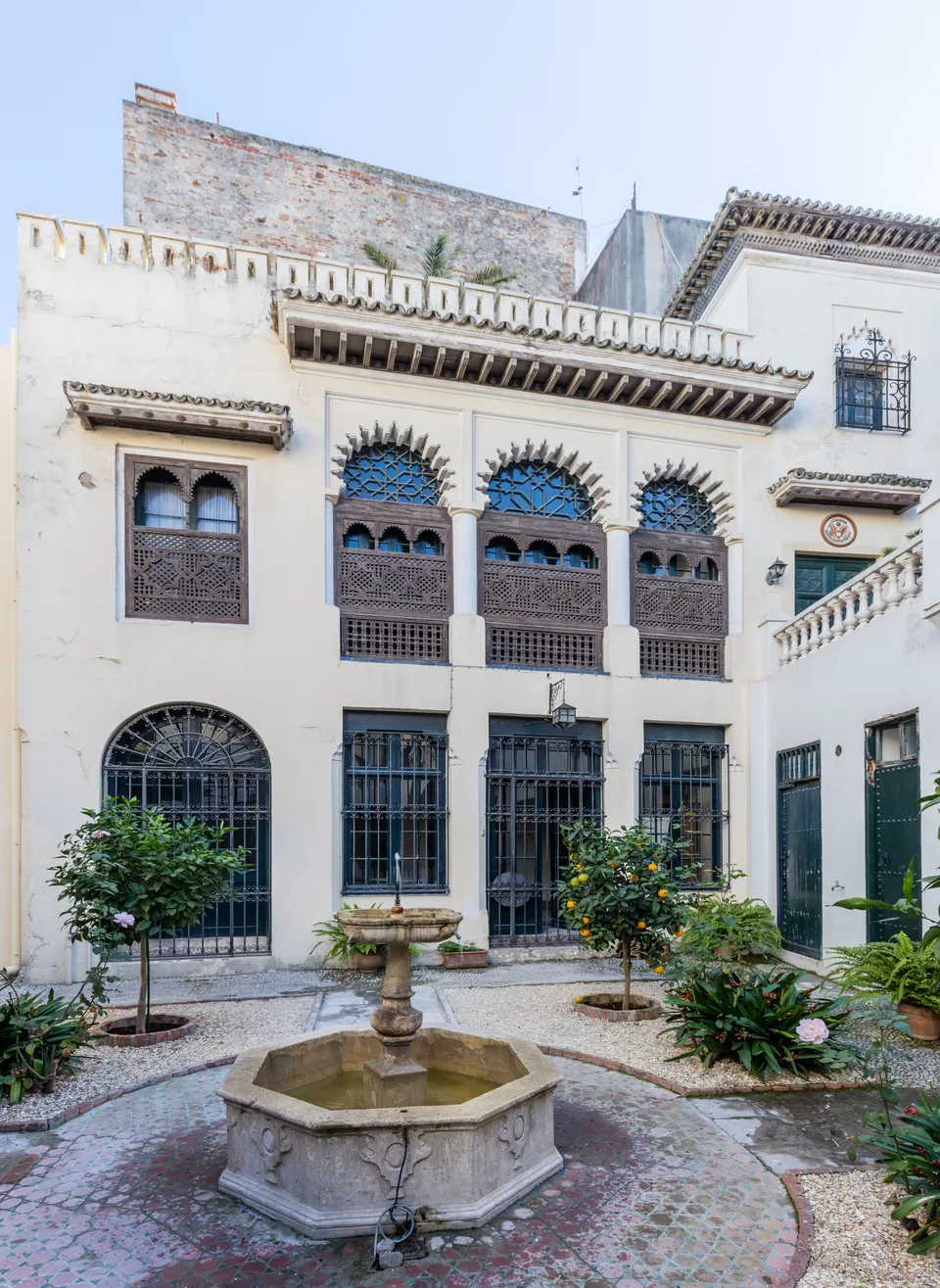
Explore the Kasbah Museum as both building and collection
The Fondation Nationale des Musées' Kasbah Museum page describes archaeological and ethnographic collections exploring Tangier's relationships with the Mediterranean. The former Dar Al-Makhzen palace is part of the experience: its courtyard, garden and decorative work give the collection an architectural setting. Look at the building as well as the objects rather than treating it as a neutral exhibition hall.
The current practical information gives opening hours of 10:00–18:00, with Tuesday closed. Published admission is MAD30 for visitors over eighteen, MAD15 for ages twelve to eighteen and MAD5 for children under twelve. Confirm the applicable ticket and any special conditions for your date. The nearby contemporary-art institution has a different identity; a reference to “the Kasbah museum” should be checked against the collection you mean to see.
Plan the approach and onward route with the people travelling. A museum visit in the old city can involve more walking than its time indoors suggests. Ask about access requirements before committing, and avoid placing another distant timed activity immediately afterwards. The visit works best when the palace and the surrounding streets form an unhurried part of the day.
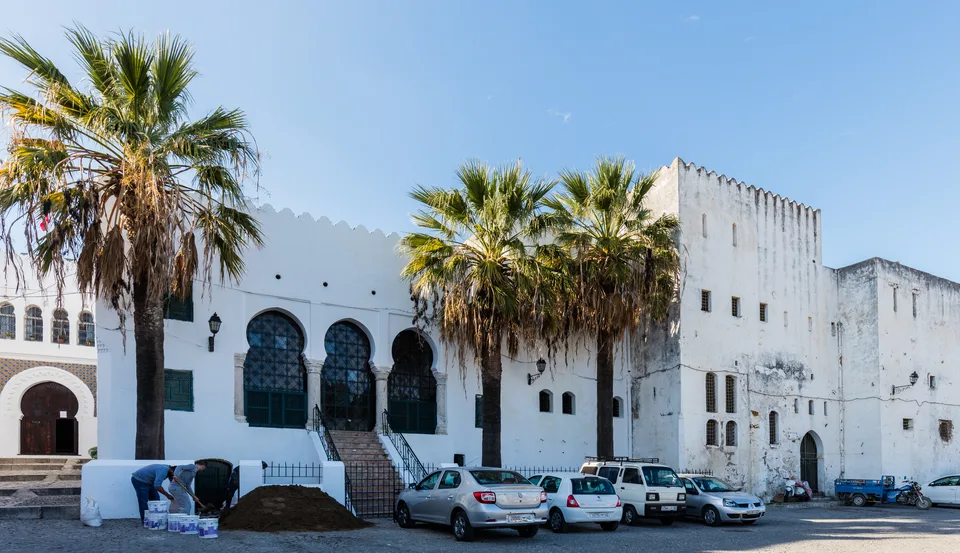
Look at the harbour through its cultural sites
The municipality's port-culture information identifies the Port Center in the former customs building at Place Bab Al Marsa, close to the ferry and cruise terminals. It lists free entry and Tuesday-to-Sunday hours of 10:00–18:00. That makes it a possible addition to a waterfront outing for visitors interested in how the port has shaped the city; verify current access before relying on it for an arrival-day plan.
The same municipal overview distinguishes Borj Dar El Baroud's fortifications interpretation from the Ibn Battouta exhibition at Borj En-Naam, northwest of the kasbah. Both are listed at MAD20 for adults and MAD10 for children under fifteen, with Tuesday-to-Sunday opening. These are separate places, so choose according to your interests and check the exact address rather than expecting one ticket or entrance to cover them all.
Recheck the city bus network before travelling
Transdev's current Tangier network information describes a ten-year contract involving fleet renewal and network restructuring. This matters when using older advice that names the previous operator or assumes a route is unchanged. Check the current stop, route and payment arrangements for the journey you actually need, especially for an early departure or a late return.
For accommodation comparisons, include the walk to the stop and the return service, not simply whether a bus passes somewhere nearby. If the airport connection does not fit your flight, obtain a separate transfer quotation covering the exact address, party size and luggage. No current operator-confirmed airport bus fare or universal taxi tariff has yet been established for this guide, so neither is presented as a fixed price.
Match the train to the station on your ticket
ONCF's Al Boraq information identifies the high-speed connection between Tangier and Casablanca, serving Tanger Ville, Kénitra, Rabat Agdal and Casa Voyageurs. Use the full station names when planning a transfer. A booking to a particular Casablanca or Rabat station should not be treated as delivery to any address in that city, and the same applies to arriving at Tanger Ville.
Compare the train offered for your date and class through the official ONCF booking service. The cheapest advertised advance fare is not a universal price, so this guide does not turn a promotional headline into a standard ticket cost. Check change and refund conditions alongside the departure time. Keep enough room between a ferry arrival and a reserved train for the formalities and the journey between terminals.
Make the accommodation entrance part of the choice
For a stay focused on the medina and kasbah, compare small guesthouses and riads by their actual access route. Ask where a vehicle can stop, how far luggage must be carried and whether staff can meet you. A room described as central can still be inconvenient for somebody who cannot manage steps or needs a straightforward departure before dawn.
A waterfront hotel can suit a different routine, while a property nearer the station may appeal when several rail trips are planned. Decide which journeys you will repeat most often. Check the return after an evening meal as carefully as the first walk into town, rather than letting a low nightly rate settle the decision by itself.
Compare the full booking conditions: breakfast, cooling or heating, lift access, room location, cancellation deadline and any additional charges. For an apartment, establish the cooking equipment, laundry arrangements and check-in procedure. If quiet or step-free access is essential, obtain a specific written answer. A broad description of a building is less useful than knowing how your particular room can be reached and used.
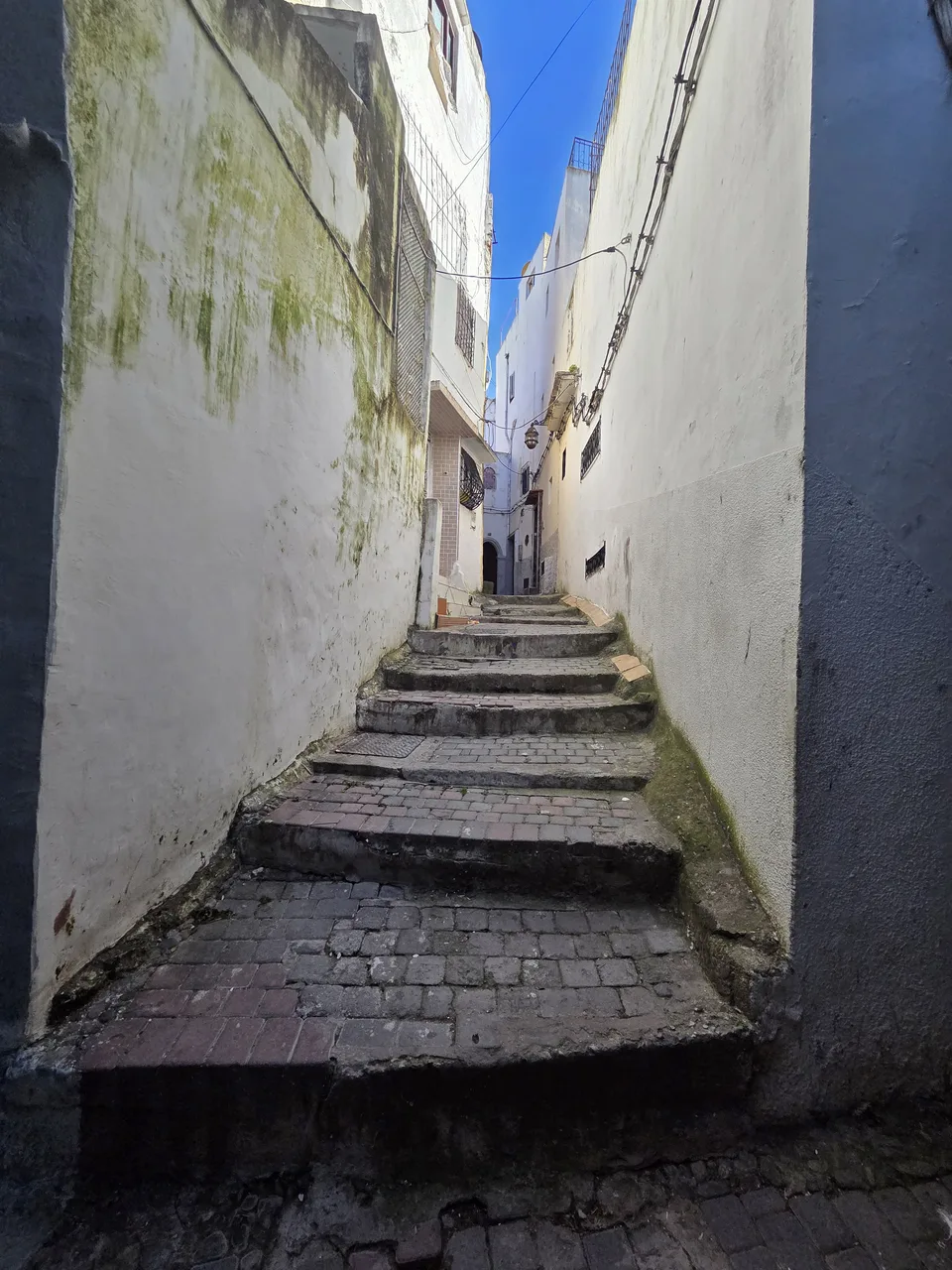
Give the souks time without turning every stop into a purchase
The tourist office's Tangier shopping information points to the Grand Socco and Petit Socco and the trading streets of the medina. Produce and craftwork are part of the appeal, from olives and figs to leather goods. A market walk can be a worthwhile part of the day even when shopping is not its main purpose.
For something you do want to buy, establish the material, size, condition and final price before agreeing. Ask about delivery, packaging and any export requirements relevant to the object. A carpet or fragile item needs a different plan from a small souvenir carried in your luggage. Keep a receipt and avoid letting an assertion about a special discount substitute for a clear description of the goods.
Make time for a café stop where it suits the route. Choose from the current menu and ask what is included rather than assuming every drink comes with food or every terrace has the same pricing. The surroundings may be a reason to linger, but they do not establish that a particular café is the right choice for everybody.
Allow a separate outing for Cap Spartel
The Cap Spartel visitor site's own description places the cape west of Tangier and distinguishes a lighthouse climb, maritime museum and gardens. These offer a different outing from an old-city museum walk. Arrange both directions of the journey before going, particularly if you intend to stay until late in the day. A one-way drop-off is not the same service as a driver waiting for you.
The published admission page lists MAD50 for foreign visitors over six for the museum, park and lighthouse combination. Reconfirm the package and access on your date. The lighthouse experience includes a spiral staircase, so ask what can be visited without the climb if that affects your party. Do not assume the site's long overall opening hours guarantee every part is accessible throughout the evening.
If you want a meal during the excursion, consult the site's current restaurant information before reserving. The operator describes Moroccan dishes, mint tea and breakfast options. That is an available service, not an independent endorsement of a restaurant or a promise of a particular menu price. Decide whether to eat there or return to the city based on the actual timing and cost of the outing.
Budget in dirhams and count the whole outing
The Moroccan dirham is written MAD or DH. Keep the working budget in that currency and convert only when comparing it with money in your home account. Check bank and card charges with your own provider; an estimated conversion on a travel page does not establish the amount that will reach your statement.
Use the dated museum admission examples above to build your own plan, then add transport and food. A free cultural stop can balance a day with paid entries, but it is only useful if it is open and fits the route. Avoid buying an excursion because the number of advertised stops sounds impressive. Count the places where you would actually spend time and the services included in the quotation.
For meals, compare an actual menu with the order you expect to make, including drinks. If a dish is priced by weight or described as sharing food, clarify the portion and total before ordering. For a longer stay, include groceries, laundry, communications and regular transport separately from sightseeing. No unsupported citywide average rent or daily meal allowance is quoted here.
Choose dates around the activities you value
Tangier's coastal setting should shape the packing and the itinerary. The national tourist office's climate overview explains Morocco's contrasting maritime, mountain and inland influences; weather advice for the Sahara or Agadir should not be applied automatically to Tangier. Check local forecasts before deciding on a long outdoor outing, and carry an extra layer when spending time by the water.
Consult Morocco's meteorological service for current information rather than treating a seasonal photograph as a forecast. A museum-led visit gives more indoor flexibility than a trip built around the coast. If travelling principally for time outside, compare the forecast and daylight available on your chosen dates and keep an indoor alternative. Check holiday and Ramadan arrangements with the places you intend to visit, since normal opening information may need confirmation for those periods.
A three-day first visit with clear priorities
Use day one to settle in and explore the medina at a manageable pace. Choose the American Legation as the main interior visit, with a meal and time around the Soccos. Keep the arrival day lighter if ferry formalities or a delayed flight have taken longer than expected. There is no benefit in paying for a distant timed activity you cannot comfortably reach.
On day two, give the kasbah and its museum a substantial part of the day, checking the Tuesday closure before fixing the order. Choose one of the smaller cultural sites if you still want another visit, rather than trying to cover every museum. Add a waterfront walk according to the weather and the energy of the party.
Use day three for Cap Spartel if the outdoor excursion is a priority, or for a slower city day before onward travel. Protect the transfer and check-in required by your actual flight, train or ship. This is an editorial suggestion rather than a timed tour: move the days around opening patterns, transport and the interests of the people travelling. With only two days, choose the city visits or the excursion instead of compressing all three days into two.
Test the working week before choosing a home
For relocation, explore the journey between the proposed address and the actual workplace or campus. Test it at the time you would travel, including the walk to public transport and the return. A visitor's room selected for atmosphere may be a poor household base when groceries, school runs and appointments become regular commitments.
Inspect a rental and establish the owner's or agent's authority before transferring money. Read the agreement, inventory, deposit conditions and notice terms with appropriate local advice where needed. Ask what the rent includes and who pays for electricity, water, internet, maintenance and any common charges. Do not assume that an extended holiday booking becomes a permanent tenancy on the same conditions.
Check the actual unit's ventilation, heating or cooling, cooking facilities and laundry. Test mobile reception and available internet inside the room where you expect to work. For children, obtain current school-admission information for the address and institution being considered. The practical evidence is the service you can arrange for your household, not a general claim that the city has schools or fast internet.
Set up services before the first busy week
Amendis' customer information covers water, electricity, account management and payments. Ask which account serves the proposed home and establish responsibility for opening, transferring or closing it. Confirm any provider changes affecting the address directly; regional service arrangements and an older landlord's instructions need not remain identical indefinitely.
Make a separate healthcare plan before moving. Establish insurance cover, how routine appointments will be obtained and how ongoing prescriptions or treatment will continue with an appropriate provider. A property contract does not establish medical coverage. Keep the documents and contact details needed to use the policy accessible, and confirm any waiting periods or exclusions with the insurer rather than assuming that a tourist policy covers a permanent move.
Separate a visit from permission to work or settle
Begin with Accès Maroc's official eligibility checker, using your nationality, passport, residence and other relevant documents. The result for one traveller should not be copied to another member of the party without checking their circumstances. A ferry reservation or hotel confirmation does not replace an entry document where one is required.
The tourist office's official formalities guidance describes a maximum tourist trip of ninety days and directs visitors to the government entry portal. Confirm the stay actually authorised for your circumstances and ask the competent authorities about any extension before your permission expires. An extension request should not be treated as automatic approval or as permission to begin a job.
Work, study and permanent relocation require separate checks with the Moroccan authorities and the relevant employer or institution. Establish the appropriate visa, residence and any work authorisation before arranging a start date. Buying a property or finding a room does not itself demonstrate eligibility. Use official instructions for your category and seek individual advice when the documents or circumstances are complicated.
Make the airport transfer specific to your address
Check ONDA's Tangier Ibn Battouta airport information against the airport named on your flight booking. Arrange the onward journey to the exact property entrance and confirm how the driver or host will contact you if the flight is late. If staying within the medina, ask where collection ends and how the final walk will be managed with luggage.
For the return, work backwards from the airline's check-in instructions and allow for the actual transport arrangement. An estimated driving time should not become the entire margin before departure. Keep the transfer quotation, meeting point and accommodation address available offline, and establish a backup if the planned service does not match your arrival time.
Consider another base for the next part of Morocco
Use VisaWand's Tétouan destination page and Asilah destination page to explore other northern locations. Compare the actual onward service and the final transfer before adding an excursion. A place worth considering for another stay need not be an efficient addition to a short Tangier visit.
For country-level context, consult VisaWand's Morocco guide and the Morocco destination page. The Moroccan city directory provides more location options, while the consultant directory helps identify individual professional advice. Directory pages list places or services; check the editorial content available rather than assuming every location already has a completed travel guide. For a longer itinerary, fewer bases with enough time in each often make the practical arrangements easier to assess.
Official planning resources
Reviewed 17 October 2026. Use the official resources linked throughout this guide for admission, transport, housing and immigration decisions. Prices, services and rules can change; confirm the details relevant to your dates. Photography illustrates the locations and is not a live view.
View all official resources
- tourism
- Balearia port boarding guidance
- American Legation visitor information
- American Legation history
- Kasbah Museum of Mediterranean Cultures
- Municipal port cultural sites
- Tangier urban network changes
- rail
- ONCF official train bookings
- Tangier souks and crafts
- Cap Spartel visitor information
- Cap Spartel opening and admission
- Moroccan tourism climate overview
- Morocco meteorological service
- Amendis customer services
- Official Morocco entry eligibility
- Moroccan tourism entry formalities
- airport
- SoPhare published restaurant menu
Plan the next part of your journey
Explore the Morocco guide, browse other cities or compare consultants for your travel and relocation questions.