Visa
Oaxaca City rewards a focused stay
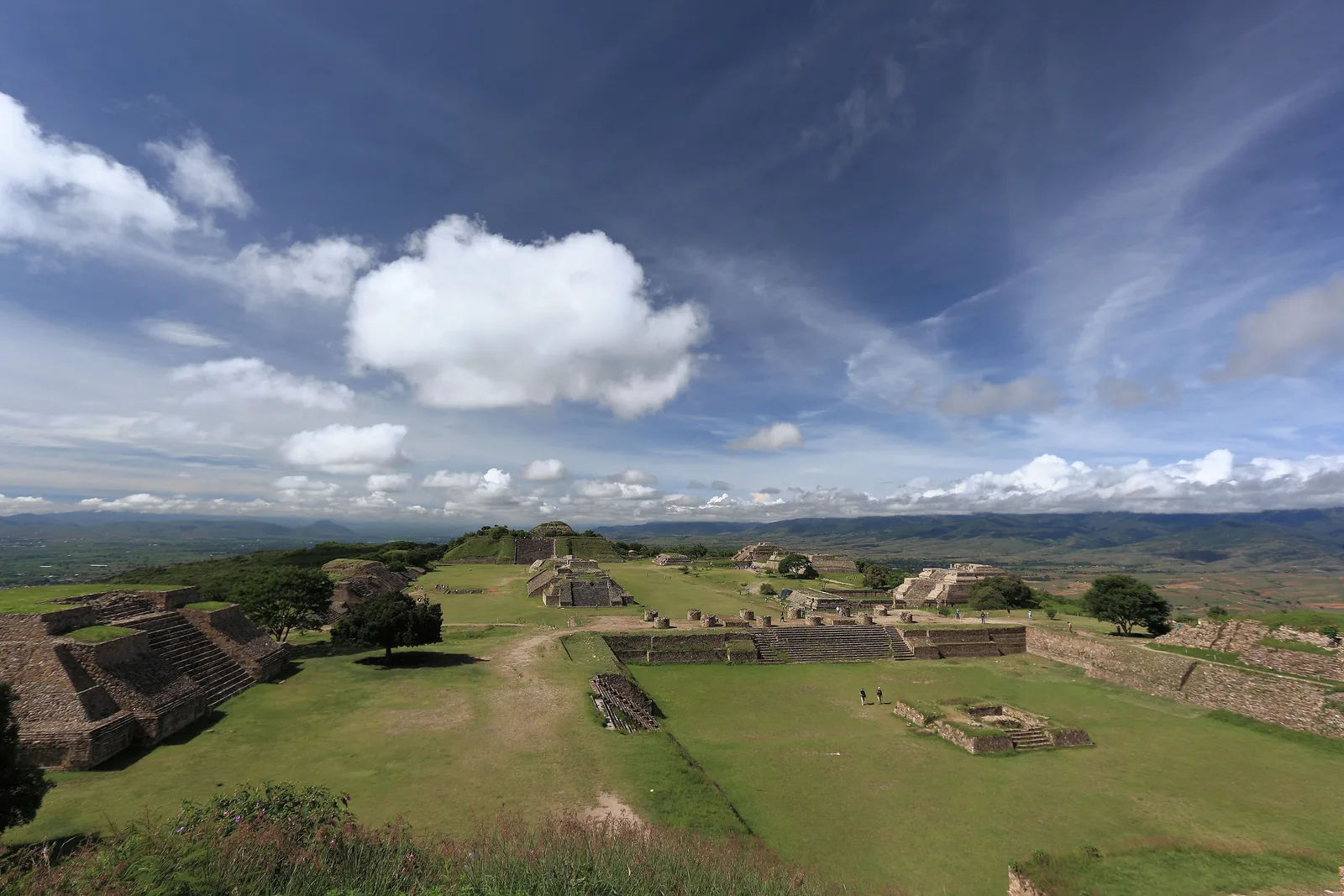
Oaxaca City makes its strongest impression through the connections between things: a museum textile and a working loom, an archaeological terrace and the valley below, a market breakfast and the ingredients sold nearby. Come for several days rather than an evening between flights. There is enough substance here for a trip built around food, history and craft without turning every meal into a scheduled experience.
This is Oaxaca de Juárez, the inland capital of Oaxaca state. It is not a beach resort, and the state's coastal destinations require their own transport planning. The location record identifies the state capital at approximately 17.06025° north, 96.72544° west; similarly named settlements elsewhere in Mexico are different places. Use the VisaWand Mexico destination directory to put the city within a wider journey.
For a first visit, allow three full days: one for the historic centre, one for Monte Albán and one for a neighbourhood or valley excursion. Four or five days give museums, meals and workshops room to breathe. For a longer stay, the deciding questions become less picturesque: water storage, street noise, internet inside the actual apartment and the journey to wherever you need to be each morning.
Read the city and the valley together
UNESCO's Historic Centre of Oaxaca and Archaeological Site of Monte Albán record brings together two distinct places, inscribed in 1987. Monte Albán was a Zapotec capital between roughly 500 BC and AD 850. The colonial city below follows a grid, with substantial walls and architecture shaped partly by earthquake conditions. Understanding that separation prevents a common planning mistake: the hilltop archaeological site is not another stop on a central walking circuit.
The centre's green quarry stone gives many buildings their particular colour and weight. Yet a visit limited to façades misses the contemporary city: markets still provision households, neighbourhood churches remain places of worship, and regional craft is both cultural expression and paid work. The state tourism introduction to Oaxaca City provides a useful starting orientation, especially when choosing which local traditions deserve more time.
Treat cultural encounters as ordinary human exchanges. Ask before photographing a stallholder or a family celebration, agree what a demonstration includes, and pay for a workshop rather than assuming observation is free. These choices also make the experience more informative: specific questions about materials and methods reveal more than collecting photographs of finished objects.
Choose a neighbourhood around your daily route
Centro suits visitors who want museums, meals and evening walks within one central area. Plot your accommodation against Santo Domingo and the Zócalo rather than accepting a listing's broad claim to be central. A room several blocks from your main interests may work well; an attractive address can still involve inconvenient steps, traffic crossings or a noisy frontage. Check the final approach with luggage.
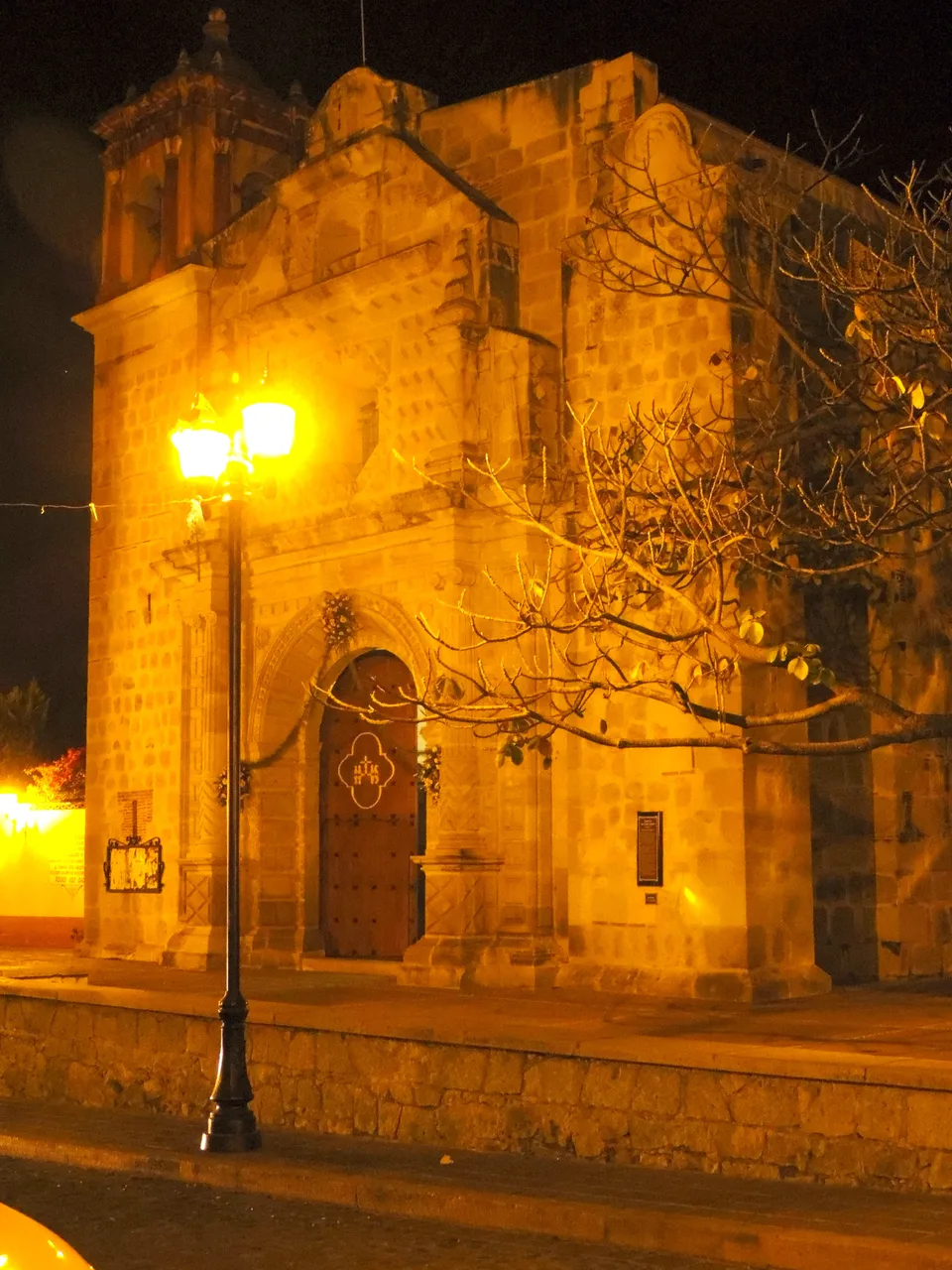
San Matías Jalatlaco offers a different setting for a deliberate neighbourhood walk. The government's Jalatlaco neighbourhood account describes its cobbled streets, adobe and quarry-stone buildings, former leatherworking and church dedicated to San Matías. Its Barrio Mágico designation dates from 2023. Walk slowly enough to notice residential entrances as well as decorated façades, and keep your route considerate of people living there.
Xochimilco is another area to investigate when comparing accommodation or extending a central walk. Its name should not be confused with Mexico City's district. A 2026 state account of Oaxaca's Xochimilco explains that the former municipality joined Oaxaca de Juárez as a neighbourhood in 1926. That anniversary concerns administrative incorporation, not the beginning of its history. Neither neighbourhood's cultural reputation guarantees quiet rooms or a suitable commute: assess the particular street.
Give Santo Domingo and its museum separate time
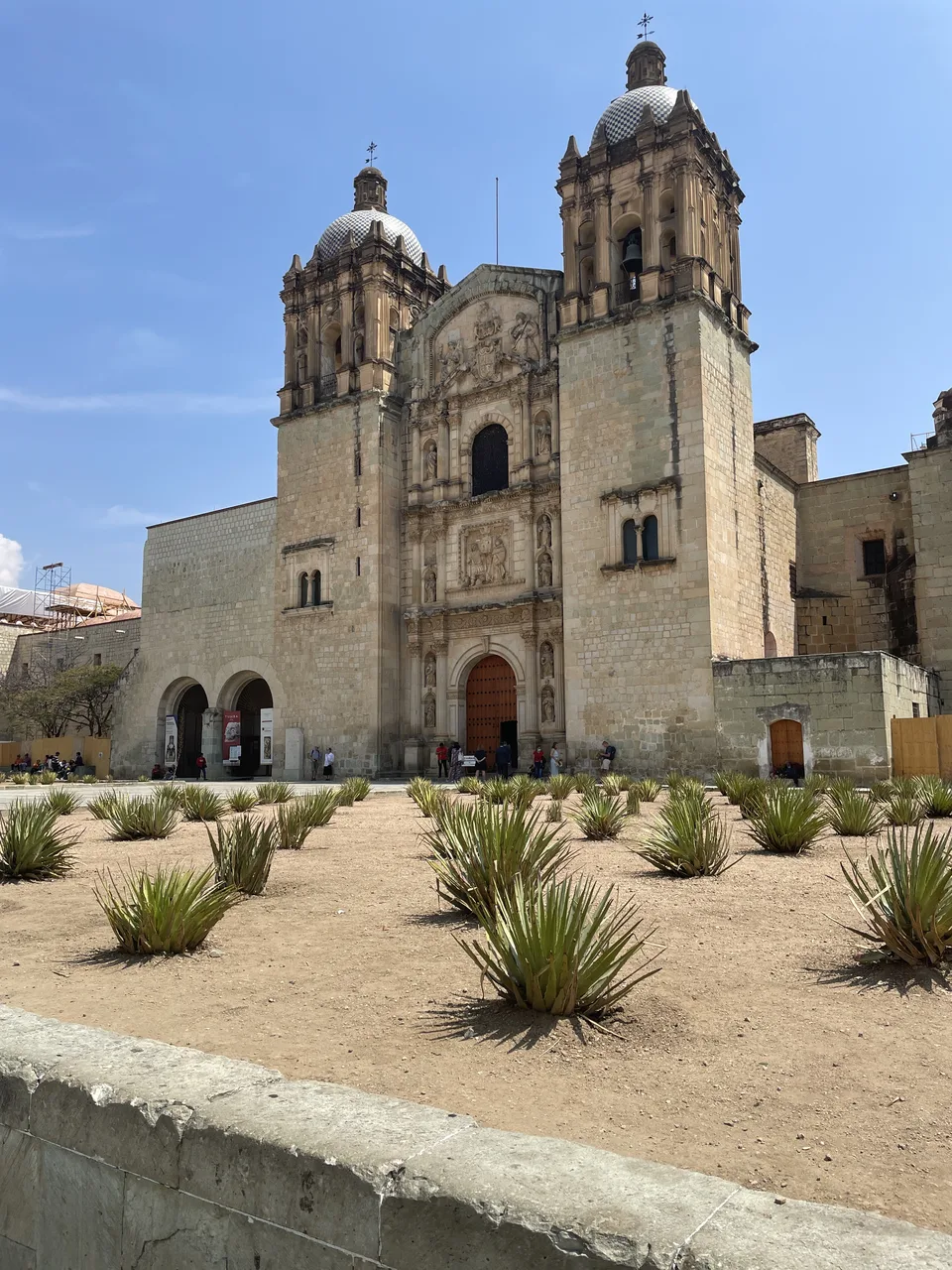
The church of Santo Domingo and the adjoining museum deserve separate attention. Begin outside, where the stonework and surrounding streets establish the scale of the complex, then decide how much museum time your interests justify. A photograph of the church is not a substitute for exploring the historical material in the former convent, and access to one part does not establish opening arrangements for another.
The Museo de las Culturas de Oaxaca visitor listing describes archaeological, historical and ethnographic collections, including material associated with Monte Albán's Tomb 7. The published schedule is Tuesday to Sunday, 09:00–17:00. Listed general admission is MXN210; the national and qualifying resident rate is MXN105 with the required original identification. Check the current visitor panel and which galleries are accessible before making a particular object the sole reason for your visit.
Sunday exemptions have eligibility conditions; foreign tourists should not assume that everyone enters free. Build museum time into a morning or afternoon rather than the last few minutes before closing. Travellers who need step-free access should request details for the exact route, including entrances, toilets and any changes of level, rather than relying on a general accessibility symbol.
Check the garden before arranging your day
The garden beside the Santo Domingo complex offers a way to consider Oaxaca through plants and their relationships with communities. Its own Jardín Etnobiológico de Oaxaca website explains the biocultural purpose and collections. This is a particularly useful counterpoint to buying a finished textile or tasting a regional ingredient: the landscape and its uses become part of the same conversation.
Tour arrangements need extra care. Published official visitor pages give conflicting schedules, and the garden's current tour notice directs tourist and school visit enquiries to the OCCE managing-office portal following organisational changes in 2025. Office hours are not a confirmed garden tour timetable. Ask about the date, language, duration, price and booking method before committing another reservation around it.
If a suitable visit is unavailable, substitute the textile museum or a slower neighbourhood walk. This keeps the day useful without depending on an unconfirmed admission arrangement. Groups should clarify their size and purpose when enquiring; individual visitors should avoid assuming that they can join an organised group on arrival.
Visit Monte Albán with transport and weather in mind
Monte Albán changes the scale of a city break. Its plazas and stone platforms sit above the valley, so plan a dedicated outing with an agreed return journey. A guide can help explain the relationship between buildings, spaces and successive periods, but confirm the language, group size, meeting point and what the quoted charge includes. Transport and interpretation are separate services unless explicitly bundled.
The INAH Monte Albán visitor page lists daily opening from 08:00 to 17:00, with last entry at 16:00. Published admission is MXN105 for Mexican nationals and MXN210 for foreign visitors. The site is in Santa Cruz Xoxocotlán, outside the central walking area. Recheck these details before travelling; a late arrival leaves little time to understand an extensive archaeological landscape.
Carry sun protection and drinking water, and use footwear suited to uneven ground. The operator prohibits food, pets and smoking. Do not read the site's accessibility designation as a promise that every platform is step-free: ask about a realistic route if stairs or sustained walking are difficult. Keep the afternoon flexible after returning, particularly when travelling with children or anyone who needs recovery time between outings.
Use the textile museum to sharpen your eye
The Museo Textil de Oaxaca visitor page lists free admission at Hidalgo 917 in Centro. Its published hours are Monday to Friday 10:00–20:00, Saturday 11:00–20:00 and Sunday 11:00–18:00. That makes it a useful Monday option when the Santo Domingo museum is closed. Check the exhibition programme before visiting rather than assuming any particular piece will be on display.
Look at structure as well as decoration: how a surface is woven, where a repeated pattern changes and how material affects the result. You do not need specialist knowledge to leave with better questions for a workshop visit. Observe the museum's restrictions on touching textiles, flash and tripods, and keep food outside the galleries.
This is also a practical stop before shopping. Decide whether you want an everyday item, a substantial rug or a piece whose production you can discuss with its maker. Ask about fibre, technique, colourfastness, care and shipping. A clear explanation and receipt are more useful than an unsupported claim that something is the finest or most authentic in the city.
Eat through the markets without rushing
Oaxaca's food warrants several meals with different purposes. The Culture Secretariat's regional food record identifies tlayudas, moles, tamales, quesillo, chapulines and tejate among its traditions. Treat these as starting points, not a compulsory tasting checklist. Choose a modest number of dishes, ask what is being prepared and leave enough appetite to compare another version later.
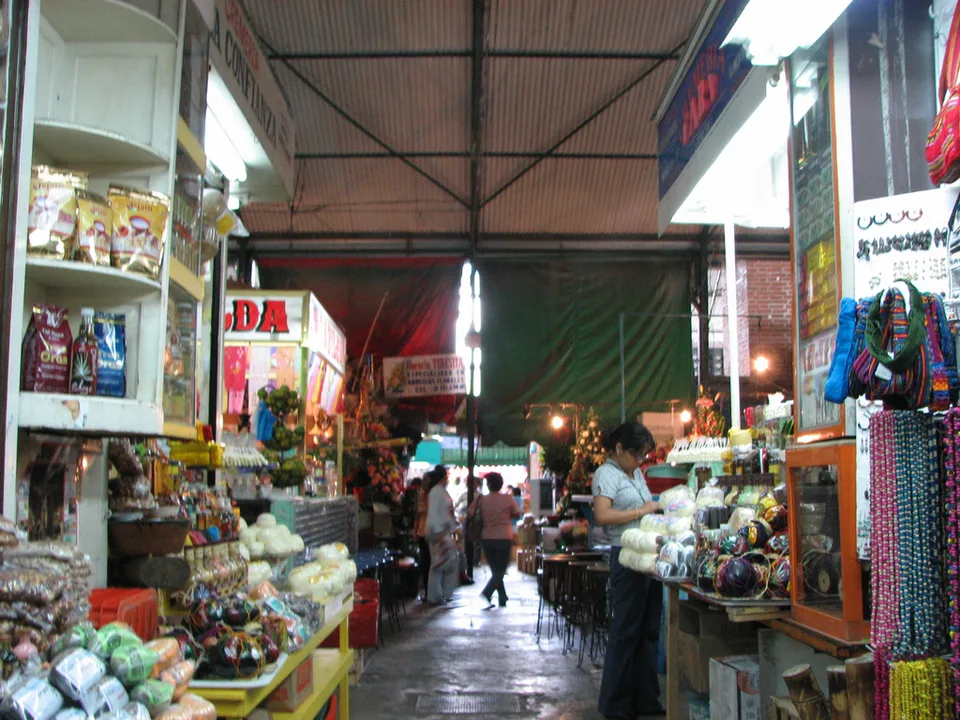
The official Mercado 20 de Noviembre introduction highlights grilled meats in the pasillo del humo, along with chocolate, bread and other regional foods. Clarify quantities and the total before ordering; accompaniments and drinks may be separate. Smoke is part of the grilled-meat setting, so travellers sensitive to it should assess conditions before sitting down and choose another dining area if necessary.
Vegetarian and allergy requirements deserve precise questions. Ask about animal fats, stock, nuts and other relevant ingredients rather than relying on the absence of visible meat. For food gifts, check packaging and your destination's import rules before buying. Keep small cash denominations for purchases, retain a separate transport reserve and compare posted prices instead of assuming every market meal will fit the same budget.
Find accommodation that works after dark
Choose accommodation by the room rather than the most persuasive photograph of a courtyard. In Centro, check whether windows face a street, bar, shared terrace or internal passage. Ask about evening events and the latest check-in time. A beautiful common area does not establish whether the bedroom is quiet, well ventilated or comfortable when you need to sleep.
A hotel or guesthouse with a staffed reception can simplify an unfamiliar arrival. A hostel may suit travellers who value shared space, while an apartment can make sense for cooking, laundry and a longer stay. Confirm those facilities explicitly: a kitchenette may lack equipment, and a washing-machine photograph does not establish that its use is included.
Before paying, obtain the complete price for your dates, including taxes, cleaning charges, deposits and cancellation conditions. For limited mobility, request photographs or measurements of the entrance and bathroom, and confirm which floor your room occupies. Keep the first booking flexible if you are investigating relocation; choosing a neighbourhood after several ordinary days is more reliable than committing to a long lease from abroad.
For an early Monte Albán departure, check whether breakfast starts in time or whether you should make another arrangement. If your flight leaves well after checkout, ask about luggage storage and access to a bathroom before returning to the airport. Travelling companions with different interests should each be able to return independently, so save the address and reception contact on both phones. These small arrangements affect how much usable time a stay provides, especially on a short visit where losing half a day to luggage or an awkward handover changes the itinerary.
Arrange arrivals and local journeys deliberately
Start airport planning with ASUR's Oaxaca airport ground-transport information, which links to taxi and car-rental options. Its airport taxi listing provides operator contact information but does not establish a reliable published fare for this guide. Request a quote for your exact address, passenger count and luggage, and confirm the payment method and meeting point. Do not budget around an unverified airport bus or app pickup arrangement.
For an intercity coach journey, use the operator's booking system for your actual date and confirm the arrival terminal before arranging collection. A connection that appears geographically straightforward can still consume much of a day. If arriving late, send your accommodation the expected arrival time and keep its address available offline in Spanish.
The state transport portal now presents BinniBus public transport information. A September 2026 route announcement states MXN10 cash or MXN8 with a general BinniBus card. Its operating hours concern the named route, not the whole network. Check the service serving your accommodation and destination, the final return departure and how to obtain or recharge a card before depending on it for a commute.
Budget from confirmed costs
Build a daily budget from four separate amounts: accommodation, meals, local journeys and activities. Then add any valley transport or guided workshop as its own item. This makes it easier to see whether an apparently inexpensive room creates additional taxi costs, or whether several paid outings leave too little room for the meals you particularly want.
For a foreign visitor paying standard admission, Monte Albán and the Santo Domingo museum currently total MXN420 in entrance charges. That calculation excludes transport, guiding and any other service; it is not a package price. The textile museum offers a free cultural stop, while an unconfirmed garden visit should remain an allowance until its current arrangements are established.
Room rates and restaurant bills depend heavily on dates and choices, so there is no defensible single daily price for every visitor. Collect a few bookable accommodation quotes and actual menus before setting your limit. For a longer stay, compare the monthly total after utilities, internet, laundry and transport rather than multiplying a short holiday's spending by thirty.
Choose seasons around your priorities
Oaxaca City's inland weather should not be inferred from a forecast for the state's coast. INEGI's geographical climate study places Oaxaca de Juárez within a semidry, relatively warm climate with summer rainfall. Its historical station figures describe a climatic pattern, not the conditions for your travel week. Use a current city forecast before departure and again before an exposed archaeological outing.
Summer rain makes flexibility valuable: put the most weather-dependent visit in a suitable morning window and retain an indoor alternative. Carry a light extra layer for changing conditions, sun protection and footwear that can cope with wet paving. Neither a dry-season booking nor a favourable forecast guarantees uninterrupted sunshine.
July's Guelaguetza, Day of the Dead and the Night of the Radishes on 23 December are reasons some visitors choose particular dates. Book around the event you actually intend to attend, checking the current programme, ticket conditions and transport arrangements. Community observances are not unrestricted visitor attractions; ask about access and photography rather than assuming a published festival period grants entry everywhere.
A realistic three-day introduction
On day one, orient yourself between the Zócalo and Santo Domingo, allowing time for the church surroundings and the museum. Have one unhurried meal rather than several consecutive tastings. If it is Monday, move the museum to another day and use the textile museum instead. Keep the evening near your accommodation while you learn the street layout and your return route.
Dedicate day two to Monte Albán with transport arranged in both directions. Return for lunch and a rest, then take a shorter Jalatlaco walk if energy permits. Avoid attaching a distant workshop excursion merely because the map makes both places look close to Oaxaca. Travel, explanations and meals all require time that a list of attractions does not show.
Use day three for the textile museum and a focused shopping visit, or replace that combination with Teotitlán del Valle if weaving is your main interest. A confirmed garden tour can fit into the central day, subject to its actual schedule. With only two days, retain the historic centre and Monte Albán, then choose one market meal instead of trying to compress the entire itinerary.
Test the practicalities before moving
Trial a normal working week before deciding where to live. Make the journey to your workplace, school or regular appointment at the time you will actually travel, and test the return after dark. Check nearby groceries, laundry, pharmacy access and delivery instructions. The neighbourhood that works beautifully for a walking holiday may not suit repeated journeys across the city.
Inspect a prospective home for water storage, pump operation, hot water, ventilation, damp and secure access. Ask who pays for maintenance and any supplementary supply. The SOAPA water-service portal provides billing, ownership-change and leak-report services; the existence of a connection does not tell you how an individual building manages storage. Ask for recent bills and written responsibility for outstanding charges.
Test internet from the room where you will work, including a video call if that matters. Establish electricity, gas and internet billing arrangements, deposit-return conditions and a documented inventory before signing. Families should confirm school availability and admission requirements directly. Check healthcare access and insurance for your own circumstances rather than assuming that a visitor's policy covers residence, routine treatment or every planned activity.
Keep tourism, study and residence distinct
Mexico's official visitor-visa information describes visits without remunerated activities for up to 180 days. Whether you need a visa depends on your circumstances; check the current nationality and exemption rules. A maximum period is not a reason to assume every arrival receives the same authorised stay. Keep your entry record and comply with the period actually granted.
The Mexican visa portal's official questions and answers separates study, employment and residence. Employment-offer visa applications require the sponsoring party to approach INM. Study applications involve an appropriate institutional acceptance and supporting evidence. Ask the responsible authority about your precise course or work arrangement, including remote work, before relying on visitor status.
The official visa guidelines distinguish temporary residence, student residence and permanent residence, with separate eligibility requirements. Temporary residence covers stays longer than 180 days and up to four years; it does not automatically authorise every form of work. Use the official Mexican consulate directory to identify the office handling your application, and VisaWand's consultant listings to compare professional help where useful. Confirm credentials, scope and fees before engaging anyone.
Give nearby places a clear purpose
For a valley excursion, Teotitlán del Valle's official visitor information identifies family wool-weaving workshops and a craft market. Arrange a visit around the process you want to understand, agreeing demonstration or lesson terms and transport home. Buying a rug is a different commitment from watching weaving: discuss dimensions, materials, care, shipping costs and any import responsibilities before paying.
Keep broader alternatives separate from day trips. VisaWand's Mexico City guide helps compare a larger urban stay, while the Mexico destination page supports wider planning. Oaxaca City's strength is the opportunity to connect a manageable central visit with particular valley interests. Choose those interests deliberately and the trip becomes more useful than a race through every place carrying the Oaxaca name.
Official planning resources
Reviewed 16 October 2026. Use the official resources linked throughout this guide for admission, transport, housing and immigration decisions. Prices, services and rules can change; confirm the details relevant to your dates. Photography illustrates the locations and is not a live view.
View all official resources
- UNESCO Oaxaca and Monte Albán World Heritage record
- Oaxaca state tourism city overview
- Federal culture registry: Museo de las Culturas de Oaxaca
- Garden official institutional website
- Garden tour-management notice
- INAH Monte Albán visitor information
- Museo Textil de Oaxaca visitor information
- Mexico Culture Secretariat Oaxacan food record
- Oaxaca tourism Mercado20deNoviembre
- ASUR Oaxaca ground transport
- ASUR Oaxaca airport taxi listing
- INEGI Oaxaca geographical climate study
- Mexico official visitor visas
- Mexico official visa questions and answers
- Mexico official visa guidelines
- Official Mexican consulate directory
- Oaxaca tourism Teotitlan del Valle
Plan the next part of your journey
Explore the Mexico guide, browse other cities or compare consultants for your travel and relocation questions.