Visa
Start with the kind of Sabah trip you want
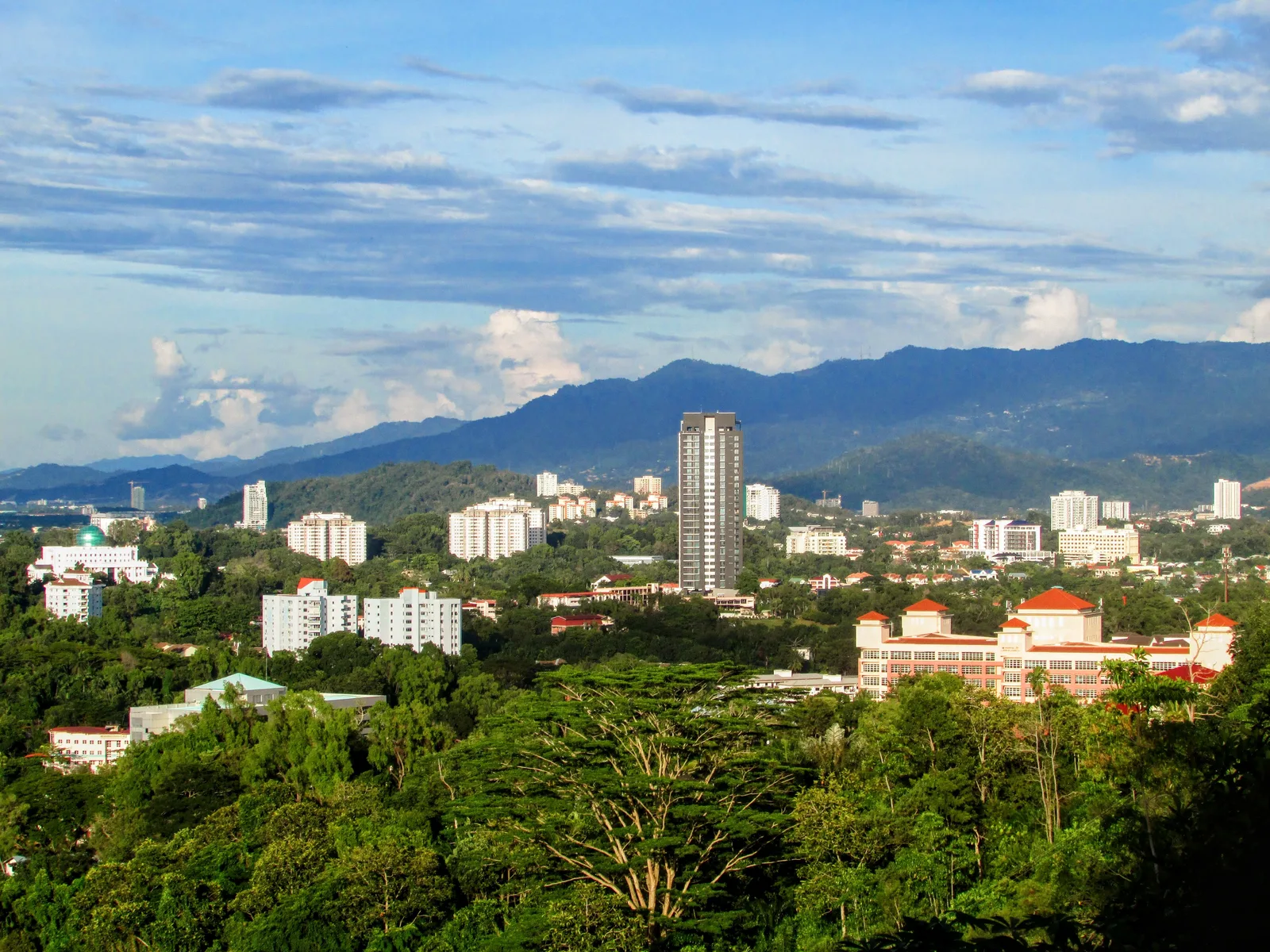
Kota Kinabalu makes an appealing base because a city break and a coastal holiday can share the same address. Markets, museums and waterfront dinners sit within reach of boats to offshore islands. Yet KK, as the capital is commonly called, is also a working city: traffic, shopping centres, schools and practical errands matter as much as sunset photographs if you are considering a longer stay.
Three full days suit an introduction to the centre and one island outing. Add time for the surrounding countryside or a mountain excursion. Mount Kinabalu climbing requires separate planning; it is not another attraction to fit casually between breakfast and a flight. Use VisaWand’s Malaysia country guide for national context, then check the Sabah-specific arrangements relevant to your trip.
Understand Jesselton without expecting an intact old town
Kota Kinabalu’s earlier name, Jesselton, remains visible in local place names and tourism businesses. The state tourism ministry’s account of the Jesselton name connects it to Charles James Jessel of the British North Borneo Company and records the change to Kota Kinabalu in 1967. This history helps interpret a modern city rather than promising a continuous preserved colonial quarter.
The tourism board’s heritage-walk description points to the Atkinson Clock Tower, Sabah Tourism Building and other monuments. Choose a guided walk if you want their relationships explained, confirming the actual route, accessibility and inclusions before booking. A useful historical visit also recognises that Sabah’s Indigenous communities and contemporary residents have histories extending well beyond the colonial names most readily visible on a visitor map.
Choose a base around your daily journeys
The central waterfront and Gaya Street area suit a first visit focused on markets, meals and departures for island trips. An address around Sembulan or the Imago area may suit different shopping, accommodation and transport priorities. Tanjung Aru works when coastal evenings or a resort stay are central to the plan, while Likas is another area to investigate for particular attractions or appointments.
Compare actual map pins, not a broad “Kota Kinabalu” label. For a move, extend the search towards places such as Penampang or Putatan only after testing the commute you would really make. These are distinct neighbourhood and surrounding-area choices, not interchangeable versions of the waterfront. VisaWand’s Malaysia location directory lists other destinations; check individual pages for the guide content available.
Match accommodation to a city or resort routine
A central hotel or guesthouse reduces the number of rides needed for meals and city outings. A resort can make sense when you intend to spend substantial time using its grounds and facilities. Neither arrangement automatically serves both purposes equally well. Check the walking route to dinner, the boat-departure point and any shuttle timetable before comparing headline room rates.
For apartment stays, ask about a usable kitchen, laundry, reception hours, cleaning and the complete electricity or service charges. Confirm taxes, deposits, cancellation conditions and airport collection in writing. Families should check sleeping arrangements and pool supervision; travellers with limited mobility should request details of entrances, lifts and bathrooms. A sea-view photograph tells you little about whether everyday access will work for the people travelling with you.
Check which museum spaces are actually available
The Sabah Museum website lists the complex’s general hours as 09:00–17:00 daily, with admission of RM2 for Malaysian visitors and RM15 for non-Malaysians. However, it also continues to display a main-building gallery closure notice beginning on 2 September 2024, with reopening to be announced. General opening hours should not be interpreted as proof that every gallery has reopened.
That notice identifies the Islamic Civilisation Museum, Locomotive Gallery and Heritage Village Phase 1 as continuing to operate at the time of the closure. Ask the museum what is currently accessible before travelling specifically for a collection. A separate August 2026 notice suspends the weekend Living Heritage Interpretation Programme until further notice. Confirm access and programming together, especially if demonstrations rather than buildings are the main reason for your visit.
Visit the City Mosque with the correct expectations
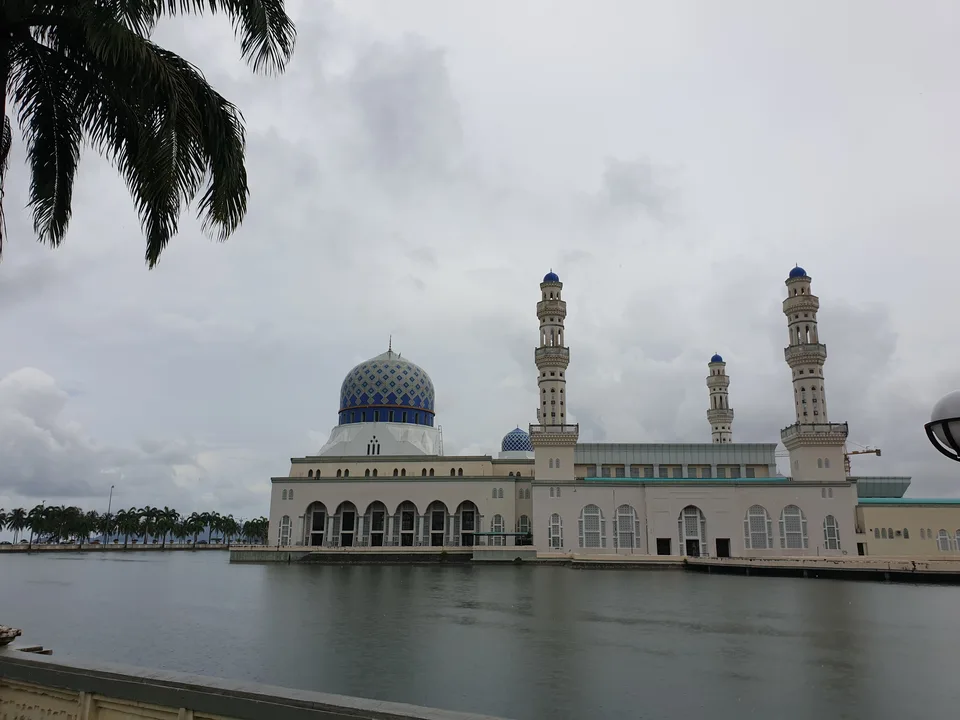
The Kota Kinabalu City Mosque visitor information describes the white mosque and surrounding artificial lagoon at Likas. It is a place of worship with a managed visitor programme, not an unrestricted photographic location. Visitors must register, dress modestly and follow instructions about permitted areas and behaviour, including outside the prayer hall.
The tourism board lists RM5 admission and separate coverall rental of RM5–RM10, with visits closed on Friday. Published sessions on other days are 08:00–12:00, 14:00–15:30 and 16:00–17:00, subject to change. Check again around religious events and prayer requirements. Do not confuse the City Mosque with the Sabah State Mosque: they are different buildings, so confirm the name and entrance with your driver before departure.
Plan one satisfying island day before adding more stops
Tunku Abdul Rahman Park protects five islands and their surrounding waters off KK: Gaya, Manukan, Mamutik, Sapi and Sulug. The official park description identifies Manukan as the second-largest and most developed, while Gaya is the largest. Choose the landing and facilities that match your group rather than assuming an island-hopping package makes every shore equally accessible.
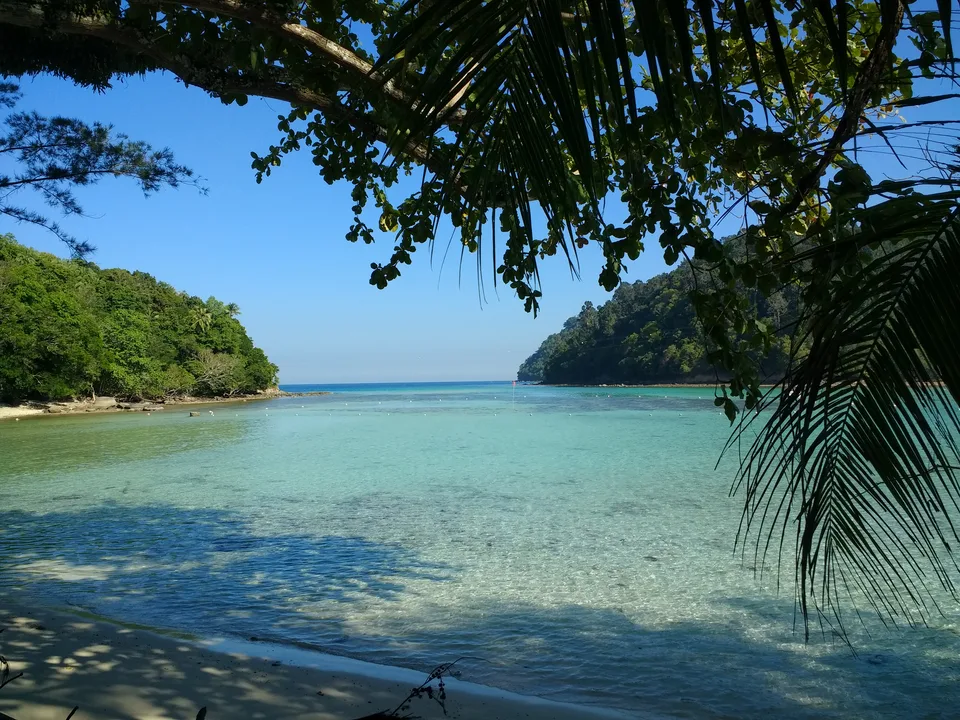
One well-chosen island gives time for a beach, a permitted walk or snorkelling without repeated packing and boarding. Ask about toilets, shade, food, equipment and the route between the jetty and the place you will spend the day. Non-swimmers and young children need a plan that does not depend on everyone joining the same water activity. The accompanying Sapi photograph is historical scenery, not a report of today’s water conditions.
Separate park admission from the boat quotation
Sabah Parks lists daily entrance fees of RM25 for international adults, with RM20 categories for international visitors aged 17 and below or 60 and above. Malaysian adult admission is RM8, with different child and concession categories. Confirm the applicable category with proof of age where relevant. Boat transport, equipment and organised activities require separate checking rather than being assumed included in that park fee.
The tourism board’s transport information now identifies Jesselton Point South Jetty beside Jesselton Quay, and DBKK Jetty behind Suria Sabah, as city departure points. Confirm the precise jetty on your booking. Get the return time, island order, total charges and weather-cancellation terms in writing. Allow space between your boat return and an important onward departure; a published park closing time does not guarantee a particular sailing.
The Sabah Tourism helpdesk FAQ directs visitors to MOTAC to verify travel-agency licensing and explains that the tourism board does not regulate private operators itself. Check the company taking your payment against the booking documents, especially where an intermediary arranges the boat or activity. Keep its contact details accessible throughout the outing.
Let sea conditions determine the day’s water activities
Check METMalaysia’s Western Sabah and Labuan marine forecast before departure, then follow the park and boat operator’s decisions. A bright morning or a short crossing does not establish safe conditions for every activity. Ask how changing weather affects collection times and what happens if the planned landing cannot be used.
Wear an appropriate life jacket during the crossing and obtain a clear briefing before entering the water. Stay within permitted swimming or snorkelling areas, avoid touching coral and do not feed wildlife. Ask about supervision, equipment fit and your insurer’s cover for the activity you actually book. For diving, confirm the operator’s requirements and all charges directly; do not treat a general island ticket as permission, qualification or an inclusive diving package.
Keep Tanjung Aru flexible around the weather
Tanjung Aru Beach is a place for a coastal walk, food-stall snacks and watching evening light develop over the sea. The tourism board also points to nearby Perdana Park and the state library. Give yourself enough time to reach the beach comfortably rather than racing across town for a supposedly guaranteed sunset.
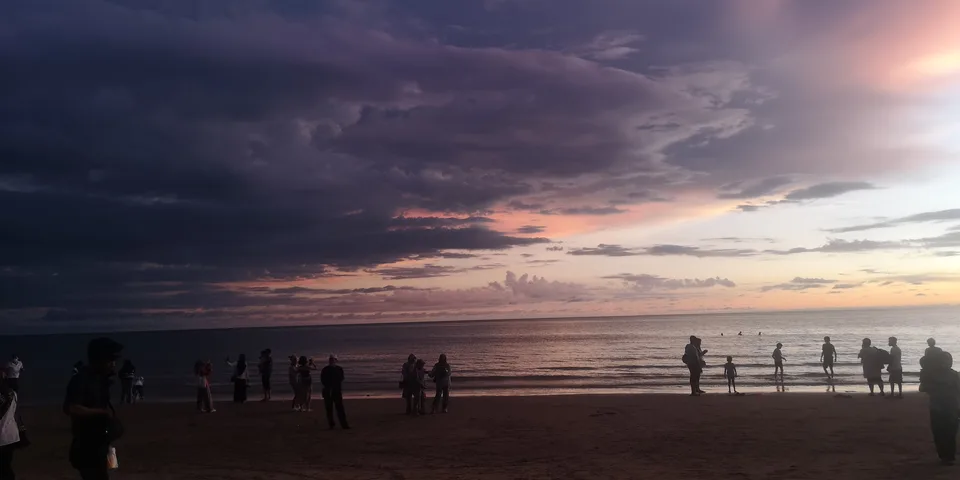
Cloud and rain can change the experience completely, and the photograph here shows only one evening in June 2022. Assess swimming conditions separately from the appeal of the view. Check the current access serving your chosen stretch, keep belongings secure and agree a sensible pickup point if using a ride service. A beach visit can be enjoyable without entering the water or making the whole afternoon depend on a particular colour in the sky.
Use Gaya Street and Central Market for different experiences
The Gaya Street Sunday Market is a weekly street fair, with the tourism board listing approximately 06:00–13:00 on Sundays. Crafts, clothing, produce and snacks make it worth an early visit if your dates align. It is not an all-week attraction, so build it into the itinerary deliberately rather than expecting the same stalls on any morning.
The Central Market description emphasises seafood, fruit, vegetables, dried produce and local foods along the waterfront. Browse with consideration for people doing ordinary shopping and ask before photographing a trader closely. For souvenirs, establish materials, provenance and the price before buying. Check destination-country restrictions before purchasing food, shells, wildlife products or antiques; something offered for sale locally is not automatically suitable to take across an international border.
Make room for mangroves or a cultural visit
The Kota Kinabalu Wetland operator’s FAQ describes a mangrove conservation area with boardwalk access, open Tuesday–Sunday from 08:00 to 18:00 and closed Monday. Confirm the current route and conditions before visiting; different descriptions give different boardwalk lengths. Early observation, patience and appropriate footwear are more useful than an expectation of guaranteed wildlife sightings.
For cultural interpretation, Mari Mari Cultural Village offers organised presentations of traditions associated with several Sabah communities in the Kionsom area. Reserve the relevant session and confirm transfers, meal arrangements and walking requirements. Understand it as a curated visitor experience rather than evidence that all contemporary Indigenous life follows the same pattern. Choose one of these outings according to your interests instead of forcing both into a morning already committed to boats or appointments.
Discover Sabah through meals and ingredients
KK is a practical place to explore the range of food found across Sabah. The tourism board’s introduction to Indigenous dishes describes hinava, fish marinated with citrus and other ingredients, associated with Kadazan-Dusun cooking. Establish what is raw and how a dish is prepared; citrus marination should not be treated as equivalent to cooking when making your own food choices.
Ask about fish, shellfish, nuts and sauces if allergies or dietary restrictions matter. Seafood prices may depend on weight and preparation, so agree the complete charge before ordering. Balance a special meal with ordinary breakfasts, noodle dishes and market snacks, choosing places on the basis of what is being prepared and how it is handled. The tourism board’s Tuaran information provides background for the town’s well-known fried noodles if you plan a food-led excursion.
Check airport transport direction rather than only the route number
Kota Kinabalu International Airport, code BKI, is the city’s main air gateway. Compare a confirmed hotel transfer, licensed taxi or app-booked ride with current bus options according to luggage, arrival time and the distance from the final stop to your room. Save the address and meeting instructions offline before travelling.
The BAS.MY Kota Kinabalu operator’s route page lists S07 and S08 as airport-serving loops. Its stop order makes S07 the shorter KK Sentral-to-airport direction, while S08 reaches Sutera Harbour, Imago and KK Sentral after the airport. Check the operator’s current stops and fare for your journey. The listed 15-minute frequency is a schedule indication, not a promise that the next bus will meet a delayed flight or leave enough time for check-in.
Use the transport network according to the journey
KK Sentral is an important city bus hub, but it is not the answer to every onward trip. Sabah Tourism identifies Inanam’s North Bus Terminal for major east-coast destinations and Padang Merdeka for some west-coast and interior services. Confirm the operator, departure point and journey time for the actual ticket you buy; similarly named terminals can produce an expensive last-minute correction.
Within KK, group nearby stops and combine manageable walks with buses or booked rides. Check crossings, shade and pavement conditions for the route, particularly with children or limited mobility. For railway plans use the Sabah Railway Department timetable. Tourism-board guidance currently says the North Borneo Steam Train is not operating until further notice, so do not build an itinerary around an assumed heritage-train departure.
Build a budget from the activities you will actually book
Use ringgit, written RM, when comparing local prices. The published museum, mosque and marine-park charges provide useful reference points, but they are not a complete daily budget. Add accommodation, meals, drinking water, repeated rides, boat transport, equipment and any guide or activity fee. For a family, obtain the child and senior categories before multiplying an adult price by the group size.
Compare dated room quotes for the exact room and cancellation terms you need. For island packages, ask whether the advertised amount includes jetty charges, park admission, more than one landing, lunch and return transport. Keep a contingency for weather-driven changes. Overseas card fees and cash withdrawals belong in the calculation too. Avoid judging affordability from a favourable hotel price while overlooking several paid transfers each day.
Read the season as a tendency rather than a guarantee
The WMO-hosted Kota Kinabalu climate table uses Malaysian meteorological data from 1971–2000. It shows warm conditions throughout the year, relatively lower rainfall around February–March and much higher monthly totals towards October–November. Because these are historical averages, they should guide broad planning rather than be presented as a current forecast or a guarantee of dry mornings.
Keep an island day movable and have a city alternative ready. Check current forecasts and marine warnings close to departure, especially when water activities are the main reason for the visit. Outdoors, use shade, water and breaks to manage heat and humidity. For a longer stay, assess what heavy rain means for the building entrance, drainage, laundry and commute instead of treating weather only as a sightseeing inconvenience.
A realistic three-day introduction to KK
Day one: get oriented around the centre and waterfront, with a heritage walk or an available museum section according to current access. Choose an unhurried dinner and keep the first evening simple after a flight. If Sunday falls within your stay, place Gaya Street in an early-morning slot.
Day two: make one island the main outing, using confirmed boat arrangements and the day’s conditions. Leave time to return, wash and rest before dinner. Day three: choose the wetlands or Mari Mari, then a City Mosque visit if its sessions suit, or Tanjung Aru later. Move activities around Monday and Friday restrictions. Add extra days for the mountain region; neither a summit climb nor every surrounding attraction belongs in an already full three-day city stay.
Test housing against an ordinary working week
For a possible move, stay temporarily near the area you are considering before signing a long lease. Test journeys to work, school, groceries and routine appointments at the relevant hours. Compare a central apartment with a larger home farther out using total transport cost and time, not floor area alone.
Inspect ventilation, damp, air conditioning, water pressure, kitchen equipment, internet and mobile reception. Ask about water storage, power backup and how urgent repairs are handled. Review deposits, the inventory, service charges, utility billing and notice terms in writing. Check building access, security and escape routes after dark as well as during a daytime viewing. A holiday rental’s furnishings and location do not establish its suitability for a household through an ordinary month of work and rain.
Photograph meter readings and the condition of fixtures at handover, agree who retains the record and obtain receipts for deposits. Resolve unclear responsibilities before moving belongings into the property.
Arrange healthcare and household essentials before committing
Gleneagles Hospital Kota Kinabalu publishes a 24-hour emergency service and ambulance line, +60 88 518 911. Confirm insurance acceptance, deposits, routine-care options and specialist follow-up rather than assuming a private hospital’s presence makes every service covered or convenient. Check availability of regular medicines before travelling with an ongoing treatment plan.
Families should establish school admission, curriculum and the actual school-run route before choosing a home. Ask building management who supplies water, electricity and internet, whether accounts are individual and how faults are reported. Test connections where you intend to work. A useful relocation visit includes these ordinary checks alongside leisure time: they show whether KK works for your household rather than only whether you enjoy being on holiday there.
Check Malaysian entry and Sabah controls together
Use the official Malaysia e-visa information to check nationality, purpose and current visa requirements. Where required, complete the Malaysia Digital Arrival Card within three days before arrival. The official portal identifies exemptions, including Singapore citizens and certain permanent-resident or long-term-pass categories. An arrival card is separate from a visa and does not itself grant admission.
Sabah has its own immigration controls, including on travel from other parts of Malaysia. Carry the appropriate travel documents and check what your existing status permits rather than treating a domestic flight as eliminating entry formalities. For a Malaysian traveller, the Immigration Department’s internal-travel-document guidance explains the document available to eligible visitors from Peninsular Malaysia. For any nationality, retain the documents issued or endorsed on arrival and check the authorised stay carefully.
Keep work, study and long-term plans separate
Invest Sabah’s immigration guidance explains employer sponsorship, state labour approval and applications to Sabah Immigration for employment. Permission issued for Peninsular Malaysia should not be assumed to authorise work in Sabah. Resolve the correct route with the employer and authorities before starting employment or treating remote work as automatically permitted on visitor status.
For formal study, use the Immigration Department’s Student Pass guidance and ask the institution about the approvals relevant to its Sabah location. Long-term programmes, including Sabah Malaysia My Second Home, have their own requirements and should be assessed separately from tourism and permanent-residence eligibility. Renting or buying a home does not settle immigration status. VisaWand’s consultant directory can help identify assistance; verify professional qualifications, written scope and fees before appointing anyone.
Add the mountain region as a separate chapter
Kinabalu Park’s UNESCO entry explains the mountain environment’s exceptional biodiversity. Visiting the park and climbing Mount Kinabalu are different undertakings. The official climbing information directs reservations through the designated booking system and publishes restrictive cancellation and name-change conditions. Confirm permits, accommodation, guides, fitness requirements and insurance before committing to a climb.
For wider planning, compare VisaWand’s Ranau location page and Tuaran location page, allowing realistic travel time rather than treating the surrounding region as one compact attraction. The Malaysia destination overview helps place KK within a longer journey. Decide which extra experience matters enough to justify the travel, and preserve time for the city, coast and communities that make Kota Kinabalu a destination in its own right.
Official planning resources
Reviewed 15 October 2026. Use the official resources linked throughout this guide for admission, transport, housing and immigration decisions. Prices, services and rules can change; confirm the details relevant to your dates. Photography illustrates the locations and is not a live view.
View all official resources
- Sabah tourism ministry: the Jesselton name
- Sabah Museum: current opening, admission and notices
- Sabah Museum: main-building gallery closure notice
- Sabah Museum: living interpretation programme suspension
- Sabah Tourism Board: City Mosque visitor rules
- Sabah Parks: Tunku Abdul Rahman Park and fees
- Sabah Tourism Board: transport and current jetties
- Sabah Tourism Board: Tanjung Aru Beach
- Sabah Tourism Board: Gaya Street Sunday Market
- Kota Kinabalu Wetland: operator FAQ
- Sabah Tourism Board: Mari Mari Cultural Village
- Sabah Tourism Board: Indigenous dishes and hinava
- Jaguh Bayu: BAS.MY Kota Kinabalu routes
- WMO World Weather Information Service: Kota Kinabalu
- METMalaysia: Western Sabah and Labuan marine forecast
- Malaysia Immigration: official e-visa information
- Malaysia Immigration: Malaysia Digital Arrival Card
- Invest Sabah: visas and Sabah employment approvals
- Malaysia Immigration: Student Pass
- Gleneagles Hospital Kota Kinabalu: emergency services
- Sabah Railway Department: current rail information
- UNESCO: Kinabalu Park
- Sabah Parks: Mount Kinabalu climbing bookings
- Sabah Tourism Board: operator verification
- Sabah Tourism Board: KK Heritage Walk
- Sabah Tourism Board: Central Market
- Sabah Tourism Board: Tuaran
- Malaysia Immigration: internal travel document for eligible Malaysians
- Sabah Malaysia My Second Home: official programme
Plan the next part of your journey
Explore the Malaysia guide, browse other cities or compare consultants for your travel and relocation questions.