Visa
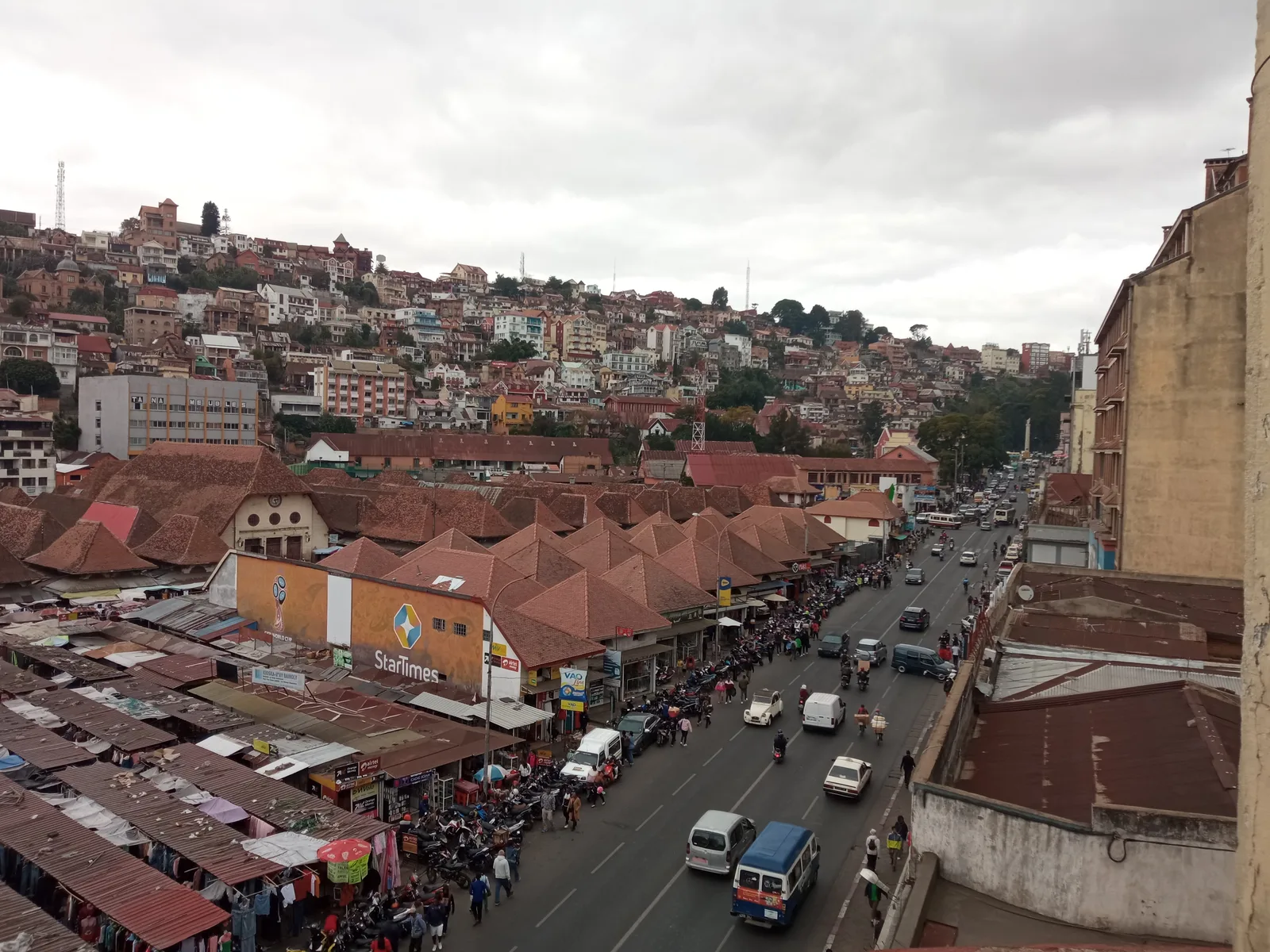
Give the highland capital a proper stop
Antananarivo is worth more than the night between two flights. Madagascar’s capital, often shortened to Tana, has royal heritage, hillside streets, busy commercial districts and cultural institutions that can give a journey around the island a stronger sense of context. Plan a city stay around history, photography, contemporary art and food, rather than expecting the beach climate or wildlife experience associated with other parts of Madagascar.
Two full days allow a considered introduction; a third creates room for an excursion outside the city. Keep those days separate from arrival and departure where possible. Airport formalities, road journeys and a change of accommodation can consume a useful part of a day, especially when your itinerary already contains long distances elsewhere on the island.
The national tourism office’s Antananarivo overview places the city in the Central Highlands and highlights the contrast between its historic heights and lower commercial streets. That topography matters in practice. A short line on a map can involve climbing, steps or a very different road route. Choose fewer stops and give each the time its terrain deserves.
A history visible in the city’s shape
The Malagasy Upper Town submission to UNESCO traces the city’s royal nucleus to Andrianjaka’s establishment on Analamanga hill in 1610. It associates the name Antananarivo with a thousand-man garrison and describes how the settlement grew from its fortified royal centre. The view from the heights is therefore part of the historical story, rather than merely a convenient photograph.
Royal buildings influenced the architecture around them, while later periods brought different civic and commercial forms. Looking at roofs, balconies, retaining walls and the relationship between houses and slopes can be more revealing than collecting a list of façades. A knowledgeable guide should explain the sequence of development and distinguish the history of a building from the interpretation currently presented inside it.
Keep two heritage designations separate. The Upper Town is on Madagascar’s UNESCO Tentative List; that does not make the whole city an inscribed World Heritage Site. The Royal Hill of Ambohimanga, outside Antananarivo, is an inscribed property. Understanding that distinction helps when deciding whether your available day is better spent in the city or on the separate royal-hill excursion.
The Upper Town and the Rova
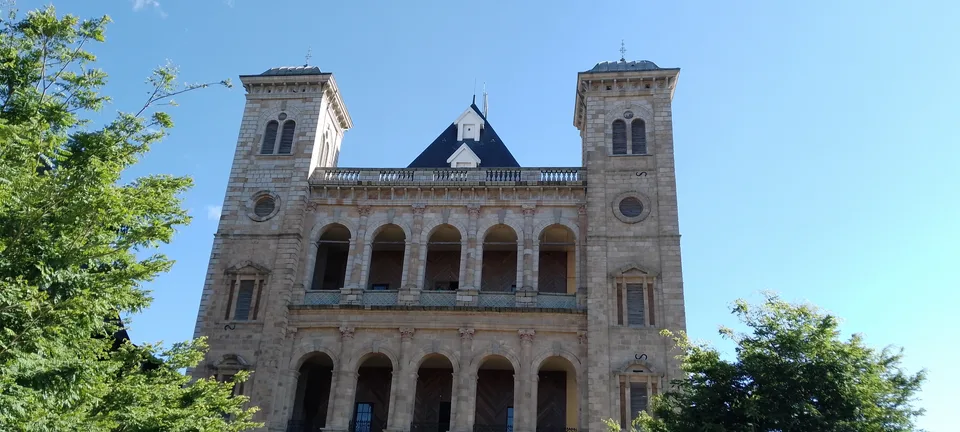
The Rova is the royal compound dominating the Upper Town, with Manjakamiadana among its most recognisable buildings. It should be approached as a complex with a history of change and reconstruction. The 1995 fire is central to understanding the site, so older photographs and descriptions do not establish what a visitor will see in every room today.
Ask your accommodation or guide to confirm the current opening arrangements, ticket charge and accessible sections shortly before your visit. A published historical account cannot substitute for current admission information. Allow time for interpretation as well as the exterior setting, and check whether a guide, language support or additional exhibition is included in the quoted price.
For a walking visit, discuss the starting point, steep sections and pickup location in advance. Anyone with reduced mobility should ask about individual routes, surfaces and entrances rather than accepting a broad assurance that the area is accessible. Wear shoes suitable for uneven streets, carry water and arrange a comfortable return journey. A route that descends pleasantly can feel very different when you have to climb it again late in the day.
Choosing a neighbourhood and a place to stay
Choose a base by its relationship to the places you will actually use. Central accommodation can suit a museum and historic-city itinerary. An airport-side stop can make sense before an early flight. A property around the Tana Waterfront business area answers a different need from a stay close to the Upper Town. Compare the complete journey, not just a district’s reputation.
Two identifiable options help anchor the comparison. Sakamanga describes itself as a central Antananarivo hotel. Radisson Blu Antananarivo Waterfront publishes its own airport transport information and offers a shuttle that guests can arrange with the hotel. These are examples of different settings, not a ranking or a promise of availability on your dates.
Before booking, ask for the full room cost, cancellation terms, breakfast arrangements and any airport-transfer charge. Check whether your room has the features you need, particularly if stairs, noise or working online will affect the stay. For a late arrival, obtain a clear meeting plan and a reachable contact. If you are investigating a move, flexible temporary accommodation leaves room to view homes without letting a prepaid hotel deadline force a rushed lease decision.
Ivato arrivals and airport transfers
Ivato is Antananarivo’s international airport. The airport operator’s access page identifies approved taxis, car rental and nearby stops for Line D Ivato buses. It also describes a free shuttle for domestic–international connections. That shuttle is not advertised as a free transfer into central Antananarivo, an important distinction when comparing arrival options.
For a first visit with luggage, arrange a licensed taxi or a confirmed hotel pickup. Agree the destination, total price, meeting point and payment method before departure. Give the driver the property’s exact address and contact details. If your flight changes, establish who monitors the arrival and whether waiting charges apply. Avoid building a museum reservation around an optimistic airport exit time.
Radisson Blu lists itself as fifteen kilometres from the airport and estimates a roughly twenty-five-minute drive. Treat that as an operator’s estimate for that hotel, not a standard transfer time to every part of Tana. Obtain a fresh departure recommendation from your accommodation and airline. If a domestic flight is part of a wider trip, leave sufficient room for a disrupted connection before an international departure.
Getting around without underestimating the journey
Combine walking within selected areas with arranged transport between them. The hills make elevation as important as distance, and a vehicle route may follow a different course from a pedestrian shortcut. Ask a local guide to design a manageable circuit rather than simply joining every attraction marked on a map. Build in a seated break and time to return before dark.
The UK government’s current safety advice recommends pre-booked taxis or hotel transport and warns against walking alone in city centres after dark. It also advises avoiding taxi-brousse vans because of robbery and road-safety risks. Treat those warnings seriously when planning onward travel rather than choosing an unfamiliar shared vehicle solely because it costs less.
For a hired car and driver, specify whether the booking covers one transfer, several stops or a full excursion. Confirm waiting time, parking, fuel and the return leg in writing. Families should discuss restraints before the vehicle arrives. If you intend to drive yourself, establish licence, insurance and rental conditions beforehand and reconsider any programme that depends on unfamiliar roads after nightfall.
Carry your passport securely for identification checks; the UK guidance says copies are not always accepted. Keep backup copies separately. Political gatherings can also cause road closures, so ask about current conditions before an appointment or airport departure. If a route becomes unavailable, allow the driver to arrange a suitable alternative instead of trying to cross a gathering.
Food, markets and everyday spending
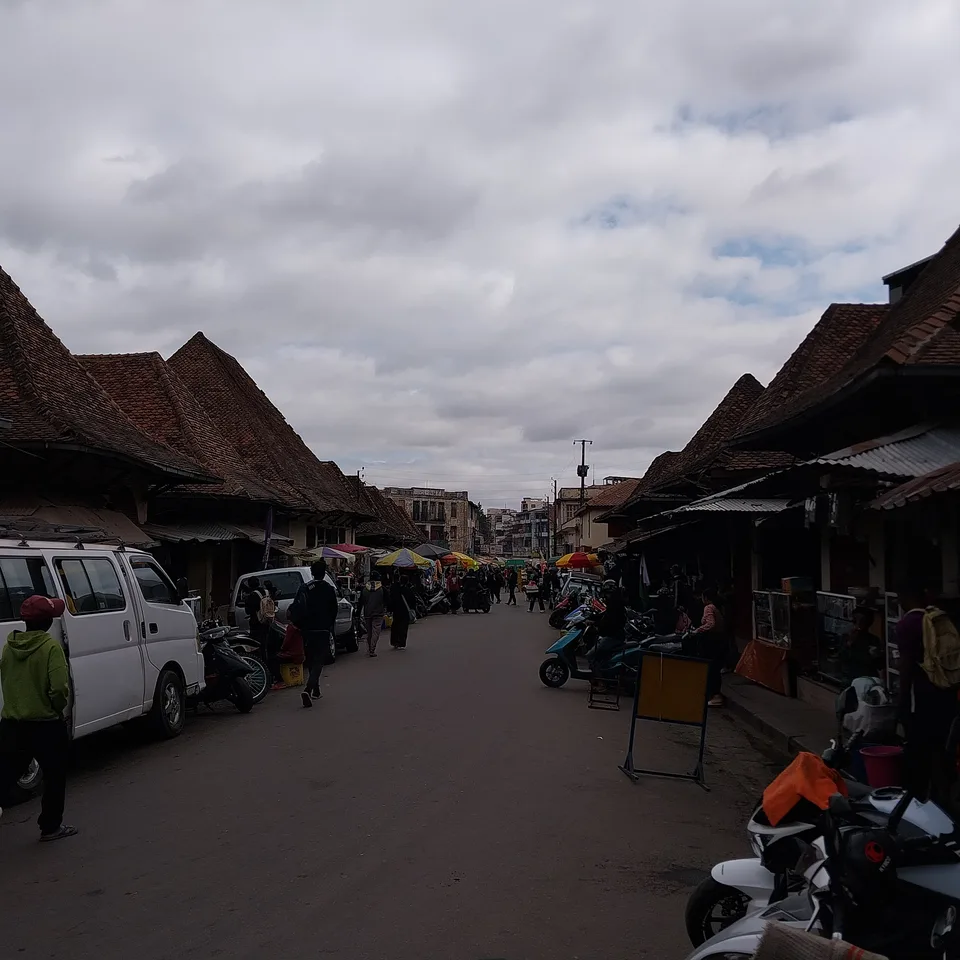
Analakely’s market buildings and commercial streets offer a useful counterpart to the royal heights. Browse with a purpose and a manageable amount of money, keeping your phone and valuables discreet. Ask before photographing people. Allow time to compare goods and carry purchases comfortably, rather than trying to fit shopping into the final minutes before a driver is due.
The tourism office’s food background introduces romazava, a stew often compared with pot-au-feu, and ravitoto, made with pounded cassava leaves. Those names are starting points for a conversation about the kitchen’s preparation. Ask about meat, sauces and allergens individually; a leafy main ingredient does not establish that a dish is vegetarian. Choose drinking water and food handling with the same care you would apply to the rest of the trip.
Prices are usually easier to assess from a current menu than from a universal daily food allowance. Check whether the bill includes drinks and service, and whether a quoted amount is in ariary. For a prospective household, make a trial grocery basket of products you actually use. Specialty ingredients, cleaning supplies and children’s needs can change a budget more than the price of a single restaurant lunch.
For souvenirs, take particular care with materials rather than buying solely on appearance. Official safety guidance warns that collecting, buying or exporting protected wildlife products is illegal, including certain woods such as rosewood. A market purchase does not itself establish that an object can legally leave Madagascar or enter your next destination. Ask for documentation and decline items whose materials cannot be identified reliably.
Photography, contemporary art and a slower afternoon
The Madagascar Photography Museum’s visitor page places it in Anjohy, in the former mayors’ residence. It publishes Tuesday–Sunday hours of 9am–5pm, with Monday closure. Admission is listed at 20,000 ariary for non-residents and 10,000 for residents with the required identification. Young people aged thirteen to twenty-five have a reduced rate, while children through twelve enter free. Check the current holiday and maintenance closures before setting out.
The museum’s ticket covers its projection rooms and main exhibition space. The garden’s contemporary photography exhibition is free during opening hours. Give the visit enough time to engage with the material rather than treating the building as a quick stop between viewpoints. Confirm available languages if that will determine how useful the presentations are for your group.
Fondation H provides a contemporary-art alternative in Ambatomena on Rue Refotana. Its Antananarivo admission is free, with published hours of 9am–5pm Tuesday–Saturday and 10am–4pm Sunday. The restored former post-and-telegraph building is itself part of the interest. Check the current exhibition programme, and request a guided group visit at least two weeks ahead. Its Paris location has separate arrangements, so use the Madagascar information when planning.
For a family visit, the photography museum’s reduced ticket for ages thirteen to twenty-five is listed at 2,000 ariary. Resident adults can also access that rate on Tuesday and Thursday mornings, subject to the museum’s conditions. Bring the relevant identification and check eligibility before counting a concession in the budget; residency discounts are different from a blanket discount for every visitor.
What to budget and how to pay
Madagascar’s currency is the ariary, commonly written Ar and identified internationally as MGA. Banky Foiben’i Madagasikara publishes reference exchange information. Use it as a comparison point, not a guarantee of the rate your bank, card provider or exchange counter will offer. Account for commission and withdrawal charges when comparing ways to obtain spending money.
Separate the city budget into accommodation, meals, transport and admissions. Then add excursions and a contingency. Free admission at Fondation H can balance a paid museum visit, but the car and driver for a day outside the city may be the larger cost. Ask for complete quotes rather than comparing packages whose ticket, guiding and transfer inclusions differ.
Carry a sensible mix of payment options and confirm acceptance with each venue. Do not assume that a card accepted at your hotel will work at an attraction outside town. For example, Lemurs’ Park’s 2026 tariff page says card payments are unavailable because of telephone-network problems. Plan cash for that visit and recheck if you prefer to use a card. Keep travel funds accessible without carrying the entire budget together.
Seasons, weather and packing for the Highlands
Météo Madagascar’s climate background distinguishes a broadly wetter November–April period and a drier May–October period, with the Central Highlands forming their own climatic zone. Tana deserves its own packing decisions rather than a suitcase assembled solely for the coast. Bring layers as well as sun and rain protection, particularly if your trip combines several regions.
For a first visit focused on walking and royal-hill excursions, the drier months are a practical starting point. Wet weather makes flexibility useful: move an indoor visit into a rainy interval and check the state of excursion routes before departure. A prepaid activity should have clear cancellation terms, especially if it depends on transport outside the city.
Consult Météo Madagascar’s current forecasts and warnings shortly before travel. An old seasonal outlook is not a forecast for your dates. If you are assessing a home, ask about drainage, damp, ventilation and access in wet weather. Seeing a property during one pleasant afternoon will not tell you how it functions through a full year. Leave time to ask the questions that photographs cannot answer.
Ambohimanga and excursions outside the city
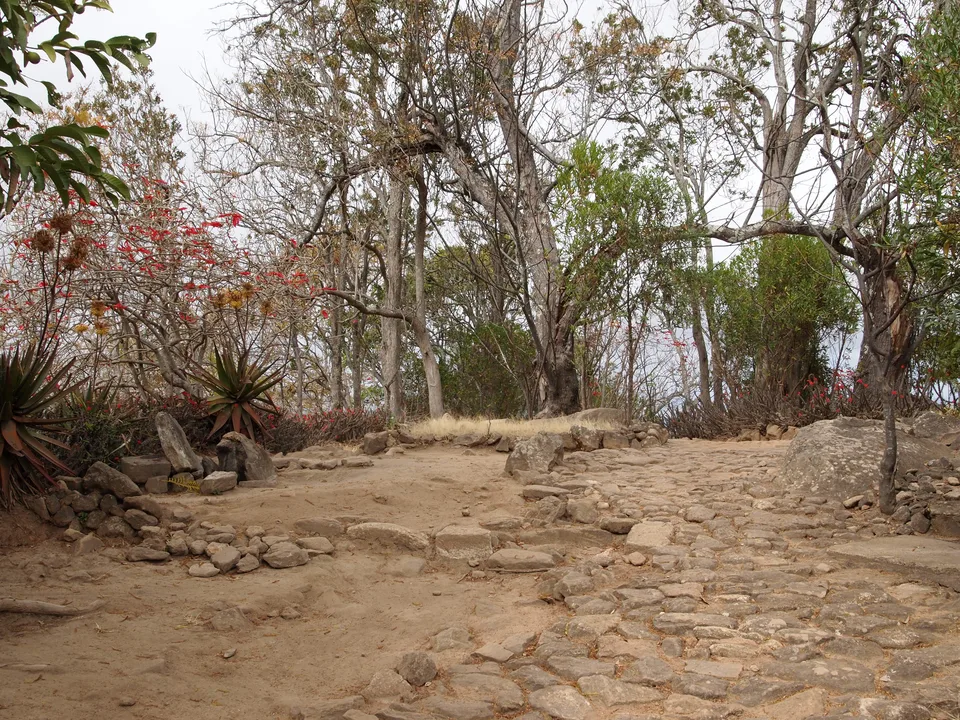
The Royal Hill of Ambohimanga’s UNESCO account describes a royal city, burial places, fortifications and sacred sites within a wider cultural landscape. It remains associated with living religious practice and national identity. Visit with a willingness to listen, and ask about current local rules before entering or photographing sensitive areas. The experience offers more than a second palace façade after the city’s Rova.
Arrange the outward and return journeys together and confirm the admission and guiding arrangements. Keep the day spacious enough for the site itself, a meal and road delays. A relatively short map distance does not justify squeezing Ambohimanga into the gap before a flight. If cultural history is your main interest, make it the day’s principal activity.
For a different outing, Lemurs’ Park is a privately operated reserve and botanical park on the RN1 route outside Tana. It offers an introduction to lemurs near the capital, rather than replacing an extended national-park journey. Choose between it and a substantial heritage excursion if time is limited. Two outings in opposite directions can turn an otherwise enjoyable day into a sequence of transfers.
A realistic three-day city plan
On day one, explore the Upper Town and Rova with current access confirmed, leaving time for lunch and the Photography Museum if its opening day fits. Discuss the terrain and transport with the guide beforehand. If your interests lean towards detailed history, reduce the number of stops and spend longer interpreting the royal setting.
On day two, give Analakely and the central commercial streets a daytime visit, then allow an unhurried afternoon at Fondation H. Move the art visit if its weekly closure conflicts with your dates. Confirm any particular exhibition before making it the reason for staying an extra night; programmes change, while the city’s wider cultural context remains worth exploring.
Reserve day three for Ambohimanga or a booked Lemurs’ Park outing. The park’s 2026 tariff lists adult entry at 75,000 ariary and children aged five to twelve at 30,000, with a naturalist guide accompanying visitors. It gives visits of up to ninety minutes; transport and an optional lunch need separate budgeting. Its pages differ slightly on opening time, so arrange a visit from 8.30am onwards and confirm the last admission directly.
Moving to Tana: test the address first
Start a relocation search with the workplace, campus or school and work outwards. Current Antananarivo property listings include homes in places such as Ivandry and Ambatobe, with different layouts and advertised facilities. Use those offers to identify properties to inspect, not to infer a citywide average rent or assume that every home in a district has equivalent security and services.
Test the journey during the hours you would normally travel. Consider school runs, grocery stops and the practical return after an evening appointment. A larger house is not necessarily better value if reaching essential places becomes burdensome. Walk the immediate surroundings in daylight and investigate the exact vehicle access, especially where the road or entrance is narrow.
Read the lease with care before paying. Establish the deposit, payment currency, notice terms, inventory and responsibility for repairs. Ask who maintains any generator, pump, tank or other shared equipment and who buys fuel or pays service charges. Inspect locks, plumbing and electrical fittings and confirm the agent’s authority. Temporary accommodation is useful while completing this work; photographs alone are a weak basis for committing to a household.
Essential services, water and healthcare
JIRAMA’s customer portal is a starting point for electricity and water account services. At a viewing, identify the meters, obtain recent bills and clarify who holds the account. If backup arrangements are advertised, ask for a demonstration and a written explanation of running costs. A generator listed in an advertisement does not establish how many hours it can support the appliances you need.
For drinking water, the UK government’s health guidance advises boiled or bottled water and avoiding ice. Make obtaining and storing safe water part of the household plan. The same guidance notes that complex treatment may require evacuation from Madagascar. Arrange suitable medical cover and accessible funds, and identify appropriate local care before a long stay, particularly if you need regular prescriptions or specialist support.
Ask which internet providers can actually connect the address and how long installation takes. Confirm school places, teaching language and transport rather than relying on proximity to a school marker. Students should establish the precise campus and institutional support available. These are household decisions to resolve alongside housing, not tasks to leave until after a lease and moving date have become fixed.
Tourism permission, work and a longer stay
The tourism ministry’s practical information directs visitors to Madagascar’s eVisa tourism portal. Check the current requirements for your passport and route before buying a non-refundable trip. The portal’s FAQ describes single-entry tourist eVisas for up to sixty days. Tourism permission should not be treated as permission to take employment, begin a course or settle permanently.
Fee information needs checking directly: the portal’s tariff window did not display usable amounts during this guide’s review. For British citizens, UK entry guidance specifies six months’ passport validity and two blank pages. It also describes additional entry restrictions following travel or transit through Ebola-affected countries within twenty-one days. Check the current affected-country rules and health declaration before departure; a visa alone does not resolve route-specific health requirements.
For relocation, EDBM’s transformable-visa procedure and the official eWork process address different parts of entry and employment preparation. Study has its own category, described among the Malagasy embassy’s visa requirements. Obtain advice appropriate to your nationality and purpose before travelling. VisaWand’s Madagascar location directory, destination page and consultant listings support further planning; the Maputo city guide provides another regional capital to compare.
Official planning resources
Reviewed 17 October 2026. Use the official resources linked throughout this guide for admission, transport, housing and immigration decisions. Prices, services and rules can change; confirm the details relevant to your dates. Photography illustrates the locations and is not a live view.
View all official resources
- Madagascar national tourism office: Antananarivo
- UNESCO: Upper Town tentative-list submission
- Sakamanga: central Antananarivo accommodation
- Radisson Blu Antananarivo Waterfront: location and transport
- Antananarivo Airport: access and approved transport
- UK government: transport, safety and local customs
- Madagascar tourism office: food and cultural background
- Madagascar Photography Museum: hours and tariffs
- Fondation H: visitor information
- Banky Foiben’i Madagasikara: currency and exchange information
- Météo Madagascar: climate background
- Météo Madagascar: forecasts and warnings
- UNESCO: Royal Hill of Ambohimanga
- Lemurs’ Park: reserve and visitor information
- Lemurs’ Park: 2026 prices and arrangements
- Modern-Immo Madagascar: current property listings
- JIRAMA: online customer services
- UK government: healthcare and drinking-water guidance
- Madagascar tourism ministry: practical entry information
- Madagascar eVisa portal: tourism applications
- Madagascar eVisa: eligibility and tourist-visa FAQ
- UK government: Madagascar entry and health-screening requirements
- EDBM: transformable entry visa procedure
- EDBM eWork: foreign-worker procedure
- Madagascar embassy in Paris: visa categories including study
Plan the next part of your journey
Explore the Madagascar guide, browse other cities or compare consultants for your travel and relocation questions.