Visa
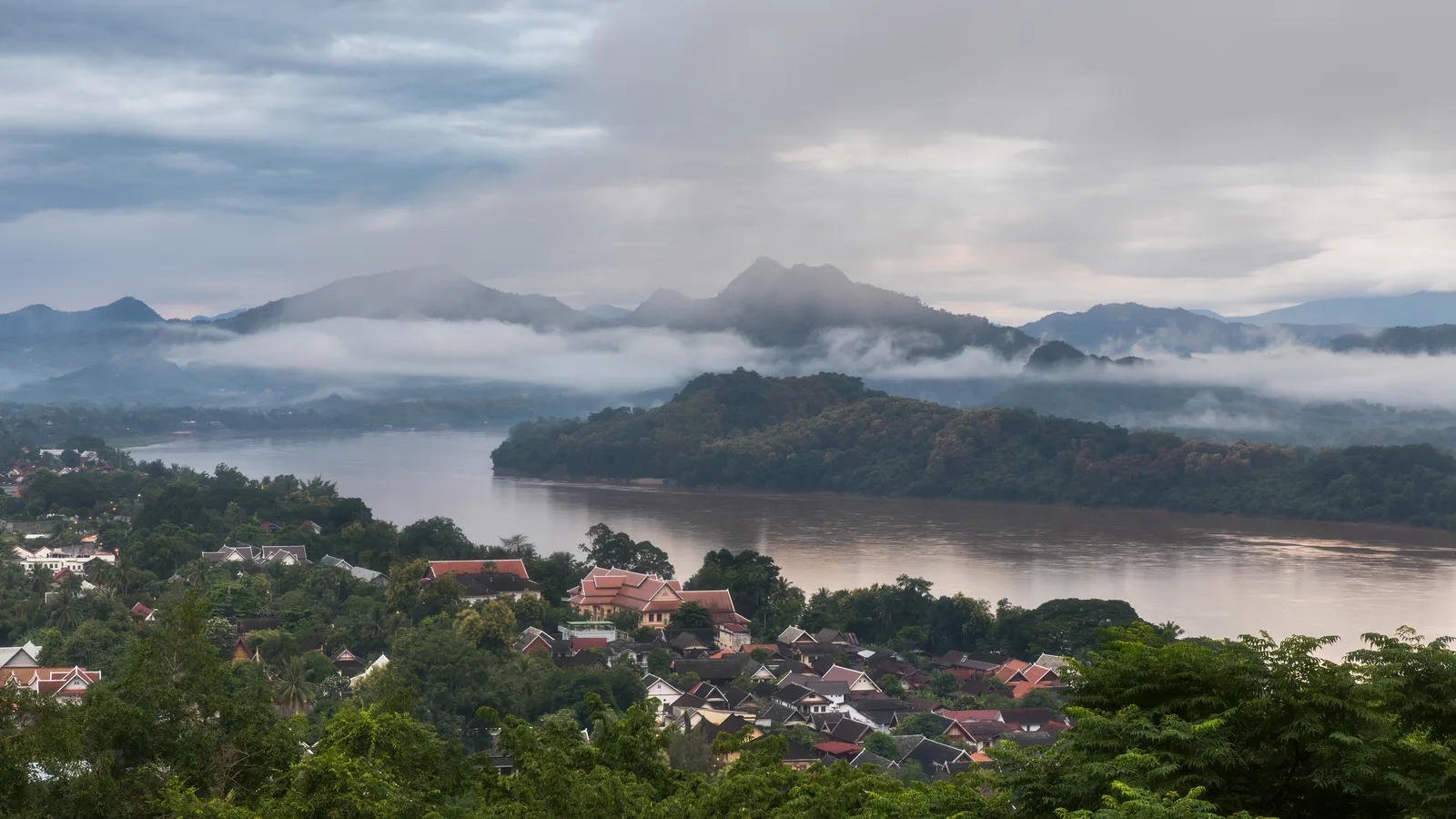
A small city with a distinctive rhythm
Luang Prabang is best approached as a place to spend time, rather than a collection of sights to complete. Its historic peninsula sits between the Mekong and Nam Khan rivers, with temples, houses and visitor businesses sharing a relatively compact setting. Beyond it, hills, waterfalls and villages broaden the trip, but require deliberate transport arrangements.
Three nights allow two full sightseeing days and some flexibility around arrival. Add another if a river excursion or hands-on cultural activity matters to you. VisaWand’s Laos country guide provides national context; its Laos location directory helps you investigate other places. This city guide concentrates on the choices that determine whether a short visit feels relaxed and whether a longer stay would be practical.
Understand the living heritage
Luang Prabang was a capital of Lane Xang between the fourteenth and sixteenth centuries and remained an important royal and religious centre. Its architecture combines Lao traditions with buildings associated with the French colonial period. UNESCO’s account of the town explains why the streets, houses, religious foundations and surrounding landscape belong to the heritage story together.
The appeal is not simply that individual buildings are old. Monastic life and everyday neighbourhood routines continue within streets used by visitors. Leave room for that distinction when planning photographs or choosing accommodation. Ask before entering areas whose visitor access is unclear.
Choose a base on the peninsula
For a first visit centred on walking, compare accommodation on the peninsula with the places you want to reach each day. A position near Sisavangvong Road puts the palace and night-market area into the same part of your plan. Towards Wat Xieng Thong, the emphasis shifts towards the peninsula’s temple streets and river surroundings.
Look beyond the phrase “old town” in a listing. Ask for the exact entrance, the route from vehicle drop-off and whether the bedroom faces a busy street. Travellers sensitive to sound should discuss morning activity rather than assuming a historic address guarantees silence. River-view rooms deserve the same scrutiny: establish whether the view is private, whether a road intervenes and how many stairs separate reception from your room.
Compare guesthouses with a retreat outside town
A smaller guesthouse can suit travellers who want to walk out for meals and spend most days exploring. A hotel with more facilities may make sense for families, longer afternoons indoors or anyone who values reliable reception support. Compare air conditioning, hot water, breakfast, laundry and luggage storage on the actual room offer; do not infer them from attractive photographs.
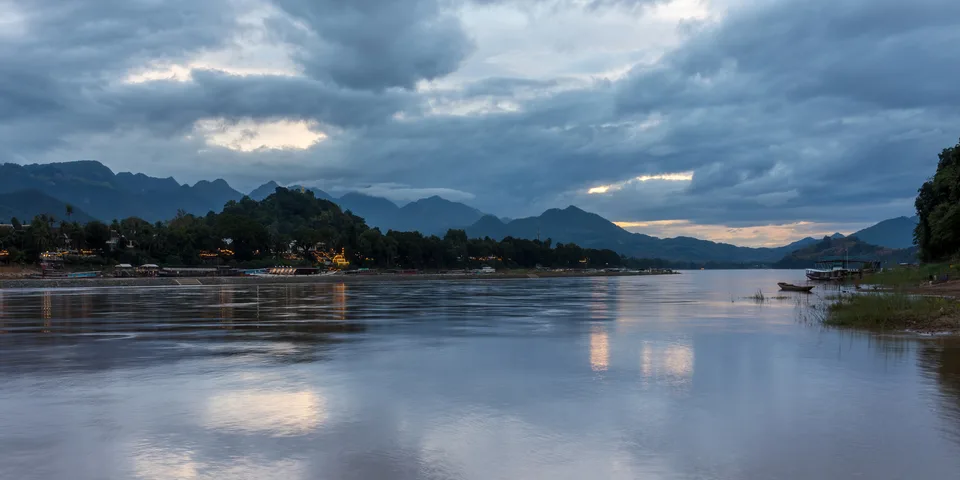
A property beyond the centre creates a different holiday. For example, The Namkhan’s own accommodation information lists rooms, suites, villas and glamping at Ban Donkeo beside the Nam Khan. This illustrates the choice between a central walking base and a riverside stay requiring transfers. Confirm the current shuttle arrangements, meals and cancellation conditions before deciding which better matches your priorities.
Start with Wat Xieng Thong
Wat Xieng Thong gives a first visit a clear architectural focus: sweeping rooflines and glass mosaics reward close attention. The official temple information places its foundation around 1560 and lists foreign admission at 30,000 kip. Published opening hours differ between official visitor pages, so confirm locally before making an unusually early visit dependent on access.
Dress with shoulders and knees covered and follow instructions about hats and shoes. Visit the areas open to the public without treating monks’ accommodation as an extension of the attraction. An unhurried temple visit is more useful than collecting many similar stops without context. Notice how the roof, decoration and arrangement of buildings work together, and allow worshippers to use entrances and prayer spaces comfortably.
Visit the former palace around its midday break
The National Museum occupies the former royal palace, providing a different perspective from the temple compounds. The tourism office’s museum listing describes the palace’s early twentieth-century construction and lists foreign admission at 60,000 kip. Its published hours are 08:00–11:30 and 13:30–16:00, with ticket sales ending thirty minutes before each session finishes.
The same listing identifies a cleaning closure on the last Thursday of the month. Check the day’s arrangements before fixing the rest of your programme around a visit. The midday break is particularly relevant on a short stay: arriving shortly before the morning ticket counter closes can leave a long gap. Ask staff about photography, belongings and dress requirements before entering rather than relying on rules from another museum.
Climb Phousi for the setting
Phousi helps explain Luang Prabang’s geography from above: the town, river and mountains become part of one view. The official hill information describes 328 steps on the main approach and lists foreign admission at 30,000 kip, with access dependent on seasonal arrangements. This is a climb, so choose another experience if many steps would make the day uncomfortable.
Allow time for the descent as well as the view, and bring what you need for the conditions. A sunset plan should include getting down safely afterwards, rather than using the last light as the moment to begin thinking about the return. The summit is a religious site; dress appropriately and observe the prohibition on alcohol. Weather and visibility will determine the panorama on your particular day.
Observe morning alms respectfully
Sai Bat is a daily religious practice in which devotees offer food to monks. Its timing changes with the season; ask your accommodation about the local arrangements rather than expecting a performance to start at a precise minute. Participation should have meaning beyond obtaining a photograph, and quietly observing is a valid choice.
The tourism office’s alms-giving guidance asks observers to remain silent, keep an appropriate distance—at least five metres—and avoid blocking the procession. Cover shoulders, chest and legs, avoid flash and do not touch monks. Anyone wishing to offer food should first understand the practice and prepare an appropriate offering. If a crowded position makes respectful observation difficult, step back; the ceremony does not need a front-row audience.
Make Kuang Si the main excursion of a day
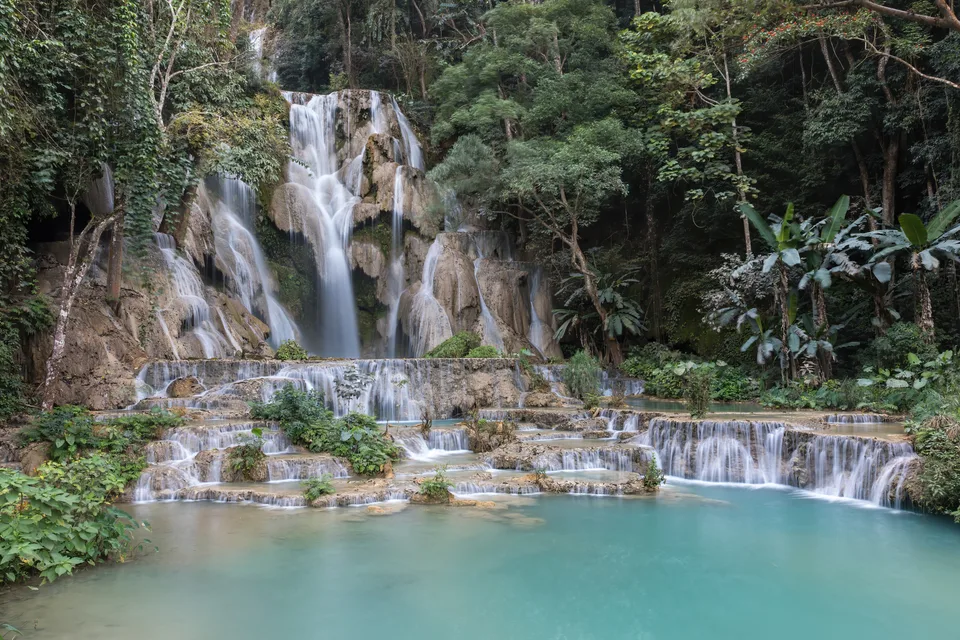
Kuang Si lies roughly thirty kilometres from town, so include the road journey when assessing how much time the outing needs. The official waterfall listing gives hours of 08:00–17:30 and foreign admission of 60,000 kip. Treat these as published planning figures checked for this guide, and reconfirm the current charge and operating arrangements before departure.
Agree on the return pickup, waiting time and inclusions when booking transport. Walkways and pools are different experiences from a swimming promise: use only areas currently signed for swimming and follow staff instructions. Conditions can change after rain. Take footwear suitable for wet surfaces and clothing for changing afterwards. A photograph of clear turquoise water is an illustration of one visit, not a guarantee of present conditions.
Put river travel in its own time slot
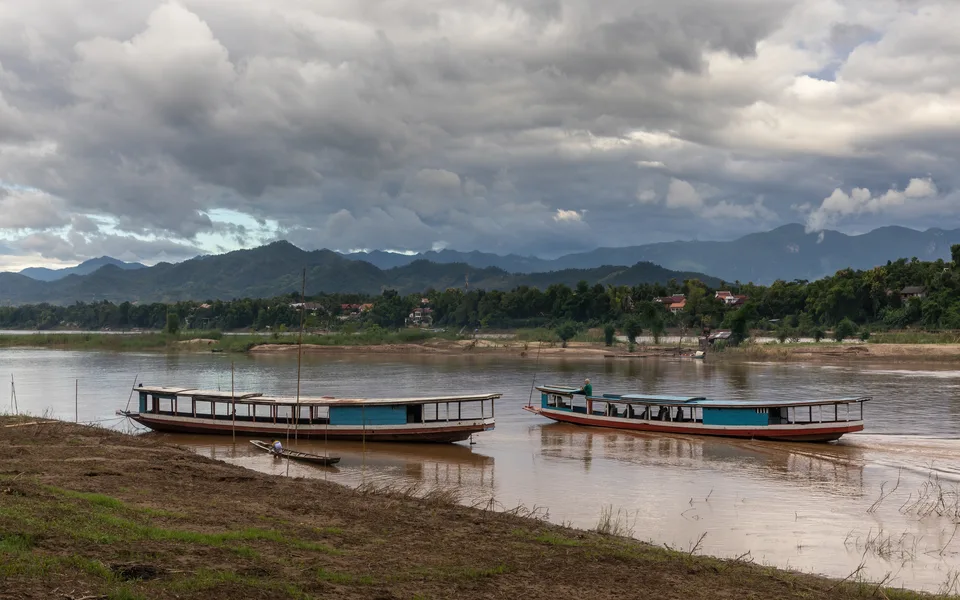
The Mekong is a major part of the setting, but a boat outing deserves more planning than a spare hour between other bookings. Ask where boarding takes place, whether transfers are included and how the return works. The full price should specify the party size, stops, waiting and any admissions paid separately.
The official Pak Ou caves page describes two caverns containing Buddhist figures, reached by an upstream river trip or a road journey followed by a short crossing. Choose the journey for its own interest rather than assuming every excursion can be combined. Before boarding, check lifejackets and the condition and capacity of the vessel. River conditions can affect the experience; leave enough flexibility to change an outing when local advice warrants it.
Learn about crafts before buying
The Traditional Arts and Ethnology Centre offers a useful introduction to Laos’ cultural diversity. Its visitor information suggests allowing around an hour, with exhibitions and activities that can help visitors understand textiles and objects beyond their appearance in a shop. Consider going early in your stay so that later purchases and conversations have more context.
The centre’s contact page lists museum opening of 08:00–17:00, Tuesday to Sunday, behind Dara Market in Ban Khamyong. Its separate boutique has different hours and another address. Some tourism information mentions seasonal Monday opening; confirm directly instead of assuming that exception applies. For workshops, establish the date, language, duration and what you will make before booking, particularly when fitting one around a departing train.
Enjoy the night market without assumptions
The official night-market information places stalls along Sisavangvong Road towards the former palace and gives indicative evening hours of 17:00 to around 22:00. Individual businesses and weather can affect the experience. It is an easy way to spend an evening, but budget time to look carefully rather than buying the first object described as local.
Ask who made a textile, what materials it contains and how to care for it. Compare an item with the artisan information you encountered elsewhere, and request secure packing for fragile purchases. Choose contemporary crafts over objects whose age, provenance or export status is unclear. Leave enough space for dinner and the walk home; shopping need not turn every evening into another scheduled activity.
Order local food with useful questions
Luang Prabang’s official cuisine introduction identifies ork lam, a local stew, khaiphaen made from freshwater algae, and a pork sausage associated with the town. Sticky rice and a cooking class provide other ways into the food culture. Choose a class for the preparation and teaching you want, not simply because every itinerary seems to include one.
Ask restaurants about the actual ingredients and preparation, especially for allergies or dietary restrictions. A dish’s name does not establish whether its stock, sauce or garnish suits you. For a cooking activity, clarify the menu, language, group size and whether dietary adaptations are possible before paying. A meal can also be a useful break between walking areas rather than another destination requiring a separate transfer.
Budget in kip and check inclusions
The Lao kip is the national currency. Carry a practical way to pay for smaller purchases and admissions, and confirm card acceptance with individual businesses rather than assuming the arrangements of one hotel apply throughout town. When a quotation uses another currency, establish the payable amount and the exchange basis before agreeing.
Using the official published figures above, Wat Xieng Thong, the palace and Phousi total 120,000 kip for one foreign visitor, before transport, food or accommodation. That is a transparent example, not a complete daily budget. Get a separate quote for Kuang Si transport and specify whether admission is included. Keep room in the budget for drinking water, laundry, transfers and a weather-related change rather than spending the entire allowance on the first day.
Distinguish airport arrival from railway arrival
Luang Prabang International Airport and the railway station create different transfer needs. The official access page places the airport approximately four kilometres from the centre, while the Laos–China Railway station in Phik village is about fifteen kilometres away. The station is not a central platform from which most visitors can simply walk to their guesthouse.
Arrange the transfer with your exact accommodation and arrival service in mind. Ask for the pickup point, total charge and what happens after a delay. Older online taxi prices are not a dependable current quotation. For flights, use Lao Airlines’ official booking information or your operating carrier for the actual date, baggage and check-in requirements; a timetable headed 2025–2026 may already have expired.
Book the train, then plan the station transfer
The railway company’s LCR Ticket application provides ticket enquiries, reservations and related services. The local tourist information centre also links the official app and provides transport information. Confirm the passenger details and departure station before purchase, and retain a usable copy of the booking information rather than relying on finding it online at the last moment.
Build the station journey and required arrival time into your departure plan. A fast rail segment does not make the hotel-to-hotel journey equally short. Before paying an intermediary, distinguish the train fare from handling and transfer charges. Check what confirmation you receive and who resolves a cancellation. Leave an airport connection or a separately booked onward service enough margin to absorb ordinary delays.
Walk locally and agree on transport clearly
Walking is a sensible starting point for the historic peninsula, with a tuk-tuk or arranged vehicle for journeys beyond your comfortable range. Decide the destination and return arrangement before departure, particularly for an excursion that involves waiting. Ask whether the quoted amount covers everyone or each passenger; a clear agreement avoids a preventable disagreement later.
Bicycles and motorcycles are available, but access to a rental does not establish the right licence, insurance or riding ability. Check those independently before considering one. A bicycle route should match the heat, traffic and distance you are prepared for, rather than the apparent closeness of points on a phone screen. For arrival and departure days, a straightforward booked transfer may be worth including in the budget.
Choose dates for comfort and flexibility
The tourism office’s practical information describes November–March as generally drier and cooler, with the wetter green season extending through much of April–October. These broad patterns help with planning, but cannot predict the conditions of a particular waterfall trip or viewpoint visit. Pack a layer for cooler mornings as well as clothing suited to warmer walking hours.
In wetter months, protect some indoor options and avoid scheduling every road or river excursion against a fixed departure. Check forecasts and local advice before going out. Air quality deserves attention too: the current official health guidance notes regional pollution that can affect people with respiratory conditions. Travellers whose comfort depends on clear air should assess conditions close to departure rather than judging solely from a seasonal travel photograph.
Three days that leave breathing room
On the first full day, explore the peninsula and Wat Xieng Thong, keeping time for lunch and a pause by the river. Add Phousi if the climb and conditions suit you. Spend the evening browsing the night market or having an unhurried meal. Observing morning alms is optional and should be approached with the care described above.
Use the second day for Kuang Si, with the return transport settled in advance. On a third day, visit the palace around its session times and explore TAEC or a confirmed workshop. A river excursion can replace part of that day if it is a priority. Avoid squeezing the caves, waterfall, museums and a departure into one programme: each extra transfer takes time away from the experience itself.
Treat a scouting stay as a working week
If you are considering moving here, stay long enough to test ordinary needs beyond the visitor centre. Travel to the actual workplace or institution at the relevant hour, find everyday groceries and examine how you would manage appointments in bad weather. A beautiful river setting does not answer questions about the daily commute or household services.
Ask a prospective employer or institution about the practical help it provides, including immigration administration and local orientation. Identify what you would need to arrange yourself. For families, confirm an appropriate school place and healthcare plan before making housing commitments. Tourism spending can be flexible and occasional; a sustainable household budget needs reliable recurring costs, a legal basis for the stay and a contingency for circumstances that require leaving temporarily.
Inspect housing before committing
No reliable current citywide rental benchmark was established for this guide. Compare actual available homes on their condition, location and written terms instead of treating an unverified internet average as a negotiating target. Ask for the rent currency, payment schedule, deposit, notice period and responsibility for repairs, with an explanation you understand before signing.
Inspect drainage, signs of damp, screens, ventilation, cooling, water pressure and the route home after dark. Establish what furniture and appliances are included and photograph their condition with agreement. Ask how rubbish is collected, who pays for utilities and whether bills use individual meters. An attractive short-stay room and a suitable long-term home may have very different storage, cooking, laundry and maintenance arrangements; assess the latter explicitly.
Test communications and essential services
The tourism office identifies local prepaid SIM options and internet access in visitor businesses, but a listing that says “Wi-Fi” does not establish a connection suitable for your work. Test the service in the room you would actually use and at the hours you need it. Ask about mobile coverage and a backup arrangement before accepting a long rental on that basis.
Make a household plan for drinking water, laundry, regular shopping and access to cash. Keep important contacts and documents available offline. If you rely on specialist food, equipment or medication, confirm supply rather than assuming a tourist shop can provide it consistently. For professional activity, verify the immigration and other permissions separately; a working internet connection is a household convenience, not a legal work authorisation.
Plan healthcare before it becomes urgent
Medical capability is a material consideration for both visitors and prospective residents. Official guidance warns that care outside the capital is limited for serious emergencies and that evacuation can be expensive and difficult. Discuss your needs with an appropriate clinician before departure and confirm insurance that covers the activities and length of stay you intend.
Ask the insurer how authorisation, payment and evacuation would work from Luang Prabang. Carry the relevant contact details and know where you would first seek care, especially if travelling with children or an existing condition. Confirm arrangements for prescribed medicines before moving. Do not use a hotel’s ability to call a clinic as proof that specialist treatment is available locally, or assume that an ordinary holiday policy remains valid after becoming resident.
Keep tourism, study and employment distinct
The Lao government eVisa FAQ describes a single-entry tourist route with a thirty-day stay and a sixty-day approval-letter validity for entry. Eligibility depends on nationality and passport conditions; check the official application information and fee calculation. The approval letter must be printed and presented with the same passport used in the application. Luang Prabang Airport is a designated eVisa port.
The Immigration Department’s visa categories separately identify tourism, study and labour purposes. A tourist approval does not establish permission for employment or permanent relocation. The government’s work and stay-permit information also distinguishes immigration documents from employment-related approvals. Establish the route with the responsible authority and your institution or employer before committing, using VisaWand’s consultant directory for further enquiries where appropriate.
Complete the separate digital immigration form
The digital arrival/departure process is separate from obtaining a visa. Current entry guidance identifies the Lao Digital Immigration Form at Luang Prabang Airport, with completion within three days before arrival and again within three days before departure. Check the official arrival-registration service and the requirements for your actual checkpoint before travel. Older airline pages describing only paper cards may not reflect these arrangements.
Use VisaWand’s Laos destination page when arranging additional guidance. For onward travel, its Vientiane location directory page is a starting point for comparing the capital, rather than a completed city article. Confirm the real transfer and booking requirements before adding another destination; a well-planned stay in Luang Prabang need not become a race to maximise stops.
Official planning resources
Reviewed 16 October 2026. Use the official resources linked throughout this guide for admission, transport, housing and immigration decisions. Prices, services and rules can change; confirm the details relevant to your dates. Photography illustrates the locations and is not a live view.
View all official resources
- UNESCO: Town of Luang Prabang
- The Namkhan: accommodation and facilities
- Luang Prabang Tourism: Wat Xieng Thong
- Luang Prabang Tourism: National Museum
- Luang Prabang Tourism: Phousi Hill
- Luang Prabang Tourism: morning alms etiquette
- Luang Prabang Tourism: Kuang Si Waterfall
- Luang Prabang Tourism: Pak Ou caves
- TAEC: visitor information
- TAEC: museum and boutique hours
- Luang Prabang Tourism: night market
- Luang Prabang Tourism: local cuisine
- Luang Prabang Tourism: arrival routes
- Lao Airlines: bookings and flight information
- China-Laos Railway: official LCR Ticket application
- Luang Prabang Tourism: information centre and rail bookings
- Luang Prabang Tourism: practical information
- FCDO: Laos health and medical planning
- Lao government: eVisa FAQs
- Lao Immigration: tourism, student and labour categories
- Lao Investment Promotion and Management Committee: visas and stay permits
- FCDO: Laos entry and digital immigration forms
- Lao Immigration: digital arrival registration
Plan the next part of your journey
Explore the Laos guide, browse other cities or compare consultants for your travel and relocation questions.