Visa
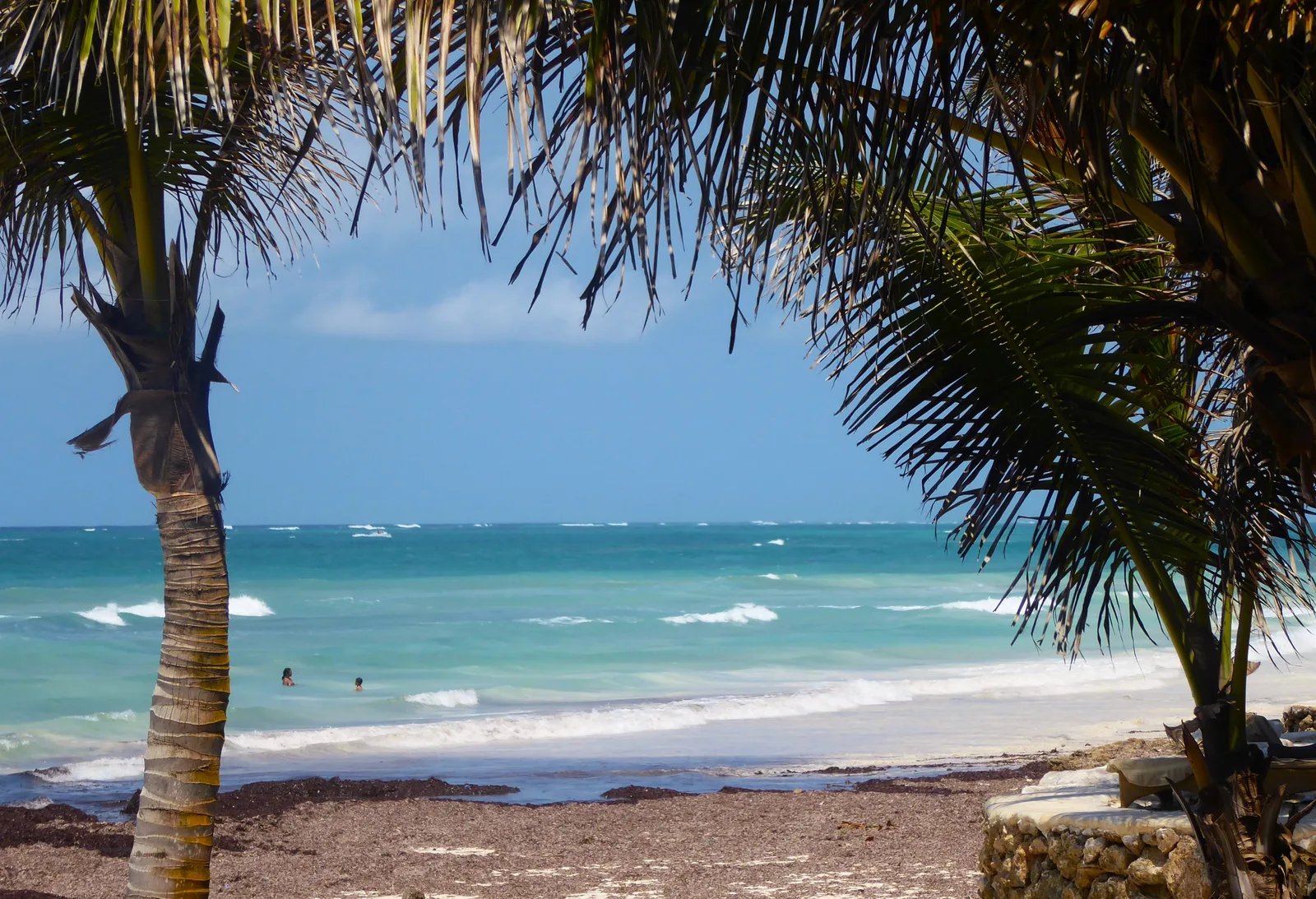
A coast stay shaped by tides and distance
Diani Beach is a place to choose a stretch of coast and settle into its rhythm. The Indian Ocean, palms and beach are the main attraction, but a useful visit depends on the details behind the photograph: the tide outside your accommodation, the distance to dinner, and whether the journey from the airport leaves you time to enjoy the first afternoon. Give those decisions attention before filling a week with excursions.
The Kenya Tourism Board’s south-coast brochure describes accommodation ranging from resorts and hotels to bed-and-breakfasts and budget stays, alongside water sports, forest visits and coastal food. That variety makes Diani useful for both a beach holiday and a few slower days after a safari. It does not mean every property gives the same access to the beach or the same experience of the settlement around it.
For a first stay, allow at least three full days if you want one substantial outing as well as beach time. Add nights rather than stacking a forest trip, a distant marine excursion and a diving course into the same short break. Someone considering living here should keep an ordinary weekday free to investigate housing and services. A resort stay can introduce the coast without answering the questions involved in running a household.
Understand Diani, Ukunda and the wider coast
Treat Diani as a coastal settlement and visitor area, not a compact city with all its attractions around a central square. Ukunda is the nearby inland service town, while accommodation marketed under the wider Diani name can be spread along the coast. Ask for the exact map pin and entrance rather than choosing solely by the destination label on a booking platform.
Compare a beach-front property with an inland option by walking through a normal day. Can you reach breakfast, groceries and your preferred beach access comfortably? Is the return practical after dark? If an advertisement describes a beach as nearby, establish whether that means a public access route, permission through another property or a drive. A short straight-line distance does not settle any of those questions.
The coast’s cultural history extends well beyond resort development. The UNESCO account of the Sacred Mijikenda Kaya Forests explains the relationship between forest sites, the remains of fortified settlements and continuing religious traditions. Kaya Kinondo belongs within that wider heritage. Approach any proposed visit through the community’s current arrangements; a World Heritage listing does not turn a sacred place into unrestricted public woodland.
Ask who will guide you, what areas are accessible and what conduct is expected before arriving. Follow instructions about photographs and entry without treating them as negotiable extras. A good cultural visit makes space for explanation and respects limits. If you cannot confirm an authorised visit, choose another activity rather than attempting to explore a sacred forest independently.
Choose accommodation for the whole stay
Beach-front resorts can simplify a holiday by bringing meals, a pool and organised activities into one place. Compare the actual board basis: breakfast-only, half-board and all-inclusive prices answer different needs. Establish whether drinks, special dining, children’s activities and airport transfers are included. A larger quoted room price may work out differently once you price the meals and journeys you would otherwise buy separately.
Apartments, cottages and villas suit visitors who want space or a kitchen, but inspect the practical arrangements. Ask about cleaning, drinking-water provision, cooking equipment, mosquito screens, fans or air conditioning, and power backup. For a family or group, clarify which bedrooms have their own bathrooms and whether photographs show the exact unit you will occupy. Shared facilities should be described clearly before payment.
The beach itself deserves specific questions. Ask how tides affect access immediately outside the property and whether swimming advice is available each day. A pool is a useful alternative when the sea is unsuitable. If mobility is limited, request information about steps, sand, ramps and the route from the room to dining areas; “beach access” says little about the physical effort involved.
Consider privacy and everyday contact alongside price. A secluded property can be ideal if you want meals and rest on site, but it may add transport to every evening out. A property nearer shops can be more convenient for a self-catering stay. Read cancellation and payment terms, confirm the full total in the quoted currency, and verify the identity of the recipient before sending a deposit.
See colobus conservation without treating wildlife as pets
Colobus Conservation works on primate rescue, rehabilitation, habitat protection and threats including roads and electrical infrastructure. Its current website gives Monday-to-Saturday opening hours of 8.30am–4pm and invites prospective visitors to contact the organisation. Confirm whether a visit is available, its format and the current charge before travelling there; older tour descriptions should not be treated as an appointment.
Use the visit to understand why tree cover and connections between habitat patches matter around a developed beach destination. Observe quietly, keep your distance and follow staff instructions. Do not feed monkeys, invite them into a room or arrange a photograph through physical contact. Protect food and belongings without chasing an animal, and ask accommodation staff how to manage an encounter appropriately.
For families, this can be a more manageable land-based outing than a long excursion. It also gives context to wildlife seen from a garden or roadside. Avoid promising children a particular animal encounter: conservation work follows the needs of animals, and visitor arrangements may change. Leave enough time to listen and ask questions rather than treating the centre as a quick stop between meals.

Make sea activities conditional on the sea
A beach holiday works best when you can change the plan. Ask an experienced local operator about the tide, wind, currents and the conditions at the actual launch point. A calm-looking patch near shore is not a guarantee that the whole route is suitable. For lessons, discuss your experience honestly and establish what happens if the instructor judges conditions unsuitable.
Before booking a boat, request the passenger limit, safety equipment, shade, drinking water and procedure for a weather cancellation. Lifejackets should fit each person, including children. Ask where the trip goes and how much time is spent travelling rather than swimming or snorkelling. A low headline price is difficult to compare unless the boat, equipment, conservation charges and transfers are all specified.
The KWS marine visitor code asks visitors to check weather and sea conditions and to avoid feeding, touching or interfering with marine wildlife. Follow that principle even when someone offers a closer encounter. Keep fins and feet away from coral, retain your rubbish and decline trips based on chasing animals. Wildlife sightings are possibilities, not something a responsible operator can guarantee.
For a larger excursion, Kisite-Mpunguti Marine National Park and Reserve offers reef and island habitats farther down the coast. Arrange the mainland transfer and boat connection as part of the same plan, and confirm the actual embarkation point. This is a separate outing from spending a morning immediately off Diani. Keep a land-based alternative available if sea conditions change, particularly on a short holiday.
Trade a beach day for Shimba Hills
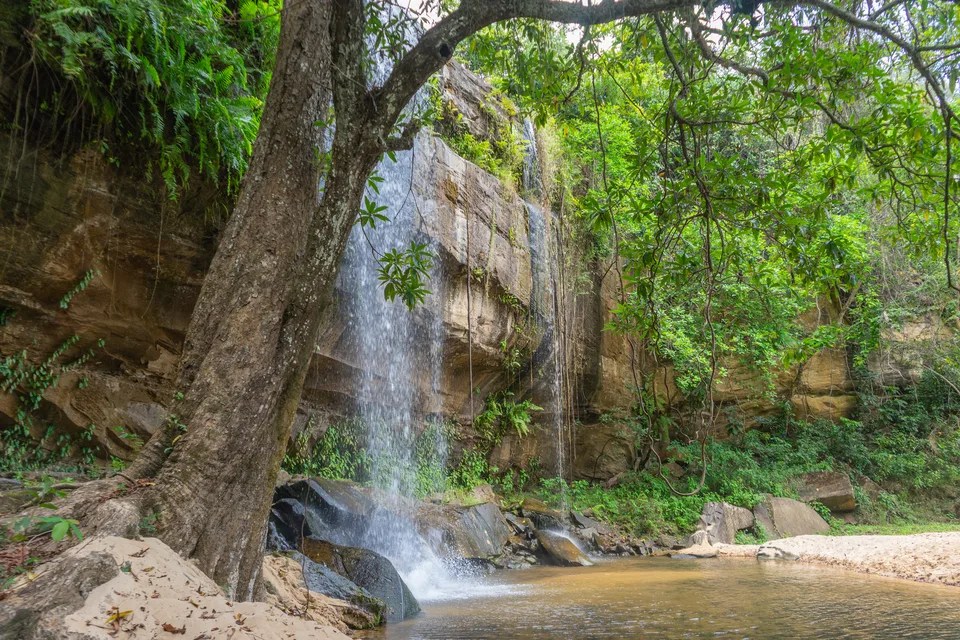
Shimba Hills National Reserve offers a forest landscape, viewpoints and Sheldrick Falls, with elephants and sable antelope among the wildlife associated with it. It is a useful contrast to the coast, but not a substitute name for a large open-plains safari. Go because you want the reserve’s particular landscape and wildlife, with sightings left to chance.
Plan a proper excursion with transport and the activity arrangements confirmed. Ask specifically whether a proposed waterfall walk is operating, how strenuous it is and what guiding is required. A photograph of the falls cannot tell you the condition of the path on your date. Wear suitable footwear and carry water; someone who prefers not to walk should discuss a vehicle-based programme beforehand.
KWS publishes a 6am–6pm gate window, subject to arrangements for overnight stays. Confirm the time you need to leave your accommodation and the expected return rather than filling the evening with a second fixed booking. Stay on permitted routes and follow ranger instructions. A forest excursion is more rewarding when there is room to stop and understand what you are seeing.
Arrival choices and local journeys
Diani’s airport is also widely identified as Ukunda, so check both names against the airport code and booking details. Compare flying there with arriving at Mombasa and continuing by road. Judge the whole journey, including baggage, arrival time and the final transfer, rather than selecting on flight price alone. Ask your accommodation for a written transfer quote and a clear meeting procedure.
Nairobi airport names matter. A connection involving Wilson is a different proposition from remaining at Jomo Kenyatta International Airport: confirm the airports on both tickets and allow for a road transfer where necessary. Separate tickets also need a realistic margin for immigration, baggage collection and delays. Avoid arranging the last possible onward flight unless you can absorb the consequences of missing it.
Safarilink’s published baggage allowance lists Diani among routes allowing 20kg per person, including hand baggage, in soft bags. Do not automatically apply a generic 15kg safari-flight limit to that route, or assume the Diani allowance covers every onward flight. Check all sectors of a combined safari-and-beach itinerary, with sports equipment declared in advance. Excess baggage carriage can depend on capacity.
The airline’s passenger FAQ gives a latest check-in time of 60 minutes before departure at Wilson and 45 minutes at Diani. Treat these as cutoffs rather than ideal arrival targets. Confirm your own carrier’s instructions and transfer time for the exact accommodation. For local road journeys, agree the destination, fare and return arrangements before setting off, especially if you will be collected after a meal or an excursion.
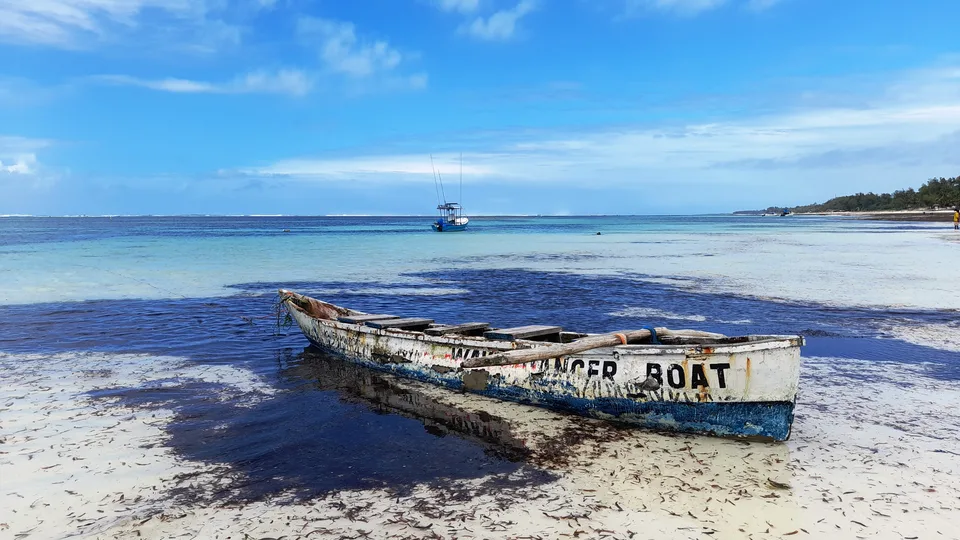
Meals, shopping and a practical holiday budget
The Kenya Tourism Board’s cuisine pages offer an introduction to Swahili dishes and coastal dining. Look for opportunities to ask what a kitchen prepares locally, rather than restricting meals to the international section of a menu. Explain allergies directly and ask about sauces, cooking oils and shared preparation equipment. Seafood and coconut-based cooking can be appealing without being appropriate for every dietary need.
For fish, establish whether the price is for a portion, a whole fish or a weight. Check what accompaniments are included and how payment works before ordering. Self-catering guests should inspect the kitchen and nearby shopping before planning elaborate meals. A usable refrigerator, clean preparation space and realistic access to groceries matter more than the word “kitchenette” in an advertisement.
Build a budget around the accommodation’s full total, airport transfers, meals outside the board arrangement and the excursions you actually want. The KWS conservation-fee schedule lists marine protected-area admission at US$25 for an adult in its non-resident category and US$15 for an African citizen; East African citizens pay KSh500 and Kenya residents KSh675. These are conservation charges, not complete boat-trip prices.
For Shimba Hills, the same schedule lists adult admission at US$50 for non-residents, US$20 for African citizens, KSh500 for East African citizens and KSh675 for Kenya residents. Check the category definitions and bring the evidence required. Vehicle and activity charges can be additional. Two non-resident adults taking both excursions should therefore allow US$150 for those admissions alone, before transport, guiding or boat services.
For shopping, agree the complete price and inspect the item before paying. Avoid buying wildlife products or removing shells and coral as souvenirs; ask about lawful materials and export rules when in doubt. Keep money for small everyday payments without carrying the entire holiday budget on a beach outing. For major deposits, use a traceable method and retain the booking confirmation.
For a longer stay, make a grocery basket based on what your household normally eats and compare it at the shops you could actually use. Include drinking water, household supplies and the cost of getting purchases home. Price occasional expenses separately, such as laundry, replacement beach equipment or a medical appointment. This gives you a useful personal budget without relying on someone else’s daily spending figure or assuming a holiday package reflects the cost of living.
Weather, tides and choosing your dates
Kwale’s official planning documents describe two rainfall seasons: the longer rains around March or April through July, and shorter rains from October to December. These are seasonal patterns, not a promise about individual days. For a stay centred on beach time, compare dates outside the wetter periods first, then weigh room availability, school holidays and the activities you want.
Use Kenya Meteorological Department forecasts for the current outlook and ask activity providers about marine conditions. Rainfall information alone does not settle whether a boat excursion or a lesson will operate. Keep the programme flexible enough to move a sea activity to a better day. A shaded terrace, pool or interesting land-based outing can make a weather interruption much less disruptive.
For the room itself, confirm ventilation and cooling rather than assuming an ocean breeze reaches every bedroom. Pack sun protection and light clothing, with something appropriate for visits away from the beach. Arrange travel-health advice before departure and explain your full itinerary, including any safari or inland stay. The UK government’s Kenya health guidance links to specialist information for travellers; individual needs should be assessed by a qualified clinician.
Four days without turning the holiday into a timetable
Make day one a local introduction. Settle into the accommodation, identify the practical beach access and ask about that day’s swimming conditions. Keep the first meal straightforward and confirm the next day’s arrangements. An easy arrival day also leaves space for luggage delays or a slower-than-expected transfer without losing a prepaid excursion.
On day two, choose a sea activity suited to your ability and the conditions. Retain the afternoon for the beach, pool or a meal outside the property. If the weather is unsuitable, exchange this with a land-based day rather than insisting on the original order. For a diving course or several lessons, give training the time it needs instead of trying to fit it into a spare morning.
Use day three for a confirmed conservation visit or a community-authorised cultural outing. Add time in Ukunda if you want to understand everyday services beyond the resort. For someone considering relocation, use this as a first orientation and schedule separate housing viewings. Combining a sacred-forest visit with hurried property appointments is unlikely to do justice to either.
Choose either Shimba Hills or Kisite-Mpunguti for day four. If both are priorities, extend the stay so that they do not consume every full day. Keep the day before a flight flexible, particularly after an outing dependent on the sea. Consult VisaWand’s Mombasa city page for a different coastal base, or its Shimoni location page when planning the southern excursion. Check Ukunda’s location page for the neighbouring service town.
Living here means inspecting services as well as views
Begin with a temporary stay and compare homes through a normal working week. Make the journey to your likely workplace, school or regular appointments at the relevant times. Check the return after dark, where the vehicle can stop and how you enter the property. If you will need a daily journey to Mombasa, test it rather than extrapolating from a holiday transfer.
At viewings, ask about water source, storage, pressure and treatment, including responsibility for pumps and tanks. KWAWASCO provides water services in Kwale County, including Ukunda, but availability must be established for the individual property. Inspect the account and arrangements directly. A listing that says “water included” does not explain the supply, drinking-water provision or what happens during an interruption.
For electricity, identify the meter, billing method and responsibility for the account. Kenya Power’s customer-support service covers bills, connections and outage reporting. Ask what backup actually supplies: lighting and a router are different from air conditioning or a water pump. Test mobile reception and the installed internet connection with the work you need to do, rather than accepting a package’s advertised maximum speed.
Inspect ventilation, screens, drainage, locks and the condition of appliances. Clarify cleaning, gardening, security, rubbish collection and pest management in writing. Compare rent alongside deposits, advance payments, service charges and utilities. No reliable comparable rental average was established for this guide; actual listings, inspected homes and a complete written quote are a better basis for a household budget.
Locate suitable healthcare and a pharmacy before committing, and confirm how your insurer handles authorisation and payment. Families should contact schools about places, language, fees and transport. Keep essential documents and contacts available if your phone fails. A home that works well through ordinary errands and a service interruption is a stronger prospect than one assessed only during a relaxed afternoon viewing.
Tourism, remote work and residence are separate decisions
Start with Kenya Immigration’s official eTA information. Some nationalities and immigration categories are exempt, so check eligibility for your passport rather than assuming every visitor needs the same authorisation. Where required, apply ahead of travel; the authority recommends at least two weeks even though usual processing is around three working days. An approved eTA permits travel for assessment, with admission decided at the border.
Kenya introduced a separate inbound travel-health-insurance requirement on 5 October 2026. The official eCitizen insurance portal explains the cover and exemptions and lists a premium of up to US$44, including statutory charges. Exemption from eTA does not by itself mean exemption from insurance. Check your circumstances directly, obtain the required certificate before travelling and retain it alongside any additional policy covering your particular activities.
Current entry guidance for British citizens also explains passport, insurance and conditional vaccination documentation. Other nationalities should consult the Kenyan authorities for their own requirements. Confirm the permitted stay actually granted, and use the official process for any extension. Neither repeated holidays nor a lease should be treated as proof of a right to remain indefinitely.
For remote work, Kenya’s Class N permit covers qualifying work for companies or clients outside Kenya. The current information lists US$200 in non-refundable processing fees and US$1,000 per year in issuance fees, with documentary requirements. Local employment, business activity and study require the appropriate permit or pass. A beach-based lifestyle does not change those distinctions or establish permanent residence.
Use VisaWand’s Kenya location directory and Kenya destination page to organise further research. Its consultant listings can help you identify an adviser for a defined question. Describe your nationality, intended activity, income source and expected duration precisely; obtain the authority’s requirements before making long-term commitments.
Official planning resources
Reviewed 17 October 2026. Use the official resources linked throughout this guide for admission, transport, housing and immigration decisions. Prices, services and rules can change; confirm the details relevant to your dates. Photography illustrates the locations and is not a live view.
View all official resources
- Kenya Tourism Board: Mombasa and south coast brochure
- UNESCO: Sacred Mijikenda Kaya Forests
- Colobus Conservation: visiting and conservation work
- KWS: Kisite Mpunguti marine visitor brochure
- KWS: Kisite Mpunguti Marine National Park and Reserve
- KWS: Shimba Hills National Reserve
- Safarilink: baggage allowance
- Safarilink: passenger FAQs
- Kenya Tourism Board: cuisine
- KWS: conservation fee schedule
- Kwale County: annual development plan 2025–26
- Kenya Meteorological Department: current forecasts
- UK government: Kenya health information
- KWAWASCO: Kwale water services
- Kenya Power: customer support
- Kenya Immigration: eTA general information
- Kenya eCitizen: inbound travel health insurance
- UK government: Kenya entry requirements
- Kenya Immigration: Class N digital nomad permit
- Kenya Immigration: work permits and passes
Plan the next part of your journey
Explore the Kenya guide, browse other cities or compare consultants for your travel and relocation questions.