Visa
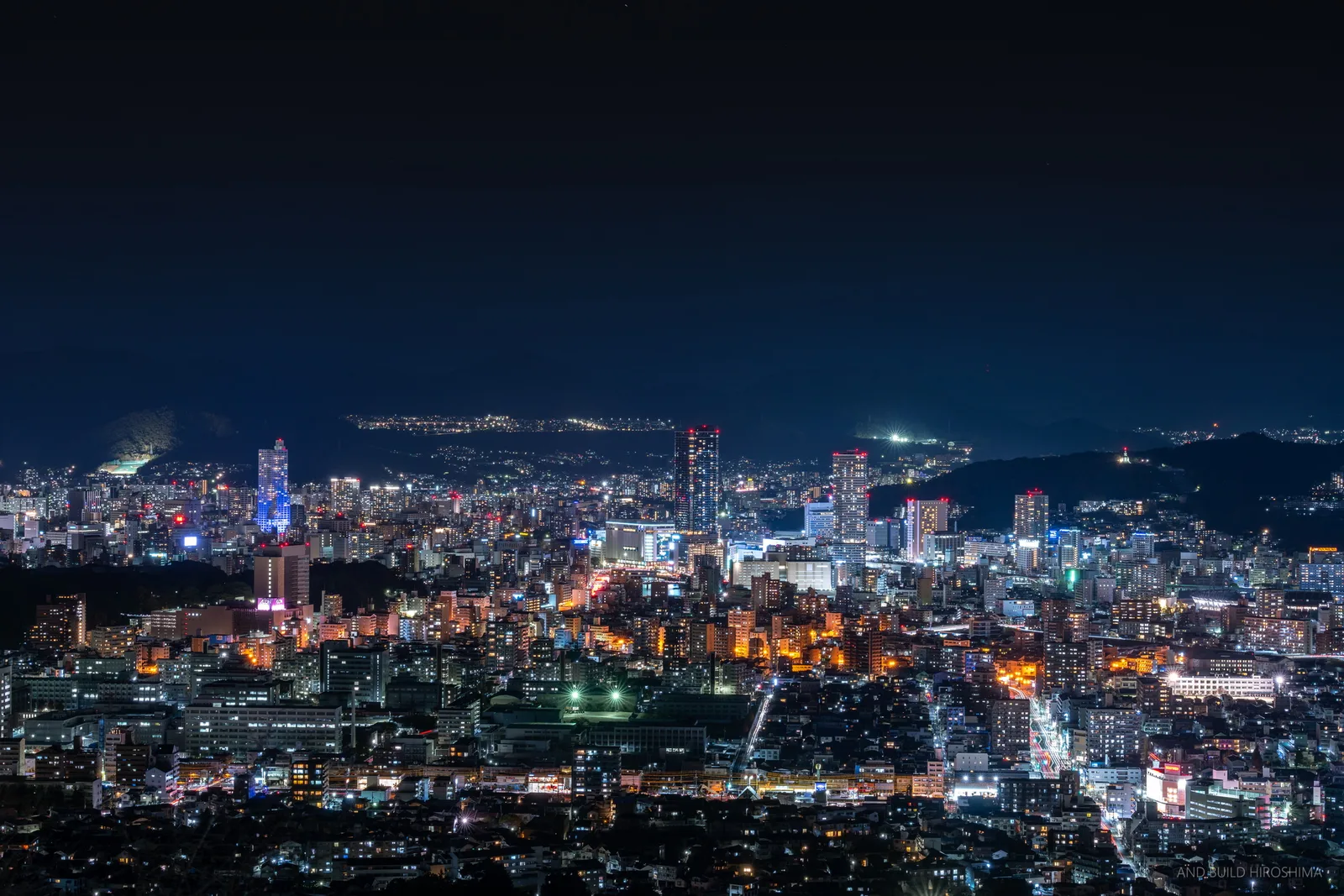
Hiroshima deserves more than a stop between trains
Hiroshima asks visitors to hold two views of a place together: a city shaped by the atomic bombing, and a working regional centre whose evenings, shops and river crossings belong to ordinary contemporary life. Come for the Peace Memorial Museum, but leave room for a garden, a carefully cooked okonomiyaki and a day across the water on Miyajima.
Allow three nights if the island matters to you. Two full days can cover the central memorial area and Miyajima, but offer little protection against heavy rain or a disrupted mountain excursion. Prospective residents need a different visit: arrange housing viewings, test the journey to work and spend time in the neighbourhood where you could actually live. Start broader planning with VisaWand’s Japan country guide.
A castle town, a military centre and a city rebuilt
Hiroshima developed on the Ōta River delta. Mōri Terumoto began building its castle in 1589; the surrounding settlement grew into a political and commercial centre. Later railway and port development strengthened its military role. The atomic bombing on 6 August 1945 devastated the city, and the 1949 Peace Memorial City Construction Law helped frame reconstruction. The municipal history gives these periods their necessary context.
That longer history matters when walking here. The castle grounds, waterways and memorial landscape represent different chapters, rather than interchangeable sightseeing stops. Avoid treating every older looking building as an original survivor: some important structures were rebuilt after the war. Equally, Hiroshima’s identity extends beyond its monuments. Allow an unprogrammed evening to see the functioning city alongside the history you came to understand.
Choose a base around your actual journey
Hiroshima Station suits early departures, onward rail travel and travellers who want their luggage close to the next train. It is a practical transport base, but should not be confused with the Peace Memorial Park area. Check the walking route from the station exit to the hotel, especially with several bags or limited mobility.
Kamiya-chō and Hatchōbori put you in the central shopping and interchange area; Hondōri is useful for combining browsing with a walk towards the memorial district. A hotel near Peace Boulevard can make a slower central visit convenient. These are starting points for comparing addresses, rather than promises about every street. Inspect the final block, evening noise and access to the entrance before choosing. Consult the current streetcar network map alongside the booking map.
Give Peace Memorial Park an unhurried morning
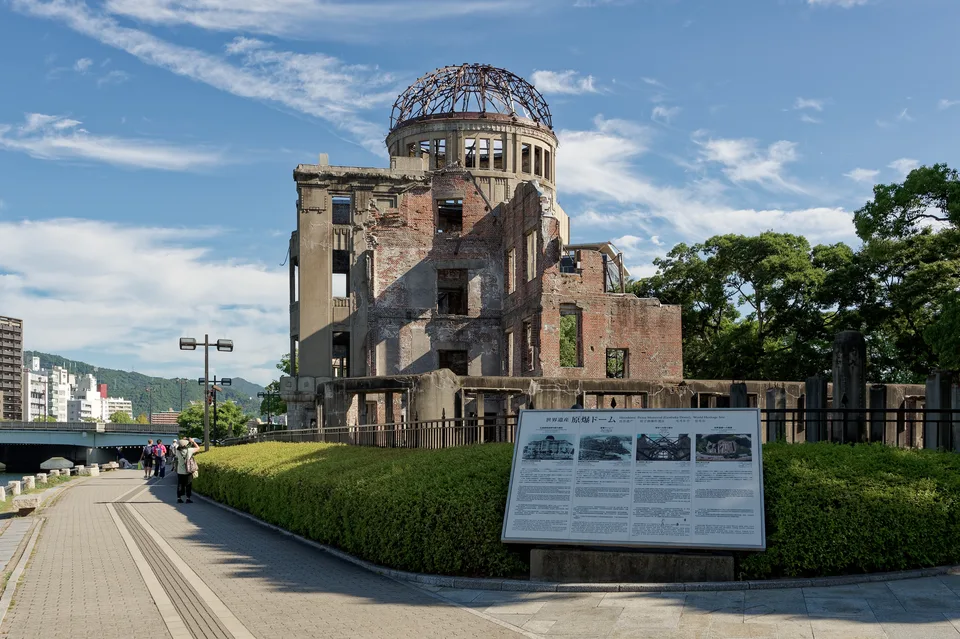
Approach the memorial district as a place of remembrance. The Atomic Bomb Dome is the preserved ruin of the former Industrial Promotion Hall, viewed from outside its perimeter fence. Its UNESCO World Heritage listing recognises both its surviving fabric and its significance as a witness to the bombing. It is not a reconstruction to climb or enter.
Walk through the park before deciding how much more you want to absorb indoors. Read memorial explanations, respect people paying their respects and keep photography unobtrusive. If travelling with children, discuss the purpose of the visit beforehand and leave a way to shorten the museum portion. A quiet break afterwards is a reasonable part of the plan. Avoid booking a tightly timed onward excursion immediately after the museum.
Book the museum around its admission rules
The Peace Memorial Museum’s admission page lists ordinary adult entry at ¥200, high school entry at ¥100, and free admission for junior high pupils and younger children. Large bags are prohibited in the museum; organise luggage before joining the entry queue. Follow the published photography rules and instructions around individual displays.
The museum’s current booking notices distinguish ordinary daytime entry from extended hours requiring online tickets. In September–November, the early period begins at 7:30am and evening reserved entry begins at 5:30pm; last admission is 6:30pm. Seasonal hours differ, and a web ticket does not eliminate every possible wait. The museum has announced a temporary closure for 15–20 February 2027. Check the calendar for your date rather than relying on a past holiday notice or an old guidebook.
See the castle exterior, without expecting a tower visit
Hiroshima Castle’s keep closed to visitors on 22 March 2026. The operator’s closure announcement confirms that its exterior remains visible and that the reconstructed Ninomaru buildings and Sannomaru facilities continue operating. The keep standing today was reconstructed in 1958. Advice to buy an old tower ticket or climb for the view is therefore out of date.
For a short visit, combine a look at the exterior and moat with another central stop. Make this a substantial detour only if castle landscapes particularly interest you. The closure changes the experience: someone expecting an indoor historical exhibition should choose another activity, while someone interested in the relationship between the fortifications and the city may still value the grounds. Check individual facilities separately before arranging a specialist visit.
Use Shukkeien for a different pace
Shukkeien’s official visitor information lists general admission at ¥350. From 16 September to 15 March, opening hours are 9am–5pm, with entry ending 30 minutes before closing; the warmer season runs later. The garden closes on 29–31 December. Its seasonal setting offers a useful change of pace after the memorial district.
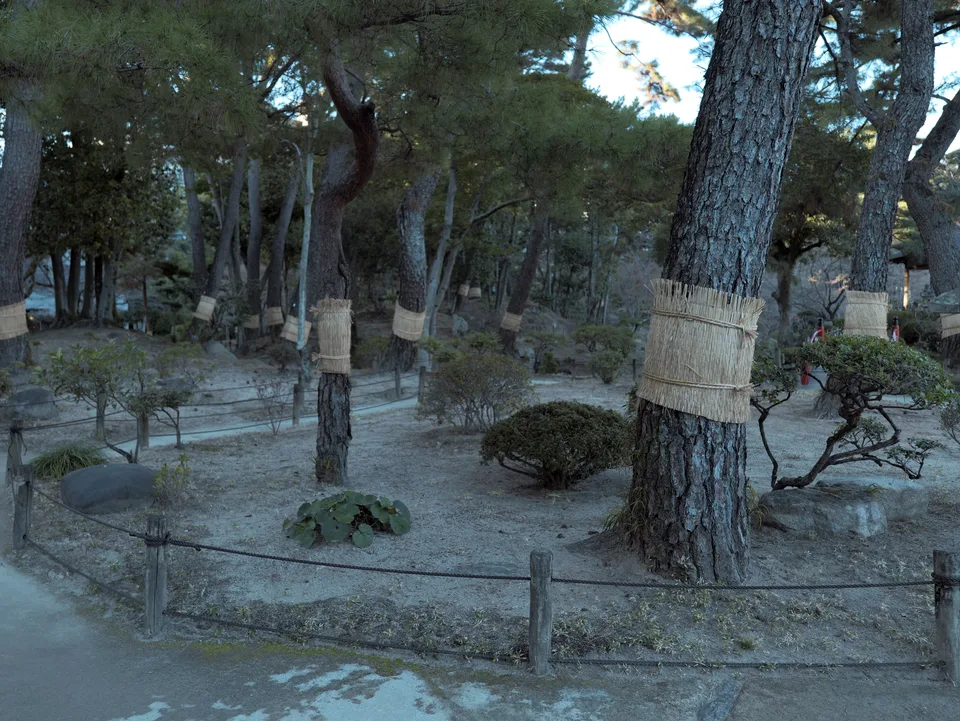
Allow time to look closely instead of treating the garden as a quick photograph between appointments. Choose footwear for paths rather than only for city pavements. The winter photograph accompanying this guide shows wrapped tree trunks and a subdued landscape: it should not be read as a promise of blossom or autumn colour on another date. If conditions are wet, decide whether you want the garden itself or simply an indoor afternoon, and adjust accordingly.
Make Miyajima a full day in Hatsukaichi
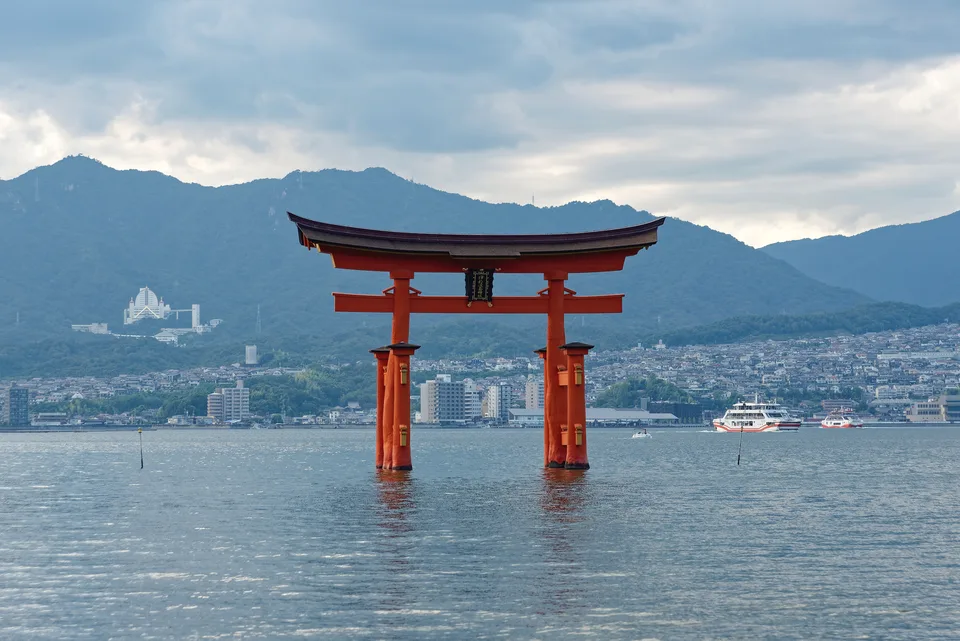
Miyajima is in neighbouring Hatsukaichi, rather than Hiroshima city itself. Itsukushima Shrine’s relationship with the sea and wooded hills is central to the experience. UNESCO’s description of the shrine property includes shrine complexes and a forested area around Mount Misen; describing the entire island as the inscribed monument is imprecise.
Ordinary adult shrine admission is ¥300, or ¥500 combined with the Treasure Hall. From 15 October through November, shrine hours are 6:30am–5:30pm, according to the shrine’s own admission information. Plan around both opening hours and the day’s tide conditions: the water changes the appearance of the great torii considerably. Build the day around the shrine and waterfront first. Add the mountain only if weather, daylight and your walking capacity support it.
Separate the ferry crossing from the mountain outing
Matsudai Kisen’s fares are ¥200 each way for an adult, plus the ¥100 Miyajima visitor tax on arrival unless an exemption or prepayment applies. A straightforward adult return therefore totals ¥500. Check which operator your ticket covers before entering a queue; similar departures do not make tickets interchangeable.
The Miyajima Ropeway lists an adult return at ¥2,000 and a final return departure at 4:30pm. Reaching the upper station does not put you on Mount Misen’s summit: additional walking needs time and appropriate footwear. The operator’s status and reservation calendar should decide the mountain plan. Some dates require advance reservations, and wind or thunderstorms can stop service. Do not commit to a late summit walk because the outward journey looked easy.
Reserve Mazda for a manufacturing perspective
The Mazda Museum gives a different reason to extend a Hiroshima stay. Admission is free, but visits require advance reservations; it is not a place to turn up between other appointments. Regular opening is on weekdays, with selected Saturday events. The company lists a temporary closure from 8–26 February 2027, alongside its holiday closures, so check before organising a trip around it.
For parties of ten or fewer, the published weekday booking arrangements include an English afternoon tour departing the head office lobby at 2:15pm and returning at 4:15pm. Arrive 15 minutes before departure. Follow the official access instructions to the head office meeting point, reached from JR Mukainada Station, rather than navigating independently to an industrial gate. Wheelchair users should contact Mazda before booking because the visit is not entirely barrier free. Production may pause, so a museum booking does not guarantee seeing a factory line operating. Treat this as an alternative afternoon or an extra day, rather than trying to fit it into Miyajima’s mountain schedule.
Consider contemporary art on Hijiyama
Hiroshima City Museum of Contemporary Art stands in Hijiyama Park, in a building designed by Kisho Kurokawa. Opened in 1989, it gives the city’s cultural life another dimension beyond the memorial landscape. The museum’s institutional introduction explains its commitment to postwar contemporary art and the relationship between Hiroshima and artistic expression.
Choose this detour because the exhibitions interest you: inspect the current programme before deciding how long to spend. Temporary shows and collection displays are different offers, so confirm the ticket you need rather than assuming one admission covers everything. Make the park setting part of a fair-weather visit, while checking the approach if hills or steps would be difficult. A museum afternoon can also suit travellers who want an indoor focus, but the journey to the building still needs planning. Keep it as a deliberate choice in the itinerary rather than an obligation to collect another sight.
Compare accommodation by the room, not its photograph
Choose a station hotel for efficient arrivals, a central address for evening access, or an island overnight if you specifically want more time on Miyajima. Compare the full journey and room conditions before comparing the nightly headline. Confirm bed arrangement, private bathroom, lift access, luggage storage and cancellation deadlines. Small differences matter on a multi-night stay.
Where a property offers dinner or a traditional accommodation package, read the meal and arrival arrangements carefully. Late arrival can change what you receive. For families, check whether the quoted rate includes each child and whether extra bedding is available. For longer stays, ask about laundry, cooking equipment and cleaning charges. A room described as suitable for an extended visit does not necessarily offer the facilities needed for everyday household life.
Include the accommodation tax introduced in 2026
Hiroshima Prefecture introduced its accommodation tax on 1 April 2026. It is ¥200 per person per night when the room charge, excluding consumption tax and meals, is at least ¥6,000. Charges below that threshold are exempt; relevant service charges form part of the accommodation calculation. This is a prefectural measure, including eligible stays outside Hiroshima city.
Ask whether the booking total includes the tax or whether it will be collected at the property. For a couple staying three nights in qualifying accommodation, it adds ¥1,200 altogether. That calculation is an example, not a claim about any particular hotel’s rate. Compare like with like when one booking includes breakfast or dinner and another shows only the room. Request a clear breakdown if the threshold is uncertain.
Arrive by rail or allow time for the airport bus
For an intercity journey, compare services and seat availability through the official Smart EX rail booking service where applicable. Check the actual departure station, service conditions and luggage arrangements before paying. A short stay benefits from avoiding a complicated arrival followed immediately by an ambitious excursion.
The Hiroshima Airport timetable lists the Hiroshima Station Shinkansen Gate bus at ¥1,500 for adults and ¥750 for children. Many scheduled journeys take 50 minutes; road conditions and available seats can change the practical connection. At the station, the published boarding point is platform 5; at the airport it is platform 2. Recheck the timetable for your dates, especially around schedule changes, and leave a generous margin before a flight. Include the transfer cost when comparing air and rail arrivals.
Use the current tram map and do the pass arithmetic
Hiroden’s current flat streetcar fare is ¥240 for adults and ¥120 for children, including journeys to Hiroden Miyajimaguchi. Pay attention to the operator’s boarding and payment instructions. The network has changed: the loop line opened on 28 March 2026, making older routing advice worth checking against today’s map.
The one-day streetcar ticket costs ¥700 for adults; three separate adult rides would total ¥720. The ¥1,000 streetcar and ferry ticket includes Matsudai Kisen and the Miyajima visitor tax. It does not cover JR trains or the JR ferry. These are calendar-day products, so a late start reduces their usefulness. Choose a pass after sketching your journeys, rather than adding extra tram rides merely to justify a ticket you already bought.
Eat okonomiyaki with attention to the ingredients
Hiroshima okonomiyaki is assembled in layers: a thin batter base, vegetables and noodles are cooked on the hot plate rather than simply mixed into one batter. The tourism association’s explanation of the dish helps you recognise the method. Watching the preparation can be part of the meal, but ask before photographing someone at work.
Choose a restaurant by its current menu, opening hours and suitability for your party. If you avoid pork, seafood, eggs or wheat, ask about the whole dish, including sauces and cooking surfaces; removing one topping may not resolve the issue. Carry a written dietary explanation if communication is difficult. For a busy sightseeing day, arrange a proper meal break rather than relying on an unspecified famous restaurant having seats when you arrive.
Build a budget from the activities you will use
Published admission and transport prices make a useful starting point; hotel rooms and meals require quotes for your dates. A central day with the museum, Shukkeien and two adult tram journeys totals ¥1,030 before food and accommodation. A return Matsudai ferry crossing including visitor tax, shrine admission and return ropeway totals ¥2,800 before mainland travel or meals. Both examples exclude discounts and optional extras.
For shopping, decide whether you want a practical purchase or time to browse around the central commercial streets. Check opening hours rather than assuming every shop follows the same timetable. Keep a reserve for a taxi, disrupted plans or luggage handling. Visitors shopping tax free should check the official refund-system information, particularly for purchases from 1 November 2026, when the new arrangements begin.
Choose the season for walking, not just the calendar
The Japan Meteorological Agency’s 1991–2020 normals put Hiroshima’s January mean at 5.4°C and August mean at 28.5°C; the average August daily maximum is 32.8°C. June and July average 226.5mm and 279.8mm of precipitation respectively. These describe historical climate, not the weather on your travel dates.
For extensive walking, consider spring or autumn while checking actual conditions and accommodation availability. Summer needs a slower outdoor schedule, shade breaks and a realistic approach to mountain exertion. In winter, prepare for cold mornings and earlier closing times. Keep Miyajima flexible if the mountain is a priority: a visually dramatic sky is not proof that ropeway operations or walking conditions will remain suitable. Read operational notices before departing from the city.
A realistic three-day first visit
Day one: arrive, leave luggage and learn the route between your hotel and the centre. If you have sufficient daylight, choose Shukkeien or a walk around the castle exterior, then have dinner without a second timed booking. A late arrival should simply become an arrival evening.
Day two: devote the morning to the Peace Memorial Park and museum, using a booked entry period if required. Take a proper break afterwards. Leave the afternoon open for central browsing or another quiet walk, depending on how much you want to absorb.
Day three: give Miyajima the day. Prioritise the shrine and waterfront, and add the ropeway only after checking operations and your return plan. If you have only two days, combine selected central sights more tightly and accept that the mountain may need to wait.
Evaluate a move through the commute and the lease
Begin a relocation visit with the workplace or campus address. Compare actual door-to-door journeys at the time you would travel, including transfers and the final walk. A location convenient for weekend sightseeing may be awkward for your daily destination. Ask an employer or institution for its own access guidance before choosing a neighbourhood.
Use the national housing guidance for foreign residents to prepare for rental discussions. Request an itemised initial payment and recurring monthly total, including any management charge, guarantor arrangement, insurance and renewal conditions. Read cancellation and restoration terms before signing. Confirm furnishings, heating and cooling, internet installation and permitted occupancy in writing. Avoid treating a short furnished booking as evidence that a conventional lease will have the same terms, or that every landlord will accept the same documentation.
Arrange household services before your first working week
The city’s international resident handbook, dated October 2024, explains address registration, utility arrangements and household waste collection. Collection rules depend on the area and waste category. Use the current municipal everyday-life pages to reach the relevant service information rather than following an old copied timetable.
Before taking possession, establish who activates water, electricity and gas, which appliances are included and how bulky items are disposed of. Locate a grocery shop, pharmacy and suitable clinic along routes you can manage routinely. Families should confirm school arrangements directly before signing a lease. Keep your address available in Japanese and plan how to explain an urgent problem. If language or administrative questions become difficult, the free international resident consultation service offers English support; check its hours and appointment arrangements.
Keep visiting, employment and study permissions separate
Check the foreign ministry’s visa-exemption conditions against your nationality, passport and intended activity. An exemption for a short visit is not permission to take employment, and permitted lengths of stay are not identical for everyone. Confirm your position before buying non-refundable travel or treating a scouting trip as a move.
Employment and study require the appropriate route. The official work visa guidance and student visa guidance explain supporting documentation and Certificates of Eligibility; receiving a certificate does not itself guarantee a visa. Ask the relevant Japanese mission about your case. Students should verify any separate permission needed for paid work. Permanent residence is a distinct process, not an automatic outcome of renting a home or spending time here. Use the long-stay visa overview to identify the appropriate starting point.
Leave room for another destination
For many first visits, Miyajima already fills the available excursion time. Add another destination only if you have an extra night or a clear reason to travel further. Compare the character of a coastal or smaller-town stay through VisaWand’s Japan location directory, whose entries should not all be assumed to contain completed guides.
For a contrasting urban stop, the completed Nagoya city guide offers industrial museums, castle planning and another perspective on everyday life in Japan. Use the Japan destination page for wider planning. If your next decision concerns immigration or professional support, compare the services in VisaWand’s consultant directory and establish the adviser’s scope before booking. A well chosen Hiroshima stay should leave you with a clearer decision about the visit or move you actually want.
Official planning resources
Reviewed 16 October 2026. Use the official resources linked throughout this guide for admission, transport, housing and immigration decisions. Prices, services and rules can change; confirm the details relevant to your dates. Photography illustrates the locations and is not a live view.
View all official resources
- City of Hiroshima: history
- Hiroden: streetcar network map
- UNESCO: Hiroshima Peace Memorial
- Hiroshima Peace Memorial Museum: hours and admission
- Hiroshima Peace Memorial Museum: reservations and notices
- Hiroshima Castle: keep closure announcement
- Shukkeien: garden visitor information
- UNESCO: Itsukushima Shinto Shrine
- Itsukushima Shrine: admission and opening hours
- Miyajima Matsudai Kisen: ferry fares
- Miyajima Ropeway: hours and fares
- Miyajima Ropeway: operating status and reservations
- Mazda Museum: visiting information
- Mazda Museum: reservations and English tours
- Mazda Museum: meeting point and access
- Hiroshima City Museum of Contemporary Art: about the museum
- Hiroshima Prefecture: accommodation tax
- JR operators: SmartEX Shinkansen reservations
- Hiroshima Airport: Hiroshima Station bus timetable
- Hiroden: current streetcar fares
- Hiroden: loop line opened March 2026
- Hiroden: one-day streetcar and ferry tickets
- Hiroshima Tourism Association: Hiroshima okonomiyaki
- Japan Tourism Agency: tax-free shopping from November 2026
- Japan Meteorological Agency: climate normals
- MLIT: rental-housing resources for foreign nationals
- City of Hiroshima: international resident handbook
- City of Hiroshima: everyday life information
- Hiroshima Peace Culture Foundation: resident consultations
- Japan foreign ministry: short-stay visa exemptions
- Japan foreign ministry: working visas and Certificates of Eligibility
- Japan foreign ministry: student visa
- Japan foreign ministry: work and long-term visas
Plan the next part of your journey
Explore the Japan guide, browse other cities or compare consultants for your travel and relocation questions.