Visa
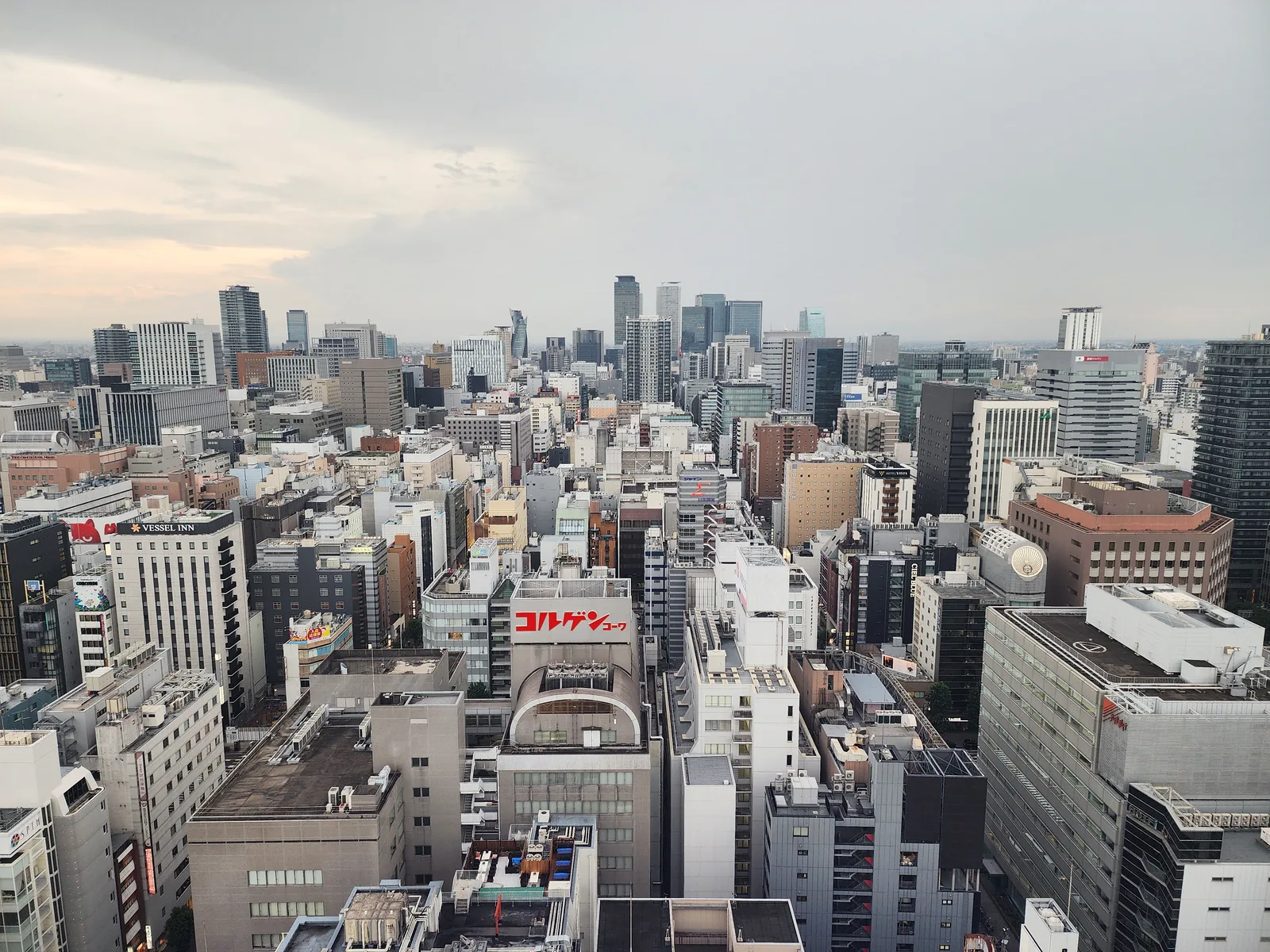
Stay long enough to see how Nagoya works
Nagoya makes a rewarding stop between Japan's better-known visitor destinations. Its castle connects the city to the Tokugawa period; its industrial museums explain machines through demonstrations and objects; Osu brings shopping, food and street life into an easy afternoon. Give these experiences their own time and the city becomes more than a place to change trains.
The capital of Aichi Prefecture suits travellers who enjoy understanding how a place works as well as seeing its landmarks. Three full days allow a balanced introduction, with another day useful for Ghibli Park or a slower regional excursion. Someone considering a move should add ordinary weekdays for housing visits and commuting trials.
Choose between the station and the centre
Nagoya Station is a sensible base when early departures, airport connections or frequent onward journeys shape the trip. Save the hotel's actual entrance and the rail operator you need: the station area's connected buildings and transport systems can make a short map distance less obvious on foot. Allow time to find the right ticket gates on the first journey.
Sakae and Fushimi offer another useful central base, especially when shopping, evening meals and walks are priorities. Compare the final walk from a station rather than selecting a hotel solely by district name. A room facing a lively road may feel different from one tucked behind it. For a short stay, avoid changing hotels between these areas unless the change solves a specific arrival or departure problem.
Consider Kanayama and the eastern campuses
Kanayama brings together Meitetsu, JR and municipal subway services, making it worth comparing when your route crosses several networks. Osu is better approached as a district to explore on foot than a reason to assume every nearby address has identical transport connections. Decide which station and exit you will actually use before comparing room rates.
For a university-related move, start with the precise campus. Nagoya University's access guide distinguishes Higashiyama, Tsurumai and Daiko; they are not interchangeable destinations. Higashiyama connects with Nagoya Daigaku Station on the Meijo subway line, with a transfer at Motoyama from the Higashiyama line. Test the journey to your building, not merely to the university's name on a map. Likewise, a regional employer's Nagoya office and a workplace in Toyota City may imply very different daily routines.
Understand the castle town and its reconstruction
The castle gives the city's history a useful framework. According to its official chronology, construction began in 1610, the tower keeps were completed in 1612 and the Hommaru Palace followed in 1615. The castle suffered destruction in the 1945 air raids; its towers were rebuilt in 1959, and the palace restoration opened fully in 2018. Those distinctions matter when looking at what survives and what has been recreated.
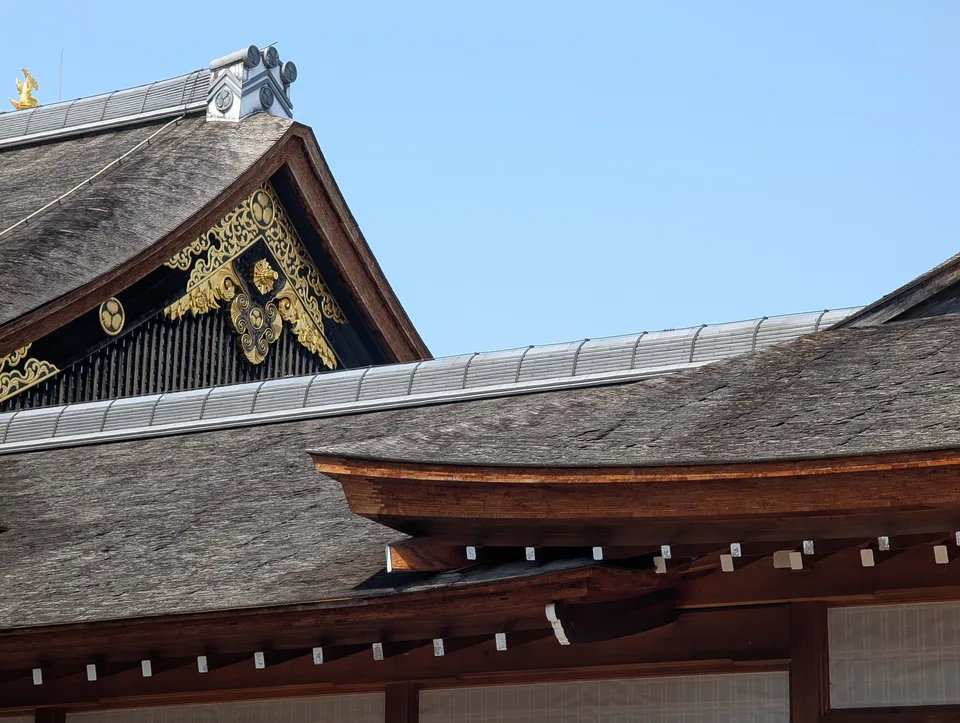
Approach the complex as a combination of landscape, political history and craftsmanship. A photograph of a dramatic roofline does not tell you whether the structure can be entered, or whether it is original. The restored palace offers a different kind of visit from climbing a keep: spend time looking at materials and the arrangement of rooms rather than judging the whole site from its skyline.
Visit the palace without expecting tower access
The castle's operating information states that the tower keep and some other structures cannot be entered. The adult admission price is now ¥1,000; the older ¥500 rate changed from 1 October 2026. Junior-high-school children and younger enter free. Standard hours are 09:00–16:30, with the palace's last admission at 16:00. Reach the palace entrance itself in time, rather than arriving at an outer gate at the deadline.
Hommaru Palace is included with castle admission. Its recreated hinoki woodwork, painted interiors and decorative fittings deserve a measured visit. Remove shoes as directed, leave bulky bags in the designated storage and do not use camera flash. Wheelchair users should consult the palace's specific access instructions; the existence of an accessible route elsewhere in the grounds does not settle the arrangements inside. Check the current calendar for holiday closures and special evening openings.
See manufacturing beyond a display of cars
The Toyota Commemorative Museum of Industry and Technology makes the most sense when you allow time for its textile machinery as well as automobiles. Its Textile Machinery Pavilion provides a starting point for understanding the transition from fibres and looms to industrial production. Watch a demonstration when available, then look at how a mechanism changes the work involved. This is a more distinctive visit than simply collecting photographs of vehicles.
Current adult admission is ¥1,000, with separate student and senior categories. The usual opening hours are 09:30–17:00, last admission 16:30; Monday is normally closed, shifting to Tuesday when Monday is a holiday. Check the dated calendar. The museum is near Sako Station on Meitetsu and also has a Me~guru sightseeing-bus stop. Do not confuse it with a different Toyota-branded museum elsewhere in the region when booking transport.
Make the railway museum a deliberate outing
For rail enthusiasts and families interested in engineering, SCMAGLEV and Railway Park provides another strong museum option. Its current individual adult admission is ¥1,200, distinct from the lower group rate. Standard hours are 10:00–17:30, with last admission half an hour before closing. Tuesday is normally the closure day, subject to the holiday exception and published calendar.
Simulator experiences involve separate arrangements and charges; a museum admission ticket does not guarantee a chosen session. Treat the visit as a substantial outing rather than a quick stop squeezed between central attractions. Check the operator and fare for the journey, because the municipal subway passes do not cover every railway serving Nagoya. If travelling with children, agree the day's main priority before adding another large attraction simply because both appear in the port area on a regional map.
Walk Atsuta Jingu with the right expectations
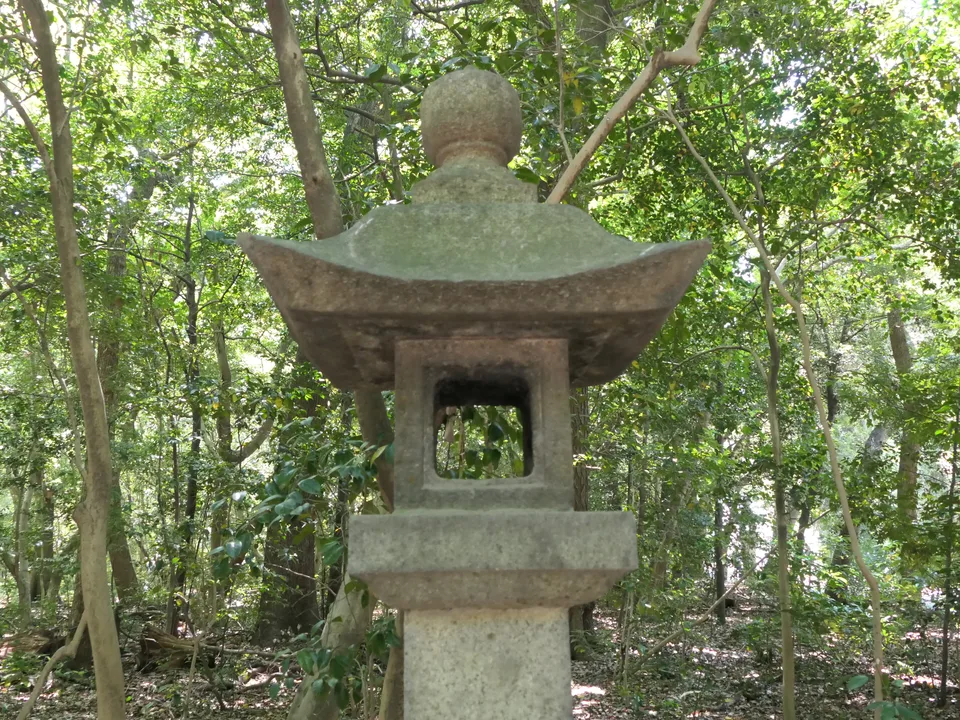
Atsuta Jingu offers a different experience from the city's museums: trees, shrine buildings and the continuing life of a place of worship. Its association with the sacred Kusanagi sword is central to its significance, but that Imperial Regalia sword is not publicly displayed. Do not book a visit expecting to see it in a showcase; other sword collections are a different matter.
Allow time for the approach and grounds, following directions around worship spaces and ceremonies. Observe photography restrictions where posted, and leave space for people visiting to pray. If a particular treasury display interests you, verify its separate arrangements before travelling. Pairing the shrine with a later meal or shopping walk gives the day some variety without turning every quiet pause into another scheduled attraction.
Browse Osu beyond a single shopping street
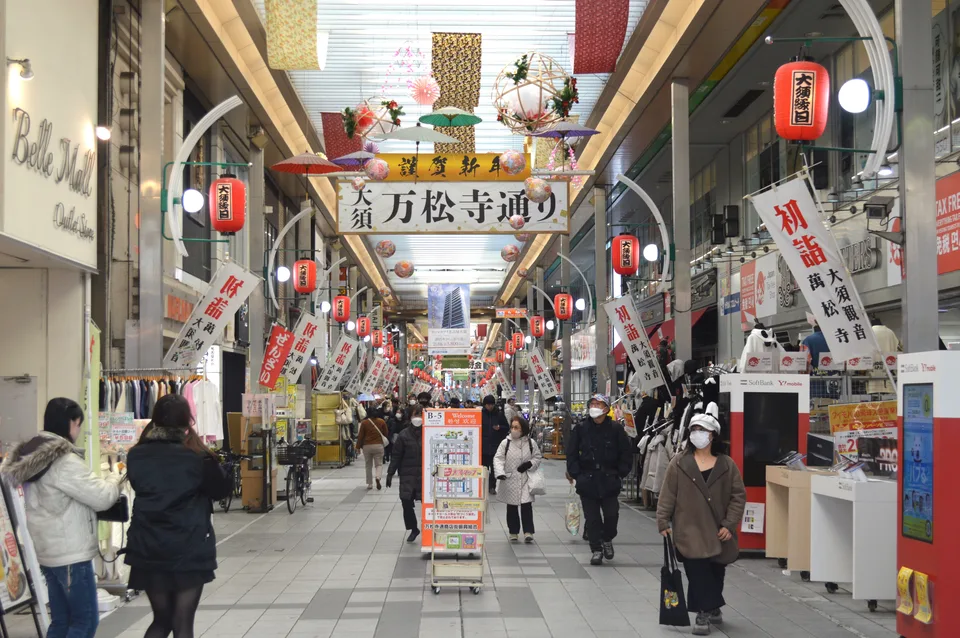
The Osu shopping district is well suited to wandering between covered streets, small shops and food stops. Browse with a loose purpose—clothing, electronics, gifts or lunch—then allow yourself to follow what is open and interesting. Individual businesses have their own hours and closing days; the district is not one attraction with a universal opening time.
For a considered purchase, compare the item's condition, warranty, language settings and return policy. That matters especially with second-hand goods and electronics intended for use overseas. Keep the difference between a pleasant souvenir and a genuinely useful purchase in mind. The national tourism organisation's Nagoya shopping guide also explains the larger commercial areas, useful if you want department stores as well as Osu's smaller-scale browsing.
Eat the local specialities across several meals
Nagoya's food deserves more than a single hurried station meal. Local specialities described by the visitor bureau include miso-katsu, pork cutlet with miso sauce; miso-nikomi udon, noodles simmered in a miso-based broth; tebasaki chicken wings; and hitsumabushi, grilled eel with rice and accompaniments. Choose a few dishes over the stay rather than ordering an elaborate collection simply to complete a list.
Kishimen's broad noodles and a café breakfast offer different ways to build a day around food. Check what a particular morning set includes and when it is served; breakfast is not universally free with any drink. For dietary restrictions, ask about broth, sauces and toppings, not just the main ingredient. Carry a written explanation of allergies where useful, and check the complete price of a set meal before ordering additions.
Arrive from the correct airport
Check the airport name and code on the ticket before choosing a transfer. Chubu Centrair International Airport and Nagoya Airport at Komaki are different airports. For Centrair, Meitetsu's airport guide explains the distinction between ordinary fares and first-class supplements. All μSKY cars require a ¥450 μticket in addition to the regular fare; ordinary cars on other eligible trains require the regular ticket without that first-class supplement.
Confirm the train serving your arrival time, destination station and terminal access. A ticket for a premium seat is not a replacement for the underlying journey fare. Use the airport's Nagoya Station transfer map when continuing to JR or another operator. Allow time for immigration, baggage and the walk between systems. For a late arrival or early departure, check actual first and last services before deciding whether a final airport-side night is worthwhile.
Plan rail journeys by operator
Nagoya is useful for an itinerary built around the Tokaido Shinkansen, but the ease of an onward journey depends on the ticket and connection you choose. SmartEX is an official reservation option for the Tokaido, Sanyo and Kyushu Shinkansen. Compare the terms of the actual fare, especially if your arrival time is uncertain, rather than assuming every reservation has the same change conditions.
Within the city, distinguish JR, Meitetsu, the municipal subway and other railways. A station name shared across a large interchange does not mean all gates lead to the same operator. Save destination names and the intended exit, and leave a margin when carrying luggage. For a day trip, look at the complete return journey and final connection to the hotel, not just the fastest advertised train segment.
Choose a pass after choosing the route
The transport bureau's current municipal ticket options include a ¥760 adult subway 24-hour ticket and a ¥870 city-bus-and-subway one-day ticket. The ¥620 Donichi Eco Kippu covers city buses and subways on Saturdays, Sundays, public holidays and the eighth of each month. These are different products: a calendar-day ticket is not the same as 24 hours from first use.
The municipal products exclude other companies' railways, including Meitetsu and the Aonami Line. Price those journeys separately. Check machine-purchased tickets' same-day activation rules before buying ahead. A pass is useful when the journeys you will actually take justify it; a walking day around one district may not. Plan the day's route first, then compare the pass with individual fares, including any operator changes.
Book a room that supports the itinerary
A business hotel near a useful station can suit a practical short stay; a larger room or apartment-style property may be more comfortable for a family or longer visit. Compare the exact room category, floor area, beds, luggage space and laundry arrangements.
Check cancellation terms and the complete payable amount for your dates, particularly around major events and holiday periods. Ask about late check-in, step-free access and luggage storage when these affect the plan. For an exploratory relocation stay, retain flexibility to extend or move after testing the commute. A few nights in temporary accommodation can be more useful than committing immediately to a lease in an area selected from sightseeing impressions.
Budget from verified components
Use real bookings and menus to build the budget. For illustration, one adult visiting the castle and Toyota Commemorative Museum and buying the standard municipal bus-and-subway day ticket would spend ¥2,870 on those components before meals, accommodation and any additional transport. This is a planning example, not a promised tour package or a citywide daily average.
Keep shopping and major excursions separate from ordinary spending. A museum-and-castle day, an Osu browsing day and a Ghibli Park day will have different costs. Check whether a displayed price includes tax, reservation charges and optional experiences before comparing it with another offer.
Check the shopping rules for your purchase date
Japan's tax-free shopping system changes for purchases from 1 November 2026. Eligible purchasers will pay the tax-inclusive price and receive a refund after the required departure customs procedures confirm export. The goods must be available for inspection, so the process must take place before checking the relevant luggage. Do not rely on an older description of tax-free buying at the till for a November purchase.
Ask the shop how it handles refunds and check eligibility for your status. Being a foreign national does not by itself make every resident or every purchase eligible. Keep goods and records organised, and build the departure procedure into the airport schedule. The change is tied to the purchase date; someone travelling across the transition should consult the official guidance for the transactions involved.
Choose the season with walking in mind
The Japan Meteorological Agency's 1991–2020 normals show Nagoya's contrast between seasons: August's mean temperature is 28.2°C, with a mean daily maximum of 33.2°C, while January's mean is 4.8°C. These are historical averages, not limits on a hot or cold day. Summer plans need shade, drinks and indoor breaks, rather than an uninterrupted schedule of exposed walking.
Spring and autumn are sensible starting points for a walking-focused visit, subject to the actual forecast and booking demand. Rain can affect any itinerary; keep a museum alternative and check warnings before a regional outing. In winter, bring suitable layers for waiting outside as well as moving between heated interiors. If travelling for a specific festival, exhibition or evening opening, verify its dates rather than assuming an annual event runs on the same calendar every year.
A realistic three-day introduction
Day one: visit the castle and palace, leaving time for admission queues and the walk through the complex. Spend the later afternoon around Sakae rather than attempting another major museum before closing. Choose a local speciality for dinner and work out tomorrow's transport while the route is still simple.
Day two: make the Toyota Commemorative Museum the main morning activity, then browse Osu at a relaxed pace. Change the order if the museum's calendar requires it. This combination leaves room for demonstrations, lunch and shopping without making every hour dependent on an exact connection.
Day three: visit Atsuta Jingu and use the remaining time for a preferred district, café or household scouting. Rail enthusiasts could substitute a substantial railway-museum visit. Add a fourth day for Ghibli Park, or replace a full day with it once tickets are confirmed; trying to fit it around these central stops weakens both visits.
Add Arimatsu or reserve a Ghibli Park day
Arimatsu, within Nagoya's Midori Ward, offers a smaller-scale change from the central skyline. Established in 1608 along the old Tokaido route, it is associated with textile traditions and a historic streetscape. Choose it for a measured walk and, where available, a separately arranged craft experience. Check workshop availability directly rather than expecting every shop to offer a demonstration on demand.
Ghibli Park's overseas ticket page requires advance reservations and distinguishes the park in Aichi from the Ghibli Museum in Tokyo. The current Standard pass costs ¥3,300 on weekdays or ¥3,800 on weekends and holidays, with a ticket-issuing service charge extra. It covers the Grand Warehouse, Mononoke Village and Valley of Witches; Premium has broader access. Check the complete inclusions, named-visitor ID rules and assigned Grand Warehouse entry time before purchase. The park is in Nagakute, outside Nagoya city. Its rail directions use Linimo to Ai-Chikyuhaku Kinen Koen Station, Exit 2. Plan a full day around the ticket you hold.
Rent against the commute and the complete contract
For a move, identify the workplace or campus before choosing a neighbourhood. Test the route at your normal departure hour, including transfers and the final walk. Compare a central address with one nearer the destination; a higher monthly rent can still be preferable if it removes an awkward daily journey. Check the exact municipality as well as the marketing description of the wider Nagoya area.
MLIT's Apartment Search Guidebook explains fees that can include a security deposit, key money, agency charges, insurance and common-service costs, with a guarantor or guarantee company often required. Ask for an itemised total and renewal, cancellation and deposit-return terms. Inspect ventilation, heating and cooling, sound, appliances and storage. Record the condition at handover. Use the ministry's multilingual housing resources to understand the paperwork, and arrange help with the contract before signing if the language is a barrier.
Put household administration on the calendar
Eligible foreign residents should follow Nagoya's moving and address-registration procedures, including the 14-day deadline after moving into a new residence. Arrangements differ when moving within Nagoya and when moving between municipalities. Plan utility activation early; a gas start-up may require someone to be present. Confirm what the landlord or employer will arrange and what remains your responsibility.
The Nagoya International Center's living guide links municipal information on rubbish separation, disaster preparedness, education, tax and other services. Read the rules for the actual building and address. Check health-insurance arrangements with the employer or ward office; the city's National Health Insurance guidance explains enrolment and premiums, rather than offering one flat price for all newcomers. Families should confirm school admission and language support before finalising housing. Travellers should arrange appropriate cover for their visit rather than assuming residents' arrangements apply.
Separate sightseeing from long-term permission
Check the foreign ministry's short-stay visa-exemption conditions for your nationality and passport. Permitted durations and document conditions vary; a tourist itinerary or hotel reservation does not establish permission to work. For employment, use the relevant working-visa guidance and confirm that the proposed role fits the appropriate category. A Certificate of Eligibility can support an application but does not guarantee a visa.
For longer study, consult the student-visa requirements with the institution. Part-time work requires the relevant permission and conditions; do not treat student status as unrestricted employment access. The ministry's work and long-term visa directory also distinguishes other routes. Permanent residence requires a separate assessment, and renting or buying a home does not grant it. Establish the legal basis for the stay before committing to employment, tuition or a lengthy housing contract.
Plan the next stop for a reason
Nagoya can stand on its own or become part of a longer journey. Compare the experience you want next with the cost and disruption of moving accommodation. VisaWand's Kyoto city guide provides another researched option for temples and neighbourhood exploration; it should be planned with its own time rather than treated as an obligatory addition to every Nagoya stay.
Use the Japan country guide for broader preparation, the Japan location directory for destination pages and the Japan destination page when exploring consultation options. The consultant listings can help identify support, with credentials, scope and fees checked before booking. Keep the final itinerary or relocation plan anchored to confirmed permissions, actual addresses and the parts of everyday life that matter to you.
Official planning resources
Reviewed 16 October 2026. Use the official resources linked throughout this guide for admission, transport, housing and immigration decisions. Prices, services and rules can change; confirm the details relevant to your dates. Photography illustrates the locations and is not a live view.
View all official resources
- Visit Nagoya: city overview
- Visit Nagoya: Sakae and Fushimi
- Visit Nagoya: Osu and Kanayama areas
- Nagoya University: campus access
- Nagoya Castle: chronology
- Nagoya Castle: current operating information
- Nagoya Castle: admission and visitor information
- Nagoya Castle: October 2026 price change
- Nagoya Castle: Hommaru Palace
- Toyota Commemorative Museum: textile machinery
- Toyota Commemorative Museum: admission
- Toyota Commemorative Museum: calendar
- JR Central: SCMAGLEV and Railway Park visitor information
- Aichi tourism: Atsuta Jingu
- Visit Nagoya: Osu shopping district
- Japan National Tourism Organization: Nagoya shopping
- Meitetsu: airport trains and first-class tickets
- Centrair Airport: Nagoya Station transfer map
- JR operators: SmartEX Shinkansen reservations
- Nagoya transport bureau: day tickets and subway 24-hour ticket
- Japan Tourism Agency: tax-free shopping from November 2026
- Japan Meteorological Agency: 1991–2020 climate normals
- Visit Nagoya: Arimatsu historic townscape
- Ghibli Park: overseas tickets and entry conditions
- Ghibli Park: official directions
- MLIT: Apartment Search Guidebook in English
- MLIT: rental-housing resources for foreign nationals
- Nagoya International Center: moving procedures
- Nagoya International Center: living guide and municipal resources
- Nagoya government: National Health Insurance FAQ
- Japan foreign ministry: short-stay visa exemptions
- Japan foreign ministry: working visas and Certificates of Eligibility
- Japan foreign ministry: student visa
- Japan foreign ministry: work and long-term visas
Plan the next part of your journey
Explore the Japan guide, browse other cities or compare consultants for your travel and relocation questions.