Visa
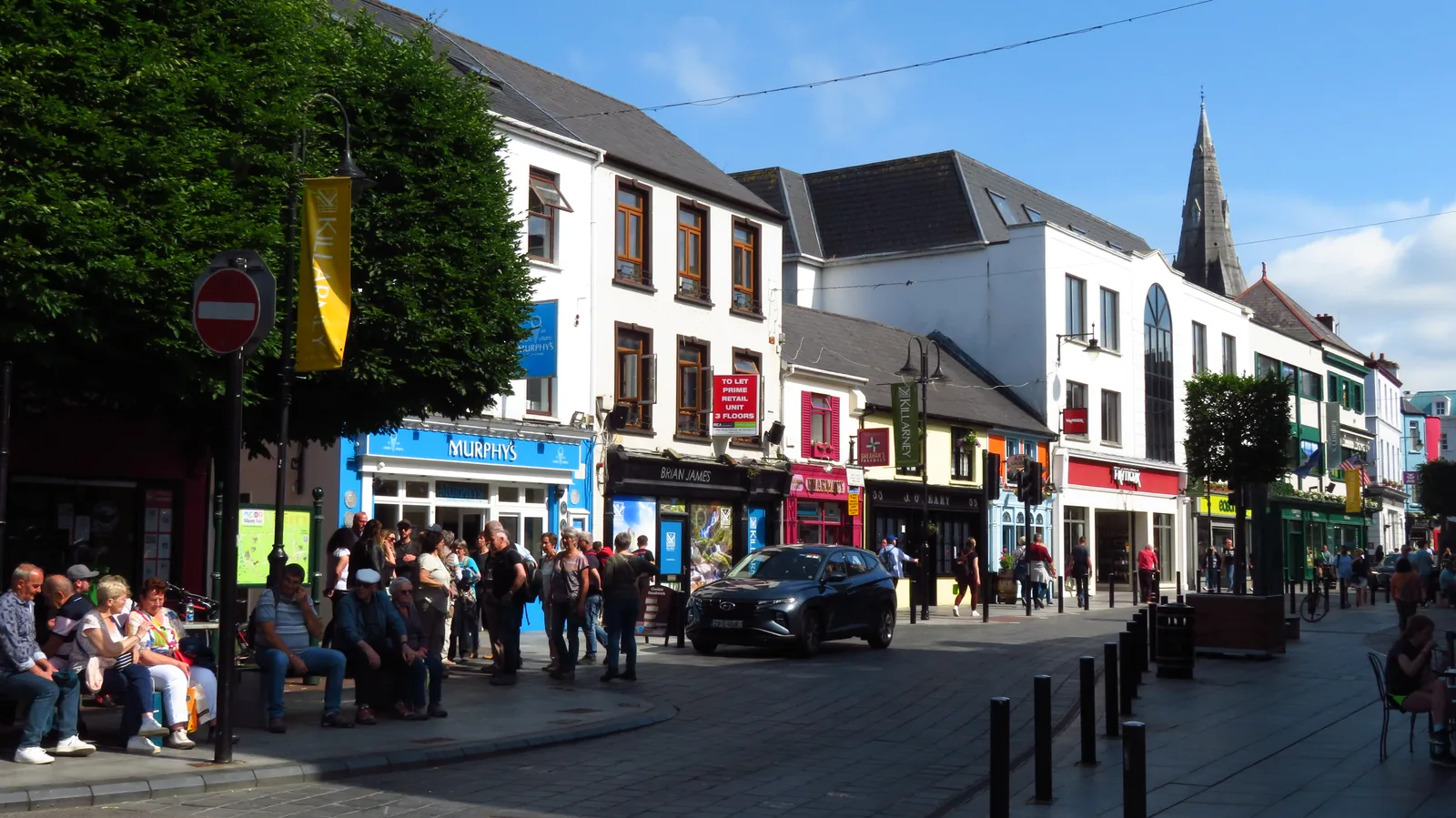
A small town beside a substantial landscape
Killarney works best when you give the town and its surrounding landscape different jobs. The centre supplies beds, meals, shops and evenings out; the national park supplies lakes, woodland, historic buildings and walks that can fill several days. This is a town in County Kerry, not a large city whose attractions can all be reached by crossing a few central streets. Choosing a base means deciding how you will move between those two worlds.
Two or three nights give a first visitor room for a town walk, a heritage visit and time outdoors without making every hour a transfer. A longer stay can support more ambitious walking or exploration elsewhere in Kerry. For prospective residents, the important questions change: whether a rental is genuinely available year-round, how a late shift connects with transport, and how much heating and other household costs add to the advertised rent.
Understand the estate, the castle and the park
The National Parks and Wildlife Service's Killarney information explains how the Bourn Vincent Memorial Park, presented to the State in 1932, became Ireland's first national park. Its lakes, woods and mountains are not simply scenery behind the town. They are protected habitats, with conservation responsibilities that affect how visitors use them. A Biosphere Reserve designation should not be confused with inscription as a UNESCO World Heritage Site.
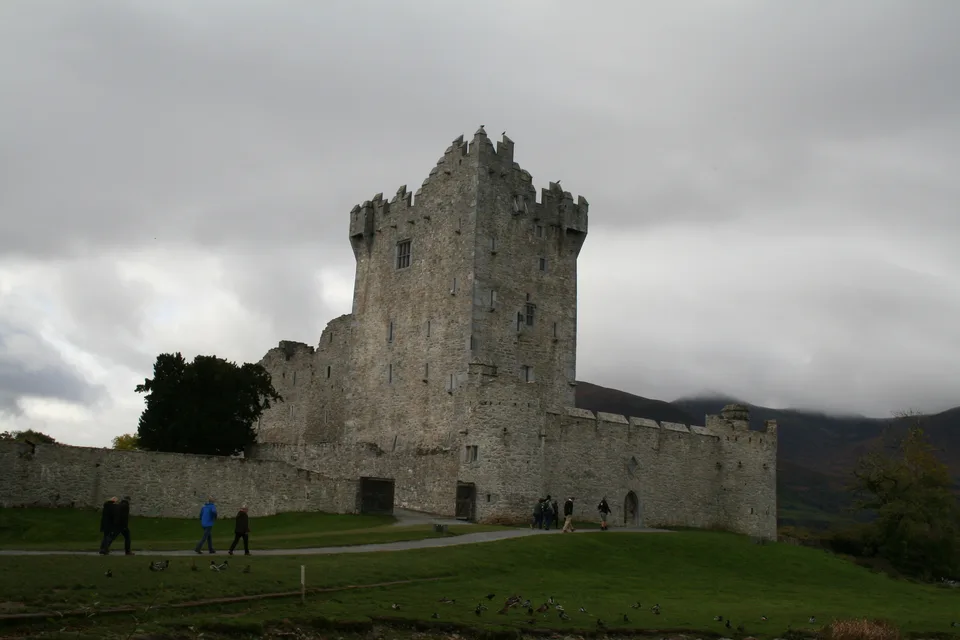
History becomes more tangible through individual buildings. Ross Castle expresses the defensive character of a late medieval tower house. Muckross House tells a nineteenth-century estate story, with the comfortable principal rooms and servants' spaces presenting different sides of the household. Visiting one of these interiors can make a later walk more meaningful, but there is no need to turn every heritage stop into an obligation. Choose according to your interests and the access available.
Choose your part of Killarney deliberately
The town centre suits visitors who want restaurants, shops and evening entertainment close to their accommodation. Compare the actual address with Fair Hill station and your arrival point, rather than accepting a broad description such as “near Killarney.” A room above or beside a busy venue may be convenient for going out and less suitable for an early walking start.
Muckross Road addresses can appeal to visitors concentrating on the park, but the road extends beyond the most central streets. Ross Road is useful to investigate if Ross Castle and nearby walks are priorities. Ask about the route on foot, including crossings, lighting and the final approach. An outlying guesthouse can work very well with a car; without one, establish the cost and availability of the journeys you will actually make. A map pin beside green space does not establish direct public access through it.
Begin with Killarney House and a manageable walk
Start at the national park's visitor centre in Killarney House and Gardens if you need help matching a route to the weather and your abilities. The park lists its interactive exhibition as free. Check the building's opening and lunch closure separately from access to the surrounding landscape. It is a useful first stop for understanding what you are looking at, particularly when visibility makes a distant viewpoint less rewarding.
Choose one manageable walk before adding more distance. Ask about temporary obstructions, flooding and the state of paths rather than relying entirely on an attractive photograph. Take water, suitable footwear and a layer for changing conditions. Leave enough time to return comfortably before an evening booking. A gentle introduction is particularly worthwhile after travelling, when a route that looks modest on a map can still feel longer than expected.
Visit Ross Castle with access confirmed
Heritage Ireland's Ross Castle page places the tower house on Lough Leane and attributes its likely fifteenth-century construction to O'Donoghue Mór. The listed adult admission is €5, with interiors visited by guided tour on a first-come basis. Capacity is limited, and steep access makes the tower challenging for people with mobility difficulties. A general facilities icon does not mean every historic room is step-free.
For 2026, the published season runs from 5 March to 3 November. At this guide's October review, however, the official page still carried a closure notice for storm conditions on 24 October and directed visitors to reopening updates. Confirm access before making the interior central to your day; the dated notice does not establish a permanent closure or prove reopening. Leave flexibility for a lakeside visit or another activity if tours are unavailable.
Give Muckross House more than a photograph
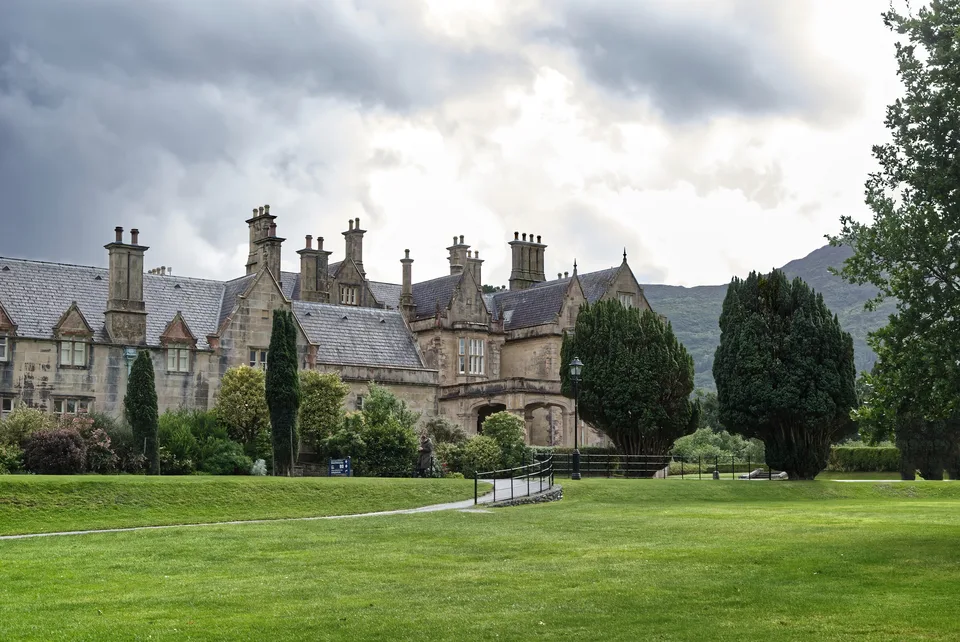
Muckross House's own history records construction between 1839 and 1843 for Henry Arthur Herbert and Mary Balfour Herbert, to a design by William Burn. Its period rooms and basement spaces make the estate's social history easier to understand than a quick look at the façade. The gardens add another reason to spend time here, with landscaping associated with preparations for Queen Victoria's 1861 visit.
Consult the 2026 Muckross visitor information before choosing a ticket. Adult house admission is €9, and entry is currently self-guided. The Traditional Farms cost €11 for an adult, or €18 combined with the house, when both are open. The farms have a different seasonal schedule and close from November through February. The park and gardens are free to enter. Historic steps and other limitations remain, so check the specific areas you need rather than assuming universal access throughout.
Treat Torc as a route choice, not a single stop
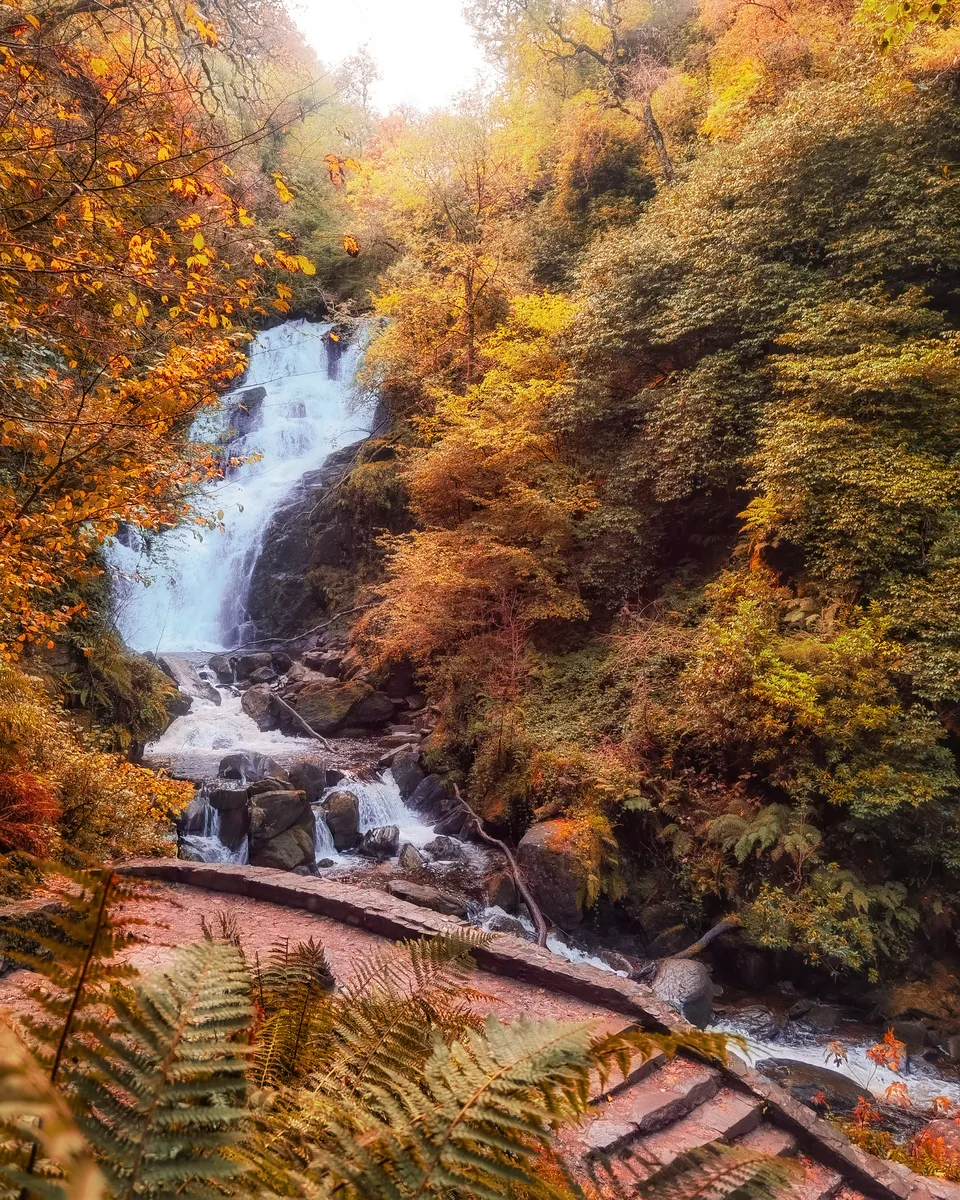
A waterfall photograph can conceal the practical difference between a short approach and a much longer circuit. Fáilte Ireland's Muckross Lake and Torc walking description puts the quickest lake circuit at around three hours, with optional Torc additions potentially adding two hours or more. Its waterfall loop includes steps. This is not a promise that every visitor can comfortably combine the full circuit, the house and a late lunch.
The national park's trail guidance offers alternatives with different terrain and grades. Its Mining Trail starts and finishes at Ross Castle car park and is described as an easy three-kilometre route. Other paths are rougher or vulnerable to winter flooding. Read the description of the precise route you intend to follow. With children or limited mobility, ask which sections are suitable now, and choose a return point before tiredness makes the decision for you.
Make park rules part of the plan
Keep dogs on a lead, stay on established paths and carry your litter away. The national park prohibits camping and fires, including barbecues. These are practical restrictions, not suggestions that disappear when a quiet spot looks suitable for an overnight stop. Bring a picnic that does not require cooking, and check whether the facilities you need will be open.
Give wildlife space and resist approaching animals for a closer image. For a longer walk, tell someone your route and expected return, and carry enough supplies to cope with a closed café. A visitor map showing the park boundary is not a substitute for suitable navigation on a hill route. If you are new to mountain walking, select an easier marked path or arrange appropriate guidance rather than treating proximity to town as evidence that the terrain is straightforward.
Compare places to stay by the whole booking
Killarney offers different accommodation styles, from larger hotels to guesthouses and places with self-catering facilities. Compare the full price for your exact dates, including breakfast, parking, cleaning charges and cancellation conditions. A cheaper room outside the centre may create additional transport costs. A kitchen can be useful on a longer stay, but establish whether it is private, shared or limited to basic equipment.
For a specific example at the upper end, The Killarney Park describes itself as a five-star hotel in the town centre, with rooms, suites and dining facilities. That identifies its setting and category; it is not a claim of personal experience or a recommendation that every budget should stretch to it. Ask any property about stairs, lift access, bathroom layout and noise before paying. Family room labels also need checking against the actual occupants and sleeping arrangements.
Arrive with the final connection worked out
Kerry Airport's ground-transport page lists buses from outside the terminal to Killarney, Tralee and Limerick. It also identifies Farranfore, about 1.4 kilometres away, as the nearest railway station. There is no railway platform inside the terminal. Do not assume a walk to the station is the easiest option with luggage, poor weather or limited mobility; compare the complete journey first.
Bus Éireann's Expressway route 14 serves Kerry Airport on its way to Killarney. Check the dated timetable and the direction of travel, allowing for baggage collection and possible flight delay. A list of airport destinations does not imply that buses wait for every arrival. If you choose a taxi, confirm the arrangement and fare basis with the operator. For arrival through another Irish airport, work out the entire onward itinerary before booking a flight solely because its headline fare is lower.
Use rail and local transport without assumptions
Irish Rail's Killarney station information gives the station address as Fair Hill and links to journey planning on the Dublin Heuston–Tralee route. Search the actual travel date to see whether a change is required. A town being connected to the rail network does not mean every departure to every city is direct. Check ticket conditions and any planned works before building a tight onward connection.
Within Killarney, walking can cover many central errands, but it does not remove the need to plan a six-kilometre trip to Muckross House. Compare a prearranged excursion, taxi, bicycle or suitable bus connection according to your route and abilities. Jaunting-car routes and prices are displayed locally at designated points; confirm the duration, destination and whether the quoted price covers your whole party. Sightseeing transport should not be mistaken for a frequent commuter service with a guaranteed late return.
The station page lists lifts to the platforms and a train-access ramp. If you need assistance, contact the railway before travelling and check that the arrangements cover any interchange too. Booking-office hours differ from train operating hours; an office closure does not necessarily mean that services have stopped. Carry your ticket and connection details where you can retrieve them without depending on a phone signal.
Eat, browse and choose an evening on your terms
Plan food around the day you are actually having. A substantial breakfast and a packed lunch may suit a long walk better than returning to town halfway through it. For a house-and-gardens visit, check the current restaurant or café opening before relying on it. Let staff know about allergies and dietary needs, and read the menu rather than assuming that a familiar dish has familiar ingredients.
Browse town-centre shops when something interests you, and compare genuinely useful purchases with souvenirs you would have to carry through the rest of the trip. For music, Fáilte Ireland's Killarney Grand listing identifies a Main Street venue with traditional sessions, bands and later entertainment. Check the venue's programme, admission arrangements and age policies for your date. A lively night out and a quiet early night are different accommodation priorities; choose your room with that distinction in mind.
For a more specific shopping stop, the Muckross Craft Centre describes pottery, weaving and bookbinding produced in Killarney, with its shop in the Walled Garden Centre. Look at the maker and material information on the individual item: the shop also stocks a wider range of clothing and souvenirs. If you want to see a particular workshop operating, ask before travelling rather than assuming every craft process will be demonstrated throughout the day.
Budget from priced activities, not an invented average
An adult visiting Muckross House at the listed €9 and Ross Castle at €5 would spend €14 on those admissions, provided the castle is operating. That excludes transport, food, accommodation and any extra experiences. The house-and-farms joint ticket is €18, but only useful when both attractions are open and you have time for them. Free garden access means you do not need to buy an interior ticket simply to enjoy the setting.
Make separate allowances for a town day and an organised excursion. Ask what an excursion includes: entrance charges, meals, boat sections or a final transfer can affect the real total. Compare room prices for the entire stay and each cancellation deadline. Keep some flexibility for weather changes, especially when a non-refundable activity would force an unsuitable outing. This guide does not present an unsupported restaurant, hotel or rental average as a verified current Killarney price.
Choose the season for the activities you want
Met Éireann's climate account describes Ireland's Atlantic influence: generally mild summers and cool, windy winters, with considerable variability. That does not guarantee a dry summer visit or an easy winter walk. Use the official forecast and weather warnings close to departure, paying attention to wind, rainfall and conditions beyond the town itself.
Summer provides more daylight for an unhurried excursion. Spring and autumn can suit visitors who are content to adjust the order of their days, while winter requires closer attention to daylight and seasonal closures. The Traditional Farms' winter closure is one example of why the right month depends on your priorities. Pack a waterproof outer layer, footwear suitable for wet paths and clothing you can adjust. Keep a lower-effort alternative available if exposed routes or heavy rain make the original plan inappropriate.
A realistic three-day first visit
Day one: arrive, leave your bags and explore the central streets. If time and opening hours allow, visit Killarney House's exhibition and take a modest introductory walk. Use the evening for dinner and, if wanted, a music venue whose programme you have checked. Avoid making a delayed arrival compete with a prepaid excursion.
Day two: travel to Muckross and choose between the house, gardens, seasonal farms and a walk that suits your party. Do not assume the longest lake circuit fits around every indoor attraction. Arrange the return before you set off, especially if you will not have a car. Take enough food and water to keep the afternoon flexible.
Day three: visit Ross Castle if access is confirmed, or devote the day to a prearranged regional outing. An easier alternative is a shorter park walk and a slower town afternoon. Families, visitors with mobility needs and anyone catching an early departure should shorten this plan rather than rush through it.
Extend into Kerry without overloading one day
Fáilte Ireland's Ring of Kerry information provides a useful starting point for comparing places around the region. Decide whether you want a full sightseeing circuit or time in one smaller destination. A route packed with stops can involve more vehicle time and less walking than its photographs suggest. Check the operator's actual itinerary rather than assuming every trip includes the same viewpoints.
For nearby alternatives, consult VisaWand's Kenmare destination page and Tralee destination page. The Dingle destination page can support planning for a separate part of Kerry. These are location pages, not promises of completed travel guides or verified availability. Give each additional place enough time to justify the transfer. If your stay is short, another day around Killarney may serve you better than an ambitious drive undertaken mainly to collect more place names.
Moving here means testing an ordinary week
A holiday can make proximity to lakes feel like the only housing criterion. Before moving, test a more ordinary routine: the trip to work, a grocery shop, a medical appointment and the return home after an evening shift. Check the specific bus departure or driving route you would use. A central rental can reduce some journeys, while a rural address may make a car much more important.
Inspect the property and establish whether the offer is a residential tenancy, a room in someone's home or a short-term holiday arrangement. Those categories can have different protections and practical limitations. Ask what the rent includes, how heating works, who supplies broadband and how waste collection is arranged. Check storage, laundry and signs of damp. Keep an inventory and photographs at handover. Secure suitable housing before treating a job offer or an attractive temporary stay as a complete relocation plan.
Read the current tenancy rules before paying
The Residential Tenancies Board's deposit guidance states that a landlord cannot request a security deposit above one month's rent for the tenancies it covers. Document the amount and obtain a dated receipt. Confirm the landlord's contact details even when an agent handles the property. Pay only when you are satisfied with the accommodation and terms; a request for money does not establish that the sender can lawfully let the home.
Consult the RTB's March 2026 rental-law guidance for the rules applicable to the tenancy. Start date, tenancy type and other circumstances can affect protection and rent-setting rules, so older advice about rent-pressure zones may be incomplete. Ask how a proposed increase was calculated and retain written notices. A holiday booking or an owner-occupied room should not automatically be assumed to have the same legal status as a standard private residential tenancy.
Set up household services and healthcare carefully
For administration, Revenue explains the role of a Personal Public Service Number, issued by the Department of Social Protection. It is a reference for dealings with public agencies, not permission to work or remain in Ireland. Confirm the application evidence required for your circumstances, then deal with employment and tax registration through the proper channels.
Record meter readings when moving in, confirm responsibility for utility accounts and check broadband availability for the exact address. Use Uisce Éireann's service information for relevant supply issues rather than relying on general claims about town water. Arrange a regular GP and understand your healthcare eligibility and insurance. For urgent care outside normal GP hours, SouthDoc's contact page gives 0818 355 999; call for instructions rather than attending a registered office address. For a life-threatening emergency, HSE advises calling 112 or 999.
Keep tourism, work and study permissions separate
Ireland operates its own visa policy and is outside the Schengen area. Check nationality-specific requirements before travelling; possession of a Schengen visa is not a substitute for Irish permission. The official short-stay tourist-visa guidance explains visits of up to 90 days and prohibits paid or unpaid work under that visa. A visa permits travel to seek entry and does not guarantee admission at the border.
For relocation, use the separate official work routes or study routes and check registration requirements for longer stays. Nationality, existing status and the purpose of residence matter. Do not assume that renting a home, finding casual work or enrolling on a course automatically creates the right permission. VisaWand's Ireland guide provides broader context, while consultant listings for Ireland can help you identify professional assistance. For wider comparisons, explore the Ireland destination directory and Cork's destination page before deciding where to base yourself.
Official planning resources
Reviewed 28 October 2026. Use the official resources linked throughout this guide for admission, transport, housing and immigration decisions. Prices, services and rules can change; confirm the details relevant to your dates. Photography illustrates the locations and is not a live view.
View all official resources
- Killarney National Park official visitor information
- OPW Ross Castle visitor information
- Muckross House history
- Muckross 2026 opening times and admission
- Failte Ireland Muckross Lake and Torc walks
- National Park trail and activity guidance
- Killarney Park hotel official accommodation
- Kerry Airport official transport
- Bus Eireann Expressway route14
- Irish Rail Killarney station
- Failte Ireland Killarney Grand venue listing
- Muckross Craft Centre official workshops and shop
- Met Eireann climate of Ireland
- Met Eireann forecast and warnings
- Failte Ireland Ring of Kerry region
- Residential Tenancies Board deposits
- RTB rental law changes from March2026
- Revenue PPS Number information
- Uisce Eireann water services
- SouthDoc official out-of-hours contact
- HSE emergency care
- European Commission Schengen membership
- ISD short-stay tourist visa
- ISD coming to work in Ireland
- ISD study immigration routes
Plan the next part of your journey
Explore the Ireland guide, browse other cities or compare consultants for your travel and relocation questions.