Visa
Dublin at a glance
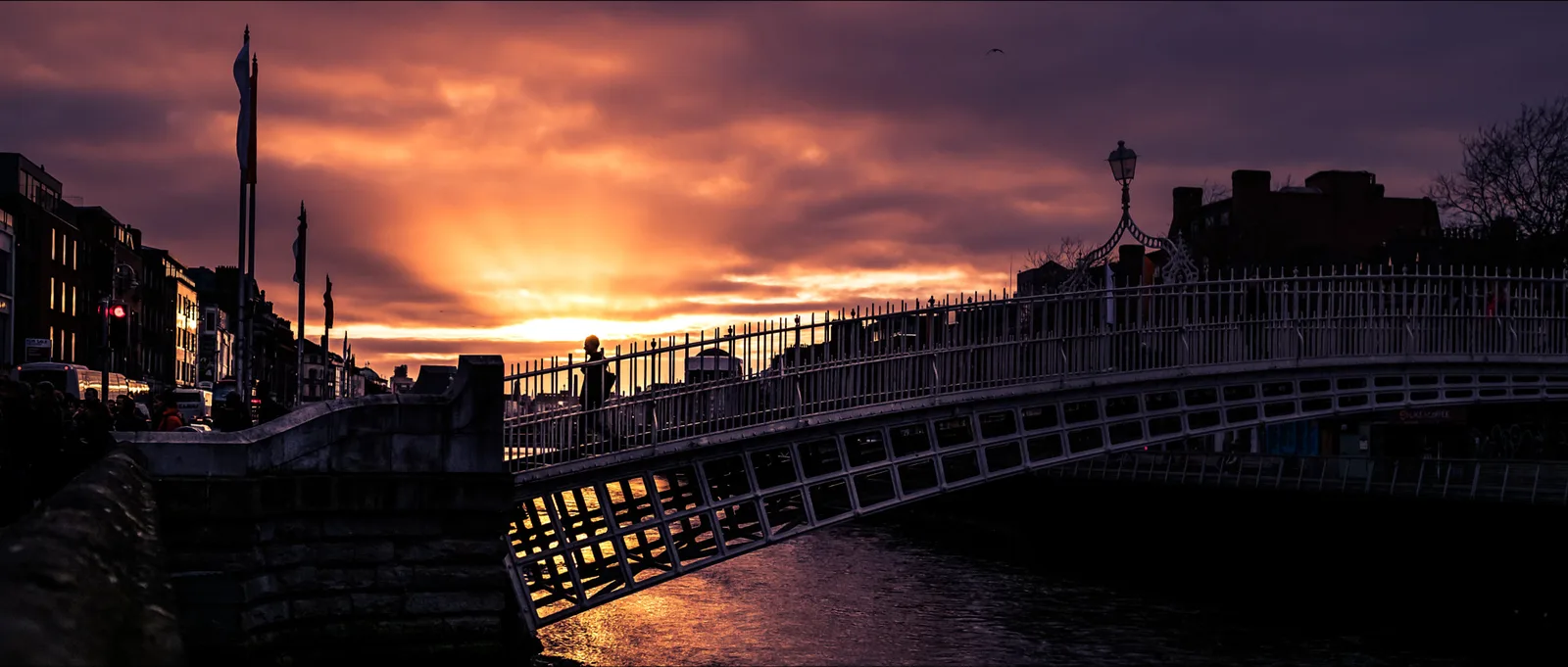
Dublin rewards a visit organised around a few substantial experiences rather than a long checklist. Ireland’s capital brings national collections, university heritage, political history and contemporary neighbourhood life into a relatively compact centre. The River Liffey gives you an immediate reference point; the coast gives you somewhere to escape when another indoor attraction loses its appeal.
Three days can accommodate the central streets, one major booked visit and a coastal outing. More time lets you follow an interest in literature, music, art or Irish history without turning every meal into a hurried interval. For prospective residents, the same trip should include an ordinary commute and property research, because a pleasant weekend says little about the practicalities of a particular address.
Read this alongside the Ireland country guide for wider planning. The Ireland location directory helps identify other places; Ireland destination information and consultant listings support the next stage of research. This guide concerns Dublin city and clearly identified surrounding coastal places, without treating every part of County Dublin as a central neighbourhood.
Reading the city’s history
Dublin’s historical layers are easiest to understand together. Dublin Castle occupies a site whose history reaches back to the Viking Age; the castle itself dates to the thirteenth century and subsequently served as a centre of English and British administration. Its buildings were repeatedly reconstructed, so the present complex represents several periods rather than an intact medieval fortress.
There is a major current restriction: the official Dublin Castle notice says the entire campus is closed for Ireland’s EU presidency through 31 December 2026, with visitors expected back in January 2027. There is no public passage between Dame Street and Ship Street through the grounds. Treat reopening as planned, and confirm it before booking a future visit.
Elsewhere, formal squares, university buildings and commercial streets sit alongside places associated with rebellion and independence. Kilmainham supplies the strongest introduction to imprisonment and political conflict, while the national archaeology collections place those later events in a much longer story. Combining them gives a visit more depth than simply photographing a succession of handsome façades.
Neighbourhoods that change your experience
The official neighbourhood overview describes Dublin as a collection of urban villages, which is useful when choosing a base. The central Trinity and St Stephen’s Green area suits visitors concentrating on collections and university heritage. Temple Bar puts an evening district close at hand; choose it for that convenience only after checking whether your room faces a busy street.
West of the central core, the Liberties provide a setting for brewery and distillery visits. Smithfield and Stoneybatter offer another neighbourhood focus across the river. Portobello brings canal-side streets into the choice, while Rathmines and Ranelagh can suit travellers who want to spend some time beyond the principal sightseeing circuit.
Kilmainham belongs in a western sightseeing day rather than between two tightly timed central bookings. Sandymount and Clontarf introduce the coast, but coastal scenery does not establish the journey time to a particular workplace. Use these areas as a shortlist, then compare the exact accommodation address, transport stop, evening route and room conditions. Neighbourhood names alone are too broad to settle those questions.
Choosing accommodation
Start with your likely daily movements. A central hotel can justify its price if it allows you to walk between your main appointments and return during the afternoon. A guesthouse or apartment farther out needs a credible transport connection and enough savings to compensate for that extra journey. Compare the total stay price, including breakfast, cancellation terms and any parking costs.
For families, confirm the actual sleeping arrangement, lift access and whether a cot or extra bed is available. For a longer stay, a kitchen and laundry facilities may matter more than an impressive lobby. Apartment photographs should be matched to the unit being offered; ask whether check-in is staffed or depends on a code and how late arrivals are handled.
Choose a flexible booking while your most important attraction remains unconfirmed. Leave bags at your accommodation when possible: major collections restrict luggage, and a checkout day with a suitcase can undermine an otherwise sensible itinerary. Anyone arriving late should check the final transport connection before committing to a suburban address.
For travellers with limited mobility, ask about the whole route from the street to the bedroom, including steps at the entrance, lift dimensions and bathroom arrangements. A central address is valuable only if the building works for you. Match that enquiry with attraction access information before reserving a western or coastal day. At the National Gallery, visitors can contact the access team in advance, and the visitor guide identifies a Changing Places facility. For a family museum visit, the same guide describes free creative materials and family packs. Those facilities offer a concrete alternative to adding another commercial attraction simply to occupy a wet afternoon.
Arriving and leaving
Dublin Airport’s bus information is the useful starting point for ground transport. It lists Dublin Express, Aircoach and public TFI services, with different boarding zones and destinations. Select a service by its current stop near your accommodation, luggage arrangements and operating hours. An airport coach ticket should not be assumed to work on the rest of the city’s transport network.
The airport currently lists public routes including 16, 19, 24 and 41, alongside other regional services. This is a reason to use the airport’s current route links rather than instructions built around an old route number. Check the operator’s journey planner for your arrival date; road traffic makes an exact airport-to-room time unreliable.
On departure, allow for the transfer, terminal formalities and your airline’s check-in requirements separately. If Dublin is one stop on an Irish rail journey, verify both the departure station and the train service before choosing accommodation around a station name. A hired car may be useful for a later rural trip, but city-centre parking and overnight storage belong in the rental calculation.
Public transport and verified fares
The TFI 90-minute fare makes mixed journeys easier to plan. On a standard adult Leap Card it is currently €2 in Dublin, covering eligible Dublin City buses, Luas trams and DART or commuter rail within Zone 1. Subsequent eligible taps must occur within the 90-minute window. Express and Nitelink services and certain commuter buses are excluded from this integrated fare.
The published standard adult cap is €6 daily and €24 weekly for eligible travel. These figures apply to the ordinary Leap arrangement; they do not make every bus carrying a TFI logo part of the same cap. Follow the operator’s tapping instructions: rail and Luas require tapping on and off, while each bus boarding needs its own validation.
The Leap Visitor Card offers a different calculation: €8 for 24 hours, €18 for 72 hours or €24 for 168 hours from first use. Its covered services and Zone 1 rail boundary matter as much as the headline price. The physical card is not an emailed ticket. Compare it with your actual journeys before purchasing, and budget separately for a private airport coach.
Trinity and the Book of Kells
Trinity’s Book of Kells Experience is a defined ticket product rather than unrestricted access to everything in the university. The operator’s booking page currently advertises the self-guided experience from €25, with an average duration of 90 minutes. Check your selected date and product before paying: a walking tour, a library-only offer and the fuller experience have different inclusions.
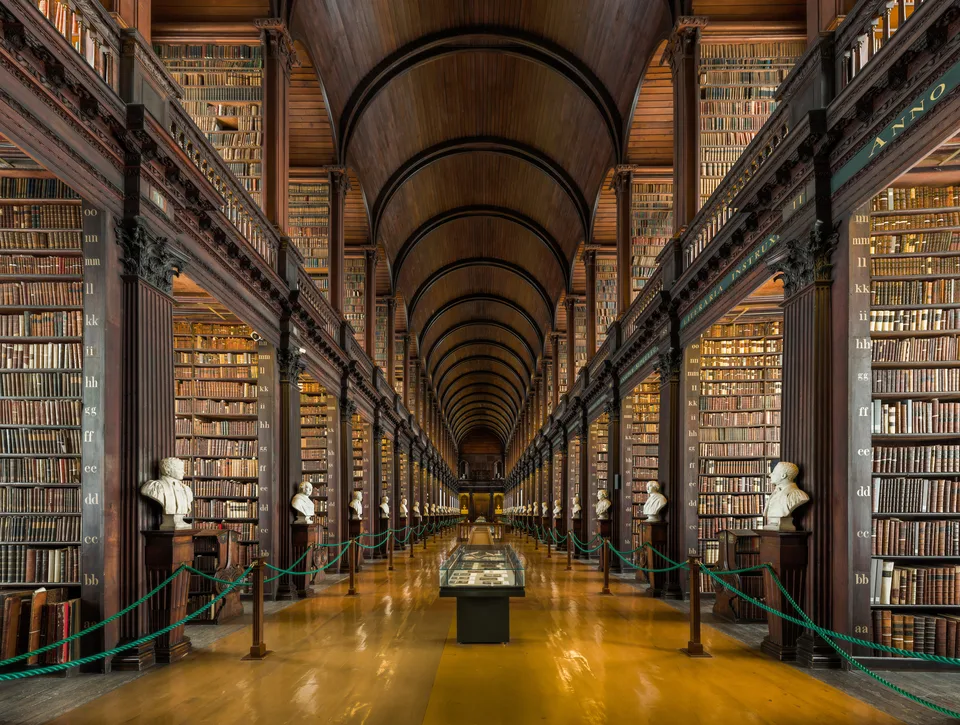
The Long Room remains an important architectural draw, but historic photographs require context. Trinity’s Old Library redevelopment information explains that 200,000 books have been removed, cleaned, tagged and transferred for conservation. Expect the restoration project to shape what you see, rather than the densely filled shelves in older photographs. The image accompanying this section was taken in 2015.
Trinity also posted a closure for national industrial action on 14 October 2026. That dated notice should prompt a check of the current operating message, not an assumption about another day. Keep your university visit in a flexible central block, with the gallery or a neighbourhood walk available if access changes. A reserved arrival slot deserves breathing room around it.
Kilmainham and a western day
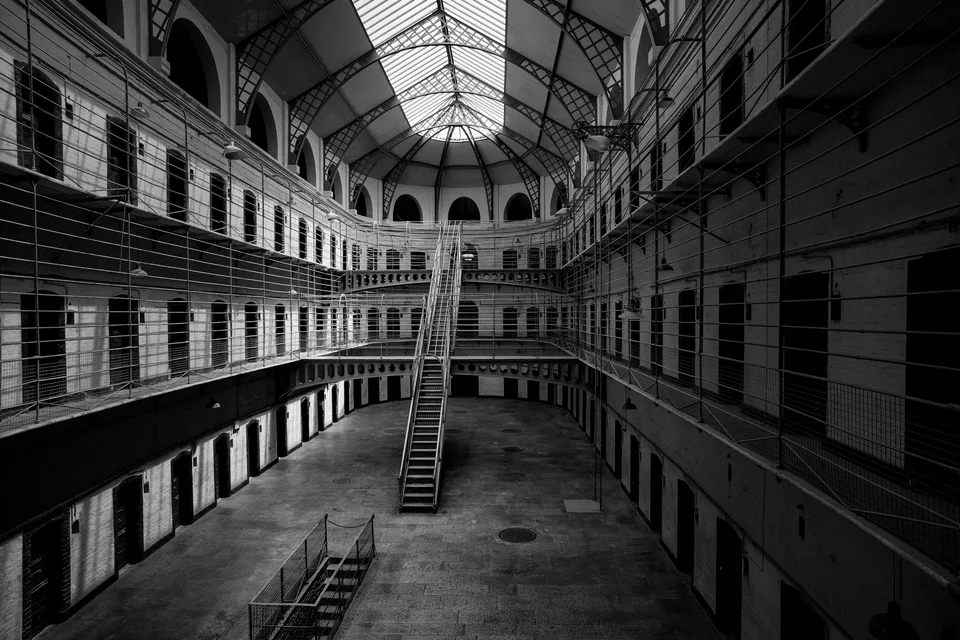
Kilmainham Gaol opened in 1796 and closed in 1924. Its history includes ordinary prisoners as well as people associated with Irish rebellions, including 1916. The visit concerns detention, social conditions and political struggle; it works best when you give the interpretation time rather than treating the building as a photographic backdrop.
The OPW lists adult admission at €8, with reduced categories and free admission for under-12s who still need a ticket. Access is by guided tour and advance booking is essential. The operator recommends allowing 90 minutes. Book through the authorised links on the Kilmainham visitor page: the OPW explicitly says resellers are not authorised.
Part of the visit is outdoors, and visitors with mobility requirements should contact the operator before booking. Plan lunch and the journey west around your confirmed time. If you want another paid experience afterwards, the Guinness Storehouse booking page currently lists its self-guided experience from €24 and estimates 90 minutes. Its brewery story and Gravity Bar conclusion offer a different kind of visit; choose it because that subject interests you, not because every itinerary must include it.
Collections, green space and a slower afternoon
The National Museum of Ireland at Kildare Street is a substantial free option. Its archaeology collections cover subjects including prehistoric gold, early medieval craftsmanship and Iron Age bog bodies. Individual artefacts can be unavailable, so call ahead if one object is the purpose of your trip. A focused visit to a few displays can be more satisfying than attempting the entire collection.
Current opening hours are 10am–5pm Tuesday to Saturday and 1pm–5pm Sunday and Monday, with holiday exceptions. Families and individuals do not need a booking; groups of eight or more do. Cloakroom services are currently unavailable, and suitcases or large bags should not accompany a gallery visit.
The National Gallery visitor guide confirms free access to its permanent collection, with tickets required for some temporary exhibitions. Check its separate opening hours instead of applying the museum’s schedule. Follow an indoor visit with time around St Stephen’s Green or the nearby streets, weather permitting. Do not substitute the old Merrion Street Natural History museum as an automatic rainy-day option: that location is closed for works.
Howth and the coastal alternative
Howth supplies a different scale of experience: a working harbour, seafront food stops and a headland beyond the centre. The official Howth visitor guide describes both harbour walks and longer cliff routes. You can make a worthwhile outing around the waterfront without undertaking a hike or committing to a boat trip.
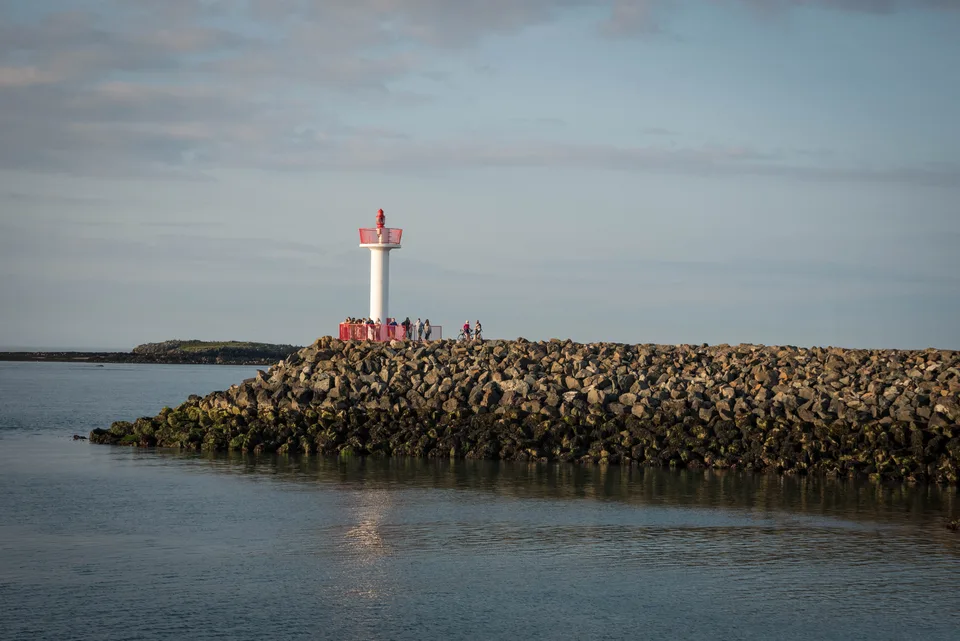
Use the current rail planner for a Howth journey and check the train’s destination rather than boarding any northbound service. Allow time to return before an evening booking. The harbour photograph here dates from July 2022; it is a geographical illustration, not evidence that a particular path or business is operating today.
A cliff walk needs its own decision about weather, daylight, footwear and the group’s abilities. The visitor authority describes the shortest named Cliff Path Loop as 6km, which is a meaningful outing rather than a quick extension of lunch. Choose a shorter waterfront plan when conditions are poor. Dún Laoghaire offers another coastal direction, so decide which shore interests you instead of trying to fit both into one hurried afternoon.
Food, shopping and evening plans
Irish food offers more variety than a single pub meal. The visitor authority’s Irish food guide introduces seafood chowder, soda bread, stews, potato boxty and Dublin coddle, a dish built around sausage, bacon, potatoes and onions. These are dishes to look for on current menus, not promises that every pub serves them or that one address supplies the definitive version.
Compare a menu before sitting down, including whether service is included and when the kitchen closes. A neighbourhood café, grocery picnic or apartment breakfast can balance a more substantial restaurant meal. Ask about ingredients when a dietary restriction matters; a dish’s familiar name does not establish its recipe or suitability.
For shopping, give purchases a purpose: a book connected to your visit, a museum-shop item or something useful for the rest of the trip. Check opening times and baggage space before planning a shopping session on departure day. An evening of live music deserves the same practical attention as a museum: verify the venue’s programme, admission arrangements and return transport. A pub described as musical is not a guarantee of a session at your arrival time.
Building a practical budget
Accommodation is the first figure to establish because it depends heavily on dates, room type and booking conditions. Use an actual quote for your travel period rather than an undated average. Then add airport transfers, the transport product you intend to use, selected admissions and food from menus that match your plans.
The verified attraction starting prices make a useful example. A standard adult Kilmainham ticket at €8, the Book of Kells Experience from €25 and Guinness Storehouse from €24 produce a starting admission subtotal of €57. Date-dependent products can cost more, and that subtotal excludes transport, meals and optional upgrades. The free archaeology museum and permanent gallery collection can fill another cultural day without increasing admission spending.
For a 72-hour visitor transport card, add €18 to that example, taking those selected items to €75 before accommodation, food and airport-coach costs. This is a transparent sample calculation, not a daily spending recommendation. Travellers who mainly walk or skip a paid attraction should recalculate. Keep a modest reserve for a changed transfer or weather-driven plan rather than booking every euro in advance.
Weather and the best time for your plans
Met Éireann’s 1991–2020 Dublin Airport climate normals provide a useful reference. Average January daily maximum and minimum temperatures are about 8°C and 2.3°C; July’s are about 19.5°C and 11.3°C. These station averages describe a mild seasonal pattern, not a forecast for a city street or an exposed coastal path.
Pack layers, a rainproof outer garment and footwear suitable for wet pavements. A museum-heavy visit can work across the year, while a coastal itinerary benefits from checking the short-range forecast and available daylight. Winter plans should leave more indoor flexibility; warmer months do not remove the need for a weather alternative.
Choose dates around your actual priorities and compare accommodation quotes before buying non-refundable transport. Check attraction closure notices and public-holiday schedules separately from the forecast. For a household considering relocation, assess heating, ventilation and drying laundry during a property viewing: comfort indoors matters more than an appealing photograph taken on a bright day.
Three days with room to enjoy them
Day one: start with a walk that establishes the river and central streets, then take a confirmed Trinity slot if the experience is operating. Have lunch before choosing either the permanent gallery collection or the archaeology museum. On Sunday or Monday, remember that the latter opens at 1pm. Finish around St Stephen’s Green, leaving the evening open for dinner rather than adding another timed attraction.
Day two: make your Kilmainham reservation the anchor. Allow travel time and the recommended visit duration, then eat locally or return towards the centre. Guinness Storehouse is an optional afternoon addition if its subject appeals and a suitable slot is available. Otherwise, spend the extra time walking a western neighbourhood. Do not route this day through the closed Dublin Castle campus.
Day three: take a coastal outing to Howth, selecting a harbour stroll or a properly planned longer walk according to conditions. Leave enough time for lunch and the return journey. In poor weather, substitute the collection you skipped on day one. This itinerary deliberately leaves choices: three absorbing visits and unhurried neighbourhood time are more realistic than collecting every famous name.
Considering a longer stay
Investigate housing and work location together. Test a weekday commute from a prospective address, including the walk to the stop and your likely finishing time. View the property, confirm who is letting it and record the condition of furnishings and appliances. Calculate rent alongside energy, internet, transport and any household charges stated in the agreement.
The Residential Tenancies Board’s deposit guidance limits a security deposit to one month’s rent for covered tenancies. Ask for a receipt and understand the applicable arrangement; a room in an owner-occupied home can have a different legal basis. Rental rules changed from 1 March 2026, and rent-control exceptions and tenancy dates matter. Use the regulator’s current explanation before treating an advertised increase as lawful or unlawful.
For household setup, the Uisce Éireann moving-home page explains how to update an address and account information. Use the HSE GP directory to contact practices about accepting patients, fees and appointments; do not assume a directory listing guarantees availability. Confirm healthcare eligibility and insurance for your circumstances. Check broadband at the precise property and ask what equipment, furniture and laundry facilities are included before arranging a move.
Entry permission and onward choices
Tourism and relocation require different decisions. Irish Immigration’s nationality guidance establishes whether you need an Irish visa to travel. Its short-stay visitor guidance describes visits of up to 90 days and prohibits paid or unpaid work on that permission. A visa permits travel for assessment at the border; it does not guarantee admission or a particular length of stay.
For employment, use the Department of Enterprise’s permit-eligibility guidance alongside the immigration route. Study, family residence and longer-term settlement have their own conditions. Irish Immigration says people from outside the EU, UK and Switzerland coming for more than 90 days to work, study, live or join family must register their permission. Registration records permission and its conditions; it does not create a work entitlement by itself.
Browse consultant listings for help assessing an individual situation, then verify the proposed route against the official application resources. For another city break, the London city guide provides a comparison, with separate UK entry planning. For an Irish alternative, use the country’s location directory to identify places for further research. Keep a visit, a trial stay and a permanent move as distinct commitments, each with its own budget and permission checks.
Official planning resources
Reviewed 14 October 2026. Use the official resources linked throughout this guide for admission, transport, housing and immigration decisions. Prices, services and rules can change; confirm the details relevant to your dates. Photography illustrates the locations and is not a live view.
View all official resources
- OPW Dublin Castle: campus closure through December 2026 and planned January 2027 reopening
- National Museum of Ireland archaeology collection overview
- Visit Dublin neighbourhoods and urban villages
- Dublin Airport official bus operators, routes and boarding zones
- Leap Card Dublin 90-minute fares, eligible services and caps
- Leap Visitor Card prices, durations, coverage and purchase options
- Trinity current Book of Kells ticket products, starting prices and operating notices
- Trinity Old Library restoration and book conservation
- OPW Kilmainham Gaol authorised booking, admission fees and accessibility
- Guinness Storehouse current self-guided experience and starting prices
- National Museum Kildare Street free admission, hours, luggage and current closure notices
- National Gallery permanent collection free entry, access and family facilities
- Visit Dublin Howth harbour, coastal walks and attractions
- Visit Dublin Irish food and Dublin coddle
- Met Eireann Dublin Airport 1991–2020 climate normals
- RTB covered residential tenancy deposits and receipts
- RTB rental-law changes from 1 March 2026 and exceptions
- Uisce Eireann domestic account and address updates
- HSE official GP practice directory and contact details
- Irish Immigration nationality and travel-document visa requirements
- Irish Immigration tourist visa purposes, 90-day limit and work prohibition
- Department of Enterprise employment-permit eligibility and exemptions
- Irish Immigration longer-stay registration and permission conditions
Plan the next part of your journey
Explore the Ireland guide, browse other cities or compare consultants for your travel and relocation questions.