Visa
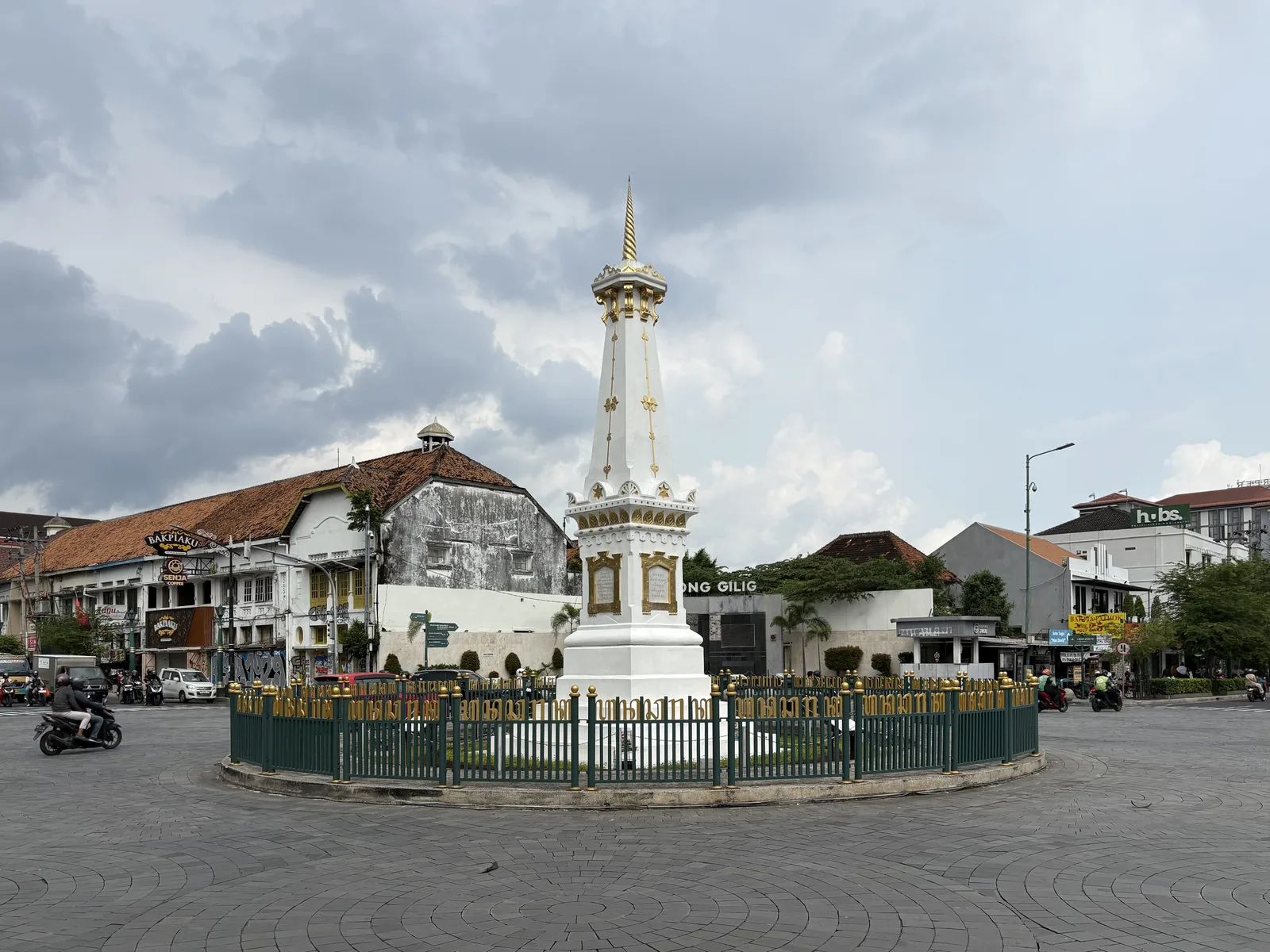
A city to experience between the temple excursions
Yogyakarta is a place to watch culture being practised: palace traditions, batik making, silverwork and the ordinary business of streets that visitors share with residents. The great temple excursions matter, but they are only part of the reason to come. Spend every daylight hour in a car and the city itself can disappear behind the itinerary.
Give a first visit four full days if both Prambanan and Borobudur are priorities. With less time, choose one temple excursion and protect a day for the city. The national tourism introduction to Yogyakarta provides a broad starting point. For a prospective resident, use the visit to test daily journeys and services as well as sightseeing: a pleasant hotel stay cannot answer every question about living here.
Read the city through its royal axis
The UNESCO-listed Cosmological Axis makes Yogyakarta’s layout more intelligible. Established in the eighteenth century by Sultan Mangkubumi, the six-kilometre north–south arrangement places the palace at its centre and expresses Javanese ideas about life and the relationship between people, the spiritual world and nature. It was inscribed on the World Heritage List in 2023.
Think of the axis as an explanation of the city, rather than a challenge to walk its entire length in one outing. Buildings, monuments, spaces and continuing rituals belong to the story. The World Heritage designation applies to a defined property, not every street in the metropolitan area. A knowledgeable cultural guide can connect what you see with its meaning more effectively than a rapid sequence of photograph stops.
Keep the city and the wider region distinct
Yogyakarta can mean the city, the surrounding urban area or the Special Region. Those meanings are useful to distinguish when comparing accommodation and tours. A property described as being in Jogja may serve a countryside or temple visit well while adding a substantial journey to an evening in the centre.
Borobudur is in Magelang Regency, Central Java, outside the city. The main international airport also requires a separate transfer. Put the actual addresses on a map before counting how many places fit into a day. Group central cultural sights together, give outlying excursions their own time, and check where a tour starts and finishes. A package containing several famous names is not evidence that it allows enough time at each one.
Use Malioboro as a practical first base
Malioboro is a straightforward point of orientation for a first city stay, especially if arriving at Yogyakarta Station, also called Tugu Station, near its northern end. It brings a recognisable central address to a trip that might otherwise involve several unfamiliar pickup points. The convenience is strongest when your plans focus on the city rather than a distant campus or workplace.
Choose a room by its exact position and access, not simply the word “Malioboro” in its description. Ask whether vehicles reach the entrance, where an excursion driver can wait and whether the room faces street activity. For an early train, establish the route to the correct station entrance beforehand. Walkable on a map does not necessarily mean pleasant with luggage in midday heat.
Consider Prawirotaman for a different rhythm
South of the centre, Prawirotaman offers another visitor base, with boutique accommodation, cafés, galleries and craft shops. The provincial tourism authority traces its earlier identity to families of palace soldiers. Its present appeal is the possibility of building some time around the neighbourhood itself instead of treating the hotel as a place used only for sleeping.
Compare the benefit of nearby meals and galleries with the transfers your particular itinerary requires. Ask about evening noise and inspect the room’s position within the property. A café-lined area is not automatically quiet, and an advertised pool does not tell you whether a room suits work or study. For a longer stay, try several ordinary weekdays before committing to a monthly arrangement.
Visit the palace as a living institution
The Kedhaton visitor area of Keraton Yogyakarta introduces a palace that remains the Sultan’s residence and a centre of cultural activity. Displays include paintings, royal objects and interpretations of Javanese life. Let the collections and explanations determine the pace; this is more rewarding than moving through solely to collect architectural images.
The operator currently lists opening from 08:30 to 14:30, Tuesday through Sunday, with Monday closed. Confirm special closures before travelling. Wear sleeved clothing and long lower garments, remove a hat where required and follow staff directions for photography. The palace also restricts certain reserved batik motifs; check its clothing guidance if wearing patterned traditional dress. Book an appropriate guide or language service explicitly rather than assuming interpretation is included in admission.
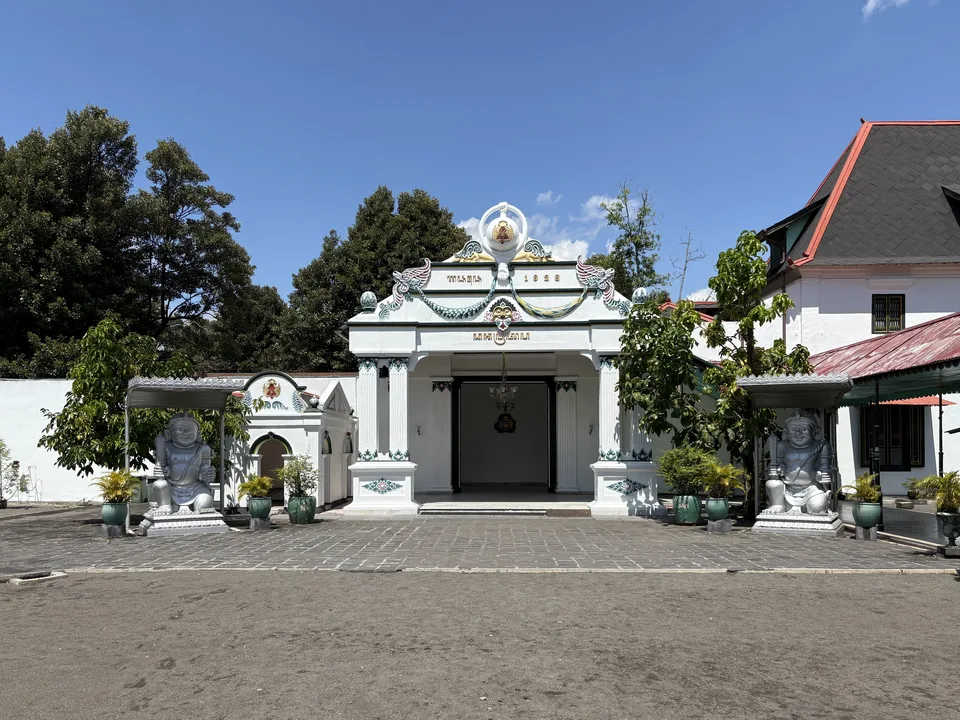
Allow Tamansari its own visit
Tamansari was built between 1758 and 1765 as a royal retreat and refuge. Its surviving pools, gates, gardens and buildings offer a different perspective on palace life. The operator lists daily visiting hours of 09:00 to 15:00, so an afternoon arrival needs more care than a casual promise to “go later”.
Check the ticket’s actual coverage and the parts accessible on the day. Do not assume that every interior photographed online is open, or that an unofficial escort controls admission. Follow the marked visitor route, avoid touching fragile surfaces and keep objects out of the pools. For anyone with reduced mobility, ask about steps, uneven surfaces and the distance from a vehicle drop-off before deciding whether this outing suits the group.
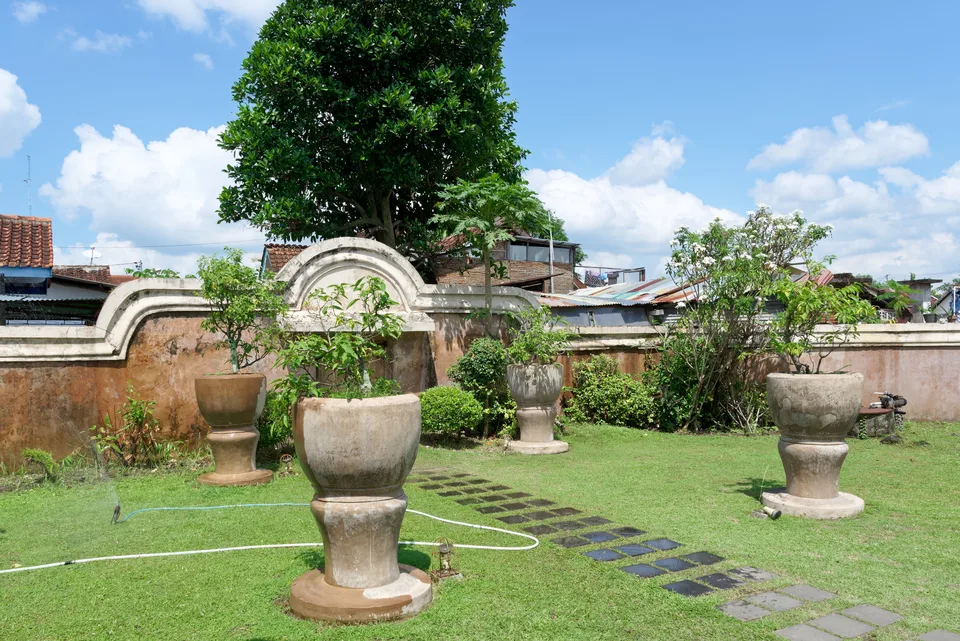
Slow down in Kotagede
Kotagede’s historic streets preserve connections with an earlier capital of Islamic Mataram. An active mosque, royal burial heritage, market life and narrow residential lanes give the area depth beyond a shopping stop. Its association with silverwork adds another reason to allow time for conversation and demonstration where a workshop welcomes visitors.
Use a local guide if you want to understand the religious and architectural details. Ask about permission and clothing before entering sacred areas, and keep private entrances clear. At a workshop, establish whether you are watching a demonstration, attending a paid class or simply browsing. If buying silver, request information about the material, workmanship and receipt. A lower price is not a meaningful comparison unless the items are comparable.
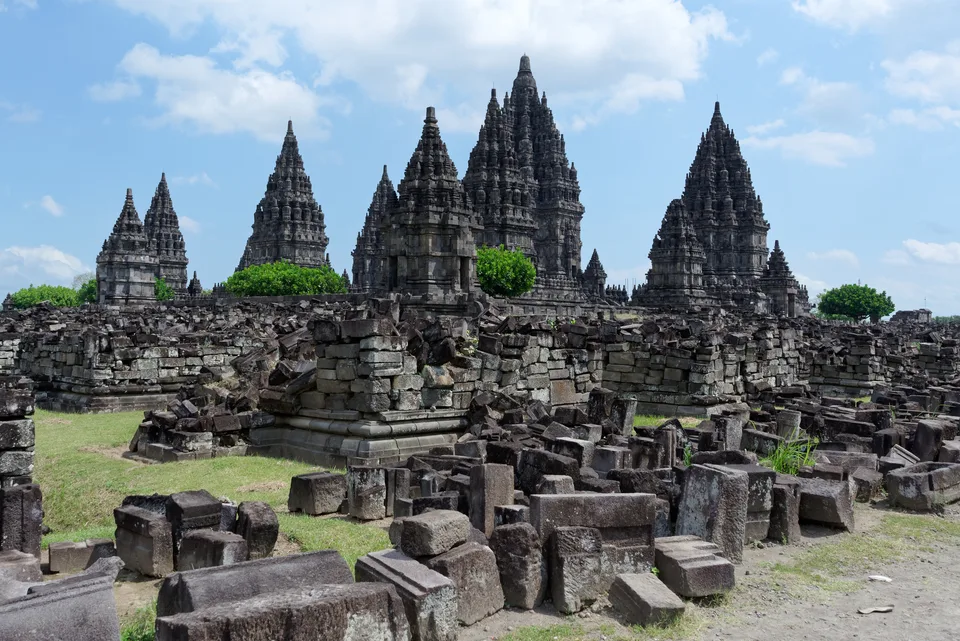
Give Prambanan enough daylight
Prambanan’s ninth-century Hindu temples bring a different architectural and religious story from Borobudur. The site operator’s introduction explains the central dedication to Shiva, Vishnu and Brahma. Make room to look at scale, sculpture and the relationship between structures rather than treating the complex as one distant skyline.
The official Prambanan ticket page lists access to Lumbung, Bubrah and Sewu as well as the museum, alongside the main temple. Check current access and how much walking your chosen visit involves. Bring sun protection and drinking water, and plan a pause rather than assuming a full outdoor afternoon will feel effortless. If staying for an evening performance, arrange a return journey that covers the interval between sightseeing and the show.
Book the Borobudur experience you actually want
Borobudur deserves a separate excursion. Before organising transport, read the official temple-structure ticket information: a ground-only visit and permission to climb are different products. The booking page labels the ground-only option for domestic tourists and lists a guide and special upanat sandals with the structure visit. International visitors should select the applicable product rather than relying on an old generic entrance price.
The operator now advertises daily climbs, but the booked session governs your arrival. It recommends reaching the site 30–45 minutes early. Confirm the current price, session and inclusions before paying a driver or tour company. Keep sunrise, standard daytime and premium packages distinct. A tour promising “Borobudur sunrise” should explain exactly where you will be watching and what temple access it includes.
Match a performance to the date
The official Prambanan performance schedule distinguishes Ramayana from Roro Jonggrang and indoor from outdoor venues. For May–October 2026, its table lists outdoor Ramayana on Tuesday, Thursday and Saturday evenings, starting at 19:30. Friday’s listed production is Roro Jonggrang indoors. Check the dated schedule for your visit rather than assuming every performance tells the same story.
Rain can change the venue or the treatment of a performance already underway. Read those conditions before choosing seats and keep the return pickup flexible enough for the actual finish. If travelling with children, consider the late return alongside the next morning’s plans. An evening show fits more comfortably after a lighter day than after two distant temple visits.
Choose accommodation for sleep and access
Central hotels, smaller guesthouses and properties farther from the main visitor streets suit different trips. Compare the total cost after breakfast, taxes, transfers and cancellation terms, then assess the room itself. For a short cultural visit, reliable sleep and convenient access can be worth more than facilities you will barely use.
Ask about cooling, hot water, lifts, stairs, sound insulation and nearby construction. Families should verify beds and room connections directly; photographs do not establish the sleeping arrangement. For an early excursion, check reception hours and whether breakfast can be adjusted. If combining sightseeing with remote work, test the desk and connection in the booked room. A lobby speed test says little about working behind a closed bedroom door.
Arrive through the correct airport
Yogyakarta International Airport, YIA, is the main airport for domestic and international arrivals, west of the city. Check the airport code on every booking; older destination descriptions can still refer to Adisucipto. A useful transfer plan starts with the airport actually printed on your ticket and ends at the property’s precise entrance.
Railink’s July 2026 service announcement lists the regular airport train from IDR 20,000 and YIA Xpress from IDR 50,000. Regular services call at Wates; Xpress runs directly between YIA and Yogyakarta Station. Consult the current timetable and reserve the service that fits immigration, baggage collection and your onward journey. If arrival falls beyond train operating hours, organise an alternative. For a departure, allow time after the train reaches the airport for airline formalities.
Combine public transport with shorter local journeys
The transport department’s Trans Jogja page publishes routes, stops and payment information. Its fare graphic lists IDR 3,500 cash and IDR 2,700 non-cash for regular travel. Route 1A links Terminal Prambanan and Malioboro; check the full routing and the final walk rather than equating a terminal stop with the attraction entrance.
For other journeys, compare the time and walking involved with a taxi or arranged vehicle. Agree a becak fare before departure, including whether it covers waiting or a return. Keep the accommodation’s address available in writing. If hiring a driver for an excursion, obtain an itinerary and total price covering fuel, parking and waiting, with any entrance tickets clearly separated from the transport charge.
Start with gudeg, then explore beyond it
Gudeg is Yogyakarta’s signature slow-cooked young jackfruit dish, made with coconut milk and palm sugar. It is commonly served with rice and accompaniments such as chicken, egg, tofu, tempeh or krecek, a beef-skin preparation. The main ingredient being a fruit does not make every complete serving vegetarian.
Wijilan near the palace and Barek to the north are established areas to look for it. Choose portions and side dishes deliberately, and discuss allergies or dietary requirements rather than relying on a dish name. Bakpia provides another introduction to local food and a possible gift, but check fillings and storage instructions before buying for a journey. Ask for a complete price when extras, drinks or takeaway packaging are involved.
Shop with attention to the making
Batik is worth understanding before buying. Hand-drawn work, stamped production and printed cloth differ in labour and result; a pattern alone does not establish the technique. Ask a seller to explain how a piece was made, its fibre and its care requirements. A demonstration or class can make that distinction more tangible than comparing price tags alone.
For silverwork, use the same approach: material, making and documentation matter. Set a spending limit before entering a workshop if the visit forms part of a tour, and clarify whether a driver’s proposed stop is optional. Leave space for browsing without an immediate purchase. For valuable items, retain the receipt and check any relevant rules for taking the goods home.
Make the excursion budget visible
Separate spending into accommodation, food, local transport and major excursions. Airport transfers, temple tickets, a guide, a performance and a driver can change the total far more than a small saving on lunch. Use current official ticket pages for your nationality and date, then compare packages against those inclusions.
No single verified citywide hotel or private-rent average was established for this guide. Compare actual quotations instead. A useful daily budget includes discretionary spending and a reserve for a changed journey, not merely the cheapest advertised room. Before paying for a tour, establish what happens if access is restricted or weather changes the programme. Keep the cancellation terms with the booking confirmation so the promised arrangements remain easy to check.
Plan for heat, rain and a changing season
Schedule exposed walks and temple visits with breaks and shade in mind. Carry water, sun protection and a light rain layer; a cultural itinerary is easier to adjust than an overfilled sequence of outdoor appointments. Use the local BMKG seasonal bulletin page when choosing dates, then check a short-range forecast for the outing itself.
For the approaching 2026/27 wet season, BMKG’s October forecast predicts a delayed onset across the region’s climate zones, spanning late November to mid-December. That is a dated seasonal prediction, not a promise of dry weather until a particular day. Preserve an indoor or shorter alternative, and avoid basing an inflexible transfer on a typical seasonal calendar. Wet surfaces also change how comfortably a group negotiates steps and uneven paving.
A four-day first visit
Day one: settle in, orient yourself around Malioboro and leave time for a meal and an early night. Day two: visit the palace’s Kedhaton area and Tamansari, with a proper lunch break. Shift this day if it falls on Monday, when Kedhaton is closed.
Day three: make Prambanan the principal outing. Add a performance only if its dated schedule and the group’s energy suit the late return. Day four: take a separately booked Borobudur excursion. With a fifth day, explore Kotagede or spend longer in the city’s galleries and workshops. This is a planning sequence, not a guarantee of journey times. Reverse the excursion days to fit ticket availability, and keep arrival and departure days outside the four full days if possible.
Check outdoor excursions against current conditions
Merapi is an active volcano, not a routine extension of a city walk. Review the regional disaster authority’s current information and local restrictions before considering a foothills outing. A commercial offer or an old photograph does not establish that a route is currently permitted.
The FCDO’s volcanic-risk guidance notes that exclusion zones can change and ash can affect flights beyond the immediate area. Ask an operator to explain the proposed route, restrictions, weather decision and cancellation arrangements. Choose activities covered by your insurance and keep an alternative city day available. Apply similar care to coastal excursions: travel time, conditions and the suitability of the activity matter more than adding another attraction to a list.
Prepare both the visa and arrival declaration
For eligible nationalities, Immigration’s B1 visitor information lists a 30-day visa on arrival costing IDR 500,000, extendable once to a total of 60 days. Check nationality eligibility, passport requirements and onward-travel evidence before booking. The permitted stay and the period in which an issued visa can be used are different dates.
Use the official eVisa portal for applications and current instructions. It also states that travellers must submit the All Indonesia arrival card within three days before arrival. The declaration is a separate requirement from establishing the right visa. Keep the resulting confirmations accessible offline and review VisaWand’s Indonesia country guide alongside the official instructions. Obtain any required extension before the authorised stay ends.
Establish permission before planning a move
Tourism permission does not authorise ordinary local employment. Working, studying and settling require the appropriate route for the actual activity. Indonesia also has an E33G category for work for an overseas company, with specific eligibility requirements; it is not a general entitlement to work from any café. Confirm the applicable conditions before organising a long stay.
Students should involve their institution in admission and immigration arrangements. Permanent relocation requires an eligible residence basis, not simply repeated visitor entries. Compare qualified support through VisaWand’s consultant directory, asking for the scope and fees in writing. Treat immigration status, tax obligations and any professional permission as separate questions. Resolve these before making commitments that depend on remaining in the country for a particular period.
Find housing around the commute you will keep
Choose a longer-term address around work, study and household needs rather than the sightseeing map alone. UGM’s international student services identifies university residences and off-campus options including rumah kost, or boarding houses, and apartments. University accommodation is a route for eligible students to investigate, not an assurance of space for every visitor.
Inspect a property before making a substantial commitment. Check water, drainage, ventilation, cooling, locks, cooking arrangements and the route home after dark. Obtain written terms for deposits, bills, repairs, guests and notice, and establish whether any house rules affect your routine. Compare furnished and unfurnished quotations on the same basis. For a campus commute, test the journey to the actual faculty or building, not merely the university’s map label.
Arrange the services that make a household work
Before moving in, test mobile reception and internet in the room, ask how electricity and water are billed and identify nearby groceries and laundry. UGM’s student guidance describes bank-account documentation involving a passport, ITAS and university support letter; other applicants should confirm their own bank’s requirements instead of assuming a visitor can use the same process.
For healthcare, check that a suitable provider can meet your needs and that insurance covers the full stay. The FCDO’s Indonesia health information includes guidance on treatment, evacuation and drinking water. Families should verify school places, instruction language, transport and annual charges directly. Build these into the housing decision: a cheaper address can become expensive when essential journeys are awkward or services do not suit the household.
Decide what belongs in the next journey
With extra time, consider the wider region deliberately rather than treating its beaches, villages and hills as central-city stops. The best addition is the one that fits your interests and leaves enough time to experience it. A craft-focused visit may benefit from another workshop or neighbourhood walk more than a distant viewpoint.
For a wider Indonesian itinerary, compare onward plans with VisaWand’s Jakarta guide and explore its Indonesia location directory. The Indonesia destination page offers related planning and consultation options. Directory entries may not yet contain completed guides. Check the actual transport connection, the day it consumes and the arrival time before adding a place. Yogyakarta rewards the time left between its headline visits as much as the visits themselves.
Official planning resources
Reviewed 16 October 2026. Use the official resources linked throughout this guide for admission, transport, housing and immigration decisions. Prices, services and rules can change; confirm the details relevant to your dates. Photography illustrates the locations and is not a live view.
View all official resources
- Indonesia Tourism: Yogyakarta
- UNESCO: Yogyakarta Cosmological Axis
- Yogyakarta Tourism: Prawirotaman neighbourhood
- Keraton Yogyakarta: Kedhaton visiting rules
- Keraton Yogyakarta: Tamansari
- Yogyakarta Tourism: historic Kotagede
- InJourney: Prambanan temple complex
- InJourney: Prambanan tickets and included sites
- InJourney: Borobudur structure tickets
- InJourney: Ramayana and Roro Jonggrang performance schedules
- Railink: July 2026 YIA service update
- Yogyakarta Transport Department: Trans Jogja routes and payments
- Indonesia Tourism: Yogyakarta gudeg
- BMKG Yogyakarta: seasonal climate bulletins
- BMKG: Yogyakarta wet-season forecast 2026/27
- Yogyakarta disaster authority: current warnings
- FCDO: Indonesia travel and volcanic risk
- Indonesian Immigration: visitor and residence categories
- Indonesian Immigration: official eVisa portal
- UGM: international student services and housing
- FCDO: Indonesia health and medical planning
Plan the next part of your journey
Explore the Indonesia guide, browse other cities or compare consultants for your travel and relocation questions.