Visa
Ubud rewards a slower kind of Bali visit
Ubud is where a Bali trip can turn from a sequence of beach days into a closer look at painting, performance and the agricultural landscape. In central Bali, within Gianyar Regency, the town and its surrounding villages offer museums, palace architecture, forest walks and accommodation overlooking cultivated land. It suits travellers who want culture within reach of their hotel, with room for an afternoon that has no booking attached.
Choose it for those interests, rather than assuming every address promises solitude. Compare the exact accommodation location with your intended activities: a beautiful room outside the centre can require transport whenever you leave. Three or four nights is a useful starting allocation for a first visit. Someone considering a longer stay should use part of that time to test ordinary routines, not just arrange excursions.
Understand the town and its wider address
The name Ubud can mean the central visitor area or a much wider accommodation search. Indonesia Tourism’s Ubud overview introduces its arts and surrounding landscape, but a booking labelled “Ubud” needs a second look on a map. Confirm the property’s village, access road and actual entrance before paying.
Build your first orientation around Jalan Raya Ubud and the palace area, then identify your museum, restaurant and transport meeting points. Do not measure convenience solely by straight-line distance. Ask the host to describe the complete journey with luggage and, if relevant, a wheelchair or pushchair. A room reached by steps or a narrow final approach can be perfectly enjoyable when expected, yet unsuitable for a traveller who needs vehicle access at the door.
Look beyond the familiar artist story
Ubud’s cultural identity rests on Balinese artists, patrons and communities, alongside the foreign painters who worked here. Gianyar’s account of the region’s tourism and arts history describes the formation of Pita Maha in 1936, involving Tjokorda Gde Agung Sukawati, Walter Spies and Rudolf Bonnet. Its history provides context for the museums rather than a reason to treat the town as a preserved artistic period.
Look at how different artists handle a scene, not simply whether it resembles the landscape outside. A museum visit before shopping gives you a better vocabulary for asking about a painting’s maker, medium and provenance. Avoid assuming that every decorative object sold nearby was produced locally or belongs to a particular historical school.
Start with the palace and central streets
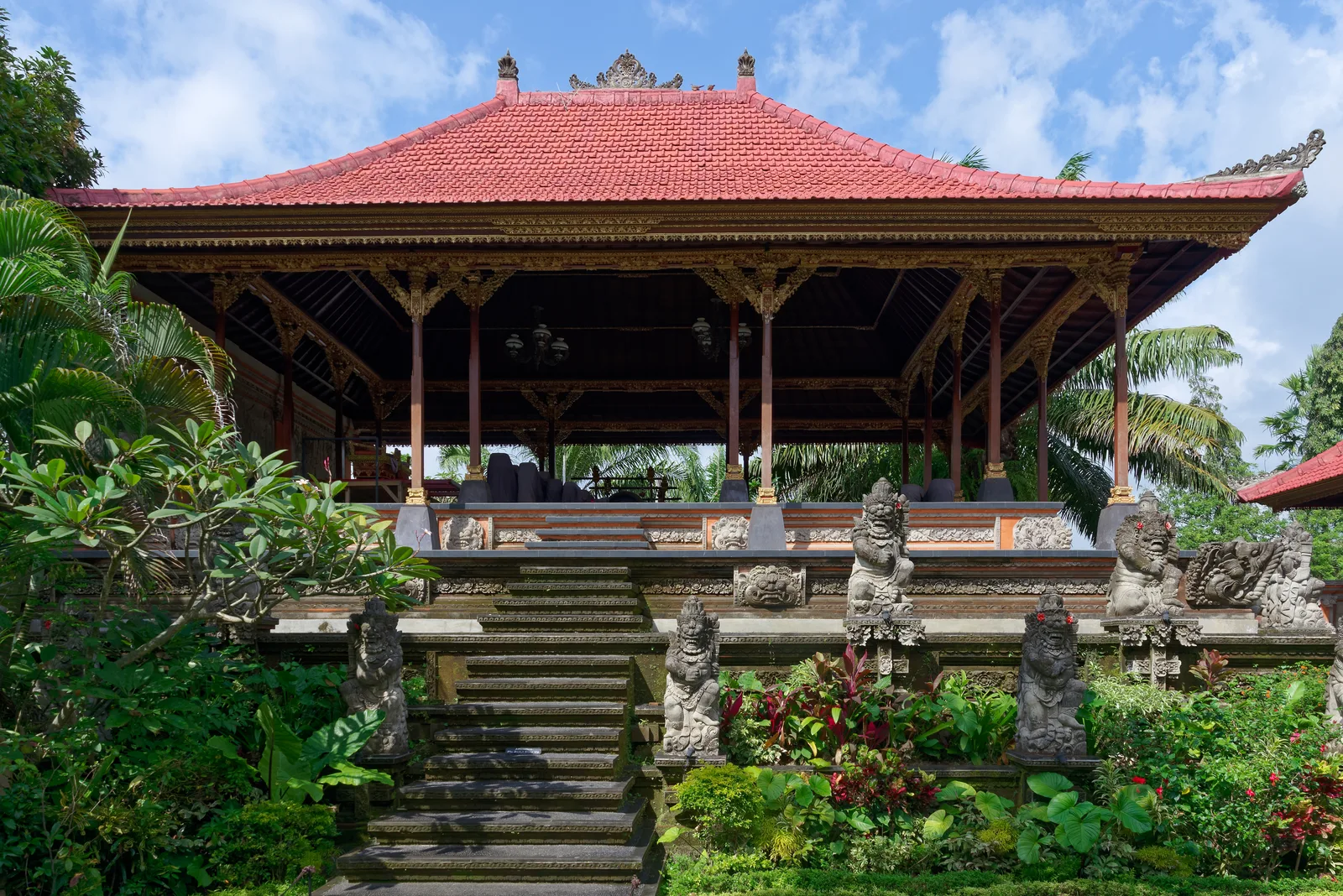
Puri Saren, the Ubud palace, is a useful cultural starting point. The regional government describes its connection with music and dance. View whichever visitor areas are open on the day and follow local directions about access. A palace stop is also a sensible place to gather current performance information rather than building an evening around an old timetable online.
Before buying a performance ticket, confirm the venue, date, start time, seating arrangements and wet-weather plan. Ask whether the programme includes explanatory notes if the stories are unfamiliar. Leave enough time for dinner separately: rushing a meal to reach a show turns an otherwise compact evening into an unnecessary logistical exercise. Arrange your return transport before the performance if your accommodation is outside walking range.
Give Balinese painting a proper morning
Museum Puri Lukisan on Jalan Raya Ubud explains its origins in concern for preserving Balinese artworks as collections dispersed. It offers a useful central introduction to that subject. Check current admission and opening arrangements directly; a remembered price from an earlier visit is not a reliable quotation for a new trip.
In Pengosekan, Agung Rai Museum of Art opened in 1996 and presents traditional and contemporary work by Balinese, other Indonesian and foreign artists. Its collection includes Kamasan and Batuan painting, and works by figures including I Gusti Nyoman Lempad. Choose one museum for a sustained visit before adding another. If a workshop interests you, confirm the teacher, language, materials and what you will actually make, rather than assuming every advertised cultural activity offers the same experience.
Visit the Monkey Forest with clear expectations
The Sacred Monkey Forest Sanctuary publishes opening hours of 09:00–18:00, with last entrance at 17:00. Listed admission is IDR 130,000 for an adult and IDR 100,000 for a child. Recheck before visiting and clarify any child age conditions when booking. It is a sacred community landscape as well as a wildlife attraction.
The sanctuary’s visitor guidelines require distance from the macaques: do not touch, pick up or feed them. Secure loose belongings, avoid direct eye contact, and follow the restrictions on food and drink. If a monkey jumps on you, remain calm, move slowly and ask staff for assistance. Temples are for prayer; an admission ticket does not give unrestricted access to sacred areas. Families should decide whether the experience suits their children’s ability to follow those instructions.

Walk Campuhan for the landscape
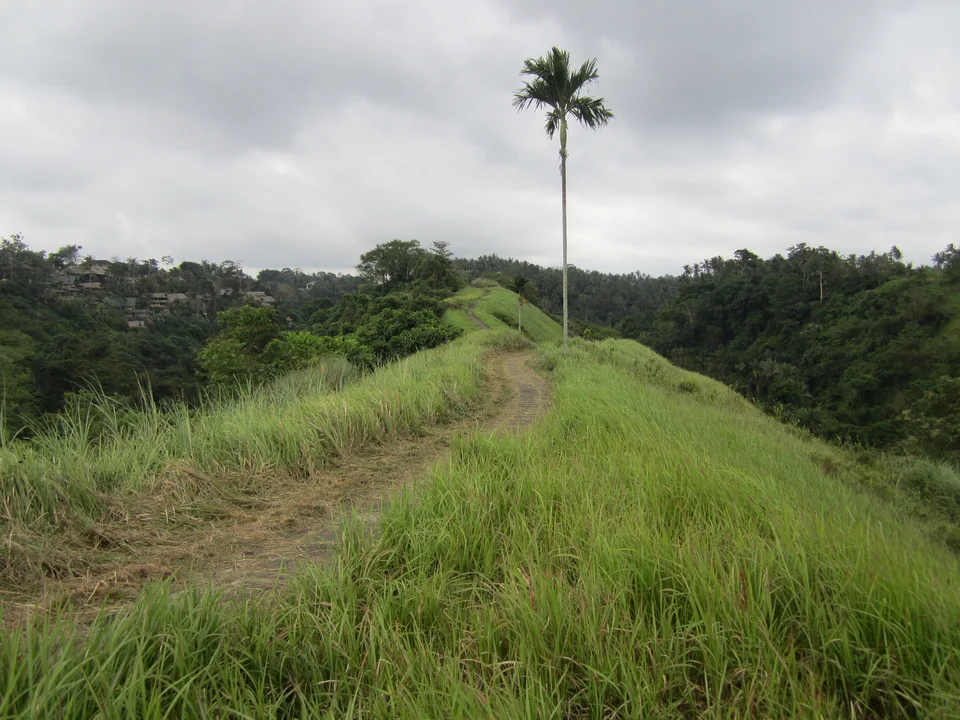
Campuhan offers a walking alternative to a day of ticketed attractions. Treat it as an outdoor outing requiring suitable conditions, rather than a guaranteed effortless stroll. Ask locally about current access, the path surface and where your planned walk ends. Carry drinking water and sun protection, and choose footwear with grip.
An early start can leave the rest of the day available for a museum or a long lunch. Turn back if heat, rain or the surface makes the outing uncomfortable; reaching an arbitrary point is less useful than enjoying the walk. For anyone with limited mobility, get specific access information instead of relying on photographs. Our historical image illustrates the ridge landscape, not a promise about the path’s present condition.
Make rice terraces a separate excursion
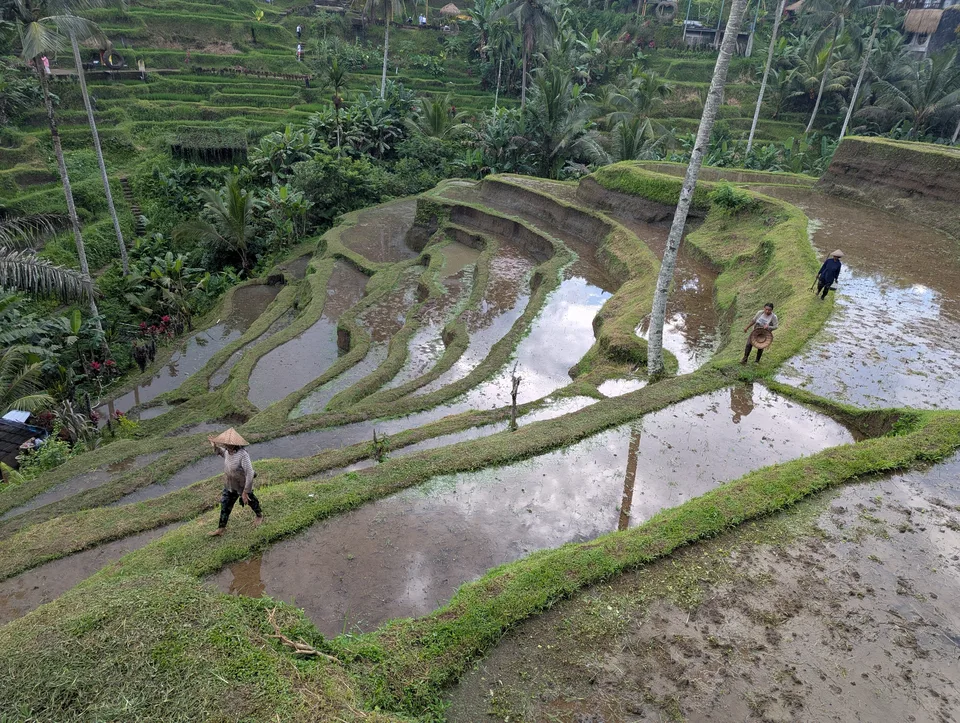
Tegallalang’s rice terraces lie north of Ubud and deserve a journey planned around the landscape, not a brief roadside photograph between unrelated bookings. Agree where the driver will wait, how long you have, and which entrance or walking area your visit includes. Confirm charges locally before entering paid areas or adding an activity.
The fields are working land. Stay on permitted routes, ask before entering cultivated areas, and keep clear of people carrying out agricultural work. Their appearance changes through the crop cycle; flooded paddies can be as instructive as mature green rice. Bali’s subak water-management tradition connects irrigation, farming communities and religious life. UNESCO’s inscription covers specified cultural landscapes and temples; it should not be treated as a blanket designation for every rice-terrace viewpoint in Bali.
Choose where to stay around your actual days
For a short first visit, compare central addresses near your planned palace and museum stops with Pengosekan, where ARMA provides a clear landmark. Peliatan is another surrounding village with an established music and dance tradition. Ask each property for the journey to the activities that matter to you, rather than ranking areas by an unsupported promise of quiet.
For a more secluded stay around Sayan or another outlying address, price the whole arrangement: room, meals, transport and the time involved in leaving. A resort shuttle only helps if its stops and last return fit your plans. Travellers wanting independent evenings should pay particular attention to that final return journey. Those planning to stay mostly at the property should instead scrutinise room comfort, food options and accessibility.
Compare accommodation beyond the photograph
Request recent room photographs and clarify whether the advertised view belongs to your booked category. Establish the complete price, cancellation terms, breakfast provision and any taxes or service charges before comparing offers. For a family, ask about bed configuration, pool barriers and the route between the room and shared facilities.
A homestay, hotel room and private villa involve different household arrangements. Check who is available when something fails and whether reception or assistance operates at your arrival time. Ask directly about steps, bathroom surfaces, lighting, air conditioning and screening. Anyone sensitive to sound should enquire about the particular room’s surroundings. A scenic photograph cannot establish what you will hear at night, how a property handles maintenance, or whether its approach suits your needs.
Arrive through Bali’s airport with a clear handover
I Gusti Ngurah Rai International Airport serves the Bali arrival. Its official ground-transport information identifies taxis, Grab pickup lounges and Gojek customer lounges. Follow terminal signs and the instructions for your booked service. A prearranged transfer should specify the meeting point, flight-delay policy, vehicle size and final destination.
Keep the property’s address and contact details available offline. Confirm whether the vehicle reaches the entrance or whether someone will meet you for the final approach. Get a current quotation and allow a substantial margin for the road journey; no single airport-to-Ubud time is dependable for every arrival. On departure, work backwards from the airline’s check-in requirement and obtain local advice about that day’s journey rather than repeating the timing of your inbound transfer.
Plan local journeys as part of the day
Walking works best when your chosen stops and accommodation genuinely connect comfortably. For trips farther out, agree a pickup location, waiting time and return arrangement. Ask what a driver quotation includes before comparing it with an app fare or a hotel transfer. Do not assume that a vehicle which drops you somewhere will remain available afterwards.
Kura-Kura Bus currently advertises four daily shared trips between Kuta and Ubud in each direction, with reservations required. Check the available pickup points and dated service before relying on it. This is a specific inter-area service, not evidence of a frequent local bus network or a direct airport connection. Keep a less complicated alternative for an arrival with substantial luggage or a tight flight connection.
Treat a scooter as a transport decision
A rental offer does not establish that you are legally licensed, adequately insured or comfortable with the route. Bali’s official visitor code of conduct calls for lawful vehicle use, appropriate licences, helmets and compliant rental transport. Check your own documents and insurance conditions before accepting a vehicle.
Someone unfamiliar with riding should budget for a driver instead of treating the first holiday journey as practice. When comparing accommodation, ask how daily needs would work without a scooter. This reveals whether an apparently inexpensive room depends on transport you do not want to use. For a longer stay, repeat the journeys at the times you would actually travel, with the bags or shopping you normally carry.
Eat with curiosity and ask about ingredients
Indonesia Tourism’s introduction to Balinese cuisine describes ayam betutu, richly spiced chicken; sate lilit, made with minced chicken or fish, coconut and seasoning; and nasi campur Bali, rice with varied accompaniments. These give you useful starting points when reading menus. Lawar can contain meat, while tipat cantok uses peanut sauce, so names alone do not establish dietary suitability.
Tell staff about allergies and religious or dietary requirements before ordering. Ask which ingredients and preparation methods apply to that kitchen, rather than assuming a dish is vegetarian because vegetables dominate its description. Compare a complete meal including drinks and any additional charges. Leave room in the schedule for an ordinary lunch near your day’s activities; crossing the area for every meal can make food planning unnecessarily expensive.
Shop for something you understand
Set a spending limit before browsing paintings, carvings or textiles. Ask who made an item, where it was produced, what material it uses and whether the quoted price includes packing. For a substantial purchase, obtain a written description and receipt. Photograph the item and agreed condition before it is wrapped.
Check the destination country’s import rules before buying wood, plant or animal materials, and clarify any export documentation required. A seller’s willingness to ship does not settle customs eligibility. If negotiating is appropriate, keep it courteous and be prepared to decline. A smaller object with a known maker may be more satisfying than a large purchase chosen mainly because it appears discounted.
Build a budget from identifiable costs
Separate accommodation, airport transfers, daily transport, meals and paid activities. The published adult Monkey Forest admission and Bali’s visitor levy provide two identifiable amounts, but they do not establish an average daily budget for everyone. Add the current quotations for your actual room, museum visits and excursions before deciding how many nights you can comfortably afford.
Allow a reserve for changed plans and essential spending. Travelling with someone else can spread a vehicle cost, while a secluded room can add repeated journeys. Keep some usable local cash and check payment options before relying on a card or phone. Compare the final payable amount rather than converting an attractive headline figure and discovering the extras later.
Choose seasons with flexibility
The national tourism authority describes Bali’s general dry season as April–October and wet season as November–March, while acknowledging variability. Use this as a broad planning pattern, not a forecast for your dates. For the current outlook, consult BMKG Bali’s seasonal bulletins and local weather information close to departure.
Keep walks and terrace visits movable within the stay. A museum can replace an outdoor plan when conditions deteriorate, provided you have checked its opening arrangements. Avoid scheduling every desirable excursion on your final full day. When comparing dates, also ask accommodation providers about local ceremonies, access changes and operating arrangements that may affect your particular stay.
A realistic first three days
Day one: settle in, orient yourself around the palace area and choose one central cultural visit. Keep the evening flexible until you have confirmed any performance. An arrival delayed by travel should simply become a shorter day, rather than forcing you to recover a full prepaid programme.
Day two: visit the Monkey Forest if its wildlife setting suits your party, then leave an unhurried period for lunch and ARMA. Day three: arrange a separate terrace excursion, with a return time that leaves room to rest. Alternatively, use suitable conditions for Campuhan and make the afternoon a museum or workshop session. These are suggested combinations, not fixed operating schedules. Confirm opening times, access and journey arrangements before assigning bookings to particular days.
Test everyday life before committing to a move
A longer trial stay should include grocery shopping, laundry, an ordinary working day and the journeys you expect to repeat. Test the internet from the exact room during your normal working hours. Ask about mobile reception, backup arrangements and what happens when a connection or essential appliance fails.
Assess household practicalities in person: water pressure, drainage, storage, cooking equipment, ventilation and the maintenance contact. Clarify waste collection and cleaning responsibilities. Check the walking or vehicle route after dark as well as in daylight. If children are moving with you, confirm school suitability, places and transport directly before selecting housing. The right holiday base and the right address for a household are not necessarily the same property.
Inspect housing and document the agreement
Use an initial short booking to inspect longer-term options before transferring a large payment. Ask for the landlord’s identity and authority to let the property, then obtain a written agreement that you understand. Clarify the rental period, deposit, refund conditions, inventory, utility billing, repairs and early termination.
Inspect for moisture, drainage problems and safe access. Photograph existing damage and record meter readings where relevant. Establish whether electricity, water, internet, cleaning and garden or pool maintenance are included. Seek independent advice for a substantial agreement or property transaction; renting accommodation does not establish ownership rights or residence permission. Avoid treating an unverified online rent estimate as a promise that a suitable home is available at that price.
If an agent is involved, identify whose interests they represent and what their fee covers. Ask who holds the deposit and how disagreements are handled. Keep copies of the agreement and payment records. Before moving in, agree a practical handover checklist with the person responsible for maintenance, including keys, appliances and the best way to report an urgent problem.
Make healthcare and essential services part of planning
Check which medical provider can meet your actual needs and how you would reach it. FCDO’s Indonesia health advice recommends suitable insurance, including possible evacuation, and says to seek immediate medical assistance after an animal bite or scratch. Do not substitute a reassuring wildlife claim for a personal medical assessment. It lists 118 for an ambulance and warns that tap water is unsafe to drink.
For an extended stay, plan drinking water, prescription continuity and accessible emergency funds. Confirm whether your chosen insurance covers residence, the intended duration and planned activities. Keep the accommodation address, medical contacts and policy information somewhere usable without a working phone connection. Ask service providers about their documentation requirements rather than assuming that a visitor can open every account available to a resident.
Separate arrival formalities from residence permission
Check Indonesian Immigration’s visa categories for your nationality and purpose. For eligible travellers, B1 visitor permission is listed at IDR 500,000 for 30 days, with one extension allowing a total of 60 days. Passport validity and onward-travel requirements apply. Eligibility must be checked; this is not a universal visa-free entitlement.
The official eVisa portal also directs travellers to the All Indonesia arrival declaration, completed within three days before arrival. Separately, Bali’s government levy portal lists IDR 150,000 per foreign tourist, paid once during the Bali visit before leaving Indonesia, with specified exemptions. Keep its emailed QR voucher. Residence-card holders and some visa categories have different arrangements; check the exemption instructions instead of paying twice or assuming exemption from an unrelated permission.
Match work and study to the correct permission
Tourist permission does not authorise Indonesian employment. Immigration lists distinct categories for other purposes, including qualifying remote workers employed by a foreign company. Do not infer eligibility from having a laptop or an overseas client. Check the category’s current conditions, permitted activities and supporting documents before organising a working stay.
Study and permanent relocation also require their own assessment. Renting a villa, taking a short class or extending a holiday does not itself produce long-term residence rights. Start with VisaWand’s Indonesia country guide and, where professional help is useful, compare consultant listings against the advice and authorisation you need. Resolve immigration eligibility before making a housing or schooling commitment that depends on remaining in Indonesia.
Compare Ubud with the rest of your trip
Ubud is a strong candidate when museums, performance and inland landscapes matter more than immediate beach access. Consider splitting a holiday with a coastal base if both appeal, rather than repeatedly travelling between them. Sanur, Kuta and Seminyak offer different coastal settings; choose according to the activities and accommodation you actually intend to use.
For a different Indonesian cultural trip, the completed Yogyakarta city guide covers palace visits, major temple excursions and airport trains. Browse VisaWand’s Indonesia location directory for other places, noting that a directory entry may not yet have a full article. Keep the final itinerary selective: several well-paced days with room for weather and ordinary life will tell you more about Ubud than a long list of brief stops.
Official planning resources
Reviewed 16 October 2026. Use the official resources linked throughout this guide for admission, transport, housing and immigration decisions. Prices, services and rules can change; confirm the details relevant to your dates. Photography illustrates the locations and is not a live view.
View all official resources
- Indonesia Tourism: Ubud
- Gianyar Regency: Ubud cultural history and surrounding villages
- Museum Puri Lukisan: collection and visitor contact
- ARMA: art collection and museum
- Sacred Monkey Forest Sanctuary: hours and admission
- Monkey Forest: visitor rules and temple access
- Indonesia Tourism: Tegallalang rice terraces
- UNESCO: Bali cultural landscape and subak
- Ngurah Rai Airport: official ground transport
- Kura-Kura Bus: Ubud shared shuttle
- Bali Governor: visitor code of conduct, Circular 07/2025
- Indonesia Tourism: Balinese food and regional alternatives
- Indonesia Tourism: weather and seasons
- BMKG Bali: seasonal climate bulletins
- FCDO: Indonesia health and medical planning
- Indonesian Immigration: visitor and residence categories
- Indonesian Immigration: official eVisa portal
- Bali Provincial Government: foreign visitor levy
Plan the next part of your journey
Explore the Indonesia guide, browse other cities or compare consultants for your travel and relocation questions.