Visa
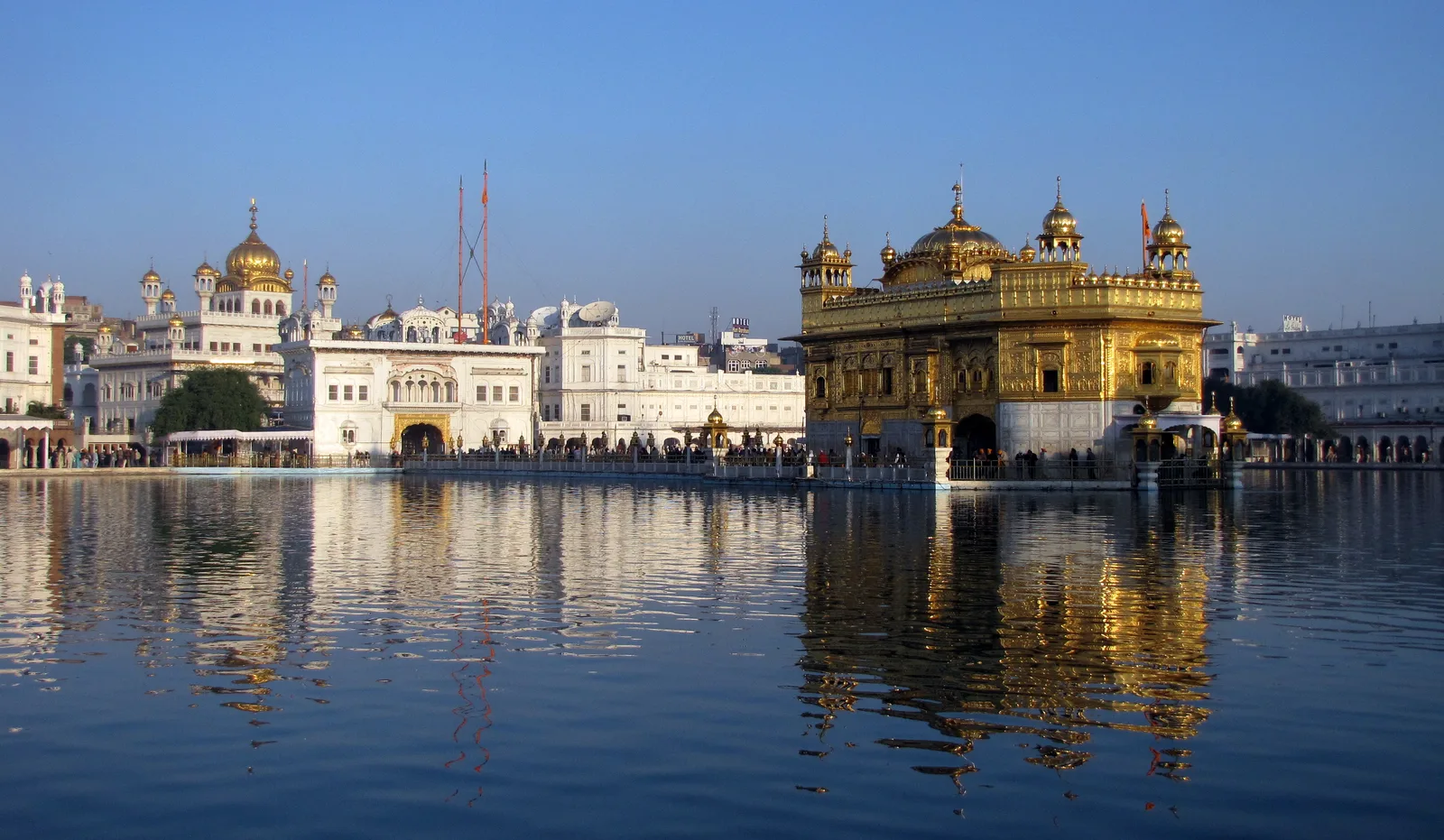
Give Amritsar time beyond a photograph
Amritsar is a city of pilgrimage, memory and everyday commerce in Punjab. Sri Harmandir Sahib, widely known as the Golden Temple, gives many journeys their purpose. The surrounding visit can also include the history of colonial violence and Partition, a substantial meal and time in the markets. Those experiences need different kinds of attention: allow room for worshippers, quiet reflection and practical breaks rather than treating every stop as another attraction to finish.
For a first stay, two or three nights give more flexibility than a hurried circuit between arrival and departure. That is a suggested planning choice, not a minimum imposed by the city. A short visit can still be worthwhile if you choose a clear priority. A longer stay benefits from comparing the historic visitor area with the actual location of work, study or family commitments.
Approach Sri Harmandir Sahib as a place of worship
The district government's visitor information identifies Guru Ram Das with Amritsar's foundation and explains the importance of Sri Harmandir Sahib. Its practical instructions require visitors to remove their shoes and cover their heads before entering. Make those preparations before joining the flow of people, and follow the directions of attendants at the entrance.
The langar is a community meal offered without distinction of caste, creed or gender. Approach it as part of the institution's practice of service, with respect for the people preparing and sharing food. Avoid assuming that a particular queue will be short or that a meal will fit a tight sightseeing appointment. Keep enough flexibility to participate without rushing yourself or others.
For a family visit, agree a meeting point before entering a busy area and keep only what you need for the outing. Check current instructions about bags, photography and access directly with the temple authorities. A photograph from an earlier year does not establish what is permitted today. The experience is more rewarding when the practical arrangements let you pay attention to the place and its worshippers.
Visit Jallianwala Bagh with time to reflect
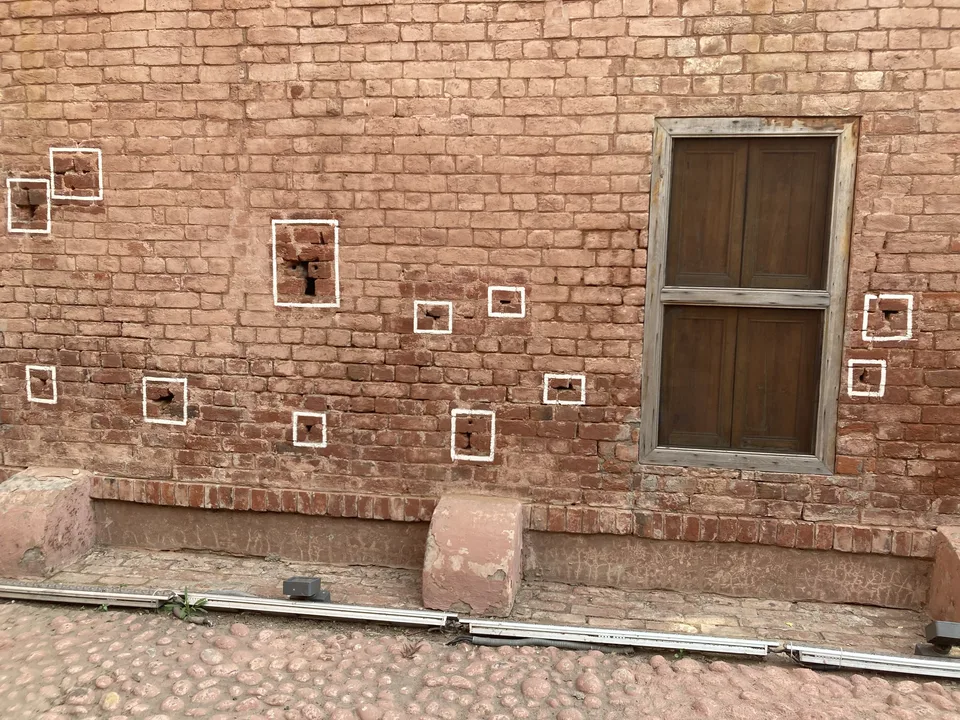
Jallianwala Bagh commemorates the massacre of 13 April 1919. Its proximity to Sri Harmandir Sahib makes it possible to combine the two in a day, but their character is different. Give the memorial its own attention and leave enough time to read the interpretation, rather than treating the garden as a convenient space between other appointments.
The memorial is a place to slow down after the busier approach streets. Read the site's interpretation and allow everyone in your party to spend as long as they need with it. Be considerate with photographs and noise, and avoid making a narrow appointment immediately afterwards. Check current access notices before arriving, particularly if your visit depends on an early opening or an evening stop.
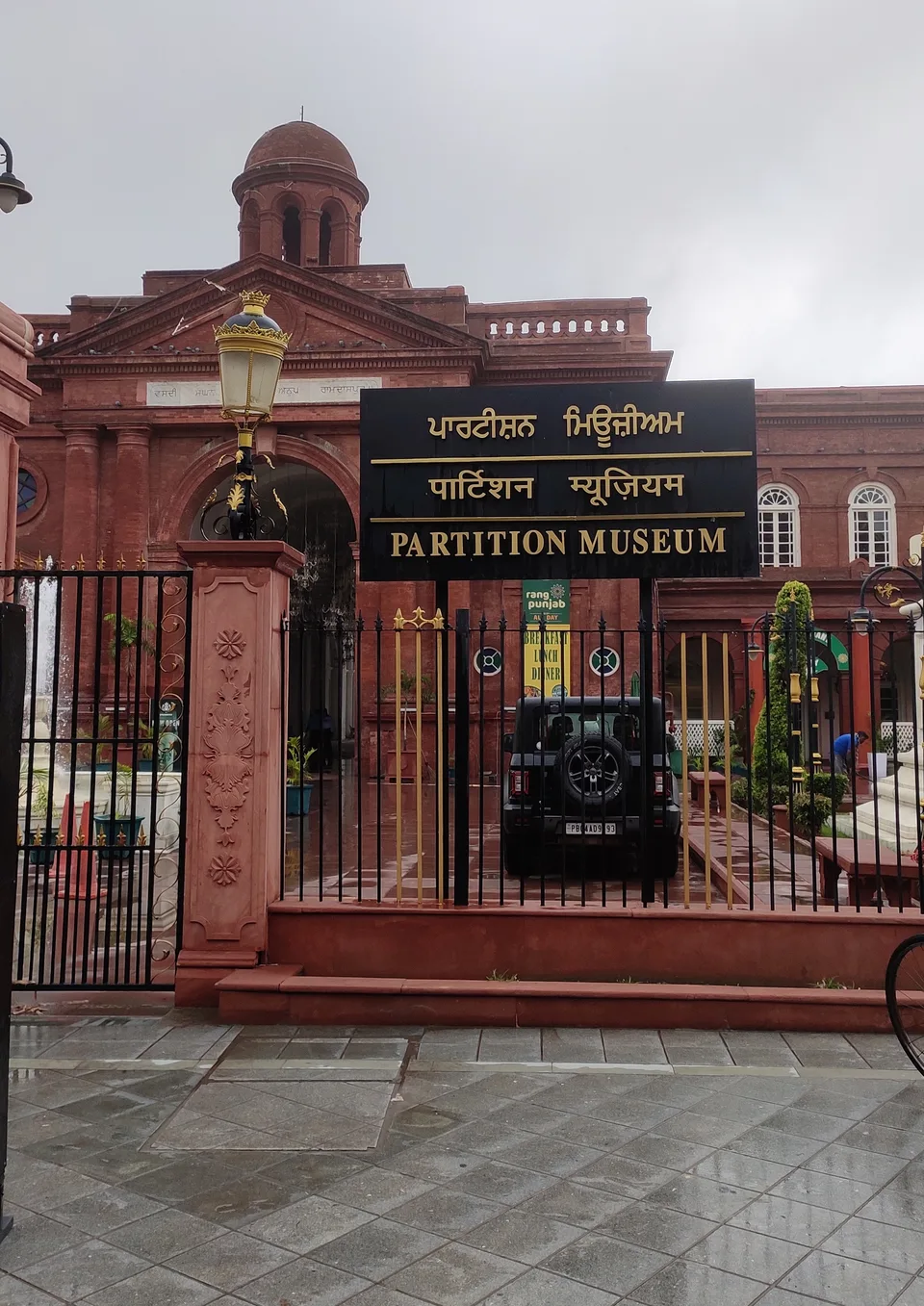
Allow space for the Partition Museum
The Partition Museum's Amritsar visitor page places the museum in the Town Hall and lists Tuesday-Sunday opening from 10:00 to 18:00. It closes on Mondays and on 26 January, 15 August and 2 October. Check special notices before fixing the day, particularly if your stay has only one possible museum slot.
The posted admission is INR10 for Indian nationals and INR250 for foreign nationals, with free admission for children aged five and below and Partition survivors. The museum brings personal stories and objects into the account of Partition; give yourself time to engage with the material rather than using it as a quick stop on the way elsewhere.
The operator lists a lift and wheelchair-accessible facilities, and prohibits photography and video inside. Confirm any specific assistance you need before arrival. An unhurried visit can be emotionally demanding, so leave a pause afterwards before moving on to shopping or a crowded excursion.
Explore the old city through its heritage route
The district's heritage-walk resource is a useful way to move beyond a single landmark. Its stops include the Town Hall, Gurdwara Saragarhi, Qila Ahluwalia and Jalebiwala Chowk, alongside religious buildings, passages and trading places. Use it to choose a manageable section rather than assuming the existence of a published route guarantees a guided departure on your preferred day.
Walking the lanes can add context to the larger monuments, but a route on a heritage map does not establish step-free access at every stop. Check your footwear, the weather and the needs of anyone travelling with you. If you book a guide, agree the meeting point, duration, language and included entrances in advance. Leave time for the street itself rather than trying to cover every named stop at the same pace.
Give Gobindgarh its own afternoon
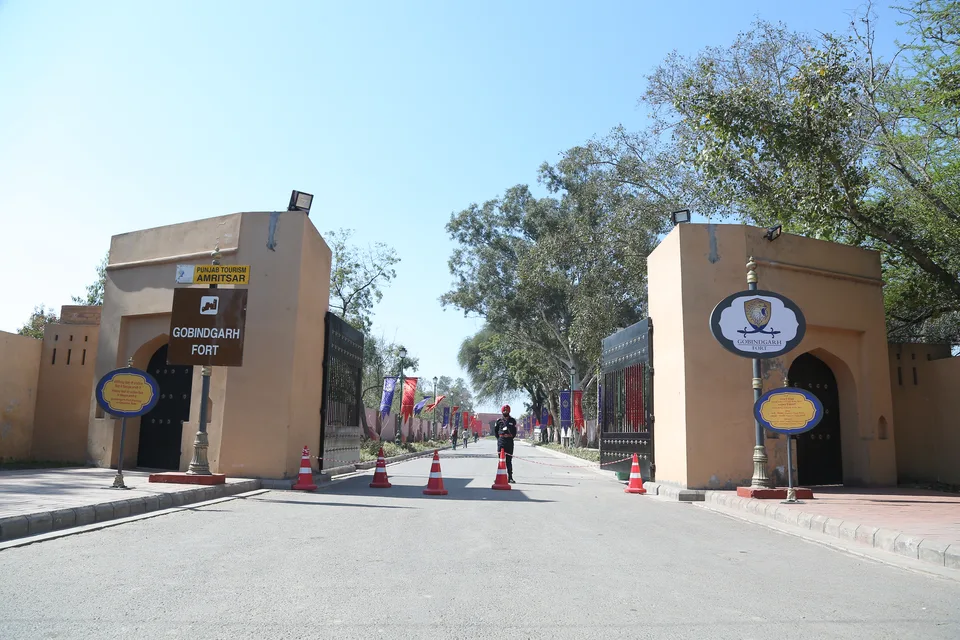
Gobindgarh Fort's operator traces the fort's origins to the Bhangi Misl in the 1760s and its later strengthening under Maharaja Ranjit Singh. Its present-day visitor offer combines the architecture with museums and staged experiences. Choose it if you want to explore another strand of the city's history, rather than expecting the same experience as a memorial garden or active place of worship.
Check the fort and show timetable before choosing an arrival time. Although the operator lists the fort from 10:00 to 22:00, the Toshakhana and Warfare Museum have a shorter 10:00-17:00 timetable, Tuesday-Sunday, and close on Mondays and government holidays. Arriving only for an evening show can therefore mean missing the exhibits you hoped to see.
The operator's experience overview also lists Pagdi and Sikh Art museums and performance-based attractions. Establish which elements your chosen ticket includes and whether the presentation language suits your party. We could not verify a reliable current package price for every visitor category; use the operator's booking information to compare the actual offer for your visit. Do not treat a fort-opening time as a promise that every show runs continuously.
Choose a base for the journeys you will repeat
For a pilgrimage-focused visit, compare accommodation by its actual walking route to Sri Harmandir Sahib, not simply a listing's claim to be near the Golden Temple. Ask where a taxi can stop, whether luggage assistance is available and how you reach the reception after dark. A short distance on a map can still involve a lane, steps or a crowded approach that matters to someone in your party.
For a stay with several commitments elsewhere, compare that base with a room closer to those commitments. If you are considering Ranjit Avenue or another address away from the historic visitor area, price the repeated journeys into your total budget. Inspect the room's sound insulation, cooling or heating arrangements and cancellation conditions. There is no reason to assume a larger room compensates for a location that does not suit your plans.
Arrive with the last part of the journey arranged
Sri Guru Ram Dass Jee International Airport serves Amritsar. The Airports Authority of India's passenger information lists prepaid taxis and WTI Cabs at arrivals and outside the terminal, with Ola and Uber pickup outside the terminal building. Check the actual meeting point before walking out with luggage, and compare the full quoted fare for your destination.
Before arranging pickup, keep three details together: your flight number, the accommodation address and a contact method that will work after arrival. Confirm who monitors a delayed flight and when any waiting charge begins. If the pickup arrangement changes, use the airport's published transport information to identify a recognised option rather than accepting an unclear quotation.
For a booked transfer, provide the accommodation's complete address and ask whether the vehicle can reach its entrance. This matters when choosing a room in the historic visitor area: a property near your sightseeing stops may still require a final walk from the vehicle drop-off. Agree how that will work if you are arriving late, travelling with children or carrying substantial luggage.
Ask your airline for any airport wheelchair assistance you require. AAI lists airline-provided wheelchairs, but the existence of the service is not a reservation for your particular flight. Build immigration, baggage collection and the onward transfer into your arrival plan rather than treating a quoted driving time as the whole journey.
Take the train plan through to your accommodation
For rail travel, use IRCTC's official booking guidance and check the stations, travel date, class and availability for the service you want. A train shown in search results is not a confirmed seat. Keep the booking status and identification requirements clear before treating the journey as settled, and recheck the service before departure.
Plan the station-to-hotel section separately. Confirm the accommodation's complete address, a suitable vehicle drop-off and the arrangements for receiving luggage if you arrive before the room is ready. On departure, include luggage collection and the station approach in the schedule. A central sightseeing base may be convenient during the visit without making the final transfer instantaneous.
Eat through the city's Punjabi repertoire
The official Amritsar tourism overview highlights stuffed Amritsari kulcha, poori with chickpeas, fish preparations, tandoori chicken and lassi. That range allows a food-focused outing to include more than a single famous breakfast. Choose a small number of dishes, check the portion sizes and leave room to enjoy them rather than ordering a long list simply because each appears in a guide.
Ask about dairy, wheat, nuts, cooking fats and other ingredients that matter to you. Vegetarian does not mean dairy-free, and a familiar dish name does not guarantee the same recipe everywhere. Confirm the price before ordering additional accompaniments. For takeaway food, check storage instructions and whether it will travel safely through the rest of your journey. Let the meal fit your appetite and the rest of the day; a comfortable lunch break can make the next museum or walking section much more enjoyable.
Buy something you can inspect and use
Amritsar's tourism overview identifies phulkari textiles, juttis, papad and wadiyan among the city's shopping interests. Compare the workmanship and fit of what is actually in front of you. Ask whether embroidery is made by hand or machine, check seams and finishing, and try footwear rather than relying only on the marked size.
For food purchases, check ingredients, expiry dates and storage needs. A package that works for a short journey may be unsuitable for several days without appropriate storage. Check the customs rules of your onward destination before purchasing anything you plan to take across a border. Keep a receipt for a substantial purchase and confirm any delivery promise in writing, including the destination and responsibility for damage.
Keep a budget for the whole day
Separate the items you can verify from those that depend on your dates and choices. A posted museum admission is a useful budget line; it does not establish an average daily cost for Amritsar. Compare room totals after taxes, include transfers and meals, and allow for any activity package you actively choose. The community langar should be understood through its purpose of service, rather than presented as a way to make a holiday budget work.
For a vehicle quotation, establish whether waiting, parking, luggage and the return are included. For accommodation, confirm the deposit and refund conditions before paying. Keep receipts for significant purchases and a small reserve for a changed journey. These steps let you compare options while keeping room for the costs that vary with your travel dates, accommodation choice and particular route through the city.
Plan around the season rather than a perfect forecast
India's tourism authority recommends October-March for exploring Amritsar. Use that as broad seasonal guidance, then check the actual forecast and transport conditions for your dates. A winter visit still needs suitable clothing for early starts and evenings, while a warm-weather itinerary benefits from shorter outdoor sections and a place to pause indoors.
A fixed sightseeing schedule is less useful than a plan you can adjust. Put the activity that matters most to you at a time when you can give it attention, and retain an alternative for an outdoor excursion. Check with your airline or train operator before departure when conditions may affect the journey. If you have a tight onward connection, avoid using every spare hour for a distant final stop.
Build a two-day visit around your priorities
On the first day, make Sri Harmandir Sahib the principal visit and leave space for the preparations and queues. Jallianwala Bagh can follow when open, with a meal and a rest between activities if needed. Keep the evening flexible instead of assuming that an early arrival gives you unlimited energy for another excursion.
Use the second day for the Partition Museum on an open day and a selected section of the heritage route. Gobindgarh can fill a separate afternoon if its museums or performances interest you; choose the ticket and timetable first. If both historical museums matter deeply to you, add another day or shorten the walking programme. A Monday stay requires particular care because several museum elements close then.
For three days, retain one as a slower day for another religious site, a craft-related excursion or places missed earlier. Do not make a border ceremony the only reason the final day works: access, timings and booking arrangements must be confirmed separately. Travellers with limited time can have a worthwhile city visit without adding that excursion.
Consider a craft-focused outing to Jandiala Guru
For another perspective on the wider area, investigate the Thatheras' brass and copper utensil-making tradition at Jandiala Guru. UNESCO inscribed the craft on its Representative List of Intangible Cultural Heritage in 2014. The recognition concerns a living craft tradition, rather than designating the whole settlement as a World Heritage site.
Arrange any workshop visit in advance with the people who will receive you. Ask what you can see, whether photographs are welcome and whether the visit includes a demonstration or only a sales stop. Workshops are workplaces, so avoid assuming that a heritage listing means visitors may enter at any time. If buying utensils, ask about the material, finish and intended use, and obtain care instructions. Allow for transport and secure packing before choosing a large or heavy piece.
Keep a border excursion conditional
Attari is often promoted alongside Amritsar's city sights, but a ceremony visit and an international border crossing are separate matters. We could not verify a dependable current official booking process and timetable for this guide. Confirm visitor access, identification requirements, baggage restrictions and the day's arrangements with the responsible authorities before committing money or arranging the drive.
Do not build an onward journey around an assumed crossing into Pakistan. Entry permission, operational border arrangements and any permitted port of arrival require separate official confirmation. If the ceremony is important to your visit, retain an alternative activity in Amritsar and agree cancellation terms for a transfer. Older photographs of the event do not establish the format or access arrangements today.
Compare neighbourhoods through your daily route
The district accommodation directory lists addresses around Ranjit Avenue, Railway Link Road, Hall Bazar and The Mall. It is a directory of properties, not a guarantee of standards or availability. Use the addresses to compare the journeys that matter to you: repeated temple visits, a station departure, meetings or a workplace commute.
For an extended stay, make the commute at the hour you expect to travel and repeat the return. Visit the property before committing to a long lease. Ask for a written inventory, the deposit-return conditions and a clear allocation of repairs, utilities and other charges. Establish whether guests, deliveries or access hours are restricted. Record the agreed terms rather than assuming a short-stay booking description covers a residential arrangement.
Set up essentials before a longer stay
For electricity, PSPCL's consumer-services page provides official routes to bills, new connections and complaints. Ask a prospective landlord how the particular property's account is managed, whether there are outstanding charges and who pays for any change needed. Record meter readings and include utility responsibilities in the agreement rather than relying on a verbal assurance that everything is included.
For healthcare, the district's hospital directory can help locate contacts. Speak directly to a provider about the service you require and check payment arrangements with your insurer. A directory entry does not establish that a particular specialist, language service or direct-billing agreement is available. If regular treatment is important to the move, settle those arrangements before making a long housing commitment.
At the property, test the internet where you will work or study, and check water supply, heating or cooling, laundry and access for deliveries. Establish how faults are reported and what repairs the owner handles. These address-level details are more useful for comparing homes than an unsupported average rent for the whole city.
Match the entry document to your purpose
Use the Government of India's e-Visa portal to check eligibility for your passport and the category matching your plans. Tourism, business and study have different categories and conditions. Read the permitted activities, entry arrangements and authorised stay before booking around a general impression of what a visa's name allows.
The portal also describes an electronic arrival card, which it explicitly distinguishes from a visa. Completing arrival information does not establish permission to enter. Follow the current official instructions for the document you hold, and retain your approval and travel details for the journey. Do not assume that a sightseeing excursion near a border establishes a right to cross it.
If you intend to work, enrol in a course or make a permanent move, confirm the appropriate process with the relevant institution and official authorities. A tourist visit can help you assess the city, but it does not resolve employment permission or residence eligibility. Keep a longer housing commitment conditional on having the permission required for the activity you actually plan to undertake.
Choose a pace that suits the people travelling
Two visitors can want very different trips from the same city. Someone returning for worship may want a flexible schedule close to the temple; a first-time history visitor may prefer longer museum sessions and a guided walk. Agree the principal purpose before paying for a succession of activities. Families and mixed-mobility groups should plan the route around the person who needs the most time, with places to sit and a clear way back.
Use VisaWand's India country guide for the wider travel context, its India location directory to explore other destinations, and its consultant listings when seeking professional help. Check an adviser's relevant services and credentials directly. A destination directory is a way to find locations; it should not be mistaken for a completed guide to each one.
For a wider Punjab trip, compare the actual onward transport before adding another city. Leave a separate travel window rather than assuming a regional excursion fits into the hours before a flight. The strongest Amritsar itinerary gives its important places the time they need and leaves enough flexibility for the everyday realities of arrival, queues, meals and rest.
Official planning resources
Reviewed 17 October 2026. Use the official resources linked throughout this guide for admission, transport, housing and immigration decisions. Prices, services and rules can change; confirm the details relevant to your dates. Photography illustrates the locations and is not a live view.
Plan the next part of your journey
Explore the India guide, browse other cities or compare consultants for your travel and relocation questions.