Visa
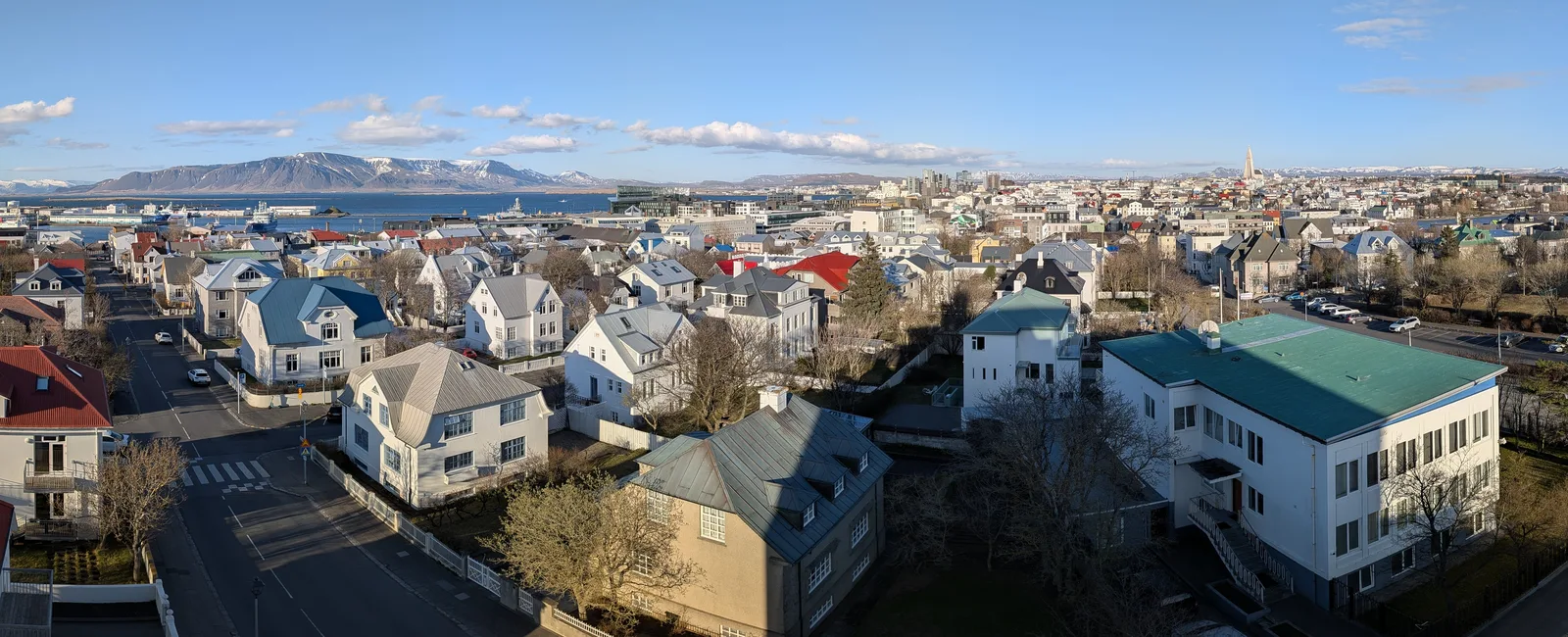
Give Reykjavík time beyond the airport transfer
Reykjavík rewards a stay built around the city itself: a morning among excavated settlement remains, an afternoon by the harbour and an evening in a neighbourhood swimming pool. Its appeal lies in those changes of scale. A church tower offers a broad view; a few streets below, cafés, shops and homes bring the capital back to everyday proportions. This is also a practical base for organised excursions, although booking every daylight hour outside town leaves little opportunity to understand it.
Start by deciding whether you want a city break, a touring base or a trial stay before moving. Those choices produce different accommodation and transport needs. A central room can remove many local journeys, while a longer stay calls for grocery access, laundry and a commute that works in poor weather. Use VisaWand’s Iceland country guide alongside this city article, and distinguish a visitor’s itinerary from the permissions and household arrangements required to live here.
Read the city through Aðalstræti
Begin with Aðalstræti at Reykjavík City Museum, where the exhibition connects numbers 10 and 16. Below ground are the remains of a tenth-century longhouse; the wider display follows the settlement’s development into a city. Seeing the archaeological site before walking the modern streets gives the centre more meaning than a succession of photographs. Allow time for the later history rather than treating the museum as a single Viking-era room.
The institution publishes useful accessibility information, including the difference between the level approach from Aðalstræti and steps from Túngata. There is an elevator in the connected exhibition, while part of the older floor is uneven. These details matter when choosing an entrance with a wheelchair, walking aid or pushchair. Check the museum’s current admission and opening information before going; a description of its permanent collection does not establish that every room or entrance will be available on your date.
Choose a neighbourhood for the journeys you will make
The visitor board’s neighbourhood overview is a useful starting point, but read a proposed address on the map before booking. Miðbær places many cultural stops, restaurants and shops close together. That convenience can suit a short visit, although a room above an evening venue deserves questions about noise. Ask about the actual room, its windows and access rather than relying on a broad “central” label.
Vesturbær lies west of the centre and combines residential streets with access to the waterfront and Vesturbæjarlaug pool. Grandi, around the harbour’s western side, suits a day involving maritime history, exhibitions and food stops. Laugardalur offers a different rhythm, with recreation grounds, a botanical garden and swimming facilities east of downtown. A property there may require more bus use for central evenings. Compare the last return service and walking distance from the stop, especially if your group includes children or someone who finds exposed winter walks difficult.
Look beyond the headline room price
Hotels, guesthouses, hostels and apartments meet different needs; the least expensive nightly listing may not produce the lowest total bill. Compare breakfast, kitchen access, shared bathrooms, luggage storage and the cancellation deadline. For a self-catering stay, establish whether “kitchenette” means equipment suitable for preparing meals or simply a kettle and refrigerator. Check laundry arrangements before assuming an apartment removes that expense.
Airport transfers create another distinction. Confirm whether your accommodation is reached directly, through a designated city stop or after changing vehicles. A stop near a property can still leave a walk with bags, and a street photograph taken in summer tells you little about managing that approach in wind or snow. If collecting a rental car, ask about parking availability and charges. For a city-only stay, price accommodation and transport together before paying to keep a vehicle outside a room you can otherwise reach on foot.
Visit Hallgrímskirkja around its working calendar
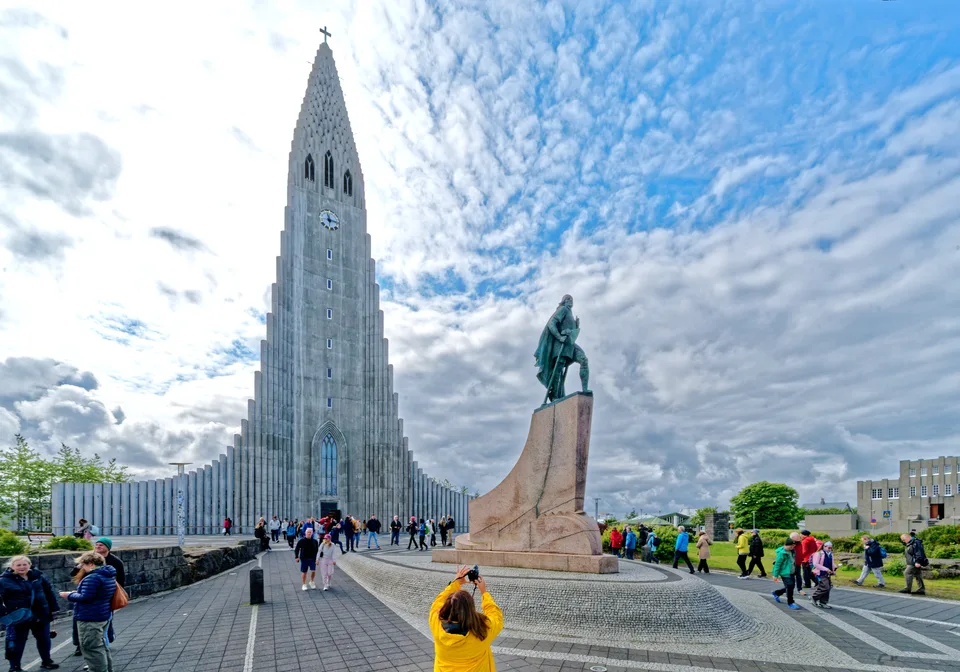
Hallgrímskirkja’s tower makes an obvious orientation stop, but the church remains a place of worship. Read its current opening schedule and tower rules before setting out: services and private events can close the nave for part of a day. The published adult tower ticket is ISK 1,500. Tickets are sold in the church shop, cannot be reserved in advance and are valid for one visit on the purchase date. A planned tower ascent should therefore remain flexible.
Build the surrounding walk into the visit rather than arriving solely for the lift. Look at the building from the square, then continue through the centre at street level. If a view matters more than a particular photograph, choose a time with reasonable visibility. Do not buy a ticket on the assumption that a clear-looking weather symbol guarantees distant views, and ask staff about the complete access route if stairs or restricted spaces would affect your visit.
Use Harpa as a cultural stop, not just a façade
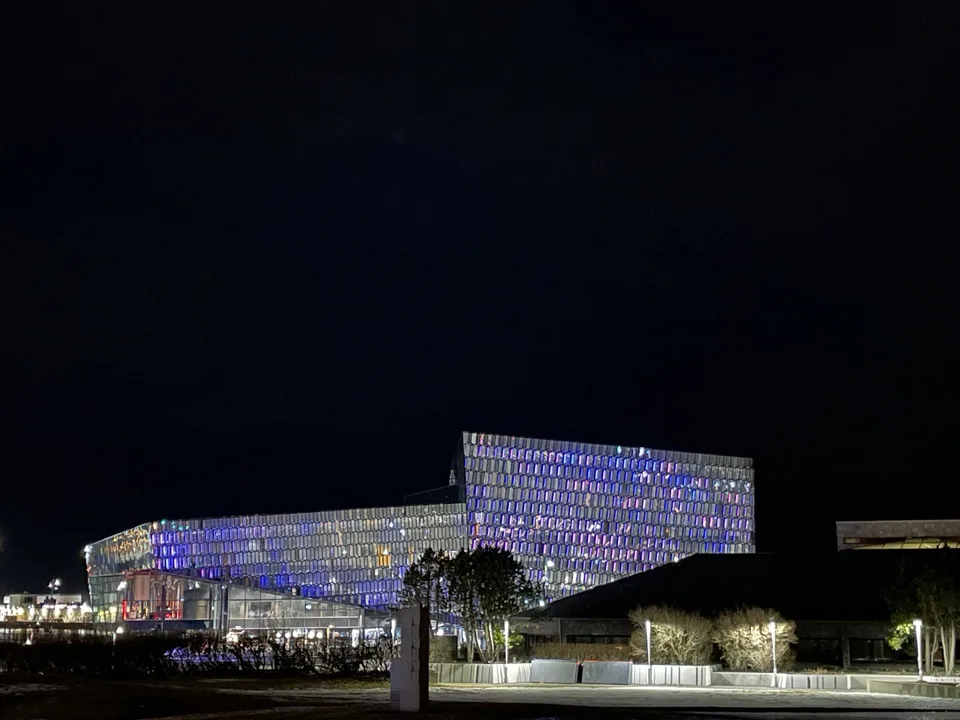
At the waterfront, Harpa welcomes visitors to its public building without an admission charge; its Hljóðhimnar interactive children’s space is also free. Concerts, shows and guided tours have their own arrangements. That distinction makes Harpa useful on a modest budget without suggesting that a walk through the foyer includes a performance or access to every hall. Look at the event programme if music is a priority, and compare the actual performance, seat and start time before booking.
The venue’s published building hours are 10:00–18:00 Sunday to Tuesday and 10:00–20:00 Wednesday to Saturday, with event-related exceptions. Leave room for the waterfront setting as well as the interior. A change in wind or rain can make an exposed promenade less appealing than it appeared at breakfast; Harpa and a nearby museum provide alternatives without requiring a day-long journey. For backstage access, check the scheduled tour product rather than assuming public opening grants entry to Eldborg.
Make room for the harbour and Tjörnin
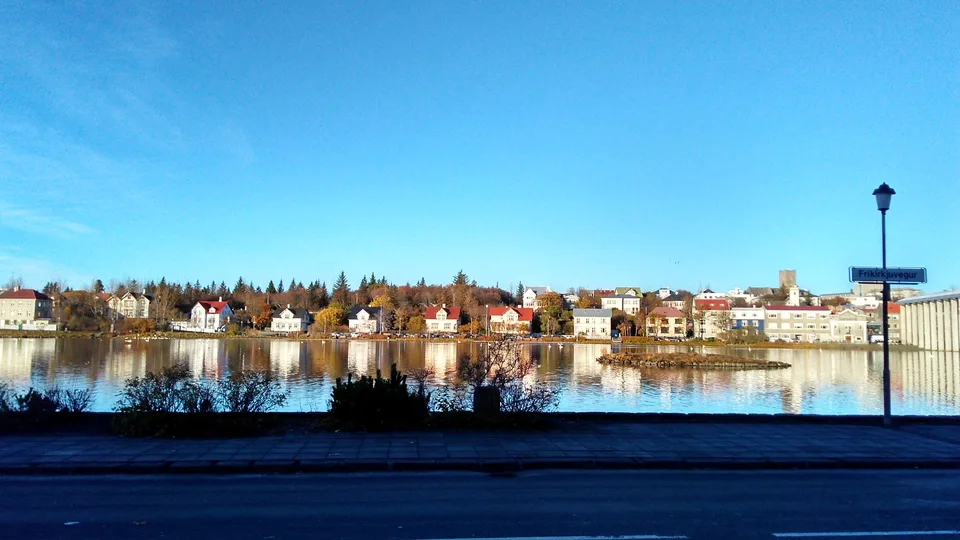
A walk joining the centre, Tjörnin and the harbour gives a useful sense of Reykjavík’s scale. Treat it as several manageable sections with indoor pauses, rather than a fixed endurance circuit. Tjörnin offers a different setting from the seafront: water, surrounding buildings and nearby civic streets make it a natural place to slow down. Photographs of a frozen surface should never be taken as permission to walk onto ice.
Continue towards Grandi when maritime subjects or its other exhibitions interest you. Choose one substantial visit instead of buying several overlapping experiences because they appear together on a map. Check each attraction’s subject, duration and accessibility; a whale exhibition and a boat excursion deliver different things. For an excursion on the water, establish the departure point, cancellation procedure and what happens if conditions prevent sailing. Seeing the harbour does not oblige you to commit to a trip whose comfort or operating conditions do not suit your party.
Try the municipal pools before buying a luxury spa day
Reykjavík’s public pools offer a practical way to include geothermal bathing without making a premium spa the centre of the budget. The city’s fee schedule, effective from 5 May 2026, lists adult single admission at ISK 1,500. Visitor admission for ages 10–17 is ISK 400; children aged nine and under enter free with a guardian. Different concessions apply to eligible local residents, so do not assume a statement about free swimming for Reykjavík children covers every visiting teenager.
Bring your own swimwear and towel when practical: rentals add to the bill. Choose a pool by its facilities, access arrangements and opening hours, then follow the changing-room and washing instructions on site. A swimming complex is a shared public facility with its own rules, rather than an informal natural hot spring. If comparing it with a commercial lagoon, compare the complete product, including transport and any required package, rather than admission alone.
Separate Keflavík from the city airport
Check the airport code on every flight and transfer. Keflavík International Airport, KEF, is outside Reykjavík; a booking described as serving the capital does not mean you land beside downtown accommodation. The airport’s ground-transport information lists coaches, the public bus, taxis and rental cars. Build the transfer into both arrival plans and the final day’s budget, particularly before booking a timed attraction soon after landing.
The Flybus planning page explains that its standard service connects Keflavík with BSÍ Bus Terminal. Accommodation connections depend on the product and may involve a smaller shuttle or designated stop. For the return journey, book against your flight’s check-in requirements and the operator’s collection instructions. A hotel pickup time and a coach departure from BSÍ are different events. Keep your ticket, pickup point and accommodation address available offline so that a flat phone battery or unfamiliar street name does not complicate departure.
Read route 55’s destination as carefully as its price
The public airport bus can be useful, but it needs more timetable attention than a simple “take the city bus” instruction suggests. Strætó’s route 55 airport page lists an adult fare of ISK 2,400 between KEF and Reykjavík or Garðabær, compared with ISK 1,800 to Fjörður in Hafnarfjörður. Not every departure continues to BSÍ: some terminate at Fjörður. Check the particular journey and any onward connection before choosing it for a late arrival or an early flight.
The same operator identifies the airport arrival pickup as Bus B and distinguishes it from the terminal drop-off for departing passengers. Follow current signs and the published stop map. Route 55 accepts cards and cash according to its own information; do not transfer that rule to Reykjavík’s urban buses. Nor should you apply the ordinary city single fare to the airport journey. The cheapest-looking option can lose its advantage if its timetable forces an additional taxi.
Use city buses with the right payment method
Strætó’s current city fare table lists an adult single ticket at ISK 690, with children aged eleven and under travelling free. Read the operator’s ticketing instructions before boarding and choose a payment method that works throughout your stay. Check how transfers and any fare caps apply to that method; a headline cap is not a reason to switch between unrelated cards or devices and expect every payment to be combined.
Use the journey planner with your actual destination and travel date. A short distance on a map can still require a change, while a direct bus from a slightly more distant address may simplify a commute. For evenings, confirm the last practical return journey rather than only the outward departure. Walking remains useful in the compact centre, but assess wind, surface conditions and your group’s pace. Leave extra time when unfamiliar stops, luggage or mobility needs make a missed connection more consequential.
Calculate the City Card against a real itinerary
The Reykjavík City Card costs ISK 6,100 for 24 hours, ISK 8,500 for 48 hours and ISK 10,500 for 72 hours. Its value depends on the attractions you will actually enter. Included municipal pools, participating museums and capital-area buses can add up, but a day spent walking outside and buying one pool admission produces a different calculation. Discounts at a commercial attraction are not free entry.
The official instructions require exchanging an online voucher for a physical card at a collection point and writing the activation date and time before first use. Plan collection around opening hours rather than assuming an email voucher replaces the card everywhere. Airport transport, including route 55, is excluded. Compare the current participation list with your chosen museums and check their opening days before activating: a longer pass does not compensate for arriving at an included building while it is closed.
Spend on food deliberately
The visitor board’s guide to traditional dishes provides a useful vocabulary for menus: plokkfiskur combines fish with potatoes and onions, while lamb soup and skyr offer other introductions to Icelandic ingredients. Ask about preparation and allergens rather than assuming that a familiar-looking dish contains only the ingredients in its name. A food tour can add interpretation, but check the number of stops, what is included and dietary arrangements before comparing its price with an ordinary meal.
For everyday budgeting, separate a planned restaurant meal from breakfasts, snacks and drinks. A room with usable cooking facilities allows some meals to come from a supermarket, though buying more ingredients than you can use can erase the saving. Read prices in Icelandic króna and check card charges with your provider. For shopping, compare provenance, materials and luggage space; an attractive wool garment or design object deserves the same scrutiny as any substantial purchase elsewhere.
Choose the season for the experience you want
Summer’s long light supports flexible walks and later outdoor sightseeing, while the darker part of the year creates opportunities to look for northern lights. Neither season guarantees comfortable weather or a particular excursion. Pack layers and a wind- and waterproof outer layer, then adjust the day’s route to the forecast. A short city visit benefits from keeping one indoor option available rather than attaching every attraction to a non-refundable outdoor booking.
The Icelandic Met Office’s aurora forecast explains that darkness and partly clear skies are necessary. Its green map shading represents cloud, not stronger northern lights. Read the cloud and activity information together, and treat a sighting as a possibility rather than the promised outcome of a winter holiday. Consult ICE-SAR’s current travel alerts before driving out of the capital. A forecast suitable for walking between central buildings does not establish safe conditions on a more exposed rural road.
Plan three days with room to change direction
On day one, settle into the centre, visit Aðalstræti and walk around Tjörnin before continuing towards the harbour. Choose dinner near your accommodation if arrival has involved an overnight flight. This leaves the day useful even if the airport transfer takes longer than expected, and avoids beginning the trip with several timed admissions that cannot realistically be reached.
On day two, fit Hallgrímskirkja around its service schedule, then explore the central streets and spend part of the afternoon at Harpa or a museum that matches your interests. Finish with a municipal pool if the group has energy. On day three, choose between Laugardalur’s recreation and cultural stops, a fuller Grandi visit, or an organised excursion outside the city. Keep the departure day separate when flight timing demands it. If weather disrupts a booking, replace that part of the plan instead of compressing every missed activity into the remaining hours.
Look at nearby municipalities and excursions honestly
Kópavogur, Seltjarnarnes and Hafnarfjörður are neighbouring municipalities, not simply interchangeable labels for downtown Reykjavík. The regional visitor overview helps compare their cultural facilities, coastline and accommodation. Consider them for a specific interest or a practical address, then check the actual bus connection. A lower room price outside the centre should be weighed against the time and cost of the journeys you intend to make. Their VisaWand destination pages provide location records.
For a larger excursion, Þingvellir offers a different scale of landscape and history from the city. The national park’s parking information lists ISK 1,000 for a passenger car with five or fewer seats, valid across its designated car parks on the payment day. That is a parking charge, not a universal entrance ticket covering every activity. On the Reykjanes peninsula, follow current official access and travel notices; do not assume that an old eruption photograph identifies a site open for independent hiking today.
Test a move against housing and commuting needs
For relocation, begin with a permitted purpose of stay, a realistic income plan and housing suitable for ordinary life. Use the government’s rent and deposit guidance when reviewing a lease. Establish the term, rent, adjustment provisions, deposit arrangement and responsibility for utilities before paying. Ask whether the property is available for the full period you need rather than assuming a holiday listing can become a permanent home on the same terms.
Visit the area at the times you would commute. Check grocery shopping, laundry, storage and the route to work or study, including an alternative when weather makes cycling unattractive. Record meter readings and an inventory where relevant, and clarify which household bills remain in the landlord’s name. The official housing-benefit conditions include registration and lease requirements; potential support should not be treated as assured income before eligibility is established. A short exploratory visit can answer practical questions without committing you to a lease immediately.
Arrange services before relying on resident entitlements
National registration, a kennitala and healthcare cover are related administrative matters, but possessing an identifier does not by itself prove entitlement to every service. Follow the official process applicable to your nationality and residence route. Keep copies of your lease, employment or study documents and registration confirmations, and arrange the communication and banking services you need with each provider’s actual identification requirements.
The government’s immigration and registration portal brings together legal-domicile, residence-notification and national-identification services. Read the route that matches your circumstances before submitting anything: registration for an EEA citizen and a residence-permit application are different processes. For household planning, ask the landlord how heating, electricity, water, internet and refuse arrangements appear in the contract and bills. Check the heating controls and ventilation instructions during handover. If you need to work from home, establish that the property permits your intended use and that an internet connection will be available when you arrive, rather than relying on a photograph of a desk.
Iceland Health’s moving application guidance currently describes a general three-month waiting period after legal domicile registration, with exceptions and possible transfer of earlier statutory insurance rights. This differs from older promotional information that still mentions six months. Confirm your own start date with Iceland Health and arrange appropriate cover for any gap; do not assume healthcare is free on arrival. Families should also establish school or preschool application arrangements before choosing housing solely for its appearance. Availability, registration and the daily journey matter as much as an appealing neighbourhood description.
Keep tourism, employment and residence separate
Iceland participates in Schengen. The official entry requirements describe the combined 90-days-in-180 limit for relevant short-stay visitors, alongside passport, visa and other conditions. Time in another Schengen country matters too. Check the requirement for your nationality and purpose rather than treating a flight booking, accommodation reservation or visa exemption as permission to move permanently.
For employment, the work-permit guidance explains that nationals outside the EEA and EFTA generally need permission before starting work. Study has its own residence-permit requirements, including qualifying admission and supporting documents. Iceland’s May 2026 immigration notice also confirms that the former long-term visa provision was repealed. Its current short-term residence permit must not be assumed to reproduce an older remote-work visa or provide a settlement route. Get current guidance for the activity you intend, and use VisaWand’s consultant directory to compare relevant professional help when your circumstances need individual assessment.
Official planning resources
Reviewed 15 October 2026. Use the official resources linked throughout this guide for admission, transport, housing and immigration decisions. Prices, services and rules can change; confirm the details relevant to your dates. Photography illustrates the locations and is not a live view.
View all official resources
- City Card
- Bus pricing
- Airport transport
- Church and tower
- Municipal pool prices
- City Museum Adalstraeti
- City Museum accessibility
- Harpa visiting
- Harpa hours
- Work permission
- Rent and deposits
- Housing benefits
- Iceland Health: moving insurance
- Iceland immigration: entry
- Iceland immigration: student permits
- Visit Reykjavik: neighbourhood choices
- Visit Reykjavik: traditional dishes
- Icelandic Met Office: aurora forecast
- Directorate of Immigration: visa reform notice
- Directorate of Immigration: short-term residence permits
- Straeto: airport route55
- ICE-SAR: current travel conditions
- Thingvellir National Park: parking
- Keflavik Airport: getting there
- Iceland government: immigration and registration
Plan the next part of your journey
Explore the Iceland guide, browse other cities or compare consultants for your travel and relocation questions.