Visa
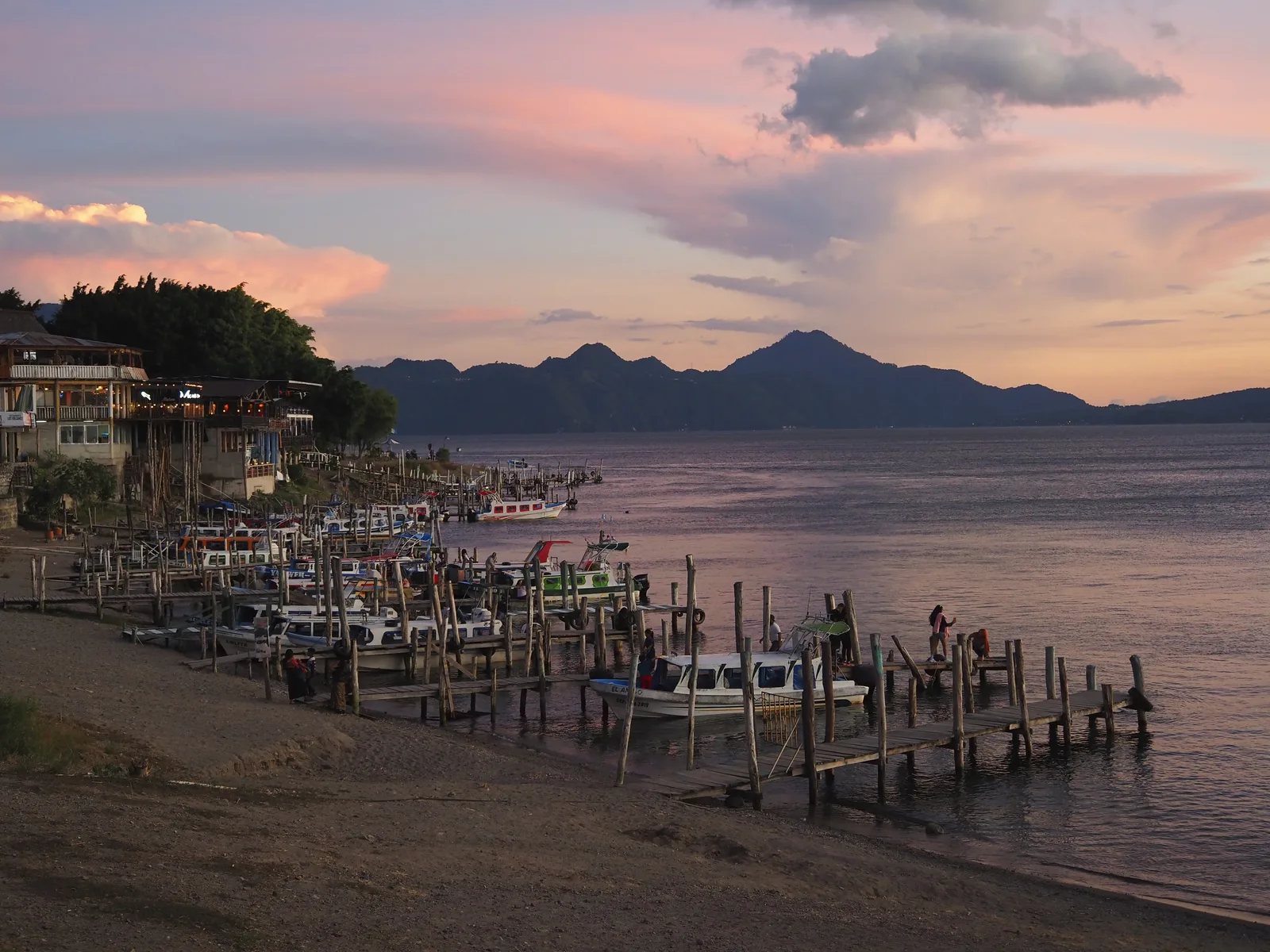
Panajachel makes the lake easier to organise
Panajachel is a practical introduction to Lake Atitlán: a road-accessible town with accommodation, restaurants, agencies and landing stages, looking across water towards volcanic silhouettes. Known informally as Pana, it belongs to the department of Sololá in Guatemala's western highlands. The municipal visitor office presents it as a base for nature, culture and lake travel. Its value is the combination of those experiences with the ordinary services a visitor needs.
Choose Panajachel when straightforward arrivals, a range of rooms and opportunities to explore matter more than seclusion. It is a working town with traffic and commerce, rather than a resort occupying the whole shoreline. Three nights can accommodate an introduction to town, a nature outing and a considered lake excursion. Anyone investigating a move should add ordinary weekdays for checking housing, services and the journey they would make regularly.
Understand the town behind Calle Santander
The municipality's history places Kaqchikel life, agriculture and trade alongside the development of tourism. It also distinguishes the K'iche' community of Patanatic and its craft traditions. That is a useful corrective to an itinerary that sees only souvenir stalls. Different communities around the lake have their own identities; they should not be presented as interchangeable villages providing a single decorative backdrop.
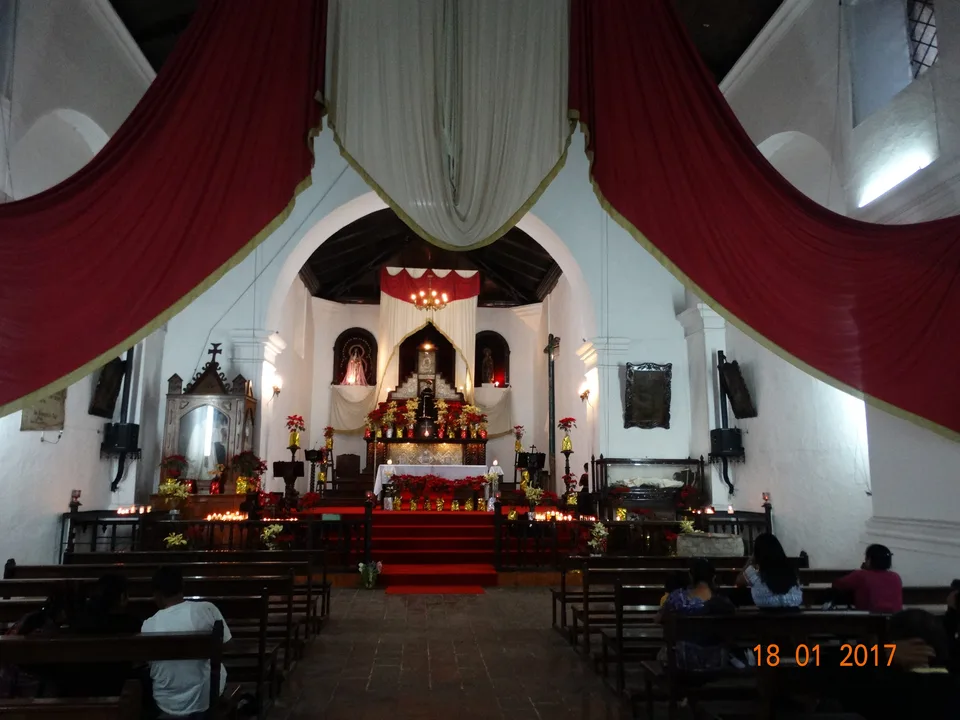
Walk beyond the visitor shopping corridor towards the church and market area to understand another part of town. San Francisco de Asís remains a religious reference point, while everyday shopping gives a different rhythm to the streets. Ask before photographing people, services or private interiors. Dates and architectural details in regional promotional material are not always consistent, so appreciate the church without assuming every surviving element belongs to one precisely established construction year.
Choose a base by street and shoreline
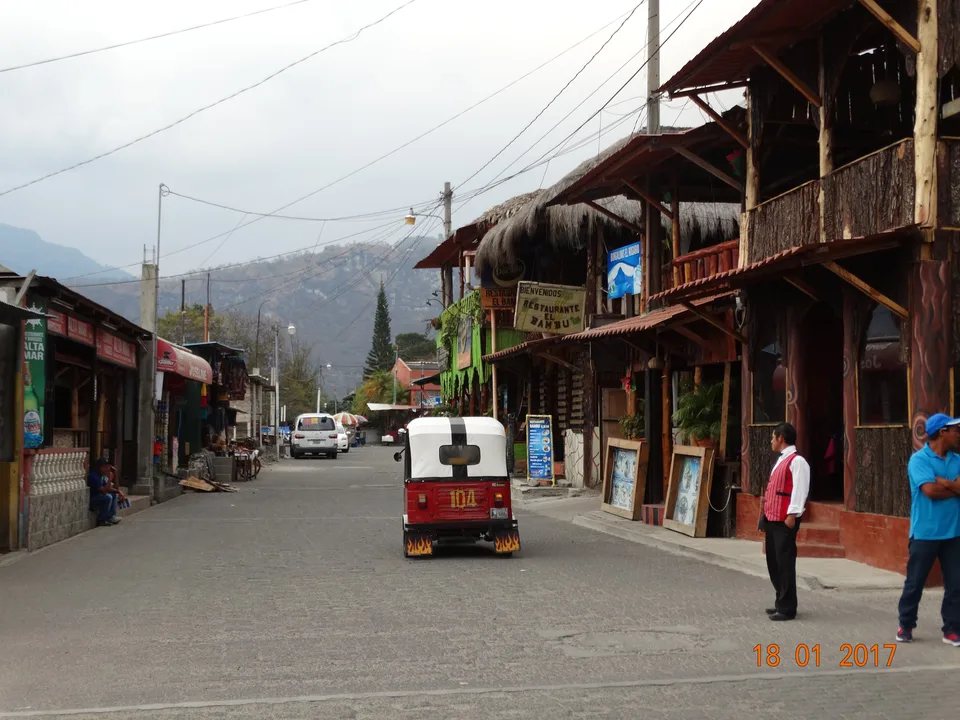
Calle Santander concentrates visitor businesses and makes a convenient first point of orientation. It is useful for comparing agencies, finding meals and walking towards the waterfront. Convenience can come with activity outside your window, so ask which direction a room faces. A property close to the lake and a property close to a particular boat landing are not necessarily equally convenient for your plans.
For a calmer stay, compare side streets and properties towards San Buenaventura with the actual walking or vehicle route into town. Do not infer that a view across the water means an easy lakeside pedestrian connection. Check lighting, gradients, steps and the last stretch with luggage. If staying in another lake community, assess its arrival dock and onward transfer separately; a Panajachel shuttle ticket will not automatically deliver you to that final address.
Start with a waterfront walk
The waterfront is the simplest way to understand Panajachel's setting. Give yourself time to watch departures, identify the landing stage you need and see how the light changes across the lake. The municipal attractions directory includes lakeside viewpoints as well as cultural places. Keep the first walk flexible instead of turning an arrival afternoon into an ambitious circuit dependent on several transport connections.
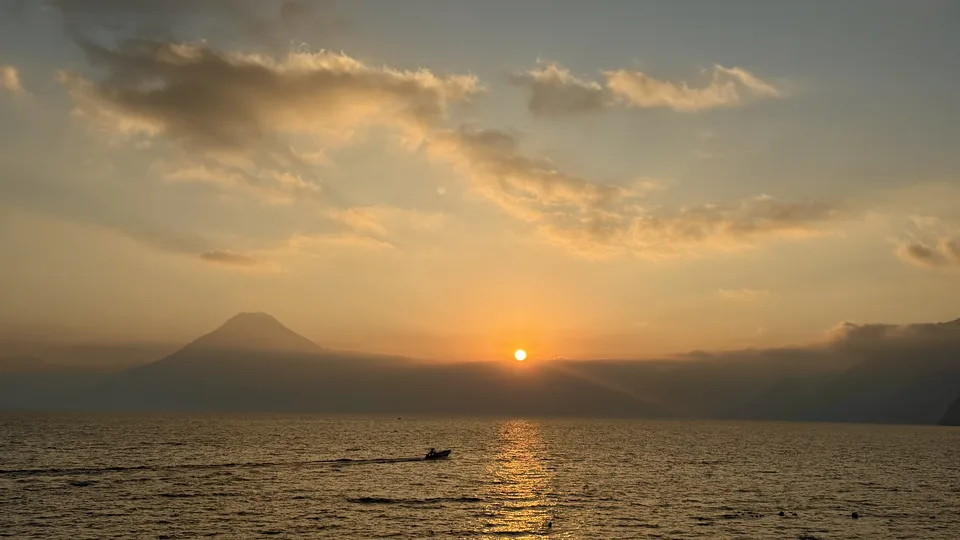
The shore is also a place of work. Keep clear of loading areas, ask before entering a private jetty and take care where the footing changes. A photographed sunset is an invitation to look, not a guarantee of weather on your dates. Choose a comfortable public viewpoint, then arrange the return to your accommodation before staying out later than you intended.
Give the nature reserve a separate half-day
Reserva Natural Atitlán offers a different outing from browsing town: nature trails, hanging bridges, a butterfly preserve, a coati observation area and other facilities at Antigua Finca San Buenaventura. The operator publishes daily opening from 8am to 5pm, with admission of Q80 for adults and Q45 for children under 12. Confirm current access and prices before travelling, especially if a particular attraction is essential to your visit.
Those charges are useful budget anchors, but do not assume a general entry ticket includes every adventure activity. Ask about walking surfaces, steps and the routes that fit your mobility. Carry suitable footwear and allow enough time to enjoy the trails rather than arriving near closing. Wildlife sightings are opportunities, not scheduled performances; do not feed animals or expect a particular species to appear for a photograph.
Book adventure activities on their own terms
The reserve's official zip-line information lists the X-Tremos circuit at Q310 and the Ultra X-Tremos circuit at Q450, including reserve attractions. Published departures are 9am, 11am, 1pm and 3pm, with arrival requested 30 minutes beforehand. Treat these as the operator's current advertised arrangements and confirm the slot, weather policy and what your booking covers.
Before paying, discuss participation requirements, equipment, supervision and any medical or mobility concern directly with the operator. A longer circuit is not automatically the better choice for your party. Someone who prefers trails and butterflies can enjoy a different programme without joining the cables. If travelling with children, establish their eligibility and who will supervise any family member who does not take part.
Add archaeological context at Museo Lacustre
Museo Lacustre provides an opportunity to look beyond the lake as scenery. The museum is within Hotel Posada de Don Rodrigo, whose official facilities information describes its archaeological displays. The hotel says admission is free for its guests; that should not be expanded into a promise of free entry for every visitor. Ask directly about public admission, current opening times and the displays available during your stay.
Pair the museum with a town walk rather than assuming it fills an entire day. Interpretation can help frame questions about the region's history, but distinguish an exhibit's archaeological explanation from a dramatic story supplied without evidence. If engaging a local guide, agree the language, length and subject of the visit. A good explanation should make uncertainty clearer as well as identifying what is known.
Plan one lake excursion carefully
The municipal public-transport page identifies boat departures at Tzanjuyú and the public beach. Its broad description does not establish a destination-specific timetable, final return or fare for your date. Before boarding, confirm where the boat goes, whether the quoted price is per person or for a private vessel, where you will disembark and how you will return.
Choose one community, or a limited combination with realistic connections, instead of attempting a whole-lake collection of stops. Keep documents and electronics protected from spray, use an appropriate life jacket and reconsider a departure if conditions or loading concern you. Ask about the return before leaving Panajachel. An excursion should retain enough flexibility for a delayed departure or a change in conditions without stranding you beyond your intended budget.
Treat water quality as a separate decision
Lake views do not establish that the water is suitable for swimming. The lake authority AMSCLAE's 2025 sanitation monitoring report records contamination at many recreational sampling locations, particularly near settlements. Its 2025 lake monitoring report also describes bacterial contamination and deteriorating water quality. These findings deserve more weight than older promotional material casually presenting every shore as a swimming beach.
They are monitoring results, not a same-day certificate for every location. Check AMSCLAE's current reports and local advice before water activities, especially after heavy rain, and do not drink untreated lake water. If swimming is central to your holiday, investigate the actual arrangements rather than relying on a hotel's waterfront label. A property pool may offer a different option, subject to its own maintenance and access rules.
Compare hotels by the room you will receive
Panajachel offers small guesthouses, hotels and more extensive properties, but broad labels reveal little about a particular stay. Ask about hot water, ventilation, bathroom arrangements, noise, drinking water and the room's actual outlook. For a longer visit, compare laundry and meal costs as well as nightly rates. A photograph taken from a premium balcony should not determine your expectations of a basic garden room.
Porta Hotel del Lago's room information, for example, distinguishes garden rooms, lake-view rooms and suites, and advertises accessible room options. Confirm the exact category and the full route through the property if step-free access matters. A listed adapted room does not establish that every facility or nearby street meets your needs. Obtain a dated total including taxes, cancellation terms and any meals you expect to use.
Reach Panajachel through Guatemala City or Antigua
For many international visitors, the onward journey begins at La Aurora Airport in Guatemala City. Panajachel requires a separate road transfer; it is not an airport district. Atitrans advertises a shared airport/Guatemala City service from USD35, with an interchange in Antigua. Its published page contains conflicting overall journey times, so request the actual itinerary and allow a substantial part of the day rather than relying on the shorter figure.
Specify your flight, pickup point and final drop-off. A city hotel pickup, an airport pickup and a vehicle that takes you directly without an interchange are different products. For a late arrival, compare staying overnight near your arrival point with attempting an uncertain onward connection. On departure, avoid making an international flight depend on a narrow road-transfer margin from the lake.
Keep your accommodation's contact details available offline so a delayed arrival can be explained even when mobile data fails during the transfer.
Walk locally and agree short rides beforehand
Walking suits a selected central itinerary, while moto-taxis can help with luggage or a property beyond a comfortable walk. Agree the destination and total price before starting, including whether a charge is per passenger. Have the address available in a form the driver recognises. A map's straight-line distance can conceal an awkward access route or a road that feels different after dark.
For a day combining a reserve, restaurant and accommodation outside the centre, ask about the return ride as well as the outward journey. Do not assume a vehicle will be waiting when you finish. Keep a modest transport allowance instead of forcing every outing into a walking plan. People considering a move should test this routine with shopping and during the hours they would actually commute.
Eat regionally without relying on invented favourites
The municipal visitor office identifies pulique, a chicken dish served with a seasoned sauce, among regional food. Ask a restaurant what is being prepared that day and what its version contains. Do not assume that a traditional sauce is vegetarian or suitable for an allergy. Pair a specific meal with time to understand its ingredients rather than treating local food as a list to complete.
The municipal restaurant directory provides addresses for businesses around Calle Santander and elsewhere. Use it as a starting point for checking current menus, hours and prices, rather than as a personal recommendation from this guide. Compare the final bill with the displayed menu and ask about service charges. Arrange safe drinking water and choose food preparation conditions that meet your needs, especially during an extended stay.
Shop for work you understand and can use
Textiles and other crafts are prominent in Panajachel's visitor economy, while the town's market also serves everyday household needs. Compare materials, construction and price before buying. Ask where an item was made and who produced it; do not assume every object offered on the same street comes from the same community or was made by the seller.
If origin or technique matters to you, seek a seller who can explain it clearly and decide whether the explanation is supported. Ask before photographing a stall or workshop. Agree prices courteously and avoid treating religious dress or personal belongings as automatically available for purchase. For groceries during a longer stay, test an ordinary shopping basket rather than estimating household costs from restaurant menus and souvenir stalls.
Make a budget around your actual programme
Separate accommodation, food and water, road transfers, lake transport and paid activities. Reserve admission and the advertised shuttle fares above provide starting points, not a complete daily budget. A day walking town differs substantially from a day with a private boat and adventure circuit. Keep currencies clear: a quotation in US dollars should not be compared directly with one in Guatemalan quetzales.
Request current prices for the dates and number of people travelling. A more expensive room near your planned activities can sometimes reduce transfer costs; a remote bargain may add several daily rides. Ask which payment methods are accepted before relying on a card or mobile connection. Keep a practical cash fallback and receipts, while avoiding an unsupported claim that every business follows the same payment or tipping practice.
Choose dates with highland weather in mind
Panajachel's highland setting calls for layers, sun protection and rain protection rather than a beach-only packing list. For weather planning, use INSIVUMEH's seasonal information alongside the forecast for your travel dates. The onset and retreat of rain vary by year. A forecast for a particular season should not be converted into a promise that the same weeks will always be dry.
Boat outings, road transfers and trails all deserve flexibility when conditions change. Keep an indoor or town-based alternative and avoid placing an essential connection after a tightly timed excursion. In rental searches, assess drainage and access as well as views. CONRED's rainy-season preparedness guidance explains why households should know local routes and respond to warnings about rising rivers, unstable slopes or flooding.
A three-day itinerary with room to adjust
On day one, settle in, walk Calle Santander and the waterfront, and confirm the following day's transport. Add the church and market area if arrival time allows, keeping meals and orientation ahead of an ambitious activity booking. On day two, visit the nature reserve, choosing either a trail-focused visit or a pre-booked adventure circuit, then leave time for the museum or a quiet afternoon in town.
Use day three for a planned lake excursion with a confirmed return arrangement. Give the chosen community time rather than spending most of the day boarding and disembarking. Swap days two and three if conditions or availability favour it. Treat the journey from Guatemala City and the return for an international flight as separate travel commitments instead of pretending they fit invisibly around three full sightseeing days.
Moving here means testing household routines
Begin with temporary accommodation and inspect possible rentals in person. Check the landlord's authority, deposit, notice period, repair responsibilities and which utilities are included. Test internet and mobile reception inside the actual room, hot water and cooking facilities, water storage and treatment, and security arrangements. Ask how rubbish is collected and whether access becomes difficult during heavy rain.
The municipality provides water and drainage service information, useful for understanding who handles an account or connection. A scenic rental still needs a workable grocery route, pharmacy access and a plan for medical care. Confirm the services appropriate to your health needs rather than assuming tourism creates specialist facilities nearby. Families should investigate the actual school, language, admission requirements and journey before signing a long lease.
If a daily commitment is across the lake, test that journey before choosing a Panajachel home. The crossing is part of the commute, including waiting, the walk from the landing and the return at the time your work or classes end. Compare it with living in the destination community itself. What feels like a pleasant holiday excursion can become an inflexible household dependency. Keep a separate allowance for the occasions when the normal route is unavailable or unsuitable.
Ask what a study or work offer actually provides
For formal study, IGM's 2026 student-residence requirements call for documentation from a recognised educational institution and evidence of financial means, among other records. Confirm the institution, course dates and immigration implications before booking a language school or paying a long accommodation deposit. A short private lesson package and enrolment in a recognised programme should not be assumed to create identical immigration rights. Ask the provider which documents it actually supplies.
The newer residence rules also distinguish a Guatemalan employer, a foreign employer and work on one's own account. Each has different evidence and obligations. If foreign employment is the basis of your plan, obtain advice about the appropriate category, documents and tax position before treating a laptop-friendly room as sufficient preparation. A local business proposal needs its own registration and permissions; buying equipment or renting premises does not settle those requirements.
Separate a holiday from permission to stay
Check IGM's entry requirements for your nationality, including the applicable visa position, valid travel documents and evidence requested for your journey. Use SAT's official traveller-declaration information for the customs procedure where required; that declaration does not replace immigration permission. Under the rules listed in IGM’s current regulations directory, a tourist's authorised stay and a visa's longer validity are different things. Confirm the actual stay granted on entry.
IGM's visa and extension guidance explains how to apply before permitted time expires. Travel within the CA-4 region should not be treated as an automatic fresh allowance: the UK government's explanation of CA-4 travel distinguishes internal movement from permission to remain. Formal study, paid work and residence need their relevant routes. The 2025 residence rules include different worker circumstances; do not infer that foreign income makes tourist status sufficient. Use current temporary-residence guidance and qualified advice for your case.
Compare other bases before extending your stay
Panajachel's convenience is one possible fit, not a reason everyone must stay there. Compare another lake community by its actual accommodation, landing stage, services and connections. If the trip includes Antigua, give its heritage a separate period rather than visiting only as a shuttle interchange. For a broader route, use the Guatemala country guide and Guatemala destination directory to place these decisions in context.
The Antigua destination page offers another geographical starting point, while VisaWand's consultant listings can help begin a search for professional assistance with a proposed longer stay. Check an adviser's relevant experience and fees, then verify the route with the authorities. A satisfying visit and a workable move require different evidence. Panajachel rewards both kinds of planning when the lake's appeal is considered alongside transport, household needs and legal status.
Official planning resources
Reviewed 28 October 2026. Use the official resources linked throughout this guide for admission, transport, housing and immigration decisions. Prices, services and rules can change; confirm the details relevant to your dates. Photography illustrates the locations and is not a live view.
View all official resources
- Pana Tu Destino: official municipal visitor information
- Municipality: history and character of Panajachel
- Municipal visitor office: attractions and gastronomy
- Reserva Natural Atitlán: admissions and attractions
- Reserva Natural Atitlán: zip-line circuits
- Posada de Don Rodrigo: museum and facilities
- Municipal visitor office: public transport
- AMSCLAE: 2025 water sanitation monitoring
- AMSCLAE: 2025 lake monitoring
- AMSCLAE: environmental monitoring reports
- Porta Hotel del Lago: room categories and accessible rooms
- Atitrans: airport/Guatemala City–Panajachel shared shuttle
- Atitrans: Antigua–Panajachel shared shuttle
- INGUAT registered travel agencies
- Municipal visitor office: restaurant directory
- INSIVUMEH: 2026 rainy-season outlook
- CONRED: rainy-season household preparedness
- Municipality: water, drainage and business services
- IGM: current 2026 student-residence form
- IGM: Guatemala entry requirements
- SAT: official regional traveller declaration
- IGM: current immigration regulations
- IGM: visas and tourist extensions
- UK government: Guatemala entry and CA-4 guidance
- IGM: current 2025 residence regulation
- IGM: temporary residence categories
Plan the next part of your journey
Explore the Guatemala guide, browse other cities or compare consultants for your travel and relocation questions.