Visa
Accra rewards a little time between appointments
Accra brings Ghana’s national story down to street level: a monumental independence square beside the Atlantic, a museum that opens onto wider histories, and neighbourhoods where the practical business of a capital continues around its visitors. Come for an introduction to Ghana, then allow room for meals, conversations and an afternoon that runs slower than planned. A schedule made entirely of monuments misses much of the reason to be here.
The Ghana Tourism Authority’s regional introduction places the city on the Gulf of Guinea and dates its role as capital to 1877. Keep your geographical expectations precise. Accra’s central sights, its expanding urban surroundings and the whole Greater Accra Region are different planning areas. An address advertised as being in Accra does not establish that it is near your meeting, hotel or chosen attraction.
Three full days make a useful first visit; add time for a regional excursion or serious housing research. Start wider planning with VisaWand’s Ghana country guide, and use this article to decide where to base yourself and how much to attempt each day.
Accra suits travellers interested in contemporary life as well as historical interpretation. If your priority is a self-contained beach holiday, examine the beach and swimming arrangements of the particular property before choosing the capital. If you want to understand a country through its institutions, food and urban contrasts, give the city enough time to become more than an airport stop.
Choose a base around your actual daily route
Begin with the activities that will bring you out of your accommodation repeatedly. For a short cultural visit, compare central options with Osu; for a professional visit, put the precise office entrance on the map before choosing an attractive apartment elsewhere. A neighbourhood name is a starting point, not a dependable measure of journey time.
Jamestown and Usshertown belong in a visit focused on the older city; Osu offers another setting for eating and exploring. Around the airport, ask whether the property is convenient for your particular arrival terminal and subsequent journeys. East Legon may appear in searches for longer stays, but an appealing apartment there still needs a commute test. Avoid selecting a home solely because an advertisement calls its district popular with foreigners.
Look at the final approach as well as the main road. Can a driver identify the entrance? Is there a practical place to wait? How comfortable is the walk you will actually make after dinner? Arrange your first arrival while reception or your host is available. These small choices matter more than a long list of neighbourhood superlatives.
Read independence history at the square and memorial park
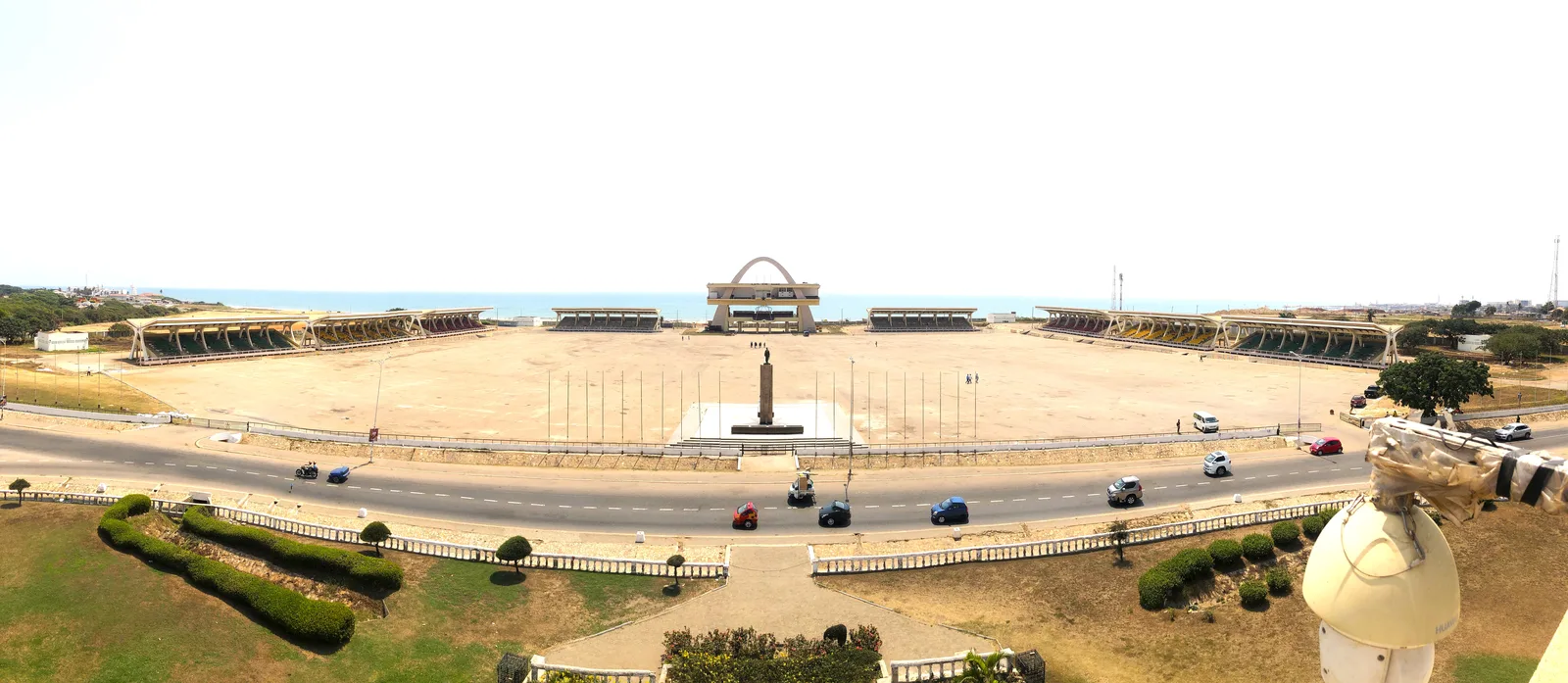
Independence Square was completed in 1961, commemorating Ghana’s independence in 1957. The Independence Arch, Unknown Soldier monument and Black Star Gate are separate elements; the gate stands just north of the square. Understanding that arrangement makes the site more legible than treating every photograph as the same landmark. Follow guards’ directions, especially around the arch, where close photography requires permission.
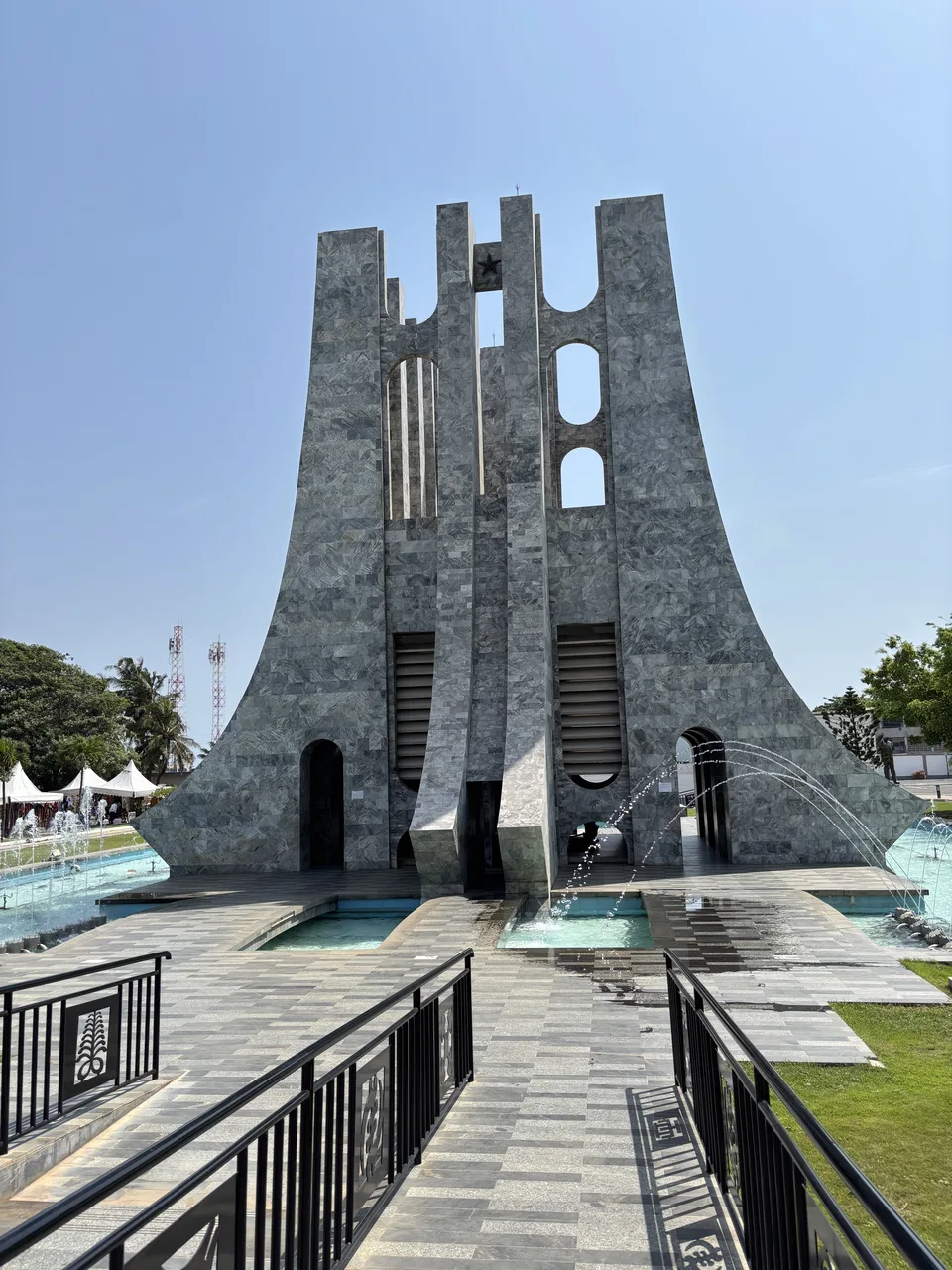
Make the Kwame Nkrumah Memorial Park a separate, unhurried visit. Its mausoleum holds Nkrumah and his wife Fathia; museum displays give context to his life and the independence movement. The redesigned complex reopened in July 2023. The tourism authority lists adult admission at GH₵25 for Ghanaians and GH₵100 for foreign visitors; confirm your category and current opening arrangements before travelling.
Visit these places with a question in mind: how does a capital remember the creation of a nation? Leave enough time to read displays and consider the difference between an individual memorial and a public ceremonial space. An early start, drinking water and a shaded break are sensible companions to this exposed waterfront circuit.
Give the National Museum its own morning
The National Museum of Ghana on Barnes Road in Adabraka offers archaeology, ethnography and art. Established in March 1957, it makes a useful counterweight to an itinerary centred on political memorials. Objects, materials and ways of making things can widen your understanding of Ghana beyond the story told by its capital’s monuments.
Ghana Museums and Monuments Board publishes daily opening hours of 09:00–16:30 and adult admission of GH₵20 for Ghanaians or GH₵80 for foreign visitors. Student categories have separate conditions, so carry relevant identification. Temporary displays can change: ask what is currently accessible rather than relying on an undated exhibition announcement.
Keep the rest of that morning flexible. Read a smaller selection of displays carefully instead of photographing every case, and ask staff about anything whose label leaves you uncertain. For families, let each person choose an object to discuss afterwards. A museum visit works best when it becomes part of the conversation over lunch, rather than another stop checked off before a car arrives.
Explore Jamestown with care and context
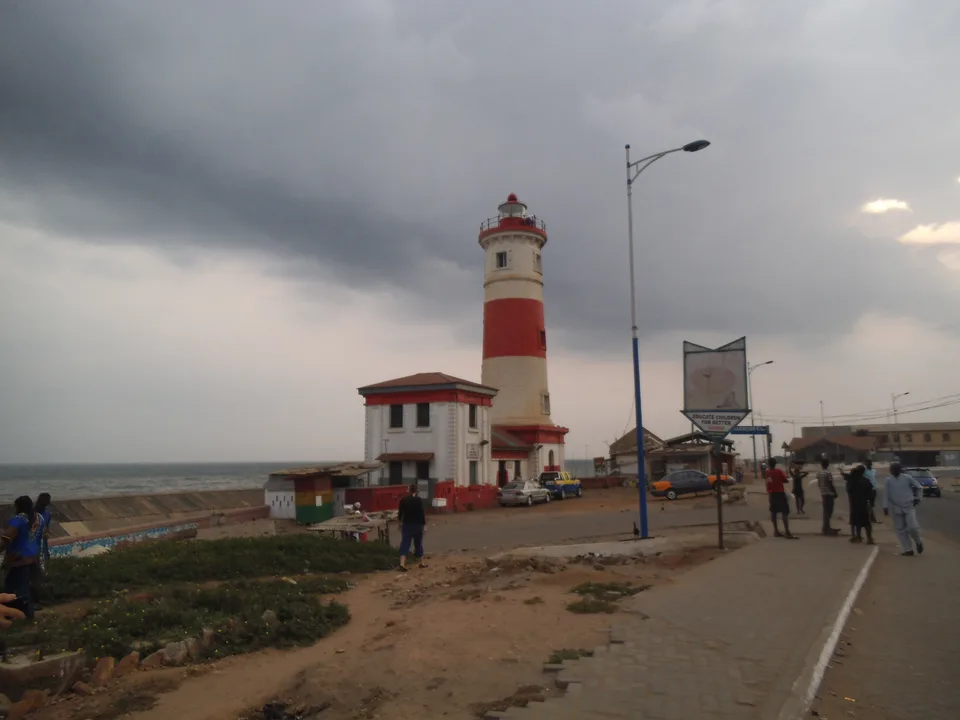
Jamestown’s lighthouse provides a recognisable landmark, but the neighbourhood around it deserves attention on its own terms. Plan a daytime walk with someone who can explain what you are seeing, establish the route and fee beforehand, and ask which interiors or community spaces are actually open. A photograph of a landmark does not prove that climbing it is currently permitted.
Keep cameras away until you have considered who is in the frame. Ask before making portraits, accept refusals easily and avoid obstructing work or doorways. A respectful walk should leave residents room to continue their day. Choose a guide for the quality of their explanation and arrangements, not a promise of unrestricted access.
Allow time afterwards to sit and consider how this part of the city differs from the ceremonial waterfront. Resist packing the same afternoon with a distant shopping stop. If you have booked a guided experience, get a clear meeting point, duration and return plan in writing; confirm whether transport, entrance charges and any requested community contribution are included.
Book accommodation for the stay you will actually have
For a first arrival, reliable reception, clear directions and a workable cancellation policy can justify paying more than the lowest advertised nightly rate. Compare the total for your dates, including taxes, breakfast, airport collection and any deposit. Establish whether payment is taken in cedis or another currency and what conversion method applies.
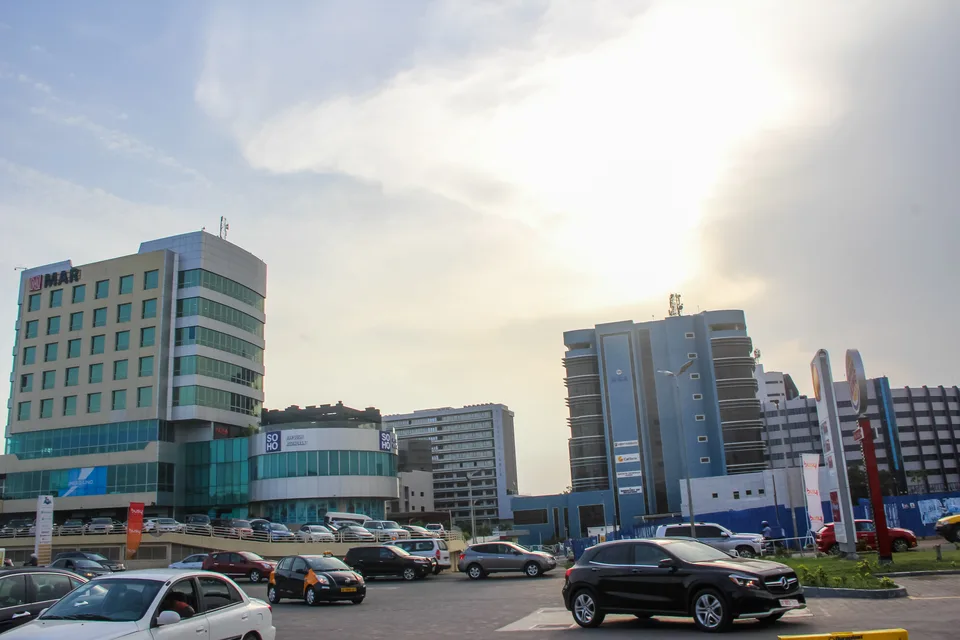
Kempinski Hotel Gold Coast City is one centrally located hotel example, with restaurants, a pool and spa advertised by the operator. It illustrates one end of the accommodation spectrum, rather than a citywide price benchmark or a personal recommendation. Compare it with smaller hotels and furnished apartments using the same list of requirements.
For an apartment, ask about cleaning, linen, cooking equipment, air conditioning and the arrangement during power or water interruptions. Confirm that a listing’s photographs show the unit you will receive. Families should clarify bed configuration and cooking needs; anyone working during a stay should ask about internet performance in the actual room. Book an initial period that leaves room to reassess before committing to weeks in an unfamiliar location.
Light sleepers should ask which way the room faces and whether functions or construction are expected during their dates. Travellers with limited mobility should request photographs of the entrance, bathroom and any steps between reception and the room. A lift listed among the facilities does not answer every accessibility question. Obtain answers from the property itself before choosing a non-refundable rate.
Arrive through Accra International Airport with a clear pickup
Ghana’s transport ministry restored the name Accra International Airport in February 2026. Older bookings and websites may still call it Kotoka International Airport. Use your airline’s current terminal and flight information when arranging collection, and share the flight number as well as your name. A driver should know how to respond if your arrival is delayed.
Ghana Airports Company’s current airport taxi guidance directs Terminal 3 passengers to an Airport Taxi booth in the meeters and greeters area. Obtain the taxi card and proceed to the authorised driver at the designated pickup point. Confirm the destination and charge before departing. Older undated online tariff tables are a poor basis for a current transfer budget.
Ask a hotel collecting you to explain exactly where its representative waits and how you can identify them. Keep the accommodation’s telephone number available offline. For departure, work backwards from the airline’s check-in deadline, allowing a margin for the road journey and formalities. A map estimate is useful for orientation; it is not a promise of how long your particular journey will take.
Keep local journeys simple
Uber lists ride services in Accra, with estimates available through its app. Compare the displayed quote with an arranged transfer when convenience matters, and check the vehicle and driver details before entering. Availability, waiting time and price are specific to the request; budget some flexibility when a journey is tied to an appointment.
For a short stay, grouping nearby visits is more useful than constantly crossing the city. Put the museum and a nearby meal together, or keep the memorials in one part of your schedule. Ask accommodation staff about practical pickup points and give drivers a map pin alongside the property’s name. Carry enough phone charge to contact your host if the first plan fails.
If you want to try a shared local service, first establish the destination, boarding point, payment method and last useful return with a knowledgeable local contact. Leave complicated experiments for a day without a flight connection. For a prospective move, record the actual door-to-door journey at the hours you would commute, including the walk and any waiting, before deciding that a cheaper home represents a saving.
Make meals and shopping part of the visit
The National Commission on Culture’s introduction to Ghanaian cuisine highlights foods including fufu with light soup, kenkey with fish and waakye. Ask what is being served that day, how a dish is eaten and which accompaniments suit your preferences. If you have allergies, explain them clearly before ordering; a dish name alone cannot establish all its ingredients.
For a specific café option, Jamestown Coffee Company identifies its original roastery in Nyaniba Estate, Osu, with other branches in East Legon and Dzorwulu. Its name should not send you to the historic Jamestown waterfront looking for that original branch. Check the branch address and current opening arrangements before arranging a meeting.
Makola and Osu’s night market appear in the tourism authority’s regional overview. Choose the shopping experience you want: a busy market visit, everyday supplies or a quiet place to examine a particular purchase. Ask permission before photographing a stall and agree a price before money changes hands. Leave space in the day for browsing, and check luggage and customs implications before buying bulky or restricted goods.
Budget for complete days
Use Ghanaian cedis for the everyday spending plan, then keep any foreign-currency application fees separate. A foreign adult visiting both the National Museum and Nkrumah Memorial Park would budget GH₵180 using the published admission figures checked for this guide. That covers those two entries, not a guide, meals, transport or any special programme.
Build the rest from a room quote for your dates, the journeys you expect to make and menus at places you would genuinely use. Separate the essential total from optional tours, shopping and regional excursions. Keep a contingency that remains accessible if a card payment fails or a planned transfer changes.
Ask whether quoted accommodation charges include taxes and whether a tour price is per person or per vehicle. For a group, request an itemised total before paying a deposit. A low headline price can become an expensive choice if it requires repeated long journeys or excludes basic services. Comparing complete days is more revealing than comparing isolated room rates.
Choose a season with realistic weather expectations
The Japan Meteorological Agency’s Accra station normals show a warm climate throughout the year. Monthly mean temperatures range from about 25°C in August to 29°C in March. May and June have substantially more average rain than January and February. August is comparatively cooler and drier than June in that table; none of those averages guarantees the weather on a particular visit.
Choose dates around the trip you want, then use the Ghana Meteorological Agency forecast for immediate decisions. Leave an indoor option beside outdoor plans and avoid assuming that every day in a wetter month will be lost. Light clothing, sun protection and practical rain cover all earn their luggage space.
For a long stay, inspect a property’s approach after rainfall if possible and ask how drainage affects access. For a short visit, put the most important exposed sightseeing early in the available schedule so it can move if conditions deteriorate. Weather flexibility is especially useful when you are combining city visits with an excursion rather than staying in one district all day.
A three-day plan with room to breathe
On day one, make the independence waterfront your focus: the square, a proper visit to the Nkrumah memorial complex and a long lunch or afternoon rest. Keep the evening near your accommodation. This is enough for an arrival-adjustment day; if your flight lands late, move the entire plan rather than compressing it.
Use day two for the National Museum, followed by food or shopping chosen around your interests. A quieter café stop can be a useful place to sort photographs, read what you missed in the displays or plan the following day. Confirm closing and pickup arrangements before extending an evening away from your base.
On day three, arrange a daytime Jamestown walk, leaving the afternoon for an experience you discovered during the first two days. Someone considering relocation could instead devote that afternoon to a property viewing and a trial commute. Keep a departure day lighter still. This itinerary provides a framework; replace a stop that does not interest you rather than adding every suggested place to an already full programme.
Test a possible move before signing a lease
A good holiday base is not automatically a good home. Arrange a temporary stay, then compare properties against work, school, healthcare and household shopping journeys. Ask who owns the property and who has authority to let it. Inspect the exact unit before transferring substantial money, and obtain a written agreement setting out the term, deposit, payment schedule and repair responsibilities.
Look beyond furniture. Test taps, drainage, locks, cooling and phone reception; establish how water is stored and how shared equipment is maintained. Ask what backup electricity actually powers and who pays for its use. Photograph existing damage with the agent or landlord and keep an agreed inventory. A vague assurance that everything works is less useful than a demonstration.
The Electricity Company of Ghana’s connection guidance describes formal service applications and wiring documentation. In an existing rental, first establish whose name is on the account, how metering works and whether bills are settled. If a new connection is needed, clarify responsibility before moving in. Do not assume that a furnished letting includes every utility simply because appliances are present.
Compare the complete monthly commitment: rent, service charges, utilities, connectivity, transport and any required household help. Ask how an increase or early departure would be handled. For a reconnaissance visit, take the same checklist to every viewing and revisit a promising street at another time of day. You are testing whether ordinary routines work, not simply whether the apartment makes a good first impression.
Arrange health cover and everyday essentials early
Locate suitable medical care before you need it and check how your insurer handles payment and evacuation. The UK government’s Ghana health advice recommends early travel-health planning and lists 999 or 112 for an ambulance. Discuss malaria prevention, vaccinations and any personal medical needs with a qualified clinician; keep prescriptions and essential documentation accessible.
For a household move, make a practical first-week list: communications, groceries, banking arrangements, necessary medicines and a way to reach work if the usual journey fails. Parents should confirm school availability, fees and the actual transport arrangement before choosing housing. Check internet service for the address and the tasks it must support, rather than relying only on an advertised package speed.
Read current Ghana safety and local-law advice. Take particular care with belongings and night travel; beaches can have dangerous currents and undertow, so a coastal setting is not evidence of safe swimming. Observe restrictions on photographs near guarded or sensitive sites, and avoid camouflage clothing. Ask your host about immediate conditions without treating any neighbourhood as risk-free.
Check visitor entry separately from work and study
Start with the Ghana Immigration Service applicant guide and its nationality and passport eligibility process. Visa-free entry, an electronic travel authorisation and an eVisa are distinct routes; do not assume one applies to everyone. The portal specifies a passport valid for six months beyond intended departure, with three blank pages, and requests supporting documents. Check yellow-fever certificate requirements before travel.
The official eVisa information page lists standard processing at US$260 with an estimated 96-hour turnaround; faster options cost more. Treat published processing times as estimates and confirm the route before paying. A visa’s validity for entry and the period admitted at the border are different matters. Keep evidence of the actual permission and permitted stay.
For employment, read the work and residence permit requirements with the prospective employer. Business or tourism permission does not establish a right to work. For education, student residence permission is a separate requirement supported by the school. Dependants and longer-term residence have their own immigration categories. The government entry advice also explains non-citizen identification obligations; registration is not a substitute for immigration permission. Use VisaWand’s consultant directory when you need help identifying an appropriate professional.
Extend the trip without treating the region as one neighbourhood
Kokrobite, Shai Hills and Ada offer different regional possibilities in the tourism authority’s overview. Decide whether you want more coast, an outdoor excursion or a separate overnight stop, then obtain a realistic transport plan. A destination’s inclusion under Greater Accra does not make it a quick journey from every city hotel.
Keep a regional outing separate from an important appointment or an international departure. Ask an operator what is included, how long you will actually spend at the destination and what happens if access or weather changes. For a longer Ghana itinerary, compare alternatives through VisaWand’s Ghana cities and settlements directory; those listings identify locations and should not all be read as completed travel guides. The Ghana destination page provides another route to country information and relevant consultant listings.
For a specific neighbouring location, the Tema location page identifies a separate city east of Accra. Check the destination address before assuming an Accra hotel is a convenient base.
Official planning resources
Reviewed 16 October 2026. Use the official resources linked throughout this guide for admission, transport, housing and immigration decisions. Prices, services and rules can change; confirm the details relevant to your dates. Photography illustrates the locations and is not a live view.
View all official resources
- Ghana Tourism Authority: Greater Accra
- Ghana Tourism Authority: Independence Square
- Ghana Tourism Authority: Kwame Nkrumah Memorial Park
- Ghana Museums and Monuments Board: National Museum
- Kempinski: Hotel Gold Coast City Accra
- Ghana Ministry of Transport: Accra airport name restored
- Ghana Airports Company: airport taxi booth
- Uber: Accra rides
- National Commission on Culture: Ghanaian cuisine
- Jamestown Coffee Company: branches and roastery
- Japan Meteorological Agency: Accra climate normals
- Ghana Meteorological Agency: forecasts
- Electricity Company of Ghana: service connections
- UK government: Ghana health advice
- UK government: Ghana safety and local laws
- Ghana Immigration Service: eVisa applicant guide
- Ghana Immigration Service: eVisa information
- Ghana Immigration Service: work and residence permits
- Ghana Immigration Service: student residence permits
- Ghana Immigration Service: permits
- UK government: Ghana entry requirements
Plan the next part of your journey
Explore the Ghana guide, browse other cities or compare consultants for your travel and relocation questions.