Visa
Frankfurt rewards a stay beyond the airport
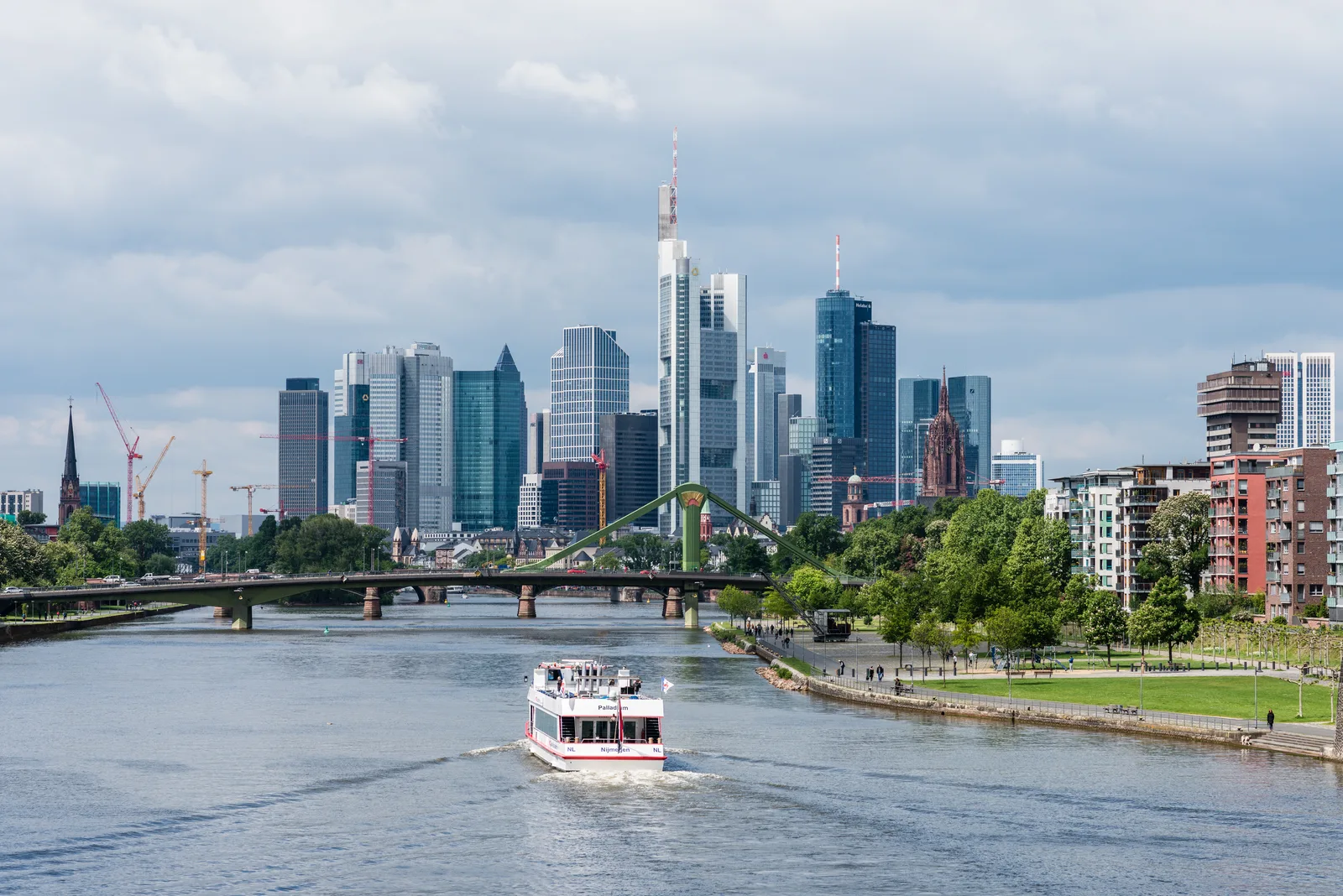
Frankfurt am Main makes an unusually practical city break: an international airport, a walkable historic core, serious art collections and neighbourhoods where an evening can revolve around apple wine rather than a checklist. The skyline announces finance; the riverbanks, gardens and reconstructed lanes reveal a city with more varied interests. Two or three nights allow those different identities to emerge without rushing between appointments and attractions.
This is Frankfurt in Hesse, on the River Main, rather than Frankfurt an der Oder near Poland. For someone considering a move, its greatest advantage may be regional connectivity, but an airport or office address is not enough to choose a home. Use this guide alongside VisaWand’s Germany country guide and Germany location directory when comparing a short visit with a longer commitment.
Read the old town as a changing city
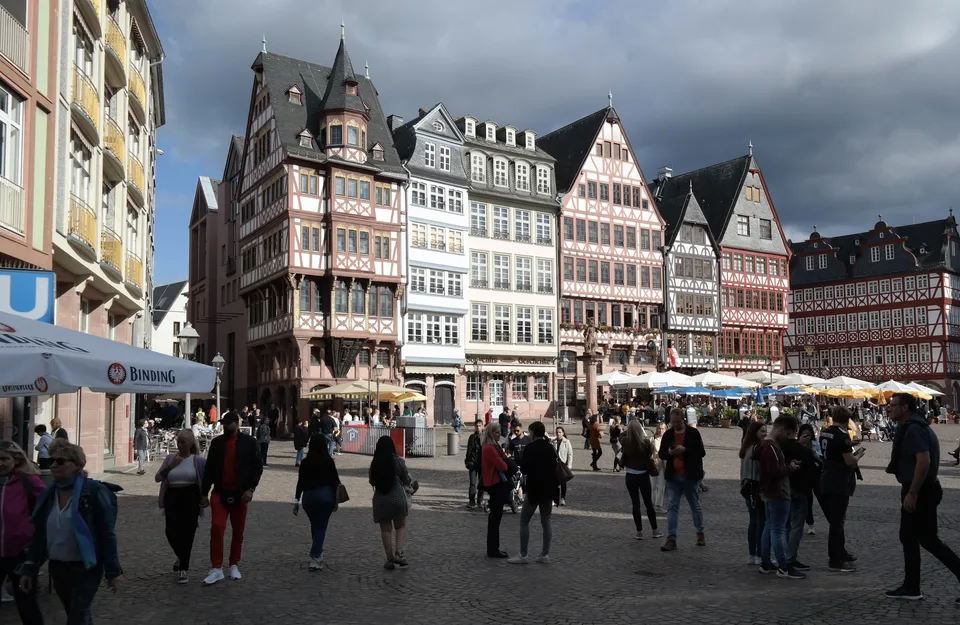
Start around Römerberg, where the scale of the square makes a useful counterpoint to the office towers. Then walk towards the cathedral through the New Old Town. The official account of the reconstruction dates the completed project to 2018: its 35 houses combine 15 faithful reconstructions with 20 new buildings. This is a carefully interpreted urban quarter, rather than an entire medieval centre surviving untouched.
Roman and Carolingian remains add an earlier layer to that story. Looking closely is more rewarding than treating every timbered façade as evidence of the same period. Allow time to move between the square, narrow lanes and river, pausing where the buildings change. An organised history walk can provide context, but check its language, meeting point and duration before paying; a photograph-friendly route is not necessarily an accessible one.
Use the Main to understand the centre
The river gives a first-time visitor an easy organising line. Walk along one bank, cross when convenient and return on the other, linking skyline views with the museum area in Sachsenhausen. This makes a flexible arrival-day outing: shorten it after a delayed flight or extend it if the weather holds. Keep the longer museum visits for a day when you are rested.
Bridges, embankments and waterside paths should be treated as working public space. Leave room for people passing, keep children close beside the water and choose a crossing with suitable access for your group. Evening light may improve photographs, but it also changes visibility and the atmosphere of a route. A riverside location can be attractive for accommodation without guaranteeing a quiet bedroom; check the actual frontage and floor.
Give the Städel a proper morning
The Städel Museum’s visitor page currently lists adult admission at €19, with a €10 Tuesday offer from 15:00 to 18:00. Under-12s enter free. Normal opening is Tuesday to Sunday, with Thursday evenings extended to 21:00; Monday is closed. The roof follows a separate 10:00–18:00 schedule and can be restricted by weather, so a late museum ticket does not guarantee a late rooftop visit.
Choose a few collections or an exhibition rather than trying to absorb every room. Leave luggage at your accommodation first: the cloakroom does not accept suitcases or trolleys. The museum currently reports its restaurant closed for renovation while the café remains open. Plan a separate lunch if that distinction matters, and check exhibition availability for your dates before buying a ticket around one particular installation.
See the skyline from MAIN TOWER
MAIN TOWER’s admission page lists a €9 adult observation ticket. Its visitor FAQ adds a €0.50 online service charge and explains that online purchase does not provide priority access. The last lift is 45 minutes before closing; seasonal hours differ. Choose a clear period with some flexibility afterwards, rather than reserving the final possible slot between two fixed commitments.
Accessibility needs careful attention. The open platform on floor 56 is reached by stairs; lift access to floor 55 provides a different, partly restricted experience. Wheelchair users and people using mobility aids should read the companion requirements and contact the operator before travelling. Wind or rain can close the platforms. The current visit allowance is 45 minutes from security, and large bags, luggage and bottles are restricted. A restaurant reservation is separate from an observation ticket.
Make room for Palmengarten
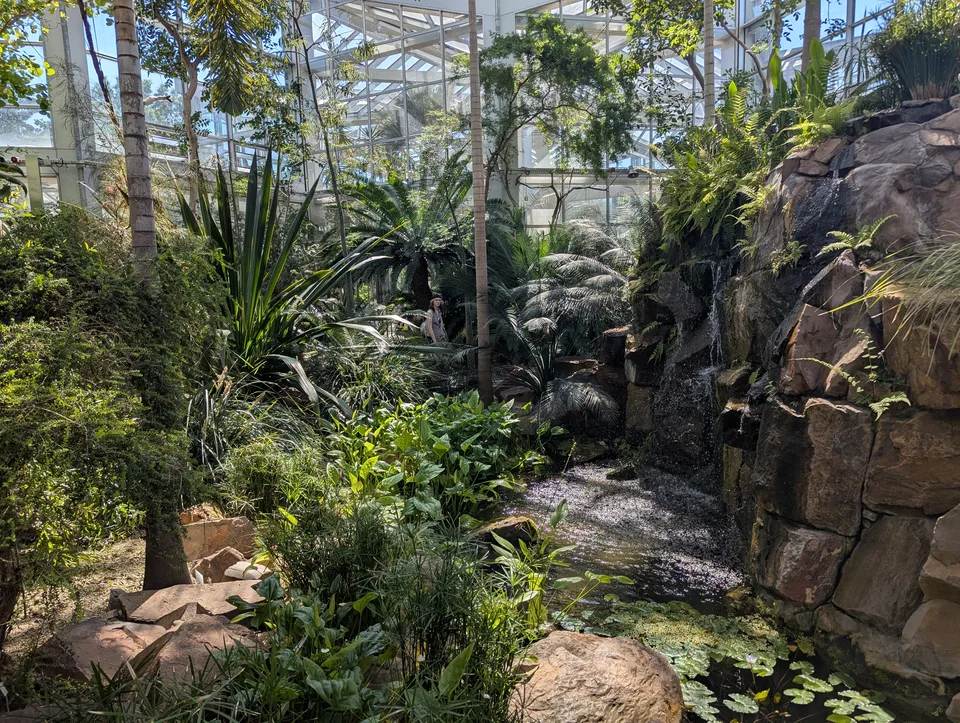
Palmengarten’s German visitor information is essential for date-specific planning. Adult admission is normally €9, but the announced GartenUtopien period from 16 October 2026 to 7 February 2027 is €10. Under-18s enter free. Separately ticketed events can cost extra. The English page still shows the ordinary rate, so use the dated German notice when budgeting for that period.
Ticket offices close earlier in winter: 16:00 from November through February, compared with 19:00 from March through October. Later exit arrangements do not mean admission remains available late at night. Current restrictions include construction at the Nebelwüste house and an unavailable Tropicarium lift. Main routes are generally easier than narrower side paths; anyone needing step-free access should check the specific areas they want to visit. Bring time for the garden itself, rather than racing directly between glasshouses.
Choose neighbourhoods for different kinds of days
The tourist board’s neighbourhood overview is useful for moving beyond the central sights. Sachsenhausen combines the museum bank with apple-wine culture and smaller shops around the Bridge Quarter. Nordend and Bornheim offer another rhythm around Oeder Weg and Berger Straße. Bockenheim’s Leipziger Straße suits a neighbourhood outing; Westend provides a different setting near the gardens. These are starting points for exploration, not guarantees about every street.
For accommodation, turn those descriptions into questions. How far is the nearest useful station? Does the room face a restaurant terrace, tram route or courtyard? Can you buy breakfast nearby at the time you need it? A district name is too broad to settle noise, accessibility or value. Check the building and the walking route, especially if returning after an evening out or travelling with heavy luggage.
Pick accommodation around the trip you are actually making
For a first leisure stay, prioritise straightforward access to the old town, the river or the museum bank. For a trade fair, compare the actual venue entrance with the hotel route. For an early flight, an airport property may reduce uncertainty, but establish whether it is connected to your terminal or requires another transfer. “Airport area” is not a precise walking-distance claim.
Hotels, hostels and serviced apartments serve different needs. Compare the final price with breakfast, cancellation terms and any charges shown at checkout. Ask about lift access, room cooling, luggage storage and late arrival when those features matter. A kitchen can help a family or longer visitor manage meals, but only if the equipment and supermarket access suit the stay. Do not assume a holiday apartment can support residence registration.
Arrive through the correct airport station
Frankfurt Airport’s rail guidance distinguishes the regional station from the long-distance station. The regional platforms are on level 0 at Terminal 1; S8 and S9 are among the services used for Frankfurt connections. Long-distance IC and ICE trains use a separate station. Follow the destination and train category on your ticket, rather than boarding the first train carrying a Frankfurt name.
Terminal 3 adds another step. The airport advises approximately 10–15 minutes by SkyLine between that terminal and the railway stations; this is a terminal connection, not the ride into central Frankfurt. Allow additional time for walking, baggage and the service you actually need. Rail arrivals elsewhere in Germany should compare the final station and hotel connection, while drivers should check parking availability and total charges before committing to a city-centre property.
Understand local tickets before boarding
RMV’s Airport-to-City information lists a €13.50 day ticket for one adult or €22.50 for a group of up to five. It covers Frankfurt and airport local transport until 05:00 the following morning, including an airport return within that validity. It excludes long-distance trains. The web ticket starts immediately on purchase, so buying it days before arrival would waste its validity.
RMV describes the airport-to-Hauptbahnhof journey as approximately 15 minutes, with other destinations taking longer. That estimate excludes terminal connections and waiting. Use its journey planner for your actual departure, especially during engineering work. This product is one option rather than a claim that every visitor needs a day ticket. For ordinary city journeys, compare the tickets offered for your route and carry a valid ticket before travelling; do not assume bank-card tapping is the ticketing system.
Compare the Frankfurt Card with your planned admissions
The standard Frankfurt Card combines local transport in city and airport zones with participating discounts. The 2026/2027 official leaflet lists individual cards at €13 for one day and €21 for two. These are calendar-day products rather than rolling 24- or 48-hour passes. The Basic version supplies discounts without transport, making it a different purchase rather than a cheaper equivalent airport ticket.
Write down your actual museum visits and journeys before deciding. Discounts vary and generally cannot be combined with existing reductions, so a child, family or special-offer ticket may change the calculation. Group users must follow the named-traveller and together-travel conditions. Neither product replaces an ICE ticket or provides unlimited travel across Germany. Check the current partner list rather than assuming every attraction mentioned in a brochure still has the same location, offer or opening arrangements.
Eat locally without turning every meal into an attraction
The official Frankfurt food overview highlights Apfelwein, green sauce, Handkäse mit Musik, Frankfurter sausages and Bethmännchen marzipan sweets. They offer different entry points into local food: apple wine is alcoholic, Handkäse is a sour-milk cheese preparation, and the sweets are not a substitute for checking nut ingredients. Ask about the actual dish when managing allergies or dietary restrictions; a traditional name alone is insufficient.
Kleinmarkthalle can make a useful food-focused stop, while neighbourhood streets let you combine meals with an ordinary walk. Read displayed menus and opening times instead of assuming a market or kitchen operates whenever the surrounding streets are busy. For several days, alternate a deliberate restaurant meal with simpler breakfasts or groceries. This gives room in the budget for the experiences you value without inventing a universal daily food allowance.
Budget with fixed choices and flexible spending
Start with the accommodation quote for your actual dates, then add transport, the attractions you will genuinely visit and meals. Trade-fair or event dates can make a different week worth comparing; do not build a budget from an undated average hotel price. Keep airport and intercity travel separate from ordinary urban journeys, and check whether breakfast or parking is included before comparing two room rates.
Shopping works best as part of an existing route. Central retail areas may suit a specific purchase, while neighbourhood shops can be more useful for small household needs. Verify the opening day and time of any essential shop rather than assuming an evening or Sunday arrival permits a full grocery run. Carry a workable payment alternative, ask about card acceptance before ordering where unclear, and keep enough flexibility for an unplanned taxi or changed connection.
Let the season change the balance of the trip
Frankfurt’s seasonal visitor information suggests gardens in spring, riverside activity in summer, cultural events in autumn and markets in winter. Those themes help choose a trip, but do not establish the dates of a particular festival or the weather on arrival. Check an event’s own current programme before booking around it; photographs of a previous Christmas market are not evidence of this year’s schedule.
For a mixed outdoor and museum trip, leave one day interchangeable. Rain can move an art visit forward; a clearer afternoon can suit a skyline view. Pack layers and a weatherproof outer layer, then refine the list using the forecast shortly before departure. Shorter winter daylight, earlier garden ticket-office closing and weather restrictions at MAIN TOWER all argue against leaving outdoor priorities until the end of the day.
Adapt the route for children and limited mobility
A compact map can conceal a demanding day. Count standing time in galleries and queues as well as walking distance, and avoid putting a tower visit, a long museum session and an extensive garden walk into one outing. With children, choose one paid highlight and leave space for a meal and an unhurried break. Free admission for a child does not establish that every part of the attraction suits their age.
For mobility planning, contact the attraction about the route you intend to use, including lifts, toilets and companion arrangements. A statement that a building has a lift cannot establish access to every viewing platform or greenhouse. Ask the hotel about the complete route from pavement to bedroom, too. These checks are particularly useful when construction or a temporarily unavailable lift changes an otherwise suitable visit.
A realistic three-day first visit
On day one, settle in before exploring Römerberg and the New Old Town, then take a manageable riverside walk. Choose dinner near your accommodation if you have travelled overnight. Add MAIN TOWER only if the weather, queue and your energy allow; it need not become a compulsory arrival-day deadline. This keeps a flight delay from unravelling the entire visit.
On day two, give the Städel a substantial morning, then use the afternoon for Sachsenhausen and the river. On day three, choose Palmengarten with Bockenheim or Westend, or replace that combination with Höchst if urban history interests you more. Keep meals and travelling time visible in the schedule. Swap the museum day if it falls on Monday, and leave enough margin before departure for the correct airport terminal rather than adding one final distant attraction.
Consider Ostend and Höchst for a second perspective
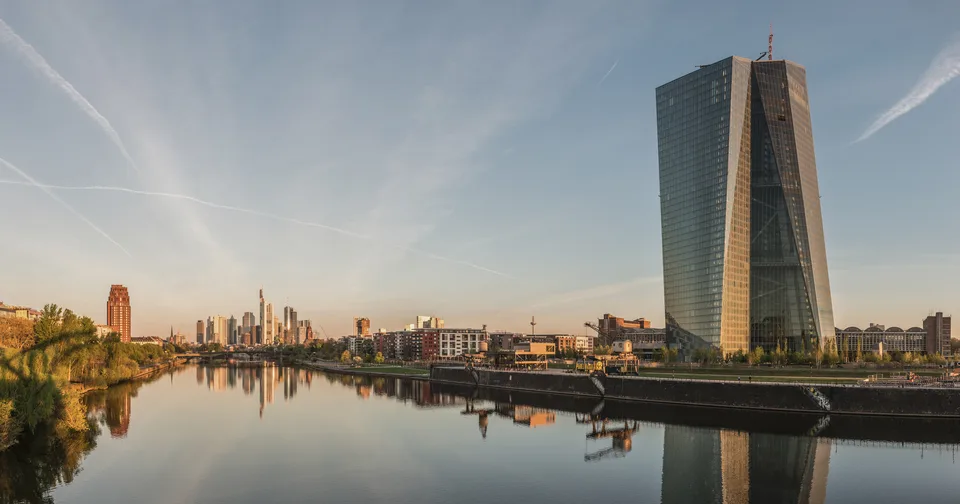
Ostend’s relationship with the former wholesale-market site and the European Central Bank gives a different view of Frankfurt’s changing economy. It works well as an alternative to another circuit of the old town, particularly for visitors interested in contemporary architecture. Treat the bank as a landmark rather than assuming its interior is open for casual sightseeing; any visitor arrangements need separate confirmation.
Höchst brings half-timbered streets and industrial history into the same wider story. Make it a deliberate half-day choice rather than attaching it to an already crowded central itinerary. For a potential resident, visiting a less familiar district can also expose the limits of a map: the walk from a station, nearby services and the feel of an evening are all worth checking in person before considering a lease.
Moving begins with a registerable home
For a longer stay, compare the office or campus commute before choosing a fashionable district. Test the journey at the hours you expect to use it, including the final walk and any transfer. A cheaper address can become a poor fit if late shifts, childcare or accessibility needs require repeated taxis. Regional commuting is an option to investigate, not a reason to assume every surrounding town is equally convenient.
The federal housing and registration guidance explains rental terminology worth learning early: Kaltmiete is the basic rent, while Warmmiete includes specified additional charges. Electricity and internet should not be assumed included. An unfurnished home may lack a fitted kitchen, and a two-room listing need not mean two bedrooms. Ask for a clear inventory and written costs, then compare the full monthly household commitment rather than the headline rent alone.
Handle registration and household setup in the right order
Frankfurt’s municipal address-registration instructions require registration within two weeks after moving into the dwelling; the registration is free. Bring the required identity documents and original Wohnungsgeberbestätigung from the housing provider. A tenancy agreement alone is insufficient. Confirm that a temporary property can provide the necessary confirmation before paying for it as your initial residential base.
The online route is conditional: it covers a main or sole residence and requires supported electronic identification and the associated technical setup. The city currently says an electronic residence permit, or eAT, cannot be used for this online process. An in-person Bürgeramt appointment remains relevant for many arrivals. After securing housing, arrange electricity, internet and any other services specified in the lease, record meter readings and handover conditions, and retain copies of confirmations for subsequent administration.
Plan health cover and everyday services before relocation
The federal health-insurance overview distinguishes statutory and private coverage, with eligibility and contributions depending on circumstances. Employment, study and family situations need their own assessment. Arrange appropriate cover for the arrival period and confirm how it connects with longer-term insurance; a short travel policy should not be assumed to solve every residence or healthcare requirement.
For household planning, investigate a suitable doctor, pharmacy, school or childcare arrangement near the actual address. Availability matters more than a district’s reputation. Keep essential prescriptions and relevant medical information accessible during the move, and ask providers directly about language support when needed. A familiar-looking apartment does not establish that connectivity, heating arrangements or nearby services meet your needs. View the move as several linked decisions, with accommodation, commuting, insurance and permission to stay all requiring separate confirmation.
Separate a visit from permission to work or study
Use the Foreign Office’s visa requirements by nationality for visitor planning. Many short-stay travellers are subject to the Schengen limit of 90 days in any 180-day period, but nationality, passport conditions and existing residence rights affect the answer. Time elsewhere in Schengen can matter. A visitor exemption does not by itself authorise employment, and crossing a national border is not a reliable way to reset a stay allowance.
For employment, study or another longer-term purpose, follow the official visa and residence application guidance for that route. Some nationalities have different entry procedures, while European free-movement rights operate separately. Permanent residence has additional conditions and is not simply an extended holiday. VisaWand’s consultant listings can help identify professional assistance; verify credentials and scope. Use the Germany destination overview for broader comparisons while confirming individual eligibility with the responsible authority.
Compare nearby places without losing the Frankfurt base
Mainz, Wiesbaden and Heidelberg are useful alternatives to investigate when deciding between a major transport hub and a different urban setting. VisaWand’s Mainz location page and Wiesbaden location page are destination listings, so use current visitor and transport information to develop the actual day trip. Compare both the outward and return journey before buying a ticket; a regional city name on a map does not establish ticket coverage.
For a first visit, one excursion is enough if it replaces something rather than being squeezed into the same day. For relocation, give competing locations a more practical trial: visit an ordinary residential street, price a suitable home and test the commute. Frankfurt’s strongest case is the combination of culture and connections. Whether that combination suits you depends on how you would use an ordinary week as well as an interesting weekend.
Official planning resources
Reviewed 15 October 2026. Use the official resources linked throughout this guide for admission, transport, housing and immigration decisions. Prices, services and rules can change; confirm the details relevant to your dates. Photography illustrates the locations and is not a live view.
View all official resources
- Frankfurt am Main: official tourism information
- Städel Museum: visiting and admission
- Frankfurt Card: conditions and validity
- Frankfurt Airport: rail stations and terminal access
- Palmengarten: current German visitor information
- MAIN TOWER: fees and hours
- MAIN TOWER: practical FAQ
- The New Old Town
- Frankfurt neighbourhood walks
- German national visa and residence pathways
- Health insurance in Germany
- Housing and registration in Germany
- Frankfurt cuisine
- Frankfurt through the seasons
- German visitor visa requirements and exemptions
- Frankfurt address registration
- RMV Airport-to-City tickets and connections
- Frankfurt Card official 2026/2027 leaflet
Plan the next part of your journey
Explore the Germany guide, browse other cities or compare consultants for your travel and relocation questions.