Visa
Bordeaux beyond the wine label
Bordeaux rewards a visit planned around its river rather than a checklist of châteaux. Along the Garonne, pale stone façades face broad quays; behind them, streets narrow into restaurant squares, market neighbourhoods and former wine merchants’ quarters. This is a substantial regional city in southwestern France, with museums, universities and everyday working districts. The vineyards are a separate excursion, and the Atlantic beaches require another journey.
Allow three days for a first visit if you want the historic centre, a major museum and time beside the water. Add a fourth for a vineyard or coastal outing. Non-drinkers have plenty to occupy them: architecture, regional history, contemporary exhibitions and gardens all stand independently of tastings. For national context, use VisaWand’s France country guide alongside this city itinerary; the France location directory helps you compare other destinations.
Read the waterfront with its history in mind
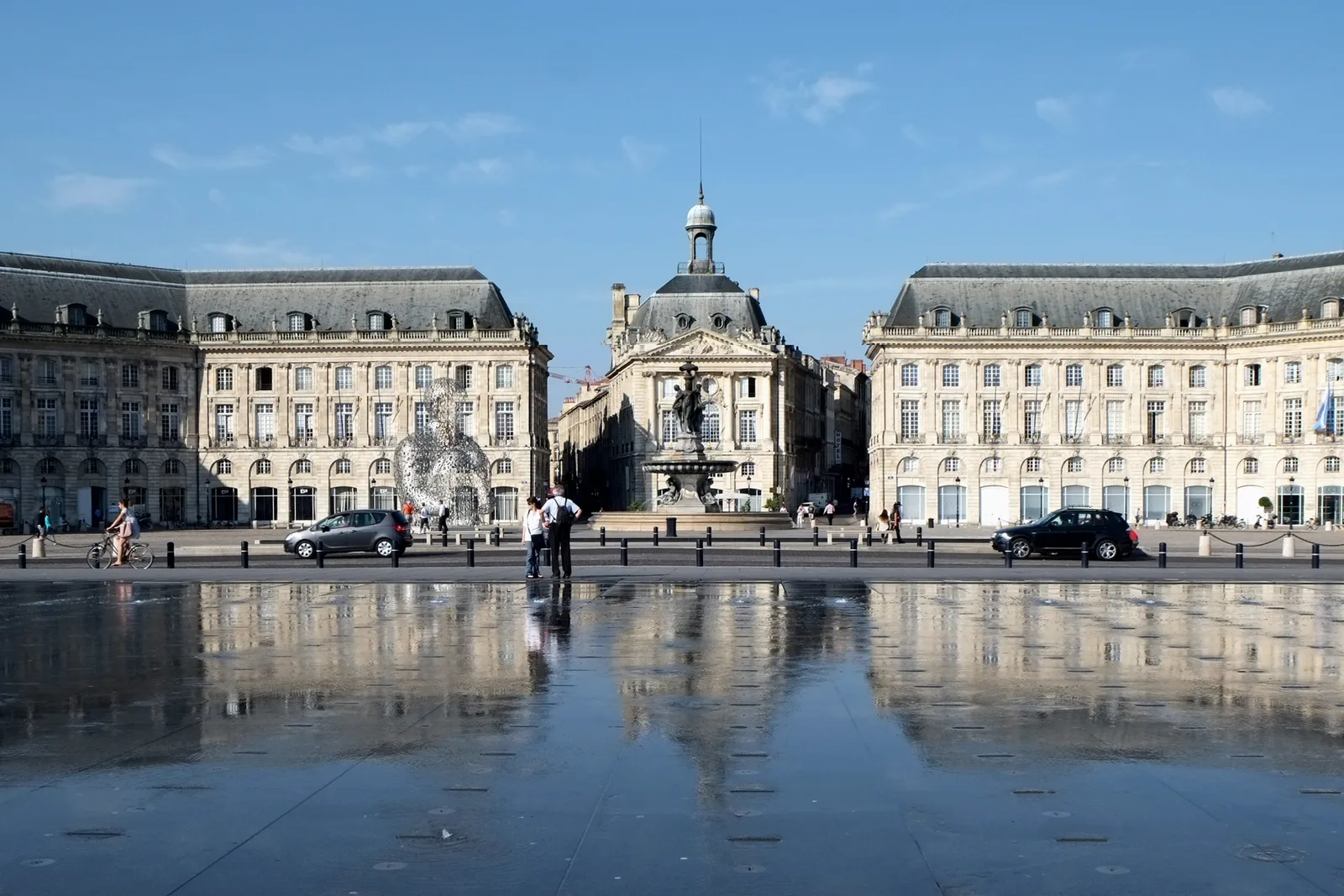
The crescent-shaped riverfront gives Bordeaux its Port of the Moon name. UNESCO’s Bordeaux listing, inscribed in 2007, recognises an extensive urban ensemble whose classical and neoclassical architecture reflects the city’s long commercial importance. Place de la Bourse makes the eighteenth-century transformation especially legible: buildings turn outward towards the river, creating a deliberately monumental frontage.
That prosperity needs context. Bordeaux’s Atlantic commerce included the trade in enslaved people and goods produced through slavery. The Musée d’Aquitaine’s historical collections address that history directly, alongside archaeology, medieval life and later regional change. Visit before a second waterfront walk if you want the architecture to mean more than an attractive backdrop. Avoid treating the merchant city and its difficult history as separate stories.
Choose a neighbourhood around your daily route
The tourist office’s neighbourhood map is useful because “central Bordeaux” covers several different experiences. Saint-Pierre and the old town suit visitors who want to walk between historic streets and dinner. Around the town hall, Gambetta and Mériadeck, compare practical transport access with the precise street setting rather than assuming every address has the same atmosphere.
Saint-Michel and the Saint-Jean station area combine market life, restaurants, rail arrivals and nightlife. They work particularly well when an early train matters, but check the actual walk from your accommodation to the station entrance. A broad neighbourhood label does not tell you about bedroom noise or nearby construction. For a short stay, prioritise the route you will repeat every morning and evening over a marginally cheaper room across town.
Walk Chartrons at neighbourhood speed
North of the historic centre, Chartrons carries the imprint of the wine trade without functioning solely as a visitor attraction. Rue Notre-Dame offers antiques, independent shops and places to eat; the quays provide a different, more open walking environment. Combine the two instead of following the river throughout and missing the streets behind it.
This is a useful area to consider for a longer visit when you want cafés and local shopping between sightseeing days. Check your distance to a tram stop and to the particular museums on your list. “Near Chartrons” can describe a much wider area than the few streets you may have seen in photographs. Leave buying fragile antiques until you have considered transport home, packaging and any relevant customs requirements.
Time Place de la Bourse for the water mirror
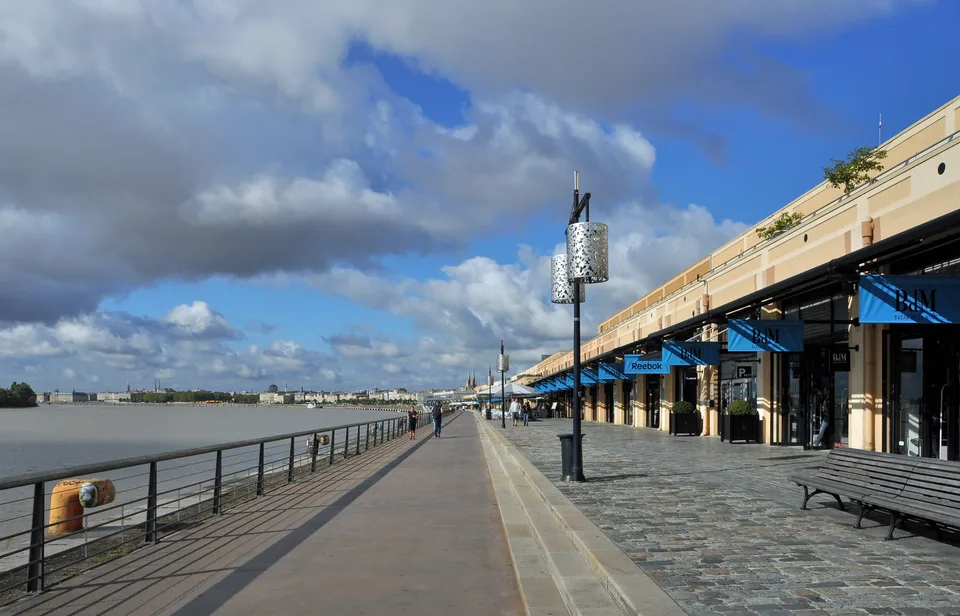
The Miroir d’eau opposite Place de la Bourse alternates a shallow reflective surface with mist effects. Its appeal comes from the contrast between the formal eighteenth-century buildings and people using the open space in front of them. Walk along the quays in both directions for different views rather than stopping only at the busiest photograph position.
There is an important seasonal limitation: the tourist office lists winter maintenance from November to April, when the water feature is out of service. The square remains worth seeing, but a winter visitor should not plan around reflections or mist. Even in the operating season, maintenance and weather can alter the experience. Keep belongings dry, supervise children near the river and treat wet paving with care.
Give the Musée d’Aquitaine a proper visit
The Musée d’Aquitaine offers a chronological introduction to Bordeaux and its region, rather than a collection concerned only with wine. It is a good choice for a rainy afternoon or for visitors who want the historical framework before taking a guided walk. Individual visits do not require an advance reservation; the museum normally opens Tuesday to Sunday, 11am–6pm, with Monday and most public-holiday closures.
Standard admission is €6 outside major temporary exhibitions and €8 during them. Under-18s enter free; other concessions require supporting evidence. The first Sunday is free except in July and August. The separate Bordeaux Patrimoine Mondial interpretation centre is free. If steps are a barrier, the museum identifies an accessible entrance at 18 cours Pasteur, close to the main entrance. Confirm arrangements for any particular assistance needs before travelling.
Decide what you want from Cité du Vin
Cité du Vin explores wine as a cultural subject through an extensive exhibition. Allow two to three hours for that exhibition, then time for the eighth-floor Belvédère, where the standard ticket includes a glass of wine and panoramic views. Adult admission is €23; children aged 6–17 pay €9, and a two-adult, two-child family package is €56. Check any age-based concessions when booking.
The exhibition ticket, workshops and Via Sensoria are different products. Choose the experience deliberately instead of assuming a tasting workshop comes with ordinary admission. Non-drinkers should check suitable alternatives directly with the venue. Opening hours vary by season, with specific holiday and maintenance closures on the official calendar. This is a substantial museum visit: pairing it with several other major attractions can turn an enjoyable day into a race.
Separate immersive art from the wine museum
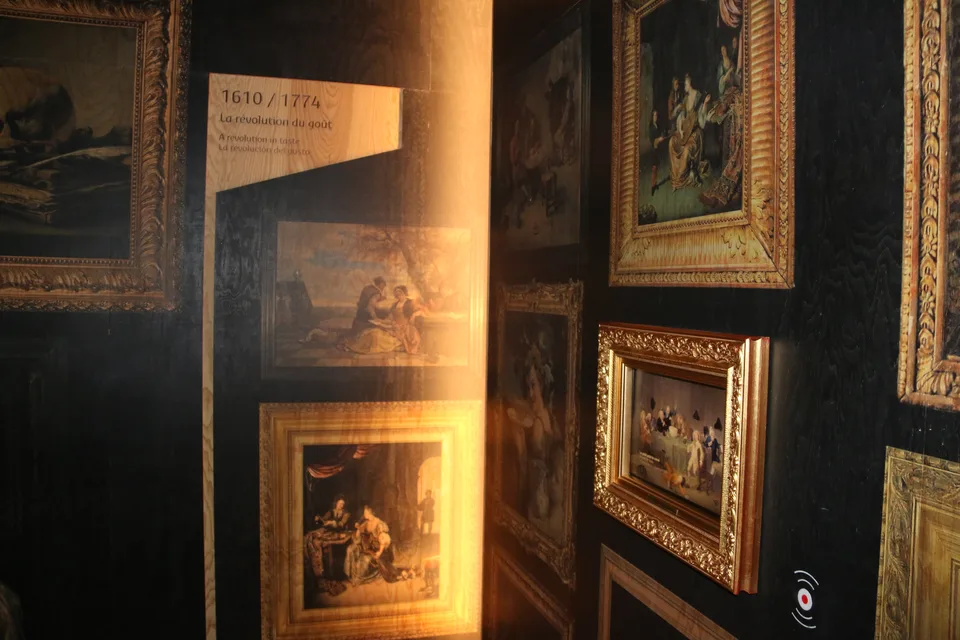
At the Bassins des Lumières, projected art fills a former submarine base. The industrial setting and reflections give this a very different character from a conventional gallery. Read the current programme before purchasing: the artists, running arrangements and particular presentations can change. It is worth choosing for the exhibition itself, rather than simply because it appears on a pass.
Adult admission is €16, while the published youth rate for ages 6–25 is €9. A family ticket for two adults and two young visitors is €43. Online reservations are strongly recommended; free-entry categories also have booking requirements. If darkness, sound or moving projections could affect someone in your party, ask about the presentation and access conditions first. Leave time for the journey back rather than booking dinner immediately after your intended exit.
Cross the Garonne for another perspective
La Bastide, on the right bank, offers a view back towards the stone waterfront and a different history of industry and redevelopment. The botanical garden and riverbank spaces give a change of pace after the old town. Make this a deliberate half-day if you enjoy walking, or a shorter outing if your schedule is tight.
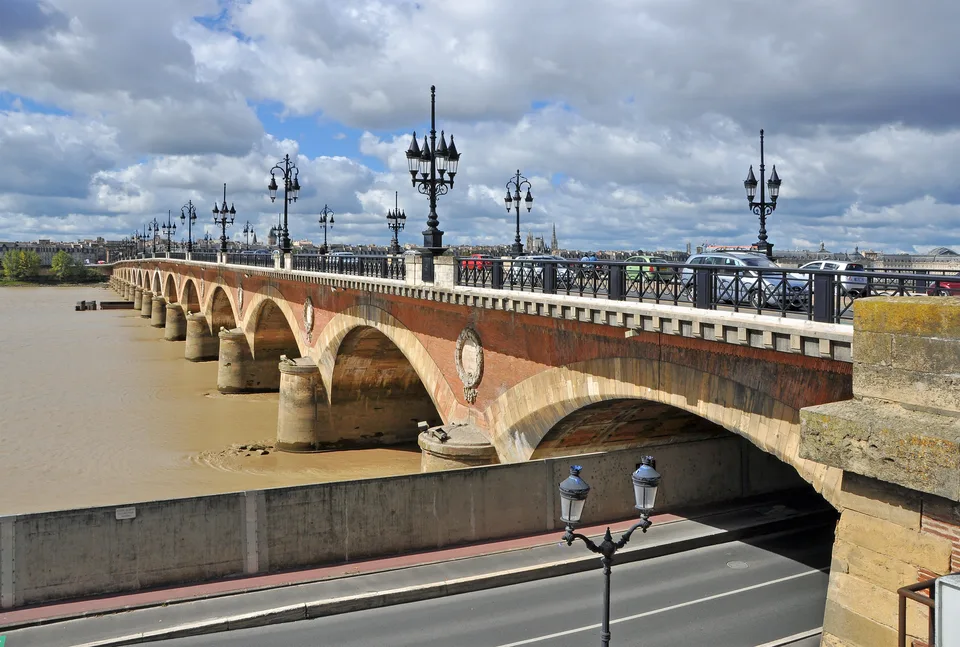
Pont de Pierre provides a recognisable connection between the two sides, but use current transport information for your journey rather than inferring present traffic arrangements from older photographs. A river crossing also introduces a practical question for accommodation: how will you return late in the evening? Check the last suitable service and the full walk from its stop. The most attractive daytime route may not be the one you want with luggage or tired children.
Arrive by rail or the current airport tram
Bordeaux Saint-Jean is the main rail gateway. The fastest Paris–Bordeaux trains take around two hours, while other services take considerably longer. Compare the actual departure, station, baggage conditions and arrival time before choosing a fare. A cheap ticket can lose its advantage if it creates an expensive late transfer or an unusably early start.
From Bordeaux Airport, tram F has served the route towards Saint-Jean since December 2025. The airport quotes approximately 35 minutes to Hôtel de Ville and 45 minutes to the station; allow additional time for walking, waiting and disruption. The stop is outside the terminals near Hall B. Older directions naming tram A are outdated. Check live departures, terminal signs and your hotel’s nearest stop before boarding, especially during airport works.
Use TBM fares to plan actual journeys
The current TBM ticket catalogue lists a single journey at €1.90, allowing travel for one hour on the tram, bus and Le Bato network. Ten journeys cost €15.70. For repeated travel, visitor transport passes cost €6.50 for 24 hours, €11 for 48 hours and €13.50 for 72 hours, measured from first validation. Compare these with your likely number of trips; a largely walkable day may need only two singles.
Validate as required, including connections, and keep your ticket available. Do not assume an ordinary urban ticket covers every regional train or an organised excursion. Use the live planner for the exact destination. Travellers who need step-free access should consult TBM’s accessibility resources and check the complete route, including the stop, pavement and final entrance, rather than relying only on an accessible vehicle symbol.
Treat Le Bato as transport with a view
Le Bato is part of TBM’s public transport network, with ordinary TBM tickets accepted. Its routes connect selected river pontoons; it is a useful way to see the waterfront while making a real journey. Check which service reaches your intended landing rather than assuming every boat makes the same stops.
This is different from a narrated sightseeing cruise. Boats have limited capacity, and passengers must leave at a terminus. Validate even when connecting from another service, and leave flexibility if boarding is busy. For a meal reservation or train departure, build in a dependable alternative on land. If you specifically want commentary, a leisurely loop or refreshments, compare a commercial cruise’s route and inclusions instead of expecting the public river service to provide them.
Calculate the CityPass before collecting it
The Bordeaux CityPass costs €37 for 24 hours, €48 for 48, €56 for 72 and €62 for 96. It includes Cité du Vin, Bassins des Lumières, transport and other participating sites, plus one selected city tour. Compare only attractions you genuinely intend to visit. Two museums and transport can make it attractive; an outdoor walking weekend may favour separate tickets.
Read the collection and booking conditions carefully. There is no digital pass: exchange the online voucher for a physical card at the tourist office, 12 cours du 30 Juillet. First use starts consecutive validity hours; each attraction allows one included visit. Cité du Vin access is now available throughout the day, without the old morning restriction. Some activities still require reservations, including Tour Pey-Berland and your chosen city tour. Arrange those around collection hours and the pass’s expiry.
Book accommodation for the room as well as the address
Central hotels make a short visit simpler; a serviced apartment may suit families or a longer stay with laundry and cooking needs. A hostel can reduce costs for a solo traveller, but compare private-room prices with hotels before assuming the shared-accommodation option is always cheaper. Station accommodation helps with rail travel, while a vineyard property creates a different, transport-dependent holiday.
Before paying, ask about air conditioning, lift access, window position and late check-in. A handsome older building may involve stairs or rooms facing evening activity. For an apartment, check cleaning charges, the kitchen equipment actually supplied and cancellation conditions. Confirm the final tourist-tax treatment and any deposit separately. Use a map to test the walk to a useful stop, not simply the distance to the nearest tram track.
For a wheelchair user or anyone with limited stamina, ask for measurements and photographs of the entrance, bathroom and lift. “Accessible” can describe a ground-floor lobby while leaving essential details unanswered. Request a room that meets your actual requirements in writing. Families should similarly confirm cot availability and room occupancy before relying on a photograph of a larger room category.
Keep a budget that reflects your choices
Separate accommodation, transport, admission, meals and regional outings. As a concrete illustration, one adult buying Cité du Vin (€23), Bassins des Lumières (€16) and a 48-hour transport pass (€11) would spend €50 before food and accommodation. Compare that with the €48 CityPass, then consider collection, availability and whether all three purchases actually suit your plans.
Food and hotel prices vary too much by date and comfort level for one daily figure to be dependable. Price your actual nights before buying non-refundable travel. Leave space for luggage storage, a taxi when necessary and a booked vineyard excursion. For shopping, distinguish a souvenir budget from everyday spending: wine packaging, checked baggage and shipping can materially change the final cost of a purchase that initially looks modest.
Choose the season and keep a weather alternative
Bordeaux’s Atlantic setting brings changeable conditions; Météo-France’s climate information is background, while the forecast should determine your daily plan. Spring and early autumn are sensible choices for combining walking and museums, provided you bring rain protection. Winter suits an indoor cultural visit but brings shorter sightseeing days and the water mirror’s maintenance closure.
Summer needs a different rhythm. The metropolitan authority’s heatwave guidance reflects the risk of significant heat: schedule exposed quayside walking earlier or later, take water and use an indoor afternoon when appropriate. Check cooling arrangements when booking accommodation. The Jardin Public offers a green break, but gardens have gates and can close for severe weather. Keep a museum alternative rather than assuming a park will always be available during a storm or heat alert.
A realistic three-day first visit
Day one: start around the cathedral and town hall, then explore the old town towards Place de la Bourse. Take time for lunch rather than crossing the entire centre before eating. Use the afternoon for the Musée d’Aquitaine if open, returning to the quays later. If arrival falls on Monday, move the museum to another day.
Day two: reserve the main part of the morning for Cité du Vin, then explore the northern waterfront and Chartrons. Add Bassins des Lumières only if you want another substantial indoor experience; otherwise leave it for day three. Day three: cross towards La Bastide and the botanical garden, or choose a pre-arranged regional excursion instead. For a scouting visit before moving, replace an attraction with an ordinary commute and a housing appointment. That experience answers different questions from sightseeing.
Moving to Bordeaux starts with the commute
Test housing against the address of your job or course. Bordeaux city, airport-side employment and the university campuses are different destinations; the university’s international welcome services identify separate contacts in Talence, Pessac and Bordeaux. Confirm your actual teaching site before selecting a room. Test the journey at the time you would travel, including the last walk and any interchange.
For a principal residence in Bordeaux, consult the metropolitan authority’s rent-control information and the reference applicable to the specific property. The system covers relevant furnished and unfurnished main-home leases and mobility leases; it should not be assumed identical across every surrounding commune. Compare rent with charges, energy, insurance and transport. Ask for the energy-performance information and examine ventilation, heating, summer comfort and the inventory. A short exploratory stay is useful before committing to a long lease.
Organise household services and healthcare deliberately
Clarify which utilities are included, whose name holds each contract and what readings are recorded at handover. Check internet availability at the exact address, mobile reception inside the room and whether a furnished property supplies the equipment you need. Build initial costs into your moving budget rather than treating the first month’s rent as the entire arrival expense.
Health coverage depends on your circumstances. Follow Assurance Maladie’s guidance for people arriving in France and arrange appropriate cover while registration or eligibility is being established. A visitor’s travel insurance and a resident’s healthcare arrangements serve different needs. Families should also investigate schooling, childcare and access to a regular doctor early. Keep copies of identity, housing and employment or study documents organised, with translations where the relevant authority requires them.
Keep visiting, working and residence permission distinct
For relevant non-European travellers, Schengen short stays are generally limited to 90 days in any rolling 180 across the area, with visa requirements depending on nationality and circumstances. Check the official application route and supporting documents before booking. A holiday permission does not by itself authorise employment or permanent settlement.
A long-stay visitor route concerns private stays without professional activity and requires appropriate resources, accommodation and medical cover. Employment and study follow their own requirements; acceptance by a university is not a substitute for immigration permission. EEA and Swiss citizens have different residence-document rules. Longer-term settlement depends on the applicable status and conditions. Use VisaWand’s France destination page and consultant directory for further planning, while treating official authorities as the source for application decisions.
Add Saint-Émilion or the coast with enough time
Saint-Émilion suits a medieval village and vineyard day, but the train station is below the centre: allow for the uphill walk and any winery transfer. Book particular château visits rather than expecting unrestricted access. VisaWand’s Saint-Émilion location page helps place the settlement in your wider route.
For a vineyard booking, establish the language, duration, meeting point and what is included before paying. A property outside the village may require a separate transfer even when the village itself is reachable by rail. If several people are travelling, compare an organised excursion with individual tickets and transfers. Arrange a driver who will not drink if using a car; a tasting schedule should never determine whether someone feels obliged to drive afterwards.
Arcachon’s location page offers another comparison for a coastal stay. The town and the Dune du Pilat are separate destinations, so plan onward transport and the return connection if combining them. Check protected-site access and weather before setting out. Choose one regional outing for a short visit; trying to fit vineyards, the coast and central Bordeaux into a single day sacrifices the time that makes each worthwhile.
Official planning resources
Reviewed 15 October 2026. Use the official resources linked throughout this guide for admission, transport, housing and immigration decisions. Prices, services and rules can change; confirm the details relevant to your dates. Photography illustrates the locations and is not a live view.
View all official resources
- UNESCO: Bordeaux, Port of the Moon
- Bordeaux Tourism: neighbourhood map
- Bordeaux Tourism: Chartrons
- Bordeaux Tourism: La Bastide
- Bordeaux Tourism: Saint-Michel and Saint-Jean
- Bordeaux Tourism: Miroir d’eau and Place de la Bourse
- Musée d’Aquitaine: regional history collections
- Musée d’Aquitaine: prepare your visit
- Musée d’Aquitaine: admission prices
- Cité du Vin: admission and opening calendar
- Bassins des Lumières: official prices
- Bordeaux Tourism: CityPass offers
- Bordeaux Tourism: CityPass collection and conditions
- Bordeaux Airport: tram F connections
- TBM: current single and multi-journey tickets
- TBM: current visitor transport passes
- TBM: Le Bato river services
- TBM: accessible travel resources
- SNCF Connect: Paris–Bordeaux trains
- Bordeaux Tourism: regional food traditions
- Bordeaux Tourism: Jardin Public
- Météo-France: French climate regions
- Bordeaux Métropole: cool spaces during hot weather
- Bordeaux Métropole: rent control
- Assurance Maladie: healthcare when arriving in France
- France-Visas: short stays
- France-Visas: long-stay visitors
- France-Visas: salaried employment
- France-Visas: studying in France
- Service Public: residence documents by nationality
- University of Bordeaux: international student welcome
- Bordeaux Tourism: Saint-Émilion day trips
- Arcachon Tourism: Dune du Pilat access
- Bassins des Lumières: exhibitions and visit planning
Plan the next part of your journey
Explore the France guide, browse other cities or compare consultants for your travel and relocation questions.