Visa
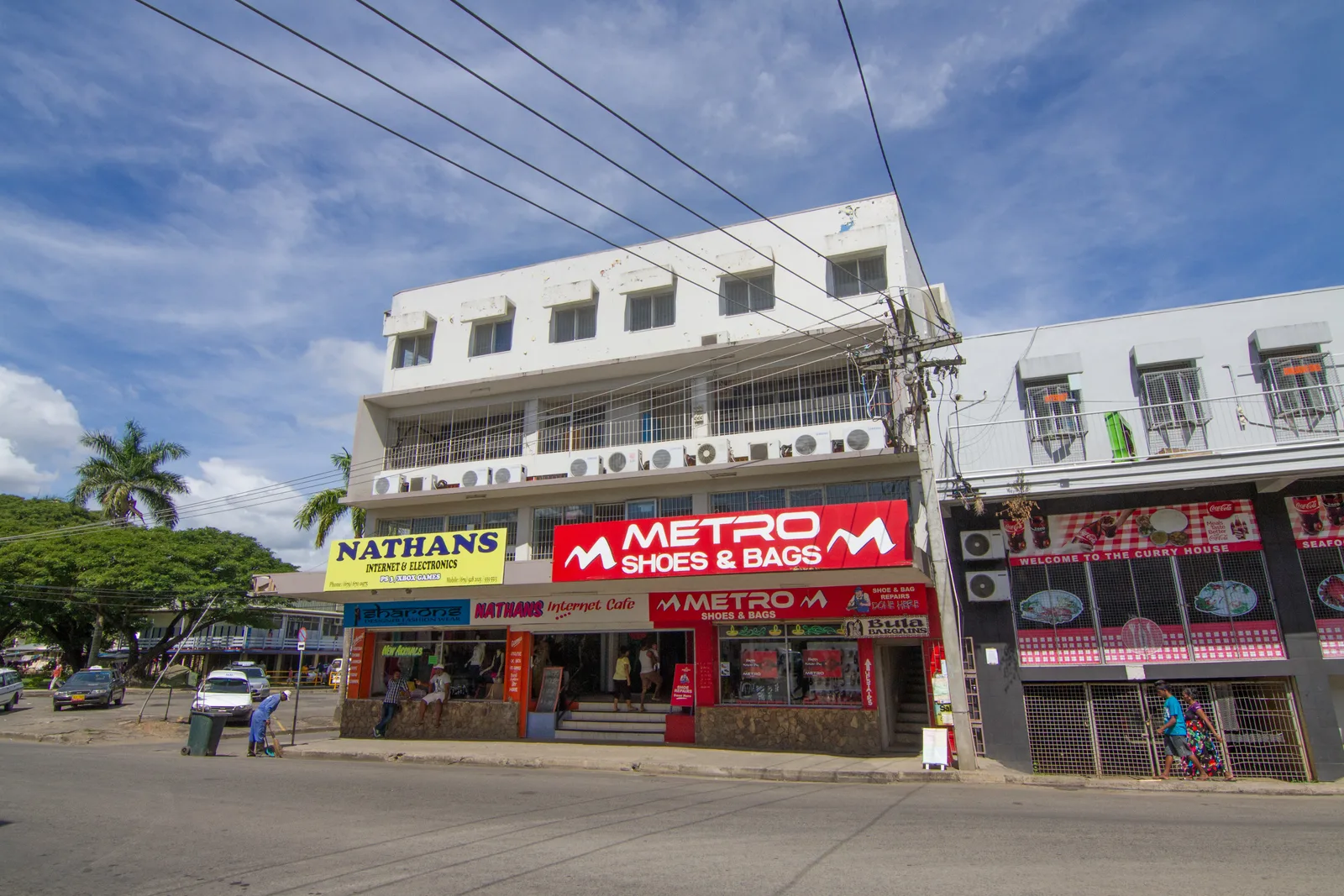
Give Nadi time beyond the arrivals hall
Nadi is often the first place a traveller sees in Fiji and the last place they remember before boarding home. Give it more than the space between a flight and a boat. A town morning, a garden visit in Sabeto and an afternoon beside the bay reveal different sides of a destination whose practical strengths are as important as its attractions. It is a useful base when you want choice: everyday shops, a range of accommodation and access to journeys beyond the mainland.
The first decision is where you mean by “Nadi”. The airport area, town centre, Wailoaloa beach and Denarau resort precinct do different jobs. Choose according to the stay you want rather than assuming every hotel with a Nadi address puts the same experiences outside your door. For a short introduction, allow three nights if possible, keeping one substantial outing for each full day.
Tourism Fiji places Nadi on western Viti Levu. VisaWand’s Fiji country guide supplies the national background; this guide focuses on decisions around Nadi itself. Visitors considering a longer move should use their time to test ordinary routines as well as enjoy the holiday setting.
An aviation gateway with a town of its own
The airport explains part of modern Nadi’s character. According to Fiji Airports’ history, New Zealand constructed the original airstrips between August 1939 and March 1940, before wartime expansion. Fiji’s government began participating in the airport’s organisation after independence in 1970 and assumed full control in 1979. The international gateway grew from infrastructure whose original purpose was far removed from today’s resort transfers.
That history is useful context, but the terminal should not define the whole place. A town visit brings shops, market trading and religious life into the picture; a resort stay concentrates on another part of the local economy. Make room for both if you want a fuller introduction. Neither needs to be presented as the single “real” Fiji.
Be equally precise with geographical descriptions. Nadi town, its surrounding settlements and the wider tourism area are not interchangeable population boundaries. An older database figure cannot tell you how many people currently live across every place marketed under the Nadi name. For planning, the location of your room, workplace or departure point is usually more useful than a loosely defined city total.
Choose the base that fits your daily journey
The tourism board’s accommodation-area guide distinguishes several useful bases. Hotels around the airport and Namaka suit an arrival or departure night, with shops and services nearby. Martintar has a concentration of restaurants and nightlife. Wailoaloa, on Nadi Bay, offers beach-facing accommodation from backpacker rooms to suites. Denarau concentrates large resorts and access to the marina, while Vuda is another option beyond the town.
Treat those as starting points for investigation. Ask whether your particular room faces a busy road, entertainment area or a quieter part of the property. Check the final walking route to food and transport. A property can be convenient for an airport transfer while leaving you dependent on a vehicle for the activities you actually want.
The tourism board explicitly describes its driving estimates as free-flow times. Leave room for traffic, road works and the business of finding a pickup point. For a household considering relocation, the relevant test is a real commute at the right hour, followed by the trip home with groceries. Holiday convenience and everyday convenience can produce different answers.
Visit the temple as a place of worship
Sri Siva Subramaniya Swami Temple gives a town visit a clear cultural focus. Tourism Fiji’s temple visitor information places it at the southern end of Nadi town and lists guided visits every half hour between 8.30am and 3pm, for a fee. Its instructions are straightforward: dress modestly, remove your shoes and keep photography to the exterior. Confirm access and the admission charge for your date rather than borrowing a price from an old tour listing.
Let the visit include listening. Ask the guide about the features you are seeing instead of treating the building as a quick photographic stop. Follow any instructions given on the day, including changes for worship or events. A few minutes spent understanding what is permitted can make the visit more comfortable for everyone.
Plan the rest of the morning around the town rather than rushing immediately back to your accommodation. Leave space for browsing and lunch, with a shaded pause if needed. If your party includes somebody who cannot comfortably remove footwear or manage the access, ask about arrangements before paying for a sightseeing package that depends on this stop.

Make the garden a relaxed Sabeto outing
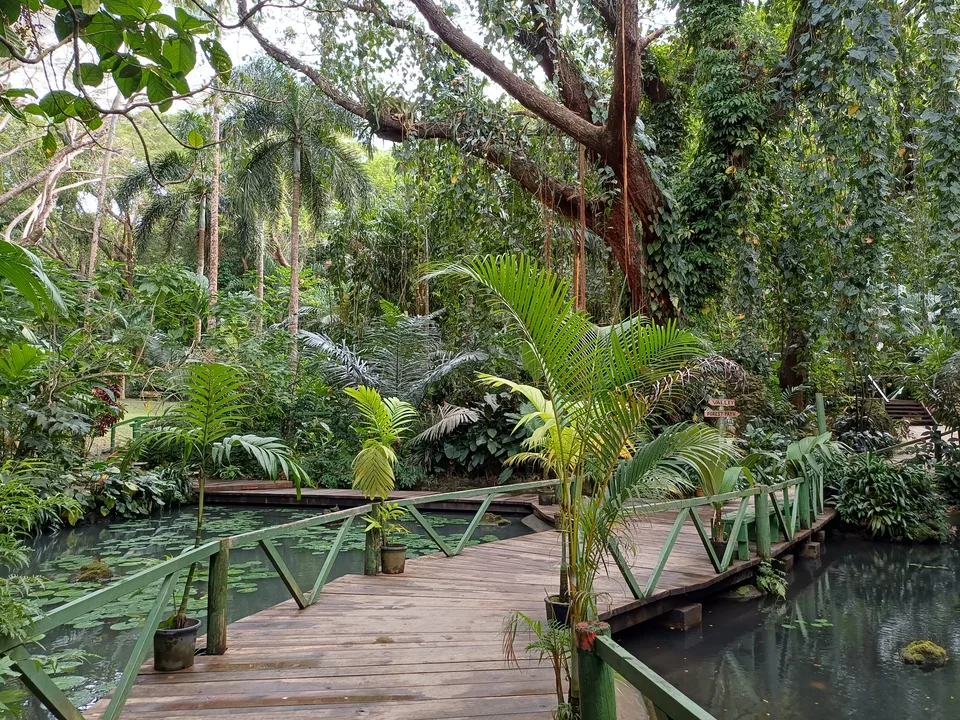
The Garden of the Sleeping Giant sits at the foot of the Sabeto Range, on Wailoko Road. Its operator describes a twenty-hectare garden associated with actor Raymond Burr’s orchid collection, with lily ponds and tropical walkways. This is an outing beyond the town centre: arrange the journey there and back rather than assuming you can step out of a central hotel and walk to the entrance.
The published admission rates are FJ$35 for an adult, FJ$15 for a child aged six to fifteen, and free for children under six. A family ticket for two adults and two children is FJ$85. The operator lists daily opening from 9am to 5pm and says no booking is required. Check directly if you are travelling for a particular occasion or need assistance.
Give yourself time to look closely rather than simply complete a circuit. Ask which paths suit your mobility and footwear, and whether conditions affect the route. The orchid collection does not mean every plant flowers on the day of your visit. A garden afternoon is best planned around the place you find, with a return pickup agreed before you lose track of time among the plants.
Treat an island day as a separate booking decision
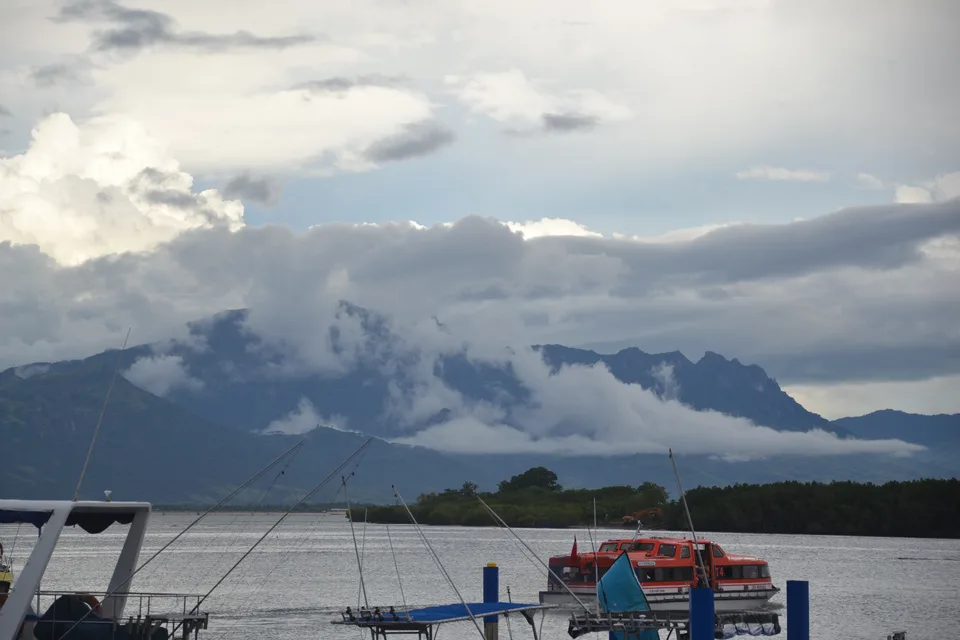
Nadi can support an island experience without requiring you to move accommodation. South Sea Cruises’ South Sea Island day-trip page lists full and half-day options departing Port Denarau. Adult prices are FJ$285 and FJ$245 respectively, including taxes, for travel through 31 March 2027. The published card administration fee is 2.5–3 per cent. Compare the final quote, not just the headline price.
The package includes lunch, specified drinks, equipment and pre-booked coach transfers from selected hotels. It also involves a tender boat between the main vessel and the island. Ask about boarding assistance if this matters to your party. The operator’s terms say its coral viewer can be unavailable for maintenance without a refund; the lunchtime cultural performance is not offered on Sundays.
Decide whether the full day’s extra time is valuable to you. A half-day ticket may leave a useful morning free, but it still creates a fixed departure and return commitment. Confirm the exact pickup, equipment arrangements and what happens if conditions change. Keep optional purchases separate in your budget and avoid placing an inflexible airport connection immediately after the scheduled return.
Separate resort transfers from excursions
A boat to your accommodation is a different purchase from a day-trip package. On its island resort-transfer page, South Sea Cruises requires check-in at the Port Denarau desk thirty minutes before departure. It also lists a mandatory fuel surcharge introduced on 7 April 2026. Confirm the complete fare for your route and travel date before treating the advertised crossing as the whole transfer cost.
For these resort-transfer services, coaches between most Nadi, Wailoaloa or Denarau hotels and the marina are paid add-ons: FJ$11 per adult and FJ$8 per child each way. Pickups must be reserved at least twenty-four hours ahead. Airport arrangements differ. Do not assume a hotel coach is included because another product from the same company includes one.
Many island resorts require a smaller tender for the final landing. Tell the operator about mobility limitations and luggage before booking. Consider an overnight mainland buffer when flight and sailing times leave little margin. The useful question is whether the entire chain works, from immigration clearance to the room you have reserved, rather than whether a single connection looks possible on paper.
Arrive with a clear airport plan
The airport’s current taxi information identifies yellow branded vehicles at the arrivals rank, requires meters and lists an airport starting fare of FJ$7.10. This is an initial charge, not the price of a complete journey. It says yellow taxis bearing red stickers offer electronic payments and accept international credit cards. Confirm the payment method, any charge and the destination before setting off.
For a hotel shuttle or private pickup, obtain the meeting instructions and a contact number in advance. Establish what happens if the flight is delayed and whether the price covers every person, bag and stop. Families should ask about suitable restraints when arranging the vehicle. A driver waiting at arrivals and a bus leaving at a set time offer different levels of flexibility.
On the return journey, use the airline’s check-in requirements and your actual address to plan departure. Allow for loading luggage and traffic as well as driving. If you split the stay between the mainland and an island, keep the final airport transfer in the plan from the beginning rather than solving it after the last boat has been booked.
Understand bus payment before boarding
For longer mainland journeys, Pacific Transport’s timetable distinguishes Nadi town from Nadi Airport and shows services towards places including Lautoka, Sigatoka and Suva. Check the boarding location and confirm the intended service with the operator. A town stop and an airport stop are different stages of the journey, and an intercity coach is not automatically a shuttle to your hotel entrance.
Vodafone’s current eTransport instructions explain physical cards and a separate app wallet. Ordinary cards are available through Vodafone and Valuefone outlets, with photo identification for registration. For QR payment, scan the terminal’s code, check the fare, pay, then present the receipt QR back to the terminal. The payment is complete only when that receipt is successfully scanned.
Arrange a suitable payment method before relying on the bus for a time-sensitive trip. Keep the card secure: Vodafone says lost ordinary-card balances cannot be recovered. For a longer stay, test the service you would actually use, including the final walk and late return. Ask about the correct fare and concessions directly instead of transferring rules from another country’s transport network.
Let food and shopping follow the neighbourhood
Tourism Fiji’s practical Nadi information points to produce markets in Namaka and Nadi town, everyday shops and pharmacies around Namaka and Martintar, and dining choices in Wailoaloa and Port Denarau as well. Use these areas to broaden the trip beyond the resort menu. Start with the food you want and the journey you are prepared to make for it.
At a market, ask about unfamiliar produce and how it is usually prepared. In restaurants, check the actual menu, opening day and portion size before comparing prices. If you need a kitchen to manage dietary requirements, verify equipment and refrigeration with the accommodation. A general promise of vegetarian options does not establish that a kitchen can safely handle a particular allergy.
For gifts, ask who made the item and what materials it contains. Keep receipts and check your next country’s import rules before choosing wood, plant material, shells or food. Shopping is more satisfying when you understand what you are taking home. Avoid making the final airport morning responsible for every purchase you have postponed during the stay.
Build a budget around the whole stay
Price the room, meals, transfers and major outings together. Two adults choosing the garden at the published individual rates would spend FJ$70 on admission before transport or food. One adult choosing the island’s full-day package would begin at FJ$285 before the applicable payment fee and optional purchases. These examples describe particular bookings, not a daily cost for every visitor.
A lower room price may be offset by repeated vehicle journeys, while a kitchen may reduce the need to buy every meal out. Compare the complete stay for your party: occupancy, breakfast, laundry, parking, cancellation terms and whether a quoted transfer is per person or per vehicle. Ask for the total in Fiji dollars so that currency conversion does not obscure the comparison.
For a family, check the bed configuration rather than relying on maximum occupancy alone. Ask whether children’s meals and airport pickups are included, and whether a cot has to be reserved. Travellers sharing a suite should agree on how deposits and cancellation charges will be divided before one person pays for everyone.
Carry an appropriate cash reserve alongside a working card, and check payment arrangements before ordering or boarding. Keep money for changes of plan. A disrupted sailing, extra mainland night or replacement transfer should not depend on spending the last of the holiday budget. The amount you reserve should reflect your itinerary and insurance rather than a generic figure borrowed from somebody else’s trip.
Choose a season and keep checking conditions
Tourism Fiji describes November to April as the wetter season and May to October as the drier season. Western parts of the larger islands are generally drier than their eastern sides, but that regional pattern is not a forecast for your afternoon. Plan outdoor time with shade, water and suitable clothing, and leave room to change the order of activities.
The Fiji Meteorological Service’s cyclone information places the main tropical cyclone season between November and April and notes that systems can occur outside it. Tropical depressions can also bring damaging weather without becoming cyclones. Check official warnings and the operator’s sailing decision rather than assuming a sunny view from your hotel establishes conditions along a sea route.
Read cancellation and insurance conditions while choosing dates, especially for an island connection. Know how your accommodation communicates instructions and retain access to your booking details offline. Good seasonal planning means choosing a suitable balance of activities and flexibility; it does not require predicting exactly which days will be clear months before departure.
A three-day introduction without a race
Day one: arrive, settle in and explore the area around your accommodation. Find the relevant pickup point and somewhere suitable for dinner. If the flight leaves you tired, use the afternoon to recover. A modest first day gives the rest of the stay a better chance than adding a hurried tour before you have unpacked.
Day two: visit the temple within its visitor hours, then allow time for town browsing and lunch. Make the garden the main afternoon outing only if the transport and your party’s energy fit comfortably. Otherwise, separate them and give each more attention. Leave the evening open rather than adding another appointment simply because the map looks small.
Day three: choose an island day trip, with the hotel pickup confirmed and the return treated as part of the outing. Travellers staying longer can retain another mainland day for weather changes or a missed experience. Someone researching a move should instead dedicate a full ordinary day to housing viewings, commuting and services; these deserve their own time rather than being squeezed between holiday bookings.
Moving here starts with the household
Before choosing a rental, test the journey to the actual workplace or education provider and inspect the home. Ask about drainage, previous water entry, ventilation, cooling costs, cooking facilities and secure storage. Confirm who pays for utilities and repairs. A pleasant short stay does not answer whether the same address works through a different season or an evening shift.
The Consumer Council of Fiji’s tenancy advice recommends written agreements, condition photographs and clear payment records. Put rent, bond arrangements, repairs and notice in writing, and retain copies. Seek current advice about your particular agreement instead of assuming familiar overseas tenancy protections apply. Obtain independent legal advice before a property purchase or complex lease.
For household setup, Energy Fiji Limited’s connection guidance distinguishes the documents needed for a first connection, including landlord consent for a renting applicant. Establish whether the home already has functioning accounts before arranging anything. The Health Ministry’s facility directory lists Nadi Hospital and local health centres; check access, appointments and costs directly. Investigate insurance, prescriptions, internet performance and school availability for your circumstances before committing to a long stay.
Match immigration permission to the purpose
Start with the Ministry of Immigration’s visitor-permit information. Visa-exempt travellers and people requiring a pre-entry visa follow different preparations. A visitor permit can range from several days to a maximum of four months; the maximum is not a promise to every arrival. The ministry says it cannot be used to seek employment or work, and extension applications must precede expiry.
Its entry FAQs also distinguish studying from visiting and describe the documents travellers may need, including passport validity beyond six months from travel, onward arrangements, accommodation and funds. If you intend to work or study, identify the appropriate permission before making dependent commitments. Ask Immigration directly about remote work rather than assuming an overseas employer makes it tourism.
The assured-income residence category has its own age, financial and other conditions and excludes employment under that category. It is not automatic permanent residence. Use VisaWand’s Fiji destination information and consultant directory to prepare specific questions. Separately, follow Fiji’s biosecurity declaration rules for food, plant and animal products and used outdoor equipment; declaring an item does not guarantee permission to bring it in.
Decide what comes after Nadi
An onward journey should add something you want, rather than complete a list. Mainland touring, an island stay and a longer urban visit require different allocations of time. Compare travel days with the days you actually have available. It may be more rewarding to stay in one additional place than repeatedly pack for another short connection.
VisaWand’s Lautoka location directory and Suva location directory provide other places to investigate, while the Fiji cities and settlements directory helps you locate alternatives. These directory pages are not necessarily completed travel guides. Check the relevant transport and accommodation details before making a comparison, particularly when an address sits outside the town whose name appears in the booking.
Nadi works best when its role in the journey is clear. It can be a practical arrival base, a varied short stay or the place where you begin testing a longer move. Choose the right neighbourhood, protect time for the experiences that matter and keep the next connection realistic. The result is a more useful stay than treating everything between the runway and the marina as a transfer.
Official planning resources
Reviewed 16 October 2026. Use the official resources linked throughout this guide for admission, transport, housing and immigration decisions. Prices, services and rules can change; confirm the details relevant to your dates. Photography illustrates the locations and is not a live view.
View all official resources
- Tourism Fiji: Nadi
- Fiji Airports: airport history
- Tourism Fiji: choosing a Nadi base
- Tourism Fiji: Nadi attractions
- Garden of the Sleeping Giant: visitor information
- Garden of the Sleeping Giant: admission rates
- South Sea Cruises: South Sea Island day trips
- South Sea Cruises: island resort transfers
- Fiji Airports: airport taxis
- Pacific Transport: bus timetable
- Vodafone Fiji: eTransport payment instructions
- Tourism Fiji: practical Nadi information
- Tourism Fiji: seasonal climate
- Fiji Meteorological Service: tropical cyclone outlook
- Consumer Council of Fiji: tenancy advice
- Energy Fiji Limited: home connections
- Fiji Health: facility directory
- Fiji Immigration: visitor permits
- Fiji Immigration: entry and permit FAQs
- Fiji Immigration: residence on assured income
- Biosecurity Authority of Fiji: arrival declarations
Plan the next part of your journey
Explore the Fiji guide, browse other cities or compare consultants for your travel and relocation questions.