Visa
A Nile city that deserves more than a cruise stop
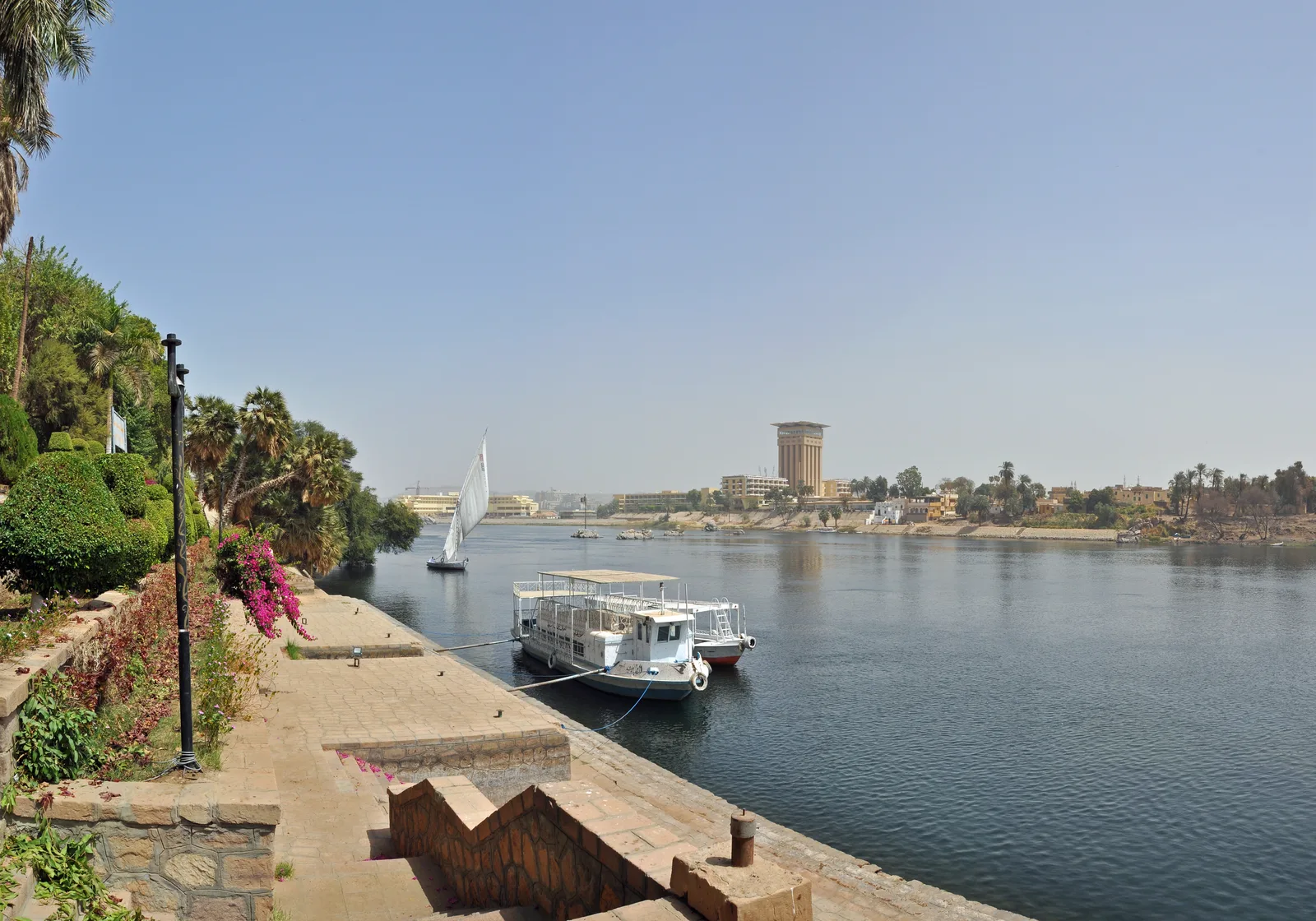
Aswan’s appeal lies in the relationship between water, granite and desert. Boats move between islands and riverbanks, ancient monuments sit within a landscape shaped by modern dams, and Nubian culture gives the city a character that extends well beyond its archaeological sites. A worthwhile stay leaves time for those connections rather than treating Aswan as a brief transfer between a train and a cruise ship.
Allow three full days for an introduction, with a fourth if Abu Simbel is important to you. The heat, boat connections and distance between sights make an overfilled programme uncomfortable. The Egyptian Tourism Authority’s Aswan and Abu Simbel page helps place the city within its wider setting, but individual excursions need their own transport and admission arrangements.
Visitors considering a longer stay should add time for ordinary routines: shopping, finding services and testing the journey from a prospective home. VisaWand’s Egypt location directory places Aswan alongside other destinations. A city address, an island guesthouse and a property elsewhere in Aswan Governorate can involve very different daily travel.
Understand the river before drawing an itinerary
Aswan lies in southern Egypt, in the region conventionally called Upper Egypt. The Nile flows north, so travelling south towards Lake Nasser and Abu Simbel means going upstream. Keep the city, its governorate and the much larger Nubian monuments region distinct when reading tour descriptions or comparing hotel locations.
UNESCO’s Nubian Monuments listing brings together ten components, including Philae on Agilkia, Elephantine, ancient quarries and Abu Simbel. Inscribed in 1979, the property reflects both the region’s long history and the international campaign to rescue monuments threatened by rising waters. It does not mean every component is within walking distance of central Aswan.
The dams also changed people’s lives and the landscape in which monuments were understood. A visit is more revealing when it makes room for Nubian history alongside the engineering story. Ask guides to explain the relationship between the river, settlement, quarrying and trade. The ruins become more meaningful when connected to the place rather than presented as isolated achievements.
Decide which side of the water you want to stay on
The east-bank centre is a practical starting point for visitors who want city streets, shops and road access close at hand. Compare the specific location along or behind the riverfront rather than assuming every room with a Nile view offers the same convenience. Ask about traffic, access with luggage and the approach after dark.
Elephantine and west-bank stays can offer a different experience, but the crossing is part of the accommodation decision. Establish the landing point, operating arrangements and cost of reaching the property. Ask what happens after a late flight, an early excursion or a dinner on the opposite bank. A short distance across water is still a journey that needs organising.
For guesthouses around Nubian communities, check where meals, cash access and everyday supplies are available. Clarify vehicle access and whether a quoted transfer includes a boat. Travellers with limited mobility should describe their requirements in detail: landing steps, uneven paths and the final approach can matter more than the distance advertised between a property and central Aswan.
Visit Philae with the boat connection included in the plan
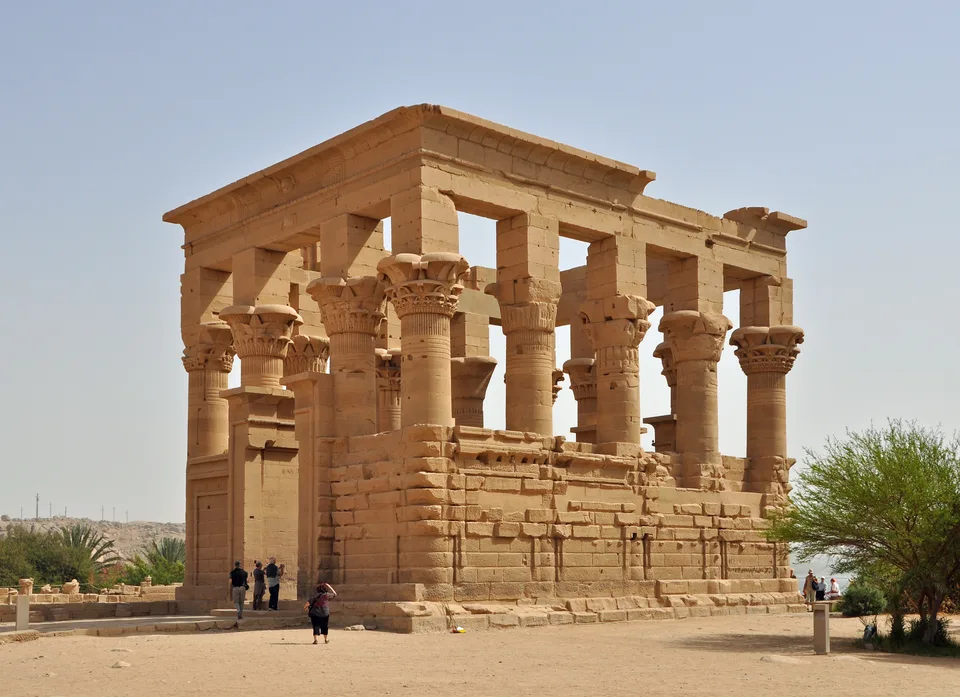
The Ministry of Tourism and Antiquities’ Philae page describes a complex dominated by Ptolemaic monuments, including the Temple of Isis and the Kiosk of Trajan. The buildings were moved from the original Philae island to nearby Agilkia during the Nubian rescue campaign. The setting is striking, but the relocation is an essential part of the story.
The official ticket page lists foreign-adult admission at EGP550 and foreign-student admission at EGP275. It publishes a 7am opening and 3pm last entry. Confirm the applicable category, opening arrangements and any additional product before paying. Older prices in a printed guide should not override the current ticket listing.
Arrange transport to the landing and the return boat clearly. Ask whether the boat charge is for your party or per passenger, how long the boat waits and what happens if plans change. Do not assume site admission includes a privately arranged crossing or guide. Leave enough time to look at reliefs and architectural details rather than rushing back for another tightly scheduled stop.
Use the Unfinished Obelisk to understand the work behind monuments
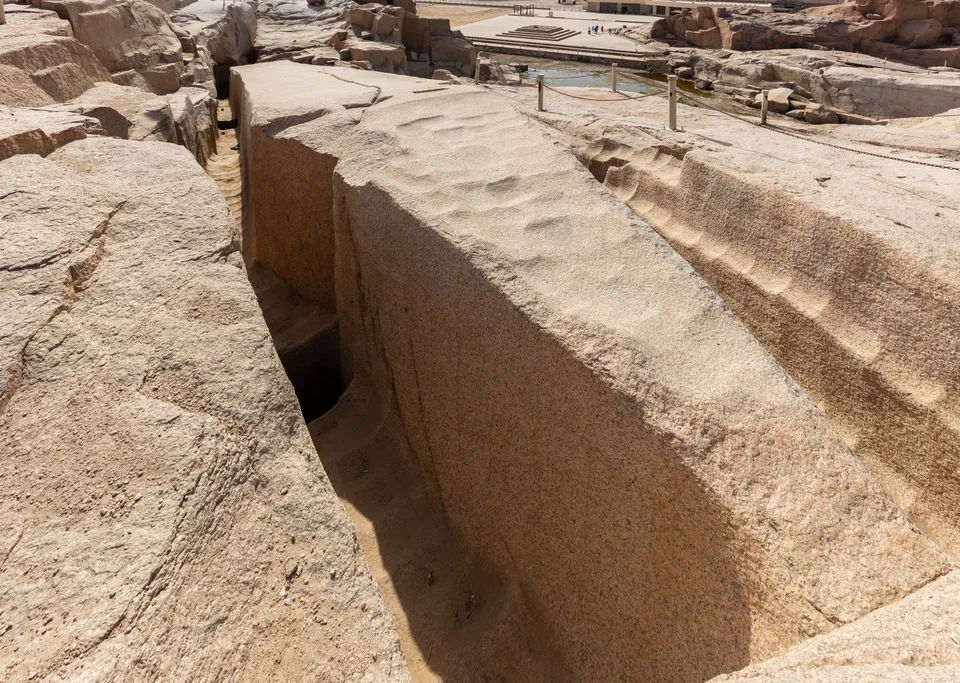
The Unfinished Obelisk remains attached to the granite bedrock from which it was being extracted. It offers a different kind of encounter with ancient Egypt: the process of making a monument, including the point at which work could not continue. The quarry helps explain how enormous pieces of stone were shaped before they reached a temple or ceremonial setting.
The official Unfinished Obelisk ticket page lists foreign-adult admission at EGP220 and student admission at EGP110, with opening from 7am and last entry at 3pm. Check current arrangements and student eligibility before visiting. A morning visit can fit well around the exposed ground, particularly in hotter weather.
Wear shoes that cope with the route and ask about access if uneven surfaces or steps are a concern. The scale is easier to appreciate when you pause and look along the stone, not simply take a photograph from the first viewpoint. Bring water, use sun protection and avoid making the quarry the final compulsory stop of an already exhausting outdoor day.
Give the Nubian Museum time before another temple
The Nubian Museum’s ministry introduction traces its development to the campaign to preserve Nubian heritage and records its opening in 1997. Archaeological objects, displays about local traditions and an outdoor setting help place the region’s history in a broader cultural and environmental context. It is a useful counterweight to an itinerary focused exclusively on monumental architecture.
The museum’s official ticket page lists foreign-adult admission at EGP400 and student admission at EGP200. The ministry publishes daytime visiting from 9am–5pm, with the ticket window closing at 4pm, plus Thursday and Friday evening sessions from 6pm–9pm with an 8pm ticket cut-off. Reconfirm holiday and Ramadan arrangements, which can differ.
Approach Elephantine and Nubian communities as living places
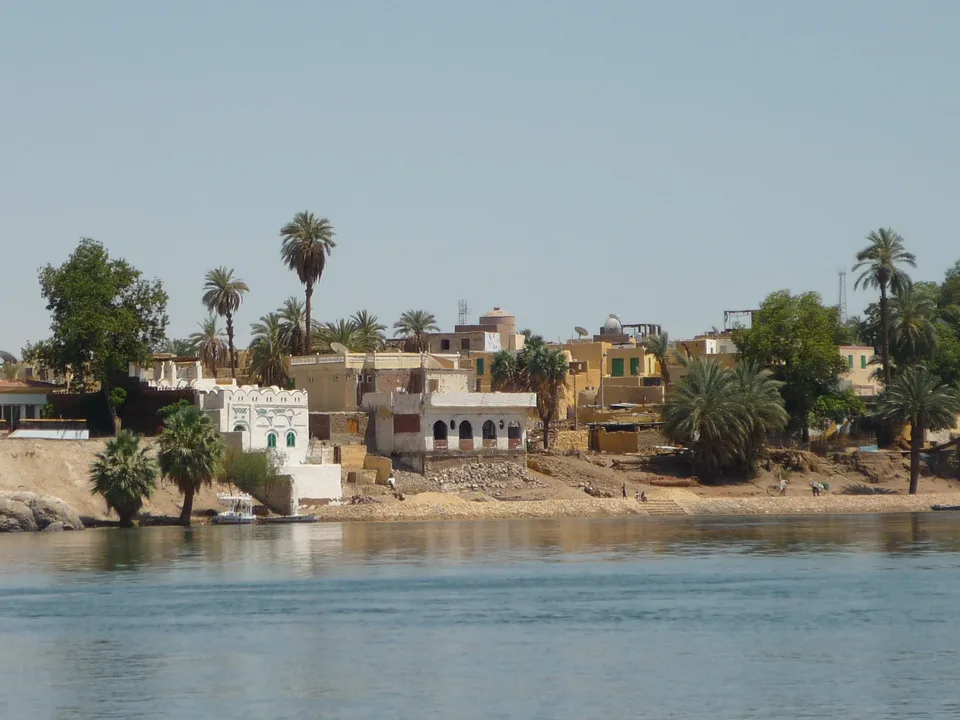
Elephantine combines archaeological remains with inhabited areas and river journeys. The ministry’s Aswan visitor guide helps place the island among the city’s museums and archaeological sites. Check which entrance or landing serves your plans: an island crossing, access to a village and admission to a managed archaeological area are separate arrangements.
Nubian communities offer opportunities to learn about language, architecture, crafts and food, but residents’ homes are not automatically visitor attractions. Arrange any home visit through the host, establish what is included and pay the agreed amount. Let a guide explain the local context without expecting every household to provide a performance or a photograph.
Ask about materials and makers when buying crafts, and respect a refusal to be photographed. Choose a manageable visit rather than combining several communities in a race between boats. A conversation, a meal arranged in advance or time looking at the relationship between houses and river can be more worthwhile than a sequence of identical shopping stops.
Choose a boat outing by its actual conditions
A felucca sail, a motorboat transfer and an overnight cruise are different products. Before paying, establish the vessel, route, duration, passenger numbers and what is included. Ask where the trip begins and ends, whether the quoted time includes waiting or transfers, and what happens if wind or other conditions alter a sailing plan.
Inspect the boarding arrangement and ask about properly fitting life jackets, especially for children. Discuss shade, drinking water and toilets where relevant. A longer outing needs more preparation than a brief crossing. Someone with a mobility limitation should ask about the landing as well as the boat, including how to return if an alternative landing becomes necessary.
Do not turn a river outing into an impromptu swim. The CDC’s schistosomiasis guidance advises avoiding swimming, bathing or wading in freshwater in affected countries and identifies the Nile among transmission settings. Attractive water and a reassuring invitation do not establish that it is safe. Seek individual travel-health advice before the trip if you have questions about exposure or medical precautions.
Arrive by air or rail with the final transfer settled
The Civil Aviation Ministry’s Aswan airport page confirms the airport’s role in domestic and international travel. Check your actual flight with the airline, including whether a connection is protected or separately ticketed. A destination appearing in an airport description does not establish a flight on your date. Keep the accommodation’s address and contact details available offline.
Arrange the road transfer and any onward island crossing together if possible. Request the full cost, meeting point, luggage arrangements and waiting terms before arrival. For an early departure, confirm who provides the boat and vehicle, rather than assuming that ordinary daytime arrangements also operate before dawn. No fixed airport taxi price is quoted here because a reliable current citywide tariff could not be established.
For rail, use Egyptian National Railways to confirm the available service, ticket category, identification requirements and purchase channel. Compare the complete journey with flying, including sleep, arrival time and station transfers. If booking a sleeper, identify the actual operator and accommodation offered. A seat on an overnight train and a private sleeping compartment are not interchangeable products.
Eat, browse and budget in Egyptian pounds
Aswan’s markets and cafés belong to a working city as well as a visitor economy. Look at menus before ordering, clarify whether a meal is shared or individually priced and ask about ingredients. Hibiscus tea is one drink associated with the region; decide whether you want it hot, cold or sweetened rather than assuming every preparation is the same.
For a longer stay, visit everyday food shops near the proposed home and compare the products you actually use. Restaurant bills cannot establish a household grocery budget. Check how you will store food, obtain drinking water and cook comfortably. If dietary requirements are important, discuss them with a host or kitchen rather than relying on a dish’s name.
Budget in Egyptian pounds, distinguishing admission from boats, road transport, guides and optional activities. The verified foreign-adult prices for Philae, the Unfinished Obelisk and the Nubian Museum total EGP1,170 before transport or other costs. Treat that as a defined admissions subtotal, not a promise about a complete day. Keep modest cash available and confirm card acceptance before committing to a purchase.
Put the season and the heat into the schedule
The tourism authority’s geography and climate information describes hot, dry summers in the Nile Valley and a milder winter period extending broadly from November to April. For a visit built around exposed archaeological sites, the cooler months are a practical starting point. Check the actual forecast before deciding how much outdoor time to schedule.
In hotter conditions, begin early, reduce the number of sites and preserve a proper break. Shade on a boat or at an attraction should be confirmed rather than assumed. Carry drinking water and use suitable sun protection. A programme that looks manageable on a map may feel entirely different after time in a quarry or waiting at a landing.
Choose accommodation with cooling that works in the room you will occupy, and ask whether electricity or cooling costs are included. Winter evenings can also call for an extra layer. If you feel unwell, stop the activity and obtain appropriate assistance rather than pushing through to complete a prepaid itinerary. Arrange personal health advice before travel when relevant.
A three-day introduction with a fourth for Abu Simbel
Use the first full day for the Nubian Museum and a manageable introduction to the east-bank streets and waterfront. Add a short boat trip only if it fits your energy and the conditions. This creates time to orient yourself and confirm the next days’ transport rather than beginning with the most demanding excursion immediately after arrival.
On day two, visit Philae early enough for an unhurried crossing and time inside the complex. Add the Unfinished Obelisk if the remaining hours and heat make it comfortable. On day three, choose Elephantine or a visit arranged with a Nubian community, allowing enough time to stay rather than continually moving between landings.
Reserve a separate fourth day for Abu Simbel if it is a priority. People considering relocation can substitute housing and commuting appointments for an excursion. Keep the order flexible around museum sessions, weather and transport. A cruise itinerary may already include some of these sights, so check inclusions before paying for a duplicate visit or adding a hurried independent tour.
Understand the High Dam and the Abu Simbel journey
The Water Resources and Irrigation Ministry’s High Dam information explains the infrastructure’s role in water storage and regulation. A visit adds a modern dimension to the archaeological itinerary, but confirm visitor access, identification and photography instructions beforehand. Do not assume that a panoramic viewpoint and access to operational infrastructure are the same thing.
The ministry’s Abu Simbel page describes the major rock-cut temples near Egypt’s southern border. It is a substantial excursion from Aswan, requiring a separate road or air plan and current admission arrangements. Confirm the departure time, vehicle, return, meal stops and cancellation terms. Avoid placing a long excursion immediately before an inflexible international connection.
Lake Nasser and the Nile cruise route north towards Luxor belong to different boating itineraries. Ask an operator to identify the actual embarkation point and route; a general phrase such as Aswan cruise does not explain which waterway or monuments are included. For a longer cruise, check the named vessel, cabin, berth, included visits and the arrangements if the programme changes.
Test a home through the routines of a working week
Begin with where you need to be regularly, not a photograph of a terrace. Compare an east-bank address with island or west-bank accommodation through actual journeys to work, study, healthcare and shopping. If a boat is involved, test the timing and expense repeatedly, including the evening return and any early start your routine requires.
At viewings, inspect ventilation, cooling, hot water, water pressure and the practicality of the kitchen. Ask about power interruptions and how the building handles them. Check mobile reception indoors, steps, deliveries and who deals with repairs. A room comfortable for a short winter holiday may not suit a household living and working there through hotter months.
Separate rent from electricity, water, internet, cleaning and any building charge. Verify the landlord’s authority and obtain written terms for the deposit, inventory, maintenance and notice. Have unfamiliar wording explained independently before paying. Temporary accommodation can provide time to inspect current options without committing to a lease based on a broad citywide rent estimate.
Establish utilities, healthcare and household support
The Egyptian Electricity Holding Company’s distribution guide places Aswan within the Upper Egypt Electricity Distribution Company’s area. The Aswan Water and Sanitation Company provides local customer information. Ask a landlord to show recent bills, explain the meters and identify who controls each account. Agree how readings, payment and final settlement will be handled.
For internet, establish availability at the exact property and the installation and cancellation terms. Test the workspace and a backup connection if your income depends on being online. Families should contact schools directly about places, language, fees and documents, then examine the daily journey before choosing a home around an unconfirmed admission.
Aswan University Hospital’s clinic information is one official starting point for local services. Identify the appropriate facility for urgent care and any ongoing treatment you need, confirming access and payment directly. Do not assume a specialist institution treats every emergency or that a visitor receives the same cover as a locally enrolled patient. Check insurance limits and evacuation arrangements before departure.
Confirm entry permission before travelling to Aswan
Use Egypt’s official eVisa FAQ to check nationality eligibility, documents and fees. The current portal lists a single-entry tourist visa at US$30 and multiple-entry tourism at US$65. It requires a passport valid for at least six months from arrival and lists an eVisa printout, itinerary and accommodation information among arrival documents. Check your own category before paying.
VisaWand’s Egypt destination page provides another planning starting point, with the passport selection checked carefully. An eVisa available to one nationality does not mean another traveller can use the same route. Distinguish the permission’s validity from the number of days you may remain, and use the consulate responsible for your residence where advance consular clearance is required.
UK entry guidance for British-citizen passport holders explains that the limited South Sinai resort permission does not cover travel elsewhere in Egypt. It cannot be used as permission for an Aswan visit. Check the entry record and authorised stay on arrival, and contact the competent immigration office before expiry if your plans change. Do not build an itinerary around an assumed automatic extension.
Work, study and settlement require separate preparation
The Egyptian Consulate’s visa guidance distinguishes non-touristic purposes and states that residence permits and work permits are obtained through the authorities in Egypt. A tourist visa is not evidence that you may take employment, study long term or establish permanent residence. Confirm the appropriate entry category and subsequent procedure for the purpose of your move.
Employment plans need an employer’s cooperation and a clear explanation of authorisation, documents and timing. For study, obtain admission and ask the institution about the relevant immigration process. Remote work should also be checked explicitly. Renting property or having overseas income does not itself answer the permission or tax questions, and a residence application should not be treated as guaranteed approval.
VisaWand’s consultant listings can help locate professional assistance. Verify credentials, scope and written fees, and retain copies of the advice and documents you receive. Ask which records need translation or authentication before leaving home. The useful outcome is a workable, lawful route matched to your circumstances, not a promise of permanent status after a standard number of days.
Keep onward travel realistic and check current conditions
Luxor’s city page offers a natural comparison for an extended Nile itinerary, while Kom Ombo’s location page helps place another possible temple visit. Abu Simbel’s location page distinguishes the southern destination from central Aswan. Choose the additional journey that fits your interests and available days rather than collecting transfers at the expense of time on site.
Before an excursion, consult current government travel advice for Egypt and confirm the route with an established operator. Road, river and rail travel each need their own checks. Ask about vehicle condition, life jackets where relevant, identification requirements and how an interrupted journey is handled. Protect spare funds and documents and plan the return after dark carefully.
Follow site instructions about cameras and restricted infrastructure, and obtain appropriate permission before photographing people. A long lens or an open viewpoint does not establish permission to photograph a sensitive installation. Leave room in the programme for changes, especially around long road excursions and departures. Aswan works best when practical arrangements give you time to enjoy the river and the city.
Official planning resources
Reviewed 17 October 2026. Use the official resources linked throughout this guide for admission, transport, housing and immigration decisions. Prices, services and rules can change; confirm the details relevant to your dates. Photography illustrates the locations and is not a live view.
View all official resources
- Egyptian Tourism Authority: Aswan and Abu Simbel
- UNESCO: Nubian Monuments from Abu Simbel to Philae
- Ministry of Tourism and Antiquities: Philae
- Official monument ticketing: Philae
- Official monument ticketing: Unfinished Obelisk
- Ministry of Tourism and Antiquities: Nubian Museum
- Official monument ticketing: Nubian Museum
- Ministry: guide to Aswan museums and archaeological sites
- CDC: schistosomiasis and freshwater travel
- Egypt Civil Aviation Ministry: Aswan International Airport
- Egyptian National Railways: passenger information
- Egyptian Tourism Authority: geography and climate
- Water Resources and Irrigation Ministry: High Dam and Aswan Reservoir
- Ministry of Tourism and Antiquities: Abu Simbel
- Egyptian Electricity Holding Company: distribution areas
- Aswan University Hospital: outpatient clinic information
- Egypt Interior Ministry: official eVisa FAQ
- UK government: Egypt entry requirements
- Egyptian Consulate UK: visa purposes and permits
- UK government: Egypt safety and security
Plan the next part of your journey
Explore the Egypt guide, browse other cities or compare consultants for your travel and relocation questions.