Visa
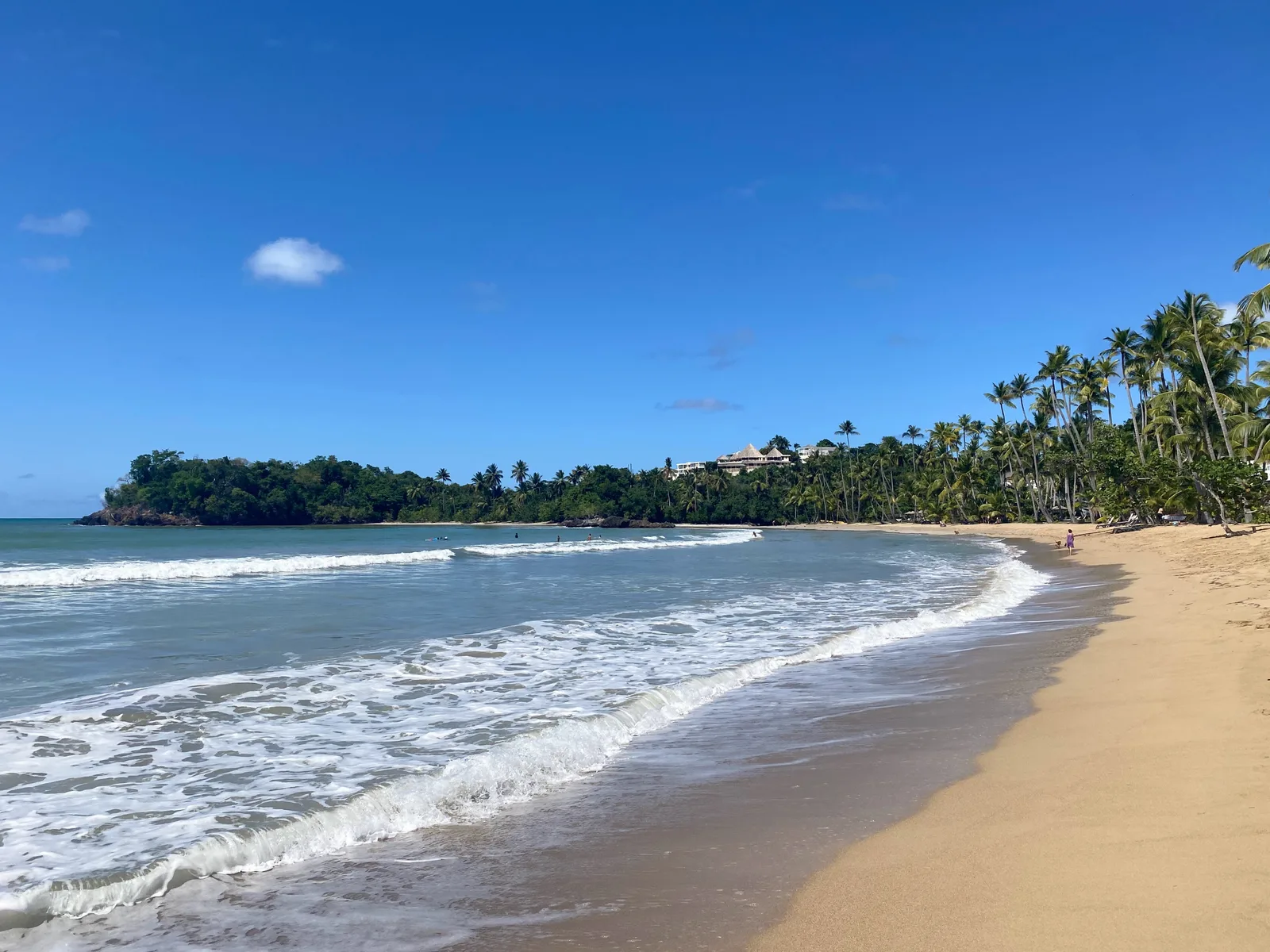
A beach town that rewards choosing the right base
Las Terrenas combines a Dominican coastal town with an international visitor community. You can come for a relaxed beach holiday, a week of meals and excursions, or a trial stay before considering a move. Its appeal lies in that mixture: everyday businesses and restaurants sit within a wider landscape of beaches, hills and places to explore.
The setting is on the northern side of the Samaná Peninsula, facing the Atlantic. Las Terrenas is not the same place as Santa Bárbara de Samaná, the provincial centre on the bay. Those names can appear together in accommodation and excursion advertising, but the actual address determines your journey and the kind of holiday you will have.
Use VisaWand’s Dominican Republic country guide for the national context, then the destination directory to compare places. Here, the useful first decision is whether you want convenient access to town, a particular stretch of beach or a quieter property that requires more transport.
Read its history beyond the holiday image
The municipality’s account of Las Terrenas traces the modern settlement to 1946, when the Trujillo government relocated poor residents from Santo Domingo to work as farmers and fishermen. That history deserves recognition alongside the more familiar story of a fishing village becoming a visitor destination. It was not simply an empty coast awaiting discovery.
The municipal account also describes earlier Taíno presence and later European arrivals, particularly during the 1970s and 1980s. Its tourism history identifies the development of accommodation and the creation of the northeastern tourism zone in 1994 as important stages in the town’s transformation.
Today, the international influence is visible in food, accommodation and the languages heard around visitor businesses. Spanish remains the country’s official language. Treat a multilingual hotel reception as a convenience for a holiday rather than evidence that housing paperwork, school administration or every essential service will be available in your preferred language.
Distinguish town, beaches and the wider peninsula
The official Las Terrenas overview identifies Playa Bonita, Cosón, Las Ballenas and Punta Popy among its principal beach areas. They are useful names for narrowing a search, but they do not describe interchangeable accommodation locations. Compare each property with the actual places where you expect to eat, shop and spend time.
A stay near the town’s restaurants can suit people who enjoy going out and making different choices each evening. A more distant beach property can suit those content to spend much of the day around their accommodation. Consider the return journey after dinner as carefully as the outward trip in daylight.
Also distinguish a peninsula excursion from a local beach visit. Waterfalls, a bay boat trip and Los Haitises are not all encountered by walking along the town’s shore. Put the departure point and road transfer on the map before deciding that an advertised activity fits comfortably into a half-day.
Pick a beach for the day you actually want
Punta Popy’s official visitor information describes a social beach and water-sports area, with restaurants across the road. It can suit travellers who want activity and choices nearby. Kitesurfing, paddling and swimming make different demands, so ask where each activity is appropriate under the conditions of the day.
Playa Bonita offers another setting for a beach-focused stay, while the tourism board’s Cosón information places that beach west of the town and links the coastal landscape with Punta Bonita. Choose according to your interests and accommodation rather than trying to cover every named beach in one outing.
Check the sea before entering it. Waves, currents, wind and access vary along the coast and over time. A photograph, a calm-looking section or a description aimed at families cannot establish safe swimming. Ask about current conditions and supervision, and keep learners clear of areas being used for board sports.
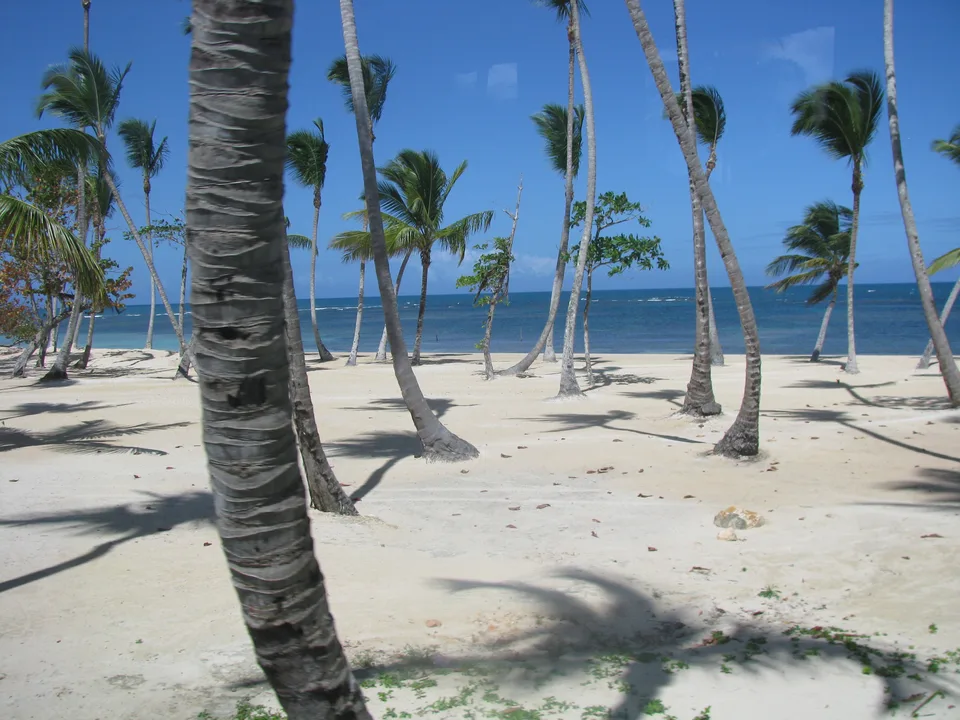
Decide how much distance from town suits you
Playa Portillo’s visitor page describes resorts and villas east of town. For someone seeking a stay centred on a property’s facilities, that can be a useful alternative to a room amid restaurant and street activity. For someone planning frequent town visits, it changes the transport calculation.
The same principle applies to accommodation around Bonita and Cosón. Check the actual entrance, road access and journey to everyday destinations. A beachfront position and an address in the wider Las Terrenas area do not establish that groceries, a pharmacy or your chosen restaurant are a comfortable walk away.
Before booking, imagine an ordinary day: breakfast, the beach, a midday rest and dinner. Count the movements that require a vehicle and compare their likely cost with the room saving. For a longer stay, repeat the exercise for shopping, classes or work. Small repeated journeys can matter more than one airport transfer.
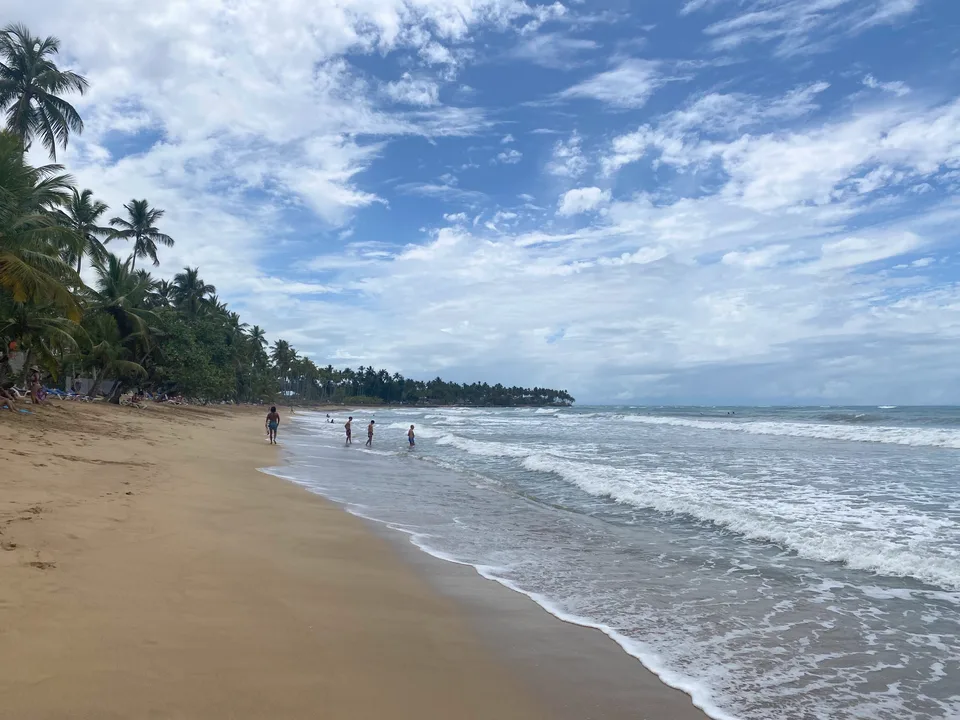
Match the accommodation to the household
Small hotels, apartments, villas and resort-style properties solve different needs. For a short break, reception support and a convenient meal option may be valuable. For a family or a longer stay, separate sleeping space, cooking facilities and laundry can change daily comfort and spending more than a decorative room upgrade.
A verified example is Hotel Atlantis’s own room information at Playa Bonita. It distinguishes standard, garden-view, sea-view and family categories. The distinction illustrates why a property-level promise of a sea view should not be applied to every reservation. Confirm the exact category and facilities attached to your booking.
For any accommodation, request the complete price for your dates and occupancy, including taxes, additional charges and cancellation terms. Check air conditioning, screens, water arrangements and access for anyone with limited mobility. If renting a villa, establish who responds to a problem and whether cleaning, electricity and deposits are included or charged separately.
Compare airports before comparing airfares
AERODOM’s El Catey airport information identifies AZS, officially Presidente Juan Bosch International Airport, as approximately 23 kilometres from the municipality of Las Terrenas. Its location makes it an important option to investigate, but flight availability and seasonal schedules still need checking with the airline for the actual dates.
Santo Domingo’s Las Américas airport, SDQ, is another arrival option, with a longer road connection. Use the tourism authority’s airport overview to distinguish airports, then ask a transport provider for the full journey to your specific property. A cheaper flight can lose its advantage after a long transfer or an overnight stop.
Obtain a quotation that states passenger count, luggage, child-seat needs, tolls and waiting arrangements after a flight delay. Avoid building a reservation around a single published driving estimate. Road conditions, traffic and the property’s position change the journey, particularly when the final destination lies away from the central beach areas.
Plan public transport through the final connection
The Atlantis hotel’s directions identify Asotrapusa for journeys between Santo Domingo and Las Terrenas. They provide a practical starting point for enquiries, but old online timetables and fares should be reconfirmed with the operator. A hotel directions page is not a guaranteed current passenger schedule.
Establish the departure terminal, arrival point, luggage arrangements and last useful service before choosing a bus connection. Arriving in Santo Domingo by air does not automatically place you at the intercity departure point. Allow for that additional transfer, and check how you will reach accommodation after getting off in Las Terrenas.
For local journeys, agree on destination and price before departure with an established provider. Consider the needs of the whole group rather than choosing transport solely because it is common or inexpensive. Luggage, children, road conditions and the return after dinner can make a suitable vehicle more important than a small fare saving.
Put regional food ahead of a restaurant checklist
The tourism authority’s Samaná dining overview highlights coconut and ginger, with pescado con coco among the region’s characteristic dishes. Seafood and international cooking both feature in the local visitor economy. That gives room to explore without treating every meal as an attempt to find one supposedly definitive restaurant.
Look at the actual menu, not only photographs or a promise of beachfront dining. Ask what a fish dish includes, whether a quoted price is by portion or weight, and which accompaniments cost extra. Explain allergies and other dietary requirements before ordering; a familiar dish name does not establish its ingredients.
For shopping, distinguish an occasional souvenir from the supplies needed for an apartment stay. Check grocery access, cooking equipment and storage at the property before assuming self-catering will be convenient. Local shops and visitor boutiques serve different purposes, and carrying purchases back from town belongs in the accommodation decision.
Give El Limón a proper excursion slot
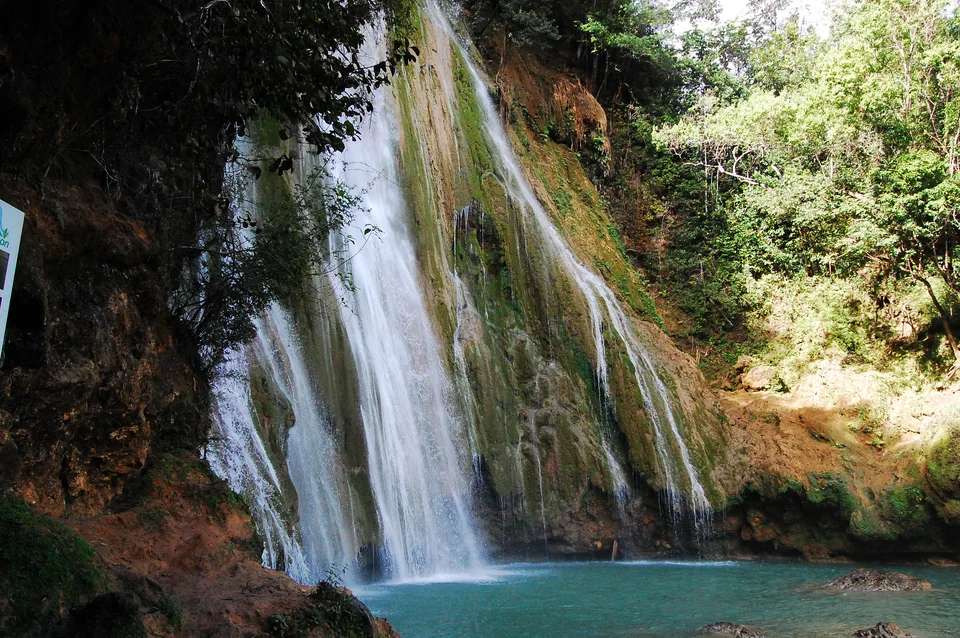
Salto El Limón offers a different landscape from the coast. The tourism authority describes a waterfall dropping about forty metres and an approach through hilly forest, on foot or horseback. It deserves its own transport and activity plan, rather than being added as a quick roadside stop between other bookings.
Ask the provider which starting point and route will be used, how much walking remains, and whether steps, mud or steep sections affect suitability. Establish what the price includes: transfers, guide, admission, equipment and any meal. Assess the condition and treatment of horses if considering a riding option; participation should remain a choice.
Water levels and access can change after rain. Follow current directions and do not treat an attractive pool as permission to swim or jump. The El Limón river area also includes smaller cascades and places near the town, so confirm that a tour described simply as El Limón visits the landmark you intend to see.
Choose wider Samaná outings selectively
The Samaná destination overview identifies a broader landscape of mangroves, caves, coastal scenery and bay excursions. Las Terrenas can be a base for exploring it, but the starting point determines the time commitment. An activity associated with Samaná may begin on the other side of the peninsula.
For a Los Haitises outing, ask where the boat departs, how road transport is arranged and what weather conditions lead to cancellation. For wildlife excursions, verify the season and the operator’s rules before booking. An animal appearing in destination publicity is not a guarantee that it will be present during your travel dates.
Compare an excursion day with simply remaining at the coast. Families, travellers sensitive to boat motion and people with limited time may prefer one carefully chosen trip. Avoid booking several long outings merely because they are marketed from the same town; leave space to enjoy the accommodation and beach setting you selected.
Use a four-day plan with one flexible day
On the first day, settle into the property and explore the immediate area in daylight. Establish the route to a meal, groceries and your return transport. Keep the beach visit modest after a long journey; there is little benefit in arriving tired and immediately committing to a demanding excursion.
Use the second day for a beach area that matches your interests: a lesson or supervised activity where suitable, a coastal walk, or a quiet day around Bonita or another chosen shore. Build in shade, water and a rest. Reserve equipment or instruction through an appropriate provider rather than assuming availability on arrival.
Devote the third day to El Limón if conditions and the route suit your group. Keep the fourth flexible for another beach or a wider peninsula excursion. With only two days, remove the distant outing. With a week, spread activities between rest days instead of filling every morning with transfers and fixed departures.
Plan for tropical weather without expecting guarantees
The official destination information identifies December to April as the principal visitor season. That is useful context for comparing availability, but it does not guarantee uninterrupted sunshine or calm seas. Ask the property about the setting and check forecasts close to travel rather than relying on a national seasonal slogan.
The tourism authority’s practical guidance identifies the Atlantic hurricane season as June through November. Heat, humidity and rain affect outdoor plans at other times too. Pack for sun and wet conditions, and keep some flexibility around boat trips, lessons and trails rather than committing every day to one weather-dependent activity.
If a storm threatens, follow current official instructions and the arrangements at your accommodation. Check insurance and cancellation conditions before purchase. A lower seasonal room price is only part of the decision; consider whether you can change dates, manage disrupted connections or spend time comfortably indoors if outdoor plans become unsuitable.
Take everyday safety seriously
Read the current government safety guidance before travel and apply it to the actual property and route. Theft, road risks and isolated areas deserve attention even in a destination with an established visitor community. Avoid leaving valuables unattended on the beach, displaying large amounts of cash or assuming a late walk is sensible because it was pleasant by day.
Arrange evening transport and keep the accommodation address available offline. If hiring a vehicle, review insurance, road conditions and parking. Familiarity with a town after several days does not remove the physical risks associated with motorcycles, unfamiliar roads or driving after drinking.
For water activities, choose instruction and equipment appropriate to your experience and confirm insurance coverage. Keep children under close supervision and reassess conditions during the day. Safety planning should support the holiday’s actual activities, from a beach afternoon to a forest excursion, rather than appearing as an unrelated checklist after everything has been booked.
Test a longer stay before committing to housing
A trial stay can reveal whether the place suits ordinary life as well as holidays. Choose a period long enough to experience shopping, household tasks and the journeys you expect to repeat. If considering remote work, test connectivity and a suitable workspace while establishing the immigration and tax implications separately.
Inspect the proposed home and its approach. Check ventilation, air conditioning, screens, roof condition, drainage, appliances and water storage. Ask about interruptions and the arrangements for maintaining a pool or shared facilities. A sea view does not answer questions about daily comfort, noise or getting groceries home.
Obtain written terms for rent, deposits, notice, repairs and included services. Verify the owner or authorised agent before transferring money. This guide does not establish a current rental average or a universal deposit limit for Las Terrenas; a few holiday listings are not sufficient evidence for either claim.
Understand utilities before the first bill
Luz y Fuerza’s customer guidance is directly relevant to local household planning. It asks for documentation establishing ownership or tenancy and identification, with passport or legal-residence documentation for foreign applicants. Confirm the arrangements for the actual address rather than assuming that a landlord’s informal assurance completes the account process.
The company distinguishes transferring a contract from moving a meter: the supply relates to a specific property. Its guidance also describes a deposit calculated around expected equipment use rather than one fixed charge. Ask how consumption is metered, who receives the bill and whether electricity is included in the rent.
For water, investigate the connection, storage and maintenance responsibilities at the property, using INAPA’s official information where applicable. Test the internet service you will actually use. Families should confirm the school location, language, admissions and transport; a town’s international character does not guarantee a particular curriculum or a place for every child.
Plan healthcare around your own needs
Use government health information to prepare for treatment, prescriptions, insurance and possible evacuation. Identify appropriate care and confirm local emergency contacts with the accommodation before an urgent situation. The existence of services somewhere in Samaná province does not establish that a particular specialist or rapid transfer will be available at your address.
Bring necessary medication with its documentation and ask a qualified professional about health precautions relevant to your circumstances and itinerary. Mosquito exposure, outdoor heat and water activities require practical preparation. A person managing a continuing condition should investigate the required medicines and clinical support before choosing a long stay.
Keep the insurer’s assistance details and property location accessible offline. Clarify payment arrangements if care is needed. Prospective residents should compare ongoing coverage and transport to appointments, rather than treating short-term travel insurance as a complete household healthcare plan or assuming that every policy covers every planned activity.
Separate visitor entry from moving permission
Check the official entry requirements for your nationality and travel documents. Passport-validity exceptions for specified nationalities were listed through 31 December 2026 at review; these should not be generalised to everyone or assumed to continue indefinitely. Confirm return-ticket, address and financial requirements before departure.
Passengers on commercial flights must complete the free official electronic entry and exit form. It is an immigration and customs form, not a visa or an airline ticket. Use the government portal and retain the confirmation. Paying an overstay charge does not establish permission to work or a reliable route to residence.
For moving, review DGM’s temporary residence requirements and MIREX’s separate visa categories for employment, study and residence. The ordinary residence process includes a residence visa and further documents; approval is not automatic. VisaWand’s Dominican Republic consultant listings can help locate professional support. Verify credentials and the official route before making commitments based on a holiday experience.
Compare the nearby alternatives before deciding
If bay excursions and provincial services dominate the plan, compare the Samaná destination page with Las Terrenas. If a different coastal setting is the priority, investigate the Las Galeras destination page. These location pages help establish alternatives; check their current content rather than assuming every directory entry supplies a finished travel guide.
For a trip combining beach time with national history or administrative appointments, the Santo Domingo destination page offers another starting point. Allocate separate time and transport instead of treating the capital as an incidental stop attached to a beach stay. The right combination depends on the traveller’s purpose and available days.
Las Terrenas works best when its scale and geography shape the plan. Choose a base that fits the household, verify the services and leave enough time to enjoy the coast. For a move, repeat those decisions with ordinary weeks, household costs and legal permission in mind before exchanging a flexible visit for lasting commitments.
Official planning resources
Reviewed 26 October 2026. Use the official resources linked throughout this guide for admission, transport, housing and immigration decisions. Prices, services and rules can change; confirm the details relevant to your dates. Photography illustrates the locations and is not a live view.
View all official resources
- Las Terrenas municipal history
- Las Terrenas municipal tourism history
- Dominican Tourism Las Terrenas destination
- Dominican Tourism Punta Popy
- Dominican Tourism Playa Coson and Punta Bonita
- Dominican Tourism Portillo
- Atlantis official room categories
- AERODOM El Catey airport
- Dominican Tourism airport options
- Atlantis official directions and transfer information
- Dominican Tourism Samana dining
- Central Bank Dominican currency
- Banreservas currency calculator
- Atlantis official restaurant menu
- Pro Consumidor legal service charge
- Dominican Tourism Salto El Limon
- Dominican Tourism El Limon river
- Dominican Tourism Samana overview
- Dominican Tourism practical travel tips
- UK Dominican safety guidance
- Luz y Fuerza Las Terrenas customer guidance
- INAPA official water service
- UK Dominican healthcare guidance
- Official tourism entry requirements
- Official free Dominican eTicket form
- DGM temporary residence RT9
- MIREX visa categories and requirements
Plan the next part of your journey
Explore the Dominican Republic guide, browse other cities or compare consultants for your travel and relocation questions.