Visa
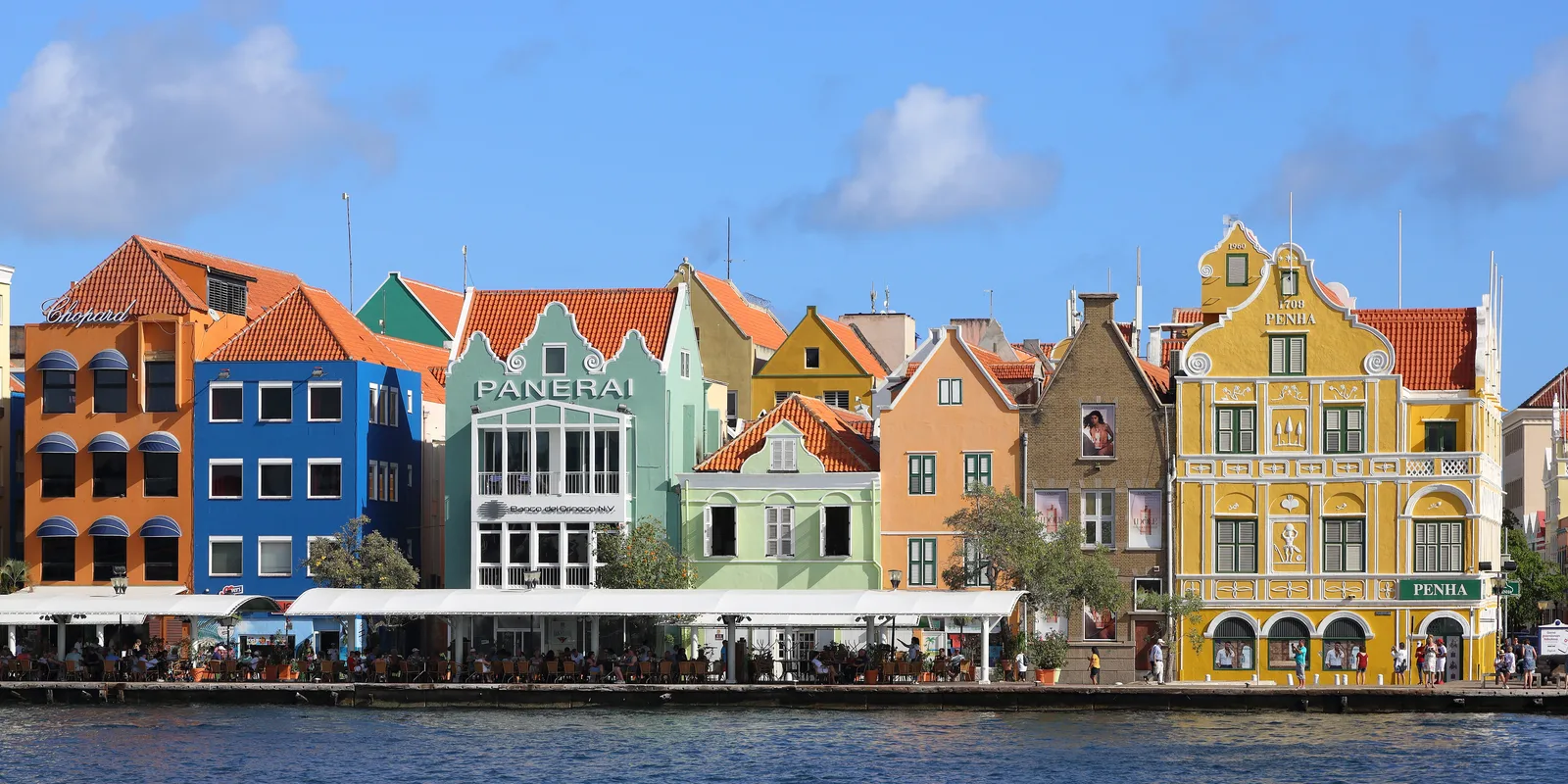
Willemstad rewards a stay beyond the waterfront photograph
Willemstad is a harbour city where a museum morning, a market lunch and an evening out can belong to the same day. Curaçao’s capital is a useful base for travellers who want history and urban life alongside the island’s beaches. It also gives prospective residents a practical starting point for assessing services and everyday journeys.
The most useful first decision is whether your accommodation should serve a city holiday or a beach holiday. A colourful waterfront address does not necessarily provide a sandy swimming beach, and an island resort may require transport for every museum visit. Choose around the activities you expect to repeat, rather than the view in a booking photograph.
VisaWand’s Curaçao location directory and destination page put the capital in a wider context. Allow two days for a selective city visit, or three to combine it with an island excursion. A relocation assessment needs additional weekdays for appointments, housing inspections and a realistic commute test.
A trading harbour with a complex history
The UNESCO account of historic Willemstad traces the Dutch trading settlement to 1634 and explains how its buildings developed through connections with European and Caribbean trading towns. The protected historic area, inner city and harbour entered the World Heritage List in 1997. That designation concerns a defined historic property, not every building on Curaçao.
The city’s appeal comes partly from seeing architecture around a working waterway. Treat the waterfront as an introduction to that history, then use museums to understand the people and economic systems behind the façades. A pleasant street scene alone cannot explain colonial commerce or the transatlantic slave trade.
Scharloo offers a useful extension when you have another morning. The official Scharloo district page points to the maritime museum and its charts and ship models as one way to explore the harbour’s wider story. Check the museum’s own opening before making a special journey, and leave time to look at the surrounding streets. Choose it as an alternative to another museum when your schedule is already full, rather than adding one more rushed stop.
For a first walk, concentrate on one side of the harbour before crossing. This leaves more time to notice courtyards, changing rooflines and the relationship between streets and water. Carry drinking water and plan an indoor stop rather than trying to cover the entire historic centre in the hottest part of the day.
Four districts help you understand the centre
The tourist board’s sights and district directory identifies Punda, Otrobanda, Pietermaai and Scharloo as the central historic districts. They are useful names when comparing accommodation or arranging a meeting, but ask for the exact street address as well: being in the same district does not guarantee the same walking experience.
Punda works well for a first introduction to the harbour frontage and shopping streets. Otrobanda lies across the water, while Pietermaai and Scharloo extend the historic-city experience beyond the best-known waterfront view. Group nearby stops together, leaving time for a meal or a museum rather than crossing back and forth repeatedly.
If you have limited mobility, assess the actual route between your accommodation and planned stops. Historic paving, kerbs, entrances and heat can matter more than the distance on a map. Ask a hotel about step-free access to the room itself, not simply whether the building has an accessible front door.
Walk Handelskade and plan for the opening bridge
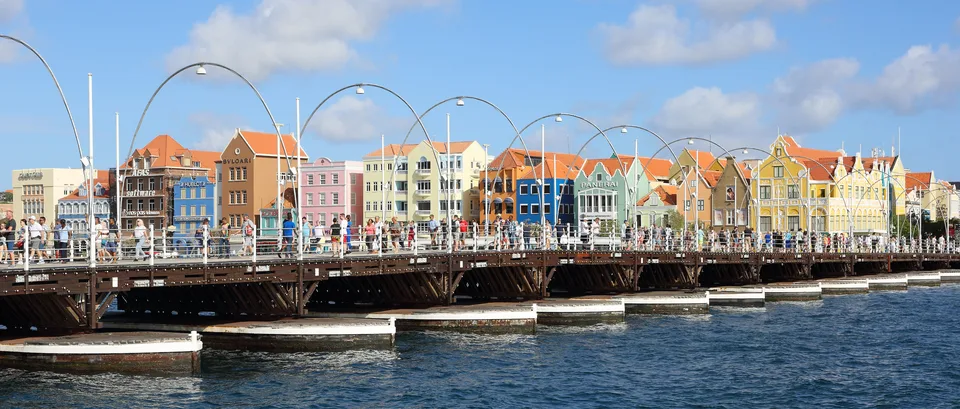
The official Punda overview places Handelskade’s colourful waterfront, shops and cafés beside the Queen Emma Bridge, the pontoon crossing to Otrobanda. This is the obvious place to orient yourself, but it is more rewarding when combined with the smaller streets behind the waterfront rather than treated solely as a photo stop.
The tourism board’s cruise-planning information explains that the bridge swings to accommodate shipping. Keep that possibility in mind when arranging a timed visit or returning to a ship. Establish the crossing arrangements available that day; do not assume a map’s short walking estimate includes a bridge opening.
Cruise passengers should build their plans around their actual berth and all-aboard time. For a short call, choose a central walk and one substantial visit. A distant beach excursion plus several museums creates unnecessary pressure. Staying visitors can return to the harbour at another time of day instead of forcing every photograph into the same circuit.
Give Kurá Hulanda Museum time and attention
Kurá Hulanda Museum’s visitor information makes this an important Otrobanda stop for understanding heritage, Caribbean culture and the transatlantic slave trade. Approach the exhibitions as a substantial part of the day. They provide context that cannot be replaced by walking around restored buildings or browsing nearby shops.
The published international adult admission is US$12, with guided tours charged separately. Opening is Monday–Saturday, 8am–5pm, with last entry at 4pm; Sunday is 9am–3pm, with last entry at 2pm. Holiday arrangements can differ. Check the operator’s page before setting a tightly timed programme.
Payment and access deserve advance attention. The museum says it cannot provide cash change and does not accept American Express. It describes service-entry access for wheelchair users, with assistance needed for some exhibition spaces. Contact staff about your particular needs before arrival. Families can choose a shorter, focused visit and leave room afterwards to discuss difficult material rather than rushing straight into another attraction.
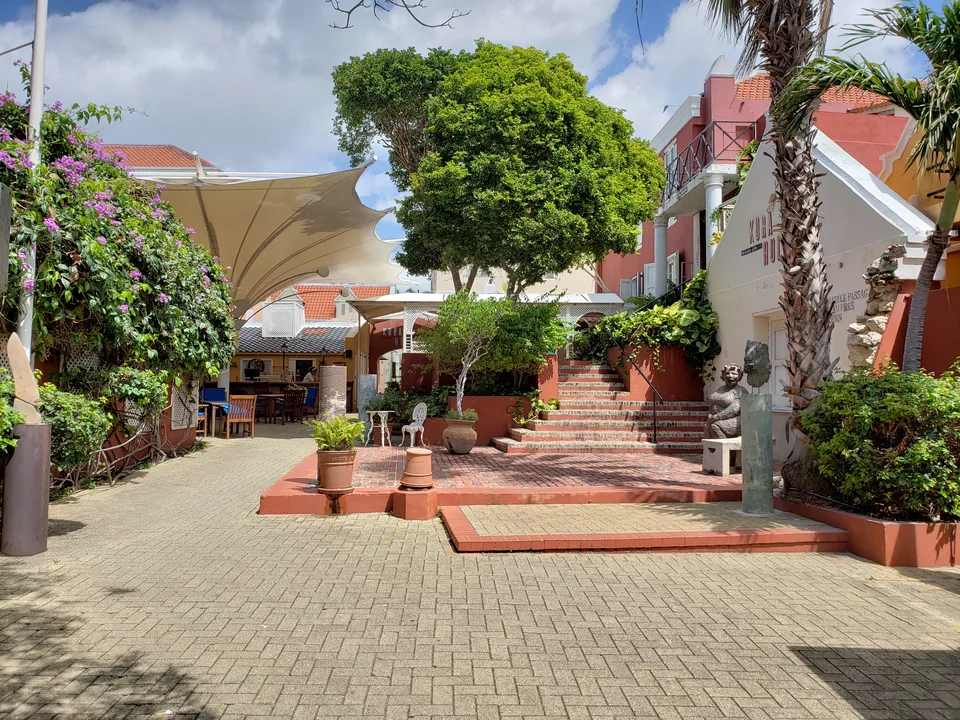
Visit the synagogue as a living place of worship
Mikvé Israel-Emanuel offers another perspective on the city’s history. The congregation dates to 1651, and its current synagogue was consecrated in 1732. Its official hours and ticket page distinguishes visitor admission from religious services, a useful distinction when planning a weekday or weekend visit.
Visitor hours are Monday–Friday, 9am–4.30pm, with last entry at 3.30pm. Published admission is US$18 or XCG32, including an audio tour, with tickets obtained next door at the Jewish Museum Curaçao. Bring valid identification. Check holiday closures before travelling specifically for this visit.
The sand-covered sanctuary floor is a notable feature, but it also affects access: the congregation warns that sand can make movement harder for people using wheelchairs, walkers or canes. Ask about the route through the building if that matters to your party. Religious services have their own protocols; they should not be treated as a substitute for ordinary sightseeing admission. Respect the congregation’s instructions on dress, photography and conduct.
Use Pietermaai for an evening, then test the journey home
An evening in the historic centre can be a worthwhile part of a Willemstad stay rather than an activity added after an exhausting excursion. The tourist board’s guide to travelling without a car highlights Pietermaai as a base for restaurants and nightlife within the central urban area. Compare the particular street and room location before booking.
For a visitor, proximity to an evening meal may be more useful than a large room that requires a car every night. For a light sleeper, the same location can be less appealing. Ask about adjacent venues, late activity and whether your room faces the street. A district’s reputation is only a starting point.
Arrange the return journey before going out if you are staying farther away. Save the accommodation address and confirm the pickup location with your transport provider. Do not base the evening on the assumption that a daytime bus timetable provides the same service after dinner. Keep an easier morning afterwards if you plan a late night.
Make beach time a separate part of the programme
The tourist board’s Mambo Beach listing describes a beach strip combining sand, dining, shopping and entertainment. That makes it a possible choice when you want facilities around a swimming afternoon. It is a different experience from an uninterrupted city walk or an isolated coastal outing, so decide which kind of day you want before arranging transport.
Check the particular beach establishment’s current admission, lounger and reservation arrangements. Do not assume a restaurant booking includes every beach facility, or that a hotel guest’s access applies to a day visitor. Ask about shade, toilets and changing space if travelling with children or someone who needs frequent breaks.
For swimming, assess the conditions on arrival and follow local instructions. Keep a non-swimming option in the plan, particularly when one person wants to spend longer in the water than the rest of the group. Confirm the return pickup point before leaving the vehicle. Combining a relaxed beach afternoon with a meal nearby can work better than returning to the centre for a second lengthy programme.
Choose accommodation for access as well as atmosphere
The official accommodation directory separates hotels and resorts, apartments and holiday homes. Use it to identify suitable types of accommodation, then check the property’s own terms and location. An apartment can suit cooking and a longer stay; a hotel may make arrival, reception assistance and luggage storage simpler.
For a city-focused trip, compare walking access to the museums and meals you want. For repeated beach days, calculate the transport from a central address before deciding it is the cheaper option. Ask whether swimming access means a beach, a pool or a separate facility requiring admission.
Before paying, establish the full price, cancellation rules, taxes, cleaning charges and any electricity allowance. Air conditioning, kitchen equipment, laundry and parking become more significant over a week than overnight. Families should confirm sleeping arrangements and supervision around water. For anyone arriving late, obtain clear check-in instructions and an available contact; a low nightly rate is less useful if collection arrangements are uncertain.
Getting from the airport to your actual address
Curaçao International Airport’s passenger FAQ lists authorized taxis outside the Arrivals Hall, public bus stops near Departures and after Arrivals, and car-rental services. Choose your connection around luggage, arrival time and the final walk to your accommodation. Confirm that a prearranged transfer includes your flight and the correct address.
A taxi quote should state its currency and whether the total covers your entire party and luggage. With a rental car, check insurance, the excess, fuel terms, deposit requirements and the return procedure before paying. Photograph the vehicle’s condition at collection and keep the agreement available.
The airport reports outbound-terminal expansion work beginning in May 2026 and expected to continue into early 2027. Check its current passenger guidance and your airline’s check-in instructions before departure. Leave enough time for returning a car separately from checking in. Avoid scheduling your final island excursion so tightly that one transport delay threatens the flight home.
Buses work best with a specific route and return plan
ABC’s schedules and route maps provide the practical starting point for public transport, with routes beginning or ending at Punda or Otrobanda terminals. Check the correct terminal, stop, day of travel and return departure. Use the operator’s app or current schedule rather than an old timetable reproduced elsewhere.
The operator’s fare text still uses ANG, Curaçao’s retired currency code. Confirm the amount and accepted payment before boarding rather than treating those labels as a fully updated fare quotation. ABC is also introducing a new ABC Pass in phases, so older SmartPass instructions may not describe the current collection process.
The tourist board’s transport overview distinguishes large buses from smaller vans. Establish the destination and fare with the driver when using a service you do not know. A route reaching a neighbourhood does not necessarily stop at a beach entrance or your accommodation. Check that final section on foot, especially with children, luggage or limited mobility.
Eat local food without turning every meal into a search
Plasa Bieu is a useful place to investigate Curaçao’s cooking during a city day. The tourist board’s local food and drink guide describes the market’s traditional dishes and explains Krioyo specialities. Options include kadushi, a cactus soup; yambo, made with okra; fried fish; and tutu, a cornmeal-and-bean accompaniment.
Ask what is available before choosing a stall, then confirm the portion, sides and total price. Food preferences and allergies need a direct conversation: a dish’s familiar name is not a complete ingredient list. Awa di lamunchi, the local lime drink, offers a non-alcoholic option. There is no need to chase a long checklist of dishes in one meal.
Use shopping stops for practical needs as well as souvenirs. Confirm sizes, materials and return terms before purchasing something expensive. For a self-catering stay, check the route to groceries and whether a larger shop requires transport. Bring a reusable bag and avoid carrying purchases through several hours of sightseeing in the heat.
Budget in the Caribbean guilder, with dollars clearly identified
The Central Bank’s currency guidance confirms that the Caribbean guilder is pegged at US$1 to Cg1.79. Its currency code is XCG. The Netherlands Antillean guilder left circulation in July 2025; older ANG price labels can still appear online, so verify what a business actually charges today.
Build a budget from the costs of your particular stay: accommodation, airport transfers, food, attractions and island journeys. The published US$12 Kurá Hulanda admission and US$18 synagogue visit provide concrete planning items, but they do not establish a universal daily spending figure. Check optional tours, taxes and child or resident categories separately.
Ask which currency is being quoted before approving a card payment or accepting a taxi price. Compare the merchant’s conversion with your card provider’s terms when offered a choice. Keep enough suitable cash for small purchases, with a backup payment method stored separately. A lower room price can be outweighed by repeated transfers, paid parking or extra beach-access charges.
Seasons change the plan more than the wardrobe
The Central Bureau of Statistics’ climate description places Curaçao in the southern Caribbean dry zone, with a semi-arid to arid climate and persistent easterly winds. Plan outdoor activity around exposure and exertion, even when a forecast looks comfortable. A breezy waterfront walk can still involve considerable sun.
The tourism board identifies February–June as the driest period and October–December as the wettest. Those are seasonal tendencies, not a promise of uninterrupted sunshine or a reason to dismiss heavier rain. Check the Meteorological Department’s current forecasts and warnings close to the date of any beach, boat or hiking trip.
A useful city day starts with walking, includes a museum or long lunch, and leaves another short outdoor period for later. Carry water, use sun protection and allow breaks for children or older travellers. Choose flexible excursion arrangements where possible. Sea conditions and operational decisions can change even when the city itself remains pleasant to explore.
Three days that balance the city and the island
On day one, orient yourself in Punda, spend time around Handelskade and cross to Otrobanda when the bridge allows. Give Kurá Hulanda the attention it deserves rather than treating it as a brief detour. Finish with a meal close enough to your accommodation that the evening remains relaxed.
Use day two for the synagogue and its associated museum on a confirmed visiting day. Leave time for Plasa Bieu and the streets beyond the harbour frontage, then consider Pietermaai for dinner. If visiting over a weekend or religious holiday, rearrange the order around actual opening rather than following this sequence rigidly.
Choose one main outing for day three: a beach programme or an early inland excursion. Christoffelpark’s operating rules allow mountain climbs to start no later than 10am because of heat; the park opens at 6am. That is a separate early-start day, not an afternoon add-on. The published international adult park-and-museum admission is US$15. Check conditions before setting out, and choose a shorter activity if an early mountain climb does not suit your group. Arrange the return transport in advance and avoid adding several distant coastal stops simply because they appear close together on an island map. Relocation visitors can replace the excursion with housing appointments and a journey to a prospective workplace.
Test everyday life before choosing a long-term home
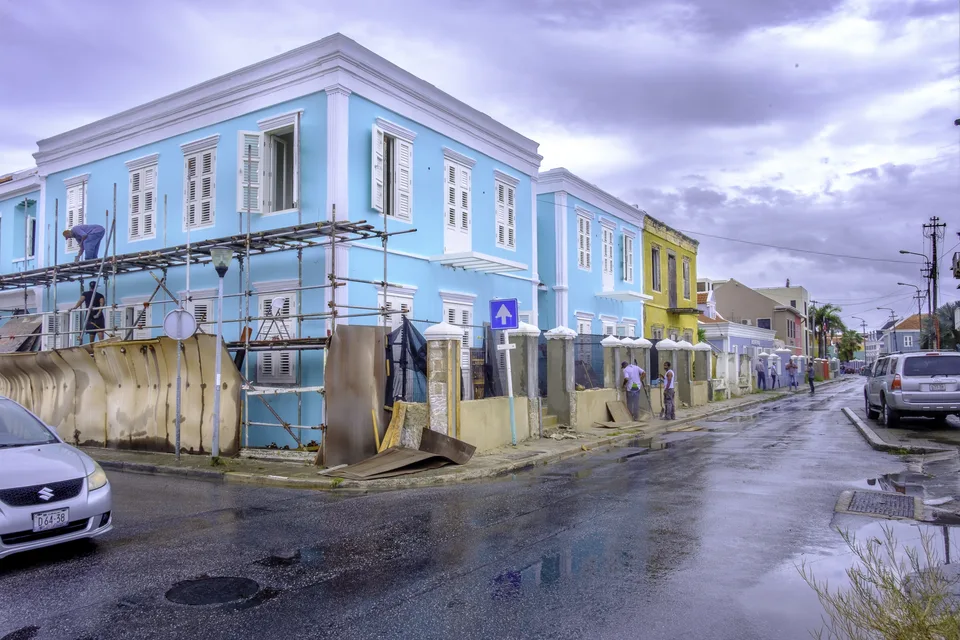
A good holiday address is not automatically a workable household base. Begin a longer-stay assessment with temporary accommodation and travel to the places you expect to use repeatedly. Test the work or study route at the relevant hour, including the return, and locate groceries and healthcare you can actually reach.
Inspect prospective housing in person where possible. Check ventilation, air conditioning, water pressure, appliances, internet performance and the condition of doors and windows. Ask about evening noise, parking and responsibility for repairs. Request recent utility bills for a better understanding of running costs than an unsupported island-wide average rent estimate.
Read the lease for deposits, notice, included services, visitors and payment terms. Record the inventory and condition before moving in. For a purchase, use independent professional advice and verify ownership and the seller’s authority. Keep the property transaction separate from immigration planning: acquiring an address does not itself grant permission to work or establish permanent residence.
Utilities and healthcare need preparation before moving day
Aqualectra’s connection guidance asks customers for identification and either rental documentation or ownership papers. Confirm whether your property has an existing connection, which account must be closed or transferred, and who is responsible for making the application. New construction and an ordinary change of occupant involve different work.
Photograph meter readings and numbers at handover, and agree how the final bills will be divided. Establish the internet installation arrangements, laundry facilities, waste handling and a practical way to pay recurring bills. Check these with the actual provider or landlord rather than relying on the previous occupant’s experience.
For planned appointments, Curaçao Medical Center’s patient information identifies documents including a referral, insurance evidence, a guarantee letter and identification. Ask your insurer and the provider how payment and authorization work in your circumstances. A visitor policy and resident cover serve different situations. Arrange continuity for prescriptions and ongoing treatment before committing to a move, particularly when specialist care is essential.
Entry permission, work and study require separate decisions
Use NetherlandsWorldwide’s Caribbean visa checker for your nationality and any qualifying residence documents. A Caribbean visa does not authorize entry to European Netherlands or the Schengen area. Its visa-free travel conditions generally specify 90 days in 180, with different limits for Dutch and US nationals; the border authority can allow a shorter stay.
Check the tourist board’s entry requirements for passport, onward travel and applicable yellow-fever documentation. Complete the Digital Immigration Card and retain a digital or printed submission. The card is an arrival form, not permission to work. Confirm requirements for your actual itinerary before buying non-refundable travel.
For employment or extended residence, use the Admission Organization’s application portal and confirm the appropriate category before starting activities. The study and internship guidance requires an internship application regardless of its duration. Consult the institution and authorities early; a pending application is not a guaranteed approval. VisaWand’s consultant listings can help identify advisers, while the published Oranjestad guide offers another Caribbean capital to compare as a separate destination.
Official planning resources
Reviewed 17 October 2026. Use the official resources linked throughout this guide for admission, transport, housing and immigration decisions. Prices, services and rules can change; confirm the details relevant to your dates. Photography illustrates the locations and is not a live view.
View all official resources
- UNESCO: Historic Area of Willemstad
- Curaçao Tourist Board: Scharloo
- Curaçao Tourist Board: sights and districts
- Curaçao Tourist Board: Punda
- Curaçao Tourist Board: cruise planning
- Kurá Hulanda Museum: plan your visit
- Mikvé Israel-Emanuel: hours and tickets
- Curaçao Tourist Board: planning without a car
- Curaçao Tourist Board: Mambo Beach
- Curaçao Tourist Board: accommodation directory
- Curaçao International Airport: transport and passenger FAQ
- ABC: schedules and route maps
- ABC: new pass transition
- Curaçao Tourist Board: getting around
- Curaçao Tourist Board: local food and drinks
- Central Bank: Caribbean guilder information
- Central Bureau of Statistics: climate
- Curaçao Tourist Board: rainy season
- Meteorological Department Curaçao
- Christoffelpark: hours and fees
- Aqualectra: service and connection questions
- Curaçao Medical Center: patient information
- NetherlandsWorldwide: Caribbean visa eligibility
- NetherlandsWorldwide: visa-free travel conditions
- Curaçao Tourist Board: entry requirements
- Curaçao Tourist Board: Digital Immigration Card
- Curaçao Admission Organization: application portal
- Curaçao Immigration: study and internship permits
Plan the next part of your journey
Explore the Curaçao guide, browse other cities or compare consultants for your travel and relocation questions.