Visa
Decide whether Rovinj fits your trip
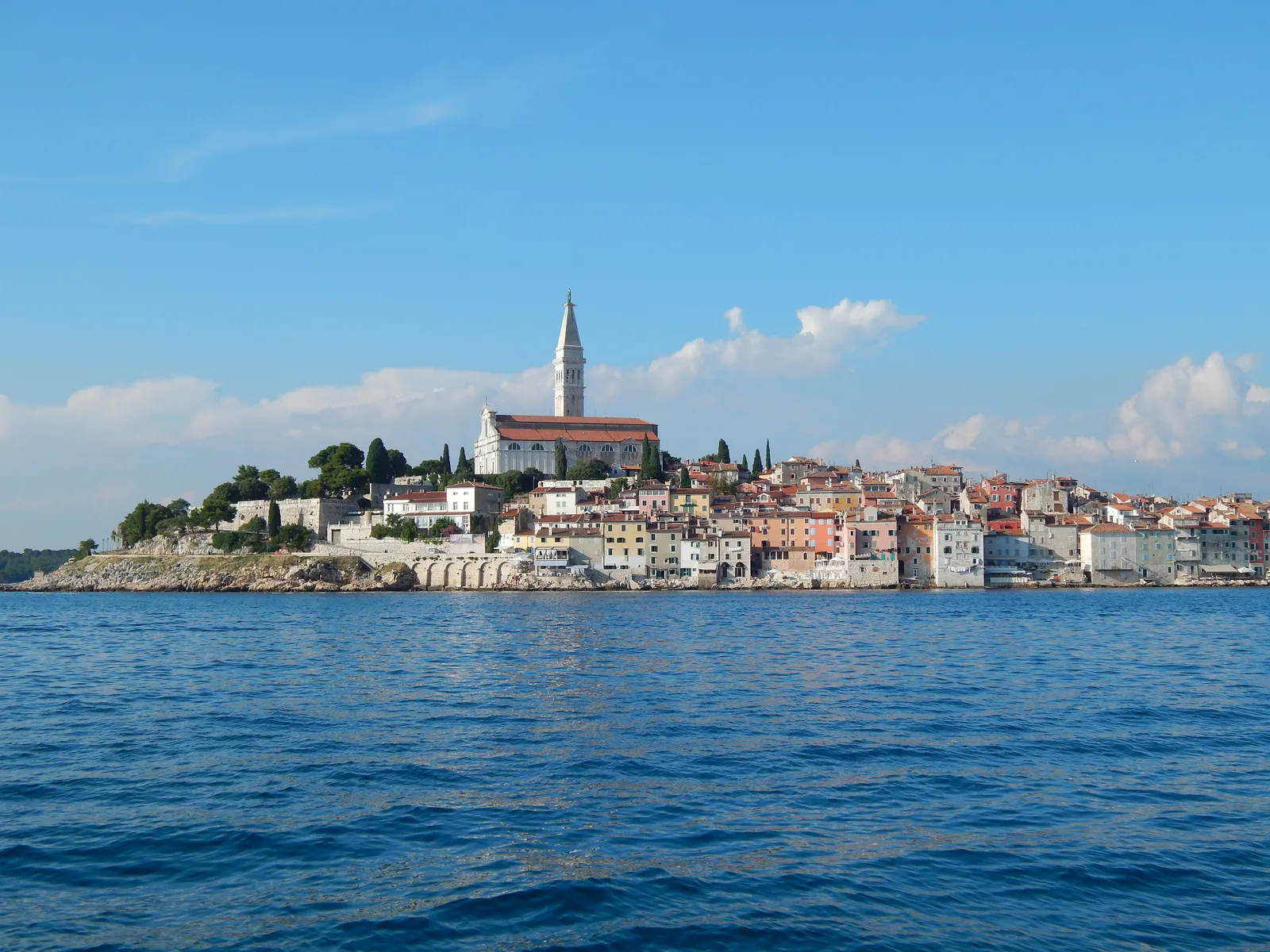
Rovinj rewards travellers who want a small Adriatic town with enough texture for several unhurried days. Its old houses gather beneath St Euphemia’s church, boats fill the waterfront, and the wooded coast offers an alternative to another afternoon of sightseeing. On Istria’s western shore, the town makes sense for a walking holiday, a coastal break or a base for exploring the peninsula. It is less convincing if your priorities are a broad sandy beach, metropolitan nightlife or frequent public transport to every rural attraction.
Three nights allow a useful balance of old-town exploring, swimming when conditions permit, and a separate excursion. A longer stay works best when your accommodation supports ordinary routines: cooking, laundry, groceries and comfortable evenings indoors. Start with VisaWand’s Croatia country guide for national context, then use this guide to decide where to sleep, how to arrive and what deserves your time. The decisions change considerably between a summer holiday and a year-round move.
Before choosing dates, decide which element would disappoint you most if unavailable: swimming, a particular boat experience or evenings in the old town. Check that element first, then arrange the rest around it. This makes a short break easier to plan and helps avoid paying for a resort facility you will barely use.
Read the peninsula as a working waterfront
The compact skyline has a geographical explanation. Rovinj’s historic core was once an island; the channel separating it from the mainland was filled in 1763. The tourism board’s account of Rovinj’s maritime development connects its closely packed, tall houses with population growth and the limited space inside the old defences. Fishing, shipping, shipbuilding and the stone trade shaped a place whose relationship with the sea extends beyond leisure.
Keep that working history in view while walking the harbour. The traditional batana boat, workshops and waterfront activity offer a more specific introduction than a list of picturesque viewpoints. You will also encounter the name Rovinj-Rovigno and Croatian and Italian cultural connections. These are part of the town’s identity, rather than decorative touches created for visitors. Allow time to notice doorways, domestic entrances and ordinary businesses between the souvenir displays. The old town remains a place with residents and practical needs.
Walk the old town beyond its postcard view
Begin at the waterfront and work gradually uphill, taking side lanes rather than trying to complete a rigid circuit. The municipality’s description of the historic centre identifies Balbi’s Arch, the surviving gates and Grisia, the lane associated with art exhibitions. Carera provides a different experience: a shopping street on the mainland side of the historic core. Together they make a manageable first walk without an expensive programme of admissions.
The pleasure is in changes of scale: a narrow passage opening towards water, steps between close-set houses, then the broader space near the church. Practical footwear matters on stone surfaces, particularly after rain. For travellers with limited mobility, assess the exact route and property entrance before booking; an address described as central does not establish a level approach. Take photographs without blocking doors, and keep late conversations quiet beneath residential windows. A short return walk at a different time of day can reveal more than adding another distant stop.
Visit St Euphemia with time to look around
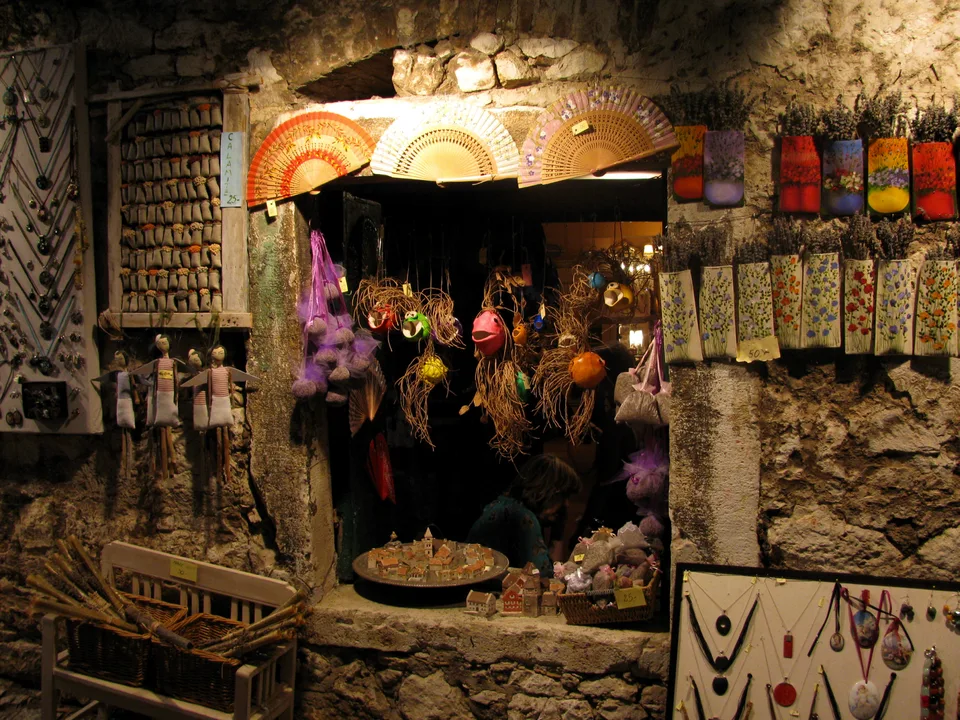
St Euphemia’s church anchors the skyline and gives the old-town climb a clear destination. The official church visitor information describes an eighteenth-century rebuilding and the statue above the bell tower, which turns with the wind. Stories about the saint’s sarcophagus arriving by sea belong to local religious tradition; they should be understood as legend rather than a documented account of maritime transport.
The tourism board lists church entry as free and the tower visit at €4 when checked for this guide. Opening is seasonal, so verify access locally instead of organising the day around an assumed fixed schedule. Worship takes priority over sightseeing: pause during services, dress appropriately and follow any restrictions on photography. Tower access deserves a separate enquiry if stairs, heights or confined spaces are a concern. You can still appreciate the church and its setting without treating an ascent as essential. In unsettled weather, leave room to change the order of your walk.
Discover the boats through the Batana Eco-museum
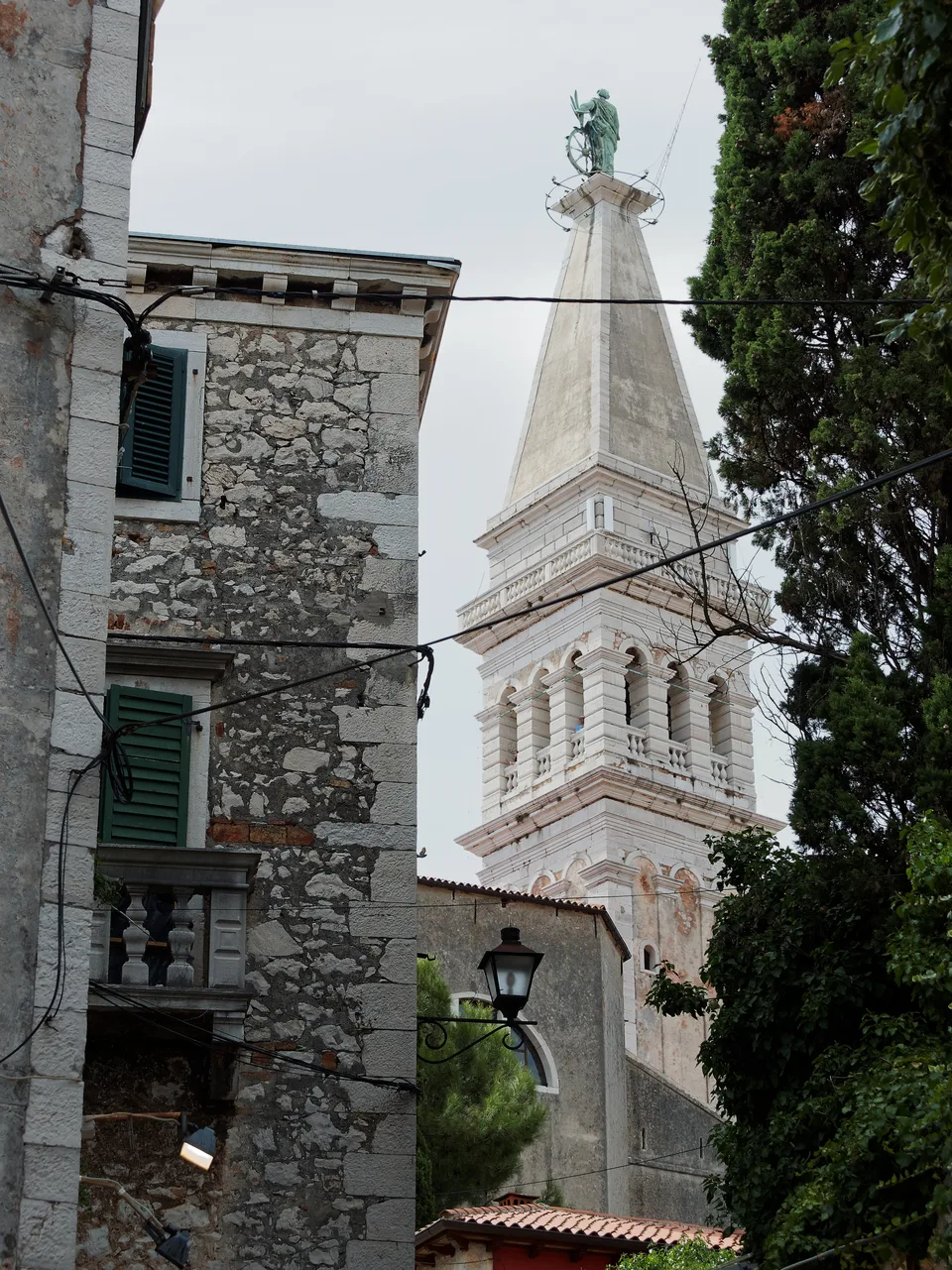
The Batana Eco-museum offers a focused explanation of the wooden boat and the community around it. Its recognition is inclusion in UNESCO’s Register of Good Safeguarding Practices for intangible heritage; that is a different designation from an old town being a World Heritage Site. The emphasis on skills, language, food and communal activity makes this an especially useful visit for understanding Rovinj beyond the waterfront panorama.
Plan around the museum’s seasonal hours. The published House of Batana schedule includes Sunday closures, with further differences between summer and winter. Boat experiences and Spacio Matika evenings require their own arrangements; they are not automatically included in an ordinary museum visit. Check the current programme and booking conditions before promising children a boat ride. Weather and availability may change the experience. For a short stay, choose either a booked activity or a museum visit as the main commitment, leaving time to observe the harbour without rushing between appointments.
Make room for Golden Cape Forest Park
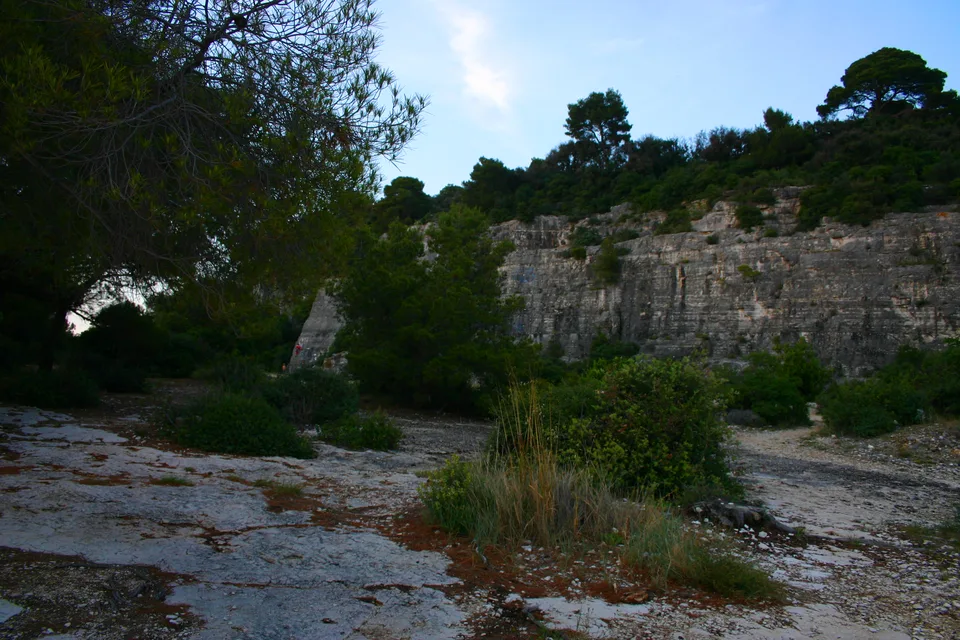
South of the centre, Golden Cape Forest Park offers tree-lined paths, coastal scenery and space to slow down. Zlatni rt and Punta Corrente are names you may encounter for this landscape. The tourism board describes the park extending along Lone and Škaraba bays and the Montauro and Punta Corrente capes. Its planted landscape developed from Georg Hütterott’s late nineteenth-century purchases and later became protected forest parkland.
Choose the outing according to your group rather than assuming every path is equally easy. A short shaded walk and a picnic can be sufficient; a longer circuit needs water, suitable shoes and enough daylight for the return. Coastal rocks and wooded trails provide different conditions from a paved urban promenade. Keep children close near uneven edges and assess any swimming entry in person. The presence of clear water does not establish safe depth, a lifeguard or accessible steps. Leave the park’s trees, rocks and shoreline as you found them.
Choose accommodation by the journey to its door
The old town suits visitors who value atmosphere and immediate access to evening walks. It also introduces luggage logistics, stone approaches and potentially awkward stairs. Ask the host for current arrival instructions, the nearest permitted drop-off and the actual walking route. Do not interpret a photograph of a waterfront building as evidence that a taxi can stop beside its entrance. A quieter room and manageable access can matter more than a partial sea view.
Compare this with accommodation on the mainland side or towards the southern coastal park. Those options may better suit a beach-focused stay or travellers bringing a car, but each property needs checking for parking, walking distance and seasonal facilities. For apartments, establish whether the kitchen is useful for cooking, whether laundry is available and whether cleaning charges are included. For hotels, compare the full package: breakfast, cancellation terms, parking and facilities operating on your dates. Camping and resort bookings likewise need confirmation of the specific pitch or unit and its services.
If access is important, request photographs of the entrance, bathroom and any steps between the street and room. Ask whether a lift reaches the booked floor and whether assistance with luggage is available at your arrival time. Families should check sleeping arrangements rather than relying on a total guest capacity: a sofa bed in the living room changes how evenings work. For light sleepers, ask about nearby terraces and the room’s orientation.
Connect the airport journey in separate stages
Pula Airport’s official shuttle information lists a €6 one-way service to Pula Main Bus Station, with cash in euros or card payment. This is a connection to Pula, not a direct airport bus to Rovinj. The airport publishes a flight-dependent timetable, so work backwards from your arrival date and check the onward bus separately. A cheap flight can become a poor choice if it lands after the last useful connection.
The official Rovinj bus-station information places the station at Trg na Lokvi 6, near the centre, and identifies connections with Pula, Rijeka and Zagreb. Use the relevant operator’s dated booking result for the fare and departure, including luggage conditions. For a late arrival, a prearranged transfer may be worth comparing with an overnight stop. Obtain a written total, passenger capacity and child-seat arrangements where needed. Leave a realistic margin between independently booked services; neither an airport shuttle nor a separate coach should be assumed to protect the other connection.
Save the accommodation’s instructions and the onward ticket offline before flying. Share a delayed arrival with the host, particularly when a private apartment has no staffed reception. For departure, calculate the journey back to the airport independently; an outward connection that worked well does not establish a suitable early-morning return. Include time to retrieve stored luggage and reach the correct boarding point.
Walk locally and make the car earn its place
For a stay centred on the old town and nearby coast, walking removes much of the daily transport planning. Save the car for trips where it materially improves access. Before hiring one, compare the rental and fuel with the cost and inconvenience of storing it. The old-town pedestrian setting means the closest accommodation is not necessarily the easiest place for drivers. Ask specifically about loading arrangements rather than relying on an old online parking tip.
The tourism board’s municipal parking information distinguishes barrier-controlled car parks, including Valdibora, from numbered street-parking zones. Payment options vary, and the listed SMS method is restricted to Croatian mobile numbers. Read the current tariff and conditions at the chosen facility; a space being vacant does not establish unrestricted parking. For outings by taxi or boat, agree the return arrangements as carefully as the outward leg. Seasonal tourist services should be checked for the actual travel date, especially outside summer.
Eat with the harbour in mind
The Batana programme connects local food with fishing traditions and identifies malvasia and teran wines alongside olive oil and seafood. Use that as an introduction, then read menus on their own merits. A waterfront setting can be a pleasant part of dinner, but compare portion descriptions, accompaniments and the complete bill before choosing. Where fish is priced by weight, establish the weight and expected total before ordering. Ask about bones and preparation if sharing with children.
Vegetarians and travellers with allergies should discuss ingredients directly rather than inferring suitability from a dish’s name. A vegetable dish may still involve stock, cheese or shared preparation. An apartment kitchen gives more flexibility, particularly when restaurant hours do not match your plans. Alternate a simple breakfast or picnic with a deliberate restaurant meal. That approach creates room in the budget for a meal you actually want, without turning every stop along the waterfront into another substantial purchase.
Shop at Valdibora and budget from real quotes
The official Rovinj market information places produce stalls on Valdibora square beside the fish market. Seasonal fruit, vegetables, cheeses and Istrian products make it useful for self-catering as well as browsing. Ask where products come from and compare prices; a market setting alone does not prove that everything is locally grown or handmade. Buy only what you can store safely, particularly when carrying fresh food through a warm afternoon.
Build your budget from a room quote for your dates, the complete airport journey, meals and any booked activity. Add parking, cleaning, luggage fees and applicable accommodation taxes where they are not included. No reliable single nightly rate represents all of Rovinj’s seasons and accommodation types. Keep the confirmed €6 Pula shuttle and listed €4 tower admission in perspective: accommodation and transport choices may matter far more than small admission savings. For cash withdrawals and card payments, review the displayed charges and currency before accepting the transaction.
Match the season to the holiday you want
The tourism board describes a Mediterranean climate with warm, dry summers and milder winters. Those broad patterns help with planning, but they are not a promise of swimming weather or uninterrupted sunshine. Summer suits a coastal holiday when you are comfortable organising around heat and busy visitor areas. Start walks earlier, carry water and keep a less exposed option for the middle of the day.
Spring and autumn can suit walking and sightseeing, provided you check opening dates and transport rather than assuming a summer programme continues. Winter changes the proposition more substantially: choose accommodation comfortable indoors and verify the businesses or activities that matter to you. Wind and rain can affect a waterfront day at any season, while a boat trip requires particular attention to the operator’s decision. Use the forecast shortly before each outing. Pack layers and rain protection even when the main purpose of the trip is time by the sea.
For a mixed group, agree on a wet-weather alternative before departure. One person may welcome a museum afternoon while another needs a comfortable place to rest. Flexible accommodation cancellation can be valuable when the trip depends on one weather-sensitive activity. Compare that flexibility with the saving on a prepaid room, rather than treating the cheapest displayed rate as the complete decision.
Spend three days at a realistic pace
On day one, arrive, settle the luggage question and walk the waterfront before exploring the old town. Continue through the lanes towards St Euphemia if access and energy permit. Keep the first evening flexible rather than booking an activity immediately after an independently connected flight and coach. A simple dinner and another look at the harbour are enough to establish the town’s rhythm.
Use day two for Golden Cape Forest Park and a coastal afternoon suited to the weather. Bring what you need for walking and assess swimming conditions locally. Return with time for the Batana museum if its opening schedule fits, or reserve a separate maritime experience in advance. On day three, choose a regional outing or stay in town for the market, quieter lanes and a longer meal. Travellers leaving that day should keep the programme close to their departure point. The station’s luggage storage operates during station opening hours, so confirm availability before relying on it.
Test a longer stay before signing a lease
A holiday apartment establishes that you can stay somewhere for a week; it does not establish that the same arrangement works throughout winter or the following summer. Ask for the proposed rental dates and renewal conditions in writing. Establish whether you can register the address, which bills are included and who handles repairs. Verify the landlord or agent’s authority before transferring a deposit, and retain an inventory and photographs of the property’s condition.
Inspect practical features that a short holiday can hide: heating, ventilation, damp, noise, storage and internet performance at the desk where you would work. Test the grocery journey and the commute at the time you would actually make them. A location convenient for evening drinks can be less convenient for carrying household supplies. There is no verified representative long-term rent quoted here; compare several current offers with equivalent duration and conditions. A trial stay outside your preferred holiday season can reveal more than an attractive annual cost calculation.
Keep holiday spending and household spending in separate calculations. The latter needs an allowance for deposits, equipment, insurance and journeys home, as well as monthly bills. If two people will work remotely, test simultaneous calls rather than accepting a speed-test screenshot as the whole answer. Confirm that the proposed use is compatible with the tenancy and your immigration status before making the rental central to a relocation plan.
Organise healthcare and household routines
Before moving, identify a suitable healthcare provider, pharmacy and the route to services beyond the town. Rovinj’s visitor medical directory provides contact leads, but confirm current details with the provider and distinguish a specialist institution from a general emergency department. For eligible visitors, HZZO’s healthcare guidance explains medically necessary care using an EHIC or replacement certificate through contracted providers. It does not make all private treatment free, and residence requires a separate assessment of insurance arrangements.
Ask the landlord how water, electricity, waste collection and internet are billed, which accounts remain in the owner’s name and how meter readings are recorded at handover. Test mobile coverage inside the property. Families should investigate school language, enrolment and available places directly before committing to a neighbourhood. If employment involves travel beyond Rovinj, verify the entire commute and return service. A workable household depends on these ordinary arrangements, not just proximity to the sea.
Separate a visit from permission to live and work
For relevant third-country visitors, the Interior Ministry’s short-stay guidance counts the usual 90 days in any 180-day period across the Schengen area. A trip into another Schengen country does not reset that allowance. Check the visa requirement for your nationality before booking. Accommodation registration is also a separate obligation; the foreign ministry’s stay and registration guidance explains the provider’s role and the guest’s responsibility where the provider cannot register them.
Employment, study and long-term relocation require the appropriate legal basis. EU/EEA and Swiss nationals have a different framework from third-country nationals, including rules for longer residence. Croatia’s digital-nomad temporary-stay route is aimed at qualifying remote work for businesses outside Croatia; it is not general permission to take a local job or a promise of permanent residence. Confirm the current documents, financial requirements and application route with the authorities. VisaWand’s Croatia consultant listings can help you identify advisers to assess, while official authorities remain the source for applications and decisions.
Consider the wider Istrian stay
If you want a different base or an additional stop, compare the Pula destination page with Rovinj rather than assuming every coastal location offers the same journey and atmosphere. The Zagreb destination page provides another option for a wider Croatian itinerary. VisaWand’s Croatia destination directory helps you browse locations; a directory entry should not be mistaken for a completed guide.
Brijuni is another potential outing, requiring its own transport and booking plan. The national park’s official visiting guidance distinguishes guided excursions from the self-guided Pocket Guide ticket, which does not include the tourist train. Respect the timed admission and check the boat connection with Fažana. January and February visits are limited to groups by arrangement under the published guidance. Keep this as a separate day when travelling from Rovinj, allowing for the mainland connection and return boat rather than treating an island visit as a casual waterfront detour.
Official planning resources
Reviewed 24 October 2026. Use the official resources linked throughout this guide for admission, transport, housing and immigration decisions. Prices, services and rules can change; confirm the details relevant to your dates. Photography illustrates the locations and is not a live view.
View all official resources
- Rovinj from the sixteenth to nineteenth centuries
- Rovinj-Rovigno municipal landmarks
- Church of St Euphemia – official Rovinj Tourism
- Batana Eco-museum and seasonal visits
- Golden Cape Forest Park – Rovinj Tourism
- Pula Airport shuttle bus
- Rovinj bus station and luggage storage
- Rovinj municipal car parks and payment methods
- Rovinj market – official visitor information
- Rovinj climate and geographical position
- Rovinj medical and pharmacy directory
- HZZO: using healthcare in Croatia
- Croatian Interior Ministry: short stay and work
- Croatian foreign ministry: stay and work
- Croatian Interior Ministry: digital nomad temporary stay
- Brijuni National Park: visiting and booking
Plan the next part of your journey
Explore the Croatia guide, browse other cities or compare consultants for your travel and relocation questions.