Visa
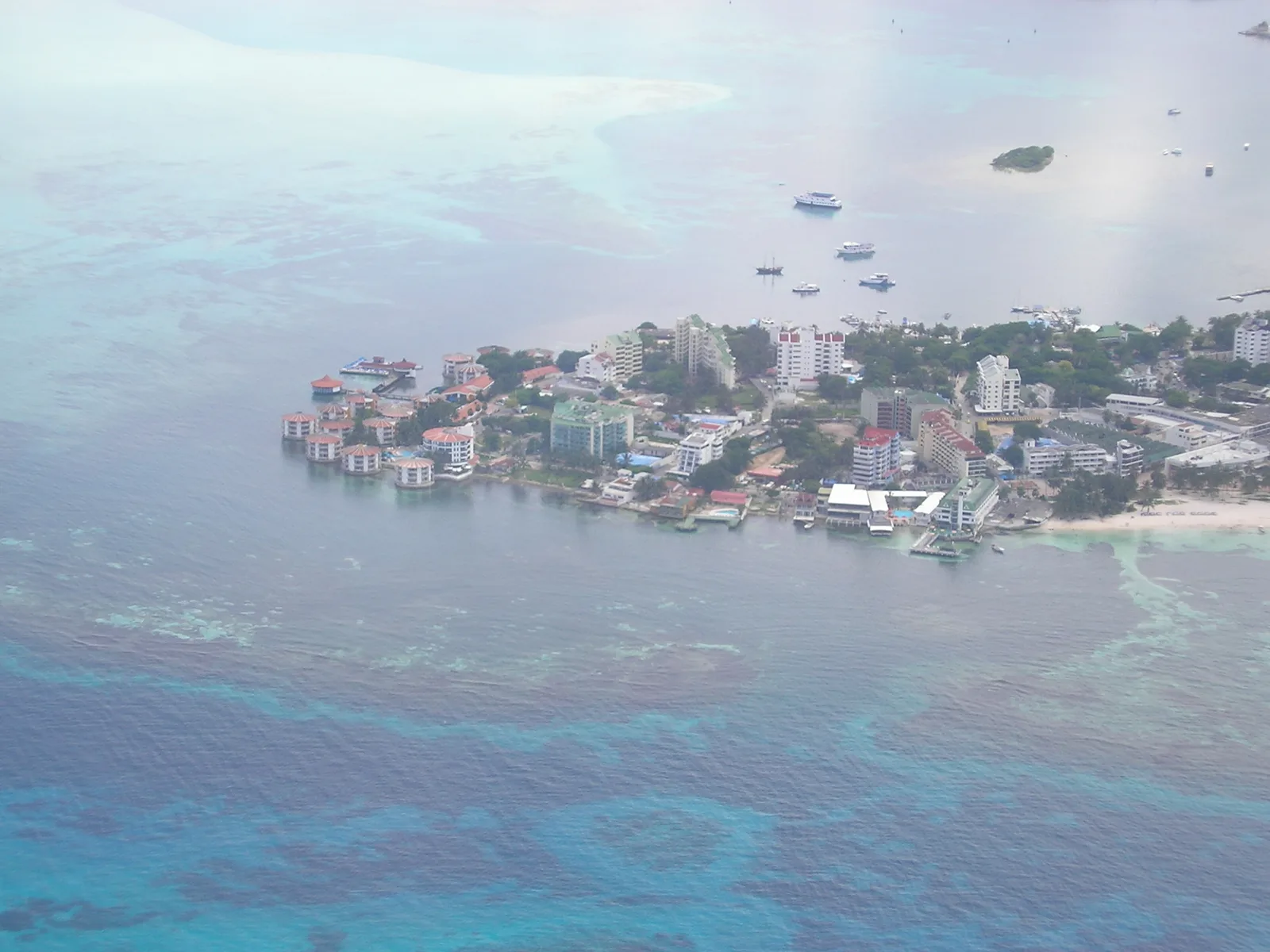
San Andrés is an island holiday with a working town
San Andrés combines an urban seafront, beach hotels, inland communities and boat excursions within a Colombian Caribbean island. The town at the northern end is the practical centre for many visitors, with the airport, accommodation and visitor businesses close together. The wider island offers a different pace around San Luis and La Loma. This guide covers both, while keeping the separate island of Providencia distinct.
Come for time beside the sea, an introduction to Raizal culture and a deliberately limited selection of outings. A four-night stay allows more flexibility than a weekend built around one essential boat trip. Choosing the right base matters: walking from a central hotel to meals and the beach is a different holiday from staying farther away and arranging transport for most outings.
Understand the Raizal heritage before planning a circuit
The official regional introduction to Raizal culture describes African, European and Caribbean influences expressed through language, religion, music and food. Raizal identity is specific; it is not a label to apply automatically to everyone living or working on the island. Seek opportunities to learn through an informed local guide, cultural institution or accommodation host, without treating somebody's home or worship as a visitor performance.
Creole traditions, church life and wooden-house architecture add meaning to an island tour beyond a sequence of swimming stops. Ask permission before photographing people or private interiors. Where an attraction tells stories about pirates or hidden treasure, distinguish interpretation and legend from documented history. The island's living cultural character is more useful to understand than an unsupported claim that every interesting place has a dramatic historical secret.

Choose North End for convenience
North End, the town and commercial area, suits visitors who want a straightforward arrival and access to restaurants, shops and Spratt Bight. It can work well without hiring a vehicle for the whole stay. Compare the actual hotel entrance with the places you plan to visit, rather than assuming every property advertised as central gives you the same walking experience.
The trade-off is activity: traffic, aircraft and entertainment can affect a room differently depending on its position. Ask about the side of the building, glazing and evening noise. A cheaper room overlooking a busy street may be a poor choice for someone planning early starts. Conversely, a central base can reduce repeated taxi journeys and make a short holiday easier to organise.
Before reserving, check the full stay rather than a single advertised night: occupancy limits, breakfast times, cooling, steps, baggage storage and the checkout arrangement can all affect the final travel day. Confirm whether an early departure leaves time for the included breakfast. If comparing a posada with a larger hotel, ask about the actual facilities and hosting arrangements instead of assuming the same service model follows from the accommodation label.
Compare San Luis and La Loma by daily needs
San Luis offers another coastal setting, while La Loma introduces the island's higher interior and cultural landscape. The national visitor information distinguishes several beaches and accommodation styles, including posadas nativas associated with local heritage and Raizal ownership. Choose an address because it fits your plans, not because the entire island is described as small on a promotional map.
Check access to meals, the bus route, the nearest suitable shop and the final walk home. Cocoplum Beach Hotel, for example, identifies its location on the San Luis road, rather than in the town centre. It provides a concrete location to compare with central accommodation, not a personal recommendation from this guide. A quiet setting loses some of its appeal if every meal requires an unplanned paid journey.
Give the main beach time of its own
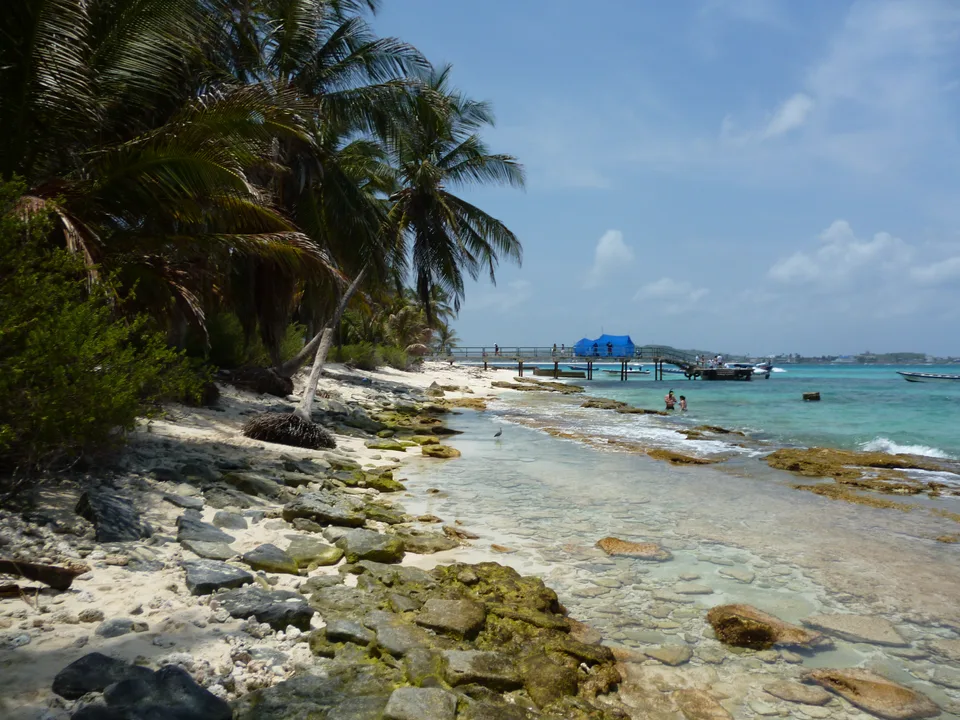
Spratt Bight provides a natural introduction to the town's relationship with the sea. Walk the seafront, identify the stretch that suits your party and leave time for a relaxed meal. A beach day does not need to become a succession of hired activities. Check local signs and designated bathing areas before entering the water, and keep clear of routes used by boats or other equipment.
For a second beach outing, compare a suitable part of the San Luis coast with your accommodation's position and the transport needed. Conditions vary, so a photograph of clear water cannot establish today's currents, waves or swimming suitability. Families should choose a place they can supervise comfortably rather than relying on the phrase family beach. Keep belongings secure and agree a meeting point before people separate.
Treat Johnny Cay as a conditional excursion
Johnny Cay is a protected offshore destination, not a guaranteed extension of a beach walk. CORALINA's regional park information explains its environmental management, while its conservation notices show that access can be interrupted for maintenance. An old closure announcement is not evidence that the park is closed today; equally, a tour listing does not establish that it will open on your chosen date.
Before booking, ask what the price includes: boat transport, park admission, guide, meals and any additional stop should be itemised. Check the return arrangement and the policy if the park or maritime authority prevents the excursion. Keep another day available if this outing matters to you. A short crossing can still be affected by sea conditions, boarding difficulties or restrictions at the landing.
For a group with different abilities, establish the whole sequence: reaching the departure point, stepping aboard, disembarking and finding somewhere comfortable to rest. Ask whether the landing involves water or an uneven surface, and what assistance is actually available. Being comfortable on the boat does not necessarily resolve the arrival. A member of the party who prefers to stay on San Andrés should have a worthwhile alternative, with a clear meeting arrangement when the others return.
Look beyond the boat-ticket price
Park admission and an operator's boat charge are different expenses. CORALINA publishes information on card payments for Johnny Cay admission, including designated payment points. That does not establish that every boat operator accepts the same payment methods or that a quoted tour automatically includes admission. Ask for a clear total and retain the relevant tickets or receipts.
Older official pages contain historical park tariffs, so no unverified figure is presented here as a current 2026 admission price. Confirm the applicable charge with CORALINA or the authorised seller before paying. This is especially important for a family or a combined itinerary, where several small extras can change the comparison between two offers that initially appear identical.
Choose marine experiences around wildlife and conditions
Snorkelling and other marine activities can be worthwhile, but the quality of the experience depends on the operator, conditions and how wildlife is treated. Ask about supervision, equipment, swimming ability and the actual site. Decline an activity whose appeal depends on handling, chasing or feeding animals. An advertised chance of seeing a species should not be turned into a guarantee.
DIMAR's San Andrés safety advice recommends checking weather, vessel documentation, safety equipment and first-aid provision. Use a properly fitted life jacket and respect the separation between bathing areas and nautical activities. If someone in your group needs assistance boarding, discuss that before buying rather than discovering a difficult transfer at the shore. Do not let a prepaid activity determine whether you accept conditions that concern you.
Include an inland outing
La Loma offers a different perspective from the hotel district, including the Baptist church and surrounding landscape. Treat a church visit as a visit to a religious institution: confirm access, respect services and ask before photographing inside. A historical interior photograph does not promise that the same decoration, opening arrangement or visitor route remains in place today.
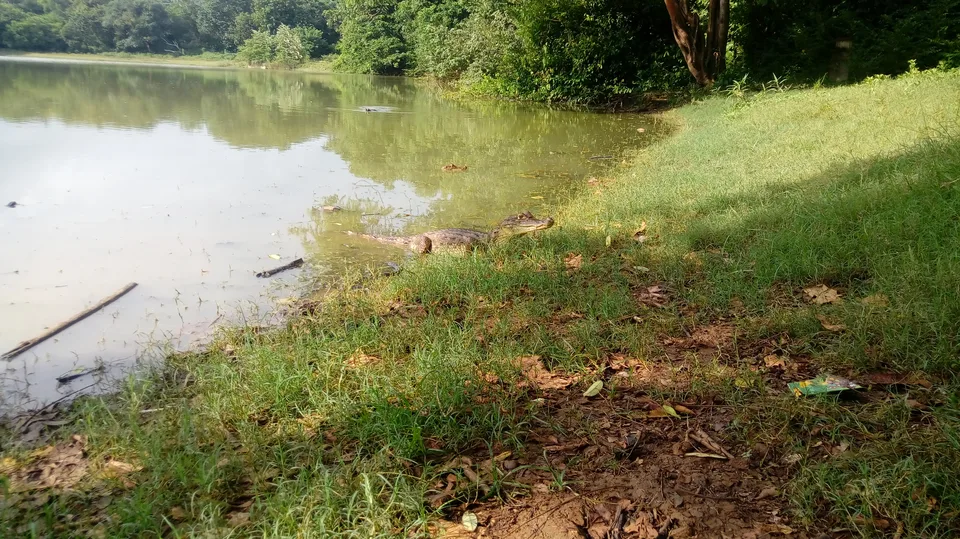
Big Pond Lagoon is a freshwater site in the island's interior. Official visitor information notes wildlife including caimans, making it an observation stop rather than an assumed swimming opportunity. Keep your distance and follow local instructions. Combine a small number of inland places with time for explanation, instead of racing around the island to complete a checklist of named attractions.
Consider the university's botanical setting
The National University's Caribbean campus provides another avenue for learning about the island environment. Its 2025–2027 action plan describes the botanical garden's role in environmental education, while university extension information includes nature-related learning activities. Contact the campus directly about current visitor access or an organised programme rather than using a years-old admission price or assuming a course is running during your holiday.
This outing suits someone who wants context for the vegetation, birds and environmental pressures encountered elsewhere. It may also offer a different focus when another sea excursion is unavailable, but arrange it before travelling to the entrance. Ask about the walking route, shade and accessibility if these affect your visit. An institution's educational role does not make every part of its campus freely accessible.
Budget for the 2026 tourist card
The department's Decree 0010 of 8 January 2026 sets the total tourist-card charge at COP153,000: COP116,000 for the card and COP37,000 for the tourism-infrastructure contribution. That is a separate planning item from accommodation and activities. Confirm how your airline or package provider accounts for it, and retain proof of payment and the card during the journey.
The 2026 departmental tax statute requires the charges to be included in relevant packages or transport documents, so ask for an itemised explanation before assuming an additional demand is correct. The card's validity for entry is also distinct from permitted length of stay. Exemptions depend on the applicable rules and circumstances; obtain an official confirmation rather than relying on an assumed age discount or nationality-based exemption.
Arrive through Gustavo Rojas Pinilla Airport
Gustavo Rojas Pinilla International Airport serves San Andrés. Check whether your booking reaches this island or includes a separate onward connection, particularly when Providencia forms part of the trip. Confirm the origin airport, baggage allowance and connection conditions with the airline. A low advertised fare is not the complete cost if it omits the bags or flexibility you need.
For the final transfer, give the driver the exact property and sector. A North End hotel and a San Luis address require different journeys. Official tourism information identifies authorised taxis with established destination tariffs; request the applicable current amount before departure. Do not assume that a hotel advertised as close to the airport provides a convenient pedestrian route with luggage, heat or mobility needs.
Save the property address and booking confirmation offline so you can identify the destination even without a working mobile-data connection on arrival.
Use buses selectively and hire vehicles carefully
ProColombia's island transport information describes Coobusan routes serving coastal and inland areas, including San Luis, El Cove and La Loma. Check the current service, boarding point and destination with the operator locally. A route description is useful for orientation, but it does not establish today's fare, frequency or final departure. Confirm the return before travelling to somewhere away from your base.
Hiring a vehicle can provide flexibility, but establish licence requirements, insurance, damage liability, deposit and permitted use before paying. Conditions differ by rental company, and a small recreational vehicle should not be assumed suitable for every road or passenger. Consider whether a single organised circuit or a few agreed taxi rides meets your needs more simply than paying for a vehicle throughout the holiday.
Eat island food with its ingredients in view
Regional dishes include rondón or rundown, fish preparations, dumplings and foods using coconut, cassava and yam. Ask what a particular kitchen's version contains and whether it must be ordered ahead. Seafood availability and preparation vary; a traditional dish is not a fixed recipe that guarantees suitability for an allergy, vegetarian diet or other requirement.
Compare a current menu and the total price before ordering, especially for seafood sold by size or weight. Clarify accompaniments, drinks and any service charge. A meal can be part of learning about the island, but avoid accepting an invented origin story or treating every restaurant as representative of Raizal cooking. Seek a clear explanation from the people preparing the food rather than an unsupported list of supposed local favourites.
Shop and budget beyond the headline room rate
Compare purchases with prices at home and check warranty, baggage and customs implications rather than assuming an island shopping district makes every product a bargain. For souvenirs, ask about materials and origin. Avoid objects made from protected wildlife or material taken from the marine environment. A seller's reassurance should not substitute for knowing what the item actually contains.
Build the holiday budget around the room, food, tourist card, transfers and chosen activities. Request dated accommodation quotations including taxes and meals. An all-inclusive package deserves comparison with what you will actually use; a long excursion may replace a meal you have already paid for. Keep an allowance for a changed plan and a payment fallback, checking accepted methods with each provider instead of assuming universal card acceptance.
Choose dates using meteorology rather than promises
IDEAM's climatological profile identifies January to April as the drier period, May and December as transitions, and June to November as the wetter period. This is more useful than promotional assurances that rain cannot affect a holiday. San Andrés remains warm, but rainfall, wind and maritime conditions can alter what is practical on a particular day.
Use IDEAM's current forecasts and alerts and the maritime authority's advice when confirming excursions. Leave room for a beach or inland day if a boat outing changes, and read cancellation terms before prepaying several activities. For an arrival or departure near unsettled weather, avoid a tight chain of separate tickets. A seasonal average describes a pattern; it does not guarantee calm seas or uninterrupted transport on your dates.
A realistic four-day first visit
Use the first day for arrival, the hotel and an unhurried town-and-seafront walk. Identify meal options and confirm any activity booking without relying on an immediate boat departure. On day two, take a pre-arranged marine outing if conditions and permissions allow, leaving the rest of the day uncomplicated. Keep park admission and return transport clear before boarding.
Devote day three to an island circuit with selected stops around La Loma, Big Pond and the San Luis coast, allowing time for a meal and interpretation. Use day four for a chosen beach, a confirmed botanical visit or the boat outing postponed earlier. This is an editorial suggestion, not a promise that all places open daily. Keep the airport transfer and flight outside a tightly packed final excursion.
Moving here requires island permission as well as housing
The Office for Control of Circulation and Residence, OCCRE, administers the archipelago's special residence system. Its published circulation and residence decree distinguishes tourists from residents and people authorised for specified activities. The general island tourist provision is four months in a year, with particular exceptions. That is not a guarantee that a foreign visitor's Colombian immigration permission lasts equally long.
Before signing a lease or accepting work, consult OCCRE's current procedures about your actual circumstances. A Colombian national may also need to address island residence restrictions. Buying or renting property does not automatically create unrestricted residence or employment rights. Fees and eligibility are separate questions: being able to pay for a card does not establish entitlement to receive it.
The 2026 decree illustrates why relocation costs need their own enquiry: its ordinary temporary-residence card charges differ between the first, second and third years, and it lists separate investment-related categories. A single figure copied from a travel summary can therefore describe the wrong situation. Ask OCCRE which category and charge apply before turning a holiday budget into a proposed annual living budget.
Inspect the household, commute and services
Start with temporary accommodation while you inspect prospective homes. Check the landlord's authority, deposit, notice terms, maintenance responsibilities and permitted occupancy. Test water storage and treatment, electricity, ventilation or cooling, cooking arrangements and internet in the actual room. Ask which bills are separate and how repairs are handled. An attractive holiday balcony says little about a property's suitability for daily household life.
Test the commute to the actual employer or institution, including the return after dark and an ordinary grocery trip. The departmental hospital's service directory identifies the main hospital and health centres in San Luis and La Loma; it also lists a separate facility on Providencia. Confirm the treatment, insurance arrangements and possible transfer needs relevant to you. Families should investigate the actual school and teaching language before choosing housing.
Check national immigration rules for your passport
Use Cancillería's nationality-specific guidance to determine whether you need a visa for Colombia. The V tourism visa is for tourism and does not authorise employment. Visa validity, authorised stay and extension eligibility should be checked separately; neither an airline booking nor an island tourist card replaces national immigration permission. Confirm the allowance actually granted on arrival.
Migración Colombia describes CheckMig as a free, optional online preregistration service, available from 72 hours until one hour before travel. Follow current official instructions and avoid paid imitation sites. Keep your onward arrangements and accommodation information available. National entry procedures and OCCRE's island controls operate at different levels, so a domestic flight after entering mainland Colombia does not remove the archipelago's separate requirements.
Keep work, remote work and study routes distinct
Cancillería's M worker visa concerns qualifying employment and carries specific conditions. Its digital-nomad guidance describes a separate route for eligible remote activities, with income and insurance requirements and restrictions on remuneration from Colombian employers. Do not assume that earning abroad bypasses the island's residence rules. Assess both national permission and OCCRE requirements before organising a long stay around work.
For education, consult the official student-visa guidance alongside an actual offer, programme dates and institutional documentation. Conditions for some short stays differ by nationality and activity; that does not make every informal course an immigration route. Obtain advice specific to your plan, and verify it with the authorities. VisaWand's consultant listings can help begin an adviser search; check relevant experience, fees and the precise service offered.
Give Providencia a separate place in the itinerary
Providencia requires another transfer and deserves planning beyond an assumed day trip. SATENA advertises flights from San Andrés to El Embrujo Airport, but confirm dates, baggage and the actual connection. Allow for changes rather than linking an island transfer tightly to an international flight. Accommodation and onward travel on Providencia need their own arrangements.
For a broader Colombian journey, compare the Colombia country guide, the Colombia destination directory and the Cartagena destination page. They provide planning context rather than evidence that every connection operates on your dates. San Andrés works best when sea time, cultural interest and practical distances shape the programme, with enough flexibility to enjoy the island even when one advertised excursion cannot go ahead.
Official planning resources
Reviewed 28 October 2026. Use the official resources linked throughout this guide for admission, transport, housing and immigration decisions. Prices, services and rules can change; confirm the details relevant to your dates. Photography illustrates the locations and is not a live view.
View all official resources
- ProColombia: Raizal culture and regional food
- ProColombia: San Andrés Island
- Cocoplum Beach Hotel: San Luis location
- CORALINA: regional natural parks
- CORALINA: periodic Johnny Cay conservation closures
- CORALINA: Johnny Cay admission payment
- DIMAR: San Andrés marine visitor safety
- ProColombia: Big Pond Lagoon
- Department: Decree 0010 tourist-card charges 2026
- Department: 2026 tax statute
- ProColombia: San Andrés transport
- IDEAM: daily forecasts and weather alerts
- OCCRE: island circulation and residence authority
- OCCRE: island circulation and residence decree
- OCCRE: current procedures
- Departmental hospital: health-service locations
- Cancillería: nationality-specific visa requirements
- Cancillería: V tourism visa
- Migración Colombia: CheckMig
- Cancillería: M worker visa
- Cancillería: V digital-nomad visa
- Cancillería: V student visa
- SATENA: San Andrés–Providencia flights
Plan the next part of your journey
Explore the Colombia guide, browse other cities or compare consultants for your travel and relocation questions.