Visa
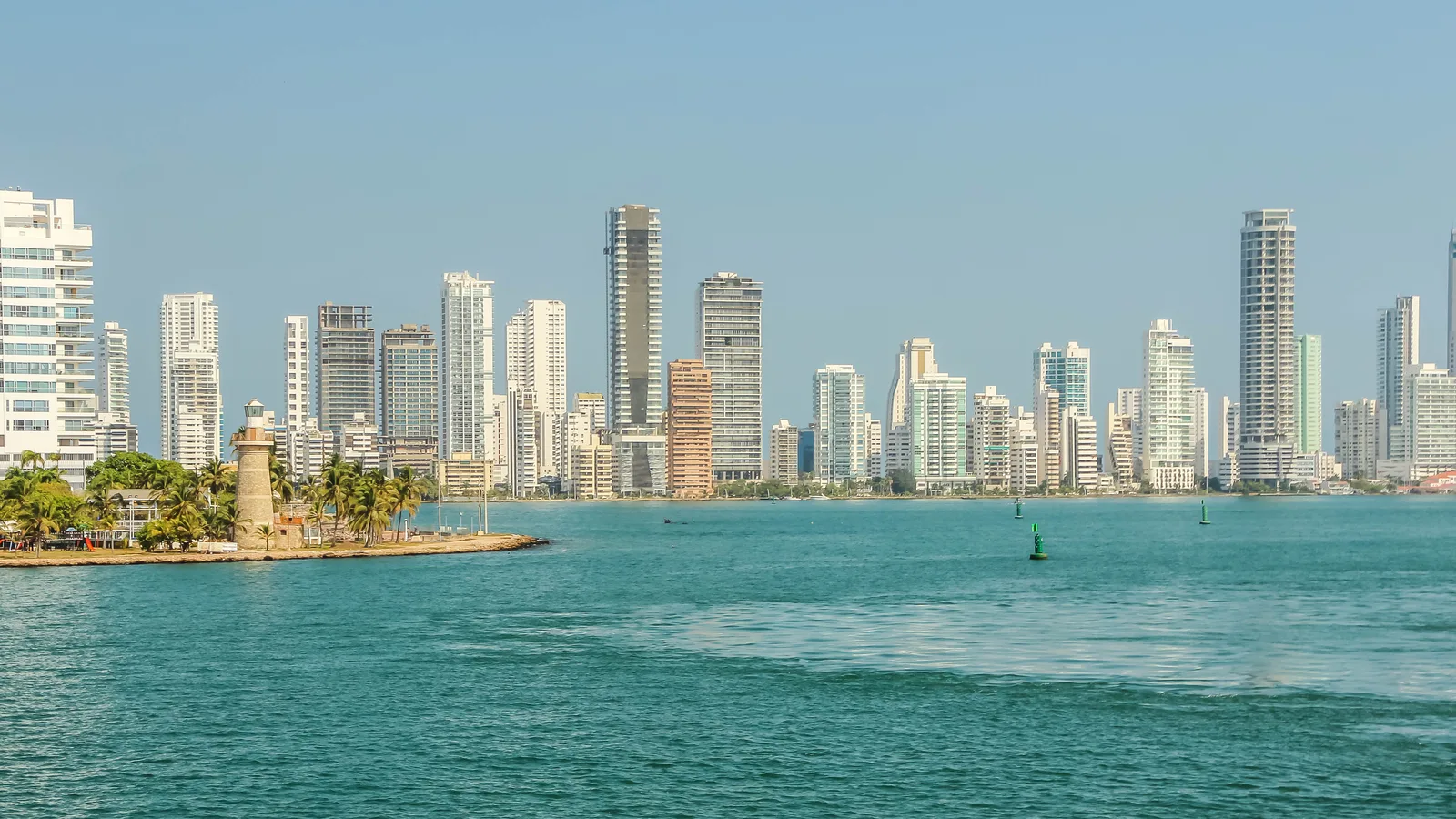
Decide which Cartagena you want to experience
Cartagena de Indias combines a fortified Caribbean port, streets of brightly painted houses and a modern waterfront skyline. It can support several different holidays: walking between historic squares, staying beside an urban beach, exploring Afro-Caribbean culture or taking a carefully planned boat trip. These experiences do not all begin outside the same hotel door.
This is Cartagena in Colombia’s Bolívar department. The national tourism overview helps place the historic centre, Getsemaní and the waterfront in context. Before booking, decide whether your priority is walking to monuments and dinner or having a coastal apartment and pool. Four nights allow a useful first visit with an optional excursion; a longer stay gives more room for neighbourhood life and weather changes. Moving here requires another set of decisions about commuting, services and immigration permission.
Understand the port behind the pretty façades
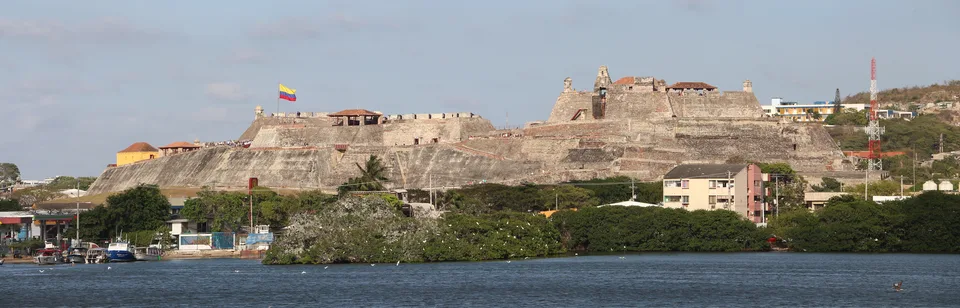
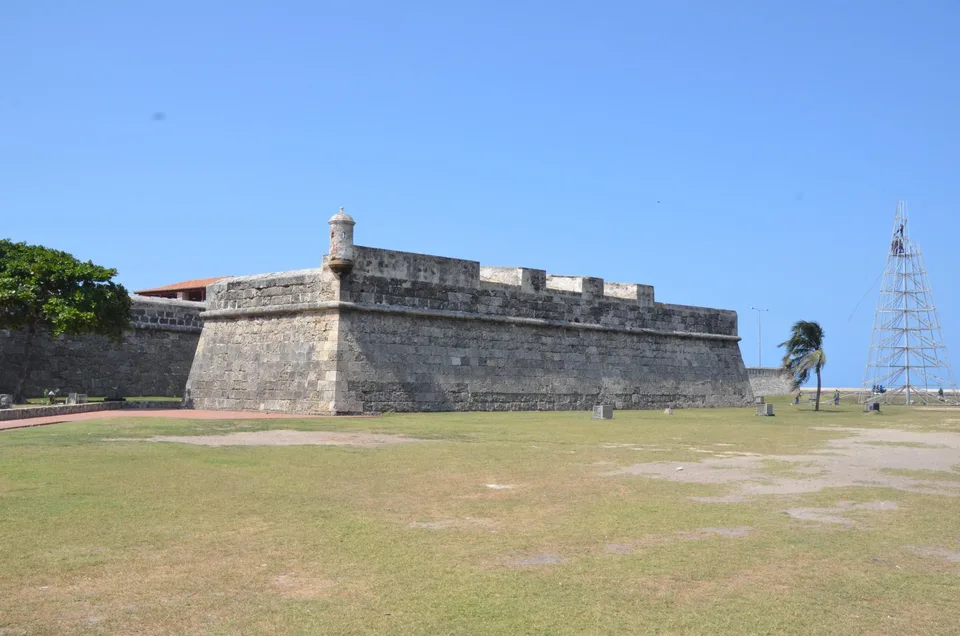
The UNESCO-listed port, fortresses and monuments reflect Cartagena’s strategic role in Spain’s Caribbean trading system. Its defences were built to protect an important maritime gateway, not simply to provide a picturesque promenade. The surviving walls, bastions and San Felipe fortress make more sense when considered together with the bay and its approaches.
The city’s history also involves colonial power, enslavement and resistance. Take a guided walk that gives those subjects proper attention alongside architecture. Cartagena’s Afro-Caribbean communities and cultural traditions belong to its present as well as its past. When photographing people, ask first and agree any charge before taking the picture. A colourful street is still a place where people live, receive deliveries and work; leave entrances clear and keep late-night noise in perspective.
Stay inside the walls for a walking visit
The historic centre suits a first visit built around squares, churches, museums and restaurants. Use the Torre del Reloj as an orientation point, then explore a smaller area at a time rather than crossing the centre repeatedly. Streets that look similar on a booking map can offer very different rooms, access arrangements and evening noise.
Compare the centre and San Diego by the exact accommodation address, not a blanket promise that one area is quiet. Ask whether a bedroom faces the street, an internal courtyard or a rooftop venue. Historic buildings can have stairs and uneven thresholds, so confirm access if mobility is important. A conveniently placed room makes it easier to return for a midday break, which can be more valuable than fitting another attraction into the hottest hours.
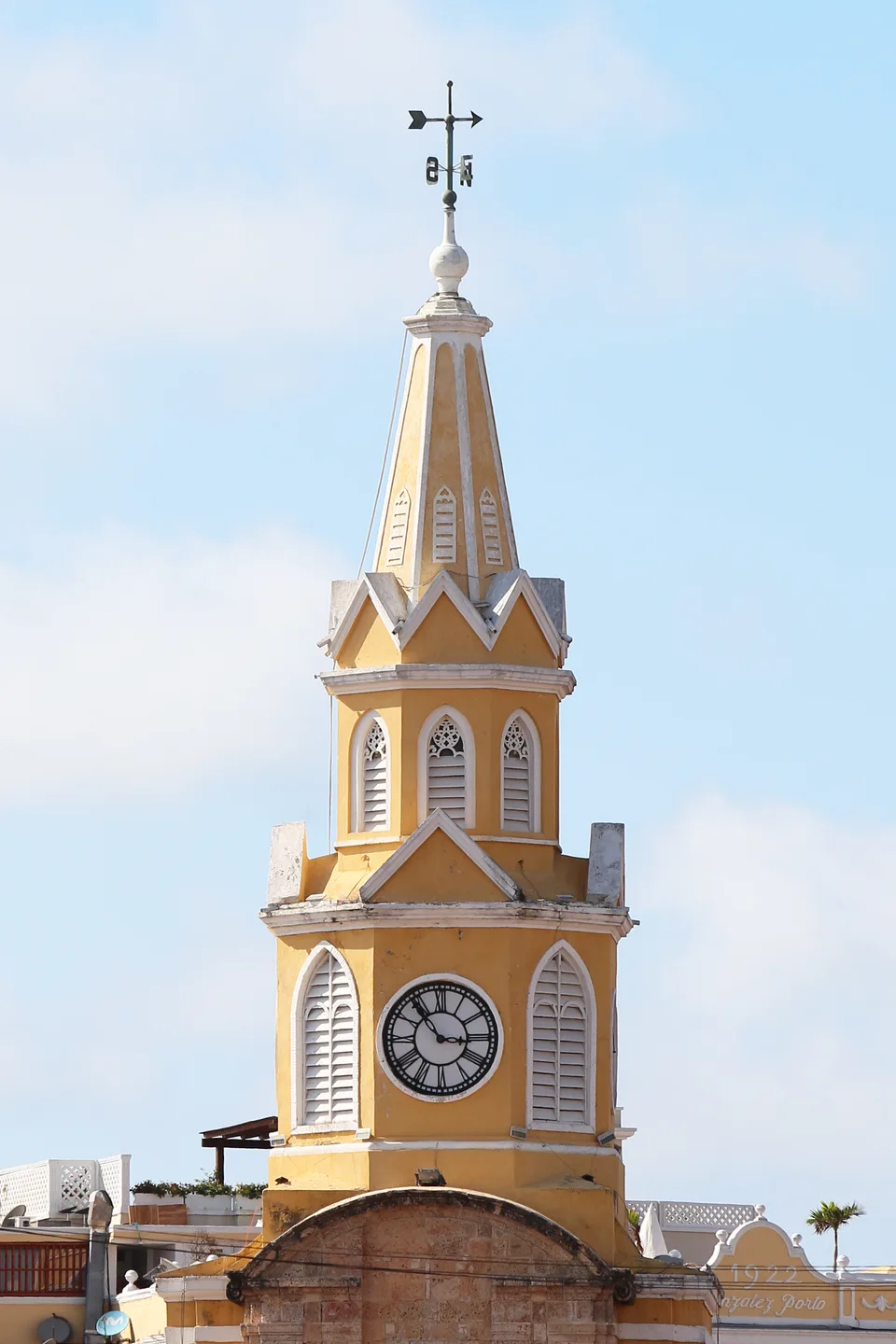
Choose Getsemaní for neighbourhood exploration
Getsemaní lies outside the main walled core and is an important part of the city’s cultural and visitor life. Its streets and squares reward walking without an elaborate itinerary. Choose time for looking at buildings, public art and everyday activity rather than treating the neighbourhood only as an evening bar district.
For accommodation, ask about the nearest music venues and whether windows close effectively. A lively public space may be enjoyable for dinner but less appealing directly beneath your pillow. Walk the route between the room and your intended evening destinations before making a long booking. Keep valuables discreet, use transport when the route or hour makes that sensible, and avoid assuming that every street outside a popular square has the same conditions. Residents’ routines deserve consideration alongside the visitor experience.
Compare coastal areas with the historic centre
Bocagrande, Castillogrande and El Laguito offer a different setting, with the modern waterfront forming a strong contrast to the old city. An apartment or hotel here may suit travellers who value a pool, a kitchen or time near the coast. It also means considering the journey to the historic centre whenever you want to visit or eat there.
Farther north, Crespo and the La Boquilla area need their own address checks. A listing described as Cartagena can be well beyond the part you expected to explore on foot. Compare travel time at your likely departure hours, grocery access and the actual entrance to the property. A sea view does not establish direct beach access, swimming conditions or freedom from nearby work. Request current photographs of the approach as well as the room.
Book accommodation around the practical details
Compare guesthouses, hostels, hotels in historic buildings and apartment rentals using the same checklist: functioning air conditioning, ventilation, hot water, bedding, bathroom arrangements and noise. Confirm whether electricity is included or charged separately, especially for an extended stay with regular air-conditioning use. Ask about lift access and building registration requirements before arrival.
A pool can make a city stay more comfortable, but check its operating hours and whether maintenance or private events affect access. For apartments, establish who handles a failed lock, a water interruption or a late check-in. An attractive photograph cannot answer those questions. Obtain the full payable amount and cancellation deadline in writing, including cleaning or building charges. If you plan an island overnight, compare luggage-storage arrangements rather than paying for an unused city room by default.
Walk the walls with time to look
The defensive walls and bastions are among Cartagena’s most distinctive experiences. Plan a shorter walk in cooler hours, taking time to understand the relation between the sea, the enclosed city and the individual defensive structures. The pleasure is partly architectural and partly the changing view, so a rushed circuit is unnecessary.
Use designated access points and take care around uneven surfaces and exposed edges. Wind, sun and crowds can make the experience less comfortable than it appears in a photograph. Wear shoes suited to walking and keep water available. If you are travelling with children or someone with limited mobility, inspect the next section before committing to it. You can enjoy the setting from a square or street-level stretch without attempting every ramp or stairway. Follow temporary barriers and conservation instructions.
Give San Felipe a separate morning
The Castillo San Felipe de Barajas is a substantial fortification outside the walled core. Its exposed setting makes an early visit a sensible choice, with time for walking and a break afterwards. Ask about the current visitor route if steps, gradients or enclosed spaces could affect you; do not assume every part suits every visitor.
The operator’s 2026 admission tariff lists full admission at COP38,000, Colombian-national admission at COP33,000 and a reduced category at COP16,000 with eligibility evidence. Two full-price adult tickets therefore cost COP76,000 before transport or guiding. Older official FAQs still quote earlier prices, so use the dated tariff and reconfirm before travelling. Agree a guide’s fee separately and check the day’s last admission directly. A paid city tour does not automatically include the fortress entrance.
Add a museum to the historic walk
The Museo del Oro Zenú at Plaza de Bolívar offers a way to look beyond the colonial façades towards the region’s archaeological cultures. Give the visit time rather than using it only as somewhere to shelter from the heat. Confirm the current opening calendar through the museum’s official contacts, particularly around holidays or a Monday visit.
Choose one additional interior according to your interests rather than purchasing a succession of admissions because they are nearby. Churches, historical museums and cultural venues have different purposes and access arrangements. Keep photography rules and worship in mind. If a planned interior is unavailable, use a nearby square or a relaxed meal as an alternative. A modest number of well-understood visits usually creates a clearer picture of Cartagena than a day spent moving from ticket desk to ticket desk.
Agree prices before accepting a service
The most useful budgeting habit is to establish exactly what you are buying. Ask for the written price of a beach chair, umbrella, photograph, massage or excursion before accepting it. For a restaurant bill, distinguish the menu charge from any suggested tip. Colombia’s consumer rules on tips describe a suggested propina as voluntary; check the bill and state your preference clearly.
Keep local comparisons in Colombian pesos, written as COP, because a dollar sign alone can be confusing. Check the currency a booking platform actually charges and retain the receipt. For jewellery or a costly craft purchase, ask for a clear description, seller details and supporting documentation where relevant. Avoid making an expensive decision under pressure. Smaller, considered purchases are more useful souvenirs than items bought because an unsolicited demonstration has already begun.
Arrive through Rafael Núñez with a clear transfer
Rafael Núñez International Airport serves Cartagena. The airport transport page identifies authorised taxi stations at domestic and international exits. Use a clearly identified service and confirm the exact address, total charge and any applicable surcharge before departure. Give your accommodation the flight details and obtain written meeting instructions if it is arranging the pickup.
The airport’s linked 2026 taxi-zone table lists Getsemaní at COP20,200 and Bocagrande, Castillogrande and Laguito at COP34,400. Its filename retains an older year, but the linked table cites the current decree; reconfirm the destination zone at the stand. The city’s 2026 taxi notice specifies a COP1,100 night surcharge from 19:00 to 05:00. Do not substitute the citywide minimum fare for an airport-zone quote, or assume a late arrival has the same final price.
Use public transport with a current route check
TransCaribe can help with journeys beyond a compact historic-centre walk. Its 2026 fare announcement sets the standard passenger fare at COP3,900 from 23 January. Four single passenger rides at that price total COP15,600; that is a transport calculation, not an estimate of every travel cost for a day.
The airport FAQ identifies the T102 route through Crespo near the airport. Near the airport is different from a service collecting you outside the arrivals doors: confirm the stop, walking approach, payment method and current operating hours before relying on it with luggage. For everyday journeys, check the destination and boarding point against the operator’s current route information. If you will be commuting, test the journey at the hour you expect to travel rather than extrapolating from a quiet sightseeing afternoon.
Treat beaches as places with changing conditions
Cartagena’s urban and island beaches offer different settings. A nearby strip of sand can be convenient for a short visit without requiring an excursion, while an island day involves transport, a timetable and additional costs. Neither option guarantees a particular water colour or swimming experience on your dates.
Follow local instructions and the beach safety flags described by Colombia Travel. Check the current accessible section before booking accommodation primarily for its beach frontage. Coastal projects, weather and local restrictions can change the approach. Ask what a beach service includes and agree its duration and charge before settling in. Keep your belongings manageable and decide in advance how you will return. If conditions are unsuitable for swimming, choose another city activity rather than treating a paid booking as a reason to enter the water.
Make an island outing a full-day decision
The Corales del Rosario and San Bernardo national park protects marine and coastal environments beyond the city. Compare an excursion by its actual stops, time on shore, boat capacity, food, equipment and return arrangements. Ask which port, park or other fees are included. The park’s published San Bernardo-sector fee is not a universal price for every Rosario trip, so do not use it as the total excursion cost.
Use a properly established operator and follow DIMAR’s maritime safety guidance, including wearing a life jacket during the journey. Departure and return arrangements depend on sea conditions and port restrictions. Clarify cancellation terms before paying, and leave space between the return and an important flight or bus. For snorkelling or diving, confirm that the site and provider are authorised; avoid touching coral or removing marine life.
Before choosing between boat packages, ask for an itemised comparison: the precise landing places, length of each stop, lunch and drink allowances, equipment charges and the arrangements if a stop is cancelled. A beach-club booking and a sightseeing circuit serve different purposes. If your group wants a quiet lunch and time on shore, a programme with numerous brief stops may deliver less of what you wanted despite listing more attractions.
Look beyond the beach at La Boquilla
La Boquilla’s fishing community and mangroves offer another perspective on Cartagena’s coast. A community-led visit can focus on the relationship between fishing, waterways and local life, rather than simply adding another beach stop. Discuss what will happen, who will guide you and how the visit benefits the people providing it.
Check the boat, boarding arrangements and suitability for your group before committing. Ask whether the outing involves sun exposure, walking on sand or getting wet, and whether children’s life jackets are available when relevant. Respect wildlife and follow the guide’s instructions around the mangroves. Older promotional accounts of beach certification or ideal conditions do not establish the current situation, so use them for cultural context rather than a guarantee of today’s water quality, safety or facilities.
Plan the day around Caribbean heat
The national tourism climate guide describes the Caribbean’s generally sunnier period from December to April and wetter spells between May and November. Cartagena remains warm throughout the year. These are broad patterns, not a promise of sunshine or calm water for an excursion booked months ahead.
Schedule exposed walks and San Felipe for earlier or later hours, with a proper midday break. Pack light clothing, sun protection and something suitable for showers, while retaining respectful clothing for religious interiors. Check IDEAM’s current weather information before outdoor plans and the maritime authority’s instructions before sailing. A city forecast cannot by itself establish conditions along an offshore route. Around holidays and major events, compare dated room quotes and cancellation terms rather than assuming the wetter period always produces a cheaper trip.
A three-day introduction with an optional fourth
On day one, arrive, settle in and take a modest orientation walk around the Torre del Reloj and nearby squares. Keep dinner close to your base. On day two, visit San Felipe early, return for a break and spend the later afternoon exploring Getsemaní. Leave space for a relaxed meal rather than a second demanding circuit.
Use day three for the Museo del Oro Zenú, the historic centre and a suitable section of the walls, adjusting for the museum’s opening calendar. An optional fourth day can be an island excursion if conditions and your budget suit, or a community visit at La Boquilla. This is a suggested sequence, not a package timetable. If you have only two days, concentrate on the city; removing a distant excursion is usually more rewarding than compressing every stop.
Test a normal week before renting long term
For a possible move, begin with temporary accommodation and test the places you will actually need: work, school, groceries, healthcare and transport. A central holiday address can be inconvenient if the daily destination is elsewhere. Compare the actual commute from each prospective property, including the return after dark and the effect of rain.
Inspect ventilation, damp, air conditioning, water pressure and lift arrangements. Ask about building rules, maintenance responsibilities, visitor access and noise. Obtain a written inventory, full monthly charges, notice terms and deposit conditions, and verify the person’s authority to let the property before paying. Check recent bills rather than assuming utilities are included in a furnished rental. For remote work, test a video call from the actual room and identify a practical backup connection before committing to a month.
Establish how the household services work
Aguas de Cartagena’s service guide explains water connections, account changes and supporting property documents. In a rental, clarify who holds the account, whether it is current and who reports a fault. The city’s utilities include water provider Acuacar and electricity provider Afinia, identified in their joint public-service announcement. Confirm the supplier and account details for the particular address.
Ask how electricity consumption and air conditioning will affect your payable total, and whether building administration is separate from rent. Families should check school admissions, language and the actual school run before choosing a lease. Establish suitable medical services and how appointments, payment and insurance authorisation work. Routine household arrangements deserve as much attention as the sea view: they determine whether a longer stay is comfortable once the holiday schedule has ended.
Distinguish a visit from permission to stay
Check Cancillería’s visa application guidance for your nationality and purpose, and Migración Colombia’s entry requirements for travel documents and onward arrangements. Follow the stay actually authorised rather than assuming every visitor receives the maximum period. The official CheckMig service is free and currently described as optional, recommended to speed processing; it is a preregistration service, not a visa or an extension.
Local employment requires appropriate permission; the M worker visa has employer and activity restrictions. The digital-nomad category concerns qualifying remote work for foreign businesses and does not permit local paid work. Its nationality-specific short-stay provisions should not be applied to everyone. Study permission has separate conditions. For permanent relocation, consult the resident categories and qualifying residence rules; tourist time is not an automatic path. VisaWand’s consultant listings can support individual advice after you check credentials, scope and fees.
Keep a calendar of immigration expiry dates and any required registrations alongside your housing paperwork. A pending application or an extended rental booking should not be treated as permission to remain beyond your authorised stay.
Choose the next stop for a different experience
San Basilio de Palenque offers an opportunity to learn about Afro-Colombian history, language and living traditions through a respectful community visit. Arrange it as a separate excursion with a clear programme and guide, rather than assuming a quick roadside stop will provide the same understanding. Ask permission for photographs and avoid expecting private or ceremonial activities to be staged for visitors.
For a broader coastal route, compare the location pages for Barranquilla and Santa Marta. They are geographical directories, not completed travel guides. Use VisaWand’s Colombia country guide, Colombia destination page and location directory for the wider plan. Cartagena works best when the city, coast and excursions each receive enough time; a thoughtful choice of base and fewer rushed transfers can improve the trip more than another booking.
Official planning resources
Reviewed 15 October 2026. Use the official resources linked throughout this guide for admission, transport, housing and immigration decisions. Prices, services and rules can change; confirm the details relevant to your dates. Photography illustrates the locations and is not a live view.
View all official resources
- Colombia Travel: Cartagena de Indias
- UNESCO: Cartagena port, fortresses and monuments
- Fortificaciones Cartagena: 2026 admission tariff
- Fortificaciones Cartagena: San Felipe de Barajas
- Banco de la Republica: Museo del Oro Zenu in Cartagena
- Colombia Travel: food in Cartagena
- Rafael Nunez Airport: transport and authorised taxi stands
- Rafael Nunez Airport: linked 2026 taxi-zone tariff
- Cartagena municipality: 2026 taxi fares and night surcharge
- TransCaribe: 2026 passenger fare
- Rafael Nunez Airport: public transport FAQ
- National Parks Colombia: Corales del Rosario and San Bernardo
- DIMAR: maritime safety guidance for Cartagena visitors
- Colombia Travel: Caribbean climate and seasons
- IDEAM: weather and climate information
- Cancilleria: applying for a Colombian visa
- Migracion Colombia: entry and departure requirements
- Migracion Colombia: free optional CheckMig preregistration
- Cancilleria: M worker visa
- Cancilleria: V digital nomad visa
- Cancilleria: V student visa
- Cancilleria: visa types and permanent resident categories
- Aguas de Cartagena: household water services and account changes
- Acuacar: Cartagena water, gas and electricity providers
- Colombia Travel: La Boquilla fishing community and mangroves
- Colombia Travel: San Basilio de Palenque community tourism
- Colombia Travel: Cartagena beaches and safety flags
- SIC: consumer rules on voluntary restaurant tips
Plan the next part of your journey
Explore the Colombia guide, browse other cities or compare consultants for your travel and relocation questions.