Visa
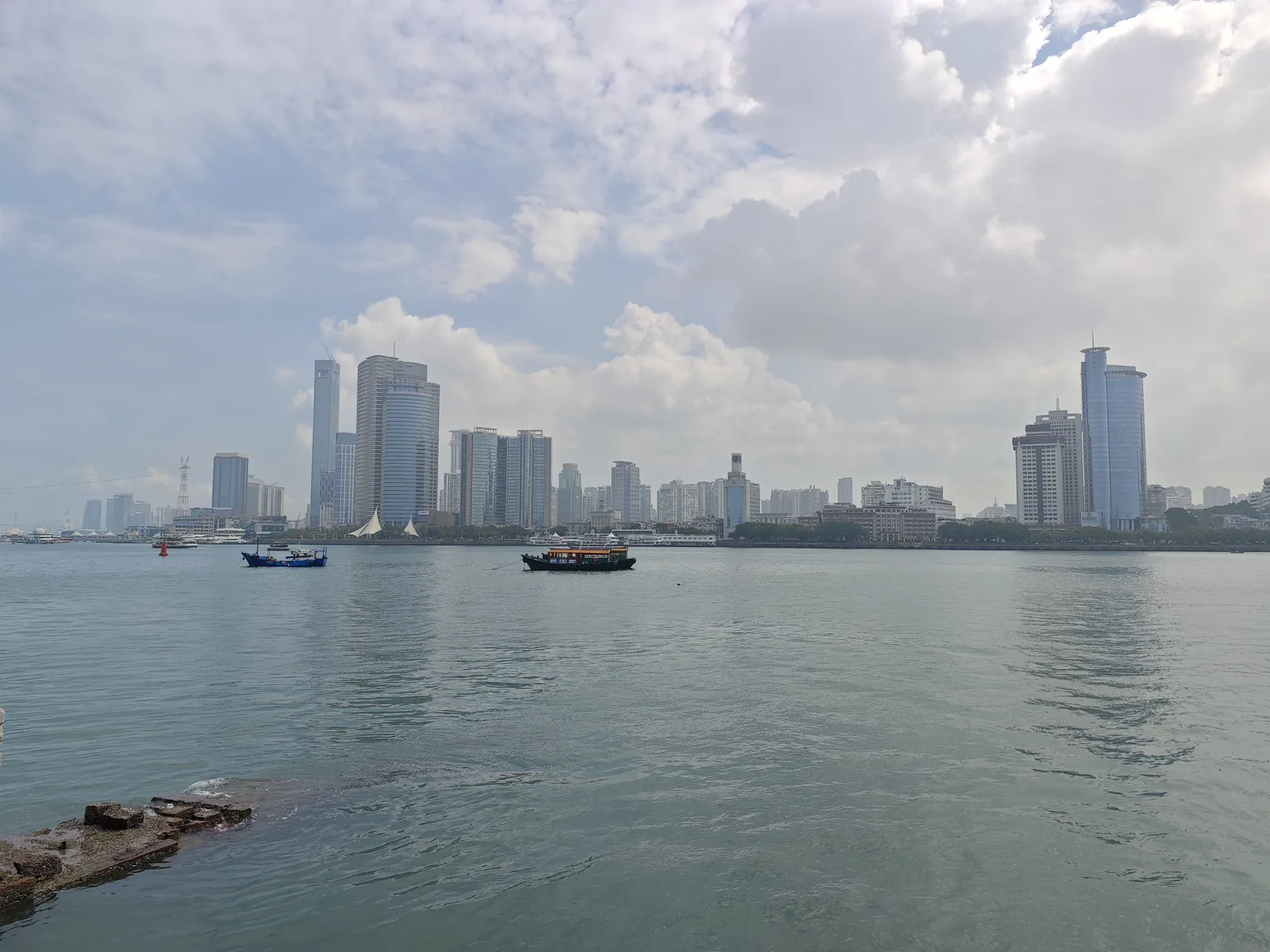
Xiamen rewards a slower coastal visit
Xiamen makes most sense when you stop treating every stretch of waterfront as another attraction to collect. Spend a morning among Gulangyu's lanes, return for an ordinary bowl of noodles, and leave the evening open for a walk beside the harbour. That balance between sightseeing and everyday city life is its strongest argument for a longer visit.
This is Xiamen in southern Fujian, on China's southeast coast. The island at its centre is only part of the municipality: mainland districts matter for railway arrivals, housing and employment. For a first trip, three full days provide a workable introduction. Anyone considering a move should add weekday time for commuting, apartment inspections and appointments rather than judge daily life entirely from the holiday waterfront.
Use VisaWand's China country guide for the wider national picture and its China location directory to compare places. The directory lists destinations; individual locations do not necessarily have a completed guide.
A port shaped by movement and exchange
Xiamen's appeal has historical depth beyond its seaside setting. The commercial port opened in 1843, and nearby Gulangyu became an international settlement in 1903. UNESCO inscribed the island, under the name Kulangsu, in 2017. Its architecture records exchanges between southern Fujian traditions, overseas Chinese communities and imported building styles, including the hybrid often called Amoy Deco.
Read the UNESCO account of Kulangsu before wandering: it makes an otherwise picturesque doorway or veranda more intelligible. This was a place of residence, education and cultural exchange, not a purpose-built heritage park. Keep that distinction in mind around occupied buildings. A good photograph does not imply permission to enter a courtyard, block an entrance or peer through someone's windows.
Understand the island and the mainland
For visitors, the most useful distinction is between a sightseeing base and a practical transport base. Zhongshan Road and the Lujiang waterfront suit evenings on foot and harbour views. Shapowei and the university side of southern Siming suit a visit built around the temple, coastal walks and small cultural stops. Their atmosphere differs from the working and residential districts farther inland.
Jimei is worth considering on its own terms, especially for its educational history. Haicang, Tong'an and Xiang'an should enter a relocation search when work, family or a particular service draws you there. Do not choose a mainland apartment solely because a map makes the distance to an island workplace look short. Test the actual crossing, interchange and final walk at the hours you will travel.
Give Gulangyu an unhurried day
Gulangyu is the visit to organise first because the ferry determines the shape of the day. Once ashore, let the island's lanes, changes in elevation and views across the water set the pace. An early start gives you more flexibility than trying to fit a late arrival around several paid interiors and a fixed dinner reservation back in town.
Choose one or two interiors that particularly interest you, then leave room to walk between them. Buying every available combination ticket is unnecessary if your main interest is architecture and the setting. Wear shoes suited to steps and uneven surfaces, carry water, and ask about the exact access route if travelling with a wheelchair or pushchair. The last approach to an accommodation can matter more than its advertised distance from the pier.
For an accessible visit, describe your requirements concretely when contacting accommodation or an attraction: whether you can manage a few steps, need an accessible toilet or require space to turn a wheelchair. Ask for photographs of uncertain entrances. A general claim that a property welcomes everyone is less useful than confirmation of the specific route you will use. Keep the day's plan short enough to change direction if a path proves unsuitable.

Book the ferry by terminal, not by assumption
The operator's tourist-route and ticket guidance lists ordinary Dongdu services to Gulangyu at RMB 35, with a higher-priced premium option. The tourist ticket includes one return within its validity conditions. Check the product you actually select: a premium boat, a different departure pier and a resident service are not interchangeable choices.
Use the terminal named on your booking. Daytime tourist routes include Dongdu; evening services use the downtown Xiamen Lundu terminal, subject to the current timetable. The boarding instructions say boarding opens 20 minutes before departure and closes 10 minutes before. Passport users should allow additional time for original-document checks and any required printed boarding voucher. Ask the operator for help if the booking form does not support your document.
There is also a current complication: approach-bridge works at Lundu, announced for 12 October 2026, are expected to last about 40 days, with weather potentially extending the work. Follow signed pedestrian routes and staff instructions; this notice does not announce a blanket closure of the terminal. Check the updated ticket-change rules before paying, especially if your arrival time is uncertain.
Nanputuo and the university require different expectations
Nanputuo is a working Buddhist temple, not simply a backdrop beside a famous campus. Its history reaches back to the late Tang and Five Dynasties period, with later rebuilding shaping the complex. The temple's official website gives visitor contacts and the address on Siming South Road. Confirm current access arrangements directly rather than relying on an old screenshot of opening hours.
Dress respectfully, follow restrictions on photography and allow worshippers space. If you want to visit neighbouring Xiamen University, plan separately. The university's official visitor rules require a free reservation through its designated visitor system, generally one to three days ahead, within available quotas. Original passports are accepted for visitors with the appropriate reservation. A temple visit does not confer campus entry, and paying someone who promises to bypass the university's booking process is no substitute for permission.
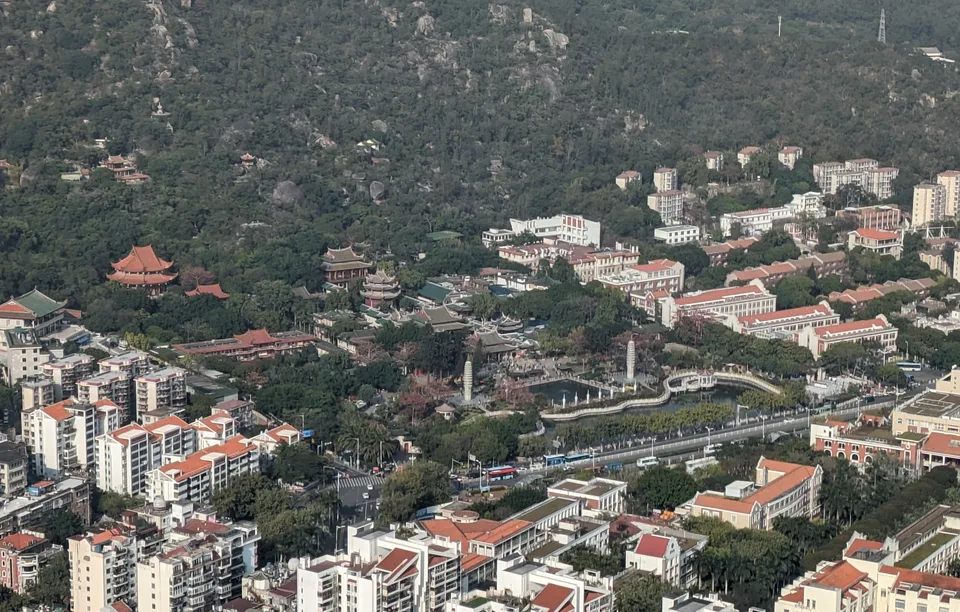
Let Shapowei provide the less formal afternoon
Shapowei works well after the temple area when you want a change of pace rather than another timed admission. The tourism bureau's Shapowei route connects its shelter-dock setting, arts spaces and nearby waterfront viewpoints. Use it as a starting point, then choose the stops that match your interests instead of following every suggested photo location.
There is value in leaving part of this afternoon unplanned: a quiet drink, a shop you want to browse, or simply the changing relationship between old waterfront streets and newer towers. Check individual venues before making a special journey. A neighbourhood's appeal does not guarantee that every gallery, workshop or café mentioned in an older article still operates on the same schedule.
Choose a manageable Botanical Garden visit
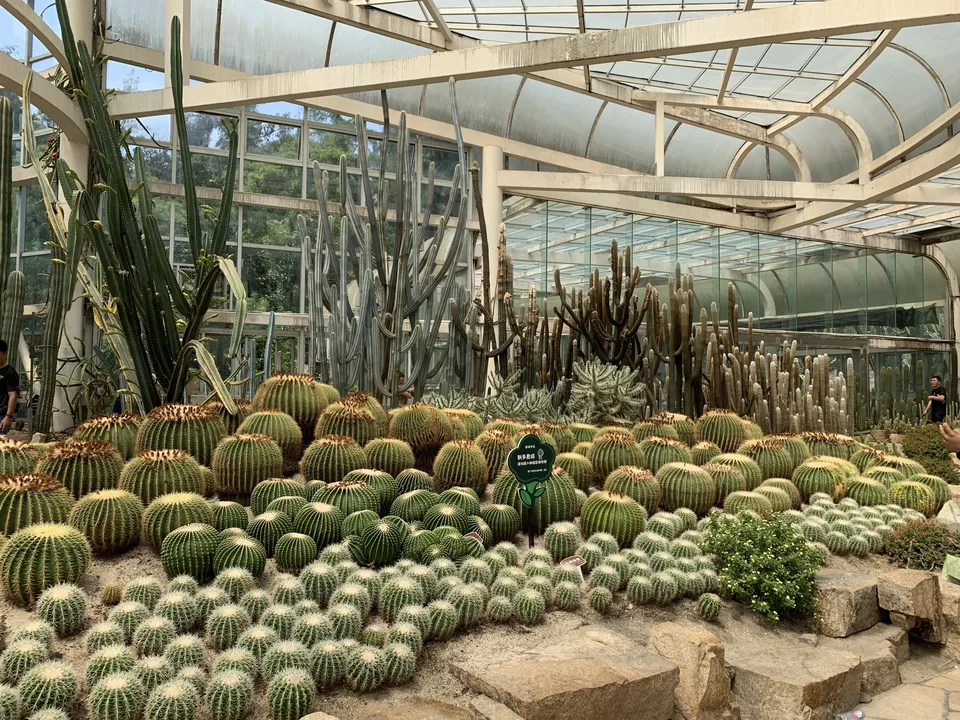
Xiamen Botanical Garden offers a different sort of outing, particularly when you want plants and landscape rather than more streets. Its published admission tariff lists RMB 30 for an adult ticket. The official ticket notice identifies direct purchase channels and a visitor telephone number. Use those channels to confirm the ticket needed for your date and any concession documentation.
Do not plan around a photograph of rainforest mist as if the effect ran continuously. Ask about current operating arrangements if that is central to your visit. A shorter route with time to sit can be more rewarding than a circuit chosen only to cover every collection. Bring sun protection and rain cover, and decide how much climbing suits your party before committing to a long walk in humid weather.
Jimei adds another chapter
Jimei gives a longer stay a useful mainland dimension. Its association with the overseas Chinese educator Tan Kah Kee, also known as Chen Jiageng, helps explain why education is so prominent in its identity. The Fujian government's history of Jimei introduces that connection and the school community.
Set aside enough time to appreciate the setting rather than bolting it onto the end of a busy island itinerary. Treat educational buildings as places of work and study: an attractive exterior does not establish public access. For prospective residents, combine a recreational visit with a practical inspection of the route to a workplace or station. The same district can feel very different on a leisurely afternoon and during a daily commute.
Pick accommodation for the trip you are actually taking
For a first visit, compare a central island hotel with a Gulangyu stay before comparing room categories. The island hotel reduces dependence on ferry arrangements for arrivals, onward travel and evening plans. Staying on Gulangyu can suit someone who wants more time there, but luggage, steps and the final approach deserve careful attention.
Ask a property for its address in Chinese, nearest usable entrance, lift access and arrangements for registering international guests. Read recent comments about the room category you intend to book, especially noise and damp, rather than relying on the building's overall score. A sea view is a preference; a workable arrival, reliable sleep and clear cancellation terms are practical requirements. For a late flight or early train, price the entire transfer before choosing the apparently cheaper room.
Location descriptions need a little interrogation. A hotel marketed as being near Gulangyu can still require a journey to the correct departure terminal. Likewise, being near the university does not make a room convenient for a visitor whose main purpose is business elsewhere. Ask the property to identify your arrival point and explain the transfer in writing. Keep that answer alongside the booking confirmation, particularly if you will arrive after reception's normal staffing hours.
Check the airport name on the ticket
Gaoqi Airport's official flight information identifies terminal assignments, and its ground-transport pages distinguish airport buses, express services and other connections. Confirm the terminal before choosing a pickup point. For a taxi, follow the signed official rank; for public transport, establish the exact stop and any transfer needed for your hotel rather than assuming a station with an airport-related name sits beside the arrivals hall.
Xiamen is also preparing the new Xiang'an airport. The Fujian government's September 2026 report describes operational preparations, not an announcement that passenger flights have already transferred. Travellers booking around the eventual changeover should recheck their airline's itinerary and current airport notices. Do not build a connection around a predicted opening date or an old airport code alone.
Make rail and local transport work together
Book intercity journeys through China Railway's official 12306 service or another clearly identified authorised channel, using the correct passport details. Read the complete departure and arrival station names before paying. A room that is convenient for one station may be inconvenient for your actual train; include the local transfer and station procedures in your departure plan.
Within Xiamen, choose accommodation by a usable route, not just a metro symbol on a map. For a longer stay, note the transport ministry's 2026 account of Xiamen's commuter measures: qualifying weekday metro entries before 06:30 or after 22:30 receive free travel through specified payment methods. Ordinary cash single-journey tickets are excluded. Check eligibility before treating this as a household saving, and verify station-specific first and last services separately.
Eat for flavour, ask about ingredients
Sha cha noodles are a useful introduction to Xiamen's food culture. The Ministry of Commerce's account of sha cha heritage connects the sauce tradition with migration and skills learned in Southeast Asia. The important practical question is what goes into the particular bowl you order. A vegetable topping does not establish that the stock, sauce or cooking equipment is vegetarian or free of allergens.
For seafood, agree the unit of sale, preparation and total price before the kitchen starts. A displayed figure may need clarification: per dish, per item and by weight produce very different bills. If dietary restrictions are serious, carry a written Chinese explanation and ask specific questions about sauces and stocks. Choose food because its ingredients and preparation suit you; a crowded queue or a photogenic storefront is not evidence that it meets your needs.
Budget from live quotes rather than a city average
Two verified admission figures provide useful anchors: RMB 30 for the Botanical Garden and RMB 35 for the ordinary tourist ferry product described above. They are not a complete daily budget. Hotel rates, transport choices, additional attraction tickets and seafood orders can change the total substantially. Build your own estimate using a room quote for your actual dates and the journeys you intend to make.
The government's guide to payments for overseas visitors explains available payment approaches. Set up and test a method before a time-sensitive purchase, retain a backup and check any provider charges. For shopping, compare the same item away from your first stop, inspect packaging and ask about receipts and returns. Buy enough local food to enjoy it while fresh rather than turning a short visit into a luggage problem.
For an extended stay, keep the move-in budget separate from monthly spending. A refundable deposit still ties up money, while temporary accommodation, household equipment and installation charges can arrive together. Obtain actual quotes for those items before deciding what salary or savings will support the move. Leave room for a journey home or an unexpected change of accommodation; that reserve should not depend on recovering a deposit immediately.
Plan around humidity, rain and wind
The city's official climate account describes a subtropical maritime monsoon setting, with rainfall concentrated from April to August and notable summer and autumn typhoon exposure. Avoid the misleading claim that coastal Xiamen has no serious heat. Walking comfort depends on humidity, shade and your own tolerance as well as the thermometer.
For a walking-focused trip, autumn is a sensible season to investigate, while checking forecasts and holiday demand for the chosen dates. Spring can also work if you accept wet-weather changes. Summer calls for shorter outdoor blocks and indoor alternatives. In cooler months, bring layers for exposed waterfront walks. Keep a flexible mainland activity available when ferry services are disrupted; good weather on the pavement does not establish safe conditions on the water.
A realistic three-day first visit
Day one: settle into an island hotel, explore Zhongshan Road and the harbour at an easy pace, and use the evening to confirm the next day's ferry terminal and booking. Avoid scheduling an expensive timed admission immediately after an uncertain flight or rail arrival.
Day two: devote the main part of the day to Gulangyu. Walk, choose a limited number of interiors and leave enough energy for the return journey. Check the return arrangements before you are tired and hungry. Keep dinner flexible so a queue or slower walking pace does not spoil the afternoon.
Day three: combine Nanputuo with Shapowei, adding the university only if you have secured permission. Alternatively, make the Botanical Garden the main outing. With a fourth day, consider Jimei. Someone assessing a move should replace part of this sightseeing schedule with a weekday commute and apartment visits rather than simply extend the holiday circuit.
Housing starts with a real address and a test commute
Read the Fujian government's explanation of rental rules before comparing offers: advertised addresses, rents and other property information should be accurate. Public information about rental support is not a promise that every foreign resident qualifies. Ask an employer or school what assistance it actually provides, who handles registration and which documents it will supply.
Inspect the property and verify the landlord's authority before transferring a deposit. Put rent, deposit, management fees, utilities, internet and early termination into a written agreement you understand. Check drainage, ventilation, air conditioning and signs of moisture, including inside cupboards. Visit the surrounding streets after dark and try the trip to work. A pleasant demonstration journey at midday is not enough evidence for a lease that commits you to a daily crossing.
Set up the household before the first busy week
Ask which utility accounts must transfer, how readings are recorded and who pays outstanding charges. Establish how deliveries reach the building, where household rubbish goes and how maintenance requests are handled. If you need dependable internet for work, confirm installation availability and realistic timing before the lease starts rather than accepting a general promise of coverage.
For health care, distinguish an available service from guaranteed insurance cover. Xiamen University's affiliated Zhongshan Hospital international medical department publishes its contact and appointment arrangements. Ask about language support, charges and your insurer's billing agreement before a planned visit. Families should investigate school admission and travel times before choosing housing. A nearby campus on a map is not evidence that your child is eligible for a place there.
Tourism, employment and study follow separate routes
Plan immigration from your passport, purpose and itinerary, not from another visitor's experience. The National Immigration Administration's transit-policy information is relevant only where nationality, entry port, onward travel and permitted stay conditions are satisfied. Transit permission is not a general invitation to move to Xiamen or take employment. Check current official eligibility before buying a journey that depends on it.
Work and study require their own documentation. The official residence-permit guidance explains the supporting requirements for different purposes and the application period where a visa requires conversion after entry. A job offer, university admission and permission to begin work are different things. Permanent residence has separate official eligibility rules; signing a lease does not create it. Use VisaWand's consultant listings to find relevant assistance, then verify the professional's remit and fees.
Registration and the decision to stay longer
Hotels normally handle accommodation registration. For a private home, establish who will submit it and retain the confirmation. The National Immigration Administration's registration guidance explains online eligibility and the 24-hour requirement for non-hotel accommodation. Ask the local authorities how your particular address and documents should be registered if the online process is unsuitable.
Before extending a stay, assess ordinary weekdays: sleep quality, food shopping, medical access, commute reliability and the cost of the housing you would actually rent. For another Chinese coastal-city comparison, read the completed Qingdao city guide. It offers a different setting and climate. VisaWand's China destination page provides broader planning context. Choose the place that fits your purpose and practical constraints, with sightseeing as part of the decision rather than its sole basis.
Extend into Fujian with a clear purpose
Quanzhou is a worthwhile addition for travellers interested in the wider region's maritime history. Its UNESCO-listed Song and Yuan trading heritage encompasses religious buildings, docks, bridges and production sites, showing how commerce connected the city with a much larger world. It complements Xiamen's later international-settlement story rather than repeating the same architectural experience.
Select a small group of sites that genuinely interest you and check their present access arrangements. Do not assume the heritage property is one compact attraction with a single entrance. Compare the complete return journey with an overnight stay before committing: station transfers and time between dispersed sites can matter more than the headline train duration. If your Xiamen visit is already short, keeping a free day there may be the better choice than adding another city simply because a rail connection exists.
Official planning resources
Reviewed 16 October 2026. Use the official resources linked throughout this guide for admission, transport, housing and immigration decisions. Prices, services and rules can change; confirm the details relevant to your dates. Photography illustrates the locations and is not a live view.
View all official resources
- UNESCO: Kulangsu Historic International Settlement
- Xiamen Ferry: tourist routes and fares
- Xiamen Ferry: boarding and return questions
- Xiamen Ferry: Lundu approach works from 12 October 2026
- Xiamen Ferry: updated ticket changes and refunds
- Nanputuo Temple: history and visitor contacts
- Xiamen University: official visitor reservation rules
- Xiamen tourism bureau: a route through Shapowei
- Xiamen Botanical Garden: admission tariff
- Xiamen Botanical Garden: ticket sales notice
- Fujian government: the history of Jimei school village
- Xiamen Gaoqi Airport: flight and terminal information
- Xiamen Gaoqi Airport: ground transport
- Fujian government: Xiangan Airport operational preparations
- China Railway: official train booking
- Transport ministry: Xiamen weekday metro offers
- Ministry of Commerce: Chen You Xiang and sha cha heritage
- Chinese government: overseas visitor payment guide
- Xiamen local history office: climate
- Fujian government: housing rental rules explained
- Xiamen University affiliated Zhongshan Hospital: international medical department
- National Immigration Administration: transit-policy measures
- National Immigration Administration: residence permits
- National Immigration Administration: permanent residence
- National Immigration Administration: accommodation registration
- UNESCO: Quanzhou maritime trading heritage
Plan the next part of your journey
Explore the China guide, browse other cities or compare consultants for your travel and relocation questions.