Visa
A coastal city that rewards choosing a base carefully
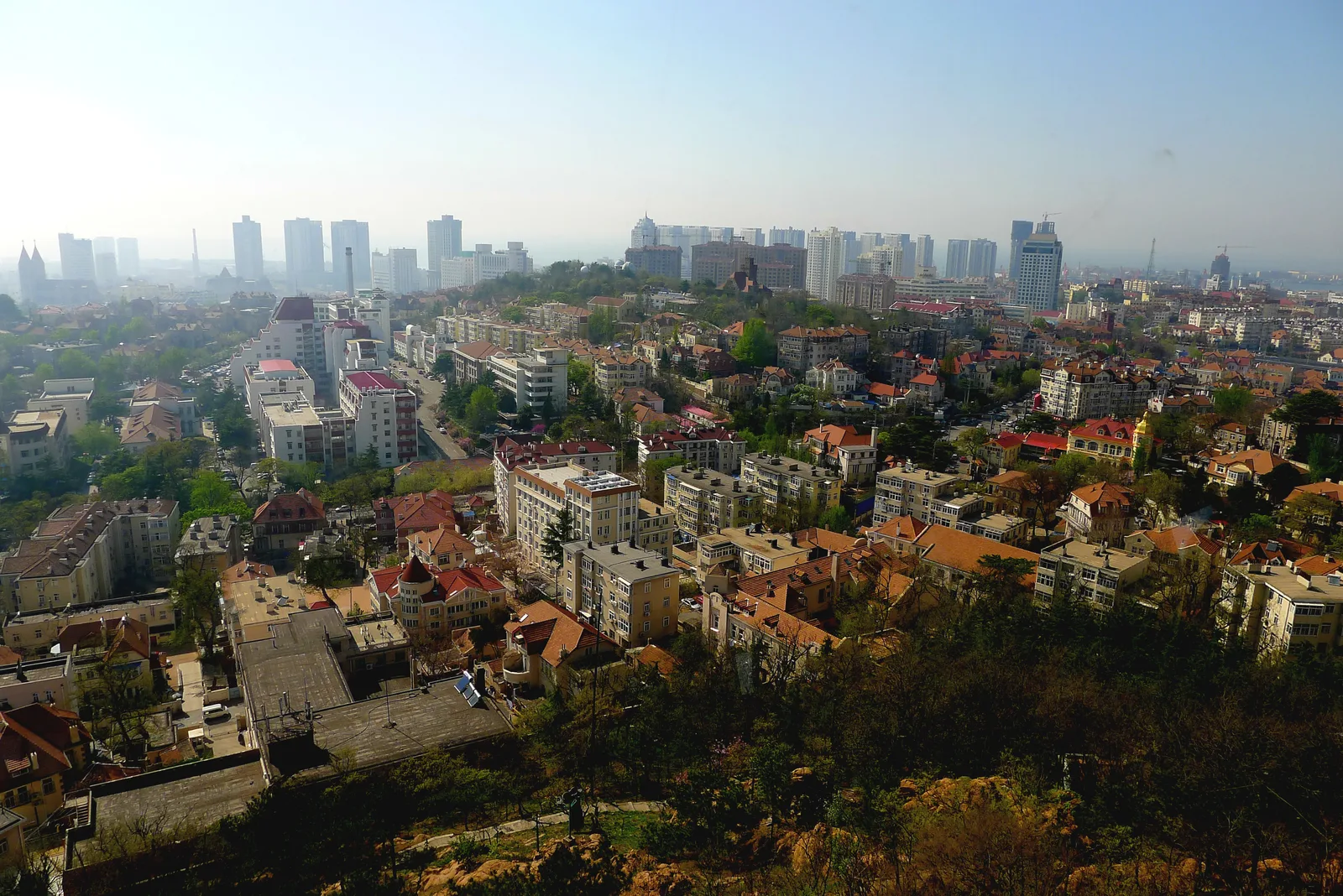
Qingdao brings several different trips together: old streets above the waterfront, the working history of Tsingtao beer, contemporary towers around Fushan Bay and mountain excursions to Laoshan. A short stay works best when you choose which of those experiences matters most. Staying beside a beach does not automatically put you close to the historic centre, and a hotel carrying the Qingdao name can be a considerable journey from either.
For a first visit, allow three full days: one for the old town, one for the central coast and brewery, and one for a carefully chosen Laoshan route. Travellers considering a move should add ordinary weekdays to inspect housing and test the journey to work or school. A waterfront holiday gives only a partial picture of the city. VisaWand's China country guide provides the national context; its China location directory helps you compare other places.
Read the architecture alongside the history
Red roofs and European architectural details are part of Qingdao's appeal, but they belong to a complicated colonial history. The municipal library's local-history reading guide distinguishes German occupation in 1897–1914, the first Japanese occupation in 1914–1922, the subsequent Chinese administration and another Japanese occupation in 1938–1945. Reading those periods together makes the buildings more informative than treating the city as a transplanted European seaside resort.
Chinese commercial and residential history is equally important. In Dabaodao's courtyard neighbourhood, the government describes the development of liyuan buildings combining local courtyard traditions with architectural influences from abroad. Regeneration has brought new commercial uses to parts of the district. Notice which courtyards welcome visitors and which remain private, rather than assuming that every open doorway is a public attraction.
Understand the distances before booking
Use three anchors to orient yourself: the old town around Qingdao railway station and Zhongshan Road, the modern waterfront around May Fourth Square, and the eastern coast towards Laoshan. These are useful planning areas rather than interchangeable versions of a single compact centre. Link attractions within an area before adding journeys across the city.
The Olympic Sailing Center is in Shinan District beside May Fourth Square; its sailing heritage includes the Beijing 2008 Olympics. Badaguan lies farther west along the central coast, while the Beer Museum belongs to a different, inland part of the sightseeing circuit. Before confirming accommodation, plot the actual entrance, nearest station and evening return route. A district name alone is too broad to establish convenience.
Walk the old town from Zhanqiao
The city's official old-town walking route links Zhanqiao with Zhongshan Road, the cathedral area, Taixingli and Pichai Yuan. Begin with the pier and waterfront, then leave enough time for the uphill streets rather than scheduling each landmark as a separate taxi stop. A walk can remain worthwhile even when you decide against paid interiors.
St Michael's Cathedral makes a useful exterior landmark, but a photograph outside is different from admission to a religious building. Check current visiting arrangements before entering, and respect services and photography restrictions. Around Zhongshan Road, compare the restored commercial streets with quieter public lanes. Keep the route flexible: a café break or a shorter loop may be more rewarding than walking every advertised stop when rain or crowds make progress slow.
Give Badaguan time on foot
Badaguan is a good place to slow the itinerary. The municipal description of the neighbourhood dates its development to the 1930s and explains the streets named after famous Chinese passes. Its buildings draw on several architectural traditions. Calling the entire area German colonial architecture would obscure that later history and variety.
Walk a manageable section of its tree-lined streets and combine it with the nearby shore. Public roads, gardens, private properties and ticketed buildings have different access arrangements; do not infer admission rights from the neighbourhood's scenic status. For travellers with limited mobility, choose the precise stretch and return point before setting out. A short architectural walk with places to rest is a realistic alternative to an ambitious coastal circuit.

Follow the modern waterfront without overbooking it
May Fourth Square and the Olympic Sailing Center offer a different sense of Qingdao: broad waterfront spaces and a contemporary maritime setting. The championship organiser describes the sailing precinct's continuing combination of sport, leisure and tourism. You can enjoy that setting without committing to a boat excursion.
For sailing or sightseeing cruises, establish the operator, boarding point, duration, lifejacket arrangements and cancellation terms before paying. Weather can change the experience substantially, so leave a land-based alternative in the same area. Avoid building an evening around an assumed daily light show: confirm the current programme locally. The waterfront itself is the dependable reason to include this part of the city, with dinner or a rest afterwards rather than another distant attraction.
Choose the right Beer Museum ticket
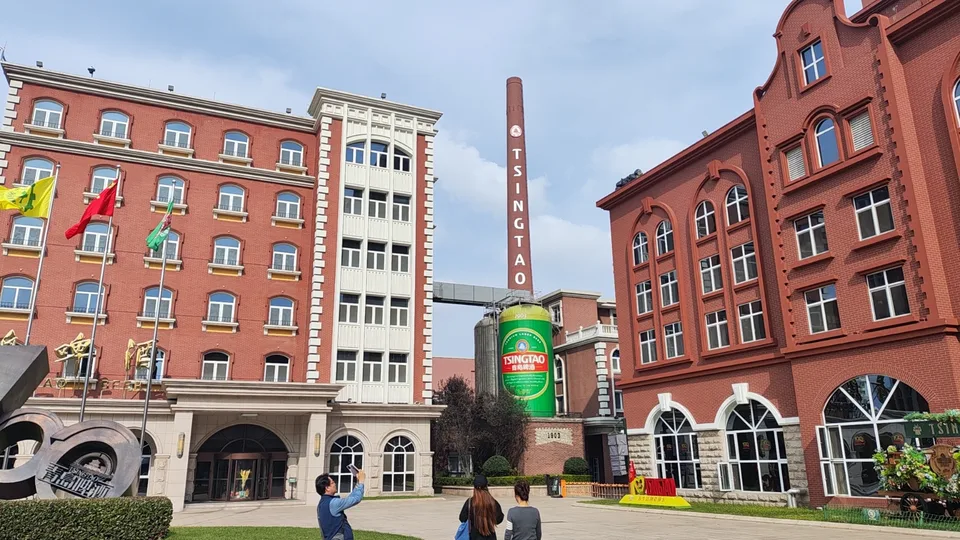
The Tsingtao Beer Museum's published April–October tariff lists a basic adult ticket at RMB 60, covering the history and brewing halls, two small beer tastings and beer beans. Higher-priced packages add different experiences; compare inclusions before buying. This is an industrial-history visit as well as a tasting opportunity, and non-drinkers can decide whether the exhibits justify the ticket for them.
The operator's seasonal hours currently run 08:00–18:30 in May–June and September–October, with last entry at 17:30. January–April and November–December use shorter hours; July–August have longer opening. The city also announced timed-entry reservations in July 2026. Reserve through the museum's official channels and bring the purchase identification and confirmation. Passport holders should contact the operator if the booking form or entry procedure is unclear. The enquiry number is 4001691903.
Make Laoshan a separate day
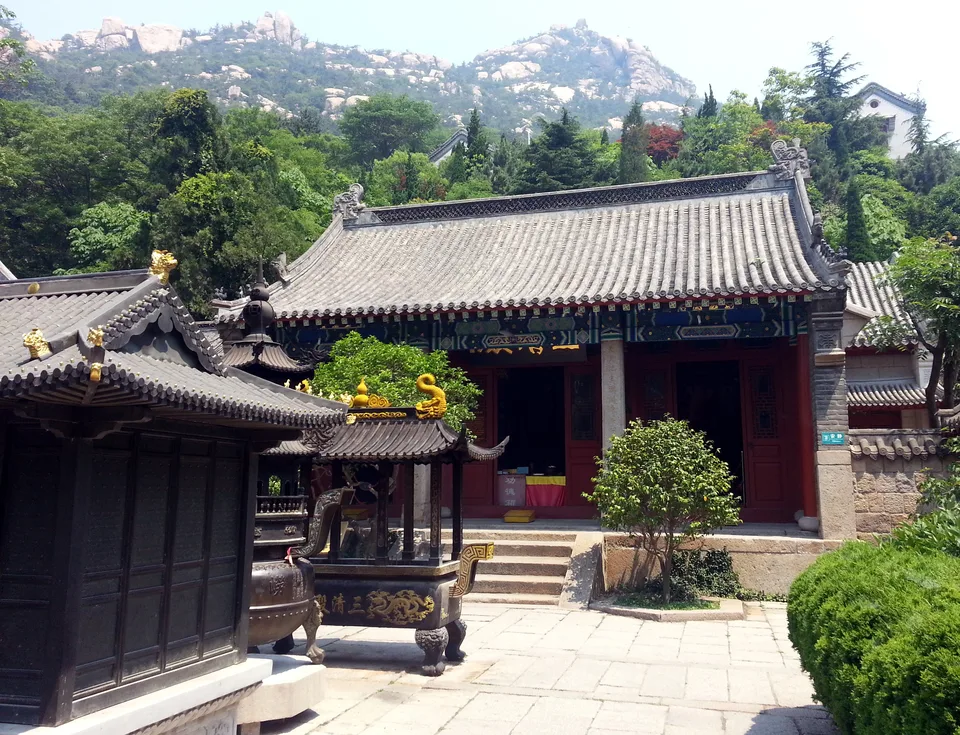
Laoshan deserves its own outing. Choose between a temple-and-coast visit and a more demanding mountain walk before buying tickets. The operator's Taiqing route guide distinguishes the relatively accessible coastal palace area from uphill routes towards Shangqing Palace and Mingxia Cave. Even the easier option involves arranging transport and walking; it is not a city-centre stop to squeeze in before a flight.
For a first visit, decide on one main area and leave room for queues and weather. Take suitable footwear, water and an extra layer, and check the return connection before beginning a climb. Stay on open visitor routes. A summit, temple, beach and village circuit on the same day is an unnecessarily fragile plan, particularly when transport or visibility deteriorates.
Understand Laoshan's admission and transport charges
The 2026 scenic-area notice requires real-name reservations, opening seven days ahead and subject to quotas. Metro Line 4 to Dahedong, Exit A, reaches the southern visitor centre for onward scenic shuttles to Taiqing or Jufeng. September–November opening is listed as 07:00–17:30; last practical departures and individual facilities still need checking.
The associated April–December price table lists Jufeng admission plus shuttle at RMB 120 and the southern package excluding Jufeng at RMB 130. Taiqing Palace costs a separate RMB 27; cableways also cost extra. Buy for the route you intend to use. The Yangkou–Yakou vehicle reservation is a separate, free arrangement for eligible small cars, not a substitute for attraction admission. Check any temporary restrictions before driving into the village area. For current advice, the scenic-area hotline is 0532-96616.
Pick a beach for the season
A beach can be open for walking when supervised swimming has ended. Under the city's published 2026 bathing calendar, most listed beaches operated swimming services from 1 July to 25 September. First Beach's season extends from 1 June to 31 October, with 09:00–17:00 hours for 8–31 October. Those dates are a planning reference; closures and instructions on site take precedence.
Choose First Beach for a central coastal stop or combine Second Beach's surroundings with Badaguan when appropriate. For swimming, use an authorised area during operating hours and follow flags, lifeguards and weather instructions. Keep an autumn beach walk separate from a promise of a swimming holiday. Families should also compare toilets, changing facilities and the journey back to accommodation, rather than choosing only from photographs of the sand.
Stay near the part of Qingdao you will use
For a short historical visit, look around the old town and Qingdao railway station, checking the slope and exact approach to each property. Around May Fourth Square, compare hotels for a modern waterfront stay and convenient metro access. A room farther east may suit a beach-focused break, but establish the travel time to the old town before choosing it for a first visit.
Compare the full booking price, room size, cancellation deadline and breakfast terms. In older buildings, ask about lifts, stairs and sound insulation; in larger hotels, check the walking route from the station rather than relying on a map radius. For an early departure, a final night near the airport can be sensible if it reduces uncertainty. Confirm the actual terminal transfer and shuttle hours directly with the property.
Use the new airport rail connection
Qingdao Jiaodong International Airport is the relevant airport for planning this arrival. The city's September 2026 Line 8 opening notice confirms through metro services between the airport and May Fourth Square following the southern extension's opening on 22 September. Older instructions requiring a change at Qingdao North are no longer necessary for that journey.
The approximately 40-minute journey advertised by the city refers to fast services with selected stops. Check the train you intend to catch rather than assuming every departure takes the same time. The notice lists early fast departures from May Fourth Square and late airport services, with current details subject to the metro app and station announcements. Add time for immigration, baggage and reaching the platform. A late landing does not guarantee that you will be ready for the last train; retain money and a plan for another transfer.
Match your railway station to your ticket
Use China Railway's 12306 booking service to check the departure date, train, fare and exact station. Qingdao, Qingdao North and Qingdao West are distinct stations. A search result labelled with the city name does not establish which one is convenient for your hotel or onward journey.
Before buying, compare the total trip: travel to the station, security and boarding time, train duration and the final transfer. Keep the identification used for the booking available. If a booking or passport-verification step is unclear, resolve it before departure rather than allowing only a few minutes at the station. For a multi-city itinerary, fewer hotel changes can be worth more than a slightly faster train requiring a less convenient station.
Use the metro, then judge the final walk
The operator's ticket rules set a starting fare of RMB 2 for the first 5 kilometres, rising to RMB 3 up to 10 kilometres and RMB 4 up to 17 kilometres. Those are distance bands, not a flat citywide fare. Check the actual station pair and keep the ticket or payment method needed to exit.
Build walking into the plan, but inspect hills, crossings and station exits. The nearest station symbol may conceal a less convenient approach to a hotel entrance. For taxis or ride-hailing, save the destination in Chinese and confirm the pickup point before ordering. If travelling with luggage or a pushchair, a slightly longer journey with fewer changes can be preferable. Test an important route on arrival before depending on it for a time-sensitive appointment.
Eat beyond the beer-and-seafood shorthand
The tourism bureau's guide to local dishes includes seafood dumplings, crisp-bottomed guotie, Liuting pork trotters and Wanggezhuang steamed buns. These offer different ways to explore the city without ordering an elaborate seafood banquet. Ask about the actual filling, stock and sauces: a vegetable-looking dish or dumpling is not enough information to establish suitability for a dietary restriction.
For seafood, agree the item, weight, price unit and any preparation charge before ordering. The city market regulator has specifically addressed unclear seasonal pricing and inaccurate weighing. Ask for an itemised bill and retain the receipt. A busy tourist street is useful for comparing what is on offer, but it is no guarantee of value. Choose an amount you will enjoy eating rather than ordering for the photograph.
Build a budget around your chosen experiences
Start with dated accommodation quotes, then separate meals, transport and paid attractions. The museum's basic RMB 60 ticket and a Laoshan package plus separately charged extras create very different sightseeing days. Combine paid visits with public street and waterfront walks rather than buying multiple packages simply because they appear on a standard list.
For two people, price the same itinerary using public transport and a taxi-heavy alternative; include the airport transfer and luggage needs. Do not treat a low metro starting fare as the complete daily transport budget. Leave a reserve for weather changes, an extra meal near your hotel or a missed connection. This guide avoids an unsupported average hotel or rental price: the useful figure is a current quote for the dates, location and standard you actually need.
Shop practically and prepare your payments
Use shopping time to meet a purpose: groceries for an apartment stay, weather-appropriate clothing, or a small souvenir you can carry home. Compare package sizes and luggage weight before buying drinks or food gifts. Check destination customs rules separately before transporting animal products or other restricted goods across a border.
The government's payment guidance describes mobile payments, bank cards and cash, including linking eligible international cards to Alipay or WeChat Pay. Set up and test your preferred method before an important purchase, while checking current fees and identity requirements with the provider. Carry an alternative. Overseas cards can be used at appropriately marked ATMs, but acceptance and issuer charges need checking. Save booking confirmations and essential addresses offline so that a connectivity problem does not also remove your travel information.
Choose weather for the trip you want
The municipal climate description explains Qingdao's slow spring warming, humid and rainy summers, drier autumn conditions and cold, windy winters. Coastal fog can alter the view and the mood of a walk. Old historical averages are less useful for packing than the forecast for your dates, so check again shortly before departure.
For walking and architecture, consider spring or autumn while allowing for a cool waterfront. For swimming, align the trip with the supervised bathing season and accept that weather can interrupt it. Summer visitors should compare accommodation early for their precise dates; winter visitors should check opening hours and indoor alternatives. Keep the mountain day movable within a longer stay. Good visibility and operating transport matter more than adhering to the original order of attractions.
A realistic three-day first visit
Day one: start at Zhanqiao, walk towards Zhongshan Road and the cathedral exterior, and spend the afternoon in selected old-town streets and courtyards. Add Pichai Yuan if you want to compare snacks, then finish within a convenient journey of your accommodation. Avoid making the first day depend on several timed admissions after an international arrival.
Day two: reserve the Beer Museum for a suitable slot, with lunch and travel time around it. Spend the rest of the day between Badaguan and one section of the central coast, or choose May Fourth Square and the sailing precinct for a less fragmented afternoon. Trying to cover both at length makes this a busy day; select according to your interests.
Day three: visit one Laoshan area using the reservation and transport appropriate to it. If weather makes the excursion unattractive, keep the day in the city and return to the waterfront or an indoor attraction whose opening you have confirmed. With only two days, omit the mountain rather than compressing all three days into a checklist.
Moving: choose the commute before the view
Start a housing search with the actual workplace, university campus or school entrance. Compare that daily route from several candidate areas at the time you expect to travel. The best holiday base may not make a practical home, particularly if employment or study lies away from the central waterfront.
Use temporary accommodation while inspecting apartments. At each viewing, check lift access, heating and cooling, ventilation, water pressure, appliances and street noise. Ask how heating is provided and billed, rather than assuming a quoted rent includes it. Photograph the agreed inventory and meter readings at handover. Compare the complete monthly cost, including management fees, utilities and commuting. Ask the landlord to explain who will arrange repairs and how urgent problems should be reported. A sea view is easier to appreciate when those everyday arrangements work.
Rent carefully and organise essential services
The municipal housing-rental service provides a route to checking registered intermediaries and standard contracts. Establish the owner's identity and the agent's authority, read the agreement before transferring money, and put deposit deductions, refund timing, repairs and early termination in writing. Check how a foreign-passport tenant should complete the required processes; do not assume every online form supports the same documents.
For healthcare, the Affiliated Hospital of Qingdao University lists several campuses and a consultation service. Confirm the right campus, appointment procedure, language support and insurance arrangements for your needs. Families should establish school eligibility, fees and transport before committing to a lease. Arrange communications and banking through providers' official channels, and test the services you need for work. Treat a move as a sequence of confirmed arrangements, with enough temporary accommodation to resolve gaps.
Keep visitor entry separate from permission to live and work
Check entry requirements for your passport and purpose with the responsible Chinese embassy or consulate. The National Immigration Administration's transit guidance makes 240-hour transit conditional on eligibility, approved ports and permitted areas, with confirmed onward travel to a third country or region. It is not a general substitute for a visa or permission to work or study.
For employment and longer study, follow the appropriate visa and residence-permit procedures with your employer or institution. A visa requiring a residence permit entails applying within 30 days of entry. Outside-campus student work or internships require the relevant approval and permit endorsement. Permanent residence has separate eligibility and approval requirements; renting a home does not confer it.
Hotels handle accommodation registration. For other accommodation, registration is required within 24 hours, with online routes and eligibility explained by NIA. Arrange this with the host; if the online process fails, use the local police-station route. VisaWand's China destination page and consultant listings can help you locate professional assistance to assess your circumstances.
Extend the trip without making every place a day trip
A longer stay can explore more of Qingdao's coastal areas, but check the actual journey before moving accommodation or booking an excursion. A quieter coastal base and a central sightseeing base serve different purposes. Split a stay only when the change gives you enough useful time to justify packing and transferring.
For a broader China itinerary, compare Qingdao's coast and maritime history with an inland or river-city stop. VisaWand's completed Nanjing city guide offers a contrasting historical visit. Check direct services and station locations before connecting them. If you are comparing places to live, visit each on ordinary working days and price the same housing, school and commuting requirements. That produces a more useful comparison than contrasting one city's holiday photographs with another's rental advertisements.
Official planning resources
Reviewed 16 October 2026. Use the official resources linked throughout this guide for admission, transport, housing and immigration decisions. Prices, services and rules can change; confirm the details relevant to your dates. Photography illustrates the locations and is not a live view.
View all official resources
- Qingdao Municipal Library: local historical sources
- Qingdao government: Dabaodao courtyard neighbourhood
- ILCA World Championships: Qingdao host venue
- Qingdao government: old-town walking routes
- Qingdao government: Badaguan
- Tsingtao Beer Museum: ticket categories
- Tsingtao Beer Museum: visiting information
- Qingdao government: Beer Museum timed entry
- Laoshan Scenic Area: Taiqing route
- Laoshan Scenic Area: 2026 visiting notice
- Laoshan Scenic Area: April-December price table
- Qingdao government: Laoshan vehicle reservation
- Qingdao government: 2026 bathing-beach season
- Qingdao government: Line 8 opens throughout
- China Railway: English booking service
- Qingdao Metro: ticket rules
- Qingdao tourism bureau: local dishes
- Qingdao market regulator: restaurant prices and weighing
- State Council: payment services for overseas visitors
- Qingdao government: natural environment
- Qingdao housing rental public service system
- Affiliated Hospital of Qingdao University
- National Immigration Administration: transit conditions
- National Immigration Administration: residence permits
- National Immigration Administration: permanent residence
- National Immigration Administration: accommodation registration
Plan the next part of your journey
Explore the China guide, browse other cities or compare consultants for your travel and relocation questions.