Visa
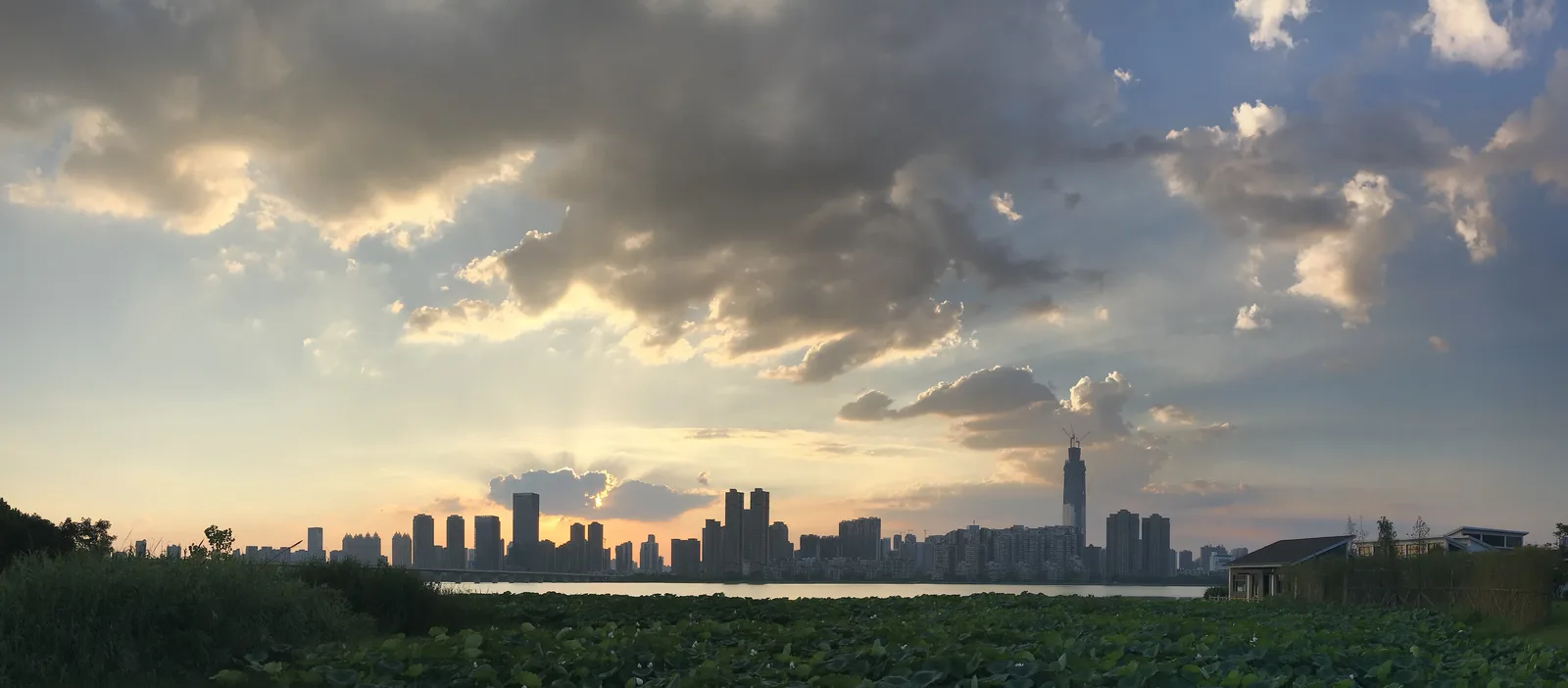
A city best understood from its rivers
Wuhan rewards visitors who give it time between the headline sights. Breakfast noodles, a walk past Hankou’s old commercial buildings, bronze bells in a museum and an evening beside the Yangtze make a more revealing introduction than a hurried circuit of observation points. Plan three days if you want the principal experiences without spending the entire visit in transit.
The Hubei provincial capital stands where the Han River meets the Yangtze in central China. Water shapes its identity and its practical geography: a place that appears close across a river can require a substantial journey. Visitors should choose accommodation around their planned activities; prospective residents should start with their workplace or campus. Those two searches can produce very different answers.
Understand Hankou, Wuchang and Hanyang
Wuhan’s three historic urban areas are Hankou, Wuchang and Hanyang. They are useful orientation names, rather than a count of today’s administrative districts. Hankou occupies the side of the Yangtze north of the Han confluence; Hanyang lies across the Han, while Wuchang is on the opposite side of the Yangtze.
For a first visit, think in clusters. Hankou suits historic commercial streets, shopping and riverfront evenings. Wuchang brings Yellow Crane Tower, provincial cultural institutions and the approaches to East Lake into your plans, although these are spread out. Hanyang offers another perspective on the confluence and the bridge landscape. Avoid booking a hotel simply because its description says “central Wuhan”: check the actual entrance and nearest useful metro station.
Read the history through buildings and bridges
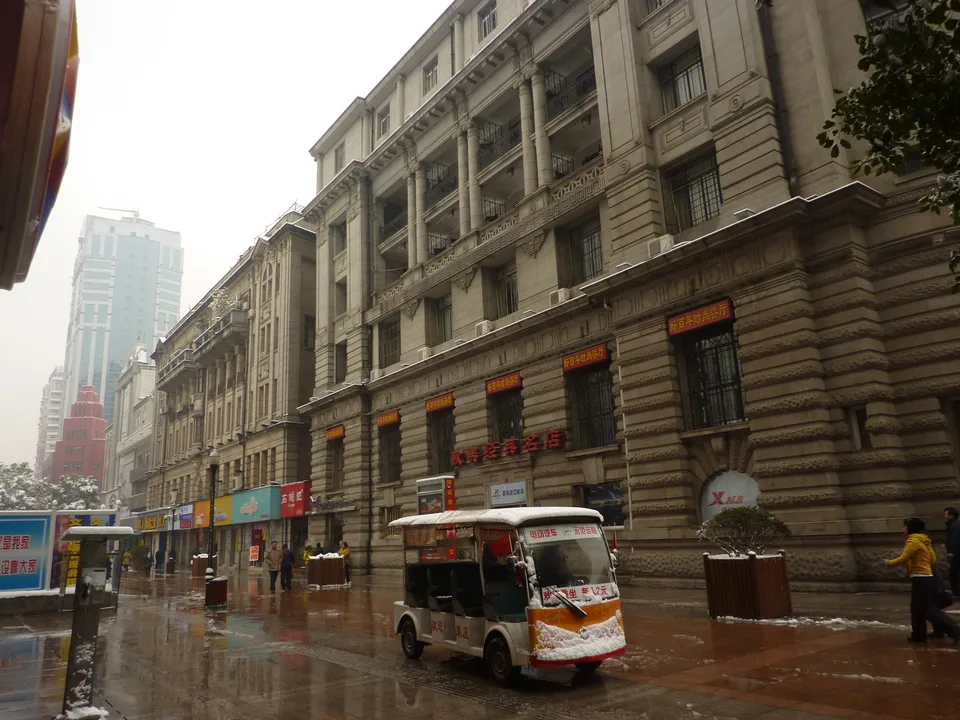
Wuhan’s trading history is visible around Jianghan Road, where former commercial buildings preserve a mixture of architectural influences. Look above modern shopfronts at columns, cornices and rooflines. This is a working shopping area whose older buildings help explain the city’s commercial connections, rather than a preserved town arranged solely for sightseeing.
The Wuhan Yangtze River Bridge, opened in October 1957, connects Wuchang and Hanyang, with road traffic above the railway. Seeing trains beneath the road deck makes the city’s role as a transport junction unusually tangible. View it from a public riverside area rather than treating every approach road as a pleasant pedestrian route. Allow daylight for the structure and surrounding geography, even if you also want evening photographs.
Give Yellow Crane Tower a proper visit
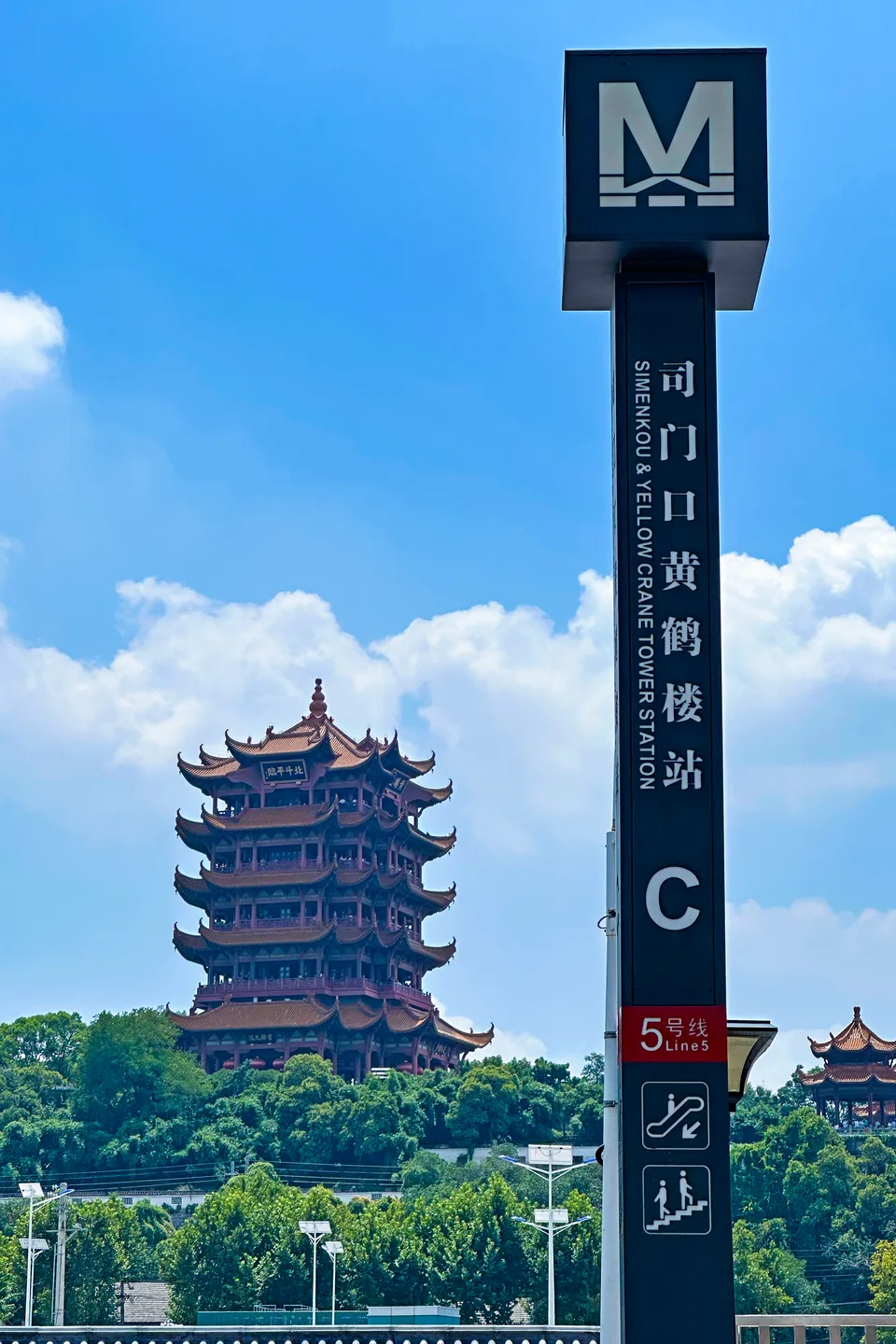
Yellow Crane Tower stands on Snake Hill in Wuchang. Its literary reputation and historic origins are much older than the building you see: the present reconstruction reopened in 1985. That distinction matters when deciding whether to visit for surviving ancient fabric, cultural associations or views across the city.
The municipal visitor information lists a standard ticket at RMB70, with opening hours of 08:00–18:40 from April to October and 08:00–17:40 from November to March. Reconfirm your date’s admission arrangements before travelling, particularly for separate evening products. Do not assume that a night performance is included in a daytime ticket.
Allow roughly two hours as a planning choice, longer if you enjoy the surrounding grounds. Clear visibility improves the panorama; heat and crowded stairways can make a midday visit less comfortable. A photograph from outside the paid grounds offers a different experience from going inside.
Make the provincial museum your cultural anchor
The chime bells from Marquis Yi of Zeng’s tomb are a compelling reason to visit Hubei Provincial Museum. Excavated in Suizhou in 1978, the early Warring States ensemble contains 65 bells. Their musical sophistication makes the collection more than a display of impressive bronze casting; it opens a window onto the region’s cultural history.
General admission is free, with real-name reservations. Regular hours are Tuesday–Sunday, 09:00–17:00, with last entry at 16:00; holiday and seasonal arrangements can differ. Individual bookings use the museum’s official WeChat channel, up to five days ahead, with new availability released at 17:18. Bring the original passport used for booking. Avoid sellers charging for supposedly official admission reservations.
Set aside a substantial morning. A separately ticketed chime-bell performance is listed at RMB50 for a standard adult ticket; reserve museum entry first and confirm that day’s performance schedule. The ancient collection and a musical performance are distinct experiences, so choose according to your interests and available time.
Walk a manageable part of East Lake
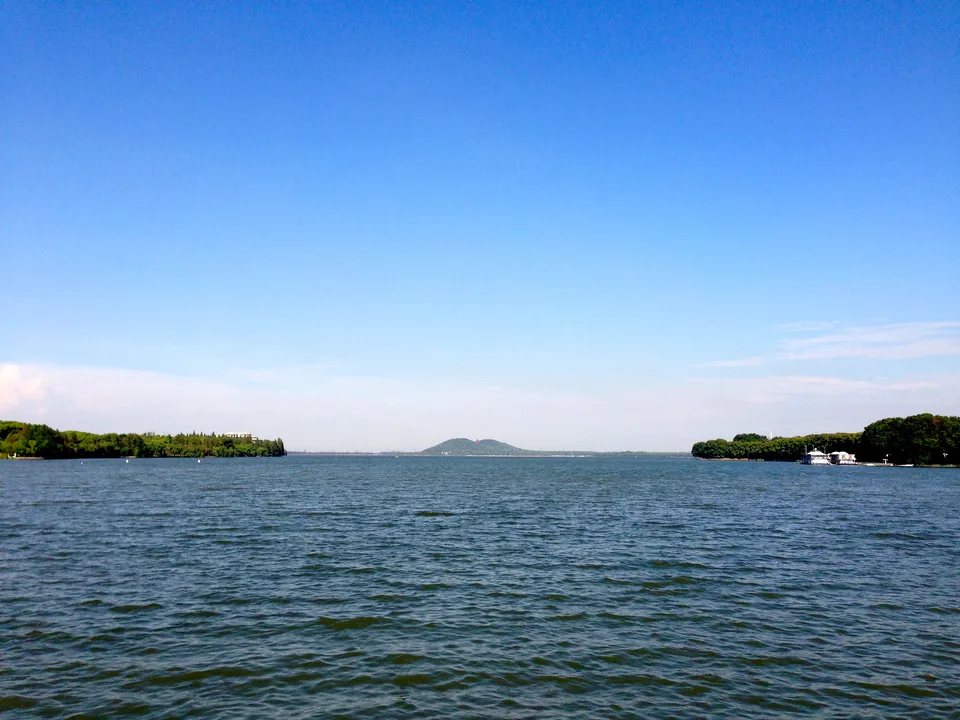
East Lake is where Wuhan’s scale becomes apparent in a different way. The greenway network reached 105 kilometres after its third phase, according to the city’s June 2026 account. That is an invitation to select a section, not a sensible target for a casual afternoon walk.
Choose an entry point and an exit before leaving your hotel. A short lakeside outing near your museum day can be more satisfying than trying to connect several distant scenic areas. Carry water, check the forecast and make an indoor alternative for heavy rain or oppressive heat. If hiring a bicycle, establish the return location and operating conditions first. Paid gardens, boats and other activities should be checked separately rather than assumed to come with general greenway access.
Explore Hankou at street level
Start around Jianghan Road and work towards the river, leaving time to pause at historic façades. The district’s architectural overview is useful context for noticing the customs-house area and the commercial buildings beyond it. Keep an eye on active entrances and traffic where the pedestrian shopping streets meet ordinary roads.
A riverfront walk provides a counterweight to shops and crowds. Treat the length as flexible: a comfortable hour outside is better than completing a map route in bad weather. If you want photographs, return when the light improves instead of forcing all your sightseeing into one continuous march. For shopping, compare the historic street with a modern mall; the two show different sides of contemporary Hankou.
Cross the river with the right expectations
A ferry can make the relationship between the city’s banks easier to understand. Wuhan’s 2026 visitor coverage describes a themed connection between the Wuchang side and Qingchuan Pavilion in Hanyang. This is different from assuming every boat is the same commuter crossing, with an identical fare or destination.
Check the departure wharf, final stop, ticket type and last sailing at the operator’s current sales point. The transport authority publishes service adjustment notices, including interruptions for events. Weather and operational changes can alter your plan, so keep a metro alternative. A sightseeing cruise is a discretionary experience; it should not become your only means of reaching a station or airport on time. No fixed ferry price is quoted here because a current operator tariff was not reliably established.
Choose accommodation around your actual days
For a short holiday focused on shops and evenings out, compare hotels near Hankou’s Jianghan Road area. For a museum and lake emphasis, investigate Wuchang addresses with useful transport connections. A hotel near Yellow Crane Tower may suit that visit while still leaving a journey to East Lake. Convenience depends on your itinerary, rather than the district name alone.
Use a refundable first booking when the neighbourhood is unfamiliar. Ask about street noise, lift access, non-smoking rooms, luggage storage and reception arrangements for a late arrival. Confirm how the property will register your passport and whether your intended payment method works. Apartments can offer a kitchen and laundry, but require more attention to check-in support and accommodation registration. Compare the full booking cost, including cancellation terms, rather than an attractive nightly headline.
For travellers with limited mobility, request photographs of the entrance and bathroom, not just an “accessible” label. Establish whether the route from reception to the room includes steps and whether a taxi can stop close to the door. Check these details directly before committing to a property.
Arrive through Tianhe Airport
Wuhan Tianhe International Airport is the principal air gateway. Metro Line 2 connects the airport with the city; the municipal transport overview establishes the link, but its older timetable should not be used as a promise for a late-night arrival. Check the current last train and the terminal on your flight booking.
An alternative is the railway connection to Hankou. A July 2026 airport update reports the fastest journey at 12 minutes and fares starting at RMB7. Those are minimums, not a guarantee for every departure, and exclude the walk, waiting and onward journey to your hotel. Compare the next actual service with the metro. For taxis or a prearranged pickup, retain the hotel’s Chinese address and agree the correct terminal meeting point.
Keep railway stations distinct
Wuhan, Hankou and Wuchang are separate railway stations. Read the departure station on every booking; the city name on an itinerary does not establish which terminal you need. Choose your hotel-to-station route before departure morning, especially if it crosses a river or involves luggage and a transfer.
Use China Railway’s official English booking guidance to understand real-name tickets. Travel with the original passport used for purchase and allow time for security and identity checks. An itinerary sheet is not a substitute for the required travel document. Resolve account verification difficulties before a time-sensitive journey, using a staffed ticket counter if necessary. Check seat availability and the exact date rather than relying on a generic claim that a destination has frequent trains.
Use the metro for the journeys it serves well
The metro is a useful starting point for independent travel, but station exits and interchange walks matter. A hotel five minutes from one entrance may be much less convenient for another line. Save a Chinese-language destination and its map pin so that staff can help when English names vary.
The approved fare structure starts at RMB2 for journeys within four kilometres and rises by distance. Use the current journey planner for your actual fare; counting stations can be misleading. Purchase a ticket or activate a supported transport code before approaching the barriers. Keep the same payment method throughout a journey. For a short stay, comparing a handful of actual trips is more useful than automatically buying a pass. Leave extra time when a route involves unfamiliar interchanges.
Eat breakfast, then explore beyond it
Begin with reganmian, Wuhan’s hot dry noodles, coated in sesame paste. The dish is a practical introduction to the city’s food culture, although sesame is important to flag for anyone with an allergy. Ask about ingredients rather than assuming a plain-looking noodle dish is suitable for a particular diet.
The city’s food overview also highlights doupi, pork-rib and lotus-root soup, Wuchang fish and spicy crawfish, alongside snack areas such as Liangdao Street, Shanhaiguan Road and Hubu Alley. Choose by the food you want and your route that day. Check menus before ordering, especially for seafood sold by weight. Keep a written allergy explanation in Chinese and use it to discuss preparation, sauces and shared utensils. A translation screen cannot guarantee that a kitchen can accommodate you.
Build a budget from bookable choices
Use renminbi amounts for comparisons and check exchange charges with your own payment provider. The tower, an optional performance and extra paid activities can add up differently from a museum-and-walking day. Keep transport, attraction tickets, food and accommodation as separate lines so you can see what changes the total.
No citywide hotel or restaurant average is presented as a verified current price. Price the room for your exact dates, then compare a few real menus and the journeys you expect to make. Add a reserve for a taxi, replacement booking or weather-driven indoor activity. Couples sharing a room and solo visitors will have different daily totals. Longer stays should distinguish one-off setup expenses from recurring rent and household bills before making comparisons with home.
Prepare payments and your phone
China’s official visitor payment guide sets out options including mobile payments, bank cards and cash. Prepare more than one method. A foreign card linked successfully to an app does not establish that every transaction, merchant or service will work; check the product’s fees and limits and keep some small-denomination cash available.
For a local SIM, the official working-and-living guide says foreign nationals can take their passport to a telecom operator’s service office. Compare data allowance, validity and renewal conditions. Before leaving home, check roaming and access to the banking and communication services you rely on. Save your hotel address, travel documents and essential reservations for offline reference. Make sure a lost or flat phone would not leave all your payment options inaccessible.
Choose the season for your tolerance of weather
Wuhan’s subtropical monsoon climate brings hot, rainy summers and cold winters. Spring and autumn are sensible starting points for travellers who want extended walks, while summer requires more deliberate pacing. Plan outdoor time earlier, take breaks and check local weather warnings before committing to a long lakeside outing.
Cherry blossom season attracts attention, including at Wuhan University. Bloom timing varies, and campus access is controlled: the university’s published admission arrangements demonstrate why visitors must check the relevant year’s notice rather than arrive expecting unrestricted access. Do not reuse an old year’s booking dates or quotas. Winter calls for warm clothing, and anyone considering a move should inspect the actual apartment’s heating arrangements. A pleasant spring viewing tells you little about comfort in January or July.
A realistic three-day introduction
Day one: settle in, then explore Jianghan Road and a manageable section of Hankou’s riverfront. Keep the first afternoon light if you have arrived on an overnight flight. Use dinner to discover how far you are comfortable travelling from your hotel after dark.
Day two: visit Yellow Crane Tower in the morning, followed by a Wuchang food stop and bridge views. Add a ferry only after checking its route and current operation. Leave room for rest rather than attaching every riverside attraction to the same day.
Day three: use your reserved museum slot, then spend the remaining daylight on a selected East Lake walk. Swap the order of days when opening arrangements or weather require it. These are planning suggestions, not a timetable guarantee; keep departure-day travel separate from your most ambitious sightseeing.
For a move, start with the commute
Wuhan can suit people whose work or study connects them to its universities, industry or services. The first practical question is the exact location of that commitment. Optics Valley, in eastern Wuhan, is a different housing search from central Hankou, and a job elsewhere in the municipality may create another set of choices.
Visit a prospective neighbourhood on a working day and test the journey at the relevant time. Include the walk to the platform, transfers and the final approach to the office or campus. Ask whether your household needs school access, regular medical appointments or a particular grocery selection. Those repeated journeys usually matter more than being close to a landmark. Start with temporary accommodation if you cannot inspect a long-term rental before arrival.
Walk to the nearest supermarket and pharmacy while viewing a flat. Check laundry space, cooking equipment and delivery access against your household’s habits. Keep a small setup budget for bedding, kitchen items and other essentials that the inventory does not include, rather than assuming a furnished rental supplies everything.
Inspect the apartment and the paperwork
The city’s property lease guidance recommends checking ownership, the landlord’s identity and authority to let, existing tenancy arrangements and receipts for rent. Obtain a written contract you understand, with the address, term, payment schedule, deposit conditions and responsibility for repairs clearly recorded.
During an inspection, test water pressure, hot water, cooling, heating and internet availability. Check windows, damp, lift reliability, building access and noise with the windows closed. Ask which utility and management charges are additional, how meters are read and whether bills or arrears remain from a previous occupant. Photograph the inventory and meter readings at handover. Verify that the landlord will assist with accommodation registration before paying a substantial deposit; a verbal assurance about paperwork is a poor substitute for an agreed process.
Organise healthcare and everyday support
Identify the hospital or clinic you would actually use from your chosen address. The international medical centre at Union Hospital’s WEDZ branch is one documented option with multilingual services, but location, appointments, insurer acceptance and direct billing must be confirmed for your circumstances. Do not assume an insurance partnership means your individual policy covers every service.
The city lists 110 for police, 119 for fire and 120 for an ambulance. Keep your Chinese address and an emergency contact accessible. For households, investigate school admission, language support and fees before signing a lease around a school. Ask your employer or university what practical help it provides with appointments, document translation and initial setup. Everyday support can make a greater difference to settling in than the apparent quality of the apartment alone.
Separate a holiday from work or study
Check eligibility against your passport and purpose before buying non-refundable travel. The embassy’s visa-free entry FAQ describes eligible ordinary-passport visitors staying up to 30 days for specified short visits. Many temporary arrangements run through 31 December 2026, with different terms for particular nationalities. Consult your own Chinese embassy for the rule that applies to your travel date.
If you need a visa, use the official application-centre network for your jurisdiction. Tourism, employment and study use different routes: a tourist visit does not itself authorise taking a job. Wuhan’s residence guidance explains work-permit and work-residence requirements and the 30-day application deadline where an entry visa requires a residence certificate. Arrange these with the employer or institution before moving. Renting a home does not establish permanent-residence eligibility.
Check transit eligibility and register your stay
The NIA’s August 2026 transit rules provide up to 240 hours for eligible ordinary-passport holders travelling onwards to a third country or region with confirmed departure arrangements. Tianhe Airport is listed, and Hubei is a permitted stay area. This is not an unrestricted visa waiver for every passport or an ordinary return trip; work and study require the appropriate approvals.
Hotels register foreign guests. Outside hotels, you or your host must register accommodation within 24 hours. Online registration expanded nationwide on 21 September 2026, with offline police registration retained. Follow the NIA’s current instructions, seek your host’s assistance for initial registration and retain the result. Call 12367 or seek local police help if the process fails; registration is separate from permission to work or reside long term.
Extend the journey within Hubei
Consider Jingzhou’s ancient city area for walls, gatehouses and a different urban scale, or use Yichang’s official visitor directory to investigate Three Gorges-related attractions. Both deserve their own transport and accommodation planning rather than being treated as quick additions to an already full Wuhan day.
VisaWand’s Jingzhou destination page and Yichang destination page provide location references; check each page for the content currently available. Use the China destination information for the wider country context. If a proposed longer stay involves employment, study or family circumstances, the consultant directory can help you identify relevant professional support. Confirm the adviser’s jurisdiction and service before booking, while keeping official authorities as the source for entry decisions.
Official planning resources
Reviewed 17 October 2026. Use the official resources linked throughout this guide for admission, transport, housing and immigration decisions. Prices, services and rules can change; confirm the details relevant to your dates. Photography illustrates the locations and is not a live view.
View all official resources
- Wuhan geography and climate
- Wuhan municipal visitor and resident portal
- Jianghan Road: historic commercial architecture
- Wuhan Yangtze River Bridge
- Yellow Crane Tower reconstruction anniversary
- Yellow Crane Tower: municipal visitor information
- Chime-bells from the Tomb of Marquis Yi of Zeng
- Hubei Provincial Museum visitor guide
- East Lake Greenway after its third phase
- Wuhan river crossings and sightseeing connections
- Transport authority ferry service notices
- Airport connections
- Tianhe airport air–rail connections
- China Railway English booking and passport FAQ
- Wuhan metro approved fare structure
- Hot dry noodles in Wuhan
- Wuhan food and shopping areas
- Official visitor payment guide
- Official guide to working and living in China
- Wuhan University blossom season2026
- Wuhan University blossom access policy example
- Optics Valley geography
- Wuhan property lease checks
- Union Hospital international medical center in WEDZ
- Wuhan emergency numbers
- Embassy FAQ on visa-free entry
- Chinese Visa Application Service Center
- Wuhan residence permits
- National Immigration Administration: visa-free transit
- Nationwide online accommodation registration from21September2026
- NIA online accommodation registration guidance
- Yichang municipal attractions directory
Plan the next part of your journey
Explore the China guide, browse other cities or compare consultants for your travel and relocation questions.