Visa
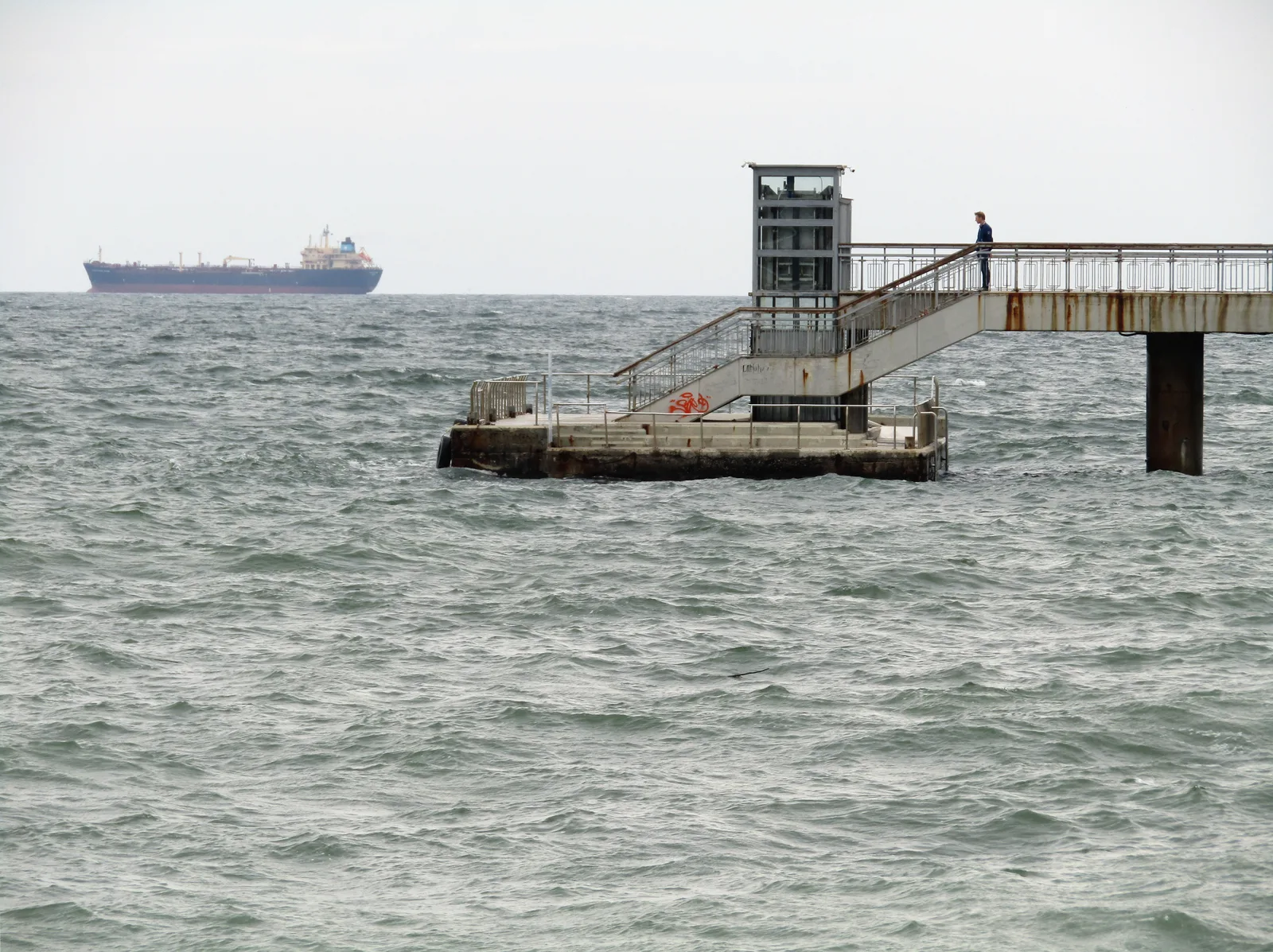
Choose Burgas for a city beside the sea
Burgas offers a useful combination for a Black Sea trip: an urban centre, a substantial seaside park, beaches and wetlands with a life beyond the holiday season. You can spend a morning among museum collections, walk towards the pier after lunch and reserve another day for birdwatching or an offshore island. The appeal lies in that variety, rather than in collecting famous monuments.
Decide first how much city you want around your beach holiday. A central address suits visitors who value restaurants, museums and onward transport within the same stay. Sarafovo offers a different coastal setting near the airport, while an outing to Sozopol involves leaving Burgas for another town. Use the municipal visitor portal to check the programme for your dates, especially outside summer.
Read the port city behind the promenade
The sea explains Burgas, but the commercial harbour explains much of its modern development. The port operator’s history dates the modern port’s opening to 18 May 1903. Its account follows the harbour’s development and expansion through the following decades. These connections helped shape a working city as well as a place of leisure, with a waterfront serving more than holiday visitors.
Look for that relationship while walking between the centre, waterfront and public port area. Leisure spaces sit beside infrastructure serving a much wider region. This is useful context for choosing accommodation: a photograph of the sea does not establish a quiet beach frontage, and proximity to a harbour does not mean its operational areas are open to visitors. Check the actual street and access route before booking.
Make the centre and Sea Garden your first walk
Begin with the central streets around Aleksandrovska and Bogoridi, then continue towards the Sea Garden. This gives a practical introduction to the relationship between the commercial centre and the waterfront. Keep the route flexible enough to stop at a museum or café; there is little advantage in rushing directly to the beach without learning where everyday services are.
The museum’s account of the Sea Garden connects its development with landscape gardener Georgi Duhtev. Its history gives the park more substance than a convenient strip of shade. Around the Sea Casino and waterfront, take time to notice how paths, terraces and sea views work together. The landmark commonly translated as the Bridge is a pier extending into the sea, rather than a crossing to another neighbourhood.
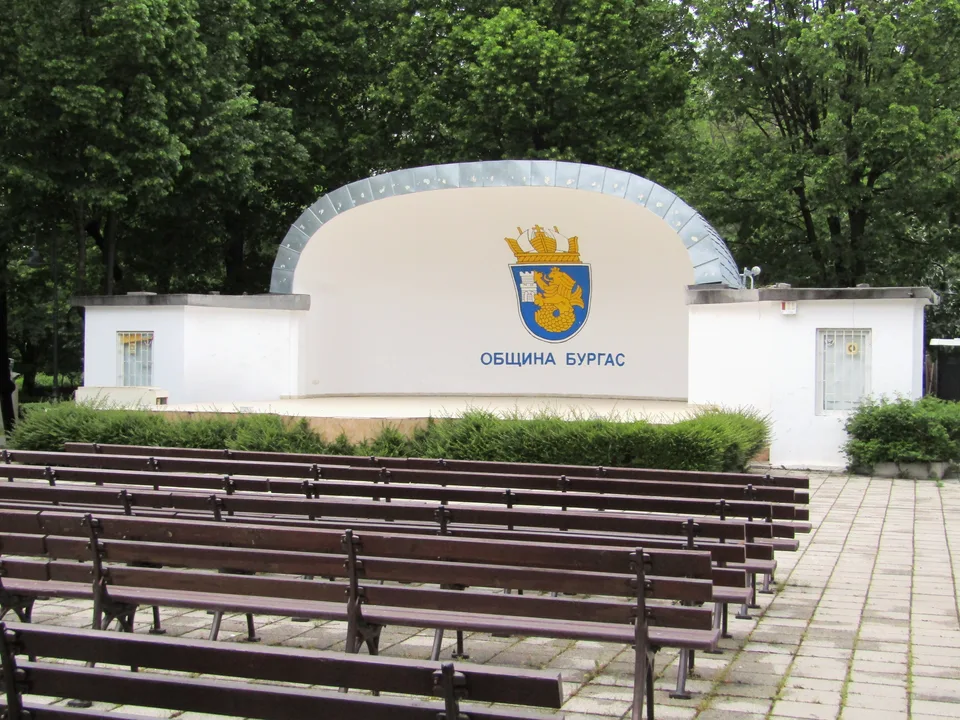
Choose a neighbourhood for the stay you need
For a short first visit, compare central accommodation with addresses beside the Sea Garden. Think in terms of the walk you will repeat: from your room to dinner, to transport and back after dark. An apartment advertised as central may still involve a different journey from a hotel immediately beside the pedestrian streets. Check entrances, crossings and luggage access on a map.
Sarafovo is a Burgas neighbourhood with its own beach and local accommodation, rather than another name for the central waterfront. The line 15 route helps explain the separation: it links the South Bus Station, airport and Sarafovo. Kraimorie is another coastal choice to assess separately. For either, compare actual connections with your evening plans before exchanging a central base for a beach address. Avoid treating every property within the municipality as equally convenient.
Pick the museum collection that interests you
The Regional Historical Museum has archaeology, history, ethnography and natural-history collections in separate buildings. Choose by subject, particularly if you have only a rainy afternoon. Archaeology is on Bogoridi, while the other collections require their own addresses; an admission offer covering several museums does not turn them into one continuous exhibition.
The current visitor information lists Monday–Saturday opening from 09:00 to 17:00 and Sunday closure. Standard adult admission is €3; a two-museum visit is €4.60 and all four cost €9. Confirm temporary arrangements before travelling specifically for a collection. The access information explicitly identifies wheelchair access at Archaeology, so ask about your requirements at the other buildings rather than assuming identical facilities throughout.
Save the individual addresses: Archaeology is at Bogoridi 21, Ethnography at Slavianska 69, History at Lermontov 31 and Natural History at Fotinov 30. That makes choosing a manageable route easier.
Give the coast an unhurried afternoon
Leave a generous interval for the Sea Garden and waterfront rather than using them only as a route between attractions. A seated break, a walk towards the pier and time on the sand can fill an afternoon without another paid admission. Travellers with children or limited stamina can build the day around shorter loops returning to the same base.
Beach conditions deserve a decision on the day. Follow the signs and lifeguard instructions where a supervised area is operating; a calm-looking stretch is not a substitute for current advice. Check what a booked beach service actually includes, and distinguish optional equipment hire from access to the wider shoreline. In colder or windy weather, keep the coastal walk and replace bathing time with a collection or café.
Take St Anastasia Island as a separate outing
St Anastasia brings a different scale to the trip: a small offshore island with a former monastery, a museum and places to eat. The official island visitor page directs passengers to municipal catamarans departing from Magazia 1 in the port’s public-access zone. Check that departure point rather than walking towards a restricted commercial berth.
The displayed standard return boat fare is €9.50, with €3 admission to the island museum charged separately. The operator describes a crossing of about 30 minutes each way and time ashore, but explicitly asks visitors to confirm sailings because of changing weather. Reconfirm your selected departure and return before setting out. Keep an alternative city plan available instead of making an onward flight depend on an island excursion running exactly as advertised.
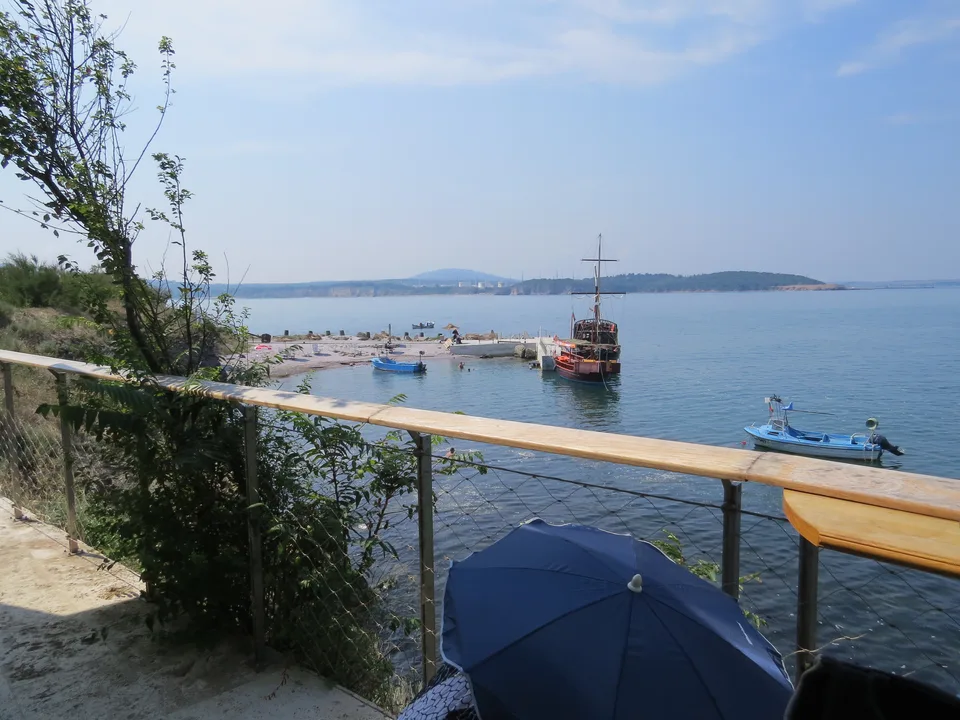
Watch birds at Poda with the reserve in mind
Poda offers a focused introduction to the wetlands around Burgas. The Bulgarian Society for the Protection of Birds operates the conservation centre southeast of the city beside the road towards Sozopol. Its terraces, visitor trail and optical equipment make a structured visit more useful than searching randomly along an unfamiliar roadside.
The operator lists €4 adult admission, with a guided talk priced separately. Its English and Bulgarian pages publish different opening hours, so contact the centre to confirm your intended visit. Leave room for observation: species and numbers change with conditions and migration, and a cumulative list of recorded birds is not a promise of a particular sighting. Follow staff directions and remain on permitted routes, especially around nesting and feeding areas.
See Atanasovsko Lake as a working landscape
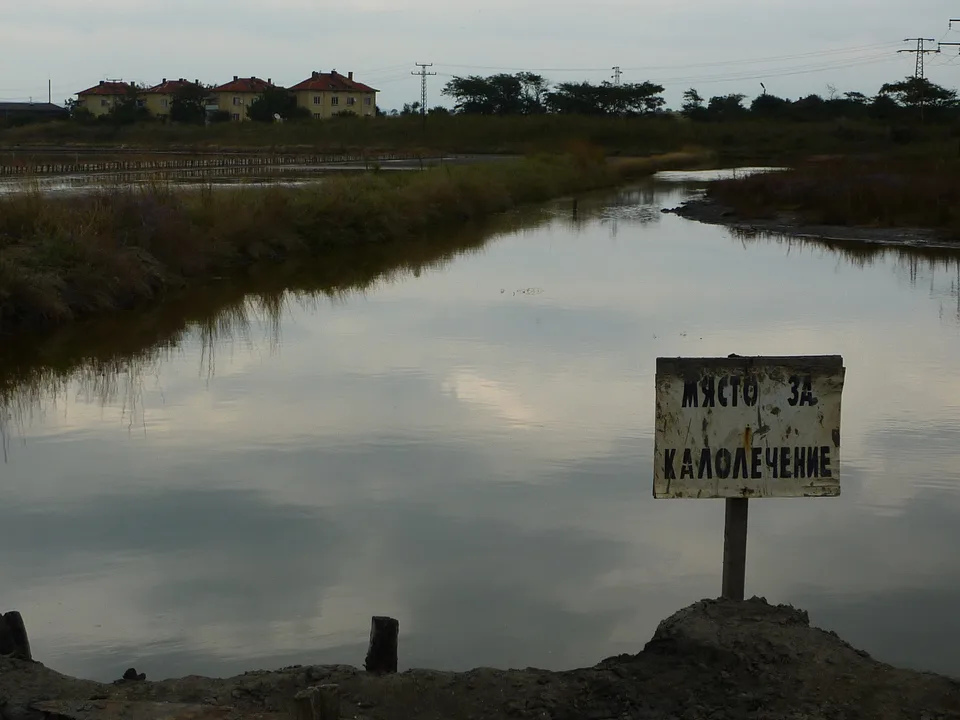
North of the centre, Atanasovsko Lake combines a shallow lagoon, salt production and important waterbird habitat. The Bulgarian Biodiversity Foundation’s lake information explains the relationship between water, saltpans and conservation. This is a useful counterpoint to the urban waterfront: the same coastal setting supports economic activity and sensitive habitats.
Use the foundation’s lagoon conservation resources to plan a suitable visit. Check which approaches and visitor facilities are currently available rather than assuming every dyke is a public walking path. Bring sun protection and water for an exposed outing, and choose a shorter visit if the weather makes observation uncomfortable. Promotional references to mud or salt treatments should not be treated as evidence of a medical benefit or permission to enter protected areas.
Consider Aquae Calidae for another side of Burgas
Aquae Calidae adds archaeology and bathing history to a stay otherwise centred on the sea. Its official visitor website distinguishes the restored bath of Suleiman the Magnificent, archaeological interpretation and an aqua centre. Treat it as a planned excursion from the central waterfront, with transport and return arrangements checked beforehand.
The published tariff separates several products: the bath museum with a 3D presentation is €3.50, while the museum-complex option with a presentation is €8. Aqua-centre admission has its own time-based charges. The opening schedule lists the museum Tuesday–Sunday, 09:00–17:00, and the aqua centre until 20:00 on those days. Match your booking to the experience you want; the lowest-priced museum ticket should not be read as access to every facility.
Book accommodation with the season in view
Compare hotels, guest accommodation and apartments using the complete cost for your dates. An apartment can make breakfast, laundry and a longer stay easier, but check whether the kitchen is equipped for actual cooking and whether the washing machine is private. For a short stop, reception hours and luggage storage may matter more than an extra room.
Ask about heating as well as air conditioning when travelling outside the warmest months. Confirm whether a lift reaches the accommodation floor, where a taxi can stop and how late arrival works. If you intend to drive, obtain the parking arrangement in writing instead of relying on an amenity icon. For a longer booking, clarify cleaning charges, utilities and cancellation terms before comparing its headline nightly rate with a hotel’s total.
For a family or several adults sharing, compare the sleeping arrangement rather than the advertised capacity. A sofa bed in the living room changes how the apartment works once somebody goes to sleep. Request confirmation of a cot, accessible bathroom or other essential feature before the cancellation deadline. Reviews can help identify recurring noise or maintenance problems, but distinguish a complaint about a particular room from a condition affecting the whole neighbourhood.
Arrive through the airport with a clear onward plan
The airport’s public-transport information identifies bus 15 as the connection towards the central bus station. Use the operator’s current timetable for your travel day, because weekday and holiday schedules differ. Pay attention to whether your selected journey serves the terminal or a stop at the airport roundabout; the route number alone does not settle the walking distance.
For a late flight or substantial luggage, compare a prearranged transfer with the full public-transport journey to your actual accommodation. Confirm the total fare and meeting point before agreeing to a service. A booking elsewhere on the Black Sea coast needs another connection: arrival at Burgas Airport does not mean that a resort hotel is inside the city or served directly by the airport bus.
Before departure, save the accommodation address in Bulgarian as well as the language of your booking. Keep the host’s arrival instructions available offline, especially if entry depends on a code or a meeting. For a return flight, plan backwards from the airline’s required airport arrival time, allowing for the walk to the correct stop and a missed bus. This is a more dependable calculation than treating the scheduled bus departure as the beginning of the entire journey.
Use buses without confusing the ticket products
The Burgasbus tariff lists an onboard city single ticket at €0.80. Its electronic-purse ticket costs €0.66 and includes transfers within 45 minutes; these are different products. The night service has a separate €1 ticket sold by the driver. Choose the product for the trips you will actually make instead of assuming the cheapest advertised price is available through every payment method.
Read the contactless-payment instructions before relying on a bank card. The operator says one device cannot pay for several passengers, so travelling companions need suitable separate payment arrangements. Wait for successful validation and retain the same card or device for inspection. Check the published list of accepted methods and carry an alternative. When planning a longer stay, test the relevant route in both directions at the hours you expect to use it.
Connect by rail and plan regional trips separately
Use the BDZ journey planner for the date and route you need, then check the ticket conditions before purchase. Compare the full journey, including transfers and the time required to reach your accommodation, rather than selecting by a station-to-station duration alone. If reserving an overnight service, verify that the particular departure offers the accommodation category you want.
For coastal buses, establish the departure station and return service before leaving. A day trip becomes awkward if the last convenient return is earlier than dinner. Keep a margin when combining separate operators or returning for a flight. Hiring a car can make a dispersed itinerary easier, but compare parking and the effort of driving with the number of excursions you genuinely intend to take.
Choose the season for your main activity
The municipal geography and climate information describes the sea’s influence on Burgas. A coastal winter can be milder than inland conditions without being reliably warm, and an exposed waterfront can feel very different from a sheltered central street. Choose dates around the activity that matters most: bathing, urban exploration and wetland observation have different requirements.
Summer suits a beach-led itinerary, but check accommodation and attraction availability for your specific dates. Outside that period, allow for fewer seasonal services and organise indoor alternatives. Consult the national meteorological forecasts close to departure and again before a boat or wetland outing. Pack layers for wind and a practical rain option; a general seasonal description cannot establish conditions for a particular afternoon at sea.
Build a realistic three-day visit
On day one, settle into your accommodation and walk the central streets towards the Sea Garden. Choose one museum collection if its opening day fits, then leave the later afternoon for the waterfront and pier. This establishes the geography without committing the first day to a departure you might miss after a delayed arrival.
On day two, take the island trip if the operator confirms it is running. Keep time for reaching Magazia 1, boarding and the return before making a dinner commitment. If conditions prevent sailing, substitute another collection and a longer park visit. On day three, choose Poda or an outing around the lagoon according to access and conditions. A fourth day allows Aquae Calidae or another coastal town without squeezing every excursion into one rushed circuit.
Test daily life before committing to a home
A longer stay calls for a different inspection from a holiday booking. Walk from a prospective home to food shops, transport and the services you expect to use. Test the commute at the relevant time, particularly when comparing the centre with outlying neighbourhoods. A beach view may be appealing while still leaving you with an inconvenient journey to work or study.
Before signing, clarify the tenancy period, deposit, notice requirements and responsibility for repairs. Ask which utilities are included, how heating works, what internet service is installed and how meter readings will be recorded. Inspect ventilation and the condition of windows as carefully as furnishings. If you are viewing during summer, ask whether the property is genuinely offered through winter and what changes in the surrounding area when seasonal businesses close.
Make an inventory of practical requirements before viewing several properties: reliable working space, storage, laundry, food shopping and the journey home at the end of the day. Photograph existing damage with the landlord’s agreement and record what is supplied. A short initial stay can give you time to inspect a home and its surroundings in person. Avoid committing to a lengthy tenancy solely because the same apartment worked well for somebody else’s holiday.
Arrange healthcare, study and household essentials
Healthcare arrangements depend on entitlement. The National Health Insurance Fund’s international information explains temporary access using an EHIC or replacement certificate at contracted providers, with local charges potentially applying. That does not mean every private consultation is covered. A person establishing residence should confirm the appropriate insurance and registration arrangements for their circumstances rather than relying on a holiday document indefinitely.
For study, separate an institution’s admission offer from immigration permission and accommodation availability. Confirm the teaching language, campus location and housing arrangements directly before committing. For a household, establish how utility accounts, internet installation and routine payments will work, and retain copies of contracts and inventories. If administrative documents need translation, check the receiving authority’s requirements before paying for a service that may not be accepted.
Separate visiting from work and residence
The Bulgarian Ministry of Foreign Affairs explains the visa framework. For travellers subject to the Schengen short-stay limit, time in Bulgaria counts towards the shared 90 days in any 180-day period. Check the rules for your nationality and documents before booking. Moving between Schengen countries does not start a fresh tourist allowance.
For a longer move, identify the correct purpose and route before relying on a lease. The type D visa information and Interior Ministry’s information for foreigners are starting points for the relevant consular and residence requirements. Employment, study and EU free-movement cases need their own assessment; tourist admission does not itself authorise work or permanent settlement. Use the official student immigration information where applicable. VisaWand’s Bulgaria consultant directory can help you identify professional assistance, while decisions and applications remain with the competent authorities.
Keep a calendar of document expiry dates and application appointments alongside your travel bookings. Ask the relevant authority which evidence is needed for your particular route before arranging translations or paying for non-refundable travel. Where a rule is unclear, obtain advice about the actual activity you intend to undertake, including remote work, rather than assuming that an absence of a border check establishes permission.
Compare nearby towns before extending your stay
An additional coastal stop should add something to the trip rather than repeat another transfer and hotel check-in. Consider the Sozopol destination page and Pomorie destination page when comparing nearby bases. These are location pages; check their current content and the relevant official visitor information before assuming each provides a completed guide.
For a wider journey, use VisaWand’s Bulgaria country guide alongside its Bulgaria destination directory. Burgas works particularly well when you want urban services, the waterfront and access to surrounding nature within one base. If your priority is a specific beach, institution or workplace, compare the exact daily journey before deciding where to stay. The most useful choice is the address that supports your plans through the season in which you will actually be there.
Official planning resources
Reviewed 21 October 2026. Use the official resources linked throughout this guide for admission, transport, housing and immigration decisions. Prices, services and rules can change; confirm the details relevant to your dates. Photography illustrates the locations and is not a live view.
View all official resources
- Burgas municipal tourism: explore the city
- Port of Burgas: port history
- Regional Historical Museum: Burgas Sea Garden
- Burgasbus: current line 15 timetable
- Regional Historical Museum Burgas: collections
- Regional Historical Museum Burgas: hours, admission and addresses
- GoToBurgas: visiting St Anastasia Island
- Bulgarian Society for the Protection of Birds: Poda
- Bulgarian Biodiversity Foundation: Atanasovsko Lake
- Bulgarian Biodiversity Foundation: lagoon conservation
- Aquae Calidae: official visitor information
- Aquae Calidae: current admission tariffs
- Aquae Calidae: opening hours
- Burgas Airport: public transport
- Burgasbus: current ticket prices
- Burgasbus: contactless payment instructions
- BDZ Passengers: official journey planner and tickets
- European Central Bank: Bulgaria introduces the euro
- Burgas municipal industrial park: climate and geography
- National Institute of Meteorology and Hydrology: forecasts
- National Health Insurance Fund: international healthcare arrangements
- Bulgarian Ministry of Foreign Affairs: visas and Schengen travel
- Bulgarian Ministry of Foreign Affairs: long-stay type D visa
- Ministry of Interior: information for foreigners
- European Commission: studying in Bulgaria
Plan the next part of your journey
Explore the Bulgaria guide, browse other cities or compare consultants for your travel and relocation questions.