Visa
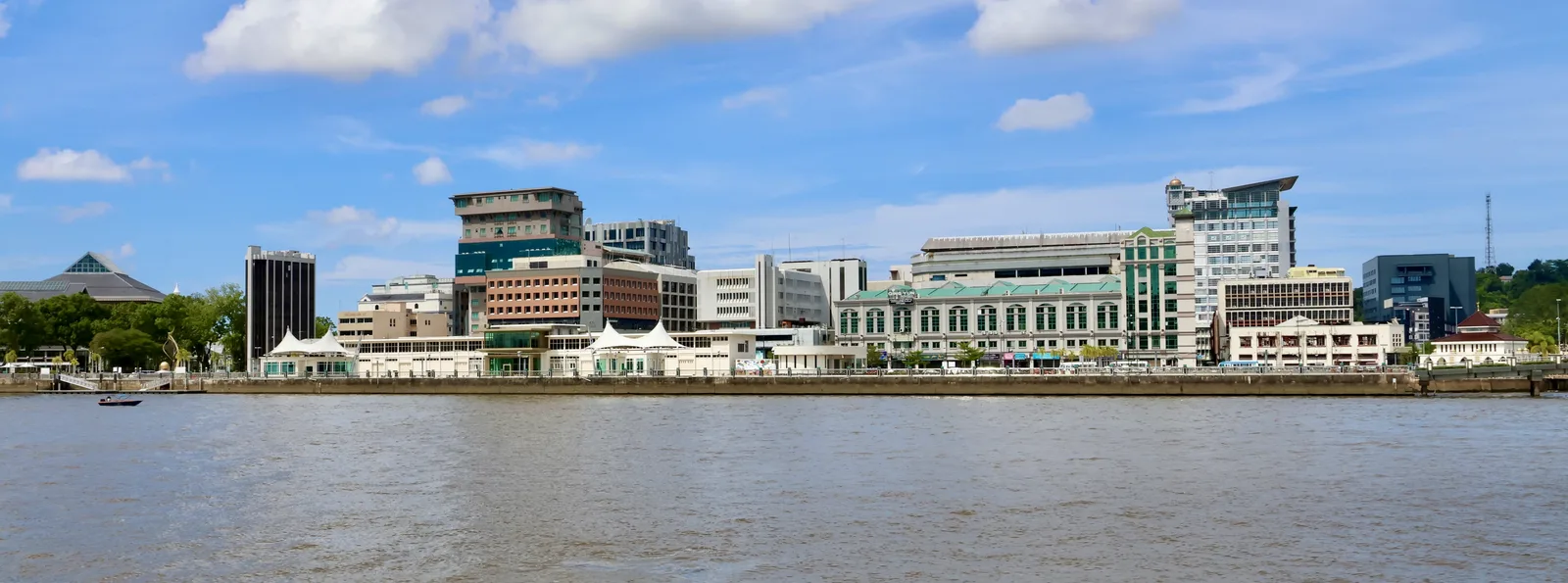
Choose Bandar for river life, royal history and a slower visit
Bandar Seri Begawan offers a distinctive introduction to Brunei: a river-facing capital where water villages, mosques and royal collections give a short visit its shape. The central sights suit an unhurried two-day stay, with time for a boat crossing and meals. Add another day if a rainforest excursion matters to you, rather than trying to fit it between an arriving flight and a city walk.
The capital lies within Brunei-Muara district, which extends beyond the central streets. Use the official district overview for orientation, then assess a property against the actual journey to work, school or healthcare.
Trace the change from Brunei Town to the modern capital
The river and Kampong Ayer are central to the city’s story, while public buildings on land reflect its later development. The Municipal Department’s history records that Bandar Brunei was renamed Bandar Seri Begawan on 4 October 1970, honouring Sultan Omar Ali Saifuddien’s contribution to the country’s development and modernisation.
That history becomes more intelligible when you compare places rather than collect landmarks. View the waterfront from the land, cross the river to understand the settlement’s relationship with it, then visit a royal collection or mosque. These experiences reveal different aspects of the capital’s character. A water-village photograph and a ceremonial display tell complementary stories, and neither should stand in for the ordinary routines of the people who live here.
Use the centre, Gadong and Kiarong as separate anchors
For a first stay, central Bandar offers the clearest geographical starting point: the waterfront, Omar Ali Saifuddien Mosque and the Royal Regalia Museum form the core of many visits. Gadong is a separate choice for an evening market outing, while Kiarong is the location of Jame Asr Hassanil Bolkiah Mosque. Plot these addresses before deciding where to sleep.
Combine a central walk with rides where heat, rain or distance makes them useful. For a move, build the map around regular destinations: a sightseeing hotel provides limited evidence about the right long-term neighbourhood.
Visit Kampong Ayer as a living community
Kampong Ayer’s houses, walkways and boats make the river an essential part of the experience. The official Kampong Ayer visitor information introduces the settlement and suggests combining a boat trip with time on its paths. Go to appreciate a community’s setting, rather than expecting every landing or home to function as a visitor attraction.
Choose a clear destination and agree on where to meet your return boat. Ask permission before photographing residents closely, and keep access to houses clear. Inspect the walking route as you go, especially with children or anyone unsteady on their feet. If conditions make a walkway unsuitable, shorten the visit. A guided introduction can add context, but confirm the language, duration and what the guide is actually authorised to show you.
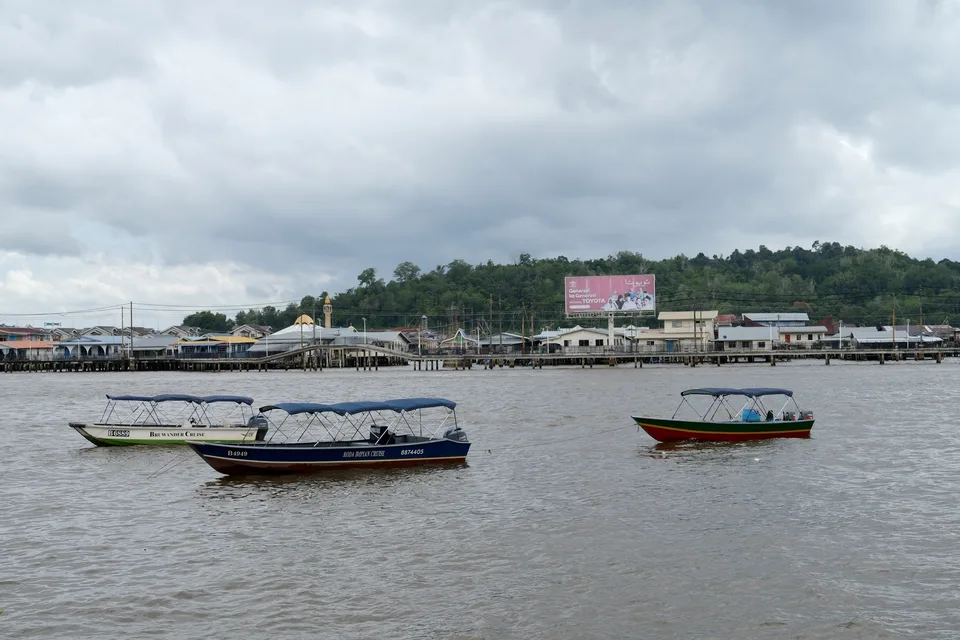
Make the water crossing a clear agreement
Before boarding a water taxi, establish whether the quoted price covers a crossing, a return trip or a longer sightseeing circuit. Confirm the number of passengers and the exact landing. The official transport guide gives BND2–5 as a typical water-taxi range, with negotiation possible; that is guidance for short rides, not a guaranteed tariff for a private tour.
Check the boat’s safety equipment and whether suitable life jackets are available for every passenger. Keep your hands free for boarding and protect valuables from spray. A mangrove or wildlife outing is a different product from a simple crossing, so ask about its route and inclusions. Never make a promised wildlife sighting the basis for a booking, and keep the return flexible if weather affects the river.
Use the cultural gallery to put the village in context
The Kampong Ayer Cultural and Tourism Gallery offers a focused way to learn about the settlement before or after exploring nearby walkways. Confirm its current opening arrangements and the landing you should use, rather than assuming every boat operator will choose the same stop.
Read the gallery displays, then observe how the jetties and houses relate to the opposite shore. If it is unavailable, an agreed boat route and respectful walk can still make a useful outing. Before paying for a village tour, establish whether interpretation, gallery access or a hosted visit is included.
See Omar Ali Saifuddien Mosque from the lagoon
The golden-domed Omar Ali Saifuddien Mosque is a defining central landmark. Brunei Tourism’s mosque information records completion in 1958 and describes the lagoon and replica royal barge beside it. The setting is worth time even when interior sightseeing is unavailable.
Treat an interior visit as a separate arrangement. Non-Muslim access follows visiting rules and prayer requirements, and published schedules are not entirely consistent across official tourism materials. Confirm the current window locally, particularly on Thursday and Friday. Follow instructions on clothing, footwear and photography, and let worship take priority. Plan the waterfront walk so that a closed entrance changes only one part of the outing. There is no need to make a successful day depend on admission to every religious building.
Read royal ceremony through the Regalia Museum
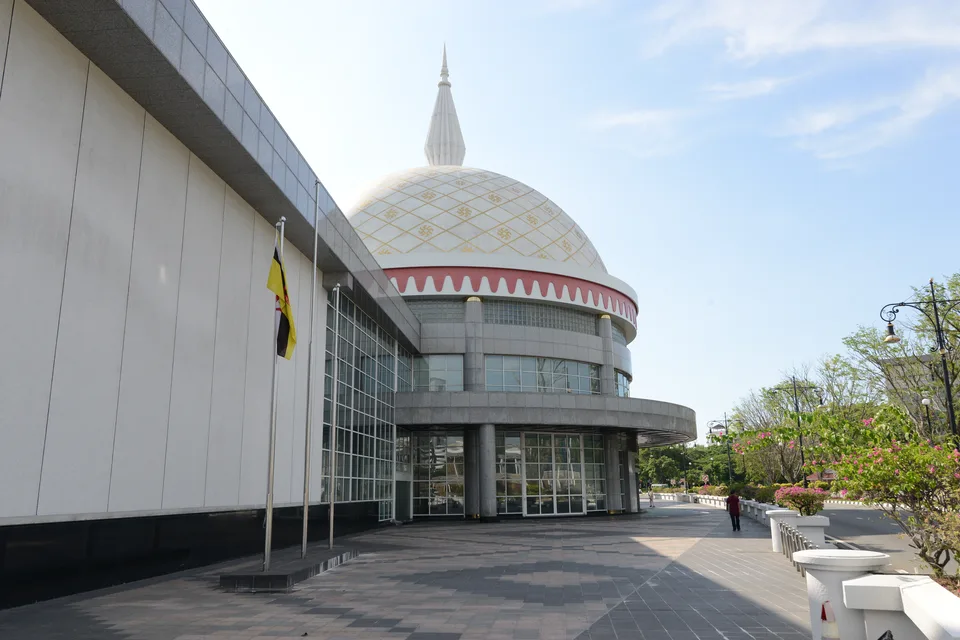
The Royal Regalia Museum’s official visitor page describes ceremonial objects, chariots and exhibits connected with the Sultan’s jubilees. It is a useful indoor anchor for a city visit, offering a different perspective from the river settlement. Go with enough time to look at the objects and their interpretation rather than treating the building as a quick shelter from the heat.
The published schedule is 09:00–17:00 Monday to Thursday and Saturday, 08:30–16:30 Sunday, with Friday closed. Recheck holiday arrangements before setting out. Follow the current staff instructions on bags, shoes and photography instead of relying on another visitor’s experience. If a concession may apply, bring the relevant identification and confirm the conditions at the counter.
Plan Kiarong’s mosque as a distinct outing
Jame Asr Hassanil Bolkiah Mosque stands in Kiarong, away from the central lagoon setting. The official visitor page describes its domes, landscaped grounds and fountains. It can provide a worthwhile architectural comparison with Omar Ali Saifuddien Mosque, provided the timing and transport are arranged sensibly.
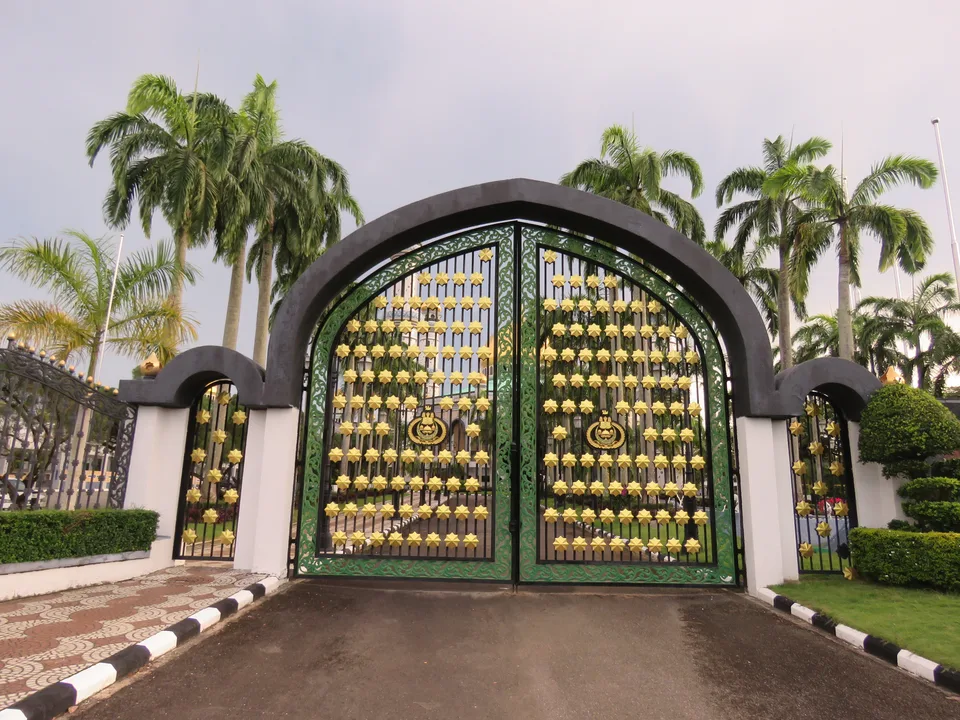
Confirm the non-Muslim visiting arrangements directly before leaving; a general opening schedule does not necessarily establish access to every interior. Arrange the return pickup and allow time to follow on-site instructions. If photography is your main interest, establish which exterior areas are accessible without intruding on worship. The photograph here shows the entrance gates, not the mosque interior, and its date should not be taken as evidence of current visitor access.
Compare the morning market with an evening food outing
Tamu Kianggeh is a useful choice for a morning visit focused on produce and everyday market activity near the Kianggeh River. Browse at a comfortable pace, ask before taking close photographs and check what is being sold by the portion or by weight. It fits naturally into a central morning without requiring a whole day of shopping.
Gadong Night Market serves a different purpose: an evening food outing with multiple stalls to compare. Bring usable cash and check payment options before ordering. Plan how you will return to your accommodation, particularly if you intend to stay after ordinary bus services. These two markets are complementary rather than interchangeable; choose according to the time available and whether you want breakfast shopping or dinner.
Try ambuyat without guessing the ingredients
Ambuyat, made from sago starch and water, is commonly served with a dipping sauce called cacah. The official guide to local dishes explains the use of candas, the joined bamboo utensil used to gather the sticky mixture. Ask the restaurant to explain the serving method and accompaniments if it is unfamiliar.
Nasi katok offers another accessible introduction: rice, fried chicken and sambal, with variations between sellers. Check the actual price and portion rather than assuming an older BND1 description applies everywhere. Ask about seafood, nuts or other ingredients in sauces if allergies or dietary restrictions matter. Shared dishes can be a practical way to explore a menu, but establish the total and the number of people the serving is intended to feed.
Choose accommodation for the journey you want to make
For a short visit, a central hotel can reduce repeated transfers between the waterfront and the museums. Gadong may better suit travellers prioritising its evening food scene or a nearby appointment. An outlying resort is another kind of stay, with a different transport budget. Compare the exact address rather than relying on “Bandar” in the listing.
Use the official accommodation directory to identify options, then verify details with the property. The Radisson Hotel Brunei’s own information provides one central option to compare. Ask about breakfast, late arrival, airport transfers, room occupancy and step-free access. For an apartment, establish whether reception and housekeeping are included. Confirm the full price for your dates; this guide does not turn an undated promotional rate into a current nightly estimate.
Keep a budget that distinguishes the fare from the surcharge
Royal Regalia’s published non-resident adult admission is BND5. Its children’s price conflicts with other official tourism information, so confirm that category before budgeting for a family. Add accommodation, food and the transport you actually intend to use rather than expecting a museum ticket to represent the cost of the day.
For a local bus, the tourism authority gives an average fare of BND1; confirm the route and current charge. Two such journeys and an adult museum ticket would total BND7, excluding everything else. A booked car costs more, but may suit the itinerary better. Compare the whole booking, including waiting, return travel and any airport surcharge, before deciding that a lower advertised figure makes one option cheaper.
Use Brunei dollars and retain a cash alternative
The Brunei dollar is pegged at par to the Singapore dollar. The Brunei Darussalam Central Bank’s explanation sets out the currency arrangement and the role of the monetary authorities and licensed banks. That arrangement should not be interpreted as a promise that every small retailer will accept every note you offer.
Keep practical amounts of Brunei currency for markets and boat journeys, and check larger payments before committing. Ask your bank about withdrawal and foreign-card charges separately from the currency’s face value. For shopping, compare quantities and ask for receipts on higher-value items. Avoid assuming that an electronic-payment logo means your particular account will work; a second payment method is useful when a purchase or return journey matters.
Arrange the airport transfer before a late arrival
Check the airport code and flight details on your ticket; Brunei International Airport is the arrival point for a flight-based city stay. The official guide to reaching Brunei is useful for the broader travel options, but your own airline’s confirmed itinerary should determine the arrival plan.
For a booked transfer, agree on the meeting point, luggage capacity and what happens after a delay. Dart’s current FAQs state that its Airport Transfer trips to and from the airport include a fixed BND3 airport surcharge. This is an addition within the fare arrangement, not a BND3 journey to any hotel. Final pricing depends on the booking. Keep the provider’s contact details accessible and arrange the departure transfer early if your return flight leaves before the household’s normal waking hours.
Combine walking with transport that is actually available
A central walk works best as a sequence of nearby stops with a meal or indoor break. For Gadong, Kiarong or a more distant appointment, compare a booked ride with the available bus route. Check the last useful departure and the walk from the stop, particularly if rain or limited mobility affects your plans.
Dart’s different products include ordinary rides, airport transfers and an hourly service; confirm which one you are booking and what waiting time costs. Availability is not guaranteed simply because an application shows the destination. For driving, verify the licence, insurance and rental terms that apply to you, then inspect the vehicle at collection. A prospective resident should test the same journeys at commuting times before choosing a home around them.
Pick a season with realistic expectations of rain
Brunei has a hot, wet equatorial climate throughout the year. The Meteorological Department’s climate explanation identifies February and March as a relative rainfall minimum, with another smaller minimum from June to August. These are patterns, not promises of dry days. Check the official forecasts and warnings before river activities or an exposed walk.
Place the longest outdoor outing early and leave flexibility for heavy showers. Keep a suitable indoor alternative and protect items that need to remain dry. If travelling mainly for rainforest activities, choose the operator and itinerary as carefully as the month: access, water conditions and the group’s fitness still matter. A fixed “best season” label is less useful than a booking that can respond sensibly to the actual conditions.
Build Friday and Ramadan into the plan
The tourism authority’s practical guidance states that businesses, banks, food venues and visitor attractions close between noon and 14:00 on Fridays for prayers. Do not schedule a meal purchase or an essential service visit in that interval. Check individual sites as well: the Regalia Museum’s Friday closure covers the day.
During Ramadan, public eating, drinking and smoking during fasting hours are restricted, including for visitors. Ask your accommodation about appropriate private meal arrangements and current service times. Read government travel advice on Brunei’s laws and customs before travelling: alcohol sales are prohibited, import and consumption rules are controlled, and laws concerning sexual activity and relationships can affect visitors. Nationality or non-Muslim status should not be assumed to remove every restriction.
Spend the first day around the river and central landmarks
Start with Tamu Kianggeh if the timing suits, then make a considered Kampong Ayer visit with an agreed return arrangement. Include the cultural gallery if it is open. Leave space for lunch and rest rather than moving directly from a boat into the longest land walk of the day.
Use the later outing for the lagoon and Omar Ali Saifuddien Mosque’s setting, checking whether an interior visit is possible. Keep dinner convenient for your accommodation. If arrival has shortened the day, select either the water-village visit or the central walk and preserve the other for the following morning. The river experience deserves more than the time left over after an optimistic airport transfer, especially when travelling with children or anyone needing a slower pace.
Give the second day an indoor anchor and an evening choice
Visit the Royal Regalia Museum on a confirmed opening day, then use the afternoon for Kiarong’s mosque if the visiting arrangements suit. The two places offer different perspectives, so allow time to understand each rather than adding more stops simply because a car is available.
Choose Gadong Night Market for dinner if the return transport is organised. Otherwise, keep the evening central and use the time to revisit a favourite stretch of waterfront. Reorder these days around Friday and religious observances; this is a sequence of choices, not a promise that every attraction will be accessible on consecutive calendar days. Travellers adding a rainforest trip should give it a separate day and avoid placing a tight flight connection immediately after the return.
Treat a home search as a test of daily life
For a move, begin with temporary accommodation and compare properties against the actual workplace and school. Test the route when you would normally travel. Check food shopping, parking, reliable internet and the journey to routine healthcare, rather than judging a home only by its size or distance from a landmark.
Inspect air-conditioning, ventilation, water pressure, drainage and signs of damp. Ask who handles repairs and whether water storage or backup arrangements are relevant. Put rent, deposit, inventory, maintenance, notice periods and refund conditions in a contract you understand. Confirm the landlord’s authority before transferring money. Employer-arranged housing can be convenient, but establish what happens to the accommodation if employment ends or the household’s circumstances change.
Understand the meter and the household bill
Ask which electricity and water system serves the specific property. The USMS customer FAQs explain the smart-metering platform and account arrangements; they do not establish that every home has the same meter or billing status. Record readings at handover and clarify who controls the account, tops up credit and resolves billing questions.
Request recurring costs for internet, management and cleaning. Test reception inside the home and confirm broadband installation before relying on it for work. Compare a serviced apartment’s inclusions with a conventional lease on the same basis.
Settle school suitability before signing a long lease
School choice can change the best place to live. Jerudong International School’s admissions information describes its application process, while the current school-fee page separates relevant schedules and additional charges. Request the total for the correct academic year, programme and eligibility category, together with any transport or boarding costs.
Confirm a place and the level of learning support required before treating the school as settled. Ask about assessment, records, teaching arrangements and the calendar. Jerudong is a distinct location from central Bandar, so test the actual school run. Compare alternatives on the same terms, including how easily the family can manage activities and appointments. A nearby school building does not establish that it offers the right year group or has an available place.
Prepare healthcare access before it becomes urgent
The Ministry of Health’s hospital information identifies RIPAS as the main tertiary referral hospital. Before a long stay, establish where routine and specialist care would be obtained, what payment applies to your status and whether your insurer requires a particular provider or authorisation. Do not assume that public provision means free treatment for every foreign visitor or resident.
The FCDO’s Brunei health guidance gives 991 for an ambulance and discusses insurance, evacuation and medicines. Keep prescriptions and relevant records accessible, and check import rules for the medicine itself. If a household member needs ongoing treatment, arrange continuity before committing to a distant address. Ask the accommodation to help communicate a clear location in an emergency, while contacting emergency services directly when urgent assistance is needed.
Separate permission to visit from permission to work or study
Use the Foreign Affairs visa information to check the category for your nationality and passport type, then confirm current requirements with the relevant Brunei mission. Visa-free periods and visa-on-arrival eligibility vary. The British government’s entry checklist is useful for British passport holders and also highlights arrival formalities; its nationality-specific allowance should not be applied to everyone.
Complete the required E-Arrival Card before travel through the official service linked by the Immigration Department, and review current health-declaration requirements. The direct arrival portal was intermittently unavailable during this guide’s checks, so resolve any access problem with the department before departure. An arrival registration is separate from a visa, an admission decision or permission to remain beyond the authorised stay.
Organise employment permissions and compare a wider base
For employment, check both the government’s employer-approval guidance and the Immigration Department’s work-pass procedures. Sponsorship, foreign-worker licensing, medical documents and dependant arrangements require attention to the actual category. Study and permanent residence have separate conditions; neither a rented home nor a visitor admission establishes an automatic route to either.
For more time in Brunei, compare the Temburong district and Ulu Temburong National Park as a planned excursion, with transport, guide arrangements and weather checks. The bridge connection changes access to the district but does not make a rainforest outing a short city transfer. VisaWand’s Tutong location page, Kuala Belait location page and Brunei country page support broader comparisons; the Brunei consultant listings and consultant directory can help identify relevant advisory services.
Official planning resources
Reviewed 17 October 2026. Use the official resources linked throughout this guide for admission, transport, housing and immigration decisions. Prices, services and rules can change; confirm the details relevant to your dates. Photography illustrates the locations and is not a live view.
View all official resources
- Brunei Tourism Brunei-Muara destination overview
- Bandar Seri Begawan Municipal Department history
- Brunei Tourism Kampong Ayer visitor information
- Brunei Tourism local transport options
- Kampong Ayer Cultural and Tourism Gallery
- Omar Ali Saifuddien Mosque visitor information
- Royal Regalia Museum official visitor details
- Jame Asr Hassanil Bolkiah Mosque visitor information
- Tamu Kianggeh visitor information
- Gadong Night Market official visitor information
- Brunei Tourism local dishes
- Brunei Tourism accommodation directory
- Radisson Hotel Brunei official booking and location
- Brunei Darussalam Central Bank currency framework
- Brunei Tourism arrival and connections
- Dart official ride and airport-transfer FAQs
- Brunei Meteorological Department climate information
- Brunei Meteorological Department forecasts and warnings
- Brunei Tourism practical customs and weekly opening patterns
- FCDO Brunei laws and safety guidance
- USMS electricity and water account FAQs
- Jerudong International School admissions
- JIS 2026–27 school fee schedules
- Brunei Ministry of Health hospital services
- FCDO Brunei health and medication information
- Brunei Foreign Affairs nationality and passport visa categories
- FCDO Brunei entry checklist for British passport holders
- Brunei Immigration and National Registration Department
- BusinessBN employer foreign-worker approval guidance
- Brunei Immigration work and dependant pass procedures
- Brunei Tourism Temburong district overview
- Ulu Temburong National Park visitor information
Plan the next part of your journey
Explore the Brunei guide, browse other cities or compare consultants for your travel and relocation questions.