Visa
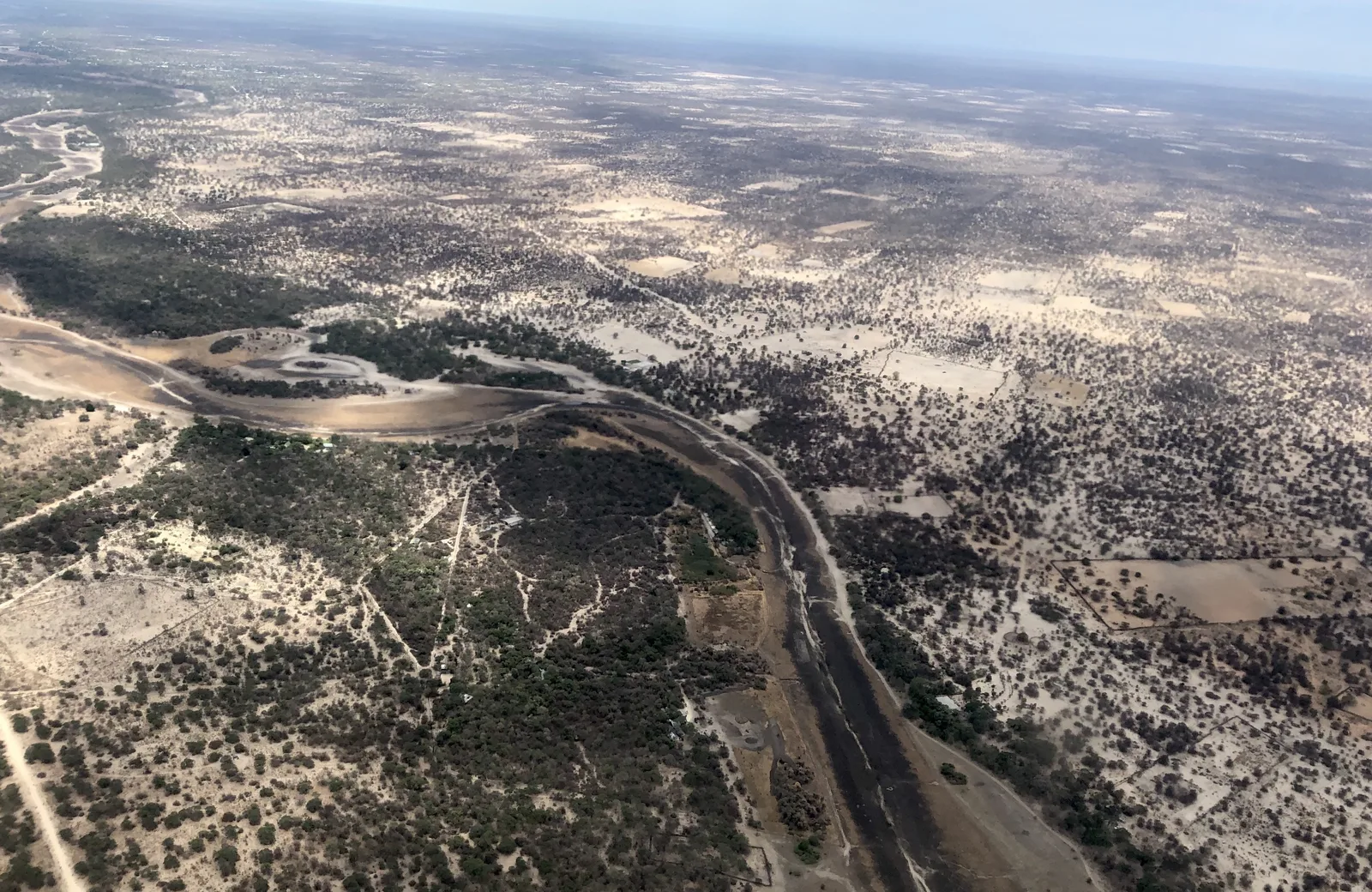
Decide what you want Maun to do for your trip
Maun is a working town beside the Thamalakane River and a principal starting point for the Okavango Delta. Aircraft, safari vehicles, shops and guesthouses share the same travel economy, but the town has a life beyond departures into the bush. It suits travellers who want to arrange excursions, recover between long journeys or investigate living in northern Botswana. A room here is not accommodation inside the Delta.
Start by choosing your purpose: a practical overnight before a camp flight, several nights with day excursions, or a longer reconnaissance stay. Those choices lead to different locations and budgets. Two nights provide one full day; they do not allow a relaxed town visit plus two major safaris. Use VisaWand’s Botswana country guide for the national context and the Botswana location directory to compare your wider route. Make the expensive activity decisions before selecting a hotel solely because its nightly rate looks attractive.
Understand the town’s history and contemporary character
The Botswana Tourism Organisation’s Maun overview traces the movement of the Batawana capital to Maun in 1915, after earlier settlements elsewhere in Ngamiland. It also describes the growth associated with tourism from the 1980s. The result is a place where regional administration, ordinary households and an international safari industry meet.
The Okavango region is home to several communities, including Bayei, Hambukushu, Batawana and others whose histories and skills cannot be reduced to a wildlife backdrop. Ask who leads a cultural experience and how local people benefit. Photographing someone’s clothing or home requires consent, not merely a good camera angle.
Maun’s appeal is less about a continuous sightseeing promenade than about understanding the relationship between settlement, water and the surrounding landscape. Leave time for the museum and local arts. A quick transfer through the airport gives only a narrow impression of the place.
Choose an area around your actual journeys
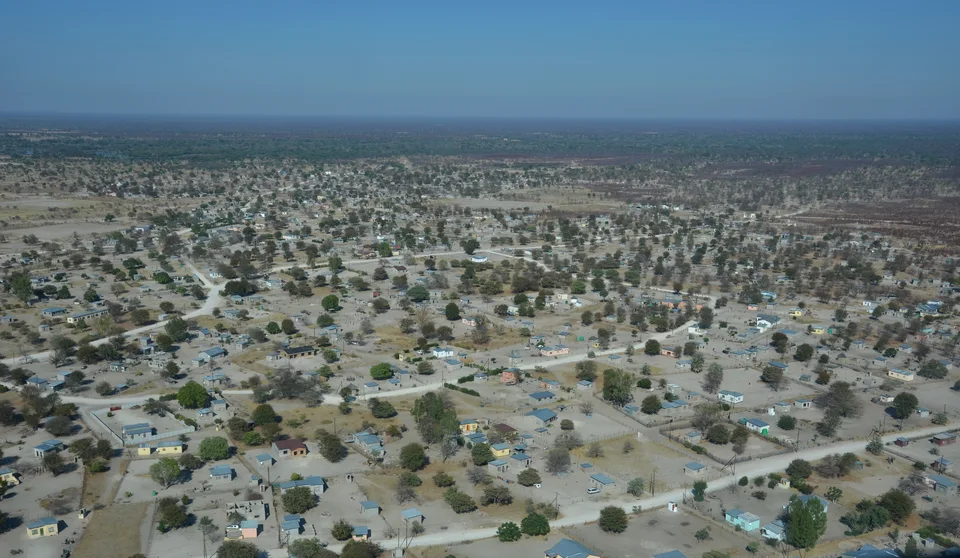
Think in terms of the airport and central services, river-facing properties, and more dispersed residential or lodge addresses. An airport-oriented stay can simplify an early meeting, while a riverside base may be better for an unhurried evening. Neither description proves that restaurants and shops are within a comfortable walk.
Boseja appears in accommodation addresses, including Maun Lodge’s listing; use the actual plot and map position rather than relying on a ward name alone. Ask your host to explain the final approach, especially if arriving after dark. A nearby river does not guarantee flowing water, a boat departure or access to the bank.
For a short stop, prioritise dependable pickup arrangements and easy meals. For a longer stay, compare grocery access, work locations and the roads you would use every day. Inspect the precise property before deciding that one part of Maun offers the same practical advantages as another. Distances on a booking map can conceal an inconvenient last section.
Give Nhabe Museum a weekday slot
Nhabe Museum’s NCONGO profile describes a community museum concerned with Ngamiland’s culture and natural heritage. Established in 1996, it occupies a building dating from 1939 and includes local crafts, art, photography and other material. Its Bailey Arts Centre supports the production and sale of work by local artists.
The published visiting hours are Monday to Friday, 8am to 5pm. Weekends and public holidays normally require special arrangement rather than an assumed walk-in visit. Admission is payable, but a reliable current amount was not available in the reviewed information. Contact the museum before making it the centrepiece of a short stop.
Look at how local makers represent the region, alongside the historical displays. Ask about current exhibitions and purchases directly; an older directory cannot establish which artist will be present. This is a modest museum visit, not an attraction that needs to be inflated into a whole day. Combine it with lunch and practical errands.
Distinguish the Delta from the town
The UNESCO-listed Okavango Delta contains permanent wetlands and seasonally flooded plains. Its annual flood pulse can arrive during Botswana’s dry season, a crucial difference from assuming that local rain alone determines water conditions. The World Heritage listing belongs to the Delta property, not to every street or hotel in Maun.
Choose an excursion by the experience you want: a quiet waterway journey, birdwatching, a game drive or an aerial view. These are different products with different access requirements. A day trip from town cannot reproduce the time and setting of several nights in a remote camp, but it can still be worthwhile on its own terms.
The tourism organisation’s Delta overview explains the broader waterways and dryland landscape. Ask an operator where your proposed outing goes and what happens if conditions change. “Okavango experience” is too broad a description to compare prices, duration or likely time actually spent away from the transfer vehicle.
Compare mokoro outings by their full contents
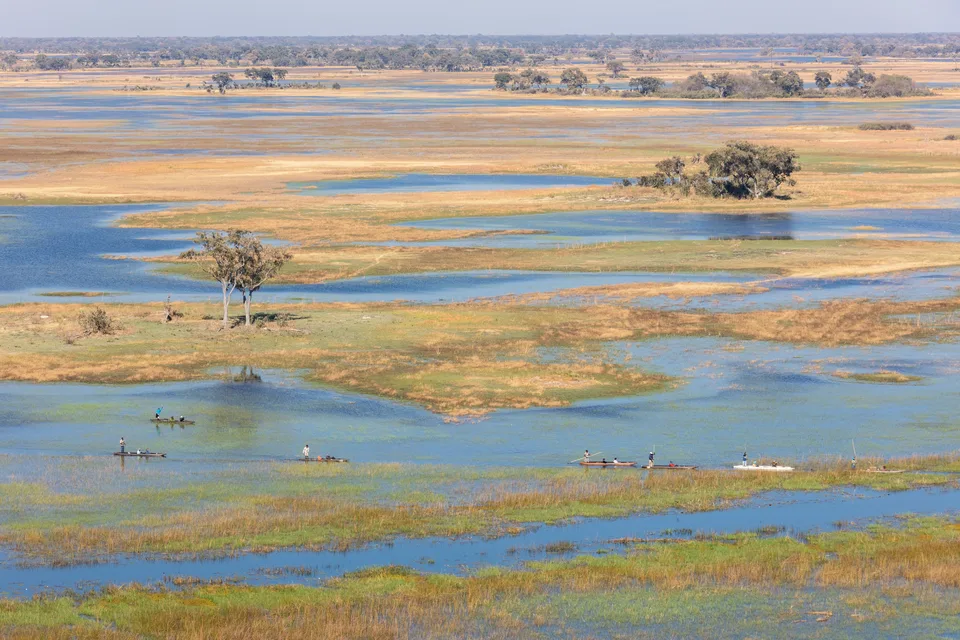
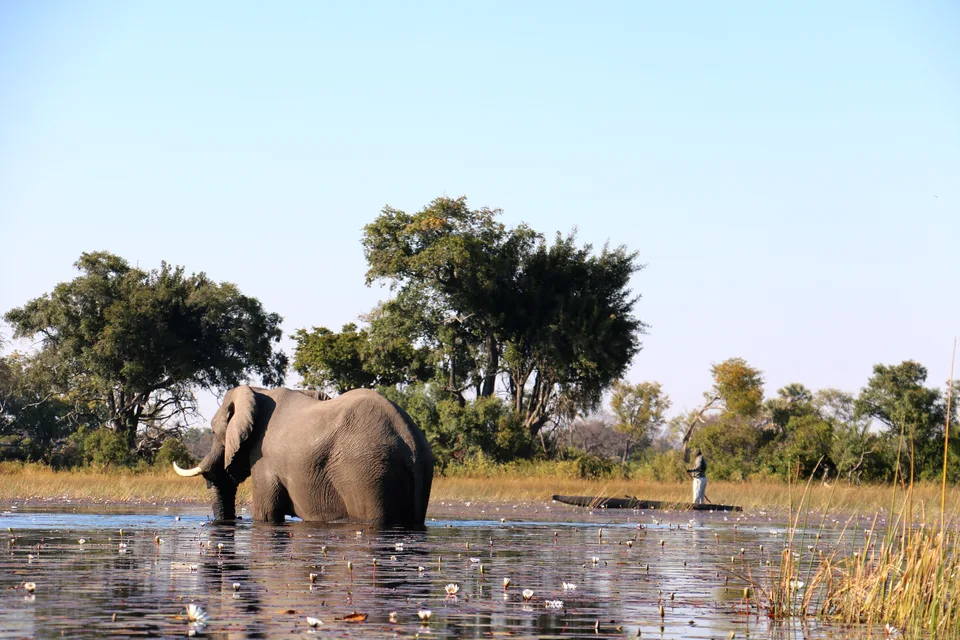
A mokoro journey uses a small craft propelled by a poler through suitable waterways. It offers a different perspective from a motorboat trip or a drive, with attention to channels, plants and birds. Safe routes and wildlife encounters depend on conditions; photographs of an elephant beside a canoe do not promise the same encounter on your visit.
Squamater Safaris’ published 2025/2026 rates list a mokoro day trip at P1,700 per person. A separately listed shorter mokoro product costs less, so check the name and duration rather than comparing the cheapest figure on a price table. Obtain a current quote for your date.
Ask whether transfers, poler fees, permissions, meals and drinking water are included. Establish the group size, seating arrangements, shade and toilet opportunities. Tell the operator about mobility needs or concerns about entering the craft before payment. A guided walk may be part of some products, but it should never be assumed simply because another company includes one.
Treat Moremi as a substantial excursion
Moremi Game Reserve covers central and eastern parts of the Okavango landscape. Botswana Tourism describes its establishment in 1963 through a Batawana initiative. That community history matters alongside the wildlife: the reserve is not an empty landscape awaiting visitors.
A day trip from Maun involves travel as well as viewing time. Squamater’s published table lists P3,500 per person for an international visitor’s Moremi day trip; obtain a written explanation of inclusions and the applicable visitor category. Do not confuse that packaged price with the reserve’s gate fee.
Road access is variable. Confirm the particular route with the operator or relevant authority before travelling, including any recent flooding and the expected driving conditions. A previous visitor’s successful drive is not confirmation that every route is open today. Travellers wanting longer viewing periods should compare an overnight safari with repeated day drives, including the transfers and fatigue each option entails.
Check the rules for the area you book
The tourism organisation’s game-viewing guidance distinguishes national parks and reserves from private concessions, with different rules concerning off-road and night driving. Do not assume that an activity advertised by one camp is allowed everywhere. Have the operator identify the location and permissions for the proposed programme.
For self-drive travel, discuss the route with a suitably equipped rental provider and experienced local operators. Confirm insurance exclusions, recovery arrangements, navigation and campsite reservations before setting off. Water crossings and sandy tracks are not equivalent to ordinary town roads, even if an online map offers a route.
Keep distance from animals and follow the guide’s instructions about leaving the vehicle. Do not request a closer position that compromises safety or habitat. An impressive species list describes an ecosystem, not a guaranteed viewing schedule. Responsible operators may alter or cancel an activity when conditions demand it.
Book accommodation for the night you actually need
Maun offers hotels, guesthouses, lodges and camping options, with different advantages for transit, excursions and longer stays. Ask about secure parking, early breakfast, luggage storage and airport collection. A pool can be welcome after a journey, but a reliable transfer may matter more when connecting to a camp flight.
As a specific published example, Maun Nest advertises standard rooms from P549 on weekends and P599 on weekdays, with bed and breakfast. Its site lists air conditioning, parking and pool access. These are starting prices from one property, not a town-wide average or a guaranteed offer for your dates; confirm occupancy, taxes and availability.
For camping, check ablutions, shade, power access and arrangements for valuables. For self-catering, establish what kitchen equipment is actually supplied. Compare a town lodge and a remote camp by their total inclusions.
Arrange the airport connection before arrival
Maun International Airport is the main aviation hub for the town and surrounding safari operations. The Civil Aviation Authority of Botswana provides airport information and contacts. International or regional scheduled flights and light-aircraft camp connections are separate parts of a journey, even when an itinerary presents them as a seamless package.
Check your date through the operating carrier, including Airlink’s flight schedules, rather than relying on an old frequency quoted in a destination article. Confirm the arrival meeting point, the person handling onward arrangements and the procedure if the inbound flight is delayed. A remote camp transfer needs coordination with the camp itself.
For a town stay, obtain a transfer quote naming your accommodation and flight. Ask whether collection is included in the room price or charged separately. Leave time for immigration, luggage and any repacking before onward travel. Proximity to the airport does not justify a connection shorter than the operators are prepared to accept.
Pack for the smallest aircraft on the itinerary
Light-aircraft luggage rules can determine what you bring for the whole trip. Mack Air’s luggage guidance sets a 20kg total including hand luggage, with soft-shell baggage and maximum dimensions of 30 by 35 by 70 centimetres. That is an operator-specific rule; obtain the conditions for your own booked flights rather than applying it automatically to every carrier.
Camera equipment, toiletries and a laptop can quickly use the allowance. Check restrictions before buying a case or promising to carry other passengers’ belongings. A scheduled airline accepting your suitcase does not mean the onward aircraft can accommodate it.
If you plan to leave luggage in Maun, arrange storage in advance and establish collection, security and liability. Keep medication, documents and essential valuables with you within the applicable limits. Travellers with special equipment should discuss dimensions and weight early. Paying for excess luggage at one stage does not create an entitlement to load it onto a smaller aircraft later.
Plan local and onward road travel separately
For town journeys, ask accommodation staff about reliable transport and agree the destination and charge before departing. Use an actual address or map pin for a dispersed property. Walking may suit a short daytime errand, but heat, luggage, road conditions and darkness can make a ride more practical.
For an onward coach or bus journey, verify the current departure, ticket arrangements, baggage rules and arrival point directly with the operator. Do not build a flight connection around an unconfirmed timetable. A road transfer described as “from Maun” may collect from one meeting point rather than every lodge.
A hire car is useful when it serves the wider route; it is not a requirement for every airport overnight. Compare transfer costs with rental days, fuel and parking. If your itinerary continues into protected areas, obtain a vehicle and plan appropriate for those conditions.
Eat and shop around the daily routine
Dining choices include hotel restaurants and simpler meals, while self-catering can help travellers managing dietary needs or a longer stay. Maun Lodge’s tourism listing describes the Boma restaurant and its mix of local and international food. Check current menus, opening arrangements and whether a reservation is needed; no verified current menu price is quoted here.
When arranging an early excursion, ask whether breakfast is served in time or available as a packed meal. Establish who supplies lunch and sufficient drinking water. These small omissions can turn a seemingly inclusive activity into several extra purchases. Explain allergies directly to the provider handling the food.
Use town shopping time to replace essential supplies before entering remote areas, and check any restrictions affecting what you may carry onward. For crafts, ask about the maker and materials, and keep receipts for significant purchases. Museum-associated arts spaces provide an opportunity to discuss the work rather than selecting souvenirs solely by the lowest price.
Build the budget from rooms, transfers and activities
Keep three separate totals: accommodation, getting between places, and the experiences themselves. Add food, insurance and a reserve for changes. Two adults buying the published P1,700 mokoro day product would spend P3,400 before any extras not included in their quote. That calculation is more useful than an unsupported claim that Maun costs a fixed amount per day.
Confirm whether each price is per person, room, vehicle or group. Ask about minimum numbers, single supplements, taxes and cancellation conditions. Compare collection and meal charges alongside the headline activity price.
Request the currency and payment method in writing, especially when one quotation uses pula and another uses US dollars. Allow time to resolve payment arrangements before an early departure. For a longer stay, add household setup, utility deposits and commuting to the monthly estimate. A short-stay room price is not evidence of an ordinary residential rent.
Choose seasons by rain, floodwater and heat
Botswana Tourism’s climate information describes summer rain, generally from November to March, and a dry winter from May to August. Rainfall can be highly localised. Pack layers for cooler mornings as well as protection from strong sun; an open vehicle or early departure can feel different from a midday stop in town.
The Delta’s flood cycle adds a separate consideration. A dry day in Maun does not prove that a distant track is passable, and a rainy month does not establish the water depth at a particular mokoro station. Ask the camp or operator about the precise activity you want, not merely whether it is a “good season”.
Match dates to your priorities: birding, time on waterways, game drives or simply a comfortable reconnaissance stay. Availability and prices can vary with demand, but do not assume that every property uses the same seasonal bands. Leave some flexibility for weather and route changes when an excursion is the main reason for visiting.
A manageable three-day programme
Use the first day for arrival, settling in and confirming excursion arrangements. If it is a weekday and time permits, visit Nhabe Museum; otherwise arrange it for a suitable later slot. Have an easy meal and check the following morning’s meeting point rather than attempting to squeeze a safari into arrival day.
Dedicate day two to a pre-booked mokoro outing or another water-based experience appropriate to current conditions. Leave the evening free. On day three, choose a Moremi day trip if you are comfortable with the travel commitment, or keep a quieter town day with art, shopping and a river-facing meal.
This programme requires three usable days, not simply three calendar dates touched by flights. For a deeper Delta experience, replace repeated day excursions with several nights in a camp, adding the necessary transfers. Travellers investigating a move should reserve separate working days for housing, schools and services. Those enquiries fit poorly around dawn departures and late returns from safari activities.
Moving: assess the house and the commute together
Begin with a temporary base and test ordinary journeys before committing to a lease. Visit prospective accommodation at useful times for work, groceries and school travel. Ask how the access road behaves after rain, and inspect the entrance and parking rather than relying only on interior photographs.
Request written terms covering the deposit, rent, repairs, notice and included services. Check ventilation, cooling, insect screening, hot water and the condition of doors and windows. At a river-adjacent property, ask specifically about past water intrusion and drainage. A water view does not establish that a home is protected from flooding.
Verify ownership or an agent’s authority before transferring a deposit. Record the condition of fixtures and furnished items at handover. A tourist lodge can offer a useful landing place, but its services and pricing do not establish the terms of a residential rental. Housing should follow a realistic assessment of your legal status and household needs, rather than serving as a substitute for that assessment.
Check services and healthcare before settling in
Discuss account ownership, metering and fault reporting with the landlord and the relevant providers. Water Utilities Corporation and Botswana Power Corporation are starting points for water and electricity enquiries. Ask what backup arrangements the property has and who maintains them. Confirm internet performance at the actual address, especially if work depends on it.
Healthcare needs deserve the same scrutiny. Current government travel-health advice reports continuing medicine and supply shortages in public facilities after the public health emergency ended, while private care remains largely unaffected. Do not assume an essential prescription will be readily available. Check ongoing treatment and insurance arrangements directly with suitable providers.
The published ambulance number is 997. Rural facilities and communications can be limited, making evacuation cover relevant to a wider safari itinerary. Seek personalised advice about malaria prevention and other travel risks. Families should also confirm school places, curricula and transport directly; neither a holiday visit nor a property agent can establish admission.
Separate a holiday from work, study and residence
Consult the government’s tourism-visa requirements and official eVisa portal for your nationality and purpose. British citizen passport guidance currently allows visits of up to 90 days without a visa and requires six months’ passport validity and three blank pages. The UK entry-advice page also explains children’s documentation and current screening or restrictions linked to travel from Ebola-affected regions. Recheck the full route before departure.
Tourist entry does not grant employment rights. Review the work-permit process, employment-visa requirements where applicable, and official residence-permit guidance for a longer stay. Study, volunteering, research and accompanying dependants need the correct category; a lease or job offer alone is insufficient. Permanent residence is a separate process, not an automatic reward for extending holidays.
Use VisaWand’s Botswana consultant listings to investigate professional assistance where needed. Obtain clear written terms and assess qualifications. No intermediary can guarantee approval, and published processing periods should not be treated as guaranteed completion dates.
Make the wider route work for you
Read the current Botswana safety guidance and arrange evening transport sensibly; Maun should not be portrayed as free of crime. Avoid independent approaches to wildlife and do not treat rivers as unsupervised swimming places. Ask the Botswana Tourism Organisation’s Maun office for visitor enquiries that remain unresolved.
For onward planning, Nata’s destination page offers a reference east of Maun, while Kasane’s destination page helps compare a Chobe-oriented base. These are separate journeys, not interchangeable neighbourhoods or short additions to an airport transfer. Check the route and overnight arrangements before booking.
Gaborone’s destination page provides another comparison for people weighing Botswana’s capital against a northern base. It serves different everyday needs and travel patterns. Treat these pages as location references, then verify services with operators and authorities. Maun works best when its town services, community life and access to the Delta are each given the time they need.
Official planning resources
Reviewed 28 October 2026. Use the official resources linked throughout this guide for admission, transport, housing and immigration decisions. Prices, services and rules can change; confirm the details relevant to your dates. Photography illustrates the locations and is not a live view.
View all official resources
- Botswana Tourism Organisation: Maun
- NCONGO member profile: Nhabe Museum
- UNESCO: Okavango Delta
- Botswana Tourism: Okavango Delta
- Squamater Safaris: 2025/2026 published activity rates
- Botswana Tourism: Moremi Game Reserve
- Botswana Tourism: game viewing and drive rules
- Maun Nest: rooms and published starting rates
- Civil Aviation Authority of Botswana: airports and contacts
- Airlink: flight schedules
- Mack Air: light-aircraft luggage guidelines
- Botswana Tourism: Maun Lodge and Boma restaurant
- Botswana Tourism: climate and seasons
- Water Utilities Corporation: official customer portal
- Botswana Power Corporation: official customer information
- UK government: healthcare and emergency assistance
- Government of Botswana: tourism visa applications
- Government of Botswana: official eVisa application portal
- UK government: Botswana entry requirements
- Government of Botswana: work permit applications
- Government of Botswana: employment visas
- Embassy of Botswana in Brussels: work, study and residence guidance
- UK government: Botswana safety and security
- Botswana Tourism Organisation: Maun visitor offices
Plan the next part of your journey
Explore the Botswana guide, browse other cities or compare consultants for your travel and relocation questions.