Visa
Stay for the valley as well as Tiger’s Nest
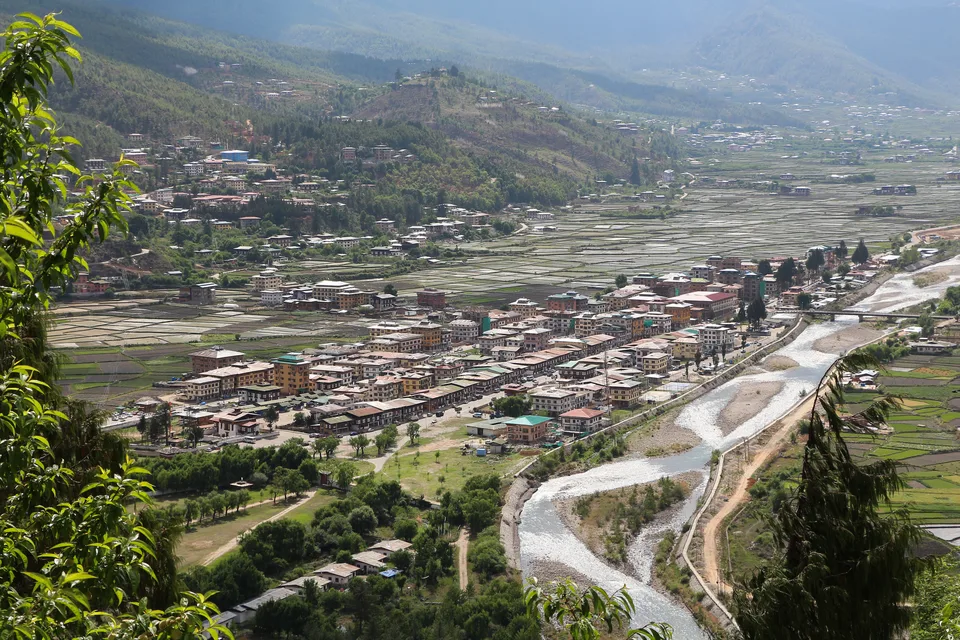
Paro is a small Himalayan town with an unusually prominent role in a visitor’s journey: its airport is a major gateway to Bhutan, while the cliffside monastery of Taktsang is among the country’s defining sights. Between those two landmarks lies a working valley of homes, fields, religious buildings and accommodation spread well beyond the centre.
Give Paro more than a night between flights. Three nights can accommodate a gentle arrival, the National Museum and dzong, and a separate day for Tiger’s Nest. Add time if you want a slower pace or need flexibility around walking and weather. A hotel described as “in Paro” may be outside town, so choosing the actual location matters more than collecting a long sightseeing list.
VisaWand’s Bhutan country guide provides the national context. Here, the useful questions are local: how far your room is from dinner, whether the hike suits your ability, and what your quote includes beyond government fees.
Understand the town, valley and sacred landscape
Paro town is only one part of the destination. The surrounding valley contains dispersed settlements and cultivated land, while monasteries and viewpoints can sit considerably higher on its slopes.
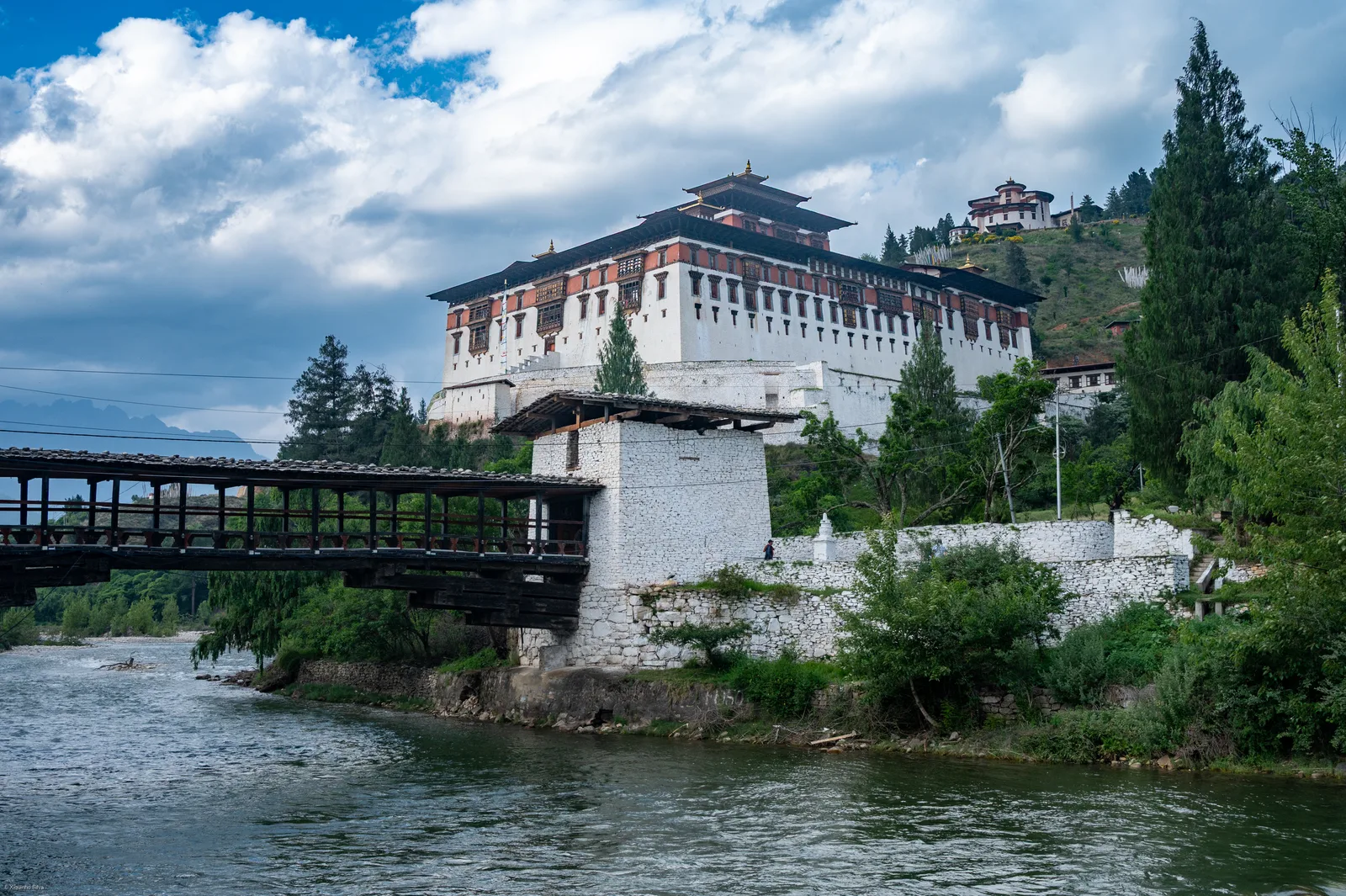
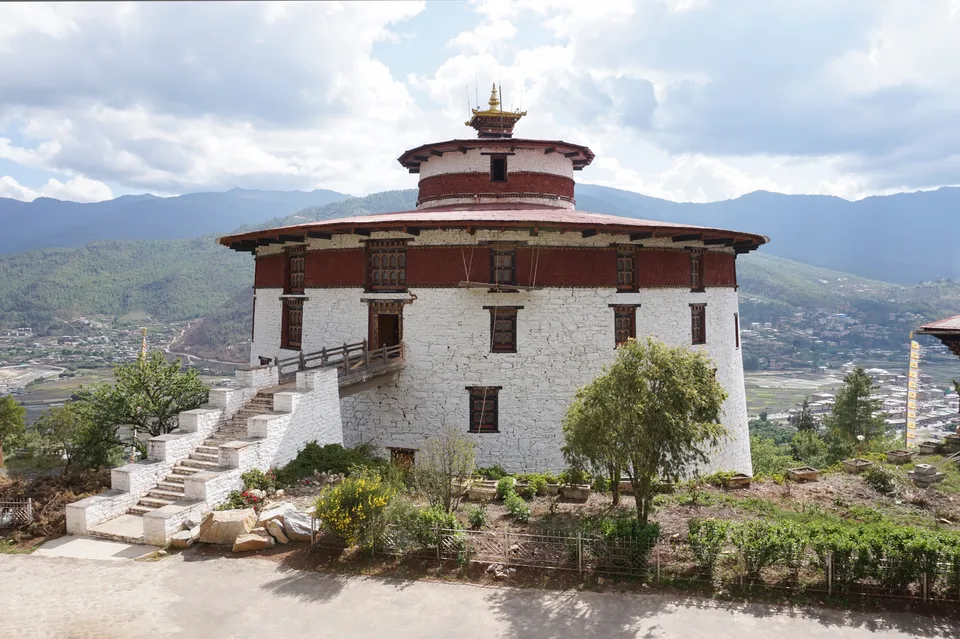
Rinpung Dzong brings together religious and administrative functions. Nearby, the National Museum occupies Ta Dzong, the watchtower built in 1649 to protect the dzong below. These buildings help explain the relationship between government, defence and religious life without reducing the valley to scenery.
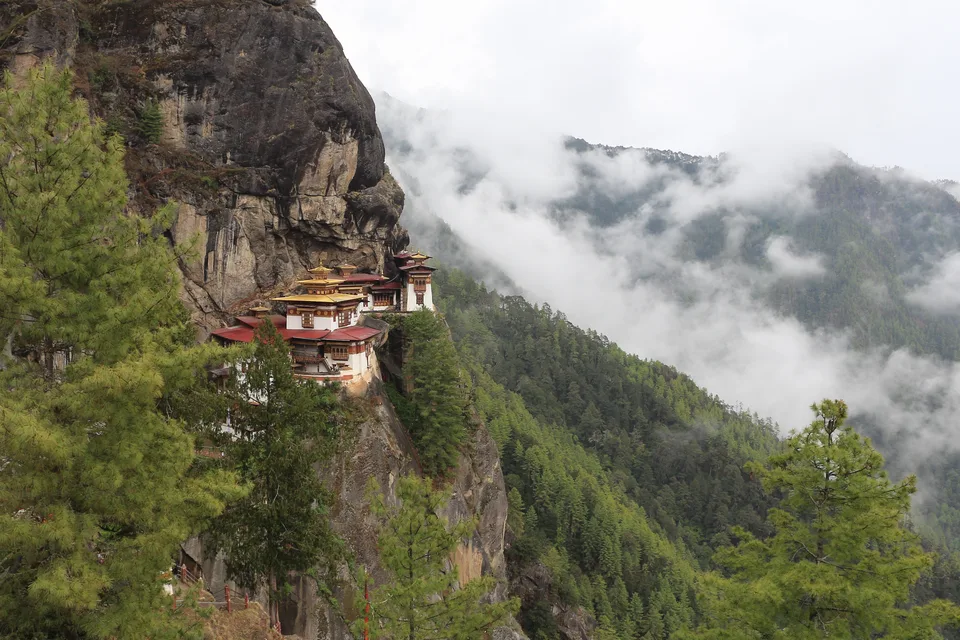
Taktsang has a different setting and spiritual significance. Its association with Guru Rinpoche belongs to a living religious tradition; the story of his arrival on a tigress should be understood as sacred legend. Treat temples as places of worship, ask before taking photographs of people or ceremonies, and follow instructions about shoes, clothing and access. An attractive courtyard is not an invitation to enter every doorway.
Choose a base before choosing a room
Compare accommodation in the town, around the airport and lower valley, and farther up the valley toward the Taktsang approach. A central base is worth considering if you want nearby cafés and shops, but check the route from the property rather than assuming every town address has an easy pavement connection.
A quieter valley property can make sense when meals and transport are arranged. The trade-off is dependence on a driver for errands or evening outings. Ask for the travel time to your planned sights, the availability of dinner and the cost of an additional transfer. Hillside views may come with steps or steep approaches.
For an early departure, confirm the airport pickup time and who will arrange it. For a family or anyone with reduced mobility, request photographs of the entrance, bathroom and route to the dining room. Do not interpret “traditional architecture” as evidence of either good accessibility or poor comfort: establish the details of the particular property.
Book certified accommodation with clear inclusions
The Department of Tourism’s 22 October 2026 accommodation notice requires official approval and certification before properties, including village homestays, cater to tourists. Check a prospective stay through the official tourism services directory. Certification is a regulatory check, rather than a substitute for asking about the room you will receive.
The directory includes Taktsang Village Resort as a three-star property in Paro, illustrating the accommodation available outside a purely urban setting. Its listing is not a guarantee of current availability, price or a particular view. Contact any shortlisted property directly about your dates and requirements.
Ask whether the quote includes meals, heating, airport transfers, guiding and monument tickets. Establish cancellation terms and the arrangements if a delayed flight changes your arrival. No reliable current citywide room-price average is presented here: a useful comparison needs the same dates, room occupancy and services. A low nightly figure can be misleading when essential transfers or meals are charged separately.
Visit Rinpung Dzong with time to observe
Make the dzong and its surroundings an introduction to Paro rather than a stop squeezed between transfers. The complex remains a religious and administrative setting. Your guide can explain which areas are open and how the visit fits around official activity or worship.
The Department of Tourism’s museum and monument list records no entrance fee for Rinpung Dzong. That does not remove the requirement for a guide, or mean that every interior is accessible. Confirm visiting hours locally: the document contains inconsistent time notation and should not be used to promise a precise entrance window.
Allow time for the approach and views of the river crossing. If steps, slopes or uneven surfaces present difficulties, ask your guide to describe the route before setting off and choose an appropriate stopping point. Wear respectful clothing and check photography rules before raising a camera. Combining the dzong with the museum can work well, but arrange transport between them if the climb would make the day unnecessarily tiring.
Make the National Museum a deliberate stop
The National Museum’s own visitor information lists opening hours of 9am to 5pm, with last admission at 4pm, except on government and local holidays. Its published admission is Nu.500 for international visitors. Use that current operator figure rather than the older Nu.300 amount still appearing in the tourism department’s general list.
The museum opened in Ta Dzong in 1968. Its collections cover religious art, traditional clothing, natural history, currency and household objects, making it useful for understanding things you will encounter elsewhere in Bhutan.
Photography and video are prohibited inside, and lockers are provided for cameras. Ask about the internal route, stairs and facilities if you have mobility needs. Leave sufficient time before last admission: arriving at the ticket counter shortly before closing is a poor way to use a museum visit. Holidays should be checked against your actual itinerary, particularly around a festival trip.
Plan Taktsang as a substantial outing
Taktsang, commonly called Tiger’s Nest, is a cliffside religious complex rather than an attraction reached directly from a car park. The Department of Culture’s heritage account places it at about 3,120 metres above sea level and dates the monastery complex to 1692. Its earlier association with Guru Rinpoche is central to its sacred identity.
Discuss the walk honestly with your guide before booking the day. Ask about the current trail, ascent, steps, exposed sections, rest opportunities and the point at which you can turn back. Fitness, weather and altitude affect people differently; another traveller’s completion time is not a reliable schedule for your party.
Start with suitable footwear, layers, water and sun protection, and leave the remainder of the day flexible. Arrange a less demanding alternative if the walk is unsuitable. Reaching the monastery is not a test you must pass to have visited Bhutan properly. People travelling with children, medical conditions or limited mobility should make the decision around their actual needs.
Check monastery tickets and access separately
The tourism department’s published monument list gives Taktsang admission as Nu.1,000 and Kyichu Lhakhang as Nu.500. These entrance charges are separate from the Sustainable Development Fee, accommodation and transport. Ask whether a tour quote includes them and how payment is handled.
For Taktsang, confirm the current entrance arrangements and what belongings must be left outside the religious interiors. Do not build the day around contradictory lunch-break wording in an old list. Your guide should establish the practical visiting window before the hike.
Kyichu offers a different kind of visit. Its own account of the temple’s history traces the main Jowo temple’s roots to the seventh century and explains its place in the tradition of King Songtsen Gampo’s temples. This is an opportunity for a quieter cultural stop, subject to worship and access on the day. Ask permission for photography, keep conversations considerate and let your guide explain the significance of what you are seeing.
Arrange guides without confusing the booking rules
The Department of Tourism’s current FAQ says tourists must be accompanied by a guide at all times. It also says visitors can book their travel independently. You can therefore organise your own reservations while still arranging the certified guiding required for the trip.
Agree the guide’s dates, language, daily programme and fees in writing. Establish whether the same person will meet you on arrival and accompany your valley outings, and what happens if the itinerary changes. Check certification through the tourism services directory rather than relying on a social-media profile alone.
For a hike, discuss experience with the route and the assistance available if someone cannot continue. A vehicle and driver do not automatically include guiding, and an accommodation booking does not automatically include either service.
Build flight connections around the actual schedule
Paro International Airport uses the code PBH. The Department of Air Transport places it about 3.5 kilometres from Paro town, though the distance to your accommodation will depend on where in the valley you stay. Avoid descriptions that present every Paro hotel as equally convenient to the terminal.
Use Drukair’s dated flight schedules and the relevant airline’s booking service for your actual dates. A network map is not proof of a daily or nonstop connection. For example, Drukair’s Singapore service announcement describes travel via Guwahati. Check stops, local departure times and any transit requirements before combining separate tickets.
Weather can disrupt flights, so allow margin before an expensive onward connection. Flexible arrangements are particularly useful when two airlines do not protect the connection. Tell your accommodation about your flight and establish how it will monitor delays. Travellers with specific mobility or medical needs should discuss assistance with the operating carrier before buying the ticket.
Organise airport transfers and valley transport
The tourism department identifies taxis and hotel or operator transfers as the airport options, with no other airport public transport. Arrange your pickup and guiding together, giving the provider your flight details and the full property name. Confirm the meeting point and whether waiting for a delayed arrival is included.
For sightseeing, compare a vehicle-and-driver arrangement with individual transfers. Ask about the number of passengers, luggage space, seat belts and the return journey from an outlying stop.
Car rentals generally include a driver. Bringing your own vehicle across the border involves separate permissions and conditions; it should not be confused with hiring a self-drive car locally. Check those rules directly if relevant to your journey. For a short visit, an agreed valley itinerary usually makes the transport budget easier to understand than repeatedly arranging journeys after arrival.
Eat local food with a clear idea of ingredients
Bhutan’s western food traditions include rice and strongly flavoured stews. The tourism department’s food and drink guide describes ema datshi, made with chillies and cheese, and kewa datshi, a potato-and-cheese preparation. Momos and meat or vegetable dishes offer other ways to explore the cuisine.
Tell the kitchen how much chilli you can manage, particularly before a walking day or long road journey. A request for less heat is more useful than assuming a dish will resemble a mild version served abroad. Vegetarian food may contain dairy, and dumpling fillings vary; discuss allergies and dietary requirements directly.
Compare menus and portion sizes before ordering. Ask whether rice, drinks and service are included, and whether your hotel meal plan allows you to eat elsewhere. This guide does not assign a universal price to a meal in town and one at a remote resort. A comfortable budget should leave room for drinking water and an unplanned meal when travel arrangements change.
Put government fees at the start of the budget
For most international adults, the current Sustainable Development Fee is US$100 per night. The published incentive runs through 31 August 2027; do not assume the same rate for a later trip without checking. Child concessions and nationality-specific arrangements require the correct application category.
Indian adults pay Nu./INR1,200 per night under the current tourism guidance. The FAQ also describes a limited concession for eligible Bangladeshi visitors, so travellers who may qualify should confirm the applicable rate before paying. A border-town waiver should not be treated as a way to visit Paro without the normal fee.
For one adult paying the standard US$100 rate, three nights produce US$300 in SDF. Where the US$40 visa fee applies, that makes US$340 before flights, rooms, meals, guides, vehicles and admissions. This is fee arithmetic, not a complete tour quotation. Ask providers to separate government charges from their services and show cancellation, tax and payment terms clearly.
Carry payment options and price connectivity accurately
The ngultrum is at parity with the Indian rupee. Confirm which payment methods your accommodation and guide accept, and retain some usable cash for smaller purchases. A card logo at one business does not establish that every merchant in the valley accepts your card.
Bank of Bhutan’s goBoB wallet instructions explain tourist registration and identity verification. Funds cannot be spent until verification is completed, and loading by card carries a published 3.68% convenience fee. Read the current terms before deciding that a wallet is cheaper or easier than your other options. Its international-card guidance also explains possible issuer declines and ATM charges.
For mobile data, Bhutan Telecom lists a Nu.200 tourist package with 1GB and Nu.100 of talk-time/SMS for seven days, and a Nu.300 package with 2GB and Nu.100 for fourteen days. A passport copy is required. Check taxes, compatibility and activation details; the operator’s prebooking portal offers physical-SIM and eSIM choices.
Match the season to walking and road conditions
Spring and autumn are sensible periods to consider for a visit combining cultural sights and walking. Winter requires warmer clothing, particularly for mornings and higher outings, while summer brings monsoon conditions. These are broad planning patterns, not a promise of clear mountain views or dry trails on a particular day.
Check the National Center for Hydrology and Meteorology before your trip and again before an outing. Conditions at a higher monastery or pass can differ from those around a valley hotel. Ask about the current trail and road rather than relying on a seasonal packing list alone.
The UK government’s Bhutan travel advice notes that weather affects flights and monsoon landslides can interrupt roads. Allow alternative activities and avoid making every day dependent on a long transfer. Festival visitors should verify the particular year’s programme and accommodation availability. An undated description of a spring celebration is not confirmation of future dates or access arrangements.
A realistic three-night first visit
On arrival day, settle into your accommodation and keep activity gentle. If time and energy allow, arrange a short introduction to town with your guide, then discuss the next day’s walking and transport. Avoid committing to the Tiger’s Nest climb immediately after an early flight and disrupted sleep.
Use the first full day for Rinpung Dzong and the National Museum, subject to opening and holiday arrangements. Leave time for lunch and a visit to Kyichu if the programme remains comfortable. Make the second full day the Taktsang outing, with a flexible finish and an alternative for anyone who decides against the hike.
Keep the departure morning for breakfast, packing and the airport transfer. With another night, add a slower valley day or continue to a different base. This suggested sequence is not a guarantee of acclimatisation or a fixed touring schedule. Your guide should adjust it to weather, access, health and the abilities of the whole party.
Test housing and commuting before a longer stay
Paro’s appeal as a visitor destination does not establish a straightforward route to relocation. Secure the appropriate employment, study or family permission first, then investigate housing around the place you need to reach each day. A picturesque valley property may be inconvenient for routine shopping or a fixed start time.
Use temporary accommodation while inspecting rentals. Test heating, ventilation, hot water, drainage, internet reception and the route after dark. Ask who pays utilities, how meters are read and what happens when repairs are needed. Obtain the deposit, notice period, inventory and responsibility for maintenance in writing.
Reliable current comparable long-term rents were not established for this guide, so no citywide rental figure is offered. Calculate the whole household cost, including transport and seasonal heating, from actual quotations. Check access to groceries, drinking water and laundry on an ordinary weekday.
Resolve work, study and residence before moving
Tourist arrangements do not grant permission to take employment or establish permanent residence. Employment arrangements need labour approval, passport documentation and an immigration assessment. Work, study and business involve different purposes and permissions. Ask the sponsoring organisation and immigration authorities which process applies to you. The UK government’s Bhutan entry advice also explains the need for a sponsoring organisation for non-tourism visits.
For study, Paro College of Education’s semester-abroad programme provides a concrete example of international opportunities, with enrolment procedures and academic requirements. Contact the college about the actual course, dates, fees, housing and immigration support. A general programme page does not guarantee admission or a visa.
Families should approach schools directly about availability, teaching arrangements and fees before committing to a lease. Check what status dependants need and whether their permissions allow the activities they intend. Paying tourist fees for a longer holiday is a different proposition from receiving permission to live, work or study in Bhutan.
Check healthcare and essential services in advance
For a longer stay, establish where you would obtain routine care, prescriptions and any treatment you need regularly. Discuss referral arrangements and transport before choosing a remote property. The UK government’s Bhutan health guidance notes that healthcare capability varies and complex treatment can require evacuation abroad. It gives 112 as the ambulance number.
Check insurance for the actual activities and circumstances of your stay, including hiking and any necessary evacuation. A tourist policy may have different conditions from cover for employment or residence. Ask a clinician about altitude and your own medical needs before planning a substantial climb; this guide cannot determine whether it is suitable for an individual.
Test connectivity inside the proposed home rather than relying on a hotel’s general Wi-Fi promise. Identify a practical way to pay bills and keep copies of important documents. For any provider promising to arrange everything, ask which services they actually supply and which applications remain your responsibility.
Complete entry checks and compare the next destination
The official Bhutan visa page explains advance applications and the non-refundable US$40 visa fee where applicable. Indian visitors require a permit; Bangladesh and Maldives visitors have different visa arrangements. Check your own nationality’s process, document requirements and approval before travelling. A booking confirmation is not immigration permission.
VisaWand’s Bhutan consultant listings can help you find assistance, while the Bhutan destination directory and Thimphu destination page help compare places. These are listings and location pages; official authorities decide applications and airlines confirm bookable transport.
Thimphu is an alternative base to investigate if your plans involve national institutions or more time in the capital. Give a change of base its own transfer arrangements rather than treating all western Bhutan sights as part of Paro town. For Paro itself, a well-chosen room, clear fees and time to enjoy both the valley and its religious heritage are the foundations of a useful visit.
Official planning resources
Reviewed 24 October 2026. Use the official resources linked throughout this guide for admission, transport, housing and immigration decisions. Prices, services and rules can change; confirm the details relevant to your dates. Photography illustrates the locations and is not a live view.
View all official resources
- Department of Tourism: current notices and SDF incentive
- Department of Tourism: certified service-provider directory
- Department of Tourism: Taktsang Village Resort listing
- Department of Tourism: museum and monument fee list
- National Museum of Bhutan: admission, collections and access
- Department of Culture: Taktsang heritage account
- Kyichu Lhakhang: temple history and sacred tradition
- Department of Tourism: practical travel questions
- Drukair: dated flight schedules and booking
- Drukair: Paro–Guwahati–Singapore service update
- Department of Tourism: food and drink
- Bank of Bhutan: goBoB tourist wallet and fees
- Bank of Bhutan: international cards and ATM charges
- Bhutan Telecom: tourist SIM packages
- Bhutan Telecom: official SIM prebooking
- National Center for Hydrology and Meteorology: weather services
- UK government: road, flight and cultural practicalities
- UK government: Bhutan entry requirements and non-tourism sponsorship
- Paro College of Education: international semester study
- UK government: healthcare, altitude and insurance
- Department of Tourism: visas and permits
Plan the next part of your journey
Explore the Bhutan guide, browse other cities or compare consultants for your travel and relocation questions.