Visa
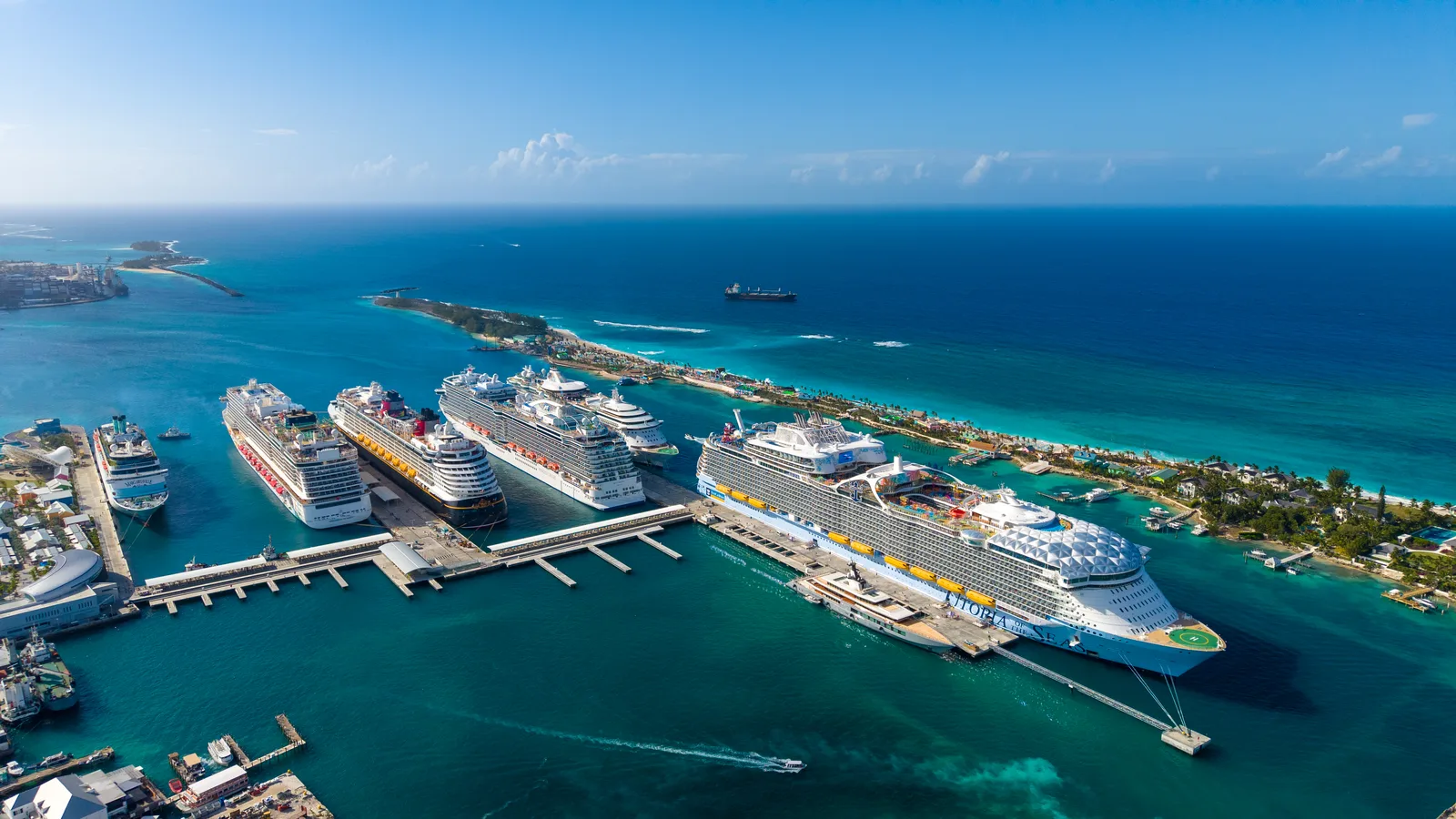
Decide what kind of Nassau stay you want
Nassau can be a short introduction to The Bahamas, a resort holiday with cultural outings, or a practical base for a longer island stay. Those are different trips. The capital's harbour, historic streets and art institutions sit within a destination also known for large hotels, beaches and cruise calls. Choosing the right base matters more than assembling the longest attraction list.
Nassau is on New Providence. Paradise Island lies across the harbour, connected by bridges; it is not another name for the whole city. The tourism ministry's destination overview helps explain this geography. Downtown suits days centred on history and shopping, Cable Beach suits a coastal resort routine, and Paradise Island deserves consideration when its hotels and activities are the main reason for travelling.
For anyone contemplating a move, a pleasant beachfront weekend answers only a few questions. Commuting, housing, essential services and immigration permission need separate investigation. Use VisaWand's Bahamas country guide alongside this city guide when planning beyond the holiday itself.
Look beyond the pirate image
Nassau's history reaches beyond the colourful pirate identity sold around the waterfront. The settlement once called Charles Town was renamed Nassau in 1695, and the arrival of Governor Woodes Rogers in 1718 marked a change in its relationship with piracy. The destination's history and culture overview also traces African heritage and the development of Bahamian musical traditions.
A useful visit holds several stories together: colonial commerce, slavery and emancipation, the experiences of liberated Africans, and the modern independent country. The Bahamas became independent in 1973. Rather than making every historic stop a story about visiting Europeans, leave time for Bahamian art and cultural expression. Junkanoo, in particular, is a living tradition of music, movement and costume-making, not simply a decorative performance for hotel guests.
Match the area to your daily plans
Downtown's Bay Street corridor and nearby historic streets make sense for a first walking visit. Parliament Square, the Straw Market and routes towards the Queen's Staircase can be combined into a manageable outing. Cruise activity can affect how busy the central waterfront feels, so keep time for pauses and avoid booking every hour.
Cable Beach is west of downtown on New Providence. The Baha Mar resort complex is here, while Atlantis is across the harbour on Paradise Island. These are separate places, with separate access arrangements. Staying at one should not be mistaken for admission to the other's facilities.
A downtown hotel suits a stay centred on city outings. A beachfront resort can make more sense when pools, organised activities and meals on site are central to the holiday. Compare apartments or smaller properties if a kitchen and laundry would be useful, checking the actual facilities rather than assuming them. Price the complete booking, including mandatory charges, parking and cancellation terms, before deciding which type offers the better value.
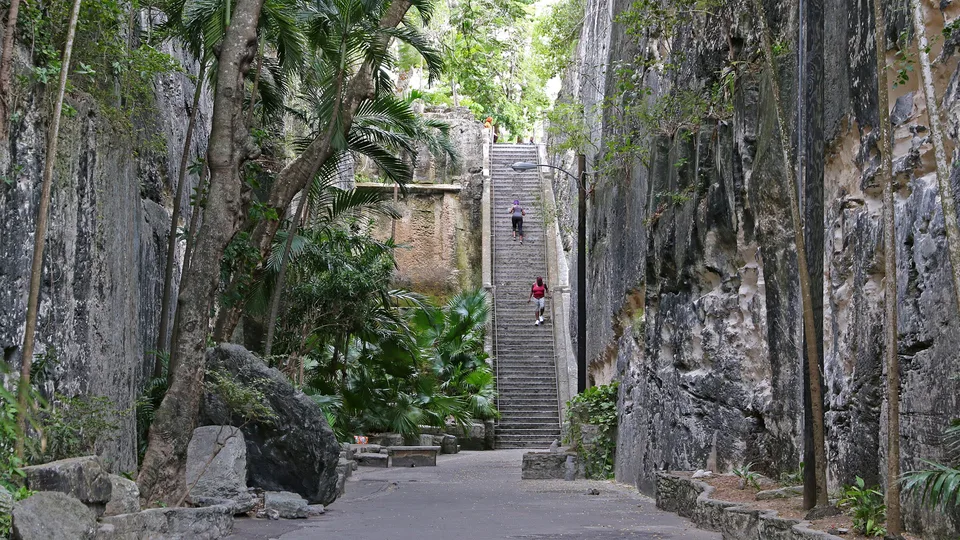
Walk the Queen's Staircase with its history in mind
The Queen's Staircase is one of the city's most distinctive spaces: a long limestone cutting, tall rock walls, vegetation and a climb towards the Fort Fincastle area. Its familiar nickname, the 66 Steps, does not mean every original step remains visible. The tourism ministry's account of the staircase explains that paving covers the bottom step.
The same account identifies the labour of enslaved people in creating the route. That deserves attention alongside the later royal name. Take time to understand the setting instead of treating it only as a shaded photo opportunity.
Plan the climb around your mobility and the conditions underfoot. Comfortable shoes and water are more useful than an ambitious sequence of stops in the hottest part of the day. If stairs are difficult, ask a guide or driver about suitable alternatives before booking a tour that includes the climb. Separate any optional guiding arrangement from access to the location itself.
Give Bahamian art a proper place in the visit
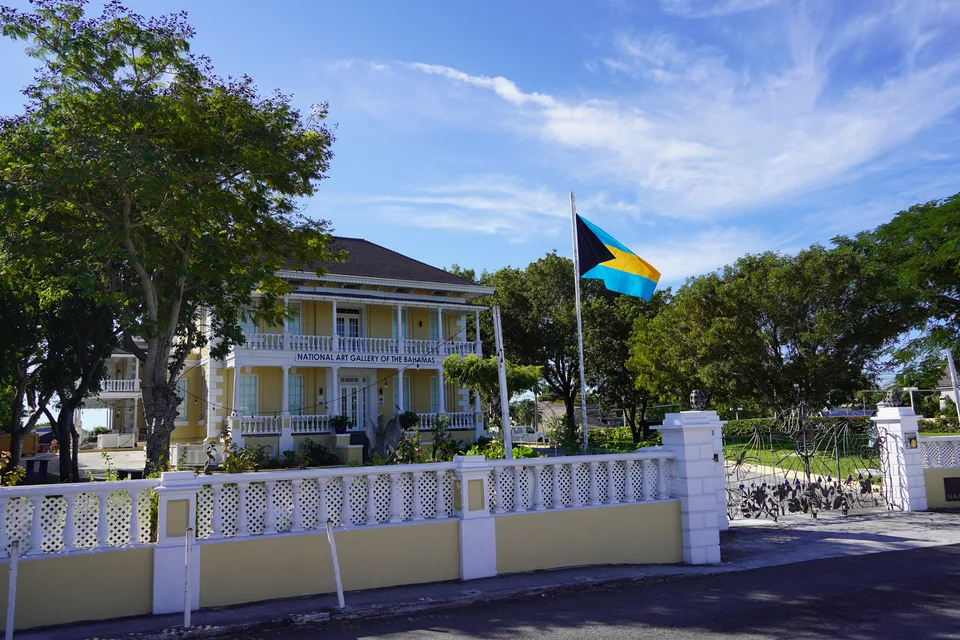
The National Art Gallery of The Bahamas occupies Villa Doyle, a historic building near downtown, with galleries and outdoor art. It offers a different way into the country from the harbour's shopping and resort attractions. Check the exhibition programme before visiting rather than assuming photographs of an earlier display represent what is currently on view.
The gallery's visitor page lists general admission at B$10, with separate resident, senior and student categories. Children under 12 enter free. Sunday admission is free for Bahamians and residents, not automatically for every overseas visitor. Published hours are Tuesday–Sunday, 10am–5pm, with last entry at 4:30pm; Mondays and public holidays are closed.
At this review, the gallery reports that its lift is undergoing maintenance, which may limit access. Contact the museum if step-free access is essential. Reservations are not required for an ordinary visit, and admission payments are taken on site. The outdoor art spaces are free to explore.
Find a quieter interval at The Retreat Garden
The Retreat Garden is an appealing counterpoint to a busy waterfront day. The Bahamas National Trust describes an 11-acre urban garden with palms, tropical plants, trails and birdlife. Choose it for an unhurried botanical visit rather than expecting a beach attraction or a large excursion park.
According to the Trust's current visitor information, opening hours are Monday–Friday, 9am–4pm. Adult admission for ages 15–59 is B$15, including VAT; other age categories have separate prices. BNT members enter free. Guides are available by arrangement, so organise one ahead if detailed plant or bird interpretation matters to you.
Keep the weekday opening pattern in mind when sequencing the trip. A garden visit on Monday can work when the art gallery is closed, while a Saturday arrival calls for a different plan. Carry water and insect protection, and allow for the journey rather than assuming every attraction sits beside downtown's main shops.
Compare beach time with a resort day pass
Cable Beach and Paradise Island's Cabbage Beach offer different coastal settings. Before choosing accommodation, establish how you reach the sand, what facilities the property supplies and what remains an additional purchase. A beach view does not establish access to every pool, attraction or neighbouring resort.
For Atlantis, read the official day-pass conditions for your date. Non-resort guests need the appropriate pass and Atlantis-issued wristband for Aquaventure and restricted outdoor areas. Prices vary by date and season. Bring the requested identification, booking confirmation and other check-in documents. The resort is cash-free, so plan an accepted card payment method for on-property spending.
At Cable Beach, Baha Bay's visitor information describes its water park and access for Baha Mar resort guests. Visitors staying elsewhere should check ticket availability and inclusions before travelling. Compare the whole cost, including transport, meals, lockers and any extras, rather than comparing a day-pass headline with the price of a simple beach outing.
Arrive through the right gateway
Lynden Pindling International Airport, code NAS, serves New Providence and is the air gateway for this visit. Check the precise hotel address before arranging a transfer. Downtown, Cable Beach and Paradise Island are different taxi destinations, and a booking described only as “Nassau” is not enough information for a firm quotation.
The airport's transport information lists taxis, car rentals and prearranged transfer services. Taxis wait outside the U.S., international and domestic terminals. For a group, confirm passenger numbers, luggage, mobility equipment and any child-seat requirement before accepting a vehicle. Ask which payment methods the driver accepts.
Cruise visitors have a different starting point and a fixed return deadline. Build a shore day around the ship's actual arrival, embarkation instructions and final boarding time. An airport transfer estimate should not be reused as the time needed to return to a cruise berth. Keep the ship's contact details and allow room for traffic or an activity finishing late.
Read taxi prices as a starting point
The airport's published taxi table lists US$36 from LPIA to downtown and US$29 to Cable Beach. Those figures also appear in the 2024 gazetted New Providence zone-fare schedule. They cover two passengers; luggage, additional passengers and other applicable charges can change the total.
Some published figures differ between the airport page and the regulations, including the Paradise Island fare and extra-passenger charge. Get a full quotation from the dispatcher for your party and exact destination before departure. Do not treat the lowest number found online as a guaranteed all-inclusive charge.
The practical budgeting lesson is to count journeys. A hotel that looks less expensive may require several taxi trips to the places you actually want to visit. Compare a realistic sequence of transfers with the difference in room prices, and ask about any hotel shuttle before assuming it operates or is complimentary.
Use jitneys where they fit the journey
The promotion board's getting-around guidance describes jitneys serving downtown Nassau and Cable Beach. It gives an approximate one-way fare of B$1.50, requiring exact change and payment on exit. Confirm the route, fare and last service locally before relying on one for a timed appointment or evening return.
For a first visit, use walking for a compact downtown circuit and choose transport deliberately for longer distances. Allow for heat, road crossings and the actual pavement conditions. The existence of a route on a map does not establish a comfortable walk with children, luggage or limited mobility.
Traffic drives on the left. If hiring a car, check the vehicle's controls, insurance, parking and the licence requirements that apply to you. A car is most useful when the itinerary justifies it; it also adds parking decisions and responsibility after a late dinner. Confirm the current availability of transport services rather than expecting the same ride-hailing options as at home.
Eat at Arawak Cay without turning lunch into a checklist
Arawak Cay's Fish Fry is a collection of restaurants and vendors, not a single restaurant with one menu or price. The tourism ministry's food overview introduces the strip and its mix of sit-down places and beachside cooking. Go with enough time to read menus and choose a meal that suits your appetite and budget.
Conch appears in several forms, including salads and fried preparations. Ask how dishes are made, especially if avoiding raw seafood, particular ingredients or shared cooking equipment. Citrus in a preparation should not be treated as proof that raw seafood is safe for everyone.
Compare the final bill, including taxes and any service charge, before adding a tip. For families or longer stays, a simple breakfast and some groceries can help balance more expensive meals. Plan the return journey before an evening out, and choose a daytime visit if that better suits your transport arrangements or comfort level.
Shop with a purpose on Bay Street
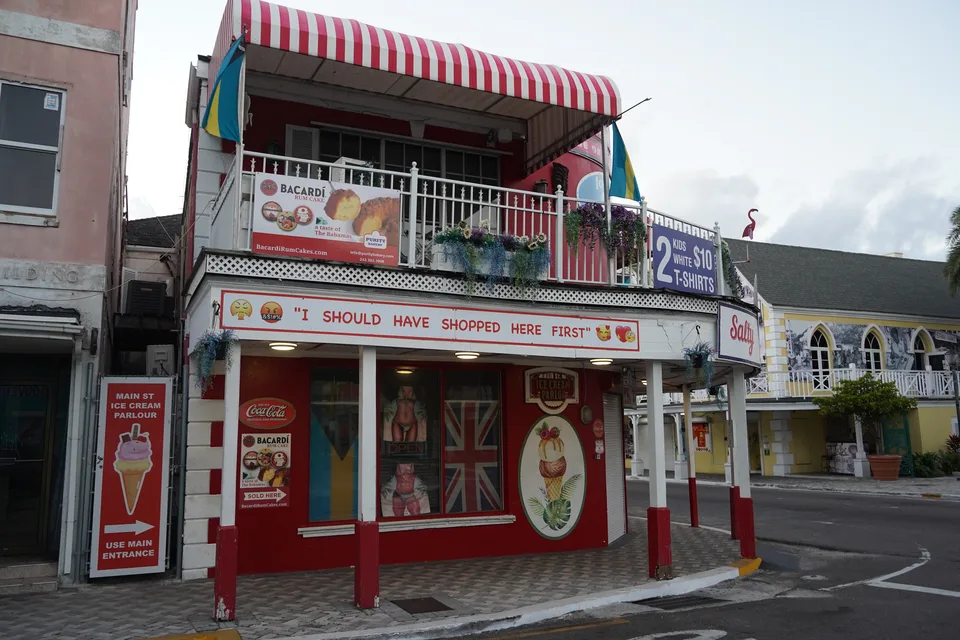
Downtown shopping can be folded into a history day without becoming its main event. Bay Street's commercial frontage and the Straw Market provide opportunities to browse, but look closely at what you are buying. Ask where an item was made and who produced it if supporting Bahamian craft is the intention.
Compare workmanship, materials and price rather than assuming every souvenir offered near a port is locally made. Keep receipts, protect fragile purchases and check your airline or cruise line's baggage rules. “Duty-free” does not cancel the import allowances or declaration requirements of your home country.
For a prospective resident, a more revealing shopping trip is an ordinary grocery run. Price a basket you would actually buy, including household supplies, and consider the journey home. This provides a useful personal cost comparison without relying on a citywide average that may not resemble your habits.
Keep the currency and total budget clear
The Bahamian dollar is fixed at parity with the U.S. dollar; the Central Bank's exchange information explains the relationship. A one-to-one currency value does not mean every foreign card or withdrawal is free of bank charges. Check fees with your provider and keep clear which currency a quotation uses.
For an activity example, two adults aged 15–59 paying general admission at the National Art Gallery and The Retreat Garden would spend B$50 altogether. That is admission only: B$20 for the gallery and B$30 for the garden. Transport, food and resort passes are separate.
Build the rest of the budget from actual room quotes and planned transfers. Include mandatory accommodation charges, cancellation terms and any security deposit or incidental hold. Leave a contingency for a weather change or an extra journey. A realistic personal total is more useful than a universal daily allowance that ignores whether you are staying in an apartment or a full-service resort.
Choose the season for your activities
The Bahamian meteorological service's climate account describes a generally wetter summer pattern and a drier period from November to April. Winter can still bring cold fronts, brisk winds and cooler conditions. These are seasonal tendencies, not a promise about the weather during a particular stay.
If long outdoor walks matter most, plan them early and retain an indoor alternative. If a beach or boat excursion is the priority, keep the schedule flexible around wind and sea conditions. Consult the national meteorological service's island forecasts close to departure and follow local warnings.
Junkanoo is another reason to choose dates carefully. The destination's Junkanoo introduction explains the traditions associated with Boxing Day and New Year's Day. Confirm the forthcoming parade arrangements, tickets and timing before committing to accommodation. Late-night or early-morning celebrations can affect sleep, road access and transport, whether you plan to attend or simply stay nearby.
Make safety part of the itinerary
Choose transport and activities with the same care as a hotel. Current FCDO safety advice discusses crime, road travel and water-sports risks in The Bahamas. For city outings, favour a planned route, avoid unlit areas and arrange a reliable return after dark. Keep valuables discreet and secure accommodation doors and windows.
For swimming or boating, assess current conditions and the operator's arrangements rather than assuming clear water means low risk. Ask about equipment, supervision, weather cancellations and how help is obtained. Do not enter water that has been baited to attract marine life.
The hurricane season normally runs from 1 June to 30 November. Check cancellation cover and official alerts, and establish what your accommodation would do if plans changed. A storm threat can affect flights and excursions before conditions become severe at your hotel. Avoid stacking an essential onward connection directly after a weather-dependent boat trip.
Spend three days with room to change plans
Day one: start with a downtown walk, Parliament Square and the Queen's Staircase, adapting the climb to your mobility. Pause for lunch, then browse Bay Street or the Straw Market. Keep the route compact enough that you can return comfortably rather than rushing through the heat.
Day two: visit the National Art Gallery during an open session, allowing time for its exhibitions and outdoor art. Add a meal at Arawak Cay if the transport works. Confirm the lift situation in advance when needed. A beach walk can replace another paid attraction if you want a less crowded schedule.
Day three: choose either The Retreat Garden on a weekday or a properly booked resort-water-park day. Do not try to fit both around a distant excursion. Rearrange the sequence for museum and garden closing days. With only a cruise call, shorten this plan to one area and one principal activity, keeping the ship's boarding deadline decisive.
Test housing against an ordinary working week
For relocation, start with the workplace or campus rather than a favourite holiday photograph. Test the journey at the hours you would commute. Visit the surrounding streets, find the nearest grocery shop and pharmacy, and establish how appointments and errands would work without a visitor's flexible timetable.
Compare rent together with electricity, water, internet, maintenance charges and transport. Ask which bills are included and which accounts must be opened in your name. Inspect air conditioning, damp, drainage, windows and storage. Get written terms covering repairs, deposits, notice periods and responsibility for storm preparation.
Before transferring money, verify the landlord's authority and inspect the actual property. Photographs of a development or shared facilities do not establish the condition of the unit offered. If working remotely, test the connection at the desk you would use and agree backup arrangements. A short initial stay can make these checks easier before a longer commitment.
Organise utilities and household essentials
BPL's start, stop or move service provides the route for opening or changing an electricity account. A customer-support representative confirms the request and any further information needed; do not assume a submitted form guarantees immediate activation. Coordinate the handover with the landlord.
For water, use the Water and Sewerage Corporation's connection information and establish whether the property has an individual account or another supply arrangement. If backup power or water storage is advertised, ask what it supplies, how it is maintained and which costs fall to you.
Families should investigate schools, admission requirements, teaching arrangements and the daily journey before choosing housing. Confirm medical insurance, nearby providers and access to regular prescriptions. Keep copies of essential documents and a practical plan for power interruptions or severe-weather instructions. These questions deserve attention before shipping household goods or signing a lease that is difficult to unwind.
Separate a holiday from work, study and residence
The Bahamas is an independent country with its own immigration rules. Nationality, residence status, travel route and purpose affect entry requirements. Use the Ministry of Foreign Affairs' eVisa information and official visitor-entry guidance to check your situation. Do not assume a U.S. cruise departure or possession of any foreign visa automatically exempts every traveller from a Bahamian visa.
A visitor admission does not by itself authorise employment. Check the Immigration Department's work-permit guidance and the authorisation appropriate to the proposed activity. Special programmes have their own eligibility rules; an employer's offer or a remote-work plan should not substitute for approval.
Study and non-working residence require separate consideration through the permit-to-reside process. Permanent residence has its own eligibility and application requirements, with conditions that may distinguish residence from permission to work. A lease or property purchase does not automatically grant status. VisaWand's consultant listings can help you identify support, but verify advice against official requirements before making commitments.
Leave time for departure and the next island
On departure, follow LPIA's check-in planning advice: arrive at least three hours before a U.S.-bound flight and two hours before other international flights, while checking your airline's instructions. The airport's U.S. preclearance information explains that U.S. customs and immigration formalities take place before boarding the relevant flight. Keep onward-entry documents accessible.
For a different Bahamian base, investigate Freeport on Grand Bahama or Dunmore Town on Harbour Island. These location pages are starting points for research, not proof of a particular transport connection. Check operators, departure points and weather arrangements before booking a separate island stay; proximity on a map does not create a road journey.
Use VisaWand's Bahamas location directory to compare other places and its Bahamas destination overview for wider planning. Nassau works best when its cultural stops, coastal time and practical journeys form a coherent stay rather than a race to cover the archipelago.
Official planning resources
Reviewed 15 October 2026. Use the official resources linked throughout this guide for admission, transport, housing and immigration decisions. Prices, services and rules can change; confirm the details relevant to your dates. Photography illustrates the locations and is not a live view.
View all official resources
- LPIA: ground transport
- LPIA: published taxi fares
- Bahamas Gazette: 2024 New Providence taxi zone fares
- Nassau Paradise Island Promotion Board: getting around
- National Art Gallery of The Bahamas: visit
- Bahamas National Trust: The Retreat Garden
- Bahamas Ministry of Tourism: Queen's Staircase
- Atlantis: day passes and visitor access
- Baha Bay: plan your day
- Bahamas Ministry of Tourism: Arawak Cay Fish Fry
- Central Bank of The Bahamas: exchange rates
- BPL: start, stop or move electric service
- Water and Sewerage Corporation: new connections
- Bahamas Department of Meteorology: climate
- Bahamas Department of Meteorology: island forecasts
- FCDO: Bahamas safety and transport advice
- Bahamas Ministry of Foreign Affairs: eVisa
- Bahamas Ministry of Tourism: visa and immigration questions
- Bahamas Immigration: work permit
- Bahamas Immigration: permit to reside and study
- Bahamas Immigration: permanent residence
- Nassau Paradise Island: history and culture
- LPIA: departure planning checklist
- Bahamas Ministry of Tourism: Nassau and Paradise Island
- LPIA: customs, immigration and U.S. preclearance
- Nassau Paradise Island: Junkanoo traditions
Plan the next part of your journey
Explore the Bahamas guide, browse other cities or compare consultants for your travel and relocation questions.