Visa
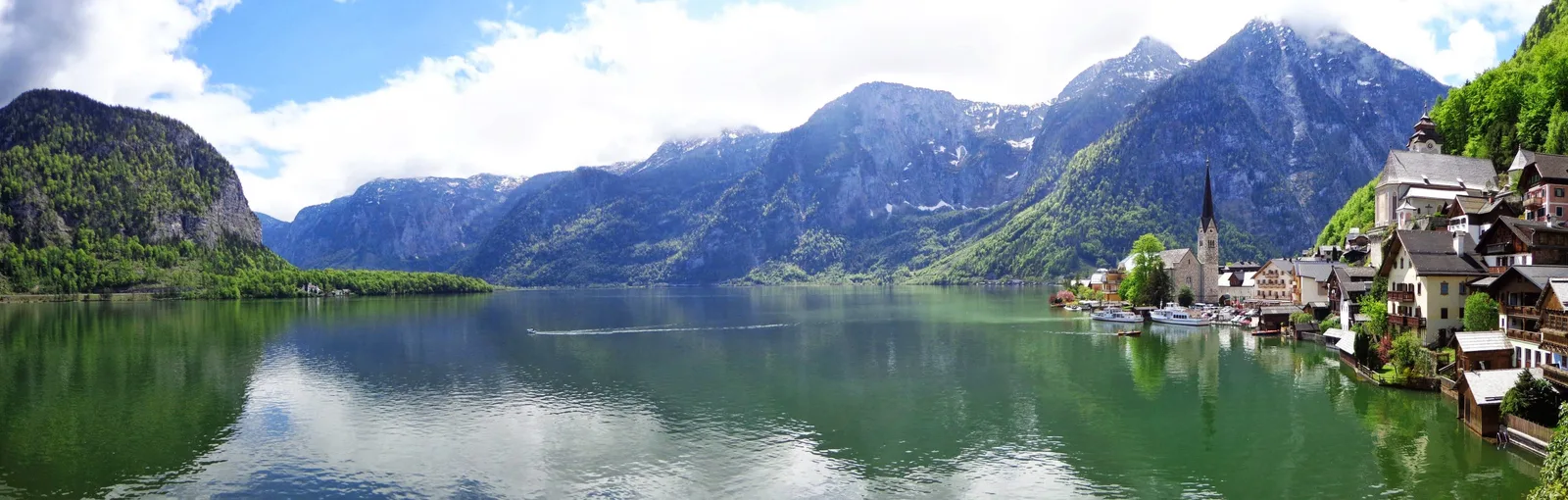
A small lakeside settlement with a much larger history
Hallstatt’s appeal begins with its setting: houses gathered between the lake and the mountain, a church tower beside the water and streets that reward exploration on foot. This is a small settlement in Upper Austria’s Salzkammergut, rather than a city with extensive entertainment districts. Its size makes a focused visit possible, but the surrounding landscape and salt-mining history give an overnight stay more substance than a brief photograph stop.
Start with the official regional destination information. One full day can cover the village and a selected attraction; two nights provide more room for the salt mountain, museum and changing weather. For anyone considering living here, the important questions concern housing, employment, transport and ordinary household services.
Understand the cultural landscape before exploring
The UNESCO listing for Hallstatt-Dachstein/Salzkammergut recognises a cultural landscape, not simply a collection of picturesque buildings. Inscribed in 1997, it links the mountain environment with a long history of human settlement and salt production. UNESCO describes salt exploitation from the second millennium BC and its enduring contribution to local prosperity. The architecture makes more sense when read against that working history.
Look for the relationship between the water, the narrow settlement and the mountain above it. A walk can introduce those connections, while the museum and mine explain them from different perspectives. Avoid treating every old building as a publicly accessible monument. Homes, businesses, religious spaces and transport facilities continue to serve people who live here. The World Heritage designation does not turn private entrances into visitor routes or guarantee access to every part of the surrounding landscape.
Begin with the market square and the waterfront
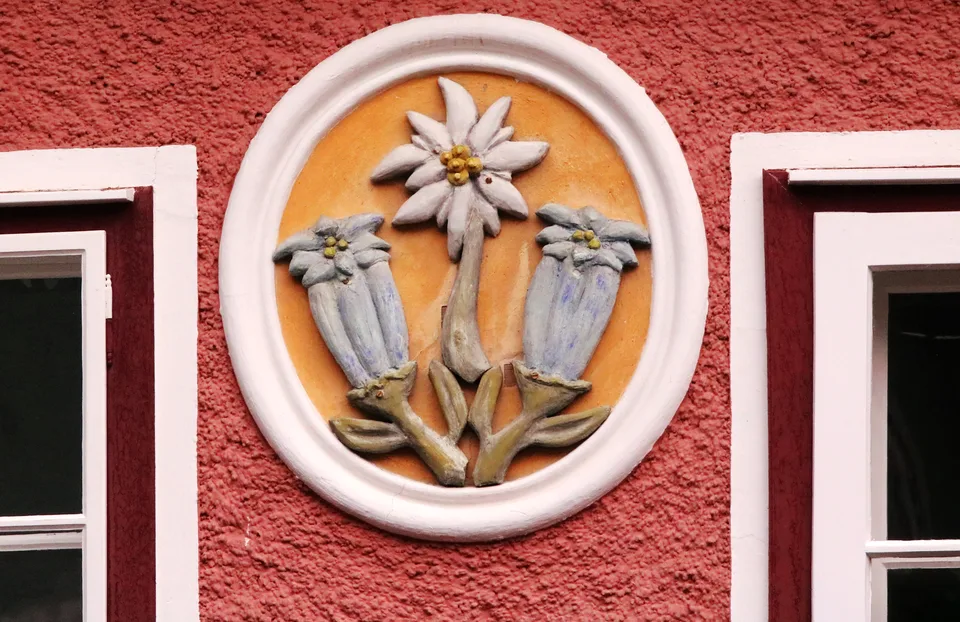
Use the market square as an orientation point, then explore the public waterfront and connecting streets at a measured pace. The pleasure is in the details: a decorated facade, the changing angle of the lake or the way buildings fit into limited space. It is more rewarding to look carefully than to rush between several versions of the same photograph.
Keep entrances and narrow streets clear. A viewpoint may be public while an adjacent staircase, terrace or garden is private. Follow signs and avoid photographing through residential windows. Consider returning to the centre after your main attraction. If walking or stairs are difficult, assess the route to the church, accommodation and transport stop separately; a compact map does not establish step-free access.
Give the World Heritage Museum its own hour
The Upper Austrian museum association’s Hallstatt listing describes a collection extending from prehistoric salt mining through later local history, crafts, religious life and the natural environment. It provides context for a settlement too often reduced to its waterfront appearance. The museum is at Seestraße 56, making it an achievable cultural stop within a village walking day.
The association lists adult admission at €12 and children aged six to fourteen at €8. Published hours are daily 10am–6pm from May to September, 10am–4pm in April and October, and 11am–4pm from November to March. Confirm current arrangements before a tightly timed visit, particularly around holidays. Check family-ticket conditions rather than assuming every combination qualifies. Allow time to read the interpretation; this is a useful alternative when mountain visibility is poor, as well as a worthwhile visit in clear weather.
Approach the church and ossuary with respect
The Catholic church and the ossuary in St Michael’s Chapel introduce another aspect of Hallstatt’s history. The regional visitor listing for the bone house places it behind the Catholic church, above the centre. Its human remains deserve a different approach from a novelty attraction: behave quietly, follow photography instructions and give other visitors space.
Opening information needs care. The regional listing gives October hours of 10am–5pm, but its winter information contains inconsistent day and time fields. Check the Hallstatt parish before planning a visit around the ossuary, especially from November onwards. Parish-office hours are not the same as attraction opening hours. Services can also affect church access. The climb and approach should be considered when travelling with limited mobility; do not assume that access to the waterfront means the church and chapel will be equally straightforward.
The salt mine has reopened after reconstruction
The mine and funicular are operating again following the 2025–2026 reconstruction. The operator’s reopening announcements confirm that visitors returned on 29 August 2026, followed by the formal funicular opening in September. Older brochures and pages mentioning closure until summer 2026 no longer describe the current position.
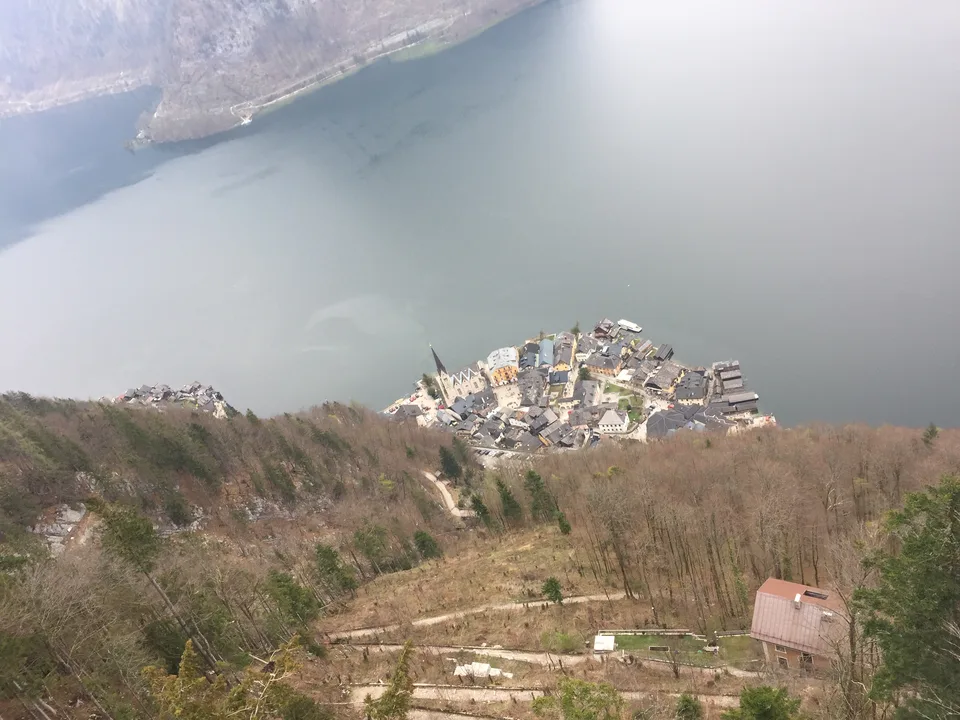
Choose between a mine visit and a mountain-view excursion according to your interests and abilities. Underground interpretation offers a different experience from looking down over the lake. A funicular ticket alone should not be mistaken for mine admission. Equally, booking a mine tour is not a reason to squeeze the mountain into a short gap before a departing train. Establish the meeting point, ascent arrangements and return connection first, then reserve a tour that leaves enough time for the whole outing.
Plan the mine visit around its physical requirements
According to Salzwelten’s visit information, the guided underground tour takes about ninety minutes and the complete visit needs at least three hours. Visitors should report to the valley station forty-five minutes before the booked tour. There is also an approximately fifteen-minute walk from the mountain station to the tour’s starting area, followed by around two kilometres inside the mine.
Warm clothing and sturdy footwear matter: the operator gives an underground temperature of 8°C. Children must be at least four to enter the mine. Younger children can use the funicular and visit the Skywalk, but need an alternative plan while others tour underground. The funicular and bistro are accessible; the mine is not wheelchair accessible. Discuss individual needs before purchasing, and read the operator’s visitor regulations if walking endurance or access is a concern.
Compare tickets and check the autumn timetable
The current Salzwelten price page lists a combined mine-and-return-funicular ticket at €49 for adults and €23 for children aged four to fifteen. Return funicular travel alone is €29 for adults and €14 for children. A mine-only ticket for visitors reaching the high valley on foot is a separate product; choosing it requires an appropriate route and enough time, rather than simply a wish to save money.
Check the dated operating schedule when booking. The operator’s language versions differ on the autumn changeover date, so confirm the last tour and last descent for your actual day. The last ascent for a mine visit is earlier than the final tour start. A published closing time is not an invitation to arrive then. Keep a margin for queues and the journey back to your accommodation or onward transport.
Choose a base by the journey to the door
Central Hallstatt is convenient for a visit focused on the square, waterfront, museum and ferry. The Lahn area is relevant when comparing bus arrivals and access to the salt-mountain valley station. Higher properties may exchange a view for a more demanding approach. Ask for the precise entrance and route rather than relying on the property’s distance from a central map pin.
Accommodation elsewhere in the region can make sense for a broader holiday. The regional accommodation directory covers Hallstatt, Obertraun, Bad Goisern and Gosau, with hotels, guesthouses and apartments. Compare the final evening connection before choosing a cheaper room outside the village. The saving becomes less useful if it creates an expensive late transfer. For a family, laundry, meal arrangements and space may matter more than being beside the best-known waterfront view.
Compare accommodation beyond the room photograph
Historic surroundings can be attractive without answering practical questions about the room. Ask about stairs, lifts, luggage handling, heating, ventilation and the position of the bedroom. Confirm whether breakfast is included, whether the kitchen shown belongs to your unit and what happens if you arrive after reception closes. An accommodation directory establishes a range of options, not availability for your dates.
Read cancellation and minimum-stay conditions before making separate transport reservations. Check the total including local charges, parking and service fees. If travelling with a dog or mobility equipment, obtain the property’s answer for the specific room. A lake-facing terrace should not outweigh an entrance or bathroom that fails to meet your needs.
Arrive by rail with the ferry connection understood
ÖBB’s Hallstatt station information identifies the railway stop on the Obertraun side of the lake. It is not beside the market square. The usual connection into the historic settlement is the station ferry, so include that crossing when comparing arrival times and luggage arrangements. Search the whole journey through the railway operator rather than stopping the plan at the station name.
The Hallstatt shipping operator runs the station service throughout the year and currently publishes €4 one way or €8 return. Payment is cash only. Keep suitable cash available before boarding and distinguish this short transfer from sightseeing cruises with different routes and prices. Read the dated timetable in both directions, checking the departure heading rather than trusting a downloaded filename. Train delays can affect departures; an evening arrival still needs a confirmed connection, not an assumption that boats run all night.
Use the regional bus network for the right stop
The regional arrival page identifies Hallstatt Lahn as an important bus stop for the settlement. The OÖVV route 543 timetable connects Gosaumühle, Hallstatt, the Dachstein cable-car area and Obertraun. Check the current day’s journey in the transport planner, including any change needed from Bad Ischl or another regional starting point.
Save the full stop name and the last useful return before leaving. A bus serving the Dachstein cable car is not the funicular up Hallstatt’s salt mountain. School-day notes, weekends and seasonal services can alter a convenient-looking connection. If staying outside the village, test the timetable against dinner, shopping and early departures as well as sightseeing. Winter promotional offers can have eligibility conditions; do not assume that every visitor is entitled to free travel on every regional service.
Include the airport connection in the travel day
Salzburg and Linz are airports to compare for a regional arrival, with the onward journey included in the decision. From Salzburg Airport, the airport’s public-transport information gives daily bus 2 services to Salzburg Hauptbahnhof, taking approximately twenty-three minutes. Bus 10 serves the city centre on a different pattern and should not be treated as an identical station connection.
After reaching the city’s transport network, use a dated planner for the complete onward trip to Hallstatt. Allow for baggage, immigration where applicable and the possibility of a delayed flight. A late landing can make an overnight stop more practical than a tightly connected regional journey. For a private transfer, request a written quote including the destination address, waiting conditions and luggage. Compare that total with public transport rather than assuming the nearest airport automatically produces the easiest arrival.
Driving requires a parking plan
The regional visitor guidance restricts ordinary visitor driving into the historic centre. Arrange luggage and any permitted hotel transfer with your accommodation rather than following a navigation app towards the front door. Parking outside the centre is part of the trip, and a space should not be assumed simply because you have reserved an attraction ticket.
The official P1 parking listing currently gives €5 for one hour, €9 for two hours, €10 for three to four hours and €12 for seven to twelve hours. From the thirteenth hour it lists a €18 day tariff. Check current conditions, including overnight treatment, before budgeting. Capacity figures on the listing are inconsistent, so they are not a reliable basis for predicting a space. For several days, compare parking charges and vehicle use with a stay organised around rail, ferry and selected bus journeys.
Budget for the complete outing
Start with accommodation and the journey into the region, then add local connections, meals and selected admissions. The museum and salt-mountain outing have very different costs. Choose the experiences you want rather than buying several tickets merely because they appear on the same sightseeing list. For a household, calculate the actual ages and ticket categories before comparing totals.
A train fare ending at Hallstatt station does not necessarily include the ferry. A mountain ticket does not include a parking space. Check whether any discount requires a guest card or documentation. For shopping, set a separate allowance and ask about the origin of locally labelled goods. Check luggage and import rules before buying food gifts or large quantities of souvenirs.
Let weather and seasonal operation shape the visit
Choose dates according to the experience you want, then verify what will operate. The regional winter information covers skiing, snowshoeing and other activities across several communities. Hallstatt can be a base for a winter holiday, but this does not make the village itself a large ski resort or guarantee snow beside the lake.
Summer offers a different range of outdoor possibilities, while shoulder-season visits need particular attention to changing attraction hours. Check the forecast shortly before travel and retain an indoor option. Low cloud may remove the view that justified a mountain ticket; rain can make a short walk less appealing and exposed routes inappropriate. Bring layers and suitable footwear rather than packing only for the temperature expected at the waterfront. Mountain conditions and village conditions are separate questions, even when the destinations look close on a map.
Add Echerntal only with a suitable route
The regional hiking information includes Echerntal among Hallstatt’s walking possibilities. It offers a different setting from the busy waterfront, but the valley name covers more than one possible outing. Choose a defined route matched to the group, its equipment, the daylight available and current conditions.
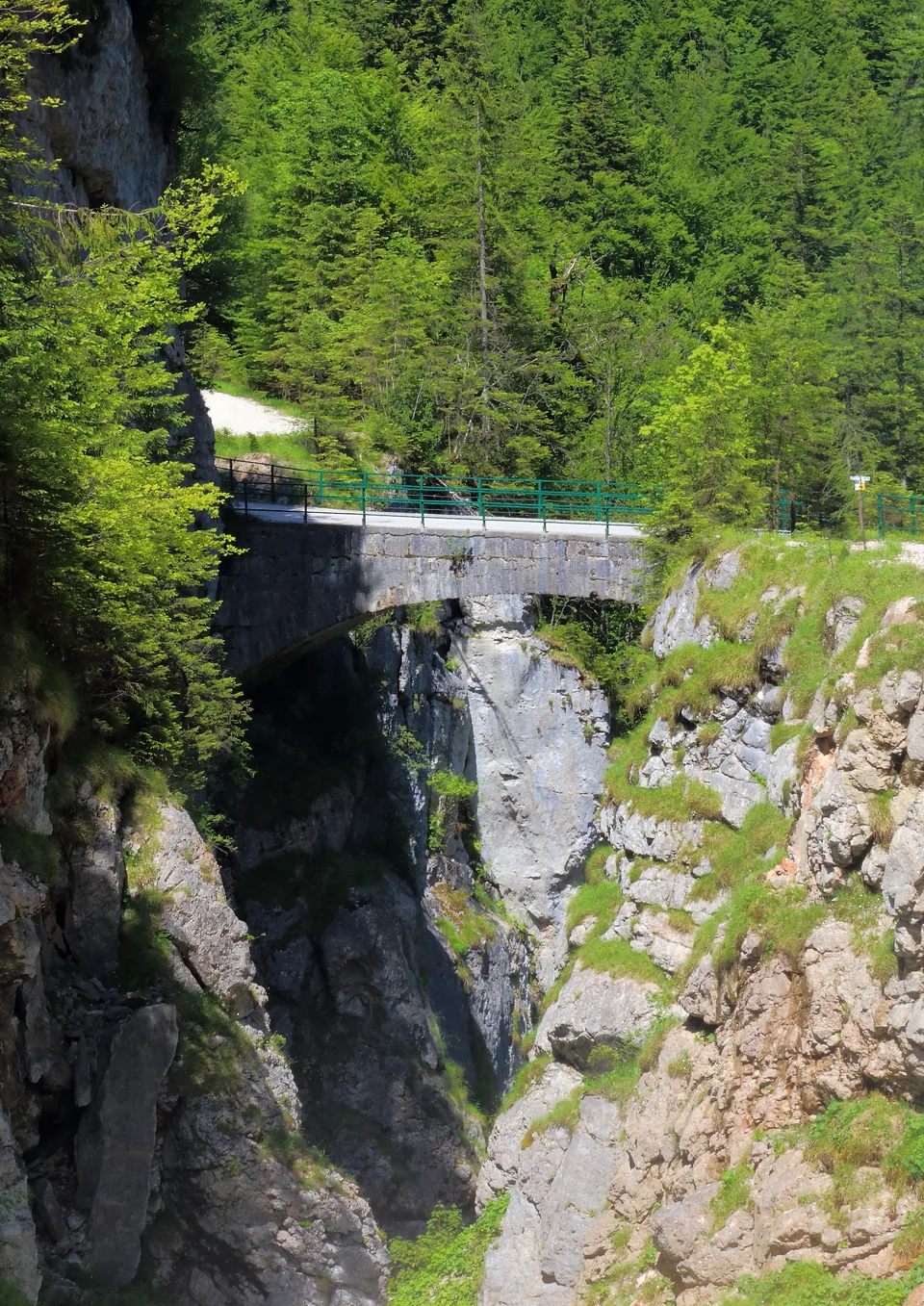
Check closures and local advice before setting off, and avoid extending a walk because a distant waterfall or viewpoint appears close on a phone screen. A historical photograph of a bridge shows the landscape, not current path conditions or permission to leave marked routes. Carry water and retain a straightforward return plan. For someone considering moving here, an accessible outdoor route can be part of everyday life; it still needs to work in the seasons you will actually experience, rather than only during a clear holiday afternoon.
A realistic two-day introduction
On day one, arrive with enough margin for your connection and accommodation arrangements. Walk through the centre and along the public waterfront, then visit the museum during confirmed hours. Include the church and ossuary if open and suitable for the group. Leave space for a meal and a second look at the streets rather than adding another town immediately.
Reserve day two for a prebooked salt-mountain outing, allowing the operator’s full recommended time. Adjust the sequence to the forecast and available tours. If the mine does not suit your group, consider a simpler village day and a suitable local walk instead. Add a separate regional excursion only with another day available. A two-night stay is a suggested pace, not a requirement to purchase every attraction or a guarantee that all venues will be open throughout the year.
Test housing and commuting before considering a move
Living in Hallstatt requires a different assessment from choosing a holiday room. Do not assume a furnished visitor apartment is available for a residential tenancy or suitable for registration. View prospective housing, verify the landlord or agent and obtain a written agreement explaining rent, deposit, operating costs and maintenance responsibilities.
Check heating, damp, ventilation, winter access, storage and the practical route for groceries and deliveries. Test internet and mobile reception inside the property if work depends on them. Repeat the commute at the actual required time, including the return after work. Employment elsewhere may change which regional settlement makes the best base. No reliable current local rent average is established here; use real offers and a complete household budget instead. Compare a less picturesque address that meets everyday needs before committing to a property chosen chiefly for its view.
Set up services and registration as separate tasks
Ask the landlord which utilities are included, how consumption is measured and who handles faults. Record the condition and relevant readings at handover. Establish heating arrangements and delivery access before winter, and check shopping hours against your schedule. Families should confirm school or childcare places, language support and the daily journey before making a housing decision.
For healthcare, use Austria’s official doctor-search guidance and confirm insurance, patient acceptance and payment arrangements directly. Do not infer round-the-clock local treatment from a regional service listing. Address registration is another separate responsibility: the federal residence-registration page gives a deadline within three days of moving into accommodation, with exceptions for certain stays. Follow the municipality’s registration procedure for documents and appointments. Registering an address does not itself confer an immigration right to live or work in Austria.
Distinguish a visit from work, study and settlement
Check nationality-specific entry requirements through the Austrian foreign ministry’s visa guidance. Eligible visa-exempt visits are generally limited to ninety days within 180 days across the Schengen area and do not establish permission for employment. For a move, consult the federal immigration routes rather than treating a tourist stay as a relocation pathway.
Qualifying EU, EEA and Swiss residents staying beyond three months should check the registration-certificate requirements, including the four-month application deadline. This differs from registering an address. For recognised higher-education studies, OeAD’s student residence guidance explains the relevant permit and work-authorisation conditions. A language course or occasional class does not automatically qualify. Permanent residence is a later status with its own requirements, not an immediate consequence of renting a home. VisaWand’s consultant directory can help you compare relevant experience and written advisory scope.
Compare nearby bases and mountain excursions
Obertraun, Bad Goisern and Gosau offer different bases for exploring the region. Compare accommodation, connections and the activities you actually want before adding another stop. The 5fingers viewing platform on Krippenstein is reached from the Obertraun cable-car system and involves a further walk. It is separate from Hallstatt’s Skywalk; check operating dates, weather and the final descent before setting out.
Use VisaWand’s Austria country guide for national context and the Austria country page to browse locations. The Austria destination consultant listings serve an advisory purpose. For another urban stop, compare the Salzburg city page rather than assuming a longer multi-stop itinerary will improve a short stay. Every transfer uses time that could otherwise go towards understanding one place. For prospective residents, an ordinary weekday can be more revealing than another scenic excursion.
Official planning resources
Reviewed 17 October 2026. Use the official resources linked throughout this guide for admission, transport, housing and immigration decisions. Prices, services and rules can change; confirm the details relevant to your dates. Photography illustrates the locations and is not a live view.
View all official resources
- Official regional Hallstatt destination
- UNESCO cultural landscape
- Upper Austrian museum association visitor information
- Regional tourism ossuary listing
- Catholic parish Hallstatt
- Salzwelten press notices
- Salzwelten visit requirements
- Salzwelten visitor regulations
- Salzwelten visitor prices and hours
- Regional accommodation directory
- ÖBB Hallstatt station
- Hallstatt ferry operator
- Regional tourism arrival
- OÖVV route543 timetable
- Salzburg airport public transport
- Official tourism P1 parking
- Regional restaurants and local dishes
- Seewirt Zauner restaurant operator
- Regional winter activities
- Regional hiking information
- Austrian public health doctor search
- Federal accommodation registration
- Municipal residence registration
- Austrian foreign ministry visa guidance
- Federal immigration routes
- EU EEA Swiss residence guidance
- OeAD student residence guidance
- Dachstein Krippenstein 5fingers operator
Plan the next part of your journey
Explore the Austria guide, browse other cities or compare consultants for your travel and relocation questions.