Visa
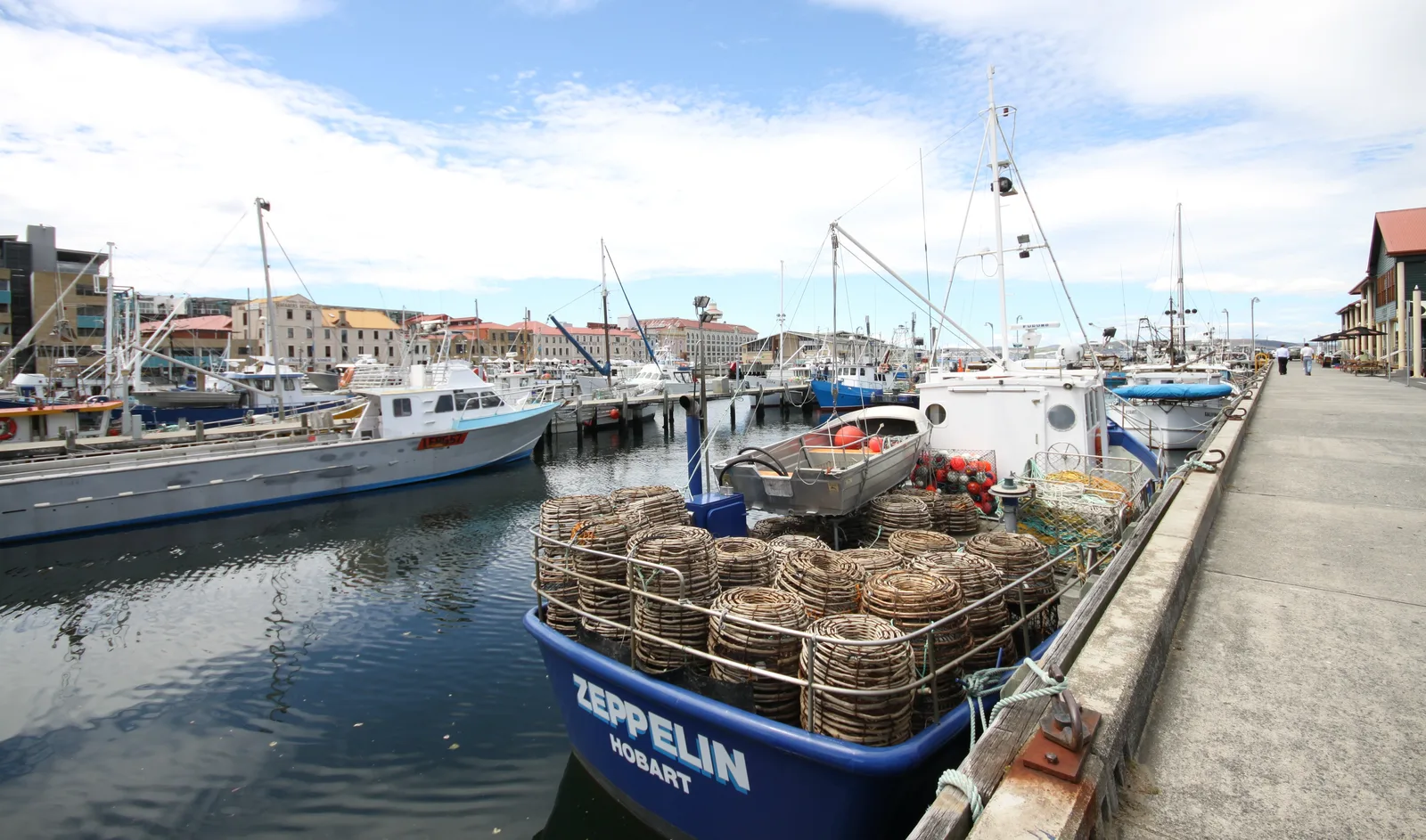
Hobart between the harbour and the mountain
Hobart makes a strong case for staying put. Tasmania’s capital sits beside the River Derwent beneath kunanyi / Mount Wellington, with working wharves, sandstone buildings and art that can occupy an entire day. The appeal is the proximity of different experiences: breakfast near the docks, a neighbourhood walk, a museum and a mountain excursion need not involve changing hotels.
The Discover Tasmania introduction to Hobart gives the geographical setting. For a first visit, allow three full days and keep the mountain day flexible. For a possible move, extend the stay into an ordinary working week. A harbour-facing room demonstrates the scenery; it does less to establish your winter heating bill, access to a particular campus or the reliability of a daily commute across the wider urban area.
Read the city’s history beyond its sandstone
The city stands on Muwinina Country. Hobart’s colonial story includes the settlement at Sullivans Cove in 1804, but that date is not the beginning of the place’s human history. The Battery Point Community Association’s history walk explicitly acknowledges both the traditional owners and today’s Tasmanian Aboriginal community. Follow that distinction when choosing tours or interpreting older accounts.
Maritime trade, warehouses and the convict system left visible traces, alongside their less comfortable human stories. Pair an architectural walk with a museum or historical site that explains whose labour supported the settlement and how people experienced colonial rule. That combination makes the waterfront more meaningful than a collection of handsome facades. It also avoids treating Tasmania’s Aboriginal history as a finished chapter belonging only to the distant past.
Choose a neighbourhood that fits your stay
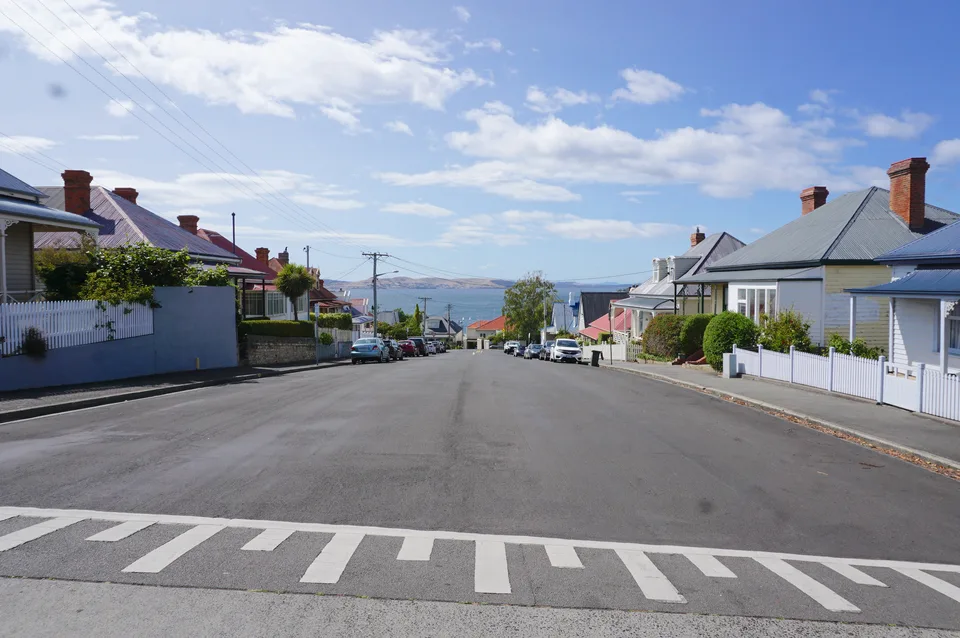
The waterfront and Salamanca suit visitors who want central walks, ferry departures and eating places close together. Battery Point offers residential streets and historic character immediately beyond the waterfront precinct, with slopes that matter when carrying luggage. Inspect the walking route rather than assuming a small distance on a map means an easy, level journey.
North Hobart’s council neighbourhood plan identifies its high-street role in food, retail and entertainment. Consider it if evenings around a neighbourhood commercial strip appeal more than a harbour outlook. Sandy Bay deserves attention for university-related stays, while South Hobart offers a different base towards the Rivulet and mountain foothills. Before booking outside the centre, compare the actual service to your destination and the journey home after dinner or an evening class.
Start with the docks and Salamanca
Use the waterfront as your first orientation walk. Watch the relationship between boats, wharves and reused buildings, then continue towards Salamanca Place. Give the district time on a weekday as well as a market day if possible: the streets and galleries have an identity beyond the busiest shopping hours.
Salamanca Market’s official tourism listing gives Saturday hours of 8:30am–3pm and places it beside the historic sandstone warehouses. Plan a relaxed morning rather than arriving just before closing. Browse Tasmanian timber products, ceramics, textiles and food, asking makers about materials and provenance when that matters to the purchase. Leave enough room in your luggage, and check food restrictions for your onward destination before buying a gift that may be difficult to carry home.
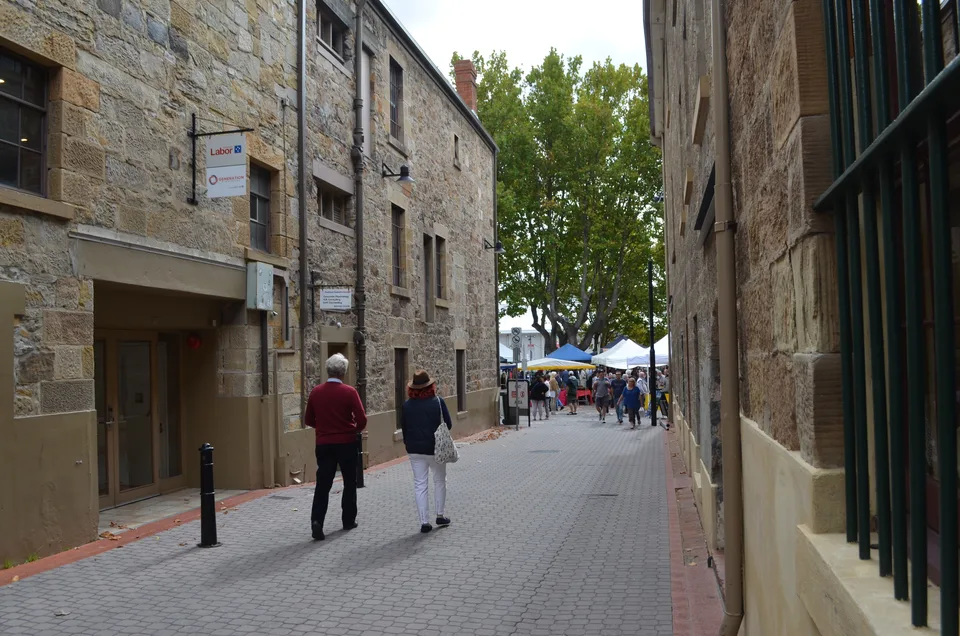
Take Battery Point at walking pace
Battery Point repays a route with context. The community’s In Bobby’s Footsteps walk links locations including Hampden Road, Arthur Circus and Kelly Street, with a downloadable map and interpretation. Its suggested duration is approximately ninety minutes, but allow longer if stopping for photographs or a meal. You can join the route at different points rather than treating it as a timed circuit.
This is also a useful place to test accommodation choices. Walk the last section to a prospective property, notice the gradient and consider the return after dark or in rain. Historic character does not establish step-free access, generous room sizes or effective heating. Ask a host about the entrance, parking and bathroom arrangement before committing, particularly when travelling with a pushchair, mobility aid or several bags.
Give Mona a substantial part of the day
The Museum of Old and New Art’s visitor information lists regular opening Thursday–Monday, 10am–5pm. Treat it as a main outing rather than an attraction to squeeze between two distant drives. The museum is north of the centre, and the experience involves more than arriving at a gallery door. Choose a date when it is open before arranging the rest of the itinerary.
At this review, the museum displayed non-Tasmanian adult entry at AUD 45 alongside a notice of a price change from 22 October. Confirm the amount for your selected date; most advance bookings also attract a transaction fee. Tasmanian residents still need tickets despite free admission. Some artworks require additional tickets, and the museum warns that parts of the collection may be confronting for children. Review the content and access information for your party.
Decide whether the Mona ferry is part of the experience
The Mona ferry runs from Brooke Street Pier, taking approximately thirty minutes each way, with published fares from AUD 30. Museum admission is separate. A ferry booking therefore needs to be compared with the cost of the complete day, not mistaken for a combined museum ticket.
There are ninety-nine steps on arrival, with a tunnel entrance available for visitors who need it; tell onboard staff about access requirements. Check your return sailing when booking, particularly if planning a long lunch. The operator publishes a revised timetable from 3 December 2026, with seasonal differences. Alternatively, compare a public-bus journey using current routes. Choose the boat because you want the approach by water, rather than assuming it is the only way to reach the museum.
Make kunanyi a flexible weather decision
Wellington Park’s managing authority places the summit at 1,271 metres and warns of limited parking, changing conditions and road closures. A clear view from the city does not guarantee comfortable conditions at the top. Carry warm and rainproof layers, check access before leaving and choose a walk suited to the least experienced person travelling.
A specific notice affects November plans: Pinnacle Road is scheduled to close on 16–19 November 2026 for maintenance, with no vehicle access to the summit. The lower road is due to open only to The Springs on 18–19 November. Tracks remain open under that notice, but pedestrians and cyclists cannot use the closed road. Consult the notice again for changes rather than building a fixed summit-drive itinerary around those dates.
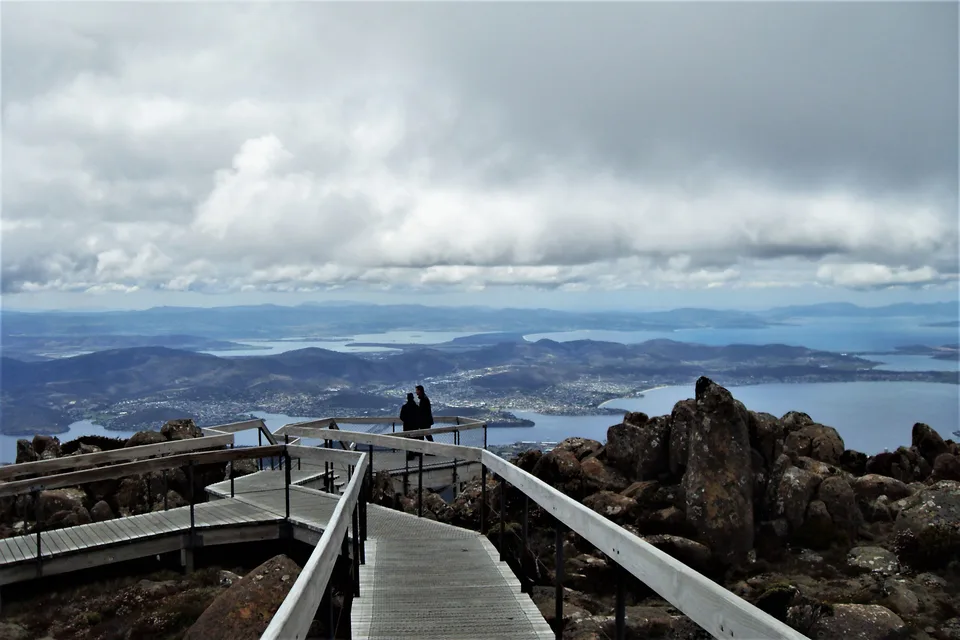
Understand the park before extending the outing
The Wellington Park practical questions clarify that entry is free and a national-parks pass is not required for this reserve. That does not establish the admission arrangements for other Tasmanian parks. Budget separately for a commercial shuttle or guided activity if using one.
There is no cafe at the summit; the park identifies food service at The Springs instead. Bring what you need for the length of the outing, and do not rely on a short scenic drive becoming a meal stop. For walks beyond the lookout, download the appropriate map, leave your plan with someone and check trail and weather advice. In poor visibility, turn the day into a lower-level outing or return to the city rather than pursuing a photograph at any cost.
Add TMAG and the Cascades Female Factory
The Tasmanian Museum and Art Gallery offers free entry close to the waterfront. Its regular April–24 December schedule is Tuesday–Sunday, 10am–4pm; the summer schedule runs daily from 26 December through March, with holiday exceptions. It is a useful anchor for understanding natural and cultural history, rather than merely a substitute when it rains.
In South Hobart, the Cascades Female Factory provides a more focused encounter with convict women’s histories. Published adult admission is AUD 35, including a forty-five-minute guided tour and an audio experience. The site lists daily opening 9:30am–4:30pm and a 2.7-kilometre Rivulet walking route from the CBD. Choose the tour time before setting off, allow for the walk and bring headphones if using the audio material. Check family and concession definitions directly when comparing tickets.
Choose accommodation by inclusions and position
Central hotels simplify an itinerary involving the waterfront and ferry piers. Apartments can help with laundry and self-catering, while a neighbourhood stay may suit a slower visit. Compare the full price for the same dates and occupancy, including parking, breakfast, cleaning charges and cancellation terms. A cheap room can become less useful if every evening requires another transfer.
For one specific waterfront comparison, The Henry Jones Art Hotel’s accommodation information distinguishes individually designed rooms and makes clear that harbour views and breakfast are not included in every room or rate. Use that level of detail when assessing any heritage property. Ask for the room category you actually want, confirm lift or stair access and check where a taxi can stop. Character and practical convenience can coexist, but the booking description should establish both.
Airport transfers: check the current stop
The SkyBus Hobart Express fare page publishes AUD 24 for an adult single and AUD 44 return. Its family fares can be useful: one adult with up to four children is listed at the same AUD 24 single or AUD 44 return price. Check the applicable child conditions and party composition rather than buying several tickets automatically.
Use the SkyBus journey planner for the service and nearest stop. Stop 6 at the Old Woolstore is no longer served; the operator identifies Stop 1 at Hotel Grand Chancellor on Campbell Street as the nearby alternative. Tickets are for a turn-up-and-go service, not a reservation for a specific departure. Compare the final walk with your luggage and arrival time, and arrange accommodation check-in separately if landing late. Keep the return transfer comfortably ahead of airline reporting deadlines.
Local transport and the temporary free-fare period
Metro Tasmania’s current announcement extends free bus travel through 30 June 2027 and says passengers should not tap their GreenCard during the initiative. This changes the visitor budget, but it does not remove the need to check routes, frequency and the last return service. Leave extra time at busy periods rather than assuming every vehicle will have space.
The Tasmanian Government’s fare guidance defines the wider scheme and explicitly excludes SkyBus and the Bruny Island ferry. Commercial sightseeing transport should be checked separately; Mona’s own ferry still publishes a fare. Walking works well for a central sightseeing day, while buses can support trips farther out. If hiring a car, compare parking and insurance costs with the number of days you actually need it. Collecting a car only for regional exploration may be worth pricing.
Arriving by sea and respecting biosecurity
The Spirit of Tasmania sailing schedule connects Geelong with Devonport. It does not deliver passengers to Hobart, so include the onward journey when comparing it with flying. Check vehicle availability and sailing conditions for your dates rather than treating the crossing as an unrestricted extension of a road trip.
The operator’s terminal information also records a Devonport address change from 24 October 2026 to 112 Wright Street, East Devonport. Follow your booking’s current instructions. Whether arriving by sea or air, read Biosecurity Tasmania’s food rules before packing supplies. Fresh fruit and vegetables are among restricted items, and processed foods have their own conditions. Domestic travel from mainland Australia does not remove these requirements. Declare or dispose of restricted items as directed, instead of carrying an uneaten picnic through arrival controls.
Food, markets and sensible shopping
Tasmanian seafood is a worthwhile theme for a meal. The tourism authority’s seafood overview describes oyster production and dining experiences across the island. In Hobart, choose from an actual menu and ask about species, preparation and availability rather than assuming every waterfront dish is locally caught. Dietary requirements deserve the same attention at a casual stall as at a restaurant.
For a different market morning, Farm Gate Market operates Sundays, 8:30am–1pm, on Bathurst Street between Elizabeth and Murray streets. It makes a useful counterpart to Saturday’s Salamanca browsing. A self-catering visitor can buy modest amounts that suit the kitchen and remaining stay, while a short-break traveller can make breakfast part of the visit. For wine or whisky purchases, factor in baggage allowance and onward transport; organise a tasting without needing to drive afterwards.
Build a budget around selected experiences
All prices here are Australian dollars. Start with the fixed decisions: accommodation, airport transfer, your chosen paid attractions and regional transport. Then add meals and any parking or booking fees. At the published return fare, two adults using SkyBus would allow AUD 88 for their airport transport, before travel to their accommodation beyond the stop.
Free TMAG entry, a waterfront walk and the temporary bus initiative can balance a more expensive art or dining day. Avoid assigning a single daily total to every visitor: a self-catering apartment stay and a waterfront hotel with restaurant meals are different products. Compare real quotes for your dates, and retain room in the budget for a changed outing. The mountain may be free to enter while still requiring transport, equipment or an alternative plan when access changes.
Seasons and what to pack
Tourism Australia’s Hobart weather information distinguishes summer in December–February from winter in June–August. Summer offers longer days for outdoor plans, but an evening layer remains useful. Winter calls for warm, rainproof clothing and a realistic relationship between daylight, walking and time spent indoors. Spring and autumn suit travellers who prefer a mixed programme rather than designing every day around outdoor conditions.
Treat the summit forecast separately from the waterfront. A comfortable afternoon near the docks is not evidence that exposed mountain conditions are suitable. Pack footwear with grip and protect yourself from the sun even when the air feels cool. For a winter apartment stay, effective heating and drying space for wet clothing may contribute more to comfort than a balcony. Check the forecast shortly before departure, rather than relying on a seasonal average as a promise.
A workable three-day itinerary
Day one: walk the waterfront, Salamanca and Battery Point, adding TMAG if opening hours and energy allow. If it is Saturday, give the market the morning and shorten the rest. On Sunday, Farm Gate can provide an alternative food-focused start. Do not plan both markets as daily fixtures.
Day two: set aside time for Mona on an operating day, coordinating museum entry with outward and return transport. Keep the evening simple. Day three: use the best suitable weather window for kunanyi, replacing a summit drive when access is restricted. Add the Female Factory on a separate half-day if historical interpretation matters more to you than a full mountain outing. A fourth day makes those choices less compressed. Keep airport departure arrangements outside the sightseeing timetable, especially when a vehicle return or an early flight is involved.
Moving to Hobart: inspect the home and test the commute
Spend the initial stay testing the routines that will shape everyday life. Check the route to your actual workplace, campus or school at the relevant hour, including evening and weekend options. A home across the wider metropolitan area may provide the space you want while changing how often you need a car. Test that trade-off before signing a long agreement.
Use the Tasmanian rental guide to understand the arrangement offered. Inspect heating, draughts, damp, ventilation and the cost of running the home; request recent bills for the property. For standard residential tenancies, Service Tasmania’s bond information sets a maximum of four weeks’ rent. Rooming arrangements can have different rules: the boarding-premises guidance explains why a boarding-house room and a jointly rented share house are not interchangeable. Confirm the written agreement and correct bond process before paying.
Rental advertisements commonly express the price by week. For a monthly planning estimate, multiply a weekly quote by fifty-two and divide by twelve, then add the utilities and transport excluded from the agreement. Keep the bond and moving expenses in a separate upfront fund. This prevents a weekly room quote from being compared directly with a monthly household budget.
Study, services and setting up a household
The University of Tasmania’s Hobart campus information shows why students should verify teaching locations before choosing housing: the university operates in Sandy Bay and the CBD, with other specialised sites. Its Hobart accommodation page publishes separate residence options and explicitly labels its displayed weekly prices as 2027 rates. Check availability, contract length, utilities and the next academic year’s terms directly.
For any household, arrange electricity and internet for the exact address, establish responsibility for water and other charges, and record the property condition at handover. Identify a grocery shop, pharmacy and a suitable general practice during the trial stay. Services Australia’s Medicare guidance makes eligibility dependent on status and circumstances; visitors from reciprocal-agreement countries may qualify for some cover, but it is not universal travel insurance. Confirm health cover and out-of-pocket costs before relying on a service. For an emergency, call 000.
Separate a visit from work, study and permanent relocation
The Department of Home Affairs’ Visitor 600 tourist stream requires applicants to intend a visit and not work in Australia. Some travellers may instead qualify for an ETA or eVisitor. Check the appropriate route for your passport and circumstances; the maximum period advertised for a visa is not a promise of the stay granted to you.
For study, consult the Student 500 requirements and the changes effective from 2 October 2026, particularly before making plans involving an application inside Australia or family members. For skilled relocation, Migration Tasmania separates state nomination from the federal visa decision. An expression of interest is not a visa application or a guarantee of selection. VisaWand’s Australia country guide and Australia consultant listings can help organise questions, while official eligibility and your granted conditions determine what you can do.
Choose the next stop for a different experience
Consider Launceston when comparing another Tasmanian urban base, or Devonport when planning a sea arrival or departure. These are separate destinations deserving travel time, rather than extra Hobart neighbourhoods. VisaWand’s Australia destination directory provides links for wider planning without implying that every listed place already has a completed travel guide.
For a regional history day, Port Arthur Historic Site gives an indicative ninety-minute drive from Hobart and publishes adult general admission at AUD 55. Treat that as a substantial excursion with time at the site, not a quick stop before a full city programme. Guided experiences have different prices and inclusions, so compare the ticket you want before arranging transport. An organised outing should specify admission, the length of the visit and its return arrangements. If travelling independently, allow for stops and changing conditions beyond the indicative driving time. Pairing Port Arthur with the Female Factory on separate days provides different perspectives on the convict system without rushing either visit.
Official planning resources
Reviewed 21 October 2026. Use the official resources linked throughout this guide for admission, transport, housing and immigration decisions. Prices, services and rules can change; confirm the details relevant to your dates. Photography illustrates the locations and is not a live view.
View all official resources
- Discover Tasmania: Hobart
- Battery Point Community Association: In Bobby’s Footsteps walk
- City of Hobart: North Hobart neighbourhood plan
- Discover Tasmania: Salamanca Market
- Mona: visitor information
- Mona: ferry travel
- Wellington Park Management Trust: access and notices
- Wellington Park: practical questions
- Tasmanian Museum and Art Gallery: visit
- Cascades Female Factory: admission and access
- The Henry Jones Art Hotel: rooms and practical facilities
- SkyBus Hobart Express: fares
- SkyBus Hobart Express: journey planner and stop changes
- Metro Tasmania: free bus travel until June 2027
- Tasmanian Government: public transport fares
- Spirit of Tasmania: Geelong–Devonport sailing schedule
- Spirit of Tasmania: terminal locations
- Biosecurity Tasmania: traveller food restrictions
- Discover Tasmania: seafood experiences
- Farm Gate Market: location and hours
- Tourism Australia: Hobart weather
- Tasmanian rental guide
- Service Tasmania: rental bonds
- Tasmanian rental services: boarding premises
- University of Tasmania: Hobart campuses
- University of Tasmania: Hobart accommodation
- Services Australia: Medicare enrolment
- Home Affairs: Visitor600 tourist stream outside Australia
- Home Affairs: Student500
- Home Affairs: changes from2October2026 Student500 and Guardian590
- Migration Tasmania: nomination and visa application steps
- Port Arthur Historic Site: general admission and tours
Plan the next part of your journey
Explore the Australia guide, browse other cities or compare consultants for your travel and relocation questions.