Visa
A seaside base with more than a beach holiday
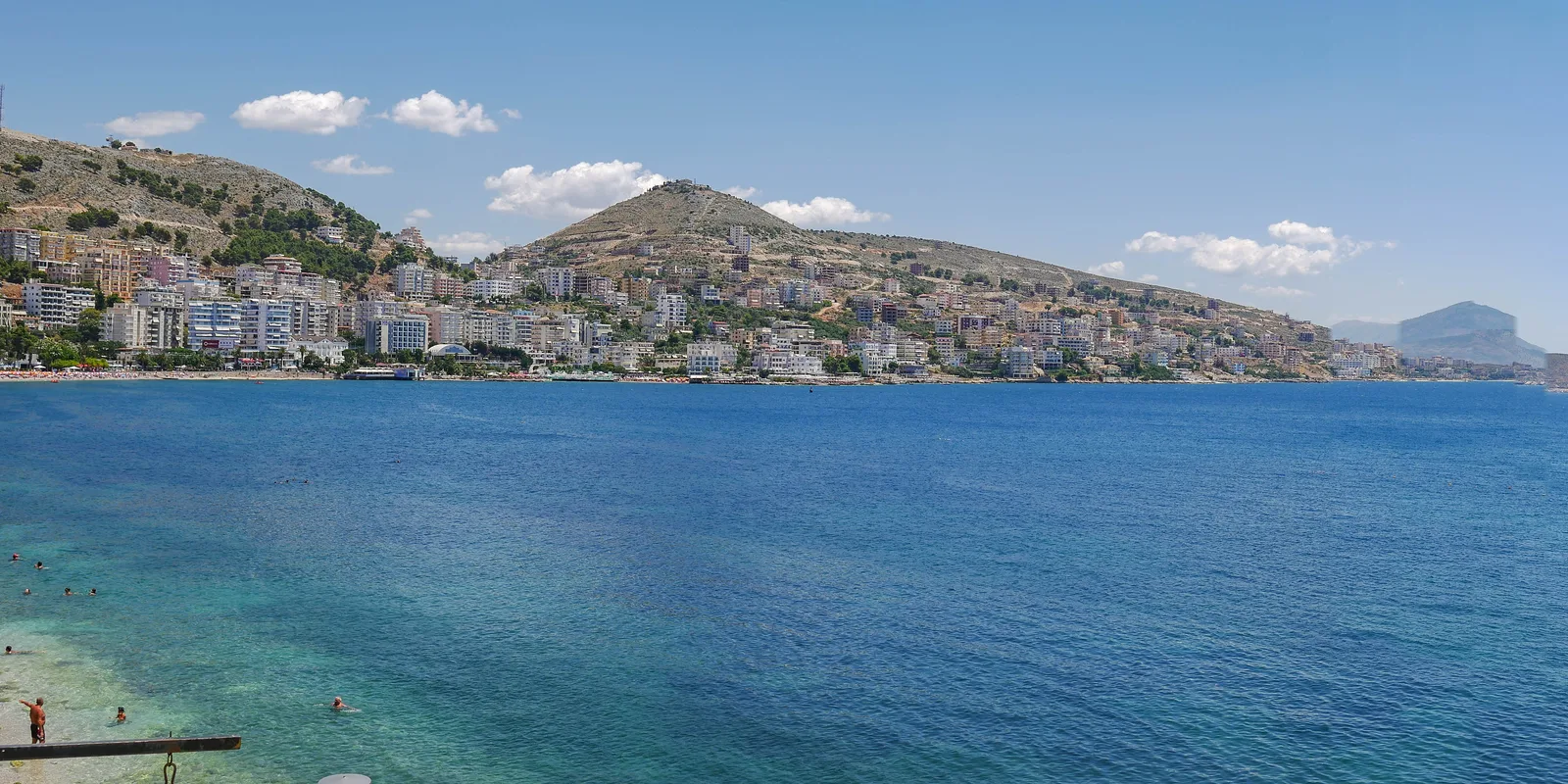
Sarandë faces a broad Ionian bay, with waterfront buildings climbing the slopes behind the promenade. Boats, beach days and outdoor meals shape the obvious holiday, but the strongest reason to stay is the variety within reach. Ancient Butrint, the spring at the Blue Eye and the coast around Ksamil give a few days here a different rhythm from simply moving between loungers and restaurants.
This is a developed seaside city rather than an untouched fishing village. Choose it for a useful base with an international ferry connection and a walkable central waterfront. If your ideal trip requires a secluded beach directly outside a quiet room, examine the accommodation address carefully before deciding that any property labelled “Saranda” fits.
VisaWand’s Albania country guide provides the national context. Locally, the most consequential choices are season, arrival route and the daily climb back to your accommodation. Settle those first, then decide which excursions deserve a day. A modest itinerary with time to enjoy the bay will usually serve you better than collecting every coastal place name.
Understand the hills behind the modern waterfront
The buildings around the bay tell only part of Sarandë’s story. The Forty Saints Monastery on the hill east of town connects the city’s name with a much older religious landscape. Saranda Tourism traces the name to the Greek expression for Forty Saints and describes the monastery’s sixth-century origins. Its surviving remains require a different kind of visit from a stroll past modern waterfront cafés.
Think of the hills as part of the destination, but also as a practical constraint. A view that makes an apartment attractive can mean an uphill return in afternoon heat. Walking distance, driving distance and the route your taxi can actually use are different measures. Check all three when comparing properties.
For a first orientation, walk part of the promenade and locate the port, your intended bus departure area and the street leading home. Then look inland. Sarandë makes more sense once you understand how quickly the city rises behind the sea, and why a seemingly nearby hilltop stop should have its own transport plan.
Choose a base around your daily routine
The central promenade is convenient for a short stay focused on meals, waterfront walking and departure arrangements. An address close to the ferry can reduce luggage handling, although you still need to establish the actual route from the terminal. Ask about steps, road crossings and vehicle access rather than accepting “near the port” as a complete description.
Properties along the coastal road towards Ksamil offer another pattern of holiday. Compare their immediate beach access with the journey back to central Sarandë. A balcony above the water does not establish that there is a suitable swimming entrance below it, or that the beach facilities belong to your accommodation.
Ksamil is a separate settlement to the south, not simply another central neighbourhood. It may suit a beach-focused stay, while Sarandë gives a different balance of town facilities and onward travel. Before booking either, mark the exact accommodation, food shopping, transport stop and intended beach on a map. Ask the host to explain the parts of the route that the map cannot show.
Give Butrint a proper half-day
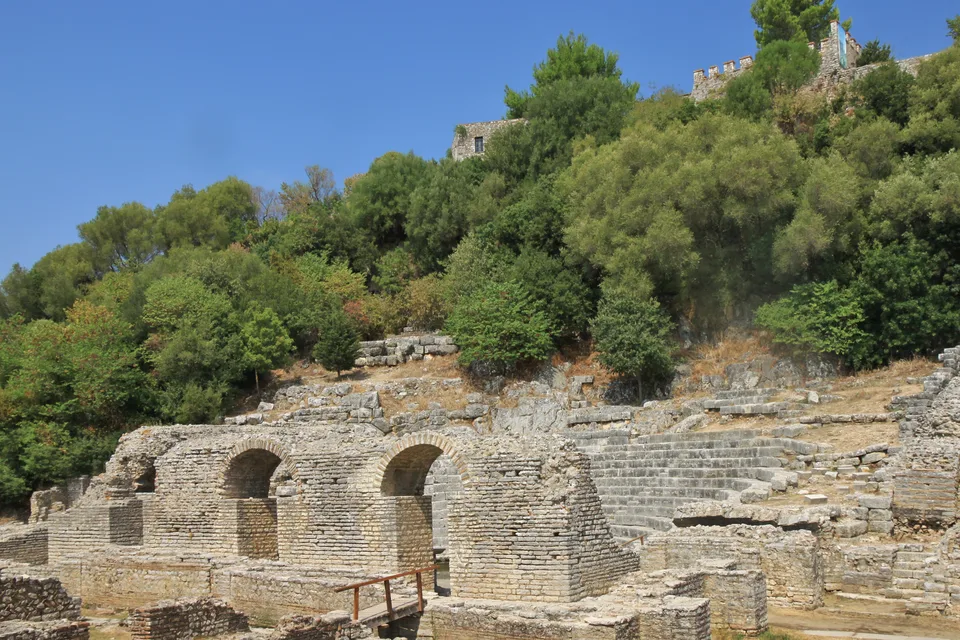
Butrint is the excursion to prioritise if you want one substantial cultural visit. UNESCO’s description of the World Heritage site places its importance in the combination of archaeology and landscape. Greek, Roman, early Christian and later layers survive around a wooded hill beside the lake and Vivari Channel. The theatre, basilica remains and fortifications make a visit more rewarding than a quick photograph at the entrance.
Leave room to walk and look rather than racing through the site between other stops. Surfaces and gradients vary, so visitors with mobility needs should ask the management about a workable route before travelling. Do not assume that every monument or mosaic will be accessible or uncovered on your date.
The Butrint Management Foundation’s 2026 seasonal announcement lists opening at 08:30, last entry at 18:00 and closing at 20:00 from 1 April to 31 October. Last entry is not closing time. Recheck arrangements for winter or a later season, and avoid arriving with only the final minutes left for a large archaeological site.
Buy the right Butrint ticket
At review, Myticket’s Butrint online-ticket page lists a standard individual online ticket at 1,000 Albanian lek. Its published terms say online tickets remain valid for one month from purchase, are non-refundable and can be presented as an electronic PDF or printed on A4 paper. Read the current conditions before paying, especially if weather or travel arrangements may change your date.
Myticket explicitly states that it does not manage the on-site ticket counter. Its online price therefore should not be represented as proof of every counter tariff or concession. Check eligibility and the correct category directly if you need a reduced or group ticket.
Keep the ticket file accessible offline and make sure everyone in your party understands the meeting and return arrangements. A tour quotation should identify whether park admission, guiding and transport are included. Paying for a transfer does not necessarily buy an archaeological guide, and an itinerary saying “Butrint stop” does not tell you how long you will have inside.
Go uphill for Lekuresi and the Forty Saints
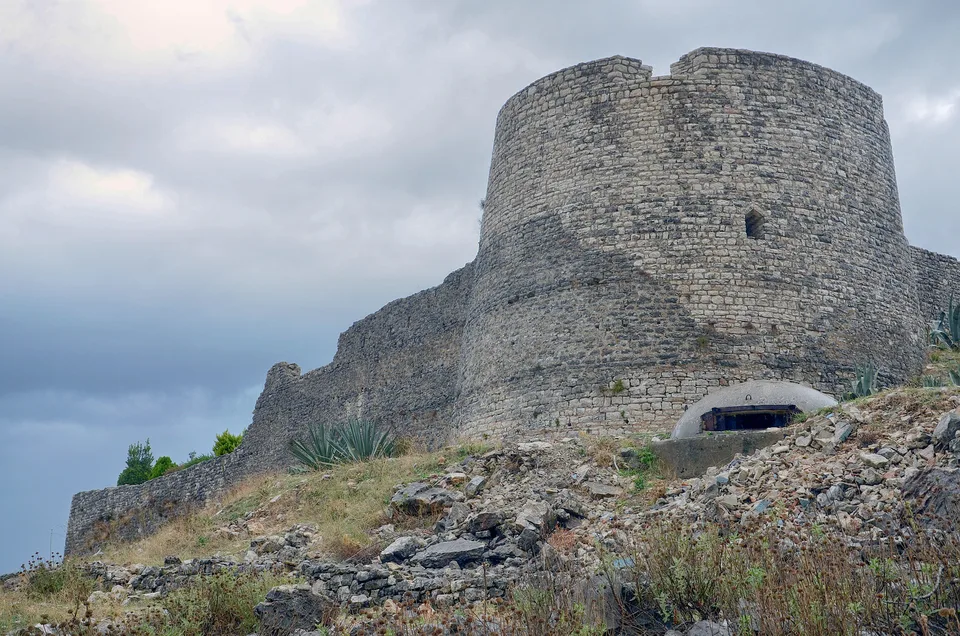
Lëkurësi Castle offers a useful change of perspective from the built-up waterfront. The Albanian National Tourism Agency’s castle account identifies it as an Ottoman fortification associated with Suleiman and dates its construction to 1537. Its surviving stone defences and views over the city, coast and Ionian Sea explain the appeal of the climb into the hills.
Arrange the return as carefully as the outward journey. If you travel by taxi, agree whether the driver waits or whether you need a separate collection. If walking, assess the actual road and conditions; a hilltop viewpoint is not automatically connected to the centre by a comfortable pedestrian route. Carry water and allow for changing light.
The Forty Saints site is another historical outing, but do not assume all surviving spaces are open for casual entry. Ask about current access before making the trip. This guide does not quote an unverified admission charge, restaurant requirement or guaranteed opening time for either hilltop destination.
Plan Ksamil around the beach you actually want
The Saranda Tourism description of Ksamil highlights small beaches, bays and offshore islands south of the city. It is an appealing contrast to a town day, but choose a particular beach and transport arrangement rather than arriving with only a collection of social-media photographs. Conditions, facilities and the atmosphere can differ between neighbouring stretches.
Ask what a lounger or umbrella payment covers, whether food or drinks are additional and where you may use your own equipment. No single verified price or access rule has been established for every beach here. The same caution applies to boat trips towards the islands: establish the route, permitted landing arrangements and return before paying.
For children or less confident swimmers, assess the water entrance and conditions on the day. Promotional descriptions of warm water or family suitability cannot replace that judgement. Bring what you need for shade and drinking water, and leave enough energy for the journey back instead of scheduling a second major excursion immediately afterwards.
Visit the Blue Eye as a protected landscape
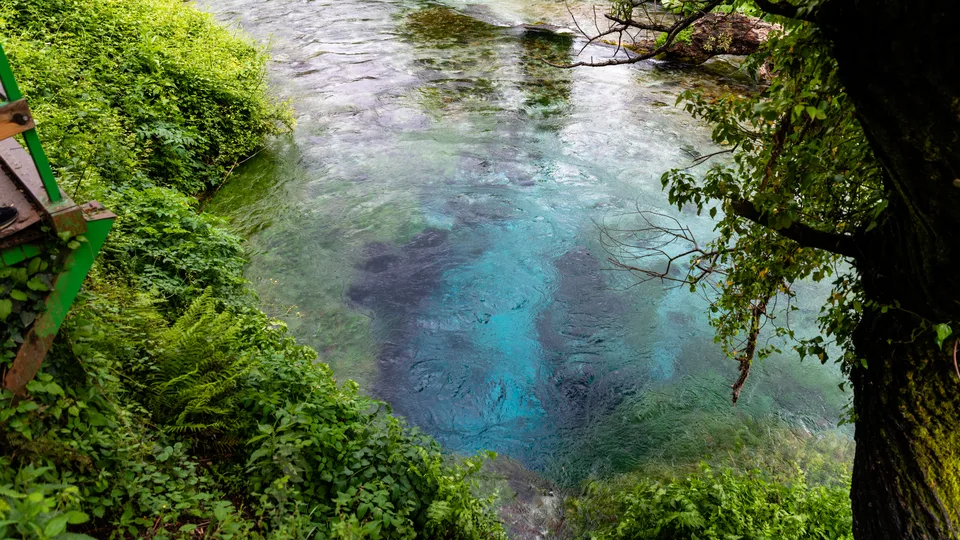
The National Tourism Agency’s Blue Eye information identifies a karst spring near Muzinë, inland from Sarandë. The blue centre and greener edges explain its familiar name. Treat it as a natural monument to observe, with time for the surrounding setting, rather than assuming it is a swimming attraction because other visitors’ photographs show people close to the water.
Check present entry arrangements, access from the vehicle drop-off and any restrictions before travelling. This guide does not promise bathing permission, a fixed admission fee or a particular shuttle service. Follow signs and staff instructions, and keep to the permitted route around the spring.
An organised excursion should specify how much walking is involved and what happens if conditions change. Independent travellers need a return plan, not simply a ride out. Combining the Blue Eye with another destination is possible only if the transport and time work for your party; it should not be added automatically to an already full Butrint-and-beach day.
Compare Corfu and Tirana for your arrival
Sarandë’s local visitor arrival information identifies two important air approaches: Tirana followed by an overland journey, or Corfu in Greece followed by a ferry. Compare the whole journey, including flight times, luggage, overnight accommodation if needed and the reliability of the connection. The geographically closer airport does not always produce the easiest arrival.
Through Corfu, allow time to reach the international passenger terminal and complete border procedures. This is a journey between Greece and Albania. Your documents must cover both countries and, where relevant, permission to return to Greece. A ferry reservation cannot resolve an immigration problem.
Tirana involves a substantial road transfer. Before buying a connecting bus ticket, confirm the departure terminal and whether the advertised airport journey includes a change. Avoid a tight same-day plan that assumes a flight, transfer and intercity departure will align perfectly. For a late arrival, an overnight stop may be a more comfortable decision than an uncertain connection to the south.
Read the ferry booking beyond its departure time
Finikas Lines publishes seasonal Corfu–Sarandë information and offers different vessel types. Confirm the actual sailing available for your date, its expected duration and whether it accepts your vehicle or luggage requirements. General website summaries are insufficient grounds for treating every crossing as the same service.
Check which local clock each departure and arrival uses, particularly when arranging a flight connection. Save the ticket and the company’s contact details before travelling. If assistance is required, contact the operator in advance about the boarding process and the vessel assigned to the sailing.
The operator’s travel conditions require identification and international-terminal formalities and explain that weather can disrupt sailings. Its published boarding guidance varies by section, so allow at least an hour and follow any earlier instruction on your current booking. Keep flexibility before an important flight. An afternoon ferry and a separate airline ticket remain two arrangements whose connection you are responsible for assessing.
Use buses carefully and walk the centre
Saranda Tourism’s getting-around information describes a bus from the centre along the coast through Ksamil to Butrint, with payment in cash. It gives a general hourly pattern from morning to late afternoon, but the page is undated. Confirm the current stop, fare, last return and operating pattern locally rather than relying on that description as a year-round timetable.
For arrival through Tirana, the airport’s bus page distinguishes the city-centre service from the service to the South and North Bus Terminal. At review it lists the latter airport departure window as 08:00–18:00, hourly, at 300 lek. That is a terminal connection, not a direct Sarandë fare. Check the onward departure separately.
Walking suits central waterfront exploration. For longer journeys, compare a taxi quote with your party’s needs and establish the total beforehand. If renting a car, verify parking at the accommodation and any restrictions at the destination. A car is useful only when collection, parking and return arrangements fit the trip.
Eat locally without relying on invented favourites
The local tourism food introduction offers a useful starting vocabulary. Byrek is a filled filo pastry with different regional versions; dhallë is a dairy drink often served alongside it. Harapash, associated with southern Albania, uses corn flour and lamb intestines, making the ingredients particularly relevant for anyone with dietary restrictions.
Fish and seafood are prominent visitor interests, but ask what is available and where it comes from instead of assuming every item is a fresh local catch. For a fish priced by weight, establish how the bill will be calculated and what accompanies it. A menu with a view still deserves the same scrutiny as one on an inland street.
For shopping, distinguish a souvenir you want from something described vaguely as traditional. Ask who made it and, for food products, check ingredients and restrictions at your next border. Simple breakfasts or picnic supplies can make an apartment stay more flexible, leaving time and budget for a meal you particularly want.
Budget in lek and compare complete prices
The Bank of Albania identifies the lek as the national monetary unit. A quotation in euros does not make Albania a euro-currency destination. Confirm the currency and payment method for accommodation, transfers and excursions, and keep enough local cash for the bus and other purchases where a card is unavailable.
Build a budget from actual offers for your dates. Include accommodation, arrival and departure travel, meals, beach equipment, cultural admission and an allowance for a disrupted connection. The verified 1,000-lek standard online Butrint ticket and 300-lek Tirana airport-to-terminal connection are specific examples, not a complete daily budget.
Ask accommodation providers whether visitor taxes, cleaning, parking and deposits are included. For cash exchange or an ATM withdrawal, inspect fees and the rate offered before accepting. There is no verified representative hotel, rent or taxi average in this guide; a precise-looking number without comparable dates and conditions would be less useful than a clear written quotation.
Choose a season for the activities you value
Albania’s government National Adaptation Plan describes a Mediterranean pattern of hot, dry summers and milder, wetter winters, with substantial differences across the country’s terrain. For Sarandë, that makes season a decision about walking comfort, beach priorities and available services rather than a promise of identical sunshine every day.
For a summer holiday, put longer archaeological walks earlier in the day and build in shade and water breaks. Check that your accommodation has effective cooling. If your priority is cultural exploration, consider dates outside the height of summer, while verifying that ferries, excursions and accommodation services match your plans.
Winter requires more individual checks: a hotel accepting reservations does not establish that all nearby restaurants or beach facilities operate. Rain and sea conditions can alter a schedule in any season. Avoid building the trip around a guaranteed number of sunny days or assuming that a mild air temperature makes swimming safe or comfortable.
Spend three days without racing the coast
Use the first day for Sarandë itself. Settle in, walk the promenade and locate the transport points you will need. If conditions and energy allow, arrange a hilltop visit to Lëkurësi, with a clear return plan. Keep dinner flexible rather than attaching a long excursion to your arrival.
Give day two to Butrint, leaving a proper block of time inside the archaeological site. A stop in Ksamil afterwards can work if you want a shorter beach visit and have confirmed the return connection. If archaeology is your main interest, allow Butrint to remain the focus rather than shortening it to preserve an ambitious checklist.
On day three, choose the Blue Eye or a more relaxed coastal day. Do not make both compulsory. Travellers with a ferry or long road departure should protect that connection and shorten the sightseeing. With four or five days, separate the excursions and add time for ordinary waterfront meals, swimming where conditions allow and a less scheduled morning.
Test a longer stay beyond the holiday season
Before moving, spend time in the area under the conditions in which you expect to live. A summer apartment with a memorable balcony may have a different winter routine, while a quiet off-season street may change during the holiday period. Compare daily shopping, access and noise as carefully as the view.
For a lease, establish whether the property is available for the whole year or returns to short holiday bookings in summer. Put the rent, deposit, notice, utilities, inventory and maintenance responsibilities in writing. Verify the person offering it has authority to do so; seek independent local legal advice before an unfamiliar purchase or substantial commitment.
If the address will support a residence application, ask in advance which housing documents the authorities require and whether the landlord can supply them. Photograph the condition of the property at handover and agree how repairs will be reported. Those details help resolve ordinary household problems before they become disputes about the deposit.
Inspect heating, cooling, damp, ventilation, water arrangements and appliance condition. Ask for recent utility bills and test the internet at the actual address. For a regular commute, try the route at the time you would use it. A holiday bus pattern is not proof of a workable year-round job or school journey.
Arrange healthcare and household essentials first
The UK government’s Albania healthcare guidance lists 127 for an ambulance and advises appropriate insurance, accessible funds and cover for possible medical evacuation. Do not assume that a seaside holiday location has every specialist service your household may need. Establish where you would obtain routine care and how an urgent referral would work.
Discuss ongoing prescriptions with a clinician before travel and check the rules for carrying medicines. The same guidance advises bottled drinking water. For a longer stay, include drinking-water provision in the household budget rather than assuming the apartment’s tap supply suits every use.
Families should contact schools directly about admissions, teaching language and capacity before committing to a lease. Compare mobile and home-internet terms at the address, including installation and cancellation. Banks and utility providers can require documentation specific to residency and account type; ask for the actual requirements instead of treating a successful hotel booking as evidence that all household services will be straightforward.
Separate visitor entry from work and residence
Check the Albanian foreign ministry’s current visa rules for your nationality and travel document. It distinguishes short-stay Type C visas from long-stay Type D visas and lists conditional exemptions involving some other countries’ visas or residence permits. These are detailed conditions, not a blanket rule that any Schengen document permits entry. Temporary nationality exemptions can also expire.
Tourism permission does not settle employment, study or permanent relocation. The interior ministry’s residence and unique-permit information separates recognised study from employment categories, with different supporting evidence. A remote job, property purchase or intention to stay does not itself prove that the necessary permission has been granted. Confirm the current route before beginning the activity.
For broader comparisons, explore VisaWand’s Gjirokastër destination page, Tirana destination page and Albania destination directory. Those pages help locate alternatives without implying that every listing is a finished guide. If you need professional assistance, assess advisers in the Albania consultant listings for credentials, relevant experience and a clear written scope before engaging them.
Official planning resources
Reviewed 24 October 2026. Use the official resources linked throughout this guide for admission, transport, housing and immigration decisions. Prices, services and rules can change; confirm the details relevant to your dates. Photography illustrates the locations and is not a live view.
View all official resources
- Saranda Tourism: Forty Saints Monastery
- UNESCO World Heritage Centre: Butrint
- Butrint Management Foundation: visiting hours
- Myticket: Butrint online tickets and terms
- Albanian National Tourism Agency: Lekuresi Castle
- Saranda Tourism: Ksamil coast
- Albanian National Tourism Agency: Blue Eye
- Saranda Tourism: arrival options
- Finikas Lines: seasonal ferry information
- Finikas Lines: booking, boarding and travel conditions
- Saranda Tourism: getting around
- Tirana International Airport: bus connections
- Saranda Tourism: regional food
- Bank of Albania: national currency
- Albania Ministry of Environment: National Adaptation Plan 2026–2036
- UK foreign travel advice: healthcare in Albania
- Albanian Ministry for Europe and Foreign Affairs: visa rules
- Albanian Ministry of Internal Affairs: residence and unique permits
Plan the next part of your journey
Explore the Albania guide, browse other cities or compare consultants for your travel and relocation questions.