Visa

About Anahuac University Network
A network with a shared identity
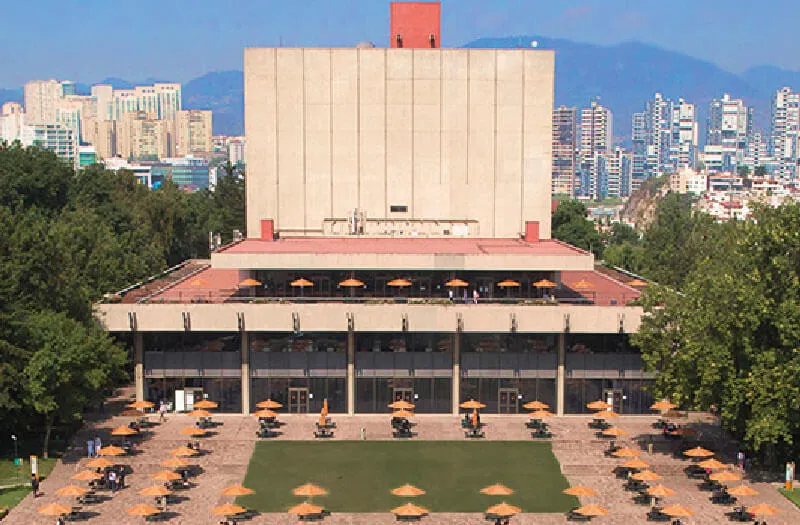
The Anahuac University Network brings together higher education institutions in Mexico around a shared institutional identity and educational model. Its official explanation describes collaboration between member institutions as a means of fulfilling their common mission and supporting their development. The network therefore has an organisational scope extending across several universities and locations. Individual campuses provide the settings in which that shared approach is put into practice.
Its stated mission centres on the integral development of people and the preparation of leaders whose actions contribute positively to society. The network places this mission within Christian humanism and identifies itself with Catholic education. Its published principles connect professional and cultural preparation with honesty, responsibility and service. They also describe study, research and the development of culture, science and technology as university responsibilities. These principles explain the relationship it draws between academic education, ethical reflection and participation in wider society.
Sources: Mission, principles and identity ↗
Origins and geographical development
The network traces its history to the establishment of Universidad Anahuac in 1964. Its historical timeline begins with the institution now identified as Mexico Campus Norte. It subsequently records the emergence or integration of institutions in different parts of Mexico, showing how the Anahuac name developed beyond its original setting. The Instituto de Estudios Superiores de Tamaulipas appears in the timeline for 1974, followed by Mexico Campus Sur in 1981 and Mayab in 1984.
Later entries include Veracruz in Xalapa in 1993 and institutions in Cancun and Oaxaca in 2000. Puebla appears in 2003 and Queretaro in 2006. The timeline also identifies the Veracruz Campus Cordoba-Orizaba in 2021 and Mexico Campus Tlalpan in 2026. Alongside these geographically based institutions, it includes the Pontifical John Paul II Institute in several cities. This history presents the network as an evolving association with regional settings and a continuing shared identity.
Sources: Network history ↗
The educational model
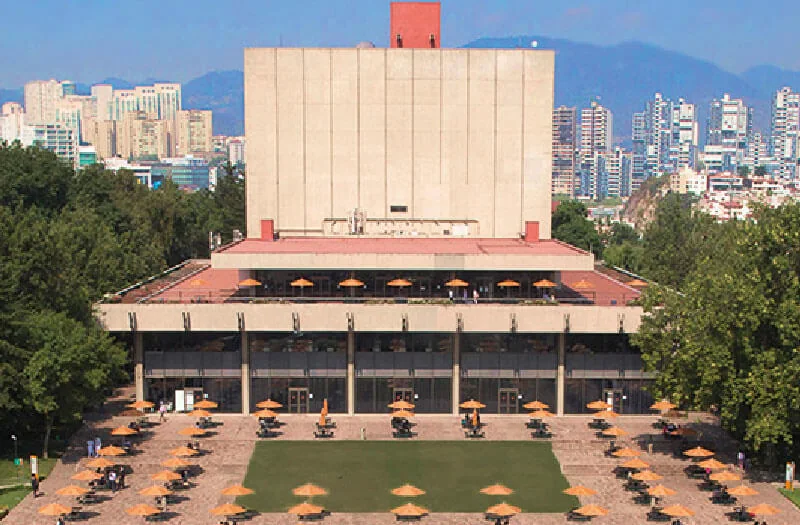
The network presents its 2025 educational model through professional, intellectual, human, social and spiritual dimensions. Students occupy the central position in that framework. Its curriculum combines preparation in a chosen discipline with university formation and learning across subject boundaries. The professional component includes disciplinary courses and integrative work, while the model also provides for a minor through study in another field.
Humanistic education, philosophical and theological reflection, leadership and elective learning form part of the Anahuac component. An interdisciplinary component includes social responsibility and sustainability, entrepreneurship and courses addressing contemporary subjects. Elective workshops can involve arts, culture, sport, leadership or social activity. The model identifies five institutional competencies: personal development, communication, critical thinking, professional competence, and leadership with entrepreneurship. Its explanation connects these areas to research, ethical decision making, communication in different languages and the design of projects. Together, they describe the learning objectives guiding the network's common academic approach.
Sources: Educational model 2025 ↗
Studying within the network
Internal mobility allows students to spend a period at another institution in the Anahuac network before returning to their original institution to complete their studies. The network describes opportunities lasting one or two semesters and relates the arrangement to its shared study plans. Its mobility information includes locations in Mexico City, Merida, Veracruz, Oaxaca, Cancun, Puebla, Tampico and Queretaro, illustrating the geographical range of this form of study.
The process is coordinated between the student's institution of origin and the proposed destination. Students begin with their local mobility office, which reviews the academic and administrative requirements and prepares the application. The receiving institution makes the final decision on acceptance. Academic standing, recommendations and the proposed study load are among the matters considered. This arrangement gives the network's shared educational framework a practical expression: students can experience another member institution while maintaining a connection to their original programme and academic administration.
Sources: Internal mobility ↗
Social commitment and participation
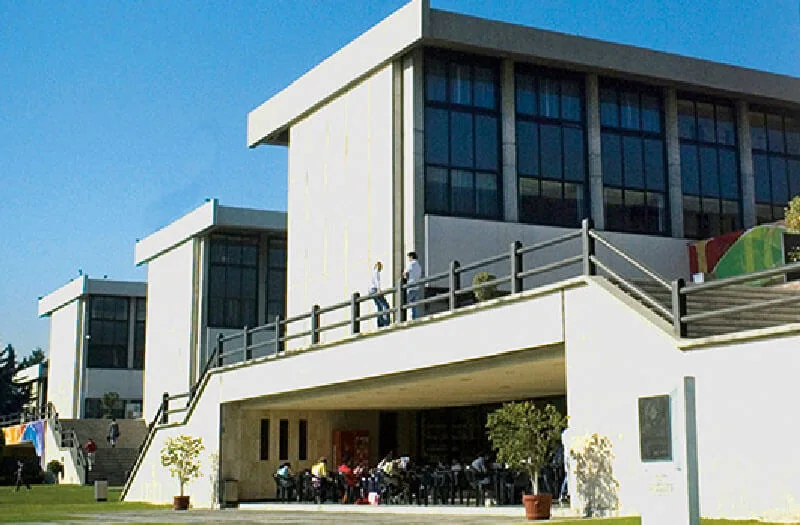
Social commitment is a distinct part of the network's account of university life. Its published mission in this area emphasises awareness of social needs, leadership through service and participation in community projects. It describes volunteering as an opportunity for students to become involved with other people and to connect their university education with wider responsibilities. The emphasis is on sustained participation and the application of personal and professional abilities.
ASUA is presented as a student organisation promoting social commitment. Its projects address material, human and spiritual needs, reflecting the network's broader understanding of service. The social service programme provides another channel for student involvement through the creation and promotion of projects. The network explains that these activities draw on both human qualities and professional preparation. Within its educational approach, service thus has an identifiable organisational setting through student participation, volunteering initiatives and the social service programme, rather than appearing only as an abstract institutional aim.
Sources: Social commitment ↗
Arts and cultural university life
Arts and culture form another component of the network's approach to integral education. Its cultural information describes opportunities for artistic creation and the dissemination of cultural work alongside students' academic programmes. Activities include cultural visits, elective subjects and workshops. Participation is open to students from different degree programmes according to their interests, allowing artistic activity to extend beyond specialist study in a creative discipline.
The network identifies dance, painting, music and theatre among the areas in which students can participate. It also describes artistic groups, an artistic company and a network artistic gathering. These formats provide several ways of engaging with creative practice: learning through workshops, working with a group and taking part in shared cultural events. The inclusion of arts within university life connects with the educational model's wider use of elective workshops and interdisciplinary learning. Cultural participation is consequently presented as part of students' overall formation and their interaction with the broader university community.
Sources: Arts and culture ↗