Visa
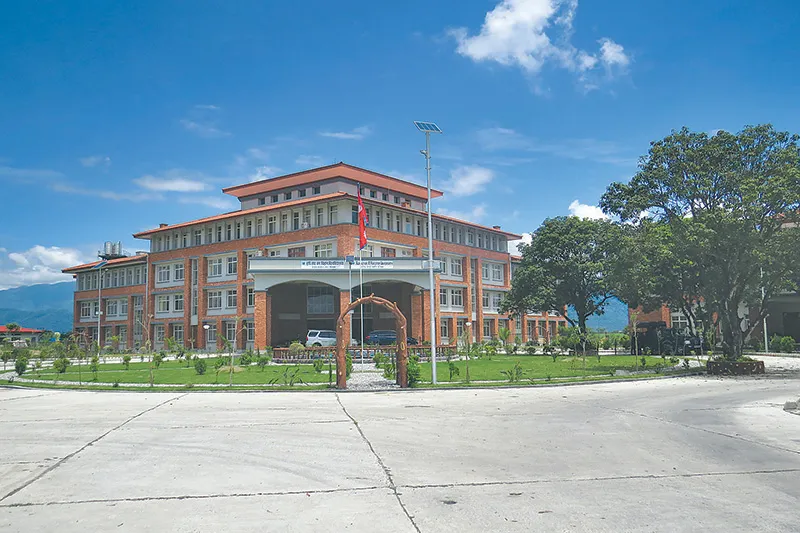

About Agriculture and Forestry University
Agricultural education with a public purpose
Agriculture and Forestry University, commonly known as AFU, is based at Rampur in Chitwan, Nepal. Established through legislation enacted in 2010, it brought together institutions associated with Tribhuvan University’s Institute of Agriculture and Animal Sciences at Rampur and its forestry campus at Hetauda. The university’s subject areas include agriculture, livestock, veterinary science, fisheries, forestry and related disciplines.
AFU describes its organising principle as a land-grant model integrating teaching, research and extension. Its mission is concerned with improving quality of life through those connected functions. The university’s strategic account identifies food and nutrition security, climate resilience, environmental conservation and the development of agricultural communities as central ambitions. Its second strategic plan covers 2023–2032 and addresses academic work, research, extension, welfare, digitalisation and sustainability. This provides a framework for an institution intended to engage with practical agricultural problems as well as educate students.
Sources: University introduction and strategy ↗
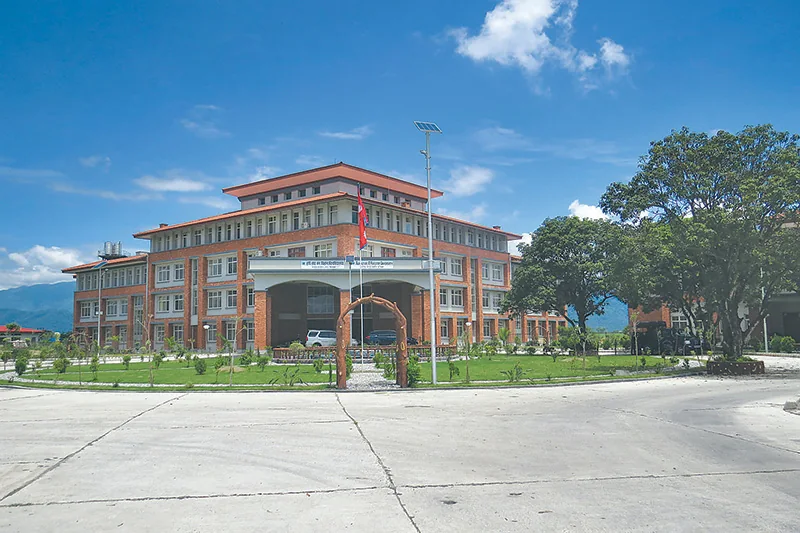
Study across agriculture, animals and forests
The university’s academic programme directory organises study through its agriculture; animal science, veterinary science and fisheries; and forestry faculties. Undergraduate fields include agriculture, veterinary science and animal husbandry, fisheries and forestry. The directory also describes postgraduate opportunities in a range of specialised subjects.
Agricultural specialisations include agricultural economics, agronomy, conservation ecology, entomology, horticulture, plant breeding, rural sociology, agricultural extension, plant pathology and soil science. Animal-related postgraduate areas encompass nutrition and fodder production, breeding, livestock production and management, veterinary medicine and aquaculture. Veterinary subjects listed include microbiology, pharmacology and theriogenology. The range reflects the university’s interest in production systems, the organisms within them and the scientific and social conditions affecting their management. Forestry adds the study of forest resources to that agricultural and animal-related scope.
Sources: Degrees and programmes ↗
Research linked with teaching and extension
The Directorate of Research and Extension supports the connection between the university’s three principal functions. Its stated objectives include generating scientific information to address problems in agriculture, animal science and forestry and making research an integral part of the university system. It also seeks to strengthen teaching through research and extension and maintain links with government research and extension bodies. The directorate presents these activities as mutually reinforcing: research addresses current problems, extension connects that knowledge with its users, and the resulting experience contributes to education. Its objectives therefore concern the relationship between university investigation and the development of the wider agricultural sector.
The Curriculum Development Center has a different academic responsibility. Established within the framework of the AFU Act, it provides direction to academic programmes and works on educational quality. The university describes it as part of academic affairs, supporting teaching and the organisation of study. Together, these units show how AFU separates responsibilities for the development of academic programmes from the coordination of research and outreach while retaining a common institutional mission.
Sources: Directorate of Research and Extension ↗ · Curriculum Development Center ↗
University farms as practical learning spaces
The Directorate of Farm oversees university farms used to develop practical skills and demonstrate agricultural technologies. Its published description identifies agronomy, horticulture, aquaculture and livestock operations. These provide different settings in which students and faculty can relate scientific knowledge to production and management.
The agronomy farm’s activities include rice and wheat seed production, processing, testing and demonstrations of varieties and technologies. The horticulture farm works with vegetables, fruit, ornamental plants, seedlings and saplings, with demonstrations of protected cultivation and orchard management. Aquaculture activities include fish and fingerling production and demonstrations for fisheries education. The livestock farm provides housing, milking structures and grazing land and supports work involving animals, breeds, fodder and forage species. These facilities place practical teaching within settings that produce biological material as well as illustrate techniques.
Sources: Directorate of Farm ↗
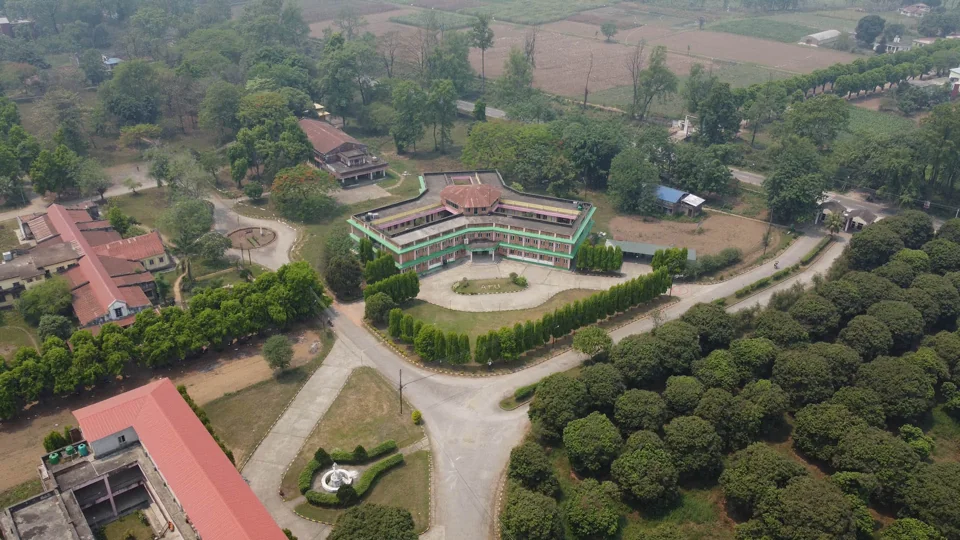
Biotechnology and postgraduate investigation
The Center for Biotechnology, established in 2010, works across plant, animal and forest biotechnology. Its research interests include molecular diagnostics, animal forensics, reproductive biotechnology and animal genomics. Its description identifies work on detecting, isolating and characterising pathogens and studying livestock breeds and their relationships with economically important traits. Academic activity, research and extension form part of its remit.
Postgraduate education is coordinated through a dedicated directorate. Its responsibilities include implementing doctoral programmes and coordinating master’s education delivered by faculty deans. A postgraduate committee develops policy on admission, study arrangements and degrees, subject to university approval procedures. For doctoral research, a committee oversees such stages as admission, the appointment of an adviser, candidacy, progress assessment and the nomination of external examiners. The university publishes postgraduate guidelines that set out the operation of this research education framework.
Sources: Center for Biotechnology ↗ · Directorate of Postgraduate Program ↗
Student welfare and university life
The Directorate of Student Welfare was established alongside the university in 2010. Its published responsibilities encompass welfare rules, hostel management and room allocation according to the criteria of a hostel management committee. It also organises activities beyond formal coursework, including indoor and outdoor games, short training programmes, educational tours, quizzes and essay competitions.
The directorate’s remit includes scholarships for outstanding students and counselling relating to teaching, research and career development. Its description also identifies a dispensary near the hostel area for basic student health services. These arrangements connect accommodation, support and participation in university activities. Alongside the university’s academic departments, laboratories and farms, they form part of the institutional setting in which students study and conduct research.
Sources: Directorate of Student Welfare ↗