Visa

About Adventist University of Haiti
A Haitian university shaped by service
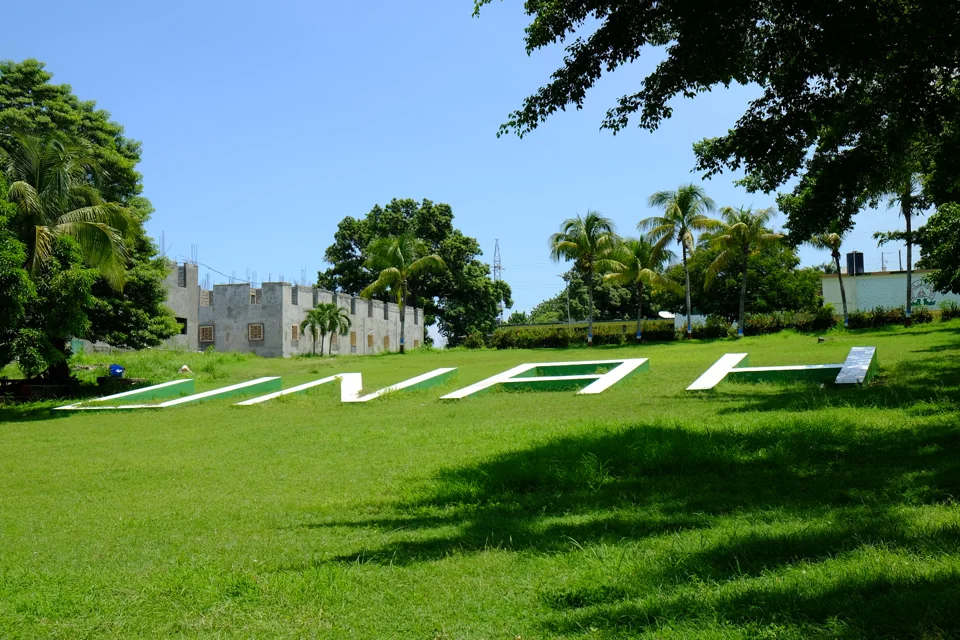
Adventist University of Haiti, known in French as Université Adventiste d'Haïti and commonly abbreviated UNAH, is a Christian higher education institution with its principal campus at Diquini in Carrefour. The university also presents campuses in Gonaïves and the Cap-Haïtien area. Its institutional purpose connects academic education with Christian values, integrity and community service. This combination is reflected in an educational portfolio that spans theology, engineering, education, administration and health-related fields, rather than a single professional discipline.
The university traces its origins to the Séminaire Adventiste d'Haïti, established at Vaudreuil near Cap-Haïtien in 1921. Its history records a move toward Port-au-Prince in 1933 and establishment at Diquini in 1946. Postsecondary programmes followed in 1964, and authorisation for a theology bachelor's qualification is recorded in 1973. In 1989 the institution acquired its university status and present name. These stages distinguish the institution's early educational roots from its later development as a university.
UNAH's published mission emphasises the preparation of capable and ethical leaders, while its vision connects academic work, relevant research and Haiti's sustainable development. Its stated values include academic quality, service to the community, integrity, respect and innovation. These principles provide a common institutional framework for faculties whose subject matter ranges from biblical languages to software systems and nursing. The French expression associated with the university's public identity, La voie du service, captures its emphasis on using education in service of others.
Sources: About the university ↗ · Institutional history ↗
Theology and religious studies
The Faculty of Theology, or FATH, offers licences in Religion and Theology. The Religion programme includes introductory biblical study, the history of Christianity, foundational theology, Christian ethics and comparative religions. The Theology programme develops more specialised study through biblical exegesis, systematic theology, preaching, pastoral theology and biblical languages, including Greek and Hebrew. These two pathways share a religious foundation while placing different emphases on general religious education and preparation for theological or pastoral work.
The faculty's wider subject description includes biblical, systematic and pastoral theology, church history, homiletics, ethics and mission. It presents spiritual formation and academic study as related parts of its educational approach. Community engagement and personal integrity appear alongside subject knowledge in its account of the qualities it seeks to develop. Theology therefore remains a distinctive part of the university's academic identity, connecting its historical origins with a continuing area of higher education.
Sources: Faculty of Theology ↗
Engineering and emerging technology
The Faculty of Engineering and New Technologies, FAGENT, describes programmes in computer engineering and biomedical engineering. Its computer engineering subject list includes advanced programming, operating systems, networks and telecommunications, databases, cybersecurity and artificial intelligence. Biomedical engineering combines areas such as medical biophysics, biomedical instrumentation, imaging, biomechanics, medical electronics and biotechnology. The faculty relates this technical education to professional ethics, innovation and the development of technological solutions relevant to Haiti.
A dated university report provides a specific milestone for this faculty. At the Diquini graduation ceremony on 30 August 2026, its first cohort of eight computer engineering graduates completed four years of university training. The report identifies four graduates in software engineering and four in systems and network administration. This documented cohort gives a concrete example of the faculty's work beyond its general programme descriptions and marks an early stage in its contribution to technology education.
Sources: Faculty of Engineering and New Technologies ↗ · First FAGENT engineering cohort, 2 September 2026 ↗
Nursing and the Gonaïves academic community
The Faculty of Nursing Sciences, FSI, describes education concerned with general nursing, emergency care, paediatric care, maternal and neonatal care, community health, mental health and nursing service management. Its published orientation combines professional knowledge with compassion, integrity and continuing learning. The faculty also describes clinical placements within its training approach. These are features of its educational provision, without implying that completion alone establishes a graduate's professional authorisation or employment outcome.
The Gonaïves campus serves the Artibonite region within the university's wider campus structure. Its academic information lists nursing, education, administrative and commercial sciences, and engineering and new technologies. Education subjects include pedagogy, educational psychology and school administration; business areas include accounting, management, marketing, finance and international commerce. The campus page also presents master's study in business administration, public health and education. These areas connect its regional educational presence with several of the university's broader subject fields.
Sources: Faculty of Nursing Sciences ↗ · Gonaïves campus ↗
Dated university activity and campus heritage
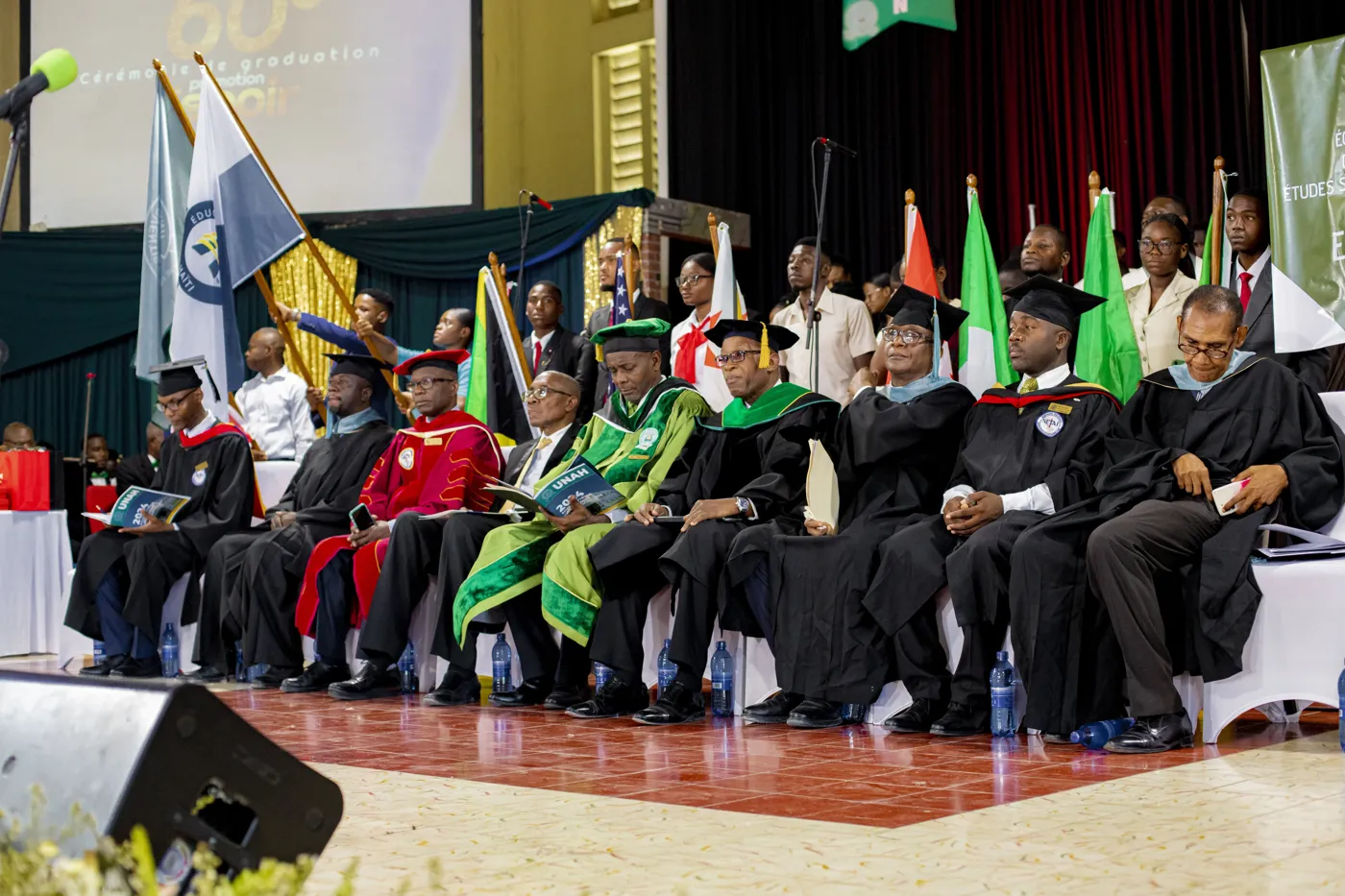
On 6 September 2026, UNAH reported a graduation ceremony at Gonaïves for 61 students, comprising 59 licence graduates and two master's graduates. The event was preceded by an academic reception, tributes, thanksgiving and a mission commitment. The university described this as the second of its three graduation series for 2026, following a Diquini ceremony and ahead of a planned Cap-Haïtien ceremony. The report documents a particular period of university activity and the connection between academic celebration and its service-oriented religious identity.
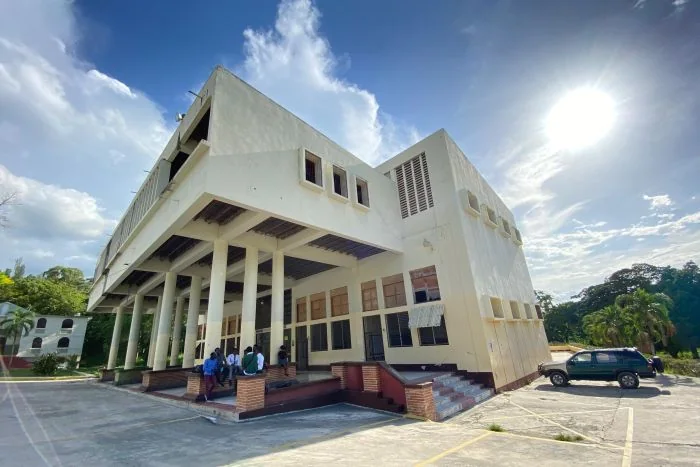
The official Diquini gallery, published in October 2026, identifies facilities including the library, the Doux Refuge cafeteria, teaching buildings, a theology chapel and the Michel Toussaint Auditorium. It also labels spaces for basketball and volleyball. These images and descriptions form a record of the university's campus heritage and community environment. Alongside its historical development and current published academic information, they help explain how teaching, gathering, worship and recreation are represented within UNAH's institutional life.
Sources: Gonaïves graduation report, 6 September 2026 ↗ · Official Diquini campus album, published 14 October 2026 ↗