Visa
About Académie d'Orléans-Tours
A regional education authority in Centre-Val de Loire
The Académie d’Orléans-Tours is the regional organization of France’s national education administration for Centre-Val de Loire. Its territory comprises six departments: Cher, Eure-et-Loir, Indre, Indre-et-Loire, Loir-et-Cher and Loiret. The rectorat is located at 21 rue Saint-Étienne in Orléans. Its responsibilities concern the content and organization of educational activity across a territory extending from nursery education to higher education.
The academy represents the Ministry of National Education within its constituent departments. Its role is therefore that of an educational authority working across schools, services and partner institutions. The academy’s publication of baccalauréat results illustrates this territorial responsibility: its July 2024 results release distinguishes general, technological and vocational routes and reports outcomes for each of the six departments. Educational administration, information and coordination are central to its relationship with learners and institutions throughout the region.
Sources: Academy territory and institutional remit, official July 2024 publication ↗
Coordination through the rectorat
The rector’s cabinet supports the coordination of educational leadership. Its published responsibilities include organizing meetings, visits and receptions, preparing briefing materials with the general secretariat and specialist services, and maintaining the rector’s administrative correspondence. It also handles relations with state services, elected representatives, university presidents, departmental education directors, school leaders, technical advisers and social partners.
Communication is another part of this work. The cabinet manages information about the rector’s activities and academy news, press relations and publications for external partners and rectorat staff. These functions provide an organizational link between educational leadership, the departmental and institutional network, and the wider public. They show the range of relationships involved in administering education across the academy’s territory.
Sources: Rector’s cabinet responsibilities ↗
Information, guidance and educational pathways
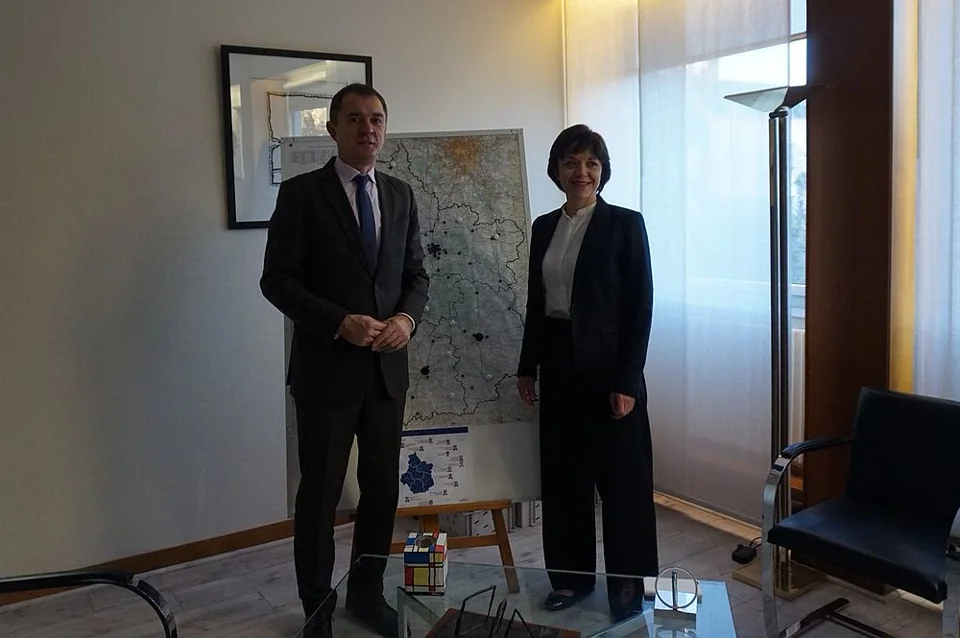
The regional delegation for information and guidance, DRAIO, coordinates policy on orientation, allocation and progression into further learning or work. It collaborates with inspectors responsible for guidance and distributes instructions, admissions and allocation documents, statistical reviews and information materials. Its published remit also includes surveys tracking pupils’ subsequent pathways and documentation concerning efforts to prevent school dropout.
The delegation oversees allocation procedures, training for guidance professionals, the mission for equality between girls and boys, and work connecting dropout prevention with insertion. It coordinates the network of information and guidance centres, known as CIOs, and maintains links with regional partners and external services. The academy presents this function as both an observatory and a source of analysis supporting institutional leadership. Its guidance work therefore combines individual educational pathways with information about the operation of the regional system.
Preparing for industrial and energy careers
The FMIE project, Formations aux métiers de l’industrie et des énergies, connects education, guidance and economic development in Centre-Val de Loire. Its September 2026 presentation describes three main ambitions: making industrial and energy occupations better known, adapting training to employment needs, and supporting teachers as technologies and production methods change. The project forms part of the France 2030 skills initiative.
Activities include awareness work in lower and upper secondary schools, the Métiers en scène project and participation in industry events. Training development addresses industrial maintenance and low-carbon energy, while stronger links between university technology programmes and engineering pathways are another stated objective. The academy’s account names the universities of Orléans and Tours, INSA Centre-Val de Loire and Polytech in this context. Teacher development is intended to help educational teams incorporate technological innovation, digital transformation and changing industrial practices into their teaching.
Sources: FMIE project ↗
A shared pedagogical resource network
The academy’s pedagogical portal provides news, teaching resources and professional information from departmental, disciplinary and cross-cutting educational spaces. It distinguishes primary education, general and technological secondary education, and vocational secondary education. Links to all six departmental education services connect the shared portal with the academy’s local network.
The portal is operated by the regional delegation for digital education, DRANE. Its dedicated resources cover experimentation, professional development, tools and artificial intelligence. In autumn 2026, the portal advertised teacher-training registration, weekly webinars and a resource-watch service for artificial intelligence. Alongside subject teaching materials, these services give educational teams routes to information about digital practice and continuing development. The portal also provides connections to national educational resources such as Éduscol, Onisep, Réseau Canopé and CLEMI.
Sources: Official pedagogical portal ↗
International partnerships and educational exchange
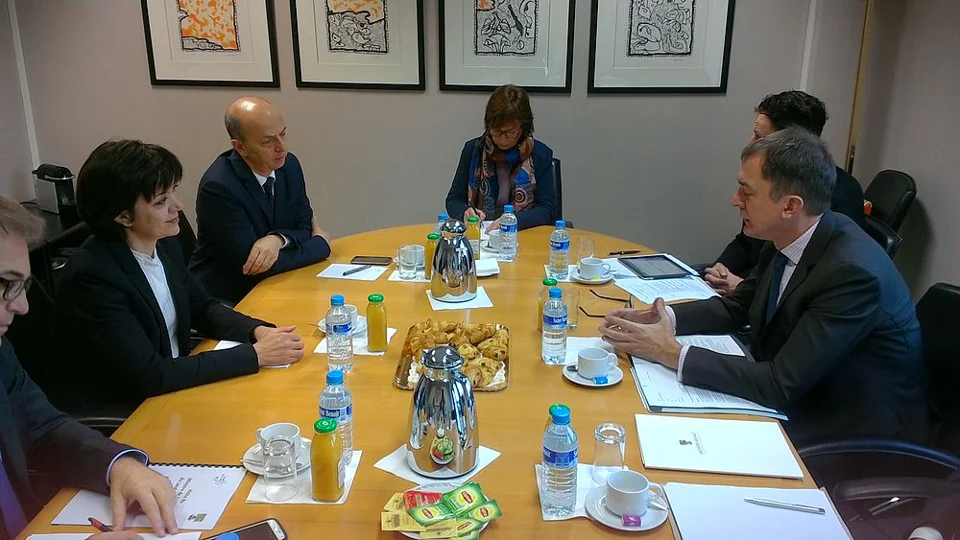
The academy’s language-education resources document cooperation with Saxony-Anhalt in Germany. An archived report describes an official visit by the German state’s education minister, meetings with academy leadership and school visits in Orléans and Blois. Its photographs show working discussions as well as exchanges about digital education. This account illustrates international cooperation through direct contact between education authorities and school communities, with the partnership convention providing a framework for developing further joint projects.
Sources: Archived Saxony-Anhalt education visit ↗
Culture, history and citizenship in education
A May 2026 report on the pedagogical portal describes pupils and students meeting filmmaker, writer and musician Abd Al Malik at Orléans’ Cinéma des Carmes after a screening of Furcy, né libre. The encounter connected artistic and cultural education with the history and memory of slavery. Learners discussed the film, its artistic production and questions of citizenship with the director.
The account also describes later work commemorating the memory of slavery, including engagement with an exhibition and participation in the Flamme de l’égalité competition. Such reports make classroom projects visible across the academy, sharing examples of how teachers connect subject learning, cultural encounters, historical inquiry and civic reflection.